
Reviewed · SAKE TASTINGS
Kyoto Sake Brewery & Tasting Walking Tour
Sake tells Kyoto’s story one sip at a time. This three-hour walk through Fushimi combines the Gekkeikan Okura Sake Museum with a generous tasting at a local sake restaurant, giving you both the craft and the culture behind Japan’s best-known drink. I like the small groups, capped at seven, and the chance to compare many Kyoto-made styles in one sitting. The main caution is simple: eighteen samples can feel like a lot, especially if you hoped to tour several working breweries.
The tour also gets high marks for its guides. Matt is praised for his clear explanations and local history, while Rika, Kumi, Yukari, Linda, and others have helped make the afternoon friendly and easy to follow. At $98.82 per person, it is not a budget stroll, but the museum entry, guide, photos, and large tasting make it a fair buy for sake fans.
In This Review
- Key points to know before you book
- Why Fushimi is the right place for a sake tour
- Inside the Gekkeikan Okura Sake Museum
- Teradaya and the walk through Fushimi
- Kappa Gallery and the lighter side of local culture
- The main tasting: eighteen sakes in one sitting
- The guides make the difference
- What $98.82 gets you
- Who should book this Fushimi experience
- Booking details worth knowing
- Should you book it?
- FAQ
- How long is the Kyoto Sake Brewery and Tasting Walking Tour?
- Where does the tour begin?
- Where does the tour end?
- How many sakes are included?
- Is food included in the tour price?
- Is the tour suitable for people with mobility issues?
- What is the cancellation policy?
Key points to know before you book
- Fushimi is Kyoto’s sake district: You walk between historic sights, breweries, and tasting stops rather than staying in central Kyoto.
- The museum explains the basics well: Gekkeikan Okura covers sake tools, ingredients, brewing methods, and the company’s long history.
- The tasting is generous: Eighteen sakes at the sake restaurant are included, with some sessions offering 17, 21, or 22 samples.
- Seven people is the maximum: A small group gives you more room to ask questions and speak with the guide.
- The route ends near Fushimi-Momoyama Station: You finish in a useful part of Fushimi, with the guide able to offer onward transport advice.
- This is a walking and drinking tour: Wear comfortable shoes, carry water in summer, and pace yourself.
Why Fushimi is the right place for a sake tour
Fushimi is one of Kyoto’s best-known brewing areas, and the setting gives this experience more purpose than a stand-alone bar tasting. You are walking through a district tied to sake production, learning how water, rice, yeast, and brewing methods affect the finished drink.
The route begins at Chushojima Station in Fushimi Ward. That meeting point is convenient if you are already exploring southern Kyoto, but it is not in the city center. Plan extra time to reach the station, and check your route before the start.
The walk ends at Fushimi-Momoyama Station, near 4 Chome Ryogaemachi. This makes the tour easy to connect with the rest of your day. Some guides have also helped people find taxis, liquor shops, or other Kyoto neighborhoods after the tasting.
You should expect a relaxed pace, but this is still a walking tour. The operator says it is not suited to people with mobility problems, though you can ask about arranging a private version if walking is difficult. Summer deserves special care. Kyoto can be hot and humid, so bring water and a hat.
More Sake Tastings in Kyoto
- 3-Hour Kyoto Insider Sake Brewery Tour with Tastings & Pairings
★ 5.0 · 917 reviews - Arashiyama Bamboo, Temple, Monkeys, or Secret Sake Brewery
★ 4.8 · 886 reviews - Kyoto: Insider Sake Brewery Tour with Sake and Food Pairing
★ 5.0 · 704 reviews
Inside the Gekkeikan Okura Sake Museum
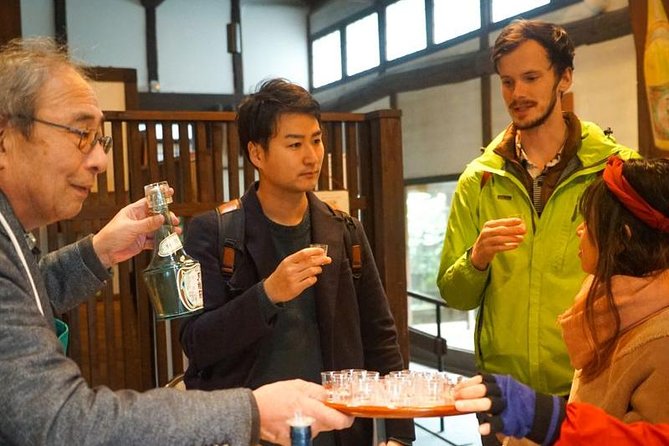
The first major stop is the Gekkeikan Okura Sake Museum, with about 30 minutes set aside and admission included. This is the tour’s classroom, but it does not feel like a lecture hall. You learn through displays and traditional brewing equipment that show how sake was made and how the process developed over time.
Gekkeikan’s connection to the museum gives the stop a useful sense of place. The company dates back to the 1600s, a detail that helps explain why Fushimi became so closely linked with sake. You are not simply looking at bottles in a shop. You are seeing the tools and methods that shaped a major local industry.
The museum is especially useful if you know little about sake. The brewing process can seem mysterious at first, but the exhibits give you a clear foundation before the larger tasting later. You learn why rice preparation matters, how fermentation works, and why sake can taste sweet, dry, light, or full-bodied.
A museum tasting is also part of the visit, and staff can explain basic differences such as dry versus sweet. This is a helpful warm-up. By the time you reach the restaurant, you have a few simple terms to guide your palate.
Still, do not expect a long brewery tour with active production rooms. The museum is designed to explain sake history and technique through exhibits. If your main goal is to watch workers brewing in a live facility, this may feel more limited than expected.
Teradaya and the walk through Fushimi
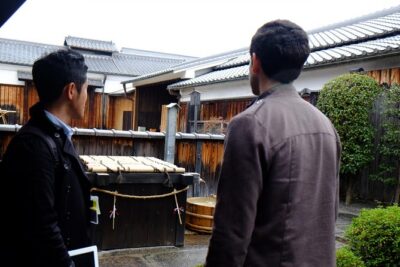
The route passes by Teradaya, a well-known Fushimi site tied to Sakamoto Ryoma and the Teradaya Disturbance. The stop is a brief historical note rather than a full interior visit, but it adds depth to the walk through the district.
This is one of the tour’s better choices. Sake is not presented as an isolated drink. You get a glimpse of the people and events that shaped Fushimi during the final years of the Edo period. The guide can connect the street scenes with local history, making the short walk more engaging.
Do not expect a long sightseeing circuit. The focus remains sake, and Teradaya is passed by rather than explored in detail. That is fine if you want a compact cultural walk, but history fans looking for a full Fushimi tour will need another experience.
Kappa Gallery and the lighter side of local culture
The itinerary includes the Kappa Gallery, with about 30 minutes and admission included. This museum is devoted to the kappa, a creature from Japanese folklore that has remained popular for generations.
At first, a kappa museum may seem unrelated to sake. It gives the tour a change of pace, though, and shows a more playful side of Japanese culture. The stop is not about brewing technique, so you should see it as a short cultural interlude rather than a second sake museum.
The exact balance between the museum, walking time, and tasting can vary. Several accounts describe visits to multiple locations, including a market or additional sake stop, while the official route clearly lists Gekkeikan Okura and Kappa Gallery. The common thread is the Fushimi setting and the final tasting. If seeing several working breweries is essential to you, ask for the current route before booking.
More Walking Tours in Kyoto
- Kyoto Geisha Walking Tour: Gion District & Hidden Gems
★ 4.7 · 3,273 reviews - Kyoto: Gion Magical Night Walking Tour with Geisha Trivia
★ 4.9 · 2,393 reviews - Kyoto: Gion Geisha District Walking Tour – Stories of Geisha
★ 4.7 · 2,187 reviews - Night Walk in Gion: Kyoto’s Geisha District
★ 4.5 · 2,003 reviews
The main tasting: eighteen sakes in one sitting
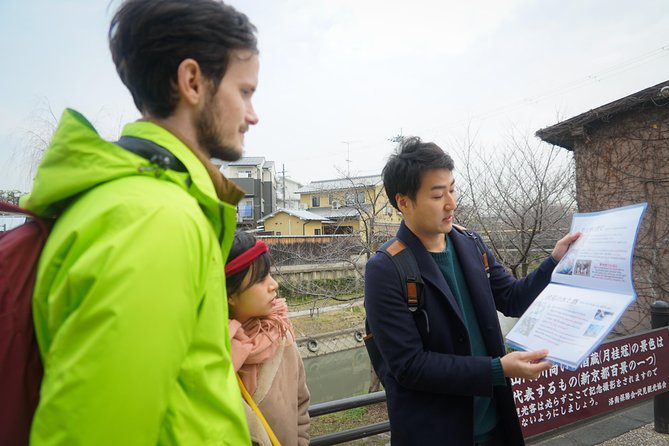
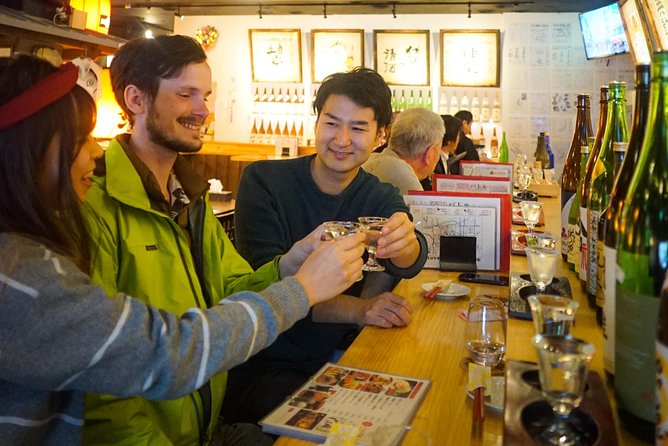
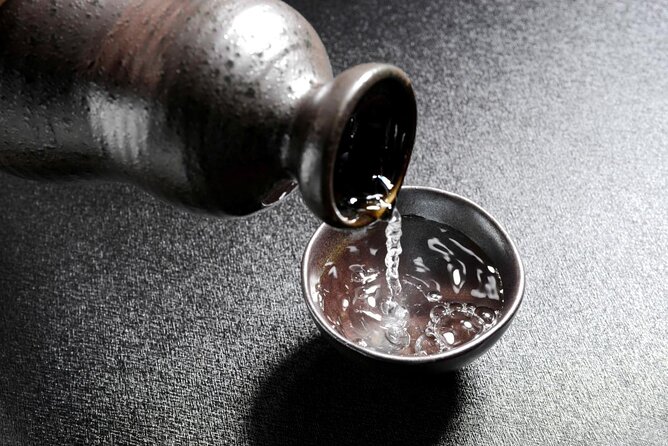
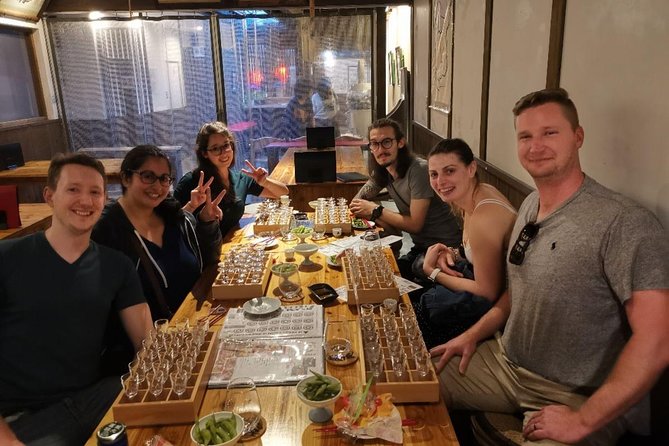
The tasting is the tour’s biggest draw. Eighteen kinds of sake at a sake restaurant are included, and some sessions have offered 17, 21, or 22 samples. That is an impressive range for a three-hour experience.
You may taste differences in sweetness, dryness, aroma, strength, and serving style. This is the practical value of the tour. Instead of ordering one bottle and hoping you like it, you can compare a broad group of styles and start to recognize your own preferences.
The tasting can also help you shop later. Several stops may offer bottles for purchase, and guides have helped people locate a favorite sake after the tour. If you find a style you enjoy, write down its name or take a photo of the label before the afternoon gets hazy.
Food is not included in the listed price, but food can be purchased at the restaurant or from vendors inside the tasting location. This matters because sake tastes better with something to eat, and a small meal can keep the tasting comfortable. Additional drinks and food are available at your own cost.
Pacing is the main issue. Eighteen tastes is generous, but it can become overwhelming. One person described the variety as useful but felt there was not enough explanation for every single sake. That is a fair concern. The guide can explain the brewing process and broad styles, but you may not receive a full technical profile of all eighteen pours.
The best approach is to treat the tasting as a comparison session, not a race. Sip slowly, drink water when you can, and eat something. You do not need to finish every sample to get value from the experience.
The guides make the difference
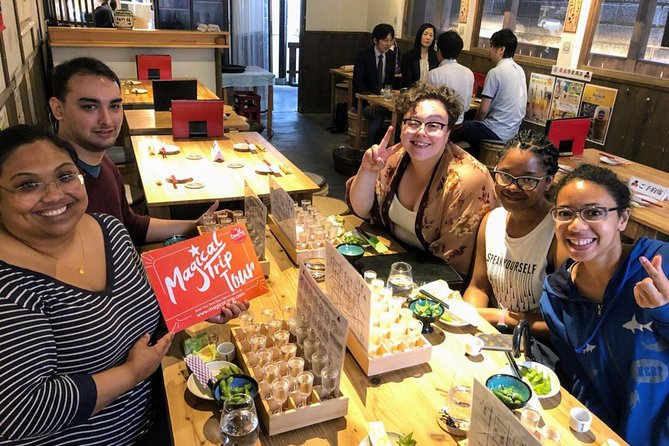
The company provides a certified MagicalTrip guide, and the guide is central to the experience. Names praised in accounts include Matt, Rika, Kumi, Yukari, Linda, Ayu, Karin, Nobu, Eri, Yuka, and Peco. You cannot choose a specific guide from the information provided, but the repeated praise for organization, friendliness, and sake explanations is encouraging.
Matt is especially noted for his explanations of Gekkeikan, the brewing process, and local history. Rika has been praised for making the tasting easy to understand while answering questions in a relaxed way. Linda, a sake sommelier, brought a more specialized point of view.
A good guide matters here because the museum displays alone cannot tell you what to notice in the glass. The strongest guides help connect the label, production method, and flavor. They also make the social part easier, especially if you are new to sake.
The experience is not identical with every guide. One account felt the host could not explain the qualities of each sake in enough detail. If you want advanced sake education, make that clear early and ask questions. If you mainly want a friendly introduction, the format is better suited to you.
What $98.82 gets you
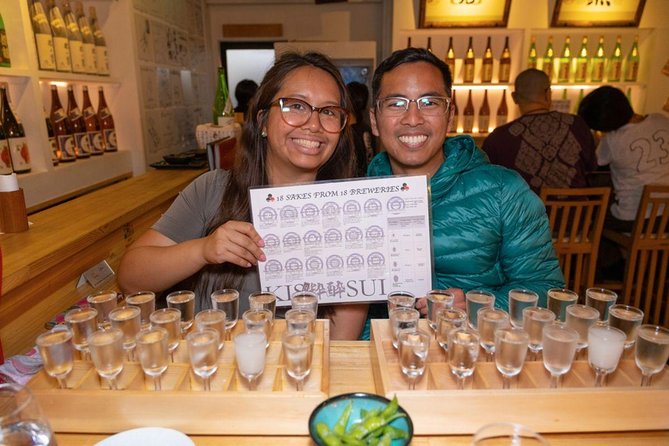
The price includes the guide, museum admission, photos taken during the tour, and the main sake tasting. At $98.82, you are paying more than the cost of museum entry and a few drinks, but the package includes a full afternoon of explanation, a small group, and a large number of pours.
The value improves if you are curious about sake but do not know how to order it in Japan. A guide can explain what you are drinking, help you compare styles, and point you toward bottles you might enjoy later. The included tasting alone is substantial.
The value is weaker if you want a hands-on production tour or only drink a little. The route does not promise several active brewery interiors, and eighteen samples may be too much for cautious drinkers. You also pay separately for food and any extra drinks.
For many people, this works best early in a Kyoto stay. You can use what you learn during later meals, and you may finish with a better idea of which sake to seek out.
Who should book this Fushimi experience
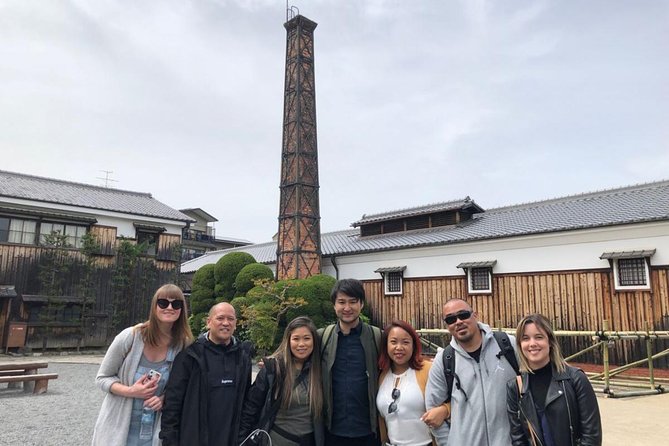
I would recommend this tour to first-time sake drinkers, couples, small groups of friends, and anyone who wants culture without spending a full day on a formal class. The museum gives beginners enough background, while the number of samples keeps the afternoon interesting for people who already drink sake.
It is also a good choice if you like meeting other people. With a maximum of seven participants, the group remains small enough for questions and conversation. Some departures may become nearly private if few people book, which can make the guide’s attention even more useful.
You should think twice if you have mobility concerns, strict dietary needs, or a strong dislike of alcohol-heavy tastings. The operator cannot guarantee allergy-free food or accommodate every dietary restriction because food is prepared in kitchens it does not control. People under 20 receive food or snacks instead of sake.
Also consider your expectations. This is a sake district walk with museum visits and tastings. It is not a full tour of multiple traditional breweries, and one of the featured brewers has an international presence. That does not erase its Kyoto roots, but it may disappoint you if you want only small, locally exclusive producers.
Booking details worth knowing
You receive confirmation when you book, and a mobile ticket is available. The experience operates near public transportation, with the meeting point at Chushojima Station and the end at Fushimi-Momoyama Station.
Free cancellation is available until 24 hours before the start time. Changes or cancellations inside that window are not refunded, and poor weather can lead to a new date or a full refund.
Arrive ready to walk and taste. Comfortable shoes are sensible, and summer visitors should carry water. Since the tour requires good weather, keep a little flexibility in your Kyoto schedule if possible.
Should you book it?
Book this tour if you want a friendly introduction to Kyoto sake, a useful museum visit, and enough samples to discover what you like. The small group, strong guide feedback, and convenient station-to-station route make it easy to fit into a Kyoto itinerary.
Skip it if your priority is watching active brewing in several small breweries, or if eighteen tastings sound excessive. For most curious drinkers, though, $98.82 buys more than a bar crawl. You get context, local history, a look at traditional tools, and a practical way to learn your own sake preferences. Just eat something, pace yourself, and leave room for the final sip.
FAQ
How long is the Kyoto Sake Brewery and Tasting Walking Tour?
The tour lasts approximately three hours.
Where does the tour begin?
It begins at Chushojima Station in Fushimi Ward, Kyoto.
Where does the tour end?
It ends near Fushimi-Momoyama Station in Fushimi Ward, Kyoto.
How many sakes are included?
The included tasting lists 18 kinds of sake at the sake restaurant. Some sessions have offered 17, 21, or 22 samples.
Is food included in the tour price?
Food is not included, but additional food and drinks can be purchased at the tasting location. Participants under 20 receive food or snacks instead of sake.
Is the tour suitable for people with mobility issues?
The tour is not recommended for people with mobility issues because it involves walking. You can contact the operator to ask if a private version would be possible.
What is the cancellation policy?
You can cancel at least 24 hours before the start time for a full refund. Cancellations or changes made less than 24 hours before the start time are not refunded.
Just added in Kyoto
- The “Golden Route” and Ancient Japan by DIAMIR Erlebnisreisen – 14-Day Tour★ 2.0 · 2 reviews
- Japan: Castles & Cuisine by G Adventures – 6-Day Kyoto to Osaka Tour★ 4.5 · 4 reviews
- Cycle Japan by Explore! – 13-Day Kyoto to Tokyo Tour★ 4.7 · 12 reviews
- Cycle Japan by Intrepid Travel – 11-Day Kyoto to Tokyo Tour★ 4.8 · 2 reviews
- Classic Japan by Intrepid Travel – 11-Day Kyoto to Tokyo Tour★ 4.4 · 14 reviews
- Ancient & Modern Japan 14-Day Tour by Exodus Adventure Travels★ 4.4 · 40 reviews
- 5 Day Cultural Adventure of Kyoto, Nara & Osaka by Tourist Journey★ 2.5 · 2 reviews
- 12 Days Kinosaki Onsen Escape: A Journey Through Japan’s Timeless Towns by UME Travel★ 4.8 · 5 reviews
Sake Tastings, compared.
3-Hour Kyoto Insider Sake Brewery Tour with Tastings & Pairings
Read our review →
Arashiyama Bamboo, Temple, Monkeys, or Secret Sake Brewery
Read our review →
Insider Sake Brewery Tour with Sake and Food Pairing
Read our review →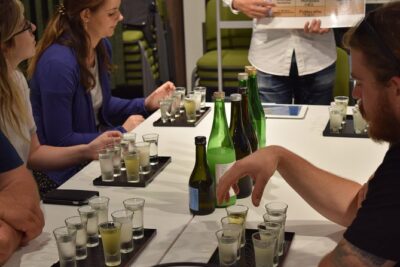
1.5-Hour Kyoto Insider Sake Experience with 7 Tastings & Pairings
Read our review →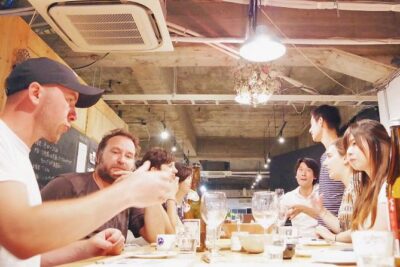
Sake Tasting Masterclass in Shinjuku (8+ Varieties with a Pro)
Read our review →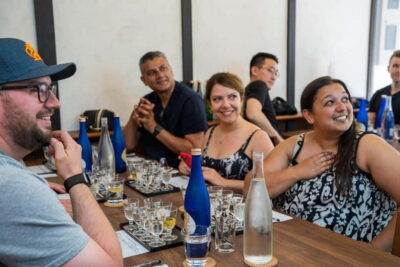
Insider Sake Experience with 7 Tastings and Snacks
Read our review →
Private Tea Ceremony and Sake Tasting in Kyoto Samurai House
Read our review →
Browse the lists this tour appears in