
Reviewed · SAKE TASTINGS
Sake Tasting Masterclass in Shinjuku (8+ Varieties with a Pro)
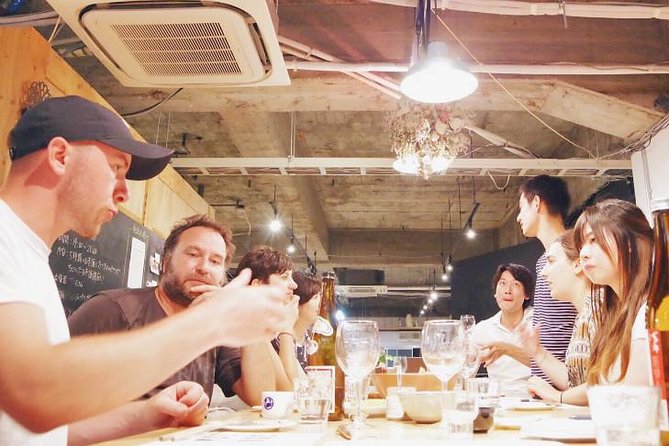
Sake rewards curiosity. This two-hour Shinjuku class turns an unfamiliar drink into something you can understand, compare, and order with confidence. I like the small-group format, capped at eight people, and the way the session joins sake with locally sourced snacks rather than treating each glass as an isolated sample. The chance to learn from guides such as Max, Joe, Tadashi, Megan, Andrea, and Hawaii Joe adds a personal touch.
I also like the practical side: you create your own tasting chart and learn what to look for when buying or ordering sake in Japan. The main caution is simple but important: six to ten tastings can catch up with you, especially on an empty stomach. Eat first, drink water, and remember this is a real alcohol tasting, not just a classroom with tiny sips.
In This Review
- Key points at a glance
- What this Shinjuku sake class is really like
- Six to ten pours, with plenty to compare
- Sake 101: brewing, labels, and tasting language
- Snacks show why pairing matters
- Why the small group improves the lesson
- Is $72.29 a fair price?
- The meeting point and afternoon timing
- Who should book this experience?
- Cancellation and booking basics
- Should you book the Shinjuku sake masterclass?
- FAQ
- Where does the sake tasting take place?
- What time does the class start?
- How long does the experience last?
- How many types of sake will I taste?
- Are food and drinks included?
- Is hotel pickup provided?
- How large is the group?
- What is the minimum drinking age?
- Can I cancel for a full refund?
Key points at a glance
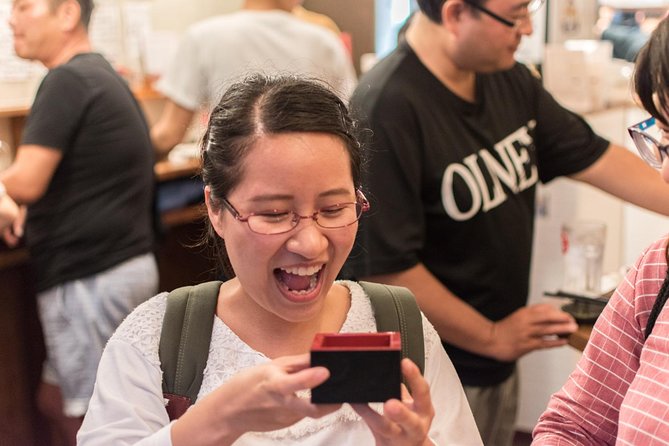
- Eight-person maximum: A small group gives you room to ask questions and receive personal attention.
- Six or more sake samples: Some sessions include nine or ten varieties, so expect a broad comparison rather than one standard pour.
- Sake 101 with a specialist: Learn brewing methods, labels, history, tasting terms, and food pairing.
- Snacks are included: Carefully matched bites show how sake works with food, though this is not a full meal.
- Useful take-home guidance: A tasting chart and buying notes can help you order junmai daiginjo or other styles later.
- Central Shinjuku setting: The class meets in Nishishinjuku and returns to the same location after about two hours.
What this Shinjuku sake class is really like
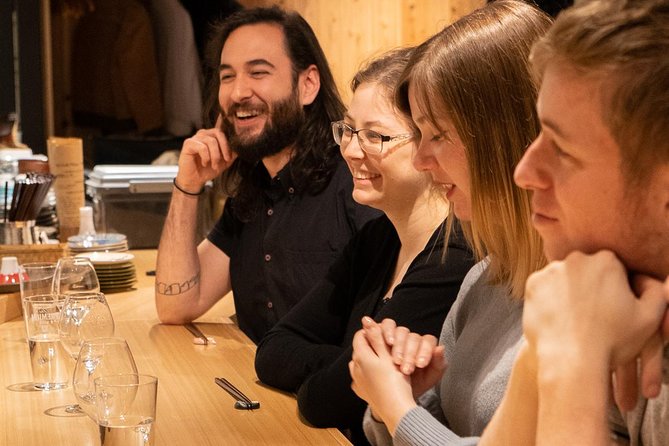
The experience begins at 1:00 pm at Ushinobi Shinjuku, inside the Wagyu & SakeNSK Building at 1-chōme-22-1 Hyakuninchō, Shinjuku City. The activity takes place in Nishishinjuku and ends back at the meeting point, so you do not need to arrange a second pickup location.
The format is closer to a guided tasting lesson than a pub crawl. You sit with a sake sommelier from the international sake sommelier team in Tokyo, learn the basics, and compare several styles side by side. That structure matters because sake can look confusing at first. Labels use terms that are unfamiliar to many visitors, and bottles do not always explain flavor in the same plain way that wine labels do.
Your guide explains the brewing process, the background of sake, and the information found on labels. You then taste the differences for yourself. That combination is far more useful than memorizing definitions. You can hear how a style is made, taste it, and decide if the result suits you.
The group size is one of the strongest features. With no more than eight people, questions do not have to compete with a crowd. A smaller class also makes it easier to compare impressions with people who may have very different starting points. Some participants arrive knowing almost nothing, while others already enjoy sake but want better language for describing it.
The hosts appear to be a major part of the experience. Max is repeatedly praised for combining sake expertise with an entertaining, friendly manner. Joe is noted for explaining complicated points clearly and for offering food suggestions around Japan. Tadashi receives especially warm praise for making the class both informative and enjoyable, while Megan is described as warm, patient, and willing to answer every question.
Andrea, Cassy, and Hawaii Joe are also named as engaging hosts. Since the guide may vary by date, you should treat those names as examples of the team rather than a promise that one particular person will lead your session. If a specific guide matters to you, you can ask the operator, though a request may not be guaranteed.
More Sake Tastings in Tokyo
- Tsukiji: Outer Market Walking Tour & Sake Tasting Experience
★ 4.9 · 81 reviews - Tsukiji: Unlimited Sake Tasting Experience
★ 4.9 · 67 reviews - Unlimited Sake Tasting with Sushi Omakase tasting in Tokyo
★ 4.0 · 44 reviews
Six to ten pours, with plenty to compare
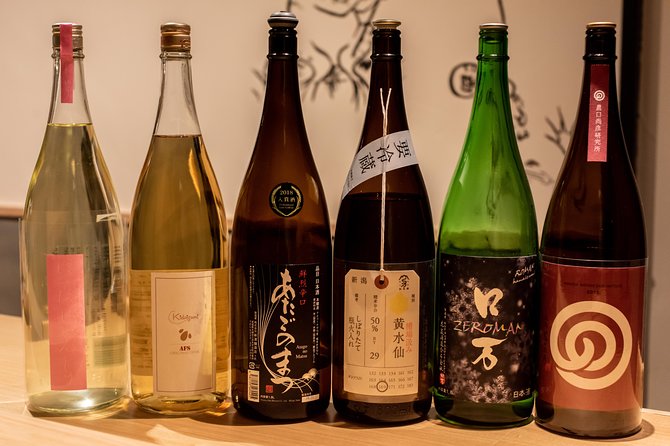
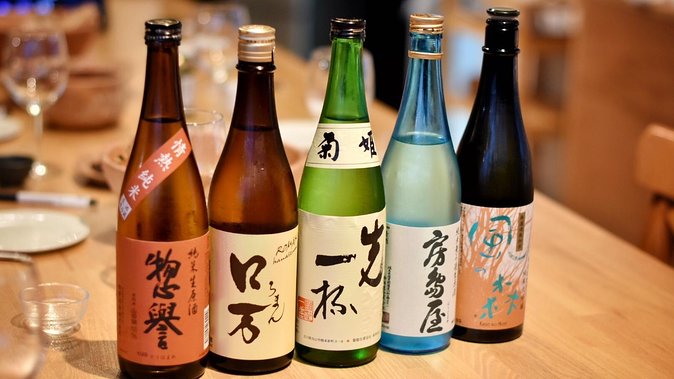
The advertised experience includes at least six different sakes, while several sessions have included nine or ten. That range is useful because one sample cannot show the breadth of sake. A tasting may include lighter and fuller styles, modern and traditional approaches, and differences in aroma, sweetness, body, and finish.
You create a personal tasting chart during the class. This is a smart idea for beginners because the chart turns vague reactions into useful notes. You may not remember every technical term, but you can record what you liked, what felt too dry, and which bottles worked best with food.
The volume also creates the main practical drawback. Ten tastings is a generous lineup, but it is enough alcohol to affect even experienced drinkers. One participant found the pace quick and felt that the amount of information was difficult to retain. Another made the sensible point that sake has no spit bucket in this kind of session, so the samples are meant to be enjoyed, not discarded.
Plan around that. Have a proper meal before arriving, and drink water during the class. Do not schedule a demanding museum visit or important business meeting immediately afterward. The afternoon timing is pleasant for a relaxed day in Shinjuku, but it is not an alcohol-free cultural lecture.
Sake 101: brewing, labels, and tasting language
The class covers three useful areas: how sake is made, how its traditions developed, and how to read a bottle. You are not expected to become a brewer in two hours. The point is to gain enough background to understand why two clear drinks can taste so different.
Brewing methods help explain the variety. The guide discusses how production choices affect the final drink, then gives you several samples so you can connect process with flavor. This is where the lesson becomes practical. Instead of hearing that one style is full-bodied or another is light, you can taste the contrast.
Labels are another valuable part of the session. Many visitors hesitate at a Japanese restaurant because they do not know how to choose a bottle or glass. The class gives you terms and reference points that can make the menu less intimidating. One participant said the lesson helped them confidently order junmai daiginjo on a flight after leaving Tokyo.
You also learn tasting strategies and words for describing what you notice. That is useful even if you do not care about sake jargon. The goal is not to sound like a professional. It is to recognize your own preferences and explain them clearly enough to make a good choice.
Beginners should not worry about arriving with no background. Several people started with little or no sake experience and finished feeling able to buy or order a bottle. At the same time, the material can move quickly, and an expert guide may cover more detail than a complete beginner can absorb in one sitting.
If you are new to sake, ask questions as they arise. The small class makes that possible. You can also focus on the broad comparisons rather than trying to remember every brewing term.
Snacks show why pairing matters
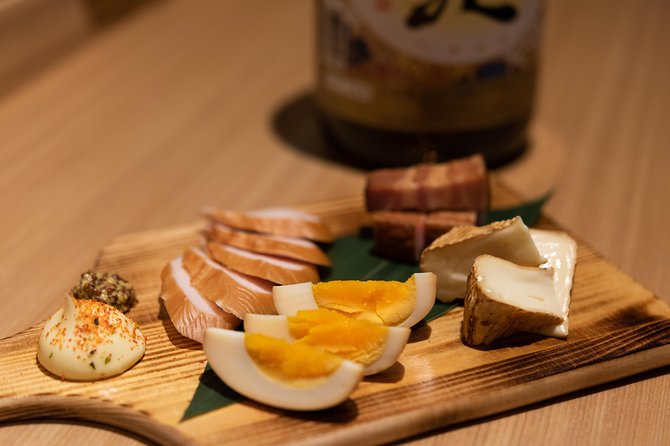
The included food is one of the class’s best teaching tools. You receive locally sourced snacks selected to match the sake, allowing you to see how food changes the drink. A sample that seems sharp on its own may feel rounder with a bite of food, while a fuller sake can hold its place beside a stronger flavor.
This is more useful than a full meal for educational purposes because the pairings stay focused. You can pay attention to the relationship between one sip and one bite. Still, the snacks are not intended to replace lunch or dinner.
Eat before you arrive. That advice comes directly from the practical reality of the session, not from fussiness. The tastings can be generous, and one person reported becoming intoxicated quickly after arriving without enough food. A meal beforehand will not prevent the alcohol from affecting you, but it should make the afternoon more comfortable.
Food lovers may get the most from this part of the class. Sake is often presented as a drink to enjoy with Japanese cuisine, and pairing guidance can help you use the lesson later at izakaya, restaurants, and department-store food halls. The guides may also offer suggestions for places to eat during the rest of your time in Japan.
A completely different kind of day out:
- Tokyo Disney Resort – Tokyo Disneyland & Tokyo DisneySea Park Tickets
★ 4.8 · 99,488 reviews - SHIBUYA SKY Ticket
★ 4.7 · 46,509 reviews - JR Whole Japan Rail Pass
★ 4.8 · 29,150 reviews - Mt Fuji and Hakone 1-Day Bus Tour Return by Bullet Train
★ 5.0 · 26,383 reviews
Why the small group improves the lesson
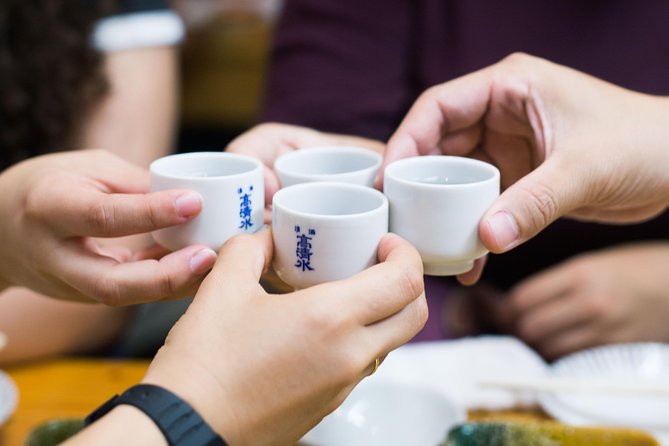
A maximum of eight people is a useful limit, not just a marketing detail. In a large tasting, you may hear a polished talk but have little chance to ask why a particular sample tastes sweet to you or why another seems too dry. Here, personal attention is built into the format.
One session had only six participants, which made it easier for everyone to speak and ask questions. Another booking became a private tasting because only one person had reserved a place, and the host still ran the activity. That suggests the operator may keep the appointment even with a very small group, though you should not assume every date will be private.
The social side is also part of the appeal. You can share the tasting with old friends, meet other people interested in Japanese food, and possibly talk with local sake enthusiasts. The atmosphere is described as casual, upbeat, and welcoming rather than formal or stiff.
That tone suits people who want an introduction without feeling tested. Max, Joe, Tadashi, Megan, Andrea, and Hawaii Joe are all praised for making technical information entertaining. The best guide for you will be one who answers questions at your level, and the small group gives the host a better chance to adjust.
Is $72.29 a fair price?
At $72.29 per person, this is not the cheapest way to drink sake in Tokyo. You could order several glasses at a bar for less, especially if you are only interested in trying the drink rather than learning about it.
The price makes more sense when you count what is included: about two hours with a sake specialist, at least six samples, snacks, label and buying advice, brewing instruction, and food-pairing guidance. Some sessions include nine or ten sakes, which increases the tasting value but also increases the need for moderation.
You are paying for structure and interpretation. In a bar, you may taste a good sake without knowing why you like it or how to find something similar later. Here, you leave with a tasting chart and practical reference material, according to the experiences described. That can save money on later guesses and help you choose bottles more confidently.
I would consider the price reasonable for a first or early-trip activity if sake is important to your Japan plans. It is less attractive for someone who simply wants one drink before dinner. The best value comes when you use the new knowledge afterward, ordering with more confidence during the rest of your trip.
The meeting point and afternoon timing
The class starts at 1:00 pm near public transportation in Shinjuku. The exact meeting point is Ushinobi Shinjuku, at the Wagyu & SakeNSK Building, 201, 1-chōme-22-1 Hyakuninchō, Shinjuku City, Tokyo 169-0073.
Pay close attention to the address before setting out. One person initially went to the wrong place because of confusion over the location. Since the activity begins at a specific restaurant and building, check the confirmation details and allow time to find the entrance.
No hotel pickup or drop-off is provided, and transportation to or from other attractions is not included. You make your own way to the meeting point and return there after the class. The mobile ticket is convenient, but it does not remove the need to confirm the address.
The afternoon slot can fit well into a Shinjuku day. You might schedule the class before dinner and use the evening for a relaxed meal, but keep the alcohol in mind when planning. If you want to visit a busy observation deck, shop, or take a long train ride afterward, give yourself time to recover.
Who should book this experience?
I would recommend it to sake beginners who want a clear starting point, food lovers curious about pairing, and experienced drinkers who want better terms for describing what they already enjoy. It also works well for couples and small groups because the format encourages conversation.
It is a particularly good choice near the start of a Japan trip. The lessons can help you make better choices at restaurants and bars during the days that follow. The practical tips from guides such as Joe and Tadashi may also help with food planning elsewhere in Tokyo, Kyoto, or Osaka.
I would be more cautious if you have a low alcohol tolerance, dislike educational tastings, or expect a full meal. The class can move quickly, and the number of samples may feel like too much for a first-time drinker. You can still attend, but eat first, pace yourself, and ask the guide to clarify anything that feels too technical.
The minimum drinking age is 20. Anyone under that age should not book this activity.
Cancellation and booking basics
Confirmation is provided at booking, and free cancellation is available up to 24 hours before the start time for a full refund. Cancellations or changes made within 24 hours are not accepted and are not refunded, with cut-off times based on Tokyo local time.
Tell the operator about food restrictions at least one week before the class. That advance notice matters because the snacks are selected for the tasting, rather than being an incidental bowl of food.
Should you book the Shinjuku sake masterclass?
Book it if you want more than a drink. The strongest reason to go is the combination of many samples, useful instruction, and a small class that leaves you better prepared to order sake on your own.
The main warning is the alcohol level. Eat beforehand, drink water, and do not mistake the friendly classroom mood for a light tasting. If you can handle that, $72.29 buys a focused introduction with practical value, personable guides, and enough variety to help you find a sake style you genuinely like.
FAQ
Where does the sake tasting take place?
It meets at Ushinobi Shinjuku in the Wagyu & SakeNSK Building, 201, 1-chōme-22-1 Hyakuninchō, Shinjuku City, Tokyo 169-0073, Japan. The activity takes place in Nishishinjuku and ends at the same meeting point.
What time does the class start?
The start time is 1:00 pm.
How long does the experience last?
The sake masterclass lasts approximately two hours.
How many types of sake will I taste?
You will taste at least six varieties. Some sessions include nine or ten different sakes.
Are food and drinks included?
Yes. Beverages and snacks are included. The snacks are not a full-size meal.
Is hotel pickup provided?
No. Hotel pickup and drop-off are not included, and transportation to or from other attractions is also not provided.
How large is the group?
The maximum group size is eight people. Some sessions may have fewer participants, and one recorded booking became a private tasting with only one attendee.
What is the minimum drinking age?
The minimum drinking age is 20.
Can I cancel for a full refund?
Yes, if you cancel at least 24 hours before the experience start time. Cancellations or changes made less than 24 hours before the start time are not refunded or accepted.
Just added in Tokyo
- A One-of-a-Kind Sushi Experience in a Special Place of Japan★ 5.0 · 15 reviews
- Tokyo Cute Bento Cooking Class – Make a Kawaii Character Lunchbox★ 5.0 · 126 reviews
- Japanese Home Cooking Class & Walk in Todoroki Temple Tokyo★ 5.0 · 88 reviews
- Japan Tokyo Tower Observatory Deck E-Ticket★ 4.0 · 34 reviews
- Catch a Baseball Game in Tokyo with a Local – Tickets Included★ 5.0 · 24 reviews
- JDM Experience with Fast&Furious RX-7 (English speaking Driver)★ 5.0 · 57 reviews
- Tokyo Private Day Tour by Car with English speaking Driver Guide★ 4.0 · 29 reviews
- Japan Classic 10 Day – One Life Adventures★ 5.0 · 129 reviews
Sake Tastings, compared.
3-Hour Kyoto Insider Sake Brewery Tour with Tastings & Pairings
Read our review →
Arashiyama Bamboo, Temple, Monkeys, or Secret Sake Brewery
Read our review →
Insider Sake Brewery Tour with Sake and Food Pairing
Read our review →
1.5-Hour Kyoto Insider Sake Experience with 7 Tastings & Pairings
Read our review →
Insider Sake Experience with 7 Tastings and Snacks
Read our review →
Private Tea Ceremony and Sake Tasting in Kyoto Samurai House
Read our review →
Browse the lists this tour appears in