
Reviewed · SAKE TASTINGS
Tsukiji: Unlimited Sake Tasting Experience
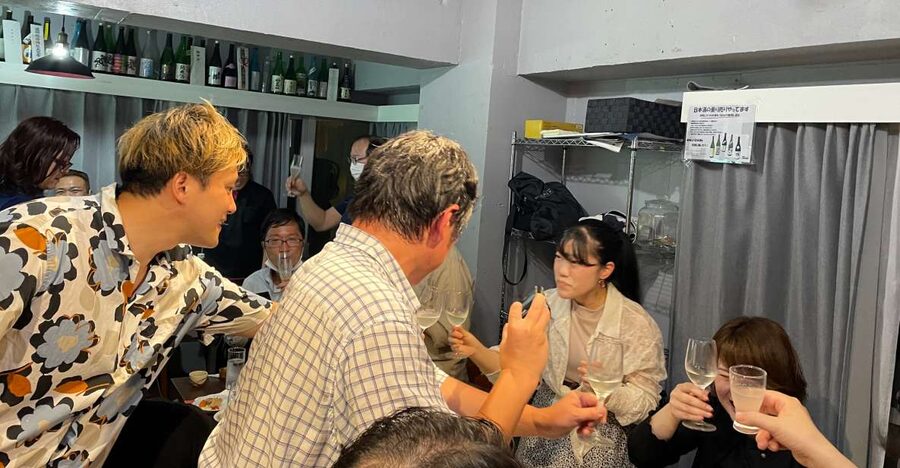
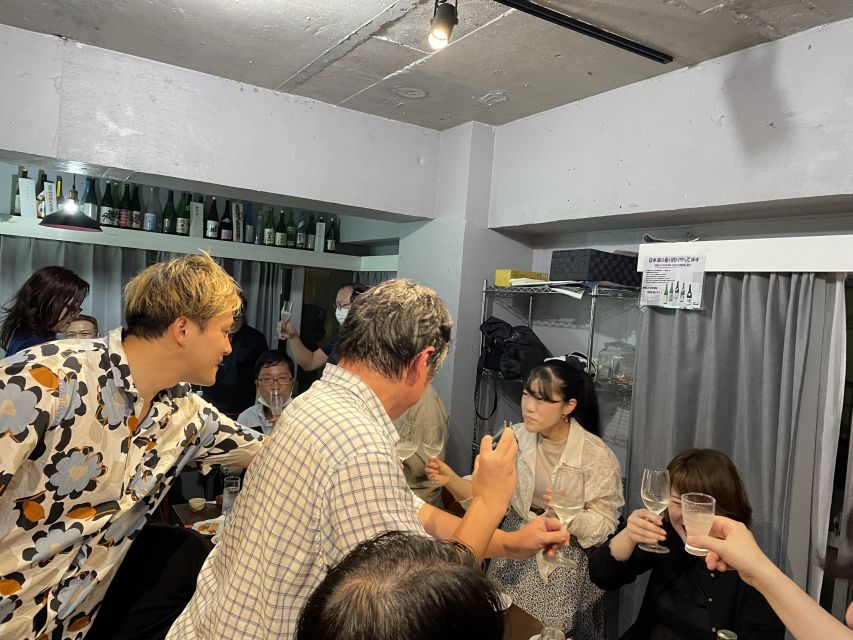
Sake is far more varied than most bar menus suggest. This Tsukiji tasting puts 50 to 60 bottles within reach in a private salon, with an English-speaking sommelier explaining what makes each one different. I like the chance to taste beyond the usual supermarket brands, and I like the relaxed setting, where hosts such as Mako, Yuki, Kyoko, and Mako-san have helped beginners feel at ease. The main point to check is timing: the activity is advertised as 90 minutes, while the description also refers to two hours of unlimited tasting.
I also like that this is not just a succession of tiny pours. You compare sake at different temperatures, try it with cheese and rice crackers, and learn how rice, brewing methods, breweries, and serving choices affect the glass. The drawback is simple: food is limited to snacks, not a meal, and the tasting is not suitable for pregnant women or wheelchair users.
In This Review
- Key details before you book
- Arriving at the Tsukiji sake salon
- The first tasting: learning that sake is not one flavor
- Comparing chilled, warm, and changing flavors
- Cheese, rice crackers, and the missing meal
- How much sake will you actually try?
- The hosts make the difference
- Understanding the brewing process and Japanese sake culture
- Is $54 a fair price?
- Who should book this experience?
- Practical tips for getting more from the tasting
- Should you book the Tsukiji unlimited sake tasting?
- FAQ
- How long does the Tsukiji sake tasting last?
- How many kinds of sake can I try?
- Is the tasting conducted in English?
- Where is the meeting point?
- Is food included?
- Can children attend?
Key details before you book
- 50 to 60 sakes available: You can sample bottles from breweries around Japan, though individual sessions may cover closer to 20 or 30 varieties.
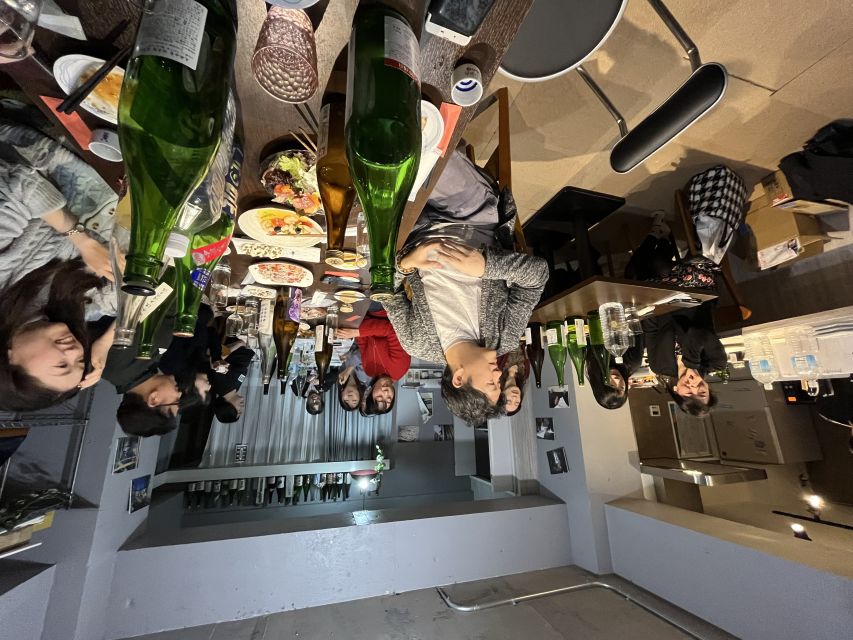
- Private Tsukiji salon: The setting is at Sake Lovers Inc., in a red brick building on the fourth floor, rather than in a large public bar.
- English-speaking instruction: The host explains each bottle, its brewery, sake production, and the drink’s place in Japanese culture.
- Temperature comparison: You taste sake chilled and at other temperatures to see how warmth changes its aroma and flavor.
- Simple pairings included: Cheese, rice crackers, and other small snacks help you notice how food changes the drink.
- Small groups are possible: Some sessions have had only one to three people, creating an almost private lesson.
Arriving at the Tsukiji sake salon
Your meeting point is Sake Lovers Inc., written as サケ・ラバーズ株式会社. Look for the red brick building, take the elevator to the fourth floor, and use the first door on the left, marked 405.
That address matters because this is not a street-level tasting room that you can casually wander into. Give yourself enough time to find the building and elevator. Once inside, you enter a private salon run by Sake Lovers Inc., a local sake enthusiast group with access to a broad range of bottles.
The atmosphere is one of the experience’s strongest points. You are not being pushed through a noisy counter-service bar. The small room allows direct conversation, so you can ask basic questions without feeling out of place. That is especially useful if your sake knowledge begins and ends with ordering a warm cup at a Japanese restaurant.
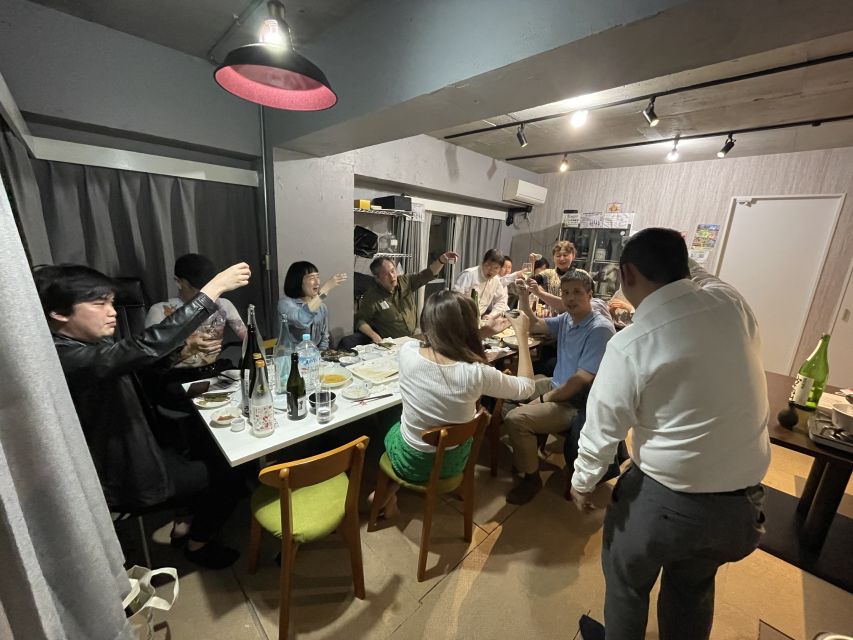
Group size can vary. Some sessions have been intimate enough for one person, a parent and adult child, or a group of three. A small turnout can turn the appointment into a private lesson, although you should not book expecting that every time.
More Markets and Food Halls in Tokyo
- Tokyo Tsukiji Fish Market Food and Culture Walking Tour
★ 5.0 · 3,184 reviews - Tokyo: Tsukiji Fish Market Food and Walking tour
★ 5.0 · 1,724 reviews - Senkyaku Banrai Toyosu Manyo Club Onsen Experience in Tokyo
★ 4.7 · 1,690 reviews
The first tasting: learning that sake is not one flavor
The sommelier begins by giving you a framework for tasting. You learn about the brewing process, the breweries, the background of each bottle, and the broad ways sake can differ.
That introduction is valuable because sake labels can feel like a wall of unfamiliar Japanese writing. Instead of guessing, you begin to connect flavor with production and style. You may find bottles that taste gentle and sweet, others that are dry or bitter, and some with fuller, deeper character.
The exact progression can vary by host and session. Kyoko has been praised for taking people through a progressive tasting, while Mako has been described as friendly and good at adjusting explanations to the group’s existing level. Yuki-san has also hosted small sessions that felt like personal instruction.
I would not treat the listed 50 to 60 varieties as a promise that you will drink a full serving of every bottle. The experience is a tasting, and actual sessions have covered around 20 to 30 sakes. That is still a substantial range in 90 minutes, or possibly closer to two hours depending on the session details.
The benefit of sampling many small pours is comparison. One bottle may seem soft and easy beside a sharper, drier example. A sake you would have ignored on a menu may suddenly make sense once you taste it beside something sweeter. This is the point where the session becomes more than an alcohol stop.
Comparing chilled, warm, and changing flavors
Temperature is one of the most useful parts of the tasting. You try sake at different temperatures and notice how the drink changes as it warms.
A chilled pour can seem crisp and clean. A warmer serving may bring out different aromas, sweetness, or weight. The experience lets you observe this in your own glass instead of simply hearing a rule from the sommelier.
That lesson helps later in Japan. When you see a menu offering sake cold or warm, you will have a better idea of why the choice matters. You also gain a practical way to describe your preference. Instead of saying you like sake, you may discover that you prefer a particular style served at a particular temperature.
This is a hands-on lesson, not a lecture. You taste, compare, and ask questions as you go. If you are new to sake, that format keeps the information from becoming too technical. If you already know the basics, the range of bottles and less familiar breweries gives you room to sharpen your palate.
Cheese, rice crackers, and the missing meal
Small snacks are available during the tasting. Cheese, rice crackers, and other light bites help clear your palate and show how sake behaves with food.
The pairings are useful because sake is not only a drink to sample on its own. A salty rice cracker can make a sake taste different from the same pour taken by itself. Cheese gives you another comparison, and the host can point out how texture and salt affect the experience.
Still, plan this as a tasting with snacks, not lunch or dinner. Food is not included as a full meal, and the activity information specifically lists food as not included. I would schedule it before or after a proper meal, especially if you are planning to make full use of the unlimited tasting.
Water is also important. One session specifically included plenty of water between tastings, which is reassuring during a fast-moving alcohol experience. You should still pace yourself. Unlimited does not mean you need to sample every bottle, and the smartest approach is to focus on the styles that interest you.
More Sake Tastings in Tokyo
- Sake Tasting Masterclass in Shinjuku (8+ Varieties with a Pro)
★ 5.0 · 271 reviews - Tsukiji: Outer Market Walking Tour & Sake Tasting Experience
★ 4.9 · 81 reviews - Unlimited Sake Tasting with Sushi Omakase tasting in Tokyo
★ 4.0 · 44 reviews - Tokyo: 7 Kinds of Sake Tasting with Japanese Food Pairings
★ 4.9 · 37 reviews
How much sake will you actually try?
The headline selection is impressive: 50 to 60 different kinds may be available to sample. In practice, past sessions have tasted about 20, around 30, or a similar number of bottles during the appointment.
That difference is not a flaw. A sommelier needs time to explain the brewery and style, pour the samples, compare temperatures, answer questions, and let you taste with snacks. Racing through 60 samples would teach you less and make the experience harder to enjoy.
I would think of the number as a menu of possibilities rather than a checklist. Tell the host what you usually drink, what you dislike, and what you want to understand. You might spend more time comparing dry sakes, fruity bottles, sweeter styles, or unusual examples from smaller breweries.
The variety also gives repeat visitors a reason to return. One person attended twice and found new sakes on the second visit. Since the selection can change, the experience is not necessarily finished after one appointment.
The hosts make the difference
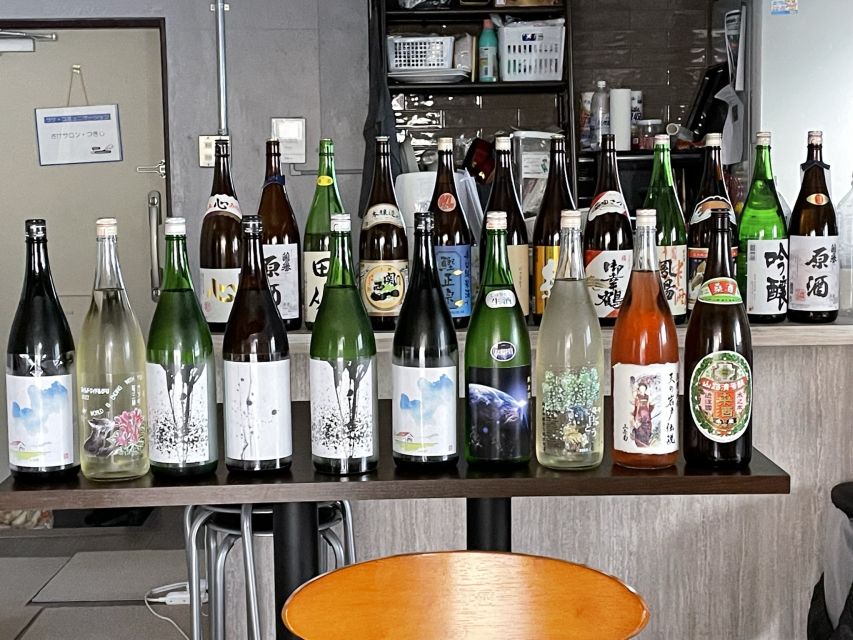
The strongest part of this activity is the human instruction. The hosts are not simply pouring alcohol and pointing at labels. They explain the stories behind the bottles and answer questions throughout the tasting.
Mako appears repeatedly as a popular host. She has been praised for being warm, informative, and able to adapt to the group’s level. Kyoko has led a progressive tasting, and Yuki-san has hosted a particularly gracious session. The exact host depends on the date, but the pattern is clear: this is built around conversation.
That matters for beginners. You do not need to know the difference between production categories before arriving. You can ask what a term means, why one bottle costs more, or why a sake tastes different when warmed. The session is designed to make those questions welcome.
It also works for people who already drink sake. The local sake group has access to bottles that some participants had never encountered before, including rarer varieties. You may leave with a better sense of what to order at a restaurant, not just a pleasant memory of drinking in Tokyo.
The international small-group setting can be part of the fun. When several people attend, you may meet others from different countries while comparing reactions to the same bottle. When only one or two people book, the session feels more like a private class.
Understanding the brewing process and Japanese sake culture
Sake is made from rice, water, yeast, and koji, but that short list does not explain the drink’s range. The host uses the bottles in front of you to show how brewing choices and brewery traditions affect the final taste.
You learn about the process and the history of sake in Japan without needing to visit a distant brewery. For a short Tokyo activity, this is a practical way to add cultural context to your trip.
The explanations also help you avoid a common mistake: assuming that all sake is either sweet, hot, or bland. The tasting shows a wider set of flavors, from soft and gentle to bitter and full-bodied. If your only previous experience was a low-grade pour at a bar or a bottle from a supermarket, this session can reset your expectations.
I appreciate that the lesson stays connected to drinking. You hear about the brewery, then taste the result. That connection makes the information easier to remember than a standard museum display or a long spoken history.
Is $54 a fair price?
At $54 per person, the price is reasonable if you value guided comparison and intend to sample widely. You are paying for entry to a private salon, unlimited sake tasting, an English-language host, snacks, and instruction across a large selection of bottles.
The value is strongest for beginners. A few separate drinks at Tokyo bars may cost less, but they will not necessarily teach you why the bottles differ. Here, you can taste many styles side by side and ask questions as you go.
It is also a good price for a sake fan who wants access to unfamiliar breweries. Some people used the session to identify bottles they wanted to buy later. However, not every bottle tasted was available for purchase afterward, so do not assume you can take home every favorite.
The price is less attractive if you are looking mainly for a full meal, a brewery visit, or a long cultural tour. This is a focused tasting class in Tsukiji. Its value comes from variety, guidance, and the private setting, not from sightseeing or food quantity.
The booking terms add flexibility. You can reserve now and pay later, and cancellation is free up to 24 hours in advance for a full refund. Starting times depend on availability, so check the schedule before building the rest of your day around it.
Who should book this experience?
I would recommend it most strongly to:
- First-time sake drinkers who want a clear introduction
- People who enjoy wine or beer tastings and want to compare another Japanese drink
- Sake fans looking for unusual bottles and smaller breweries
- Couples, friends, or parents with adult children who enjoy guided food and drink activities
- Visitors who want a compact indoor activity in Tsukiji
- Anyone who wants to order sake with more confidence at Japanese restaurants
It is also family-friendly in a limited sense. Children may attend, but the host will not serve alcohol to them, and you need to bring their non-alcoholic drinks. That makes the policy clear, but the activity is still centered on alcohol, so it may not be the best choice for every family.
The experience is not suitable for pregnant women or wheelchair users. If you have access needs, the available information does not promise an accessible setup, so you should not assume the fourth-floor salon will work for you.
Practical tips for getting more from the tasting
Arrive ready to ask questions. The hosts are used to beginners, and the best part of the session is the chance to compare your own reactions with the sommelier’s explanation.
Do not chase the highest number of samples. Choose a few styles to remember, and take mental notes about sweetness, dryness, aroma, body, and serving temperature. If you find a favorite, ask whether it is available to buy or order later.
Eat a proper meal before or after the session. The cheese, rice crackers, and other snacks are helpful, but they are not a substitute for lunch or dinner.
If you are deciding between this and a food-focused Tsukiji tour, choose this one for education and variety. If your main goal is market atmosphere and a full meal, this salon will feel narrow. That focus is both its strength and its limitation.
Should you book the Tsukiji unlimited sake tasting?
Yes, if you want to understand sake rather than simply drink it. The private setting, English instruction, temperature comparisons, snack pairings, and broad bottle selection give you a useful introduction in a short period.
I would book it especially if you have tried only basic sake and assumed it was all the same. The session can show you dry, sweet, gentle, bitter, and fuller styles, then give you the vocabulary to choose better later.
Skip it if you need a substantial meal, cannot drink alcohol, require wheelchair access, or want a brewery tour outside Tokyo. For everyone else, $54 buys a focused and friendly lesson with real tasting range. Check the stated duration carefully, arrive at room 405, pace yourself, and let the sommelier guide you toward the bottles that suit your taste.
FAQ
How long does the Tsukiji sake tasting last?
The activity is listed as 90 minutes. Its description also refers to two hours of unlimited tasting, so check the exact timing for your selected session when booking.
How many kinds of sake can I try?
Around 50 to 60 different kinds may be available. Individual sessions have tasted about 20 to 30 varieties, depending on the pace and format.
Is the tasting conducted in English?
Yes. The host or greeter speaks English, and the activity includes explanations about the breweries, sake production, and Japanese sake history.
Where is the meeting point?
Go to Sake Lovers Inc., written as サケ・ラバーズ株式会社. Enter the red brick building, take the elevator to the fourth floor, and use the first door on the left, marked 405.
Is food included?
Small snacks such as cheese and rice crackers are available during the tasting. A full meal is not included, so plan to eat separately.
Can children attend?
Yes, the experience is family-friendly. Children will not be served alcohol, and you need to bring your own non-alcoholic drinks for them.
Just added in Tokyo
- A One-of-a-Kind Sushi Experience in a Special Place of Japan★ 5.0 · 15 reviews
- Tokyo Cute Bento Cooking Class – Make a Kawaii Character Lunchbox★ 5.0 · 126 reviews
- Japanese Home Cooking Class & Walk in Todoroki Temple Tokyo★ 5.0 · 88 reviews
- Japan Tokyo Tower Observatory Deck E-Ticket★ 4.0 · 34 reviews
- Catch a Baseball Game in Tokyo with a Local – Tickets Included★ 5.0 · 24 reviews
- JDM Experience with Fast&Furious RX-7 (English speaking Driver)★ 5.0 · 57 reviews
- Tokyo Private Day Tour by Car with English speaking Driver Guide★ 4.0 · 29 reviews
- Japan Classic 10 Day – One Life Adventures★ 5.0 · 129 reviews
Sake Tastings, compared.
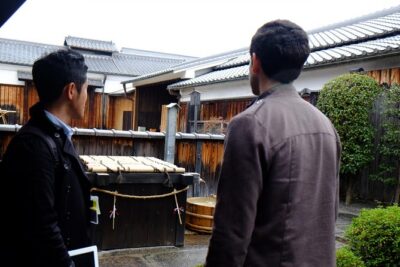
3-Hour Kyoto Insider Sake Brewery Tour with Tastings & Pairings
Read our review →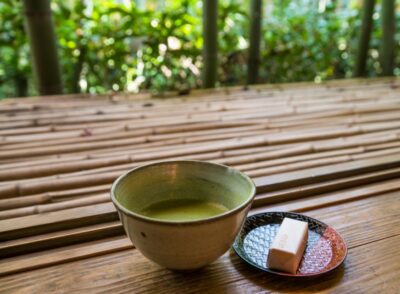
Arashiyama Bamboo, Temple, Monkeys, or Secret Sake Brewery
Read our review →
Insider Sake Brewery Tour with Sake and Food Pairing
Read our review →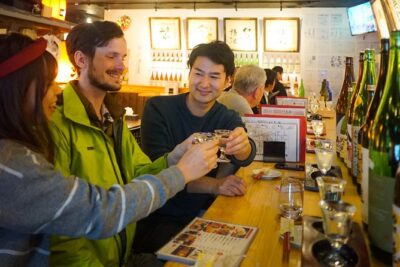
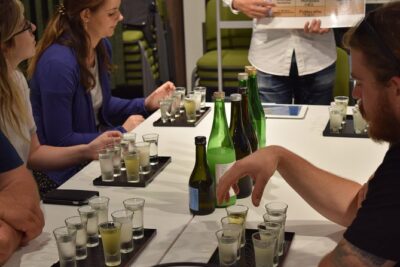
1.5-Hour Kyoto Insider Sake Experience with 7 Tastings & Pairings
Read our review →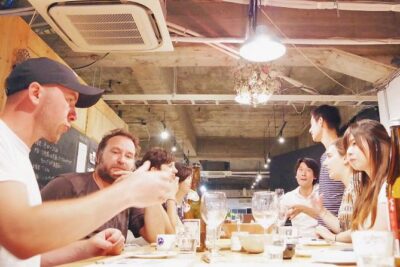
Sake Tasting Masterclass in Shinjuku (8+ Varieties with a Pro)
Read our review →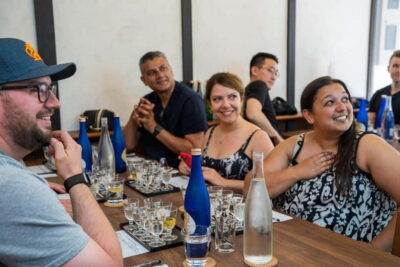
Insider Sake Experience with 7 Tastings and Snacks
Read our review →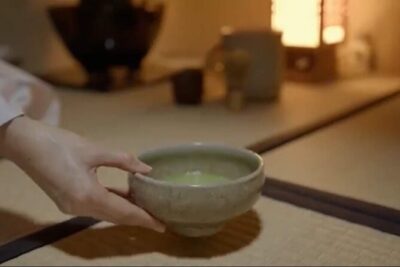
Private Tea Ceremony and Sake Tasting in Kyoto Samurai House
Read our review →Browse the lists this tour appears in