
Reviewed · TEA CEREMONIES
Kyoto Matcha Green Tea Tour
Uji makes matcha feel personal. This three-hour Kyoto-area tour takes you through the home of Japanese green tea, with matcha tastings, tea making, local sweets, lunch, and time at Byodoin Temple. You also visit smaller tea shops that can be easy to miss on your own, with a guide helping bridge the language gap.
I like the small maximum group of 10, which should make the food stops and tea demonstrations easier to follow. I also like the mix of food and culture: you are not only drinking powdered tea, but learning about it, tasting different preparations, eating wagashi sweets and matcha ice cream, and seeing one of Uji’s major historic sites.
The main drawback is the price, $221 per person, especially since transportation to Uji and hotel pickup are not included. You also need to plan around the 11 a.m. start at Uji Station and be comfortable walking for about three hours.
In This Review
- Key points at a glance
- Why Uji is the right place for a matcha tour
- Matcha tasting and the making of a proper cup
- Local tea shops and useful shopping time
- Uji Shrine and the quieter side of town
- Crossing Amagasetsuri Bridge over the Uji River
- Lunch makes the $221 price easier to assess
- Byodoin Temple and the final stretch
- Group size, timing, and the feel of the tour
- What the strongest praise tells you
- Should you book the Kyoto Matcha Green Tea Tour?
- FAQ
- Where does the Kyoto Matcha Green Tea Tour start?
- Where does the tour end?
- How long does the tour last?
- Is lunch included?
- Is the tour suitable for vegetarians, vegans, or people eating gluten-free?
- Can I cancel for a refund?
Key points at a glance
- Uji is the focus, not central Kyoto: You visit the area best known for Japanese green tea production.
- Tea is shown, not simply served: The experience includes matcha making, tastings, wagashi sweets, and matcha ice cream.
- Lunch is included: A set lunch at a restaurant gives the tour more substance than a string of small samples.
- Byodoin Temple adds cultural weight: You finish near a UNESCO World Heritage Site in the Byodoin area.
- Small groups matter: The tour accepts no more than 10 people, a useful size for a hands-on food experience.
- Dietary limits need attention: The tour is vegetarian-friendly, but not recommended for vegans or people eating gluten-free.
Why Uji is the right place for a matcha tour
Uji is not simply a convenient day trip from Kyoto. It is closely tied to Japanese green tea culture, and the tour uses that setting well. Instead of keeping you in a polished tea room in central Kyoto, it takes you to a place where tea shops, sweets, river views, shrines, and temple grounds fit into one compact visit.
That setting gives the tea a sense of place. You can browse local stores, see products made for the Uji market, and compare what is sold as a souvenir with what you taste during the tour. For me, that is more useful than a short demonstration with no chance to connect the tea to the town around you.
The itinerary allows about three hours, while the overall tour duration is listed at approximately three hours and 15 minutes. That is long enough for a proper food stop and several sights, but short enough to fit into a day of sightseeing around Kyoto.
You begin at Uji Station at 11 a.m. The meeting point is near public transportation, but you are responsible for reaching Uji yourself. Since hotel pickup and drop-off are not included, allow extra time for the journey from your Kyoto base and check your train plans before booking.
More Tea Ceremonies in Kyoto
- Kyoto: Tea Ceremony in a Traditional Tea House in Kiyomizu
★ 4.9 · 3,519 reviews - Kyoto: Tea Ceremony Ju-An at Jotokuji Temple
★ 4.9 · 3,207 reviews - Kyoto: 45-Minute Tea Ceremony Lesson Experience
★ 4.3 · 2,378 reviews
Matcha tasting and the making of a proper cup
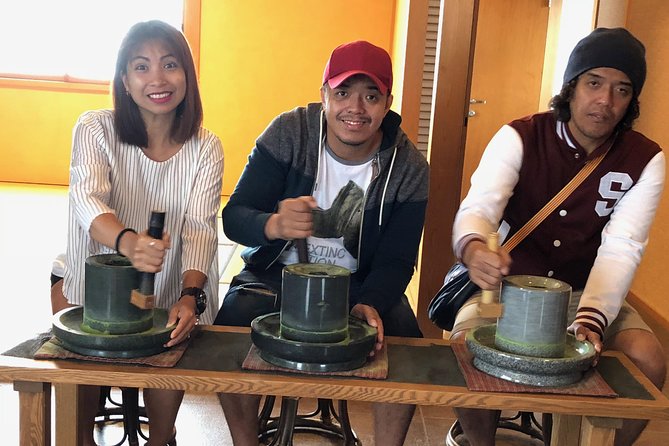
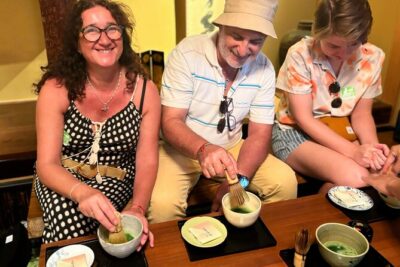
The central part of the tour is the tea experience. You taste matcha and watch it being made, which gives you a better idea of how much work goes into a drink that can look deceptively simple.
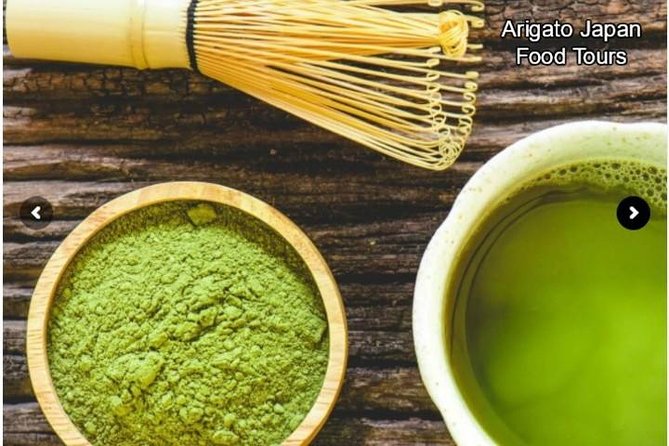
The value here is practical. Matcha is not just green tea leaves placed in hot water. The preparation affects texture, strength, and flavor, and a local demonstration gives you a chance to see those details rather than guessing at them later. You can also ask questions through the guide, which is especially helpful if you want to understand the difference between varieties or learn how locals approach the drink.
The experience includes matcha making, not just a cup placed in front of you. That distinction matters. A tasting teaches you what you like. A making session helps you understand how the drink comes together.
You should expect the focus to remain accessible rather than overly technical. This is a food and culture tour, not a professional tea-school course. If you already know a great deal about Japanese tea, you may find the introduction basic. If matcha is still a mystery to you, the format should be much more useful.
The tour also includes matcha ice cream and wagashi sweets. Wagashi are traditional Japanese sweets often served with tea, and adding them helps you notice how sweetness changes the taste of matcha. The ice cream offers a more familiar comparison. You get the bitter, grassy character of tea in one form, then a colder and sweeter version in another.
Local tea shops and useful shopping time
One of the best reasons to choose a guided visit is the chance to browse Uji’s tea shops with help. The tour includes shopping time for area-specific souvenirs, so you are not forced to make every purchase in a hurry at the end.
This is where a guide can add real value. Tea labels and product descriptions may not be easy to compare, especially if you do not read Japanese. A guide can help translate and explain what you are looking at, though the supplied details do not name the individual guides or promise a particular shop list for every departure.
Keep your suitcase space in mind. Uji offers more than loose tea. You may find matcha-flavored sweets and other products unique to the area, but the exact shops and available items can change. Restaurant schedules, public holidays, weather, and other conditions may require substitutions.
The final tea stop listed is Masuda Chaho. It is described as a tea shop where you can settle down with premium Uji matcha or hojicha, a roasted green tea. That gives the tour a calmer finish after the walking and tastings, and it lets you compare matcha with a tea that has a warmer, toastier profile.
The shopping portion is useful, but it can also be a temptation. At $221, you may prefer to keep extra spending under control. I would decide before the tour whether you are shopping for everyday tea, gifts, or simply a small reminder of Uji.
Uji Shrine and the quieter side of town
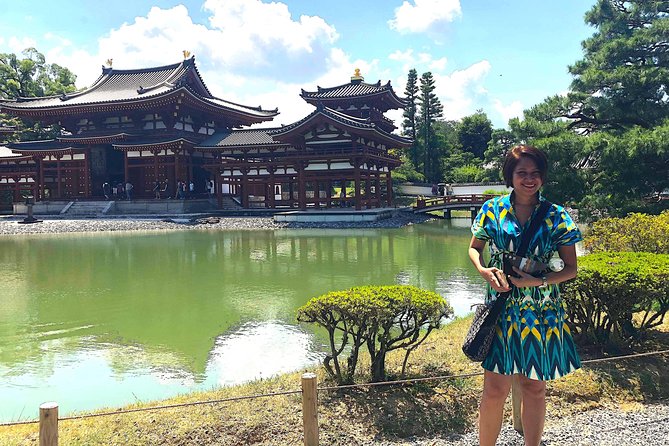
The route also includes Uji Shrine, a Shinto shrine with strong religious and cultural importance. It is often visited with nearby Ujigami Shrine, though the listed details do not clearly promise a separate visit to Ujigami Shrine.
This stop gives the tour a change of pace. Tea shops and food tastings keep your attention on flavor and shopping, while a shrine asks you to slow down and notice the setting. You do not need to be an expert in Japanese religion to appreciate the contrast.
The supplied schedule does not give a precise time for Uji Shrine. That means the pace may depend on the group, restaurant timing, and the day’s route. I would treat it as a meaningful part of the walk, but not book this tour expecting a long, formal shrine lecture.
A completely different kind of day out:
- PERFECT KYOTO 1-Day Bus Tour
★ 5.0 · 13,518 reviews - [Kyoto & Nara Day Tour] Sagano Scenic Railway & Nara Park & Fushimi Inari Taisha Thousand Torii Gates & Togetsukyo Bridge & Bamboo Grove & Kimono Forest (Departing from Osaka)
★ 4.9 · 10,942 reviews - Kyoto: Fushimi Inari, Kinkakuji, Bamboo Grove 1 Day Bus Tour
★ 4.8 · 4,316 reviews - Kyoto: Gion Make Your Own Chopsticks with Engraving Option
★ 5.0 · 3,465 reviews
Crossing Amagasetsuri Bridge over the Uji River

Amagasetsuri Bridge is described as a traditional wooden suspension bridge with views of the Uji River and nearby tea shops. It adds a scenic break to a tour that could otherwise become a series of indoor stops.
A bridge crossing is also a practical reminder that this is a walking tour, not a seated tasting event. You should have a moderate level of physical fitness and wear comfortable shoes. The tour lasts more than three hours, and the route includes shrines, shops, a temple area, and food stops.
The bridge itself may be one of the more memorable visual moments. You get a view of the river and the surrounding town while moving between parts of the itinerary. Just do not expect a long stop devoted only to scenery. The main purpose of the tour remains tea and food.
Lunch makes the $221 price easier to assess
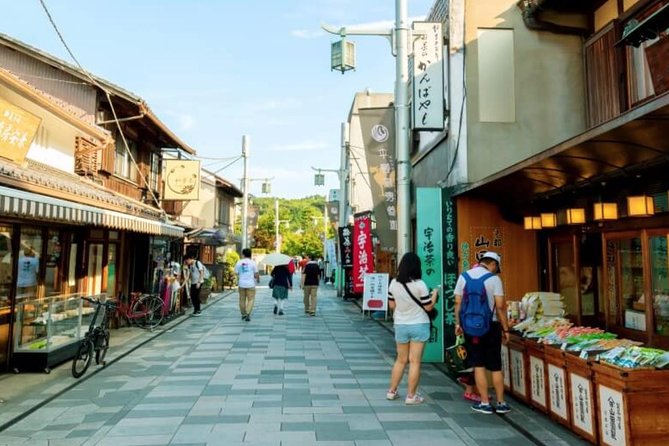
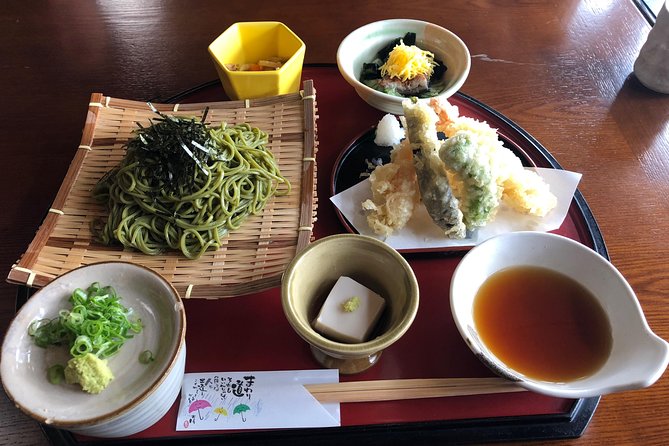
A set lunch at a restaurant is included, along with the tea experience. This is important when judging the price. You are not paying only for a guide and a few samples. The package combines lunch, several tea-related tastings, sweets, ice cream, cultural stops, and shopping time.
Still, $221 is a substantial cost for a three-hour tour. Transportation costs are extra, and the details do not specify the restaurant, menu, or exact number of dishes. I would consider the price reasonable mainly if you value the guide’s translation help, the small group, and the chance to connect several Uji experiences in one organized route.
If you planned to visit Uji independently, you could see the town and Byodoin Temple without paying for a tour. The tradeoff is that you would need to choose tea shops yourself, arrange lunch, handle language questions, and decide how to fit the stops together. This tour is buying convenience and interpretation as much as it is buying food.
Dietary needs deserve careful planning. The tour is vegetarian-friendly, but it is not recommended for vegans or gluten-free diners. Since the exact lunch menu is not provided, vegetarians should still state their needs when booking and confirm what can be served.
Byodoin Temple and the final stretch
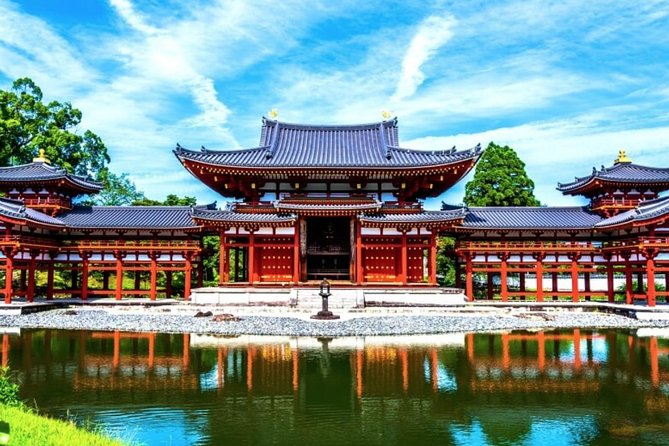
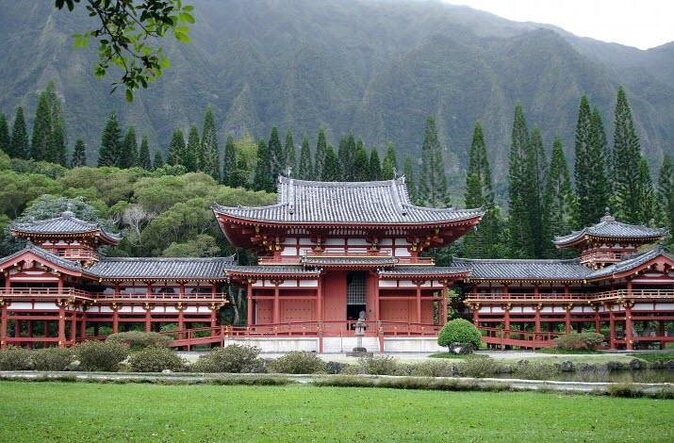
The tour ends in the Byodoin Temple area, with a visit to Byodoin Temple itself. The temple is a UNESCO World Heritage Site, so this is more than a quick photo stop beside a pretty building.
The listed temple portion is five minutes, and the admission line is marked as free in the supplied details. Because the timing is short, you should set expectations properly. This tour introduces you to Byodoin and places you in the shopping streets around it, but it is not designed as a lengthy temple study.
The end point is given as Byodoin Temple, with the practical finish described as the shopping streets in the Byodoin area. That is convenient if you want to continue exploring after the tour. It also means you should not expect to be returned to Uji Station or your hotel.
Byodoin gives the day a strong final note. Tea is the main theme, but the temple places Uji in a wider cultural setting. The combination works because you are not spending the entire tour sampling one ingredient. You see how food, religion, local commerce, and the river town fit together.
Group size, timing, and the feel of the tour
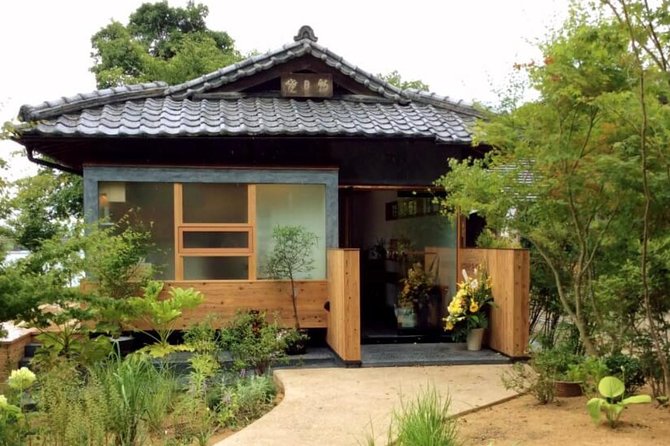
A maximum of 10 people is a real advantage. Food tours become awkward when a large crowd crowds around a demonstration or divides into several tables. A group this size should make it easier to hear explanations, ask questions, and stay together through the streets.
The tour is family-friendly, but children must be accompanied by an adult. A copy of passport information is required for children aged 10 and above, so families should prepare that before the day.
The tour requires good weather and may be changed if restaurants, public holidays, or other conditions affect the route. That flexibility is sensible in a food-focused outing, although it means you should regard the listed stops as the planned route rather than an absolute promise.
The minimum drinking age is listed as 21. Since the core activities center on tea, lunch, sweets, and ice cream, you should ask the provider for clarification if this rule affects someone in your group.
The tour is usually booked about 47 days ahead, which suggests that advance planning is wise, especially if you are visiting Kyoto during a busy season. Confirmation is provided at booking, and solo visitors are asked to email the provider.
What the strongest praise tells you
The most positive feedback centers on the welcome, hospitality, and careful attention during the cultural visit. That matches what this tour needs most. Tea tasting is easy to arrange, but a good guide helps you feel comfortable asking questions, moving between shops, and understanding what you are seeing.
The warm service also matters because the tour includes several different elements. You move from tea making to lunch, from local shopping to shrine and river views, and then toward Byodoin. Good organization keeps the outing from feeling like a random list of stops.
I would give special weight to the reported sense of gracious hospitality, but I would not treat it as a guarantee of a specific guide or exact style. No guide names are supplied, and staff can vary by departure.
Cancellation is flexible up to 24 hours before the start time for a full refund. Within 24 hours, changes and refunds are not accepted. If poor weather or an insufficient number of bookings causes cancellation, you can receive another date or a full refund.
Should you book the Kyoto Matcha Green Tea Tour?
Book it if you want an organized introduction to Uji and care about the story behind matcha as much as the taste. The combination of a small group, tea making, tastings, lunch, sweets, shopping, Uji Shrine, the river bridge, and Byodoin gives you a well-shaped half-day.
I would especially recommend it to first-time visitors to Uji, food-focused sightseers, families who want a planned route, and anyone who would appreciate translation help in local tea shops. It also suits people who prefer a guided cultural outing to assembling several stops alone.
Skip it if $221 feels high for three hours, if you want a long visit inside Byodoin Temple, or if you need a vegan or gluten-free menu. Independent visitors can explore Uji for less, but they will give up the set lunch, structured tastings, and guide support.
For the right person, the tour offers a useful shortcut into Uji. You leave with more than a cup of tea, and ideally with a clearer sense of why this town matters to Japan’s green tea culture.
FAQ
Where does the Kyoto Matcha Green Tea Tour start?
The tour starts at Uji Station in Uji, Kyoto, at 11 a.m.
Where does the tour end?
The tour ends at Byodoin Temple, with the practical end point listed as the shopping streets in the Byodoin area.
How long does the tour last?
The experience lasts approximately three hours and 15 minutes. The main Uji itinerary is listed as three hours.
Is lunch included?
Yes. A set lunch at a restaurant is included, along with the tea experience.
Is the tour suitable for vegetarians, vegans, or people eating gluten-free?
The tour is vegetarian-friendly. It is not recommended for vegans or people eating gluten-free.
Can I cancel for a refund?
Yes. You can cancel at least 24 hours before the local start time for a full refund. Cancellations or changes made less than 24 hours before the start time are not accepted.
Just added in Kyoto
- Uji: UNESCO Heritage & Tea Ceremony Walking Tour★ 4.6 · 54 reviews
- Uji: Green Tea Tour with Byodoin and Koshoji Temple Visits★ 4.8 · 72 reviews
- Traditional Tea Ceremony Experience in Kyoto★ 4.3 · 64 reviews
- Uji and Wazuka Matcha Farm Half Day Private Guided Tour★ 5.0 · 21 reviews
- Uji: Private immersion into Kyoto’s tea and reglious culture★ 5.0 · 17 reviews
- Kyoto tea town for matcha lovers★ 5.0 · 16 reviews
- Uji Tea Ceremony and UNESCO Heritage Walking Tour★ 5.0 · 20 reviews
- Slow Cycling Tour at Uji’s Matcha Green Tea Fields and Heritage★ 5.0 · 25 reviews
Tea Ceremonies, compared.
Tea Ceremony in a Traditional Tea House in Kiyomizu
Read our review →
World Heritage Kyoto & Nara Uji Authentic Matcha Experience
Read our review →
Browse the lists this tour appears in