
Reviewed · TEMPLES AND SHRINES
Kyoto Early Bird Tour in Uji and Fushimi Inari
Beat the crowds before breakfast. This half-day outing links Kyoto’s famous Fushimi Inari Shrine with Uji’s quieter temples, giving you a useful mix of iconic sights and calmer corners. I like the early start, which makes the red torii gates feel less crowded, and I like the small maximum of eight people, since it gives you a real chance to ask questions.
The included Byodoin Temple admission adds good value to the $55.18 price, especially since you do not need to wait in the entrance line. The main consideration is the ¥390 transportation fee per person, plus the fact that lunch is not included. The tour also finishes in Uji rather than returning to Kyoto Station.
In This Review
- Five things to know before booking
- Why the early start matters at Fushimi Inari
- Byodoin Temple and the Phoenix Hall
- A quieter side of Uji at Ujigami Shrine
- Small-group guiding with Genki
- What the $55.18 price really covers
- The pace, walking, and practical limits
- Who will enjoy this Kyoto morning most
- Booking, cancellation, and the best way to plan your day
- Should you book the Kyoto Early Bird Tour?
- FAQ
- Where does the tour begin?
- Where does the tour end?
- How long does the tour last?
- What sites are included?
- Is Byodoin Temple admission included?
- Is transportation included in the tour price?
- Is lunch included?
- How many people can join the tour?
- Can I return to Kyoto with the guide?
Five things to know before booking
- Fushimi Inari comes first: You visit the famous red torii gates during the quieter morning hours.
- Byodoin entry is included: The admission fee is covered, which saves both time and a separate payment.
- The group is capped at eight: You get more direct time with the English-speaking guide.
- The tour ends at Uji Station: This is handy if Uji is your next stop, but you must arrange your own return to Kyoto.
- Genki receives especially warm praise: The guide has been noted for clear explanations of Shinto and Buddhism, along with a friendly and caring manner.
Why the early start matters at Fushimi Inari
The tour begins at Kyoto Station and heads first to Fushimi Inari-taisha Shrine. You have about 1 hour and 30 minutes here, with no admission fee.
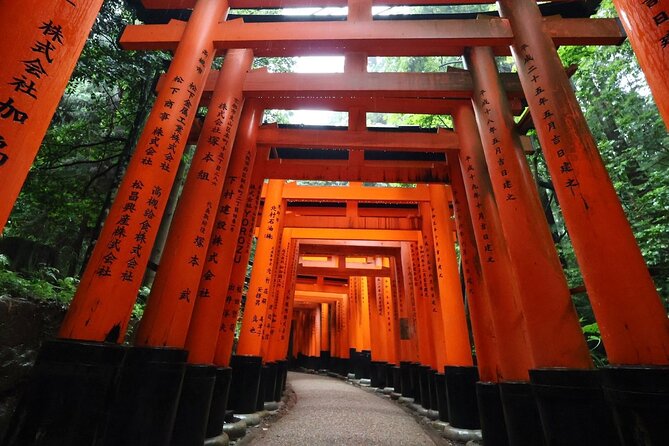
Fushimi Inari is famous for its thousands of bright orange-red torii gates. They form long corridors up the wooded slopes, creating one of Kyoto’s most recognizable sights. The first section is the part most people come to see, so arriving early is a sensible move. You have a better chance of walking beneath the gates without the dense afternoon traffic that can make the approach feel slow.
I like this stop because it gives you an immediate sense of place. Fushimi Inari is not simply a photo stop. It is an active Shinto shrine, and the gates mark offerings made by individuals and businesses. Your guide can help explain the difference between Shinto and Buddhism, a subject that often confuses first-time visitors to Japan.
The 90-minute visit is long enough to see the shrine grounds and walk through a meaningful stretch of the torii paths. It is not long enough for an extended climb through every section of the mountain. That is an important distinction. If your main goal is to hike far up Mount Inari, this tour will feel rushed. If you want the best-known shrine areas without giving up an entire morning, the timing works well.
Wear shoes that are comfortable for walking. The route includes steps and uneven ground, and the tour requires a moderate level of physical fitness. You should also be ready to keep moving, since Fushimi Inari is only the first of three major stops.
More Temples and Shrines in Kyoto
- [Kyoto & Nara Day Tour] Sagano Scenic Railway & Nara Park & Fushimi Inari Taisha Thousand Torii Gates & Togetsukyo Bridge & Bamboo Grove & Kimono Forest (Departing from Osaka)
★ 4.9 · 10,942 reviews - Kyoto: Fushimi Inari, Kinkakuji, Bamboo Grove 1 Day Bus Tour
★ 4.8 · 4,316 reviews - Kyoto: Tea Ceremony in a Traditional Tea House in Kiyomizu
★ 4.9 · 3,519 reviews
Byodoin Temple and the Phoenix Hall
The tour then continues to Uji for a 1 hour and 30 minute visit to Byodoin Temple. Admission is included, which is one of the strongest practical advantages of this experience.
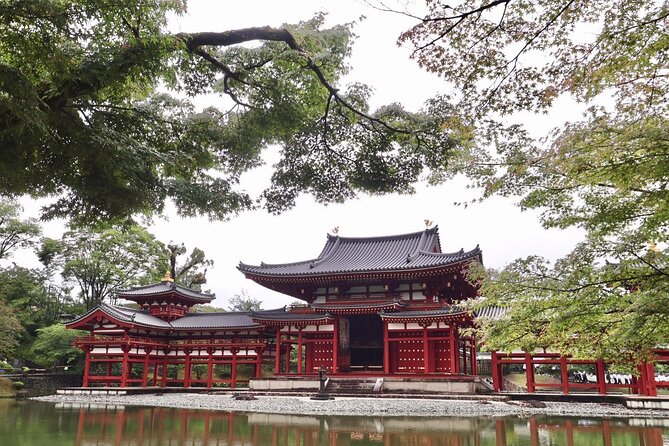
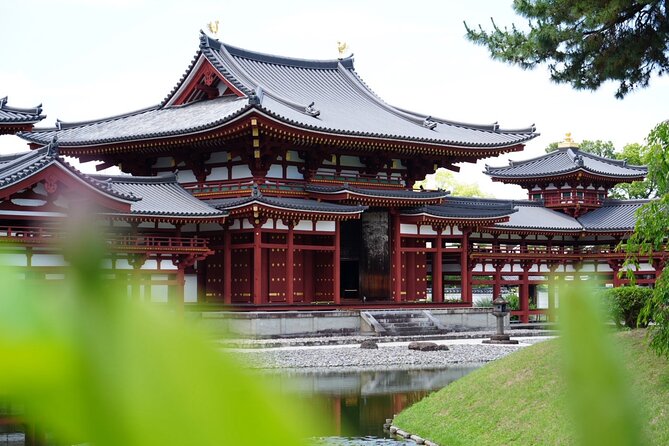
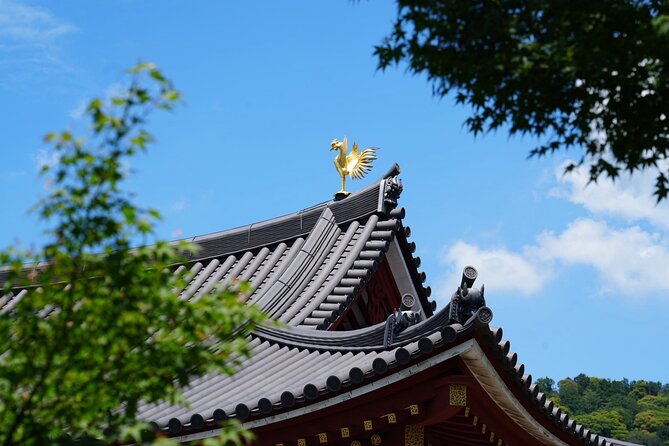
Byodoin is one of Japan’s best-known historic temples and a UNESCO World Heritage Site. You may recognize its Phoenix Hall from the reverse of the Japanese 10 yen coin. Seeing the building in person gives that familiar coin a new meaning. The hall’s reflection across the water is one of the most memorable views in Uji.
This is the centerpiece of the Uji portion. The temple offers a very different mood from Fushimi Inari. Instead of a long sequence of gates and uphill paths, you get a carefully arranged temple setting with water, gardens, and the famous Phoenix Hall. The contrast helps make the day feel varied rather than like a series of similar religious sites.
Your guide’s explanations matter here. A good guide can point out what you are looking at and explain why the Phoenix Hall is important, rather than leaving you to take a few pictures and move on. Genki has received particular praise for giving clear explanations of Shinto and Buddhism without overloading the group with information. That approach suits a compact morning tour, where you want useful context but still have time to look around.
The included entry also keeps the visit simple. You do not have to stop and purchase a ticket separately, and the tour description specifically notes that this helps avoid long ticket lines. That is not a small benefit on a tightly scheduled outing.
There is one limitation. Ninety minutes gives you a solid introduction, but not an unhurried study of every part of the temple grounds. If Byodoin is your main reason for visiting Uji, you may want to return on your own after the tour. Since the experience ends at Uji Station, you have the option of staying in the area, though the guide does not take the train back with the group.
A quieter side of Uji at Ujigami Shrine
The final scheduled stop is Ujigami Shrine, also for about 1 hour and 30 minutes. Admission is free.
Ujigami Shrine is described as Japan’s oldest standing shrine. Its wooden buildings and moss-covered grounds offer a peaceful change after the better-known Byodoin. The setting is less about a single famous view and more about the quiet feel of the place.
This stop is especially useful if you want more than Japan’s greatest hits. Fushimi Inari and Byodoin are major names, while Ujigami gives the morning a slower, more local character. You can listen to the guide, notice the old architecture, and enjoy a less hurried atmosphere.
The order of the day works nicely. You begin with Kyoto’s most recognizable shrine, move to Uji’s celebrated temple, then finish with a quieter shrine before reaching Uji Station. The experience moves from famous to less familiar without losing its main sights.
Still, you should understand that this is a guided sightseeing route, not a free afternoon in Uji. The 90-minute blocks are generous enough for an introduction, but the guide will keep the group on schedule. If you prefer to linger at each site, stop for tea, or explore side streets at your own pace, an independent visit may suit you better.
Small-group guiding with Genki
The maximum group size is eight people. That is small enough to make a real difference, especially at religious sites where you may have questions about customs, architecture, or the difference between Shinto and Buddhist spaces.
The English-speaking guide is included in the price. Genki has been praised for being warm, engaging, clear, and caring. The strongest comments focus on his ability to explain the differences between Shinto and Buddhism in a way that is easy to retain. That is exactly the sort of help that improves a temple visit.
A small group also means you are less likely to lose the guide in a crowd. You can ask for clarification without having to speak over a large tour party. The format should appeal to you if you prefer a personal guide but do not want to pay for a private tour.
Guide quality can vary from one departure to another, so Genki’s praise is best treated as a useful sign rather than a promise that he will lead every date. The provider is GuideMe Japan, and the tour includes an English-speaking guide, but the supplied details do not state that Genki is guaranteed for every departure.
A completely different kind of day out:
- PERFECT KYOTO 1-Day Bus Tour
★ 5.0 · 13,518 reviews - Kyoto: Gion Make Your Own Chopsticks with Engraving Option
★ 5.0 · 3,465 reviews - Kyoto Nara Day Trip │ Kiyomizu-dera Temple + Fushimi Inari-taisha Shrine + Nara Park (Departing from Osaka/Kyoto)
★ 4.7 · 3,408 reviews - Kyoto Geisha Walking Tour: Gion District & Hidden Gems
★ 4.7 · 3,273 reviews
What the $55.18 price really covers
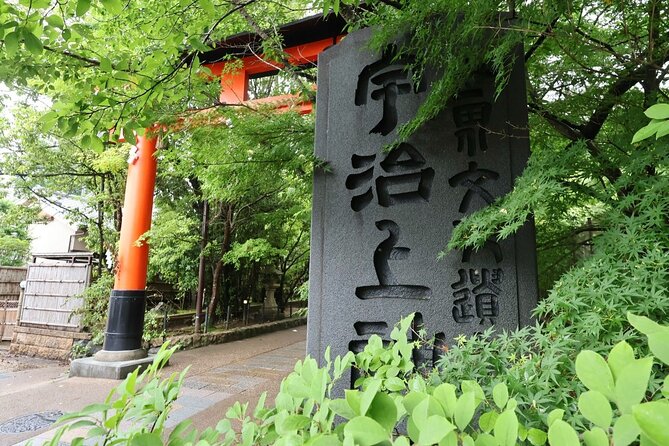
At $55.18 per person, this is reasonably priced for a five-and-a-half-hour guided experience covering Kyoto and Uji. The best value comes from the combination of a small group, an English-speaking guide, and included entry to Byodoin Temple.
The price does not cover everything. You must pay ¥390 per person for transportation, and lunch is not included. That extra transport cost is clearly stated, so you can add it to your budget before booking. Since the tour finishes around Uji Station, you should also think about your plans after the final stop.
The ending location can be an advantage. If you want to spend more time in Uji, the tour puts you in the right place to continue on your own. If you need to return to central Kyoto immediately, you will need to handle the train journey yourself. The guide can provide directions, but does not ride back with the group.
For many people, the price is worth it because the tour removes some of the friction from a Kyoto morning. You do not have to work out how to combine Fushimi Inari and Uji, manage the timing between three sites, or arrange Byodoin admission on your own. You are paying for planning, transport assistance, and interpretation as much as for the sites themselves.
The pace, walking, and practical limits
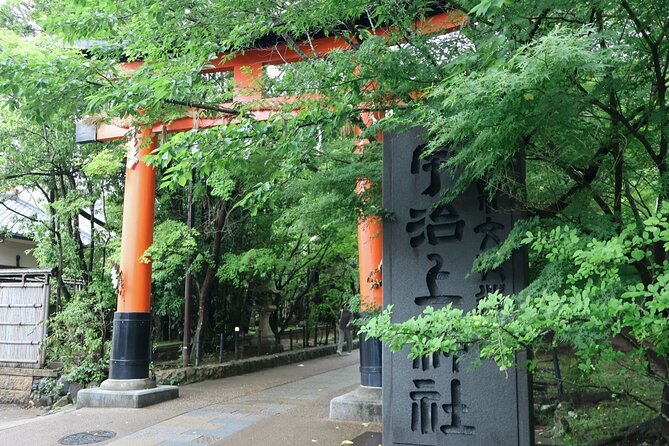
The full experience lasts about 5 hours and 30 minutes. The listed visits total roughly 4 hours and 30 minutes, leaving time for transfers between Kyoto, Fushimi Inari, and Uji.
You should expect a fairly active morning. Fushimi Inari includes steps and walking, while the temple and shrine visits require you to remain on your feet for extended periods. A moderate physical fitness level is recommended.
The early schedule is a major part of the appeal, but it also means you need to be ready at Kyoto Station at the start of the day. The meeting point is Kyoto Station, at Higashishiokoji Kamadonocho in Shimogyo Ward. Check the exact meeting instructions provided with your booking and allow enough time to find the guide.
A mobile ticket makes access to your booking convenient. Confirmation is provided at the time of booking, and the meeting point is near public transportation. The tour is designed for a small party, not for people who need a fully private or fully flexible schedule.
Who will enjoy this Kyoto morning most
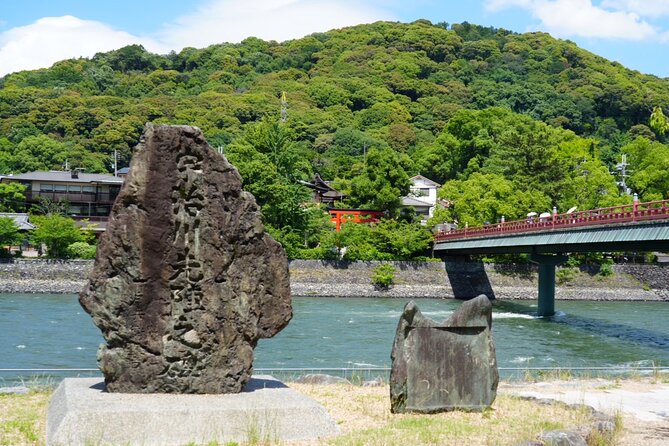
I would recommend this tour to you if you have limited time in Kyoto and want to cover two areas in one morning. It is also a good fit if you want a guide to explain the religious and historic meaning behind the buildings, rather than simply point out the best photo spots.
It suits first-time visitors particularly well. Fushimi Inari is a must-see for many people, while Uji adds a second destination without requiring you to build a complicated plan. The small group should also appeal to solo visitors and couples who prefer more personal contact than a large bus tour allows.
This experience may not suit you if you want a long hike at Fushimi Inari, a leisurely lunch in Uji, or a return trip to Kyoto included. It is also less suitable if stairs and extended walking are difficult for you.
The tour is a good match for people who appreciate clear explanations. The emphasis on Shinto and Buddhism helps you understand why the sites look and feel different. That extra context can turn a quick morning of sightseeing into a more meaningful visit.
Booking, cancellation, and the best way to plan your day
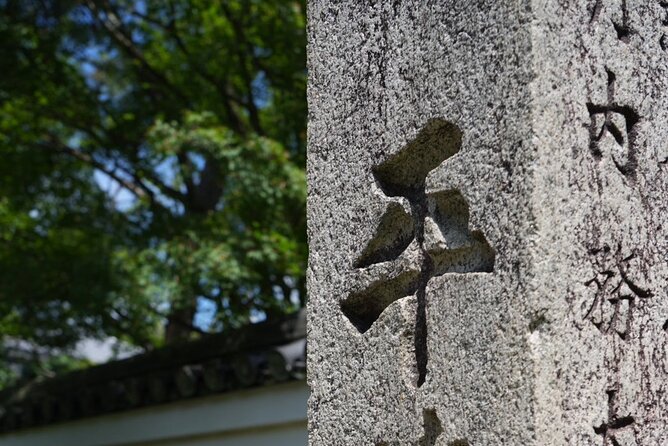
You can cancel up to 24 hours before the local start time for a full refund. Changes or cancellations made less than 24 hours before the start are not accepted for a refund.
Because the tour ends at Uji Station, think of it as the first half of a wider Uji day rather than a round trip from Kyoto. You might stay in Uji after the guided portion, or return to Kyoto once you have finished exploring. The guide can explain how to get back, but you will make the journey independently.
Bring comfortable footwear and plan your food around the schedule. Lunch is not included, and the experience is built around three substantial stops rather than a sit-down meal. The early timing means you may want breakfast before meeting the group, though the supplied details do not specify whether food is available at the meeting point.
Should you book the Kyoto Early Bird Tour?
I think you should book this tour if you want an efficient, small-group morning that combines Fushimi Inari with Uji’s two major religious sites. The early timing, included Byodoin admission, and maximum of eight people give it a practical edge over a larger afternoon excursion.
Book it especially if you value explanation and structure. Genki’s warm teaching style and clear treatment of Shinto and Buddhism are strong reasons to choose a guided visit. The tour also gives you a useful finish in Uji, where you can continue exploring at your own pace.
Skip it if you want complete independence, a serious mountain hike at Fushimi Inari, or a return transfer to Kyoto. For everyone else, $55.18 plus the ¥390 transport fee is a fair price for a well-planned morning that reaches three important sites before the day becomes crowded.
FAQ
Where does the tour begin?
The tour begins at Kyoto Station, at Higashishiokoji Kamadonocho in Shimogyo Ward, Kyoto.
Where does the tour end?
The tour ends at Uji Station in Uji, Kyoto.
How long does the tour last?
The experience lasts approximately 5 hours and 30 minutes.
What sites are included?
The tour visits Fushimi Inari-taisha Shrine, Byodoin Temple, and Ujigami Shrine.
Is Byodoin Temple admission included?
Yes. The entrance fee for Byodoin Temple is included.
Is transportation included in the tour price?
Transportation is not included. The listed transportation fee is ¥390 per person.
Is lunch included?
No. Lunch is not included.
How many people can join the tour?
The tour has a maximum of eight participants.
Can I return to Kyoto with the guide?
No. The tour ends at Uji Station, and the guide does not take the train back to Kyoto with the group. The guide can provide directions if you plan to return.
Just added in Kyoto
- The “Golden Route” and Ancient Japan by DIAMIR Erlebnisreisen – 14-Day Tour★ 2.0 · 2 reviews
- Japan: Castles & Cuisine by G Adventures – 6-Day Kyoto to Osaka Tour★ 4.5 · 4 reviews
- Cycle Japan by Explore! – 13-Day Kyoto to Tokyo Tour★ 4.7 · 12 reviews
- Cycle Japan by Intrepid Travel – 11-Day Kyoto to Tokyo Tour★ 4.8 · 2 reviews
- Classic Japan by Intrepid Travel – 11-Day Kyoto to Tokyo Tour★ 4.4 · 14 reviews
- Ancient & Modern Japan 14-Day Tour by Exodus Adventure Travels★ 4.4 · 40 reviews
- 5 Day Cultural Adventure of Kyoto, Nara & Osaka by Tourist Journey★ 2.5 · 2 reviews
- 12 Days Kinosaki Onsen Escape: A Journey Through Japan’s Timeless Towns by UME Travel★ 4.8 · 5 reviews
Temples and Shrines, compared.
![[Kyoto & Nara Day Tour] Sagano Scenic Railway & Nara Park & Fushimi Inari Taisha Thousand Torii Gates & Togetsukyo Bridge & Bamboo Grove & Kimono Forest (Departing from Osaka)](https://media.japanvisits.com/wp-content/uploads/kyoto-nara-day-tour-sagano-scenic-railway-nara-park-fushimi-inari-taisha-thousand-torii-gates-togetsukyo-bridge-bamboo-grove-kimono-forest-departing-from-osaka-k110001-400x257.jpg)
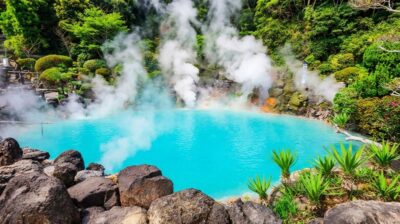
Kyushu One-Day Tour: Yufuin no Mori Train & Yufuin Town & Nyoirin-ji Temple & Dazaifu & Hell Hot Springs (Departing from Fukuoka)
Read our review →
Fushimi Inari, Kinkakuji, Bamboo Grove 1 Day Bus Tour
Read our review →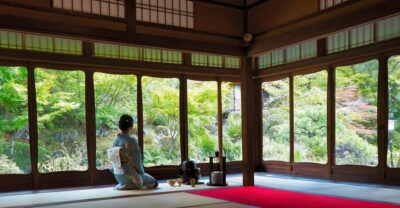
Tea Ceremony in a Traditional Tea House in Kiyomizu
Read our review →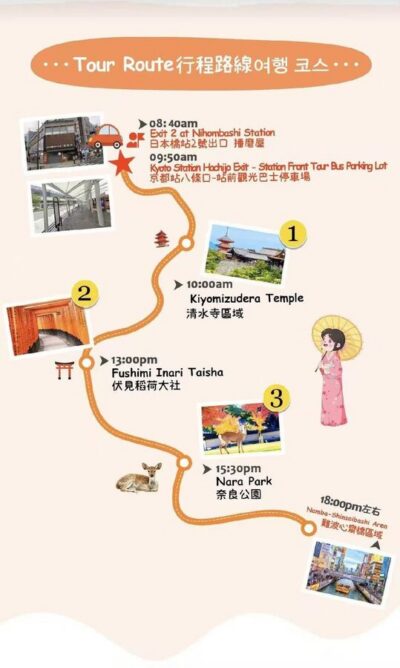
Kyoto Nara Day Trip │ Kiyomizu-dera Temple + Fushimi Inari-taisha Shrine + Nara Park (Departing from Osaka/Kyoto)
Read our review →
Browse the lists this tour appears in