
Reviewed · WALKING TOURS
Tokyo: Shinjuku Historical Walking Tour & Secret Backstreets
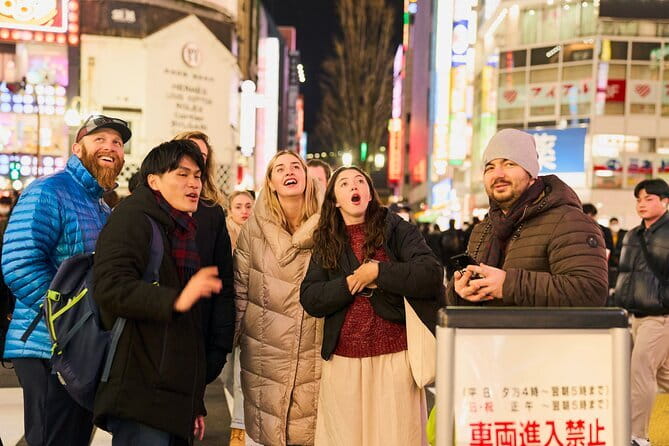
Neon, shrines, and tiny drinking lanes await. This 90-minute evening walk gives you a useful first look at Shinjuku, with a local guide leading you through places that are easy to miss when you are following a map. I like the strong mix of old and new Tokyo, from nostalgic Omoide Yokocho to the modern Kabukicho Tower. I also like the practical restaurant and bar advice, which can help you decide where to eat after the tour.
The main drawback is that the experience is more of an orientation walk than a hands-on food tour. You receive one vending machine drink, but you do not get food, bar entry, or included shrine offerings. At $25.20 per person, the value depends on how much you want local direction and historical context during a short visit.
In This Review
- Key points to know before booking
- Why this short Shinjuku walk works
- Meeting at Shinjuku Station East Exit
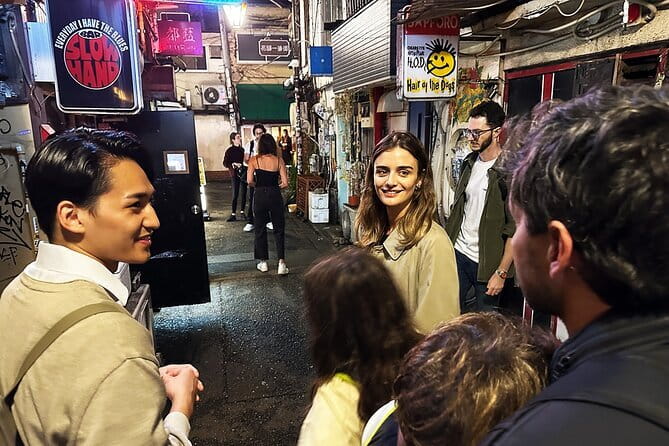
- Omoide Yokocho and a taste of old Tokyo
- Kabukicho after dark
- Tokyu Kabukicho Tower and modern Shinjuku
- Golden Gai, where the lanes become tiny
- Hanazono Shrine brings a quiet finish
- What the guides add to the experience
- Price, group size, and what you receive
- The main limitation: seeing rather than tasting
- Who should book this Shinjuku walk?
- Practical details before you go
- Should you book it?
- FAQ
- How long does the Shinjuku walking tour last?
- Where does the tour begin?
- Where does the tour end?
- Is the tour offered at different times?
- What places are visited?
- Is food included?
- Are shrine offerings and omikuji included?
- Is the tour private?
- Is the tour accessible by public transportation?
- What happens if the weather is poor?
Key points to know before booking
- Omoide Yokocho sets the old-Tokyo mood: Small lanes and compact eateries offer a sharp contrast to modern Shinjuku.
- Kabukicho provides the neon energy: The route passes through Tokyo’s famous entertainment district after dark.
- Golden Gai is best seen with a guide: Its narrow lanes and tiny bars can feel confusing on your own.
- Hanazono Shrine slows the pace: The walk ends with a quiet look at Japanese shrine customs.
- The tour is built around advice: Guides such as Mao, Akari, Ai, Ren, Aki, and Naoto have been praised for food, nightlife, and neighborhood tips.
- The format may vary: The activity is described as private, though one account refers to a group of 15, so confirm the arrangement when booking.
Why this short Shinjuku walk works
Shinjuku can be tiring to figure out. The station is huge, the streets change character within a few blocks, and the neon-heavy entertainment district has plenty of lanes that look alike. A guide removes much of the map work and lets you pay attention to the surroundings.
This is not a full tour of Tokyo, and it does not attempt to cover every side street. Instead, it gives you a concentrated introduction to one of the city’s most famous districts. In 90 minutes, you move from old food lanes to large-scale entertainment, then finish at a shrine.
That order matters. You see Shinjuku as a neighborhood with several personalities, not just a wall of advertisements and crowds. The route also gives you a chance to ask where to eat or drink later, which may be the most useful part for a first-time visitor staying nearby.
The guides appear to be a major strength. Mao has been praised for asking about personal interests and adjusting the explanations accordingly. Akari has been appreciated as a friendly introduction for people staying in the Shinjuku area, while Ai has been singled out for making a last-minute booking worthwhile.
You may also be paired with guides such as Maya, Cherry, Glenda, Hannah, Nana, Ren, Ayaka, Aki, or Naoto. The individual guide will affect the tone of the walk, but the repeated praise points to friendly explanations, neighborhood familiarity, and useful recommendations.
More Walking Tours in Tokyo
- Tokyo Tsukiji Fish Market Food and Culture Walking Tour
★ 5.0 · 3,184 reviews - Tokyo: Imperial Palace and Shogun Historical Walking Tour
★ 5.0 · 2,251 reviews - Tokyo: Shinjuku Local Bar and Izakaya Guided Walking Tour
★ 4.9 · 1,794 reviews
Meeting at Shinjuku Station East Exit
The starting point is the police box at Shinjuku Station East Exit, listed at 3-chome-38-1 Shinjuku. This is a sensible meeting place because the station is a major transport hub and the East Exit places you close to the evening route.
Give yourself time to find the correct exit. Shinjuku Station is not a place where you want to arrive at the last second, especially if this is your first visit. The mobile ticket makes entry simple, but it does not remove the need to orient yourself inside the station.
The tour returns to the meeting point at the end. That is useful if you are still learning the area, though it also means you may need to retrace your steps or continue independently after the walk.
Omoide Yokocho and a taste of old Tokyo
Omoide Yokocho, also called Memory Lane, is one of the most atmospheric stops. Tucked beside the larger streets, it is known for narrow passages and small places to eat. The area recalls an older version of Tokyo, with a more intimate scale than the bright avenues nearby.
This is a good place for a guide to explain how Shinjuku changed over time. You can look closely at the compact restaurant fronts, notice how little space many businesses use, and get suggestions for places worth returning to.
Do not expect a meal to be included. The tour description mentions one vending machine drink recommended by the guide, but food and restaurant purchases are your responsibility. That keeps the price low, yet it also means you should think of Omoide Yokocho as a preview rather than a tasting stop.
For photos, this is one of the most rewarding parts of the route. The lanes have a very different look from the wide station streets, especially when signs and restaurant lights begin to glow. Be respectful around diners and businesses, since these are working eateries rather than a staged attraction.
Kabukicho after dark
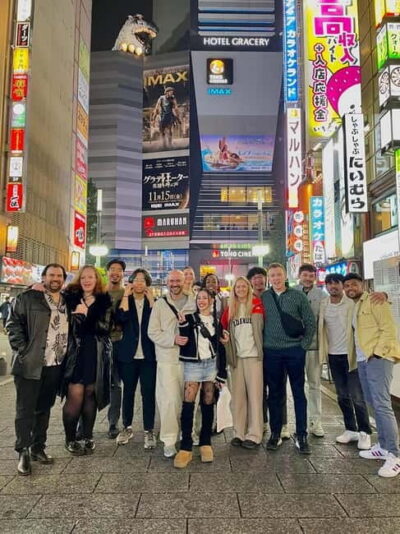
Kabukicho is the entertainment district known as Sleepless Town. At night, the area becomes a display of signs, lights, restaurants, bars, and large commercial buildings. It is exciting, but it can also feel disorienting if you do not know where you are going.
A guide gives you a frame for understanding the district without requiring you to wander at random. The tour includes a short stop of about 10 minutes, so expect an introduction rather than a detailed study of every street.
This part suits photographers and first-time visitors who want to see Shinjuku after dark. Several route highlights, including the district’s famous signs and the well-known 3D cat and Godzilla references mentioned in the feedback, can make the walk especially appealing for anyone interested in modern Tokyo imagery.
The practical value comes from the advice. Your guide may point out places to eat, drink, shop, or explore later. That can save time, especially if you are staying in Shinjuku and want to make better choices after the walk.
A completely different kind of day out:
- Tokyo Disney Resort – Tokyo Disneyland & Tokyo DisneySea Park Tickets
★ 4.8 · 99,488 reviews - SHIBUYA SKY Ticket
★ 4.7 · 46,509 reviews - JR Whole Japan Rail Pass
★ 4.8 · 29,150 reviews - Mt Fuji and Hakone 1-Day Bus Tour Return by Bullet Train
★ 5.0 · 26,383 reviews
Tokyu Kabukicho Tower and modern Shinjuku
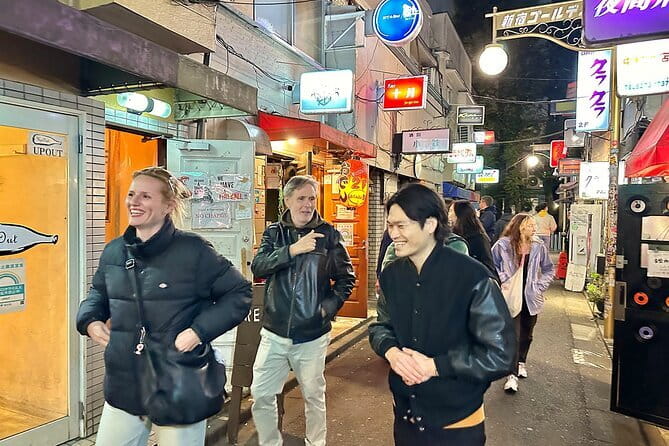
The route allows about 25 minutes at Tokyu Kabukicho Tower, the newest major addition listed on the walk. The complex contains several types of entertainment and gives you a chance to see how Kabukicho is being reshaped for current visitors.
This stop balances the older parts of the route. After Omoide Yokocho’s small lanes, the tower shows a much larger and more polished side of the district. It is a useful reminder that Shinjuku is not frozen in the past.
The ticket includes no paid admission to attractions inside the tower. The stop is about seeing the building and its setting, with the guide explaining the area and suggesting places you might return to. One account also mentions being taken to a free observation deck as a bonus, but that should not be treated as guaranteed on every departure.
If you like architecture, city views, and Tokyo’s newer entertainment spaces, this may be your favorite stop. If you prefer traditional neighborhoods, the time here may feel less personal than the old lanes and shrine.
Golden Gai, where the lanes become tiny
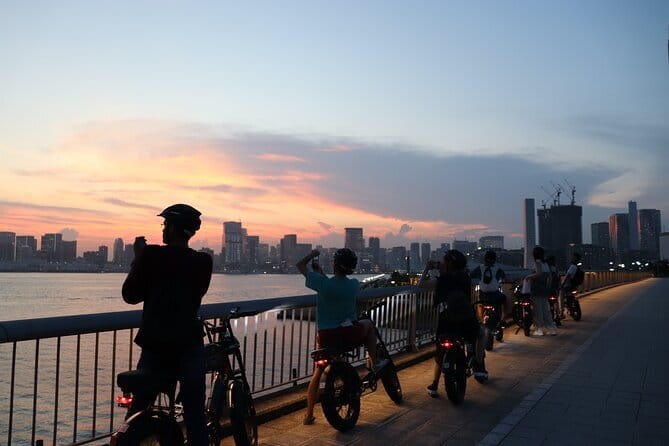
Shinjuku Golden Gai is another compact nightlife district, famous for narrow alleyways lined with very small bars. The route allows about 15 minutes here, enough to introduce the area and explain why it has become such a distinctive part of Tokyo nightlife.
This is exactly the kind of place where a local guide helps. The streets are tight, the bars are small, and the atmosphere can change from one doorway to the next. A quick explanation helps you understand what you are seeing instead of simply passing through and taking photos.
The tour does not include bar entry or drinks. That is important. You are getting orientation and recommendations, not a pub crawl. If you want to sit down in one of Golden Gai’s bars, you will do that after the official walk and pay separately.
Some people may find 15 minutes too brief. I see it as a useful introduction, particularly if you plan to return later. The guide can help you identify the area and share practical suggestions, while you decide for yourself if the tiny-bar scene suits you.
Hanazono Shrine brings a quiet finish
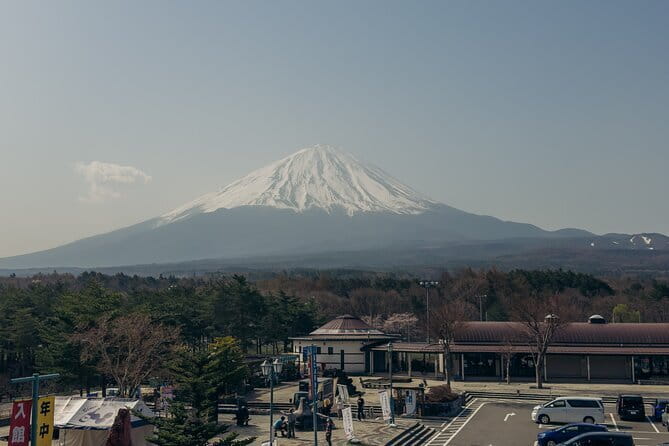
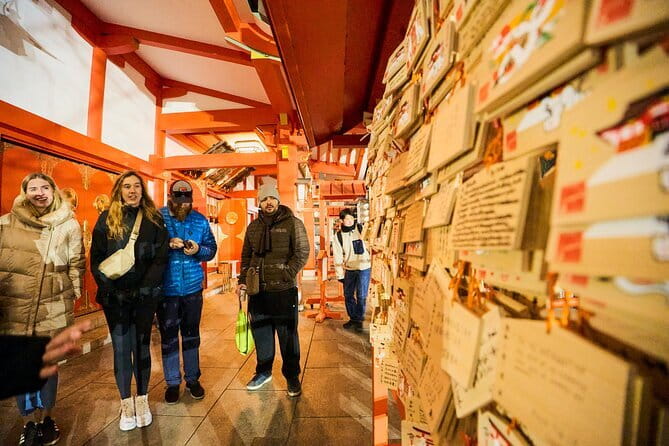
Hanazono Shrine is the calmest stop and gives the tour a welcome change of pace. Located in the middle of Shinjuku, the shrine offers a look at traditional Japanese spirituality without requiring you to leave the city center.
The planned time here is about 20 minutes, making it one of the longer stops. Your guide can explain basic customs, including the meaning of shrine visits and the role of omikuji, the paper fortunes available for purchase.
Omikuji and small cash offerings are not included in the tour fee. Bring a little change if you want to take part, though no purchase is required. The point is to understand the customs and enjoy the setting.
Ending here gives the walk a better rhythm than finishing beside a busy station or in a shopping complex. The contrast between shrine grounds and Kabukicho is one of the tour’s strongest ideas. Within a short distance, you move from nightlife to a place of quiet reflection.
What the guides add to the experience
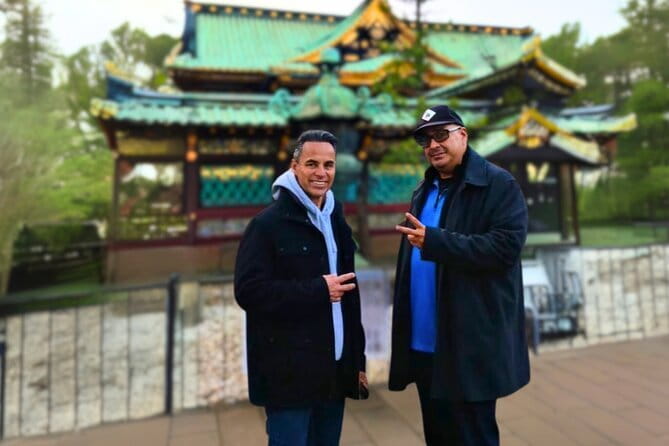
The guide is the reason to book this walk instead of copying the route into a phone. The streets themselves are free, and you could visit each area without paying admission. What you are buying is context, direction, and personal recommendations.
Cherry has been praised for gathering the group in calmer spots to explain things clearly. That matters in Shinjuku, where street noise and foot traffic can make a long talk hard to follow. Ayaka has also been appreciated for managing a group of 15 while keeping the walk informative and enjoyable.
Ren has been noted for showing the backstreets, bars, restaurants, and subculture of Kabukicho in a relaxed way. Naoto has been praised for clear meeting directions, local explanations, and walking the group back toward the station.
The guides do not all have the same style, and that is normal for a locally operated experience. If you have particular interests, mention them early. Mao’s approach of asking about interests shows how much better the walk can be when the guide knows what you want from it.
Price, group size, and what you receive
At $25.20 per person, this is a modestly priced introduction to Shinjuku. You are not paying for meals, attraction tickets, or transportation. The fee mainly covers the guide’s time and local interpretation.
I consider the price fair if you are new to Shinjuku, short on time, or unsure about exploring Kabukicho and Golden Gai alone. It is less compelling if you already know the district or prefer to wander independently.
The booking information describes this as a private activity for your group. However, one detailed account refers to a group of 15, so the exact arrangement may depend on the departure or booking setup. If a private walk is essential to you, confirm that point before paying.
A mobile ticket and several time slots make the tour easy to fit into a Tokyo schedule. The activity is near public transportation, and most people can participate. You should still expect 90 minutes on foot, often through crowded streets and narrow lanes.
The main limitation: seeing rather than tasting
The biggest weakness is the lack of included food or drink beyond the recommended vending machine beverage. A tour through Omoide Yokocho and Golden Gai naturally makes you want to stop for noodles, skewers, or a bar drink, but those costs are separate.
One less enthusiastic account felt the tour could have offered more direct interaction with local businesses or included food and drinks. That is a fair criticism. You are shown the setting and given advice, but you are not taking part in a cooking activity, tasting session, or hosted bar visit.
The benefit is flexibility. You can choose what to eat after hearing the guide’s recommendations, rather than being locked into a fixed menu. I would treat the tour as the first step of an evening, not the evening’s complete entertainment.
Who should book this Shinjuku walk?
This experience suits you best if:
- You are staying in Shinjuku and want to get oriented quickly.
- You want a short evening activity before dinner.
- You enjoy local stories, city photography, and neighborhood contrasts.
- You are curious about Kabukicho or Golden Gai but would rather not explore them without direction.
- You want restaurant and bar suggestions from someone who knows Tokyo.
- You prefer a guide-led introduction over a long museum visit.
It may not suit you if you want a food tour, paid attractions, extensive historical detail, or a completely private experience with no possibility of a larger group.
The walk is also a good choice for solo visitors who want extra confidence in an area they might otherwise skip. The route includes famous sights, but its real value is showing how quickly Shinjuku changes from one block to the next.
Practical details before you go
The tour requires good weather. If poor weather causes cancellation, you are offered another date or a full refund. You can cancel for a full refund up to 24 hours before the start time, but changes or cancellations within 24 hours are not accepted.
Wear shoes you can walk in for 90 minutes. The route includes ordinary city streets, narrow lanes, and busy areas, so comfort matters more than formal clothing. Bring a small amount of change if you want to offer money at Hanazono Shrine or buy omikuji.
Choose an evening departure if you want the strongest neon and nightlife atmosphere. Some feedback also describes an afternoon walk, so the exact mood will depend on the time slot you choose. Daytime departures may be better for seeing building details, while nighttime departures fit the tour’s photo and entertainment focus.
Should you book it?
Book this tour if you want a friendly, efficient introduction to Shinjuku with useful local advice. The best parts are the contrast between Omoide Yokocho, Kabukicho, Golden Gai, and Hanazono Shrine, plus the chance to ask where to eat and drink afterward.
Skip it if you expect included tastings, bar visits, or a long historical lecture. At $25.20, it is a sensible buy for orientation and confidence, especially on a first Tokyo visit. For the best value, schedule it early in your stay, listen closely to the guide’s recommendations, and use the rest of the evening to return to the places that catch your interest.
FAQ
How long does the Shinjuku walking tour last?
The tour lasts approximately 1 hour and 30 minutes.
Where does the tour begin?
It begins at the police box by Shinjuku Station East Exit, at 3-chome-38-1 Shinjuku, Shinjuku City, Tokyo 160-0022, Japan.
Where does the tour end?
The activity ends back at the meeting point.
Is the tour offered at different times?
Yes. You can choose from different time slots when booking.
What places are visited?
The route includes Omoide Yokocho, Kabukicho, Tokyu Kabukicho Tower, Shinjuku Golden Gai, and Hanazono Shrine.
Is food included?
No. Food purchases are not included. The tour includes one vending machine drink recommended by the guide.
Are shrine offerings and omikuji included?
No. Purchasing omikuji and offering small change at Hanazono Shrine are separate expenses.
Is the tour private?
The activity is described as private, with only your group participating. However, one account refers to a group of 15, so confirm the group arrangement before booking if this matters to you.
Is the tour accessible by public transportation?
Yes. The meeting point is at Shinjuku Station, and the experience is near public transportation.
What happens if the weather is poor?
The experience requires good weather. If it is canceled because of poor weather, you can choose a different date or receive a full refund.
Just added in Tokyo
- A One-of-a-Kind Sushi Experience in a Special Place of Japan★ 5.0 · 15 reviews
- Tokyo Cute Bento Cooking Class – Make a Kawaii Character Lunchbox★ 5.0 · 126 reviews
- Japanese Home Cooking Class & Walk in Todoroki Temple Tokyo★ 5.0 · 88 reviews
- Japan Tokyo Tower Observatory Deck E-Ticket★ 4.0 · 34 reviews
- Catch a Baseball Game in Tokyo with a Local – Tickets Included★ 5.0 · 24 reviews
- JDM Experience with Fast&Furious RX-7 (English speaking Driver)★ 5.0 · 57 reviews
- Tokyo Private Day Tour by Car with English speaking Driver Guide★ 4.0 · 29 reviews
- Japan Classic 10 Day – One Life Adventures★ 5.0 · 129 reviews
Walking Tours, compared.
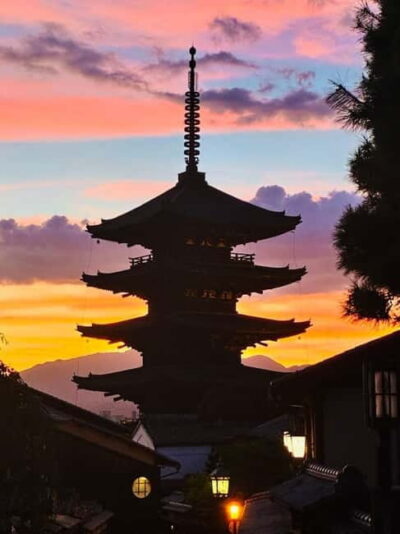
Kyoto Geisha Walking Tour: Gion District & Hidden Gems
Read our review →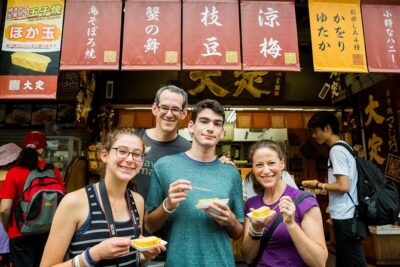
Tokyo Tsukiji Fish Market Food and Culture Walking Tour
Read our review →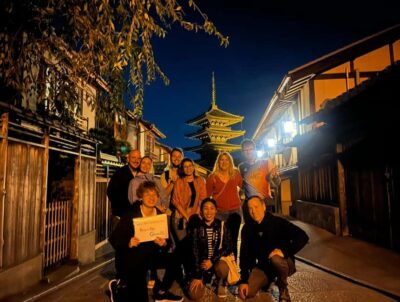
Gion Magical Night Walking Tour with Geisha Trivia
Read our review →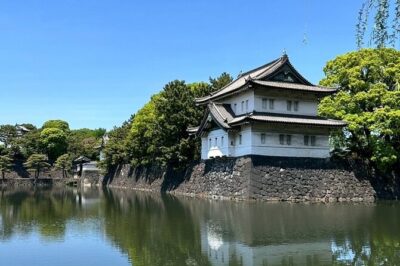
Imperial Palace and Shogun Historical Walking Tour
Read our review →
Gion Geisha District Walking Tour – Stories of Geisha
Read our review →
Shinjuku Local Bar and Izakaya Guided Walking Tour
Read our review →
Browse the lists this tour appears in