
Reviewed · CASTLES AND HISTORIC SITES
Imperial Palace East Garden and Edo Castle Walking Tour in Tokyo
Tokyo’s samurai story begins behind stone walls. This affordable walking tour brings the city’s imperial grounds and Edo Castle ruins into focus, with an English-speaking guide explaining how shoguns, emperors, gardens, and castle life shaped Japan. I especially like the small group of no more than 12 people and the way guides such as Kenta, Glenda, Kei, and Sato make the history clear, lively, and easy to follow.
I also like the gentle start at Wadakura Fountain Park, where you can get your bearings before entering the East Gardens. The main drawback is simple: you do not enter the Imperial Palace buildings, and some people may find the gardens less spectacular than expected, especially outside blossom or autumn-color season. The tour also lasts closer to two and a half hours than a quick one-hour stroll.
In This Review
- Key points to know before booking
- What the $25 tour actually covers
- Meeting at Wadakura Fountain Park
- Walking into former Edo Castle
- Ninomaru Garden and the quieter side of Tokyo
- How the guides shape the experience
- Fitness, weather, and the two-and-a-half-hour timing
- What you will not see
- Is the garden beautiful enough?
- Who should book this walk?
- Should you book the Imperial Palace East Garden tour?
- FAQ
- Where does the tour begin?
- Where does the tour end?
- How long does the tour last?
- What places does the tour visit?
- Does the tour enter the Imperial Palace buildings?
- Is an English-speaking guide included?
- What is the maximum group size?
- Are admission fees included?
- Are snacks included?
- Can I cancel for a full refund?
Key points to know before booking
- The tour begins at Starbucks near Wadakura Fountain Park, a practical meeting point close to the Imperial Palace.
- Wadakura Fountain Park offers a calm opening stop, with graceful water features and a story tied to two royal weddings.
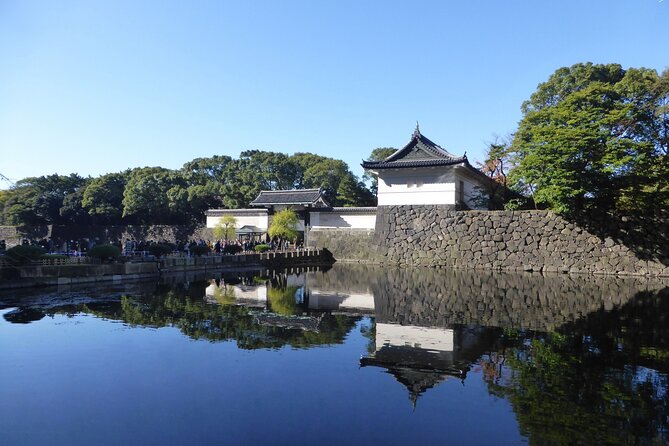
- The East Gardens occupy former Edo Castle grounds, including castle ruins, old defensive spaces, ponds, and traditional plantings.
- Your guide provides the real value, connecting stones, gardens, samurai life, shoguns, and the modern imperial family.
- The route is walkable but not entirely flat, with some hills and occasional steep paths, though one review noted no stairs.
- The price is $25 per person, a fair deal if you want historical context, but less compelling if you only want to look at gardens.
What the $25 tour actually covers
At $25 per person, this is not a palace access tour or a grand private excursion. You pay for a small-group walk, an English-speaking local guide, and the stories that make the grounds meaningful. Admission fees and taxes are included, although the East Gardens themselves are free to enter.
I think the price works best for a first visit to Tokyo. The Imperial Palace grounds can look like a series of walls, lawns, trees, and paths if you arrive without context. A guide helps you understand what you are seeing and why the site matters.
The group size is capped at 12. That is small enough for questions and conversation without the cost of a private guide. Several guides have been praised for answering questions, adjusting the pace, and using pictures or printed visuals to explain places that no longer exist.
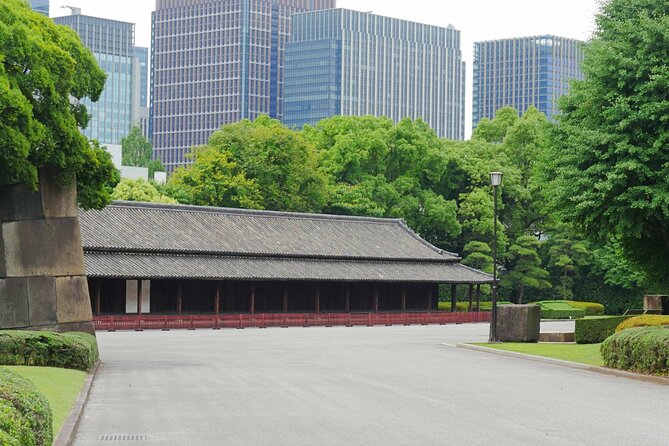
You should still set your expectations correctly. This is a history walk through outdoor grounds, not a tour of royal rooms. Since the palace buildings are closed to public entry, the experience focuses on the gardens, ruins, walls, and surrounding spaces.
More Castles and Historic Sites in Tokyo
- Tokyo: Imperial Palace and Shogun Historical Walking Tour
★ 5.0 · 2,251 reviews - Tokyo Castle & Imperial PalaceーShogun Walking Tour
★ 4.7 · 1,068 reviews - Tokyo: Samurai Ninja Museum Guided tour and Experience
★ 4.6 · 1,010 reviews
Meeting at Wadakura Fountain Park
The tour begins at Starbucks Coffee in Wadakura Fountain Park, at 3-1 Kōkyogaien, Chiyoda City. This gives you a clear landmark near the palace grounds rather than a vague meeting point beside a busy station.
The first stop lasts about 30 minutes and has no admission charge. Wadakura Fountain Park is a carefully designed public space with broad water features and a quiet mood, a useful contrast to central Tokyo’s traffic and towers.
The park was first built in 1961 to mark the wedding of Emperor Akihito and Empress Michiko. It was redesigned and reopened in 1995 for the wedding of Crown Prince Naruhito and Crown Princess Masako. That detail gives the opening stop a modern royal connection, not just a pretty fountain and a few photographs.
I like this beginning because it eases you into the subject. You have time to find the guide, meet the rest of the group, and hear the first pieces of the imperial story before the longer walk. It is also a good place for photographs, though you should not expect the fountain park itself to fill two hours.
Walking into former Edo Castle
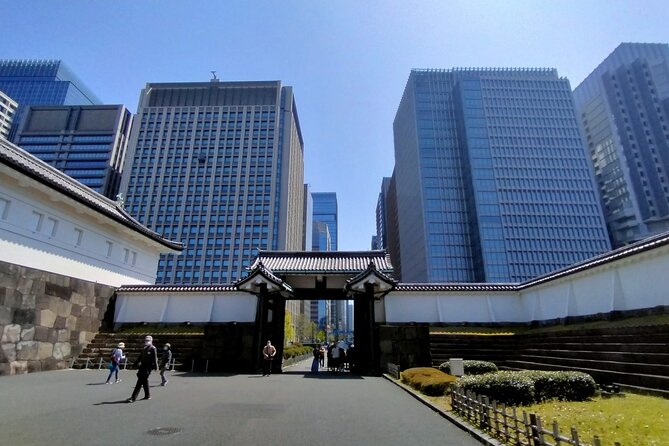
The main part of the tour lasts around two hours in the Imperial Palace East Gardens. These gardens occupy part of the old Edo Castle site, once the political center of the Tokugawa shogunate.
Your guide helps connect the visible remains to the larger story. You may hear about the shoguns who ruled Japan, samurai society, the imperial family, castle life, and the shift from Edo to modern Tokyo. The appeal is not just looking at old stone. It is learning how the site moved from military headquarters to imperial grounds and public garden.
The Honmaru area contains remnants connected with the castle’s central compound. You can see ruins and traces of the former castle rather than a rebuilt fortress. That is important for your expectations. There is no towering Edo Castle keep waiting at the top of the hill, but the remaining stonework and open spaces help you picture the scale and purpose of the original site.
Guides may use photographs or other visual aids to show how the castle and its buildings looked before fire, change, and time altered the grounds. This is where a strong guide makes a large difference. Kenta has been praised for bringing visual material, while Miko has used photographs to explain the gardens, castle grounds, and former tower.
Ninomaru Garden and the quieter side of Tokyo
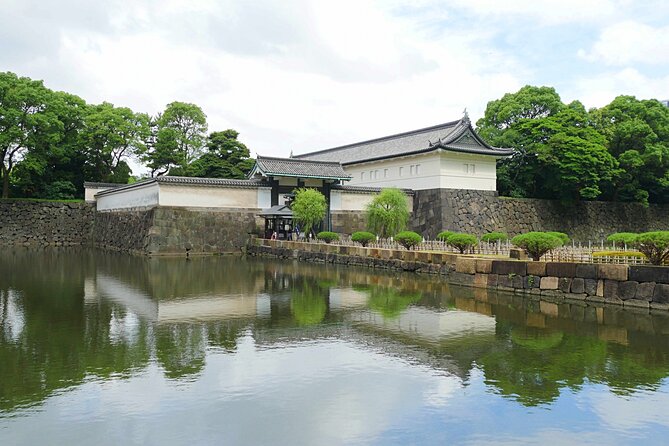
Ninomaru Garden provides a different experience from the castle ruins. Its traditional Japanese design includes carefully arranged plantings, ponds, and a more composed, peaceful setting.
The gardens can be especially attractive in spring, when cherry blossoms appear, and in autumn, when foliage may change color. Timing matters here. A visit in October does not guarantee fall colors, and one person found the grounds beautifully maintained but lacking flowers and autumn color during that visit.
That is the honest trade-off. The East Gardens are pleasant and historically important, but their beauty depends on season, weather, and your personal taste. If you expect a spectacular flower garden at every turn, you may feel underwhelmed. If you enjoy neat plantings, ponds, old walls, and a calm break from Tokyo, the setting is more rewarding.
The carp in the ponds can also catch your eye, especially when sunlight hits the water. Small details such as this help break up the historical explanations and give you time to enjoy the garden at your own pace.
More Walking Tours in Tokyo
- Tokyo Tsukiji Fish Market Food and Culture Walking Tour
★ 5.0 · 3,184 reviews - Tokyo: Shinjuku Local Bar and Izakaya Guided Walking Tour
★ 4.9 · 1,794 reviews - Tokyo: Tsukiji Fish Market Food and Walking tour
★ 5.0 · 1,724 reviews - Tokyo: Asakusa Walking Tour with Sensoji Temple Visit
★ 4.8 · 1,583 reviews
How the guides shape the experience
The strongest theme in the feedback is guide quality. Kenta is repeatedly praised for his energy, humor, clear explanations, and ability to keep the group interested without drowning you in facts. Glenda is described as especially strong on the links between emperors, shoguns, samurai, the palace, and the gardens.
Kei has been praised for handling rain thoughtfully and keeping the group moving at a comfortable pace. Sato is noted for giving the right amount of information, answering questions, and explaining which buildings and spaces served what purpose.
These names do not mean you can select a particular guide unless the booking process specifically allows it. The guide assigned to your departure may be someone else. Still, the pattern is encouraging: the company appears to place real weight on personal explanation rather than simply leading you from point to point.
A good guide also helps with the language barrier. Clear English matters when the subject includes unfamiliar titles, political periods, and changing names. Miko, Kenta, Sato, and others have been praised for speaking clearly and making complicated subjects understandable.
You can expect a social experience rather than a private lesson. The small group gives you a chance to meet a few other people, and guides generally invite questions. One guide even helped obtain a wheelchair when a participant became tired and dizzy, showing useful care in the moment. That does not turn the route into a fully accessible tour, but it suggests that guides may try to respond to individual needs.
Fitness, weather, and the two-and-a-half-hour timing

This is an outdoor walking tour, so comfortable shoes are essential. The route includes hills, and one comment specifically warns about steep paths. Another description says there are no stairs, but you should still expect uneven effort because the grounds are not perfectly flat.
The full duration is about two hours and 30 minutes. Plan around that, not around a quick introduction to the palace. One person found that the longer timing disrupted a later schedule, so leave a generous buffer before lunch, a train, or another timed attraction.
Rain can affect the experience. Guides have sometimes adjusted the route and used sheltered spots while continuing the historical discussion, but the activity requires good weather and may be canceled if conditions are poor. If that happens, you can accept another date or receive a full refund.
Wear shoes that can handle a long outdoor walk. Bring water, and consider a rain layer or sun protection according to the forecast. Snacks are not included, so eat beforehand if you tend to get hungry during a two-and-a-half-hour outing.
What you will not see
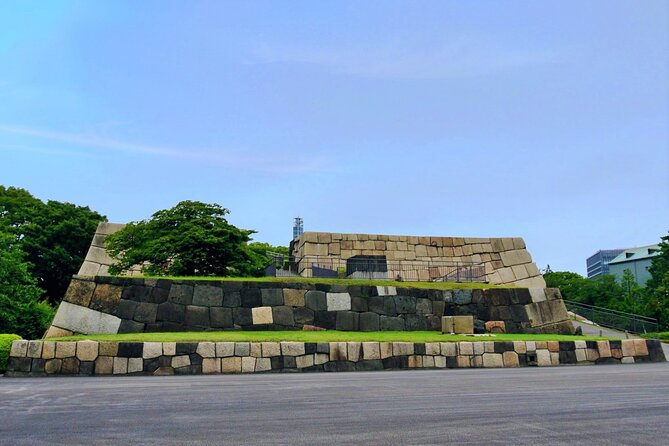
The most important limitation is the palace interior. Public entry to the Imperial Palace buildings is not permitted on this tour, so you will not walk through royal rooms or see an indoor throne space.
Instead, you explore the East Gardens and nearby grounds. The focus is on outdoor history: castle foundations, garden layouts, defensive features, ponds, walls, and views that help explain the site.
For many people, this is enough. The setting gives you a close look at the former castle area without requiring a costly ticket or a long formal palace visit. For others, the lack of interior access may leave the experience feeling incomplete.
I would not book this expecting a dramatic castle reconstruction. The Edo Castle story is presented through remains and explanation. The guide supplies much of the detail, so the tour depends less on grand buildings and more on your interest in what happened here.
Is the garden beautiful enough?
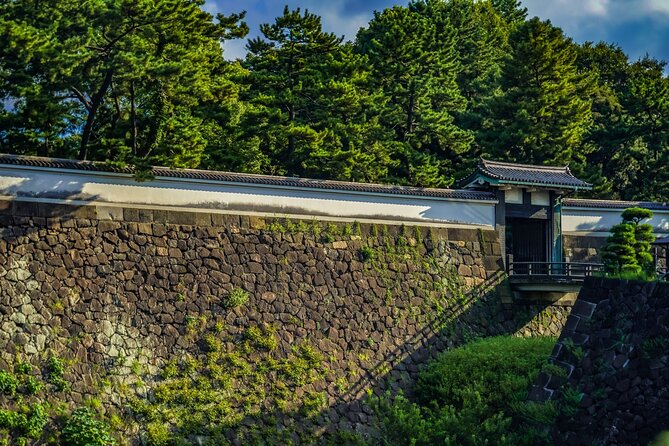
The answer depends on what you want from a garden visit. The East Gardens are orderly, peaceful, and full of historic traces. Their appeal comes from the mix of open spaces, traditional design, water, plantings, stonework, and the knowledge that these were once part of one of Japan’s most important castles.
They may not deliver constant visual drama. Flowers are seasonal, and autumn color may be limited during some visits. One person left disappointed because the gardens did not feel impressive enough, while others found them stunning and serene.
I think the best way to see the grounds is as a history site with gardens, not as a pure horticultural attraction. That framing makes the experience more satisfying. You are not only admiring plants. You are walking through a former center of power and seeing how little remains of a castle that once shaped the country.
Who should book this walk?
This tour suits first-time Tokyo visitors who want a clear introduction to the city’s political and imperial past. It is also useful if you have already seen modern Tokyo and want two and a half hours of quieter surroundings.
Families can benefit from the stories, especially with a guide who uses humor and visuals. One guide was praised for being understanding with children. History fans will appreciate the links between the Edo period, shogun rule, samurai, the imperial family, and the modern city.
You may want to skip it if your schedule is extremely tight, if you want palace interiors, or if gardens alone do not interest you. The walk is not a quick photo stop, and the seasonal appearance of the gardens is not guaranteed.
The 98 percent recommendation rate and 4.9 rating from 510 reviews point to a consistently strong experience, with guide skill doing much of the work. The main complaints concern expectations, chiefly the garden scenery and the longer-than-expected duration.
You can cancel free of charge up to 24 hours before the start time for a full refund. Cancellations or changes within 24 hours are not accepted for a refund, and poor weather may lead to a new date or full refund.
Should you book the Imperial Palace East Garden tour?
Book it if you want the story behind the stones. For $25, the small group, English-speaking guide, and two-and-a-half-hour route offer good value when you want more than a quick walk around a free public garden.
I would book this early in a Tokyo visit, when the background on shoguns, emperors, and Edo Castle can sharpen your understanding of other sights. Just allow the full 2.5 hours, wear good shoes, and accept that the palace interior is off limits.
If you want grand architecture or guaranteed seasonal flowers, choose another activity. If you want a calm walk through an important site with a guide who can make the past easy to picture, this is a sensible, low-cost choice.
FAQ
Where does the tour begin?
It begins at Starbucks Coffee in Wadakura Fountain Park, located at 3-1 Kōkyogaien, Chiyoda City, Tokyo 100-0002, Japan.
Where does the tour end?
The activity ends back at the meeting point.
How long does the tour last?
The tour lasts approximately two hours and 30 minutes.
What places does the tour visit?
The tour visits Wadakura Fountain Park and the Imperial Palace East Gardens, including the Edo Castle ruins and areas such as Honmaru and Ninomaru Garden.
Does the tour enter the Imperial Palace buildings?
No. Public entry to the palace buildings is not permitted on this experience. The tour visits the East Gardens and surrounding grounds.
Is an English-speaking guide included?
Yes. An English-speaking local guide is included.
What is the maximum group size?
The tour has a maximum of 12 travelers.
Are admission fees included?
All fees and taxes are included. The listed stops have no separate admission charge.
Are snacks included?
No. Snacks are not included.
Can I cancel for a full refund?
Yes. You can cancel at least 24 hours before the experience starts for a full refund. Cancellations or changes made less than 24 hours before the start time are not accepted for a refund.
Just added in Tokyo
- A One-of-a-Kind Sushi Experience in a Special Place of Japan★ 5.0 · 15 reviews
- Tokyo Cute Bento Cooking Class – Make a Kawaii Character Lunchbox★ 5.0 · 126 reviews
- Japanese Home Cooking Class & Walk in Todoroki Temple Tokyo★ 5.0 · 88 reviews
- Japan Tokyo Tower Observatory Deck E-Ticket★ 4.0 · 34 reviews
- Catch a Baseball Game in Tokyo with a Local – Tickets Included★ 5.0 · 24 reviews
- JDM Experience with Fast&Furious RX-7 (English speaking Driver)★ 5.0 · 57 reviews
- Tokyo Private Day Tour by Car with English speaking Driver Guide★ 4.0 · 29 reviews
- Japan Classic 10 Day – One Life Adventures★ 5.0 · 129 reviews
Castles and Historic Sites, compared.

Imperial Palace and Shogun Historical Walking Tour
Read our review →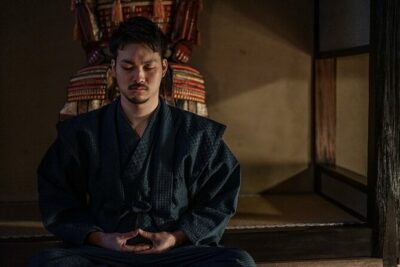
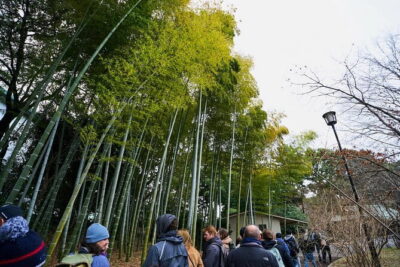
Tokyo Castle & Imperial PalaceーShogun Walking Tour
Read our review →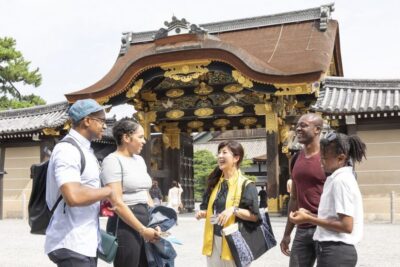
Nijo-jo Castle and Ninomaru Palace Guided Tour
Read our review →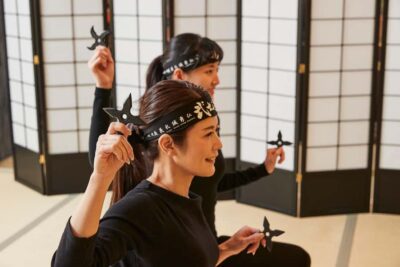
Samurai Ninja Museum Guided tour and Experience
Read our review →Browse the lists this tour appears in