Reviewed · TOKYO TOURS
Tokyo:Stroll in Old traditional culture towns~Yanaka & Nezu
Tokyo has a quieter side. This 210-minute walk through Yanaka and Nezu trades neon crowds for narrow lanes, old houses, temples, shrines, small shops, and the everyday life of a traditional downtown district. I especially like the relaxed pace and the chance to ask questions in a small group rather than march from one famous sight to the next.
I also like the way the tour connects religion, local customs, food, and architecture. Guide Sui receives repeated praise for her warm manner, clear English, local knowledge, and willingness to offer extra help. The main drawback is simple: this is a long walk with stairs, and hot Tokyo weather can make three and a half hours feel demanding.
In This Review
- Key points at a glance
- Why Yanaka feels so different from central Tokyo
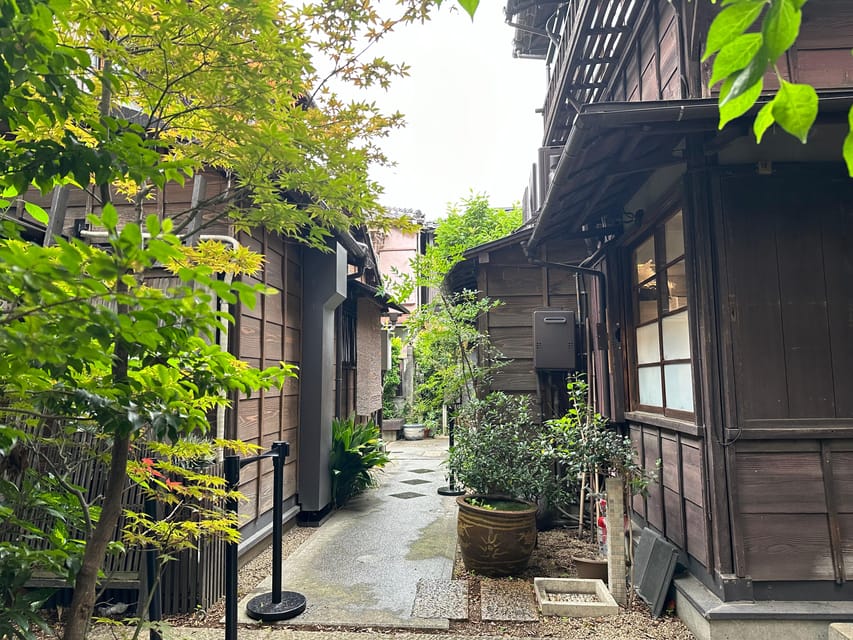
- Walking Yanaka’s residential lanes
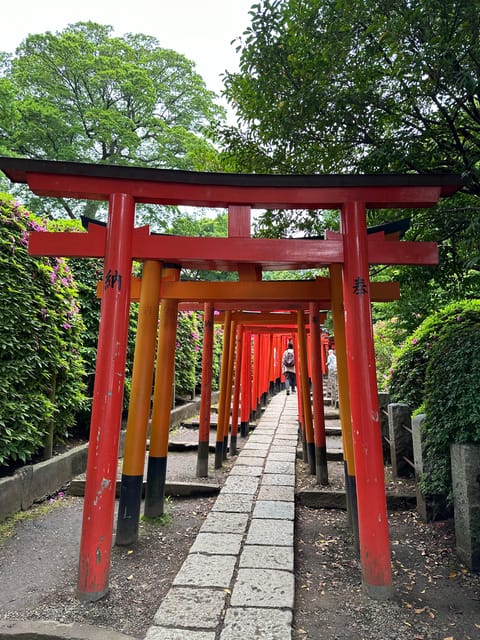
- Nezu Shrine and the red torii path
- Tennoji Temple and the Yanaka Cemetery
- Meiji and Showa buildings in an active neighborhood
- Yoshida Liquor Store and old local businesses
- Yanaka Ginza: food, shops, and the everyday Tokyo stop
- Sunset Staircase and the final stretch
- What Sui adds to the experience
- Season, weather, and practical comfort
- Is $29 a fair price?
- Who should book this walk?
- FAQ
- How long does the Yanaka and Nezu tour last?
- Where does the tour begin?
- Where can the tour finish?
- Is the tour conducted in English?
- Is this a private tour?
- What sights are included?
- Is Yanaka Ginza included all year?
- Is food included?
- What should I bring?
Key points at a glance
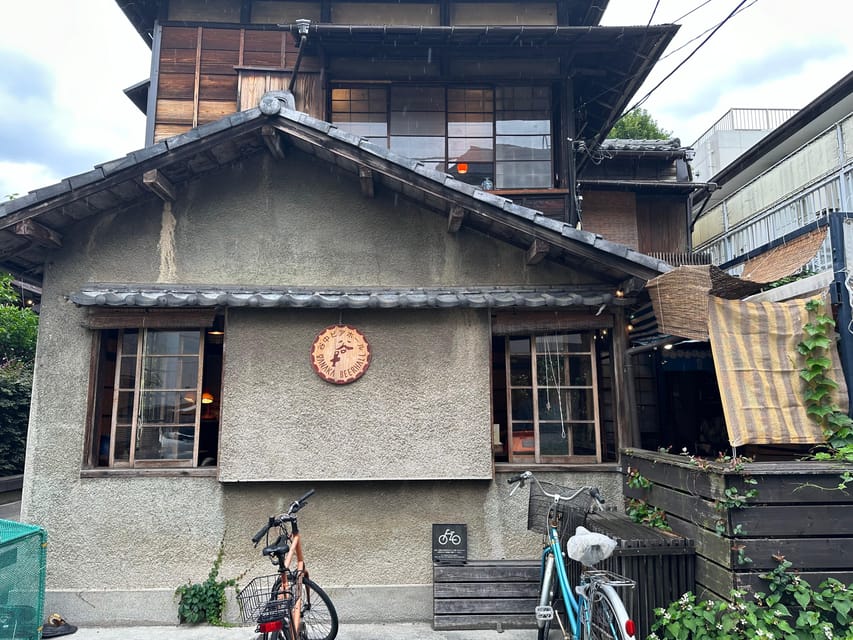
- Yanaka and Nezu show an older Tokyo: Walk among structures and residential streets that survived from the Meiji and Showa periods.
- Sui is the main guide: She is praised for clear explanations, friendly conversation, family-friendly attention, and useful food and shopping advice.
- Religion comes into daily life: Visit Nezu Shrine, Tennoji Temple, and smaller places of worship while learning how shrine and temple customs differ.
- Yanaka Ginza adds local flavor: Browse traditional shops, street foods, Japanese sweets, sake, and souvenirs.
- The pace is easy but the distance is real: Wear proper walking shoes and expect staircases.
- Seasonal planning matters: In summer, the tour includes a cafe drink but skips Yanaka Ginza and ends at Nezu Station.
Why Yanaka feels so different from central Tokyo
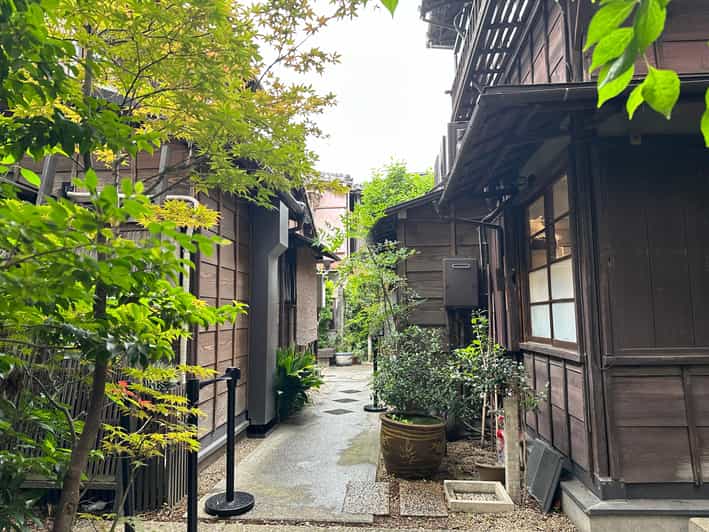
Tokyo is often presented through Shibuya crossings, department stores, towers, and packed train platforms. Yanaka offers a useful change of scale. Streets become narrower, houses sit close to the pavement, and the city feels more residential than commercial.
This district is not a preserved open-air museum. You see old wooden buildings beside newer homes, local businesses beside ordinary apartment blocks, and residents going about their day. That mix is the point. You get a look at how older Tokyo survives inside the modern city.
The walk begins at Nippori Station’s West Exit for Yanaka. The meeting area is just outside the exit, where the guide waits in the designated waiting area. Arrive early. The tour starts on time, and a busy station is a poor place to begin your morning by guessing which exit you need.
The route lasts about three and a half hours, though it may finish a little earlier or later. That flexibility suits the subject. A small temple, an old shop, or a question about Japanese customs can take a few extra minutes. Sui is also known for adjusting the walk to the group’s interests when time allows.
A few more options to weigh up in Tokyo
- Tokyo Disney Resort – Tokyo Disneyland & Tokyo DisneySea Park Tickets
★ 4.8 · 99,488 reviews - SHIBUYA SKY Ticket
★ 4.7 · 46,509 reviews - JR Whole Japan Rail Pass
★ 4.8 · 29,150 reviews
Walking Yanaka’s residential lanes
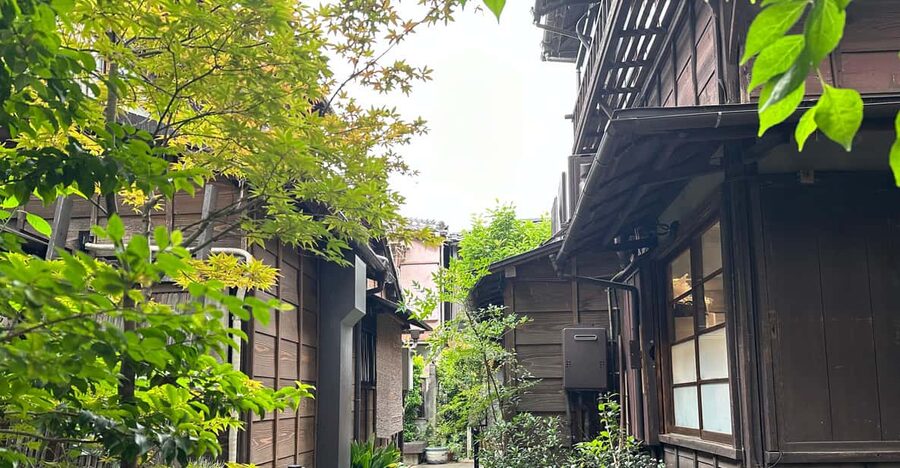
The first part of the experience takes you through quiet residential streets. You see a mixture of old and new houses, small shops, and local buildings that do not appear on the usual Tokyo sightseeing circuit.
This is where the tour earns its modest price. You could walk through Yanaka alone, but you would mostly see a pleasant old neighborhood without understanding what you are looking at. Sui provides the background that turns a wooden house, neighborhood shrine, or tiny storefront into part of a larger story about local life.
You may encounter nursery children, older residents, and shopkeepers during the walk. The value is not in staged interaction. Instead, you are moving through a working neighborhood and seeing daily routines at close range. Sui can explain what you are seeing and help make polite contact when appropriate.
That local focus also means you need to behave thoughtfully. Keep your voice down near homes and cemeteries, avoid blocking narrow lanes, and ask before photographing people or private property. This is a residential area, not a theme park.
Nezu Shrine and the red torii path
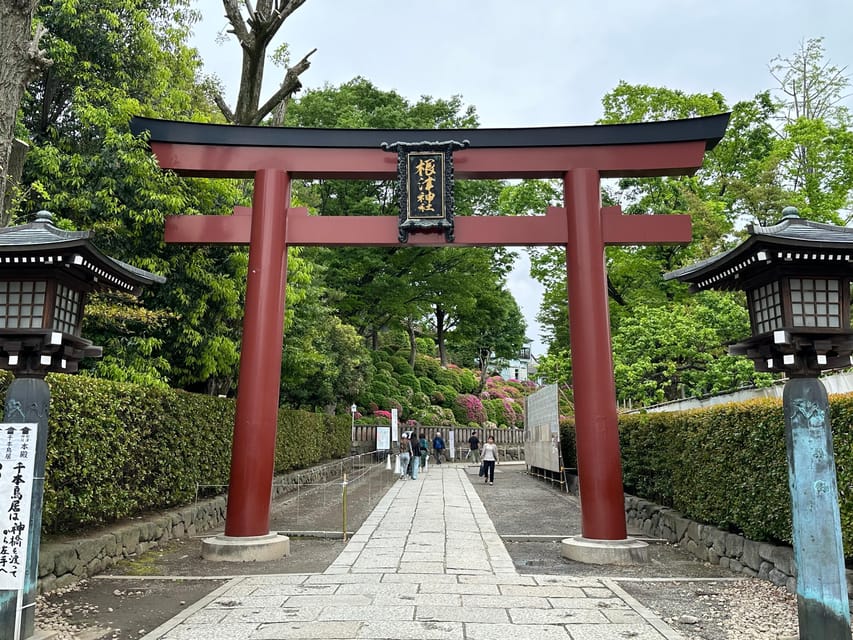
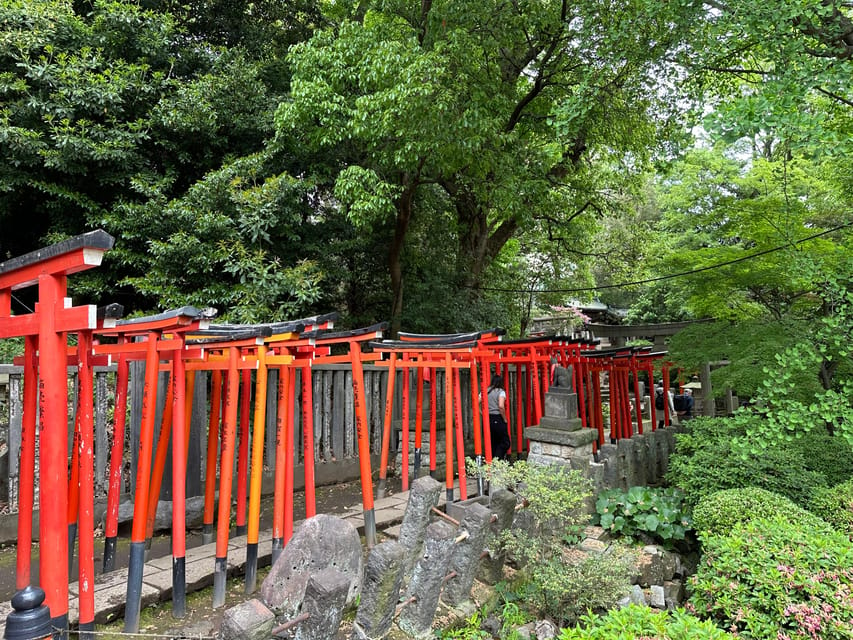
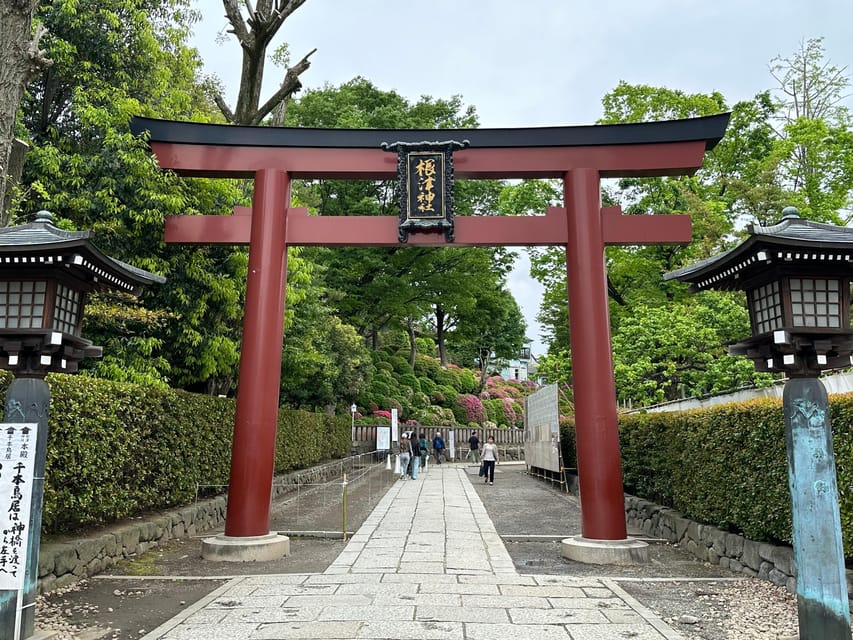
Nezu Shrine is one of the tour’s main sights. It is described as one of Tokyo’s oldest places of worship, and its torii-lined pathway gives you an instantly recognizable Japanese scene without the crowds found at some of the city’s better-known shrines.
A torii marks the entrance to a Shinto sacred area. The walk gives you a chance to learn how to approach a shrine respectfully, how Shinto worship differs from Buddhist practice, and how religion fits into ordinary Japanese life.
The shrine is visually strong, but the explanation matters more than a quick photo stop. Without guidance, it is easy to treat every Japanese religious site as simply another beautiful building. Here, Sui explains the customs and helps you understand why certain gestures, gates, offerings, and prayer practices matter.
The tour also visits smaller places of worship. These quieter stops provide a useful contrast with Nezu Shrine. You can pause, look around, and enjoy the calm rather than competing with a large crowd for a photograph.
Tennoji Temple and the Yanaka Cemetery
Tennoji Temple is known on this route for its large bronze seated Buddha and Japanese garden. The Buddha gives the stop a clear visual focus, while the garden offers a quieter moment during a walk that otherwise keeps moving through streets and lanes.
This is a good place to ask about Buddhism in Japan. The tour presents the country’s main religious traditions in a practical way, showing how temples, shrines, memorial customs, and local beliefs exist side by side.
Yanaka Cemetery adds another layer. It is one of Tokyo’s largest and most scenic cemeteries, with a notable row of trees and a peaceful setting. You should expect a respectful walk rather than a dramatic attraction. The cemetery is a place where you can observe how memorial spaces sit within the city and how ordinary streets continue around them.
The cemetery may not suit every sightseeing style. If you want nonstop food stops or major monuments, this section could feel subdued. I think it works well for anyone interested in the older character of Tokyo, architecture, religion, and the quieter parts of Japanese urban life.
A completely different kind of day out:
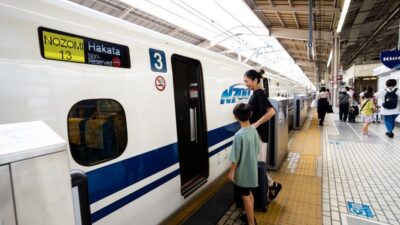
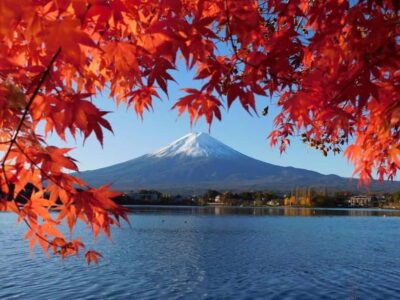
- Mt Fuji and Hakone 1-Day Bus Tour Return by Bullet Train
★ 5.0 · 26,383 reviews - TOKYO SKYTREE® Ticket
★ 4.7 · 25,136 reviews - teamLab Borderless Tickets: MORI Building DIGITAL ART MUSEUM
★ 4.7 · 24,126 reviews - teamLab Planets TOKYO Ticket
★ 4.7 · 21,663 reviews
Meiji and Showa buildings in an active neighborhood
The route points out traditional structures from the Meiji period, from 1868 to 1912, and the Showa period, from 1926 to 1989. You do not simply walk past them. Sui helps you notice the building styles and explains how these older streets differ from the glass-and-steel Tokyo most people first encounter.
The important word here is survival. You are not walking through a single perfectly restored historic quarter. You are seeing older houses and shops that remain part of a living neighborhood, alongside newer construction.
That makes the experience more useful than a quick photo stop. You can compare the scale of the lanes, the placement of homes, and the small commercial spaces with the dense modern districts elsewhere in Tokyo.
The tour’s focus on buildings from before World War II is also valuable because much of Tokyo was destroyed during the war and later reshaped by rapid development. The remaining older structures are not everywhere, so having a guide identify them helps you understand what makes Yanaka special.
Yoshida Liquor Store and old local businesses
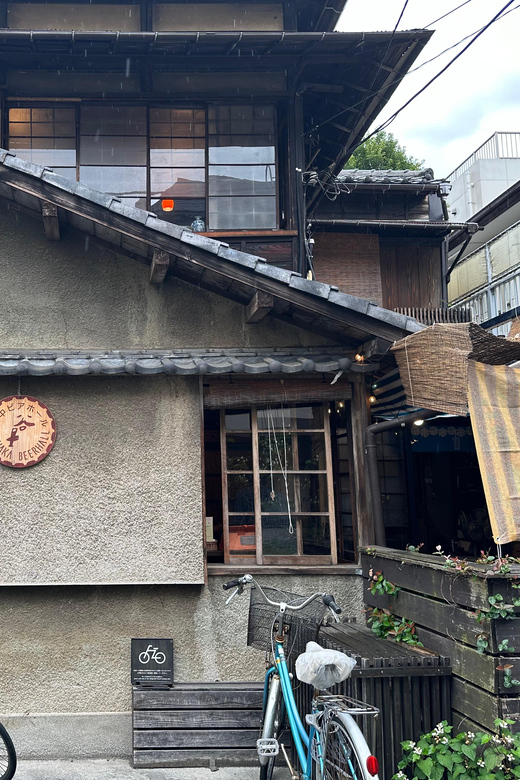
Yoshida Liquor Store is one of the specific stops. It represents the small, traditional businesses that have served the neighborhood across generations. The stop is less about buying a famous product and more about seeing how local retail once worked and how some of those shops continue today.
Bring cash. Small shops may not accept every payment method, and cash is also useful for food, sweets, shrine offerings, or small souvenirs.
Shop hours can vary. Some stores may be closed when you visit, especially on Monday. The walk still continues if a particular shop is shut, but you should not expect every listed business to be open at every hour.
Sui’s food and shopping advice is one of the tour’s practical strengths. She can point out handmade snacks, traditional Japanese sweets, local products, and souvenir shops that you might pass without noticing. Several past participants also received restaurant advice at the end, which can be especially useful because the tour may run into lunchtime.
Yanaka Ginza: food, shops, and the everyday Tokyo stop
Yanaka Ginza is a traditional shopping street and one of the liveliest parts of the route. Here, Sui introduces local street foods, Japanese food shops, and places to buy souvenirs.
Do not treat this as a formal tasting tour. The information promises introductions and recommendations, not a full meal or a set number of samples. It is wise to eat before the walk or carry a small snack, since the route can extend toward lunchtime and food choices may come later than you expect.
This stop works best if you enjoy browsing. You might find small treats, handmade items, or gifts with a stronger local feel than standard airport souvenirs. Sui can help explain what you are buying and suggest items that fit your interests.
Yanaka Ginza also changes the rhythm of the tour. After temples, cemeteries, and quiet lanes, the shopping street gives you a chance to look at products and decide what you may want to return for later.
There is an important seasonal exception. From June 1 to September 11, 2026, the route does not visit Yanaka Ginza. The summer version keeps the other main places of interest, includes a cafe stop, and ends at Nezu Station instead.
Sunset Staircase and the final stretch
The Sunset Staircase is a photo spot popular with local residents. It offers a simple, recognizable view over the old shopping-street area and makes a natural closing point for the walk.
The staircase is also a reminder to judge this tour by your own mobility. There are staircases during the route, and the experience is not suitable for wheelchair users. Comfortable shoes are essential, even though the pace is not rushed.
At the end, you may finish at one of three places: Nippori Station, Yanaka Ginza, or Nezu Station. The exact drop-off depends on the route and season. This flexibility can help you continue sightseeing, find lunch, or make a train connection, but do not schedule your next activity too tightly.
What Sui adds to the experience
Sui is the main guide for this Yanaka walk, and her role is central to its appeal. The strongest pattern in the feedback is not just that she explains history. She answers questions, adjusts to different ages and interests, takes photos, suggests food and shopping stops, and sometimes spends extra time helping visitors find a restaurant or the correct station.
Families receive particular care. Sui has supplied toys and treats for children, and parents with children have found that the walk held their attention. That does not mean every child will enjoy three and a half hours of walking, but the personal approach helps.
Solo visitors can also benefit from the small-group format. One person may receive a more customized walk, while couples and families get plenty of time for questions. Private and small-group options are available, so check the booking choice if group size matters to you.
The English guiding is a major part of the value. Religious customs, Japanese history, and local social habits can be hard to understand from signs alone. A guide who can explain them clearly makes the temples and shrines more meaningful.
Season, weather, and practical comfort
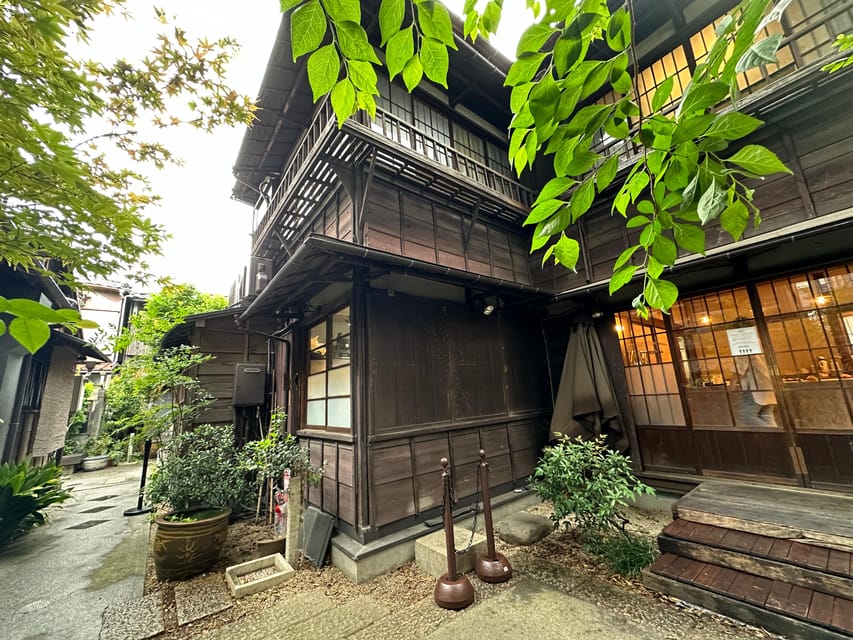
Tokyo summers are hot and humid. During the June 1 to September 11, 2026 summer period, the tour includes a stop at a cafe converted from an old traditional building, with one drink included. The main sightseeing places remain, but Yanaka Ginza is removed from the route, and the tour finishes at Nezu Station.
This change makes practical sense. Three and a half hours outside in extreme heat can be tiring, and one drink break is useful. Still, you should bring water, wear light clothing, and pace yourself.
Spring offers a seasonal treat. From March 25 to April 25, 2026, Sakura mochi is included when available. If it is unavailable, it is replaced with another traditional Japanese sweet or food item. The actual cherry blossom period depends on the weather, so do not book only for guaranteed blooms.
Rain and cold do not automatically ruin the walk. The route is outdoors, so proper clothing matters, but the area’s temples, old buildings, and narrow streets still provide interest in less-than-perfect weather.
Is $29 a fair price?
At $29 per person, this is a strong-value tour if you want context rather than simple directions. You receive an English-speaking guide for 210 minutes, a small-group or private format, and access to local knowledge that is difficult to get from a map.
The price does not include a full meal, general shopping, or most food purchases. You should budget separately for snacks, souvenirs, shrine offerings, and lunch.
I would compare the cost with a private guide rather than with a self-guided walk. Yanaka itself is free to explore, but a guide can explain the religious sites, identify period buildings, introduce local foods, and help you use the neighborhood with more confidence. At this price, that personal explanation is the main purchase.
Who should book this walk?
I recommend it most strongly for first-time visitors who want a break from Tokyo’s major commercial districts. It suits people interested in local history, Japanese religion, architecture, photography, food shops, and ordinary neighborhood life.
Families can benefit from Sui’s flexible approach, though children need to manage a long walk. Solo visitors, couples, and small groups who enjoy conversation should also find the format rewarding.
You may want to skip it if you dislike walking, stairs, cemeteries, residential neighborhoods, or a slower sightseeing pace. It is also less suitable if your main goal is major landmarks, formal tastings, or a tightly timed schedule.
FAQ
How long does the Yanaka and Nezu tour last?
The tour lasts 210 minutes, or about three and a half hours. It may finish slightly earlier or later depending on the pace and stops.
Where does the tour begin?
Meet at Nippori Station’s West Exit for Yanaka. The guide waits in the waiting area after you leave the exit.
Where can the tour finish?
The listed drop-off points are Nippori Station, Yanaka Ginza, and Nezu Station. The summer route ends at Nezu Station.
Is the tour conducted in English?
Yes. The tour includes a live English-speaking guide.
Is this a private tour?
Private and small-group options are available. Check the available booking choice for your preferred group type.
What sights are included?
The route includes Yanaka and Nezu residential streets, Nezu Shrine, Tennoji Temple, Yanaka Cemetery, traditional Meiji and Showa buildings, Yoshida Liquor Store, Yanaka Ginza, and the Sunset Staircase.
Is Yanaka Ginza included all year?
No. The summer version from June 1 to September 11, 2026 skips Yanaka Ginza. The other main sightseeing places remain on the route.
Is food included?
During the spring period from March 25 to April 25, 2026, Sakura mochi is included when available, with a replacement traditional sweet or food item if needed. During the summer period, one cafe drink is included. Other food and shopping purchases are separate.
What should I bring?
Wear comfortable shoes and bring cash. Expect staircases, and arrive punctually because the tour starts on time.
Just added in Tokyo
- Manga Lesson with a Professional Japanese Manga Artist in Nakano★ 5.0 · 77 reviews
- Making a bento box with cute character look in Japan★ 5.0 · 15 reviews
- Tokyo/Ikebukuro Manga drawing workshop by pro-Manga artists★ 5.0 · 65 reviews
- Tokyo Ueno Food & Nature & Localtown Tour: 10Dishes+ Drinks★ 5.0 · 34 reviews
- Make Your Own Bonsai with a Professional Bonsai Artist in Tokyo★ 4.5 · 18 reviews
- Luxury Tokyo Sake, Cocktail, Whisky and Pairing Tour★ 5.0 · 18 reviews
- Make Traditional Nerikiri Sweets & Matcha experience in Shibuya★ 5.0 · 130 reviews
- Daikoku Parking Tokyo Drift & APIT Car Meet JDM Culture Tour★ 5.0 · 79 reviews
Tokyo Tours, compared.

Tokyo Disney Resort – Tokyo Disneyland & Tokyo DisneySea Park Tickets
Read our review →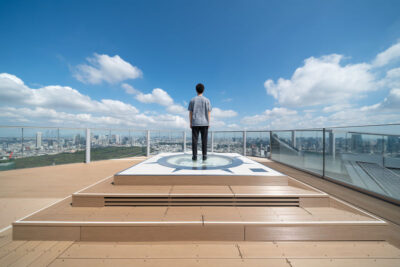
Mt Fuji and Hakone 1-Day Bus Tour Return by Bullet Train
Read our review →

teamLab Borderless Tickets: MORI Building DIGITAL ART MUSEUM
Read our review →