
Reviewed · SUMO EXPERIENCES
Tokyo: Sumo Show and Experience in Shinjuku
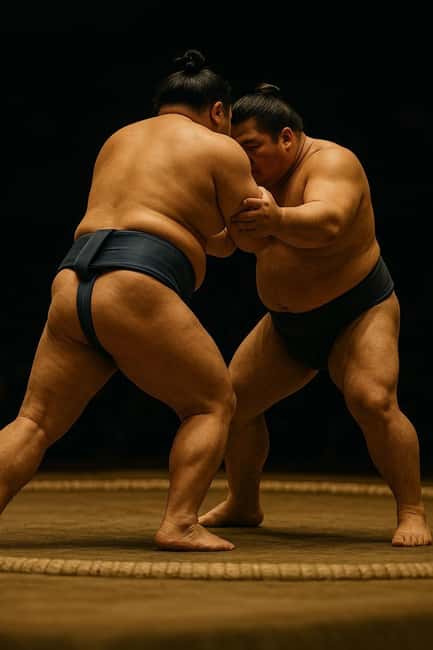
Sumo gets personal in Shinjuku. This 90-minute show brings you close to professional wrestlers for live demonstrations, sparring matches, and a friendly chance to enter the ring yourself. I like the clear English explanations, especially the way hosts such as Paula, Dai, Ari, and Ali connect the rules and rituals to what you are watching. I also like the mix of serious instruction and good humor, which helps first-time viewers understand why sumo is about balance, timing, discipline, and mental strength, not just size.
The best part is the audience involvement. You can wear a traditional sumo outfit, step into the dohyo, and challenge a wrestler while the room cheers you on. The main consideration is simple: this is a show, not an official tournament, so you should book it as an entertaining introduction to sumo rather than a substitute for seeing a major competition.
In This Review
- Key things to know before you book
- What this Shinjuku sumo show really offers
- Arriving at Sekisaku Building in Shinjuku
- The opening lesson: rituals, history, and rules
- Watching shiko, salt throwing, and training movements
- Live sparring and the difference from a tournament
- Your turn inside the dohyo
- How much value do you get for $69?
- Who will enjoy it most?
- Practical tips for a smoother visit
- Should you book this Shinjuku sumo experience?
- FAQ
- Where does the Tokyo sumo show take place?
- How long does the sumo experience last?
- Is this an official sumo tournament?
- Is the show conducted in English?
- Can I wrestle a sumo wrestler?
- Is food included?
- What is included in the ticket price?
- Can I cancel for a refund?
- Can I reserve now and pay later?
Key things to know before you book
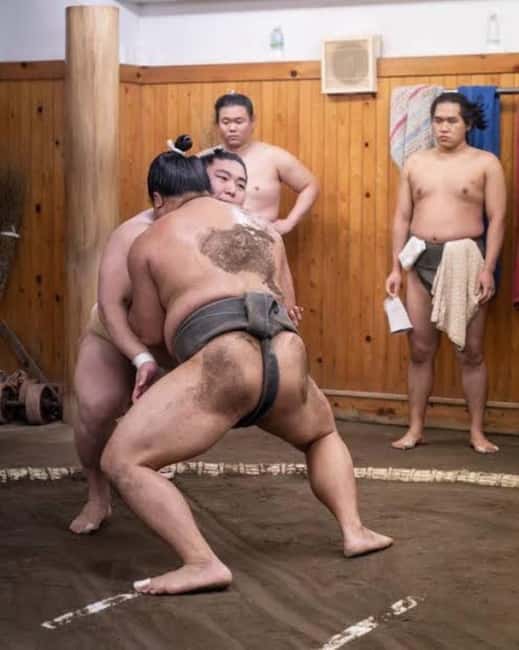
- Professional wrestlers demonstrate the sport: Watch shiko foot stomps, salt throwing, training movements, techniques, fouls, and exhibition matches.
- English explanations make sumo easier to follow: The MC covers history, rules, rituals, Japanese phrases, and the discipline behind the sport.
- You may enter the dohyo: Volunteers can put on a sumo outfit and attempt a playful bout with one of the wrestlers.
- Shinjuku location keeps the timing easy: The event meets on the second floor of Sekisaku Building, near the main door next to Daiso.
- Food is not included: You receive bottled water, while meals and other drinks are separate.
- The $69 price buys participation, not just seats: The value comes from the live demonstrations, English guidance, and personal contact with the wrestlers.
What this Shinjuku sumo show really offers
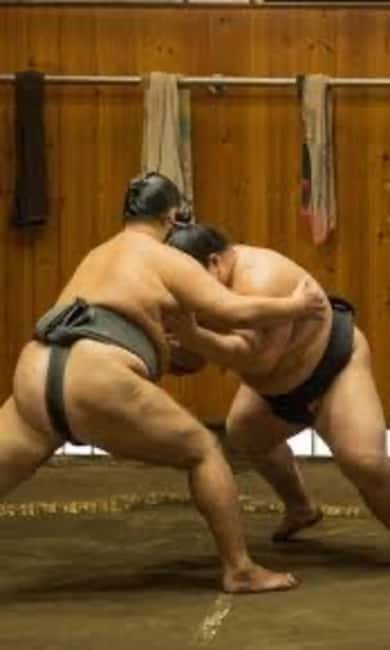
Sumo can be hard to understand when you first see it on television. The wrestlers crouch, charge, and finish a bout in seconds. Without an explanation, you may miss the ritual, the strategy, and the small changes in balance that decide the result.
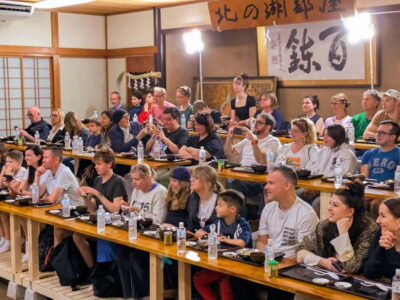
This event is built to solve that problem. An English-speaking MC walks you through the sport before and during the action. You learn why wrestlers stomp their feet, why salt is thrown into the ring, how a bout can be won, and which actions are considered fouls.
The programme also explains the work behind the spectacle. Sumo wrestlers follow demanding training and professional routines, and the demonstrations help you see the skill beneath the size and power. One particularly useful lesson is that sumo depends on position, force, timing, and control. It is not simply two large men pushing until one falls over.
That teaching element earned strong praise from the people who attended. The hosts were repeatedly described as funny, clear, warm, and good at keeping the room involved. Paula was especially praised for her confident delivery and jokes, while Dai was singled out for answering questions and explaining the sport in an accessible way.
The result is a show that works for someone who knows almost nothing about sumo. It also has value if you are already watching a tournament in Japan and want to understand what is happening. One useful tip is to attend before seeing a major competition, if your schedule allows. The rules and rituals will make the professional bouts easier to follow.
More Sumo Experiences in Tokyo
- Tokyo: Sumo Show Experience with Chicken Hot Pot and a Photo
★ 4.8 · 6,678 reviews - Tokyo: Sumo Live Show with Photo in Shinjuku
★ 5.0 · 3,438 reviews - Tokyo: Sumo Show and Dining Experience
★ 4.8 · 2,742 reviews
Arriving at Sekisaku Building in Shinjuku
The meeting point is on the second floor of Sekisaku Building in Shinjuku. Entry is through the front of the building facing the main door next to Daiso. This detail matters, because entering from another side may leave you searching in a busy part of Tokyo.
Give yourself enough time to find the correct entrance. The organisers keep to a set schedule, and late entry may not be accepted at the front desk. A 90-minute programme has very little spare time for people arriving after the opening explanation, so I would treat the meeting time as firm.
The Shinjuku setting is convenient for building the event into a day or evening in the district. It also gives the show an urban feel rather than placing it inside a formal tournament arena. You are entering a purpose-made cultural performance in central Tokyo, with the city outside and the dohyo inside.
The welcome is informal. A bottled water is included, and staff may greet you and chat before the programme begins. Some attendees also described receiving a drink such as a lemon sour, but the official inclusion listed for the experience is bottled water, so I would not book it expecting alcohol or a full refreshment service.
The opening lesson: rituals, history, and rules
The show begins by placing sumo in context. The host introduces the sport, its customs, and the meaning behind actions that can otherwise look mysterious. Japanese phrases may also be included, giving you a few words to connect with what is happening in the ring.
This opening is more than a short lecture. It gives you a framework for watching the demonstrations. When a wrestler performs a forceful foot stomp or throws salt, you understand that the movement is part of sumo’s ritual, not random decoration.
The MC is central to the quality of the event. A weak explanation would make the show feel like a novelty act. A lively presenter turns it into a lesson with comic timing, audience questions, and clear descriptions of the techniques.
The hosts named in the feedback include Paula, Dai, Ari, and Ali. Their styles may vary by session, but the consistent strength is audience contact. The best moments appear to come when the presenter moves beyond memorised facts and responds to the room.
You should also expect humour. The event does not treat the sport as a solemn museum display. It explains the traditions while allowing the wrestlers and audience members to have fun. That balance is important for families and first-time viewers, who may learn more when the atmosphere stays relaxed.
Watching shiko, salt throwing, and training movements
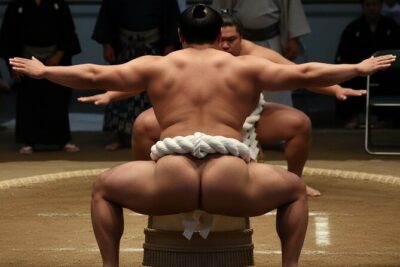
After the introduction, professional wrestlers demonstrate movements and techniques used in sumo. The show highlights shiko, the famous foot-stomping exercise, along with other training actions and ring techniques.
At close range, these movements help you appreciate the physical demands of the sport. The foot stomp looks simple until you consider the balance, strength, and control required to perform it properly. The demonstrations also give the wrestlers a chance to show how an opponent can be pushed, pulled, shifted, or forced out of position.
The programme covers fouls as well as legal actions. That is useful because sumo has rules that are not always obvious to a new audience. You learn that the bout is not just about brute strength. A small mistake in placement or technique can change the result.
The wrestlers are also part of the entertainment. George, Guchi, and Ide are among the names mentioned in connection with different sessions. Their role is not only to demonstrate movements, but also to respond to the crowd and make the sport approachable.
This section should appeal to you if you enjoy seeing how a sport works from the inside. It is less satisfying if you want a long sequence of full competitive bouts. The focus is explanation and demonstration, with live sparring used to bring the lessons into action.
A completely different kind of day out:
- Tokyo Disney Resort – Tokyo Disneyland & Tokyo DisneySea Park Tickets
★ 4.8 · 99,488 reviews - SHIBUYA SKY Ticket
★ 4.7 · 46,509 reviews - JR Whole Japan Rail Pass
★ 4.8 · 29,150 reviews - Mt Fuji and Hakone 1-Day Bus Tour Return by Bullet Train
★ 5.0 · 26,383 reviews
Live sparring and the difference from a tournament
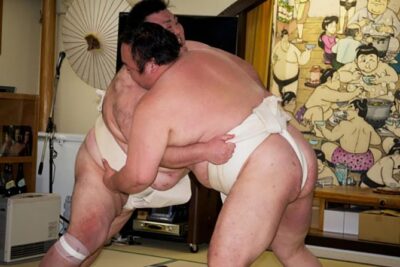
The sparring matches provide the event’s main burst of power. You see wrestlers collide, use their techniques, and show how quickly a bout can finish. The action is real physical performance, but the format is an exhibition rather than a tournament.
That distinction should be clear before you pay. You will not be watching a full professional competition with a tournament bracket, a long day of bouts, or the formal atmosphere of a major sumo event. Instead, you are watching a compact show designed for visitors who want contact with the sport and an explanation in English.
I see this as a strength for a short Tokyo itinerary. A formal tournament requires timing, tickets, and a larger time commitment. This show gives you an introduction in 90 minutes, with the rituals explained and the wrestlers close enough to see their movement clearly.
It is also a limitation for serious sumo fans. If you already attend tournaments often, you may find the exhibition familiar after one visit. One attendee described it as worthwhile but not something they would repeat. That is fair. The event is strongest as a first encounter or as a bridge to watching official competition.
For most first-time visitors, the format works well. You get enough live action to feel the force of sumo, but you do not need to spend several hours trying to work out the rules from your seat.
Your turn inside the dohyo
The most memorable part for many people is the invitation to enter the ring. You can put on a traditional sumo outfit and challenge one of the wrestlers in a playful bout.
This is not a serious test of strength. The wrestler controls the encounter, keeps it safe, and helps create a funny result for the audience. Still, stepping into the dohyo changes your relationship with the sport. You feel the physical presence of the wrestler, understand the scale of the ring, and become part of the performance rather than simply watching.
Audience volunteers are invited during the show, so participation is an opportunity rather than a promise that every person will wrestle. If you are hoping to take part, be ready to volunteer when the MC asks. Children and adults can both enjoy the moment, although the exact selection and order are not specified.
The audience interaction is one of the clearest strengths of this experience. Families can laugh together, friends can cheer for one another, and solo visitors may find the room welcoming. One parent described a child becoming convinced that a family member could genuinely defeat a wrestler after a carefully managed bout. That gives you a good sense of the playful spirit.
You may also have a chance to take a photo with the wrestlers. Photos were part of the experience described by some attendees, but they are not listed as a formal inclusion, so I would treat this as a possible bonus rather than a guaranteed feature.
How much value do you get for $69?
At $69 per person, this is not a cheap drop-in performance. The price makes more sense when you count what is included: professional sumo demonstrations, an English-speaking MC, a bottled water, the chance to wear a traditional outfit, and the possibility of challenging a wrestler.
The value depends on what you want. If you only want to see sumo from a distance, you may prefer to watch a televised tournament or arrange tickets to an official event. If you want someone to explain the customs, show techniques close up, and bring you into the action, the cost is easier to justify.
The 90-minute length also helps. You are not paying for an entire day, and the show can fit around other plans in Shinjuku. The short format is especially useful after a day of sightseeing, when sitting down for a guided activity sounds better than crossing Tokyo again.
Food is not included, so plan to eat before or after the show. The information confirms bottled water, not a meal. That keeps the programme focused, but it means you should not expect dinner theatre.
Free cancellation is available up to 24 hours before the start for a full refund, and you can reserve now while paying later. Those terms are useful if your Tokyo schedule is still changing, though you should still check the available start time before booking.
Who will enjoy it most?
I would recommend this show to first-time sumo viewers, families, and anyone who wants a cultural activity that does not require a full day. The English commentary removes much of the guesswork, and the humour keeps the session from feeling like a formal class.
It also suits people who are already curious about Japanese customs. The rituals, Japanese phrases, training movements, and explanations of discipline give the event more substance than a simple wrestling demonstration.
Children may enjoy the action and the chance to see audience members enter the ring. Adults who are not sports fans can still follow the cultural side, especially because the host explains why the movements matter.
You may want to skip it if your main goal is to watch an official tournament. This event openly does not provide that. You may also find it less appealing if you dislike audience participation or do not want to be invited into the ring. You can still watch from your seat, but the show’s energy depends partly on people joining in.
Practical tips for a smoother visit
Arrive early enough to locate the correct front entrance. The door is next to Daiso, and entry from another part of the building may not work.
Keep the schedule in mind. Late entry may be refused because the event follows a fixed programme. Missing the opening explanation would also make the rituals and techniques harder to follow.
Eat before arriving or plan a meal afterward. Food is not included, and the listed welcome drink is bottled water.
If you want to participate, listen closely when the MC calls for volunteers. The ring challenge is one of the most distinctive parts of the event, but it depends on being selected.
If you are planning to attend a professional tournament during your stay, consider doing this show first. You will arrive at the tournament with a better sense of the rules, gestures, and training behind each bout.
Should you book this Shinjuku sumo experience?
Book it if you want a friendly, English-language introduction to sumo with real physical demonstrations and a chance to join the action. The hosts are a major part of the appeal, and the combination of explanation, laughter, sparring, and audience participation gives the $69 price a reasonable purpose.
Do not book it expecting a formal tournament. You are buying a compact cultural show, not a full day of professional competition. For a first visit to Japan, especially with children or friends, I think the format offers a memorable way to understand one of the country’s most famous sports.
FAQ
Where does the Tokyo sumo show take place?
The meeting point is on the second floor of Sekisaku Building in Shinjuku, at the front of the building facing the main door next to Daiso.
How long does the sumo experience last?
The experience lasts 90 minutes.
Is this an official sumo tournament?
No. It is a show with professional demonstrations, live sparring, and exhibition matches. It is not a tournament.
Is the show conducted in English?
Yes. An English-speaking MC or live guide explains the rituals, history, rules, and techniques.
Can I wrestle a sumo wrestler?
You have the opportunity to wear a traditional sumo outfit and challenge a sumo wrestler in the ring. Participation is offered to volunteers during the show.
Is food included?
No. Food is not included. Bottled water is listed as the included welcome drink.
What is included in the ticket price?
The price includes professional sumo wrestling matches, an English-speaking MC, bottled water, the opportunity to wear a traditional sumo outfit, and the chance to challenge sumo wrestlers.
Can I cancel for a refund?
Yes. You can cancel up to 24 hours in advance for a full refund.
Can I reserve now and pay later?
Yes. The booking option allows you to reserve your place and pay later, keeping your plans flexible.
More Show in Tokyo
- Mt Fuji & Hakone Cruise, Drum Show Bullet Train 1 Day from Tokyo
★ 4.0 · 7,413 reviews - the SUMO show
★ 5.0 · 1,960 reviews - Tokyo Shinjuku Sumo Show & Experience with Photo
★ 5.0 · 1,750 reviews - Asakusa Sumo Club Sumo Show Admission with Chankonabe in Tokyo
★ 4.8 · 1,669 reviews
Just added in Tokyo
- MT. FUJI/ Private Tour delivered and guided by a top-tier driver★ 5.0 · 27 reviews
- Mt fuji & Hakone customizable day tour w/ English speaking driver★ 5.0 · 45 reviews
- Fuji Speedway Self Drive & Mt. Fuji Private Tour pickup & dropoff★ 5.0 · 14 reviews
- Mt.Fuji Trekking 1 Day Tour up to the summit★ 5.0 · 14 reviews
- Seasonal Mt. Fuji Scenic Views, Fruit Picking and Ropeway Ride!★ 4.5 · 35 reviews
- Customisable Mt.Fuji Private Day Trip, English Speaking Driver★ 5.0 · 22 reviews
- Private Mt Fuji Tour from Tokyo: Scenic BBQ and Hidden Gems★ 5.0 · 146 reviews
- Private Mount Fuji Tour in Luxury Vehicle with English Guide★ 4.5 · 39 reviews
Sumo Experiences, compared.
Sumo Show Experience with Chicken Hot Pot and a Photo
Read our review →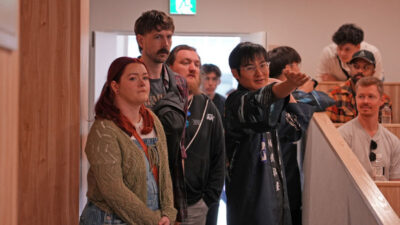
Tokyo Shinjuku Sumo Show & Experience with Photo
Read our review →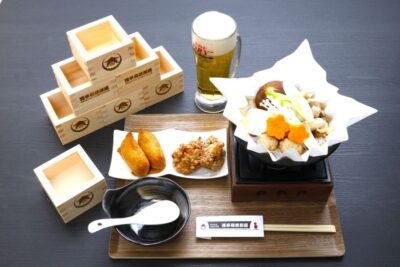
Asakusa Sumo Club Sumo Show Admission with Chankonabe in Tokyo
Read our review →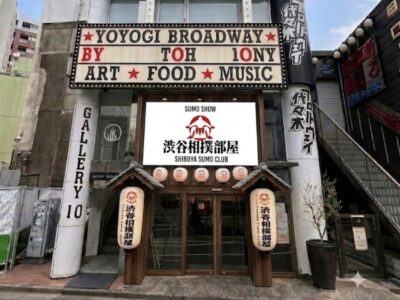
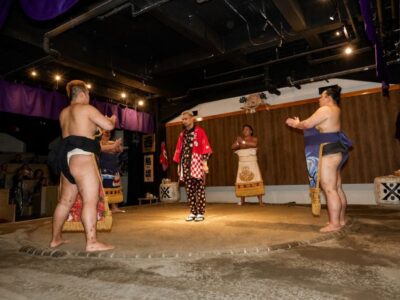
Tokyo Ginza Sumo Experience: Performance vs Pure Practice
Read our review →Browse the lists this tour appears in