
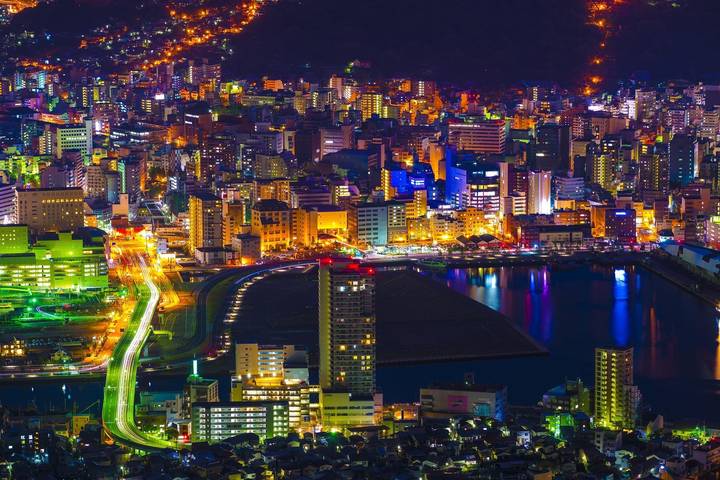
Reviewed · FUKUOKA TOURS
Kyushsu Half Island Express Tour (8 Days) by MW Tours Review
Kyushu’s appeal comes into focus on this eight-day route from Fukuoka to Nagasaki: steaming Beppu, open country around Aso, samurai-era Taketa, and the sobering peace sites of Nagasaki. Trains and buses link the stops, while local guides lead selected outings and leave you room to explore on your own.
I like two things in particular: the mix of guided visits and independent rail travel gives you structure without keeping you in a tour group all day, and luggage forwarding makes a multi-stop trip easier. One consideration: the tour requires at least two people for a guaranteed departure, and the schedule includes several transfers and overnight bags, so it suits travelers who can manage a fairly active pace.
In This Review
- Kyushu in six useful points
- How this Kyushu route works
- Day 1: Arrive in Fukuoka and prepare a small bag
- Day 2: Yufuin’s lake and shopping street, then Beppu
- Day 3: Beppu’s hot springs, hells, and steaming food
- Day 4: Taketa’s old streets on the way to Aso
- Day 5: Aso’s wide-open Kusasenri area
- Day 6: Kumamoto Castle, Suizenji Garden, and onward by rail
- Day 7: Nagasaki’s peace sites and foreign-trade history
- Day 8: Leave from Nagasaki or return to Fukuoka
- What the price covers, and what to budget for
- Who is likely to enjoy this tour
- Should you book the Kyushu Half Island Express Tour?
- FAQ
- Does the tour operate if I am traveling alone?
- How many people can join the group?
- What kind of guiding should I expect?
- Are meals included?
- Is luggage transfer included?
- Are flights included?
- What extra costs should I expect?
Kyushu in six useful points
- Yufuin no Mori takes you from Hakata to Yufuin, where you have time for Yunotsubo Street and Kinrin Lake before continuing to Beppu by public bus.
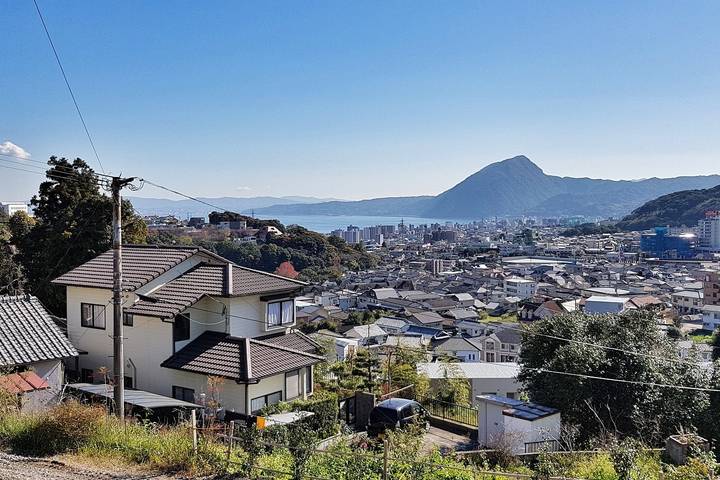
- Beppu gives you two nights with hot spring access, plus a tour of three hells, Kannawa Onsen District, and a jigokmushi steamed-food experience.
- Taketa is a change of pace, with an Old Quarter walk that includes a cave chapel, the Samurai District, and Jurokan Rakan.
- Aso adds volcano country, with a bus trip to Kusasenri, its observatory, and the Volcano Museum.
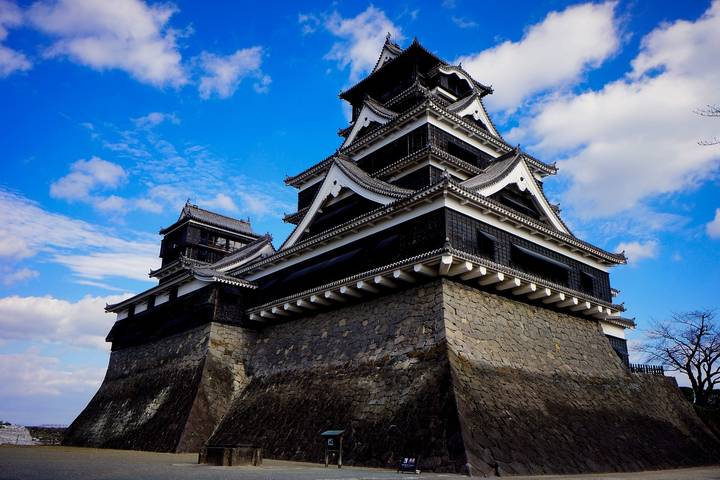
- Kumamoto and Nagasaki pair landmark visits with rail travel, from Kumamoto Castle and Suizenji Garden to the Atomic Bomb Museum and Peace Park.
- The structure is partly guided, not escorted every hour. You get English-speaking local guides for selected tours, but also travel independently between destinations.
How this Kyushu route works
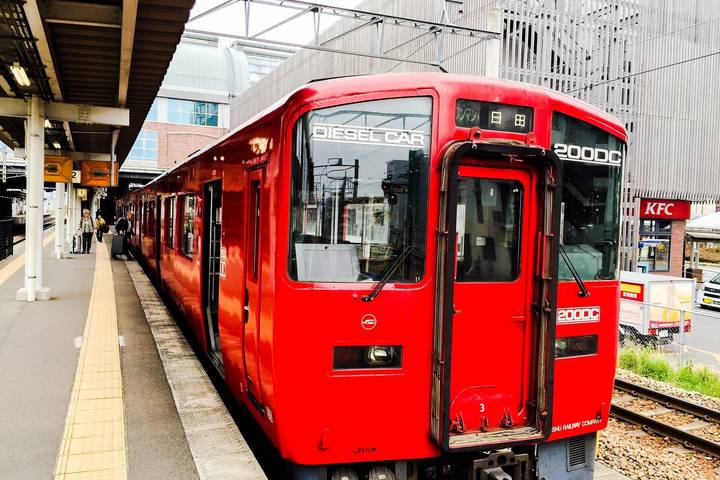
The tour begins in Fukuoka and ends in Nagasaki, with seven hotel nights and breakfast each morning. Fukuoka, Beppu, Aso, Kumamoto, and Nagasaki are the main overnight bases; Yufuin and Taketa are visited along the way.
The key distinction is that this is a partly guided group tour, not a coach tour with the same guide beside you from breakfast to bedtime. You join organized outings in several places, then take scheduled trains and buses between others. The listed group size is two to 32, and the minimum for a guaranteed departure is two people traveling together.
That structure can be a good fit if you want logistics arranged but still like the independence of moving through Japan by rail. It does ask you to keep track of tickets, stations, and departure times. The tour includes specified train tickets and transportation for its listed activities, but some local bus fares and attraction admissions are payable locally.
A few more options to weigh up in Fukuoka
- Kyushu: Mount Aso, Kusasenri & Takachiho Gorge Day Tour (Optional Takachiho Boat Ride Experience)
★ 4.9 · 4,957 reviews - Kyushu One-Day Tour: Yufuin no Mori Train & Yufuin Town & Nyoirin-ji Temple & Dazaifu & Hell Hot Springs (Departing from Fukuoka)
★ 4.9 · 4,474 reviews - teamLab Forest Fukuoka Ticket
★ 4.7 · 1,925 reviews
Day 1: Arrive in Fukuoka and prepare a small bag
On arrival in Fukuoka, a representative meets you in the arrival hall and helps you reach your Hakata hotel by public transfer. The first evening is practical rather than programmed: get settled, then pack a bag for two nights in Beppu.
Your main suitcase is due to be forwarded from Fukuoka to Aso the following morning. That means you should keep essentials, toiletries, and enough clothes for Beppu with you. The arrival transfer has an extra charge of AUD 90 per person if your flight arrives outside the stated 8 a.m. to 8 p.m. window, so check your arrival time before booking.
Day 2: Yufuin’s lake and shopping street, then Beppu
At 9:30 a.m., you walk to Hakata Station and take the Yufuin no Mori limited express to Yufuin. The train ride is part of the day’s appeal: it carries you out of Fukuoka toward a smaller onsen town, rather than sending you straight to the next hotel.
You have time to explore Yunotsubo Street and Kinrin Lake at your own pace. The schedule does not specify how long you get, so keep an eye on the agreed meeting and onward travel times rather than letting a shop or café stop stretch too far. Later, a public bus takes you to Beppu, where you check in and can use the hotel’s hot spring facilities.
This is a full travel day, but it combines transport with a worthwhile stop. Your small Beppu bag keeps the day manageable, while your main suitcase goes on to Aso.
Day 3: Beppu’s hot springs, hells, and steaming food
Beppu gets a full day, which is welcome in a tour that otherwise moves on frequently. The outing includes three of the area’s hells, a walking tour in Kannawa Onsen District, and a jigokmushi experience, in which food is prepared with onsen steam.
The hells are geothermal sights rather than bathing pools, so don’t confuse the tour with a long soak. You get a look at Beppu’s volcanic heat in a more theatrical form, then see how the hot-spring district fits into daily local life. The hotel’s hot spring facilities are available again in the evening.
A Bamboo Factory visit and craft-making activity are optional. Since the schedule does not specify the extra cost or exact time, ask before you go if you want to include it. This is also one of the days when the tour’s guided format pays off: the walks and visits are organized, but you still have the evening to yourself.
A completely different kind of day out:
- Shiraito Falls & Forest Cafe & Handmade Flower Salt Pudding & Grilled Seafood & Totoro Forest & Sakurai Futamigaura & Angel’s Wings & Coconut Tree Swing Day Tour (Departing from Hakata Station, with Mandarin, English, and Cantonese speaking guide)
★ 4.9 · 1,840 reviews - Fukuoka Tower Admission Ticket
★ 4.8 · 1,804 reviews - Uminonakamichi Marine World Admission Ticket in Fukuoka
★ 4.8 · 1,298 reviews - Mt. Aso & Takachiho Gorge Tour with Optional Boat Ride
★ 4.7 · 222 reviews
Day 4: Taketa’s old streets on the way to Aso
After breakfast, it is a short walk to Beppu Station, followed by a train to Bungo Taketa. A morning tour takes you through Taketa’s Old Quarter, with historical buildings, Jurokan Rakan, a cave chapel, and the Samurai District.
Taketa offers a welcome shift from the hot-spring towns. The stops suggest a compact visit focused on architecture and local history, rather than a long museum day. After the tour, you return to the station and take a train to Aso, then transfer to your hotel.
Pack another overnight bag, this time for Kumamoto. Your main luggage is scheduled to go from Aso to Nagasaki the next morning. The repeated bag changes are a small chore, but they spare you from hauling a full suitcase through multiple train connections.
Day 5: Aso’s wide-open Kusasenri area
A pickup takes you to Aso Station at 9 a.m., then you travel by bus to Aso Kusasenri. The visit includes the observatory and Volcano Museum before you return to the station and take a JR train to Kumamoto.
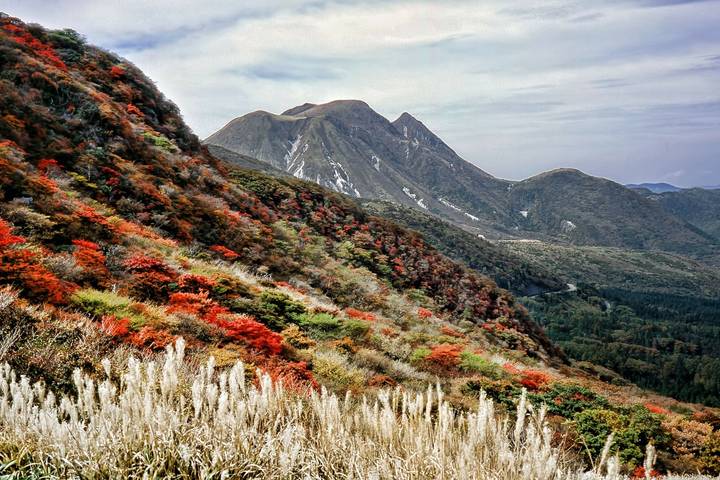
Aso is the tour’s nature-focused stop, and the contrast with Beppu’s hot springs and Taketa’s old streets is part of its value. Kusasenri gives you a chance to see the area around the volcano, while the museum provides context. The plan depends on bus connections, so this is a day to keep your timing in mind and follow the group’s instructions closely.
Aso’s conditions can affect what you see outdoors, but no specific volcano access or eruption viewing is promised. Treat the observatory and museum as the confirmed visits, and consider any wider views a bonus.
Day 6: Kumamoto Castle, Suizenji Garden, and onward by rail
The morning includes a city tram tour with visits to Kumamoto Castle and Suizenji Garden. These stops make for a useful introduction to Kumamoto before you head to the station and travel onward.
The rail journey goes by bullet train to Shintosu, then by Kamome limited express to Nagasaki. It is a two-part connection, not a single direct train, so keep your tickets and transfer details handy. Once in Nagasaki, you check in to your hotel.
This is another day with a mix of sightseeing and transit. The castle and garden are included, but the available schedule does not give exact visit lengths. If you value more time at one site, ask the operator whether the tour pace allows it before you book.
Day 7: Nagasaki’s peace sites and foreign-trade history
Nagasaki’s guided city tour visits the Atomic Bomb Museum and Peace Park, then continues to Glover Garden and Oura Church. The day brings together two very different parts of the city’s story: the human consequences of the atomic bombing, and the city’s connections with foreign visitors and trade.
Give the museum and Peace Park the attention they deserve. They are not just quick photo stops, and the subject matter may feel heavy. Glover Garden and Oura Church offer a change of tone, with historic buildings and a different view of Nagasaki’s past.
There are optional ways to extend the day, including a Gunkanjima Island Cruise, a visit to Dejima, or time in Chinatown. These are not included in the tour price. The schedule does not confirm how much free time you will have, so check before planning around an optional outing, especially a cruise that needs its own departure time.
Day 8: Leave from Nagasaki or return to Fukuoka
After checking out, you can take a bullet train back to Hakata or an airport bus to Nagasaki Airport for your flight home. The return journey is not described as a guided transfer, so check the departure details and allow time for the connection that suits your plans.
If your flight leaves from Fukuoka, think carefully about the time required to travel back from Nagasaki. If you depart from Nagasaki Airport, the bus option avoids that return to Hakata. The tour ends in Nagasaki, and flights are not included.
What the price covers, and what to budget for
The package includes seven nights in good-quality, listed as four- to five-star accommodation, breakfast each day, English-speaking local guides during the tour, specified train tickets, luggage transfers from Hakata to Aso and Aso to Nagasaki, and transportation for the scheduled tours. A past participant specifically praised the hotels and breakfasts, as well as the way the travel arrangements were organized.
No tour price is supplied here, so I can’t judge the exact cost against other departures. The value depends on how much you appreciate having hotels, key rail tickets, luggage forwarding, and selected guided visits arranged in one trip. Compare the total package price with the cost of booking those pieces yourself, not just with the cost of a hotel stay.
Budget separately for lunches, dinners, snacks, travel insurance, personal spending, and optional activities. The stated estimates are about AUD 65 per person for local bus tickets and AUD 45 per person for admission tickets payable locally. Tipping for guides and drivers is at your discretion. Flights and other services not specifically listed are also excluded.
Who is likely to enjoy this tour
I’d consider this tour if you want to see several sides of Kyushu in a short time and are comfortable traveling by public transport. It should suit adults and teens aged 12 or older who can handle medium-intensity days, station transfers, and some walking. The blend of local guides and independent movement is especially useful if you want a framework without spending the entire week on a coach.
It may be less suitable if you want a slow stay in one town, a fully escorted trip, or a departure guaranteed for a solo traveler. The tour requires at least two people to guarantee departure. The group may range from two to 32, so it is not specifically a small-group trip.
One particularly useful detail is that booking requests need at least four weeks before departure. The operator’s stated response time is within two days, but you should not leave planning until the last minute. For a 2026 departure, the operator has indicated daily departures and a guarantee for two people traveling together, but you still need to confirm availability for your date.
Should you book the Kyushu Half Island Express Tour?
Book it if you want a well-connected sampler of Kyushu with hot springs, historic towns, volcano-country scenery, and meaningful time in Nagasaki. Its strongest features are the varied route, the combination of guided outings and self-directed train travel, and luggage forwarding between key stops.
Pause if you dislike packing overnight bags, need a solo departure guaranteed, or want a trip with more unstructured time. Before paying, confirm the exact departure date, what the local bus and admission estimates cover, the added cost of optional activities, and your airport plan for Day 8. If those details suit you, this is a practical way to cover a lot of Kyushu without having to assemble every hotel and train connection yourself.
FAQ
Does the tour operate if I am traveling alone?
A departure is guaranteed only when at least two people travel together. If you are solo, ask the operator about availability, but do not assume the tour will run for one person.
How many people can join the group?
The listed group size is two to 32 people. The tour requires a minimum of two people traveling together to guarantee departure.
What kind of guiding should I expect?
The tour is partly guided. You join English-speaking local guides for selected tours, while some journeys between destinations are made independently by train or public bus.
Are meals included?
Daily breakfast is included. Lunch, dinner, and snacks are not included.
Is luggage transfer included?
Yes. The tour includes luggage transfer from Hakata to Aso and from Aso to Nagasaki. You still need small overnight bags for Beppu and Kumamoto.
Are flights included?
No. Flights are not included. On the final day, you can travel by bullet train to Hakata or take an airport bus to Nagasaki Airport.
What extra costs should I expect?
The listed estimates are about AUD 65 per person for local bus tickets and AUD 45 per person for admission tickets payable locally. Optional activities, other meals, insurance, personal expenses, and tips are also not included.
Just added in Fukuoka
- Treasures of Kyushu 7-Day Tour by Europamundo★ 5.0 · 1 review
- teamLab Forest Fukuoka Ticket★ 4.7 · 1,925 reviews
- Fukuoka Nakasu River Cruise Ticket★ 4.6 · 164 reviews
- Shiraito Falls & Forest Cafe & Handmade Flower Salt Pudding & Grilled Seafood & Totoro Forest & Sakurai Futamigaura & Angel’s Wings & Coconut Tree Swing Day Tour (Departing from Hakata Station, with Mandarin, English, and Cantonese speaking guide)★ 4.9 · 1,840 reviews
- Uminonakamichi Marine World Admission Ticket in Fukuoka★ 4.8 · 1,298 reviews
- Fukuoka Tower Admission Ticket★ 4.8 · 1,804 reviews
- Kyushu One-Day Tour: Yufuin no Mori Train & Yufuin Town & Nyoirin-ji Temple & Dazaifu & Hell Hot Springs (Departing from Fukuoka)★ 4.9 · 4,474 reviews
- Kyushu: Mount Aso, Kusasenri & Takachiho Gorge Day Tour (Optional Takachiho Boat Ride Experience)★ 4.9 · 4,957 reviews
Fukuoka Tours, compared.
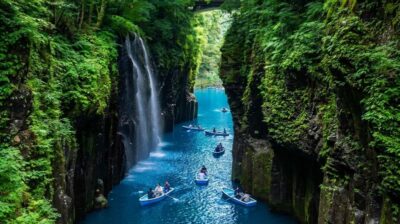
Kyushu: Mount Aso, Kusasenri & Takachiho Gorge Day Tour (Optional Takachiho Boat Ride Experience)
Read our review →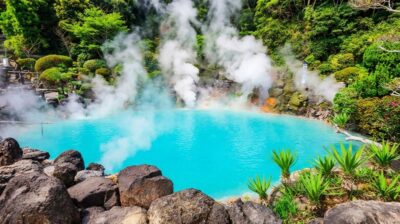
Kyushu One-Day Tour: Yufuin no Mori Train & Yufuin Town & Nyoirin-ji Temple & Dazaifu & Hell Hot Springs (Departing from Fukuoka)
Read our review →
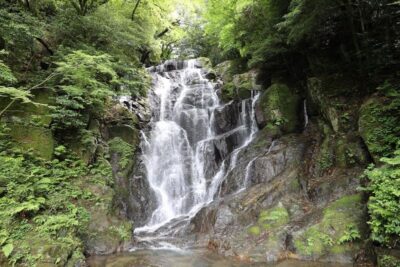
Shiraito Falls & Forest Cafe & Handmade Flower Salt Pudding & Grilled Seafood & Totoro Forest & Sakurai Futamigaura & Angel’s Wings & Coconut Tree Swing Day Tour (Departing from Hakata Station, with Mandarin, English, and Cantonese speaking guide)
Read our review →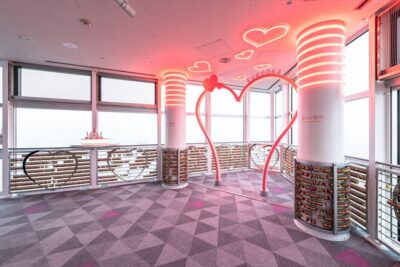

Uminonakamichi Marine World Admission Ticket in Fukuoka
Read our review →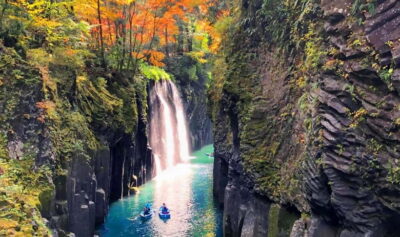
Mt. Aso & Takachiho Gorge Tour with Optional Boat Ride
Read our review →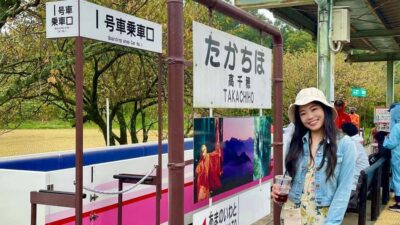
Browse the lists this tour appears in