Reviewed · SNOW MONKEY TOURS
Nagano: Snow Monkeys, Zenkoji Temple & Sake Day Trip
Snow monkeys are only part of the story. This full-day Nagano outing combines Zenkoji Temple, local sake, a generous lunch, and the famous bathing macaques in one well-organized trip. I especially like the mix of culture and wildlife, plus the useful local commentary from guides such as Dylan, Brent, Tom, Kevin, and Hiroshi. The main drawback is the long day and the slippery 1.6-kilometer walk to and from the monkey park.
I also like that transport, lunch, park admission, and sake tasting are included in the $135 price. You do not need to solve Nagano’s bus connections or work out how to fit three major stops into one day. Still, this is not a gentle sightseeing ride. Proper winter shoes are essential, and the tour is not suitable for wheelchair users or people with major mobility limits.
The day usually begins at Nagano Station at 9:35 AM and finishes there around 5:30 PM. In winter, you can also join from Hakuba, with early pickup at the Hakuba Tokyu Hotel or Happo Bus Terminal, then return to Hakuba by about 6:45 PM.
In This Review
- Key points at a glance
- Why this Nagano day trip works so well
- Starting from Nagano Station or Hakuba
- Zenkoji Temple, Nagano’s spiritual center
- Sake tasting before lunch
- A generous Nagano lunch
- Walking to Jigokudani Monkey Park
- What you actually see at the snow monkey park
- Guide quality and the pace of the day
- Is $135 good value?
- Who should book this experience?
- Should you book the Nagano snow monkey tour?
- FAQ
- Where does the tour begin?
- Can I join the tour from Hakuba?
- What time does the tour finish?
- Is lunch included?
- Can people who do not drink alcohol join the sake tasting?
- How much walking is involved?
- Do I need special footwear?
- Is entry to Zenkoji’s inner sanctuary included?
- Are snow monkey sightings guaranteed?
Key points at a glance
- The monkey walk is snowy and sometimes icy: You cover about 1.6 kilometers on foot, and crampons may be useful in winter conditions.
- Zenkoji is more than a quick photo stop: The 1.5-hour visit includes temple grounds, local background, and the option of the famous pitch-black passage beneath the temple.
- The sake tasting has real variety: You sample different styles and learn how the drink is made, with non-alcoholic options for anyone under 20 or avoiding alcohol.
- Lunch is a major part of the value: Expect a filling local meal, with beef, seafood, or vegetarian choices mentioned in the tour details.
- The guides make the day work: Names vary, but the strongest praise goes to guides who explain local culture clearly, answer questions, and keep the group moving without making it feel rushed.
- The monkeys are wild animals: Most days bring plenty of macaques, but there are a few days each year when they do not come down to the park.
Why this Nagano day trip works so well
Nagano can be awkward to cover in one day without a car. Zenkoji Temple sits in the city, while Jigokudani Monkey Park is outside town and requires a walk through the forest. Add a sake stop and a proper lunch, and the planning starts to look less like a holiday and more like a spreadsheet.
This tour takes care of the awkward parts. You meet the guide, board the coach, and move between the main stops without buying separate local tickets or guessing which connection comes next. The English-speaking guide also gives context that you would miss by simply arriving, taking photographs, and leaving.
The score of 4.9 from 833 ratings fits the experience’s strongest qualities: friendly guides, smooth transport, excellent food, and enough time at the monkey park. The day is active, but the schedule generally avoids the feeling of being pushed from one photo stop to another.
You should still understand the tradeoff. This is a shared tour, not a private outing. Pickup and drop-off are limited to the designated points, and the total day can run from eight to twelve hours depending on where you join.
More Day Trips in Nagano
- From Tokyo: Snow Monkey 1 Day Tour with Beef Sukiyaki Lunch
★ 4.6 · 295 reviews - Tokyo: Snow Monkey & Nagano Customiseable Private Day Tour
★ 4.8 · 138 reviews - 1-Day Tour from Nagano and Matsumoto Kamikochi & Matsumoto Castle
★ 5.0 · 105 reviews
Starting from Nagano Station or Hakuba
For the standard Nagano option, meet your guide at Nagano Station at 9:35 AM. In winter, once that departure fills, an additional 9:00 AM Nagano start may open, so check your confirmed time carefully rather than assuming every booking begins at 9:35.
The Hakuba version begins much earlier. Pickup is around 7:40 AM at the Hakuba Tokyu Hotel in the Wadano area or 7:55 AM at Hakuba Happo Bus Terminal. Other listed pickup and return points include Tsugaikekogen Heights, Happo Information Center, and Hotel La Vigne Hakuba by Onko Chishin.
That early start makes sense because Hakuba is a useful base for skiing, while Nagano’s temple and monkey park are spread across the region. Several people use this as a cultural break during a ski holiday. The return to Hakuba is scheduled for about 6:45 PM in winter, so you should not plan an evening reservation immediately afterward.
A practical bonus is that the larger bus can carry luggage, according to one detailed account. If you need to change vehicles or have a special pickup and drop-off arrangement, contact the operator before the day. Do not assume the normal route can be altered at the last minute.
Transport receives particularly strong marks, but very tall passengers may find the bus a little tight. The coach ride is part of the day, with roughly 25 minutes to the temple, about an hour to the lunch area, and about an hour back after the monkey park.
Zenkoji Temple, Nagano’s spiritual center
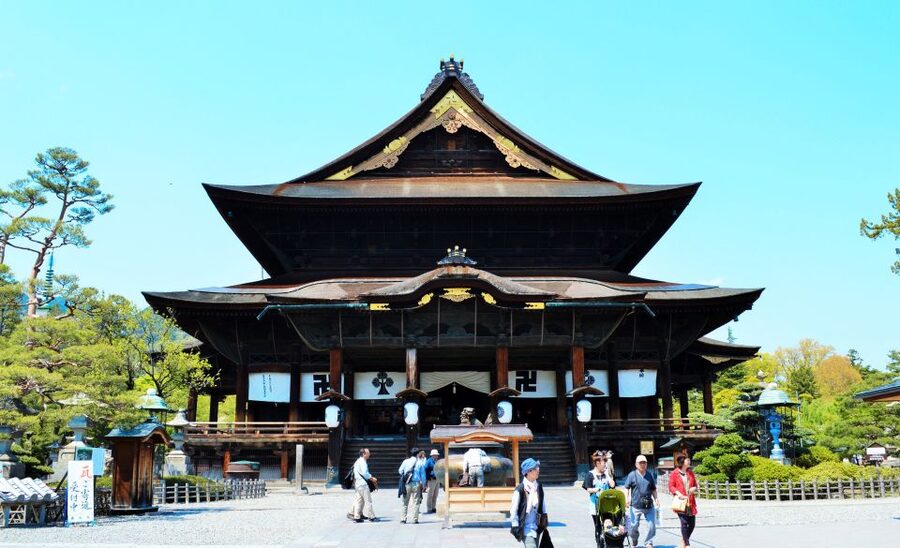
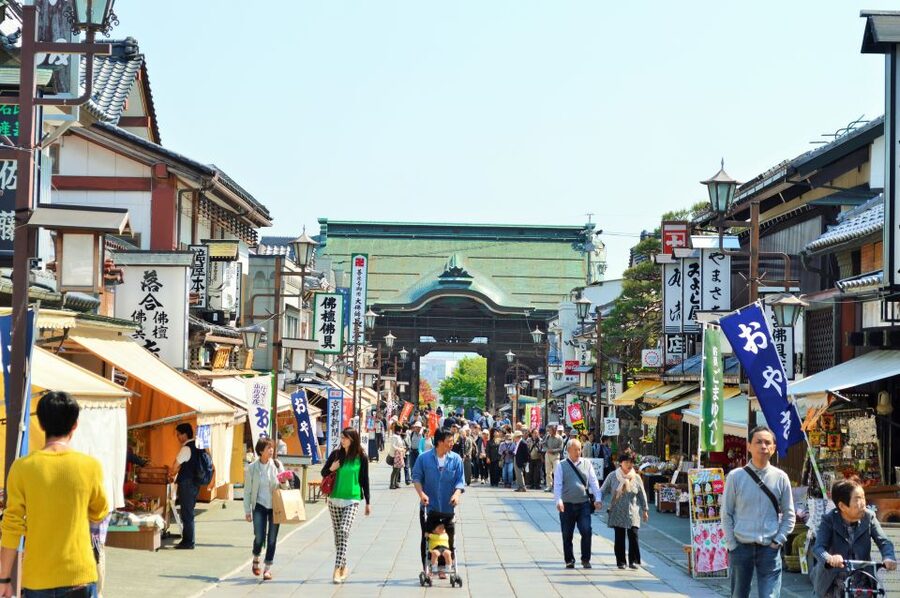
Zenkoji is the right first stop because it gives you a sense of Nagano before the day turns toward the mountains. It is one of Japan’s oldest and most important Buddhist temples, and the approach through the surrounding town makes the visit feel connected to daily life rather than isolated behind a parking lot.
You get around 1.5 hours here, including a guided visit. Guides explain the temple’s religious importance, local customs, and details around the grounds. Some, including guides praised for their clear storytelling, also point out plants, local traditions, and useful food suggestions in the area.
One unusual option is the passage beneath the temple. It is completely dark, with no visible light ahead or behind. The aim is to feel your way through the underground route, and it becomes a memorable little test of nerve. This inner-sanctuary experience costs extra, so it is not included in the tour price.
You also get some time to look around on your own. That balance matters. A guide can explain what you are seeing, then let you pause for photographs or take in the temple without a running lecture.
The visit may be the most culturally valuable part of the day, especially if the monkeys are your main reason for booking. A macaque encounter is exciting, but Zenkoji gives the outing a stronger connection to Japanese religious life and Nagano’s past.
Sake tasting before lunch
The sake stop is short, about 30 minutes, but it adds a useful local layer to the day. You taste several varieties from different producers and hear about the methods used to make them. This is more helpful than ordering a random bottle at dinner because you can compare styles side by side.
The tasting takes place before lunch, which is sensible for both timing and appetite. Portions are small, and the focus is on learning what you are drinking rather than turning the stop into a long alcohol session.
You must be at least 20 years old to consume alcohol in Japan. Non-alcoholic sake is available for anyone under that age or for anyone who simply does not drink. You can still take part in the explanation and tasting format without alcohol.
I like this stop because it avoids treating sake as a novelty. The guide explains how different kinds are produced and helps make sense of why bottles can taste so different. Guides such as Jens, Tom, and Dylan were singled out for explaining the process in an approachable way, but the actual guide depends on the departure.
Do not expect a full brewery tour unless the day’s arrangements specify one. The confirmed experience is a sake tasting and explanation at a local stop, and the operator may adjust the order or location for local conditions.
More Snow Monkey Tours in Nagano
- 1-Day Snow Monkeys, Zenko-ji Temple & Sake in Nagano
★ 5.0 · 1,020 reviews - 1-Day Snow Monkeys & Snow Fun in Shiga Kogen Tour
★ 5.0 · 94 reviews - Private Nagano 1-Day Tour:Snow Monkeys,Zenko-ji,Obuse,Sake,Onsen
★ 5.0 · 71 reviews - Snow Monkey & Shibu Onsen Afternoon Tour (Depart: Iiyama & Nozwa)
★ 5.0 · 54 reviews
A generous Nagano lunch
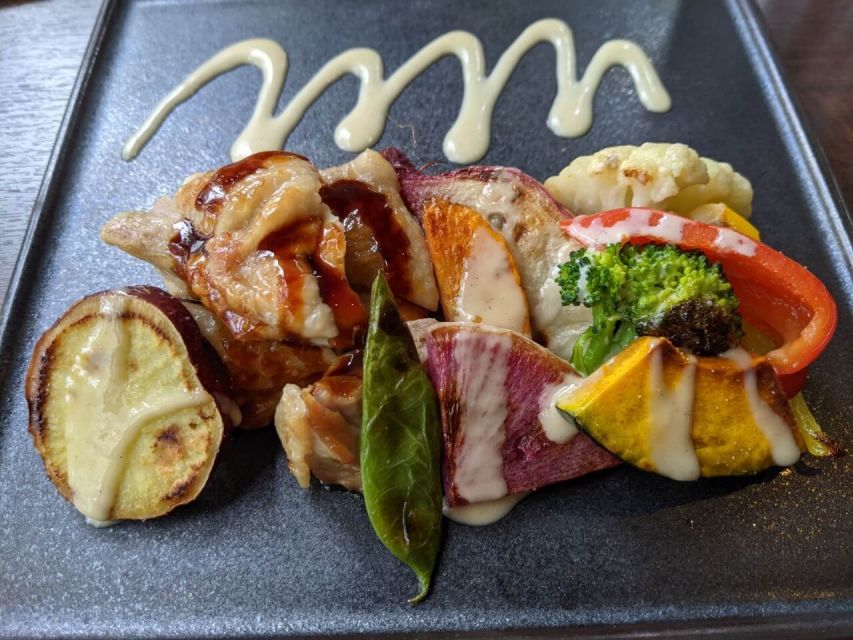
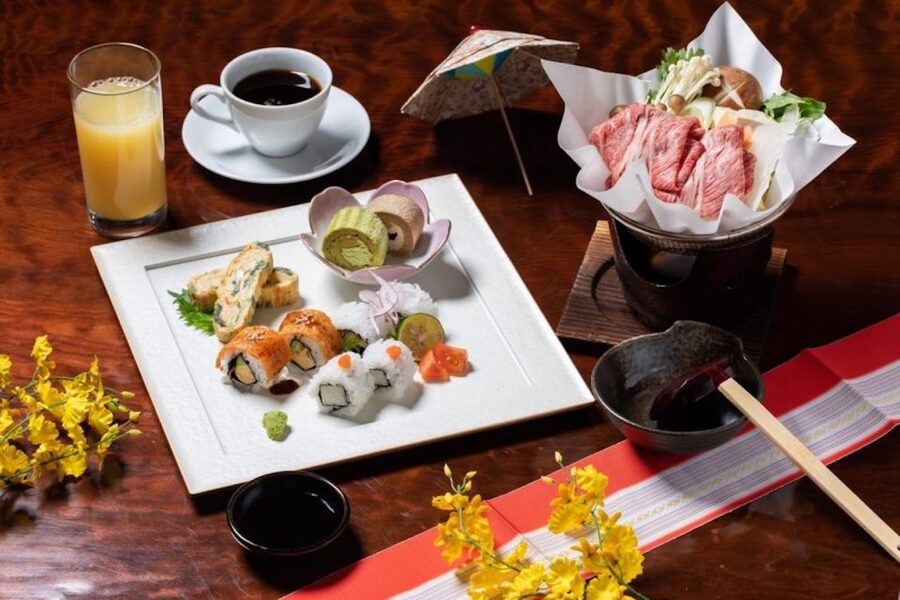
Lunch is one of the day’s pleasant surprises. The meal is designed around local food and has been described as a filling, multi-course spread in a traditional setting. One account praised a restaurant in a more than 150-year-old building, while another described a beautiful old restaurant in the mountains.
The stated choices include beef, seafood, or vegetarian versions, along with miso soup, tempura, and sushi in at least some meal arrangements. Exact dishes can change, so do not treat that list as a guaranteed menu for every date.
The timing is good. You eat before the forest walk, giving you enough fuel for the return route as well as the climb toward the park. The meal also creates a welcome pause between the cultural stops and the wildlife visit.
Vegetarians can request an appropriate option. Food allergies should be reported in advance so lunch can be arranged properly. Be more cautious if you have a strict gluten-free diet. One diner found the choices limited and received plain rice instead of sushi, so you should explain your needs early and ask what can be provided.
The lunch adds real value to the price. If you arranged transport and paid separately for an equivalent meal, the day would become more complicated and probably not much cheaper. It also saves you from trying to find food near the monkey park, where your time is better spent with the macaques.
Walking to Jigokudani Monkey Park
After lunch, the coach takes you toward Jigokudani Monkey Park. The bus cannot deliver you straight to the viewing area, so you walk about 1.6 kilometers each way along a forest trail.
The route is generally flat and manageable, but winter changes the equation. Packed snow, ice, slush, and wet surfaces can appear, and several people used crampons for extra grip. One guide specifically recommended them after seeing how slippery sections had become.
Wear walking shoes with good traction. Avoid heels and sandals, and choose a bag that is easy to carry. You will appreciate having both hands free on icy sections, especially if you are taking photographs or helping a child.
The walk is part of the attraction. The forest setting gives the visit a quiet build-up, and the snowy route can feel almost storybook-like when conditions are right. It is not a difficult mountain hike, but it is more demanding than a normal city temple visit.
The park is not suitable for wheelchair users, and people with limited mobility should think carefully before booking. If you are comfortable walking on uneven or slippery ground, the route should be manageable, but the conditions can vary widely by day.
What you actually see at the snow monkey park
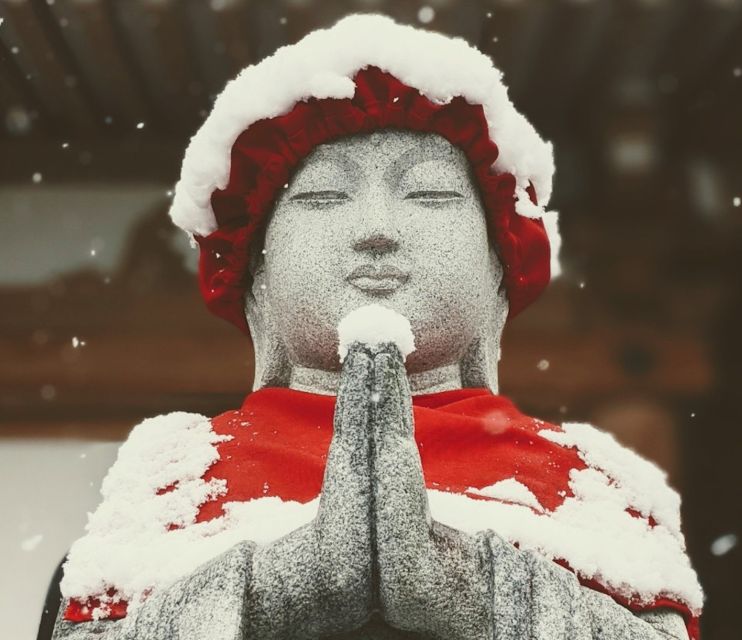
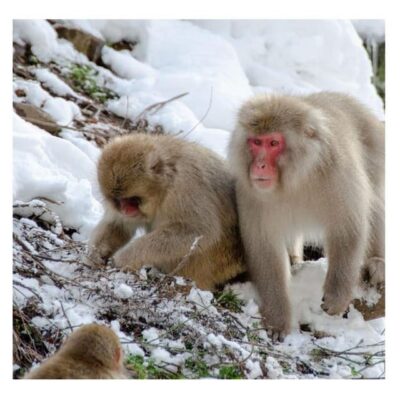
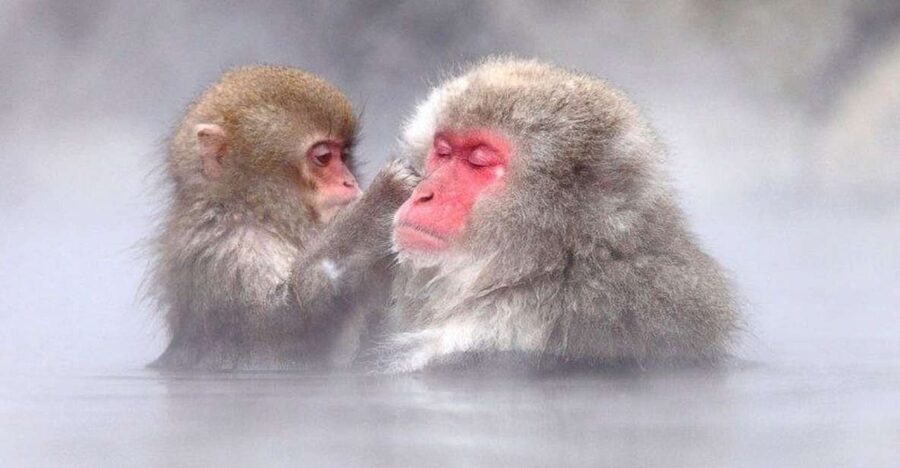
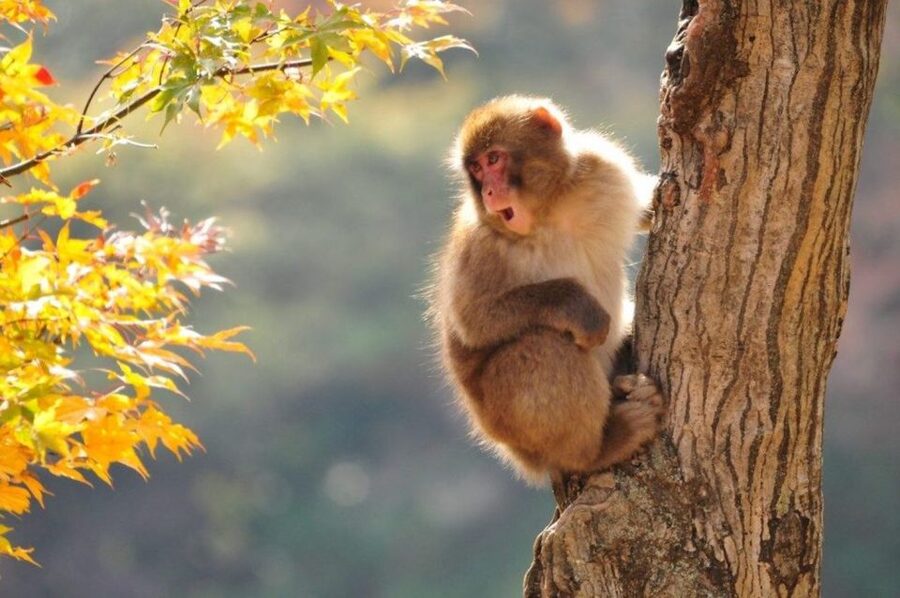
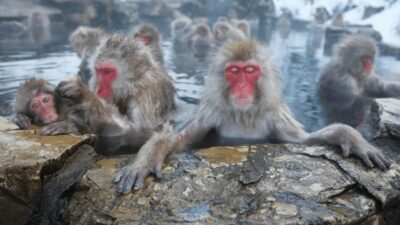
Jigokudani is famous for Japanese macaques that bathe in the hot springs. They are wild animals, not trained performers, and you watch them at close range while staying on the designated route.
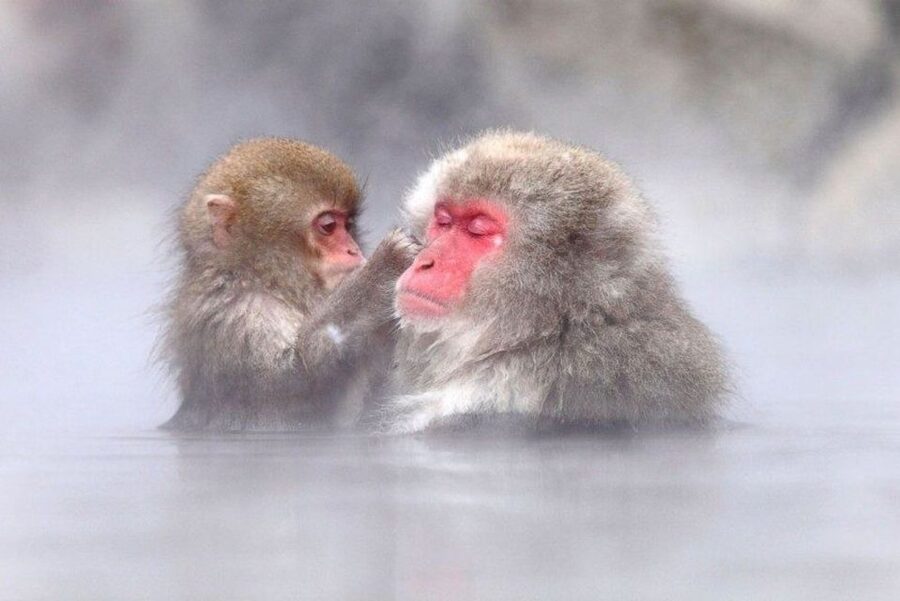
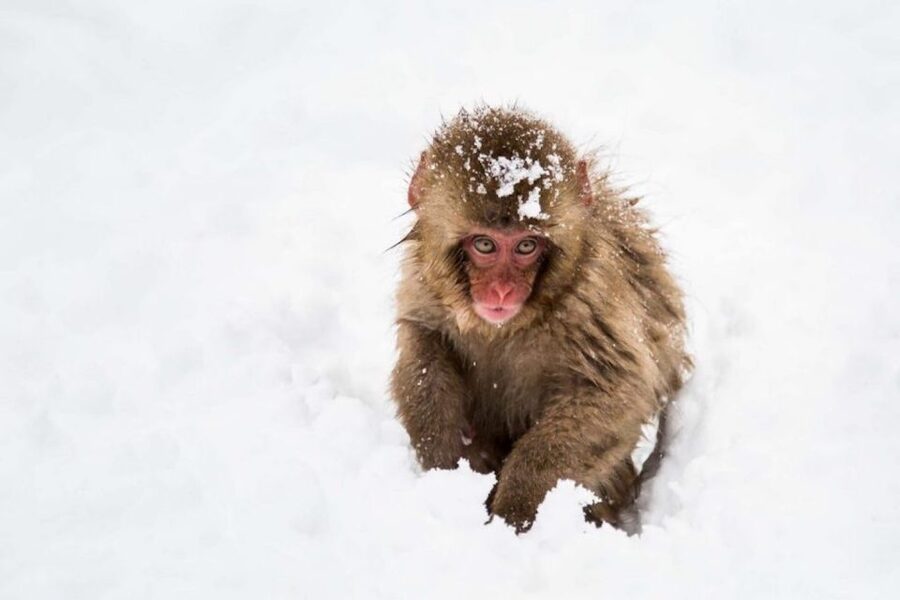
On a good winter day, you may see many monkeys grooming, eating, playing, resting, or soaking in the water. The most memorable scenes are often the quiet ones: a monkey sitting alone in the steam, a youngster clinging to an adult, or several animals ignoring the human audience completely.
The tour allows about 2.5 hours at the park, including the guided visit and walking time. That is enough to avoid a rushed glance, and it gives you a chance to wait for activity or move around the viewing area.
Sightings are not guaranteed. There are a few days each year when the monkeys do not come down to the park, and the number can vary even outside those rare days. One autumn visit saw only a single monkey, while winter accounts describe dozens or even a couple hundred.
That uncertainty is worth accepting. You are visiting a natural behavior site, not an animal show. Winter generally gives you the classic snowy setting, but the monkeys may still be less active than expected on a particular date.
Photography is a major reason people come, and the animals can appear very close. Keep your attention on the ground as well as the view. It is easy to stare at a macaque and forget that the path beneath you is icy.
Guide quality and the pace of the day
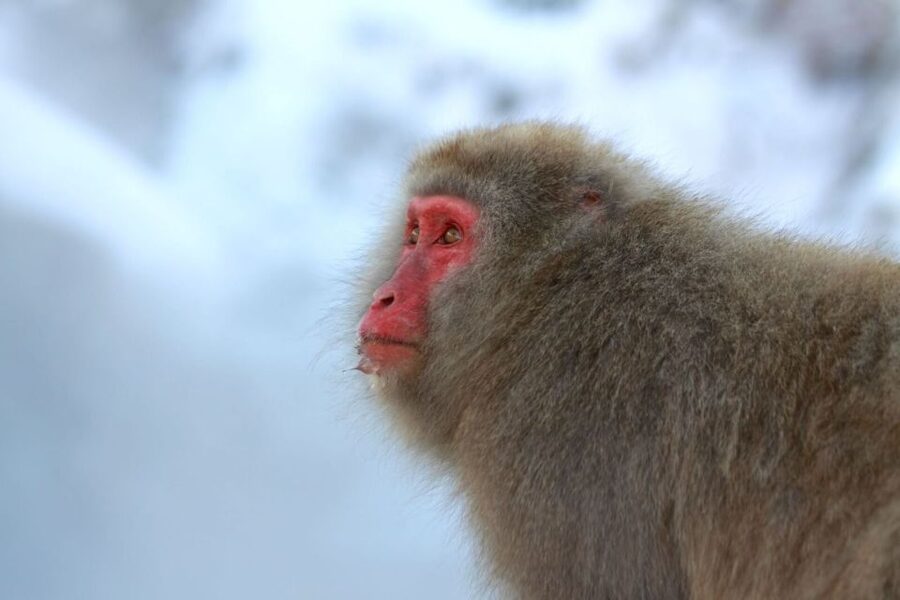
The guide can make or break a schedule this full. The best guides on this route do more than recite facts. They explain Buddhist customs, local food, sake production, Nagano traditions, and the monkey park while making room for questions.
Names frequently praised include Dylan, Brent, Tom, Kevin, Hiroshi, Jens, John, Luka, Nadine, and Kieron. You cannot request a particular guide as a standard guarantee, but the repeated pattern is clear: the operator places importance on English commentary and active group care.
Some guides add small touches that help. Tom was praised for giving local recommendations and even sharing places to visit afterward, while Brent helped people judge the icy path and reminded them about suitable footwear. Others used humor, trivia, or practical tips during the bus rides.
The schedule is busy, but the stops are sensibly balanced. Zenkoji gets enough time for an introduction and independent exploring. Sake tasting is brief. Lunch is not rushed. The monkey park receives the longest visit because it is the day’s main draw.
It is possible for weather, local events, restaurant availability, or other conditions to change the order or included details. One departure visited the monkey park first to improve the chance of seeing active animals, then finished at Zenkoji. That kind of adjustment is practical rather than a flaw.
Is $135 good value?
At $135 per person, the tour is not the cheapest way to reach one attraction. You could arrange your own transport to Jigokudani and skip the temple, tasting, and included meal.
The comparison changes once you count everything together. The price includes transport between Nagano and the park, transportation between stops, an English-speaking guide, park entry, lunch, sake tasting, and the winter Hakuba shuttle when applicable.
I see the strongest value in the time saved. You can visit three very different parts of Nagano without researching connections, buying separate admission, or deciding where to eat. The guide also adds meaning to places that might otherwise blur into a quick photo stop.
The value is especially good if you are staying in Hakuba or have only one free day in Nagano. It is less compelling if you want a slow temple morning, a long meal, or several hours of independent wandering.
Free cancellation up to 24 hours before departure and the option to reserve now and pay later make the booking less rigid. Still, the real decision is physical: if the winter walk concerns you, no cancellation policy makes the route easier.
Who should book this experience?
I would choose this day trip if you want Nagano’s main highlights in one efficient package. It suits first-time visitors, families with mobile older children, couples, solo visitors who prefer company, and skiers looking for a day away from the slopes.
It also works well if you value explanation. Zenkoji, sake, and the monkeys are all easy to photograph, but a guide helps you understand what makes each one important.
I would hesitate if you dislike fixed schedules, shared transport, or long days. The tour is not private, and you cannot arrange pickup or drop-off at an unlisted destination. Tall passengers may find the bus cramped, and winter footwear is not optional in practice.
Bring warm layers, traction-focused shoes, and a small bag. Tell the operator about allergies, dietary needs, or special transport requirements before the day, not when lunch is already being served.
Should you book the Nagano snow monkey tour?
Yes, if you want a well-paced introduction to Nagano and do not mind walking. The monkeys are the obvious star, but the day earns its price through the combination of Zenkoji, sake, lunch, transport, and strong English guidance.
Book it with realistic expectations. The animals may be fewer than the photographs suggest, the forest can be slippery, and the itinerary may change with conditions. If you accept those limits, this is one of the easiest and most rewarding ways to connect Nagano’s temple culture, food traditions, and mountain wildlife in a single day.
FAQ
Where does the tour begin?
The standard meeting point is Nagano Station at 9:35 AM. Depending on the option booked, pickup may also be available from Tsugaikekogen Heights, Hakuba Tokyu Hotel, Happo Information Center, Hakuba Happo Bus Terminal, or Hotel La Vigne Hakuba by Onko Chishin.
Can I join the tour from Hakuba?
Yes. From December through March, the Hakuba shuttle can begin at Hakuba Tokyu Hotel around 7:40 AM or Hakuba Happo Bus Terminal around 7:55 AM. Other listed Hakuba pickup points may apply to your selected option.
What time does the tour finish?
The tour is scheduled to finish at Nagano Station by about 5:30 PM. For people joining from Hakuba in winter, the scheduled return is around 6:45 PM.
Is lunch included?
Yes. Lunch is included, and vegetarian choices are available. Beef, seafood, or vegetarian meal options are mentioned, but the exact dishes may change.
Can people who do not drink alcohol join the sake tasting?
Yes. Anyone under 20 or anyone who does not consume alcohol can receive non-alcoholic sake. In Japan, you must be at least 20 years old to drink alcohol.
How much walking is involved?
The walk to and from Jigokudani Monkey Park is about 1.6 kilometers in total. The forest trail is generally flat but may be slippery, especially in winter.
Do I need special footwear?
You should wear suitable walking shoes and avoid heels and sandals. Snow and ice can make the trail slippery, and crampons may be useful in winter.
Is entry to Zenkoji’s inner sanctuary included?
No. Optional entry to the inner sanctuary is not included in the tour price. The main temple visit is included.
Are snow monkey sightings guaranteed?
No. There are a few days each year when the monkeys may not come down to the park. The number of animals also varies by day.
More Winter Activities in Nagano
- (Spring Only) 1-Day Snow Walls of Tateyama-Kurobe Alpine Route Tour
★ 5.0 · 75 reviews - 1 Day Tour: Snow Monkeys & Snow Fun in Shiga Kogen
★ 5.0 · 52 reviews - Nagano: 1-Day Snow Monkey & Cherry Blossom Tour in Spring
★ 4.8 · 51 reviews - Private Snow Monkey Tour – Conveniently Resort Hop and Sightsee
★ 5.0 · 47 reviews
More Temples and Shrines in Nagano
- [Nagoya Kamikochi Hiking Tour] One-Day Nature Forest Hiking Tour of Kamikochi & Taisho Pond & Tashiro Pond & Kappa Bridge & Myojin Pond & Hotaka Mountain Range & Hotaka Shrine Okumiya (Departure from Nagoya)
★ 4.7 · 423 reviews - Food & Cultural Walking Tour around Zenkoji temple in Nagano
★ 5.0 · 58 reviews - Nagano/Tokyo: Snow Monkey and Zenkoji Temple Private Tour
★ 4.8 · 54 reviews - Nagano: Snow Monkeys & Togakushi Shrine Two-Spot in-One Day
★ 4.9 · 35 reviews
Just added in Nagano
- [Nagoya Kamikochi Hiking Tour] One-Day Nature Forest Hiking Tour of Kamikochi & Taisho Pond & Tashiro Pond & Kappa Bridge & Myojin Pond & Hotaka Mountain Range & Hotaka Shrine Okumiya (Departure from Nagoya)★ 4.7 · 423 reviews
- Snow Monkey Park & Miso Production Day Tour from Nagano★ 5.0 · 18 reviews
- Snow Monkeys, Hokusai & Sake: A Perfect Day in Nagano★ 5.0 · 19 reviews
- Wasabi Farm Walking Tour & Lunch★ 4.5 · 20 reviews
- Ski or Snowboard Lesson in Shiga Kogen (4Hours)★ 5.0 · 34 reviews
- Snow Monkey & Shibu Onsen Afternoon Tour (Depart: Iiyama & Nozwa)★ 5.0 · 54 reviews
- 1-Day Tateyama-Kurobe Tour: Walking on the ‘Roof of Japan’★ 5.0 · 20 reviews
- Nagano Spring: 1-Day Cherry Blossoms & Snow Monkeys Guided Tour★ 5.0 · 31 reviews
Snow Monkey Tours, compared.
1-Day Snow Monkeys, Zenko-ji Temple & Sake in Nagano
Read our review →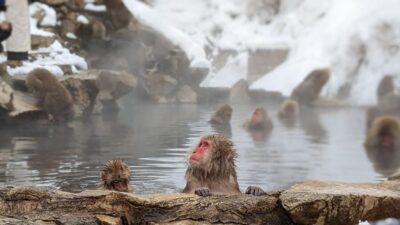
Snow Monkey 1 Day Tour with Beef Sukiyaki Lunch
Read our review →Private Tour Snow Monkey Park & Zenko-ji Temple
Read our review →
Hokkaido Seasonal: Lake Toya & Noboribetsu Jigokudani Valley
Read our review →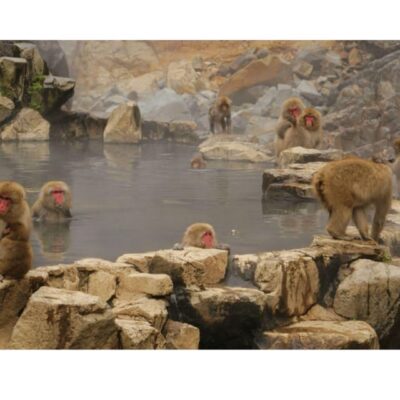
Snow Monkey & Nagano Customiseable Private Day Tour
Read our review →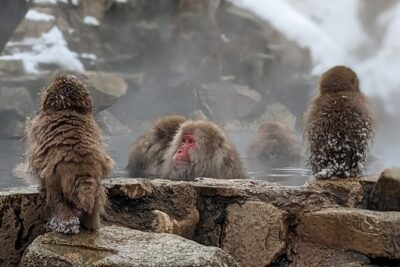
Nagano Snow Monkey 1 Day Tour with Beef Sukiyaki Lunch from Tokyo
Read our review →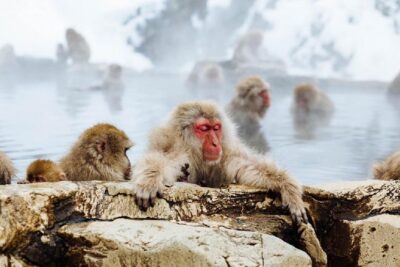
1-Day Snow Monkeys & Snow Fun in Shiga Kogen Tour
Read our review →