
Reviewed · WALKING TOURS
Wasabi Farm Walking Tour & Lunch
Wasabi grows in running water. That simple fact makes this Nagano outing far more interesting than a quick farm photo stop. I like the private guide format, which turns the grounds and Japanese-only museum material into an understandable story, and I like the included Shinshu lunch with freshly grated wasabi. The main drawback is that the wasabi ice cream appears in the tour description but is also listed among optional purchases, so confirm whether it is included when you book.
This is a calm, food-focused two-hour visit to Daio Wasabi Farm in Azumino, at the base of the Japanese Alps. Guides including Akiko, Naomi, Tom, Tim, and Carole have made the experience personal and useful, offering farm details as well as tips about Japanese culture and getting to the site. Just remember that the farm restaurant can be busy in peak season, and lunch may involve a wait.
In This Review
- At a glance: what makes this farm visit worthwhile
- Why Daio Wasabi Farm is more than a photo stop
- The first hour: walking through the wasabi fields
- What you learn about real wasabi
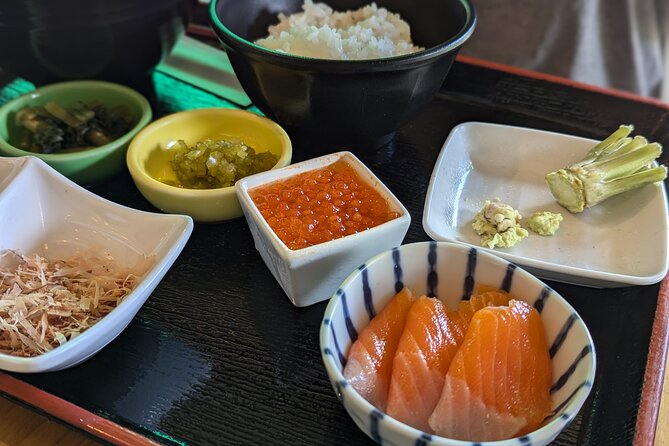
- The second hour: Shinshu lunch with fresh wasabi
- Wasabi ice cream: pleasant surprise or extra cost?
- Is $70.94 a fair price?
- Getting there and planning your morning
- Who will enjoy this experience most?
- The small details that improve the visit
- Should you book the Wasabi Farm Walking Tour?
- FAQ
- Where does the Wasabi Farm Walking Tour begin and end?
- What time does the tour start?
- How long does the experience last?
- Is admission to Daio Wasabi Farm included?
- Is lunch included?
- Can vegetarian and vegan meals be arranged?
- Is wasabi ice cream included in the price?
At a glance: what makes this farm visit worthwhile
- Daio Wasabi Farm dates to 1915: You get more than a modern food stop, with a long local connection to wasabi cultivation.
- A private group of up to 12 people: Your guide can explain the plants, answer questions, and adjust the conversation to your interests.
- Fresh wasabi changes the lunch experience: The meal shows how real wasabi works with Shinshu soba, miso, and other local foods.
- The farm itself costs nothing to enter: Much of the $70.94 price pays for the guide and organized lunch rather than an admission fee.
- The museum information is mostly in Japanese: A guide can translate key points and make the visit much easier to follow.
- The setting is peaceful and photogenic: It offers a pleasant change from city sightseeing, especially if you enjoy food, farming, and countryside views.
Why Daio Wasabi Farm is more than a photo stop
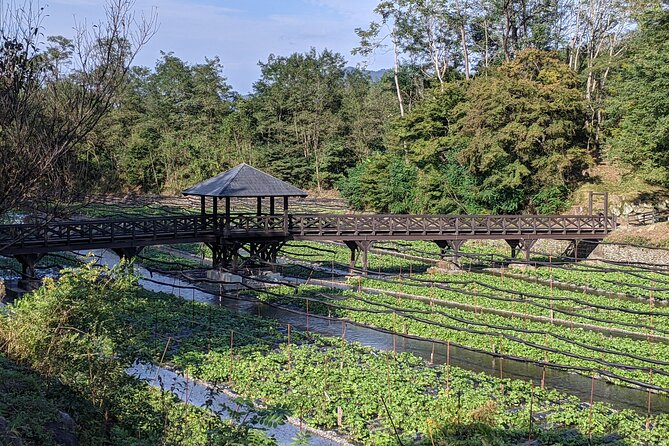
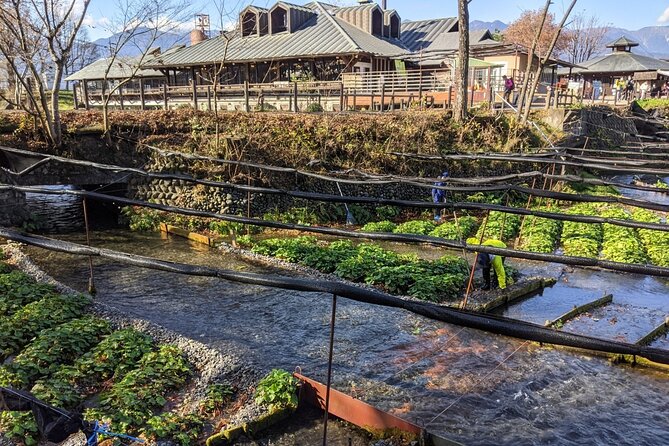
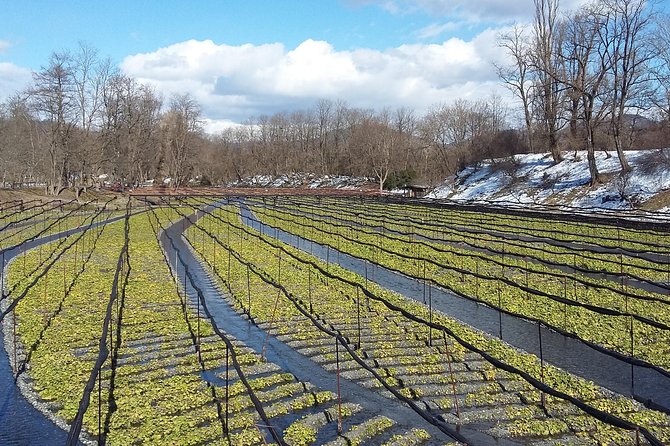
Daio Wasabi Farm is one of the largest wasabi farms in Japan. It covers about 15 acres, and its position in Azumino helps explain why wasabi can grow here. The area has a clean natural water supply and a rural setting below the Japanese Alps, with smaller wasabi plots and rice fields nearby.
I like this context because it gives the visit a clear purpose. You are not simply looking at rows of green plants. You are seeing how a familiar ingredient depends on very specific growing conditions, local water, and careful cultivation.
The farm was established in 1915, so the visit also connects food with local history. Wasabi is often reduced to the small green mound beside sushi, but the plant has a much bigger role in Japanese cooking. The tour explains the plant, how it is cultivated, and why fresh wasabi is different from the common prepared paste served outside Japan.
The grounds are also highly photogenic. Water channels, green plants, rural paths, and mountain surroundings give you plenty to look at during the walk. The tour is likely to appeal most if you prefer a slower outdoor stop to another crowded temple, shopping street, or city attraction.
More Walking Tours in Nagano
- Matsumoto Castle Town Walking Tour
★ 4.8 · 58 reviews - Food & Cultural Walking Tour around Zenkoji temple in Nagano
★ 5.0 · 58 reviews - Matsumoto Discovery – Half Day Walking Tour
★ 5.0 · 43 reviews
The first hour: walking through the wasabi fields
The meeting point is Daio Wasabi Farm in Hotaka, Azumino, Nagano. The tour begins at 10:30 a.m. and returns to the same farm, so you do not need to switch locations halfway through the experience.
The first hour is devoted to the farm grounds. Your guide explains how wasabi is grown and points out details that are easy to miss when walking around alone. A guide is particularly useful here because the farm’s displays and museum information are mostly in Japanese. Tom, for example, has translated important museum material and taken people to quieter, less familiar parts of the farm.
That personal explanation is the strongest reason to choose this tour instead of visiting the farm independently. Entry to Daio Wasabi Farm is free, but a self-guided visit may leave you looking at the plants without understanding what makes their cultivation difficult or distinctive.
The group size is limited to 12 people, and the tour is described as private for your group. That gives you a better chance to ask questions than you would have on a large scheduled walk. Guides such as Akiko and Naomi have been praised for clear English and a friendly approach, while Carole has also led the visit in French. The available information specifically confirms an English-speaking guide, so ask about language needs when booking if you require another language.
The walking itself sounds gentle and accessible for most people. The tour notes that most people can participate and that the farm is near public transportation. Still, this is an outdoor farm visit, not a museum-only activity. Rain can affect the experience, and the tour requires good weather. Wear practical shoes and bring protection from sun or rain.
What you learn about real wasabi
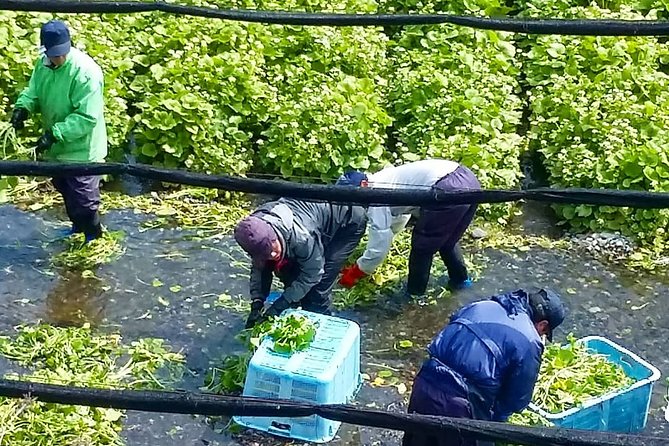
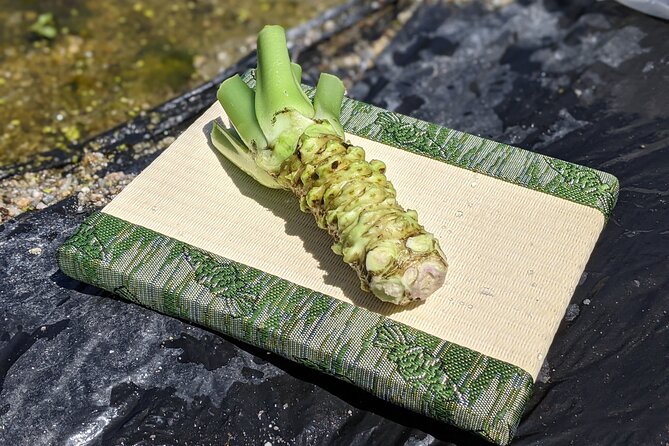
The best part of the farm walk is the chance to understand why fresh wasabi costs more than the familiar green paste in a tube. The guide discusses the plant’s cultivation and the farm’s particular method of growing it in the local environment.
I would pay attention to the water channels and growing areas rather than rushing from one photo point to the next. The farm’s appeal comes from seeing the relationship between water, plants, and place. Even if you have cooked with wasabi before, the visit gives the ingredient a physical identity.
You also get local background along the way. Tim has been praised for explaining both wasabi and the Nagano region, while Tom has offered helpful cultural information and suggestions for later stops in Japan. This is a useful bonus. A good guide can turn a short farm visit into a wider introduction to local food and life.
The tour does not promise a hands-on farming session, nor does the information indicate that you harvest wasabi yourself. Expect a guided walk, explanations, viewing areas, and food tasting rather than a working farm lesson.
The second hour: Shinshu lunch with fresh wasabi
The second part of the experience is a traditional Japanese lunch served at the farm. It is designed around local Shinshu flavors, using the old name for Nagano Prefecture.
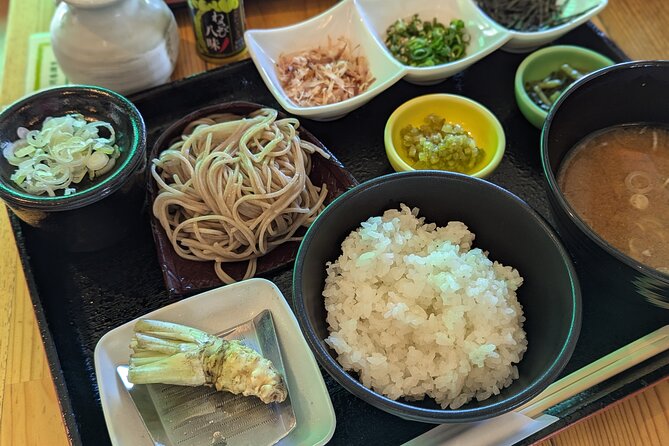
The meal includes Shinshu soba, Shinshu miso, and other local foods, with wasabi as an important part of the plate. One especially appealing detail is the chance to eat freshly grated wasabi with soba. That combination gives you a more direct sense of the ingredient than simply tasting a small dab on its own.
I like that lunch is included because it makes the $70.94 price easier to assess. You are paying for a private guided experience and a proper regional meal, not just access to a free farm. If you already plan to visit Daio Wasabi Farm and would buy lunch there anyway, the added cost mainly reflects the guide and the convenience of an organized introduction.
There is one practical catch. During peak season, the restaurant may be unable to hold a reservation because the farm is busy. You may need to wait to enter, so do not schedule a tight connection immediately after the tour. The possibility of a wait also makes the stated two-hour duration approximate rather than guaranteed.
Vegetarian and vegan meals can be accommodated, and families with young children can also be catered for. You should mention dietary needs when booking rather than assuming the standard lunch will suit you.
A completely different kind of day out:
- 1-Day Snow Monkeys, Zenko-ji Temple & Sake in Nagano
★ 5.0 · 1,020 reviews - Nagano: Snow Monkeys, Zenkoji Temple & Sake Day Trip
★ 4.9 · 833 reviews - [Nagoya Kamikochi Hiking Tour] One-Day Nature Forest Hiking Tour of Kamikochi & Taisho Pond & Tashiro Pond & Kappa Bridge & Myojin Pond & Hotaka Mountain Range & Hotaka Shrine Okumiya (Departure from Nagoya)
★ 4.7 · 423 reviews - From Tokyo: Snow Monkey 1 Day Tour with Beef Sukiyaki Lunch
★ 4.6 · 295 reviews
Wasabi ice cream: pleasant surprise or extra cost?
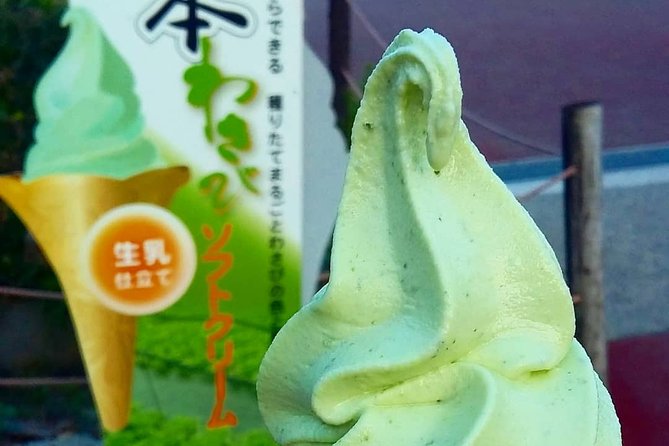
Wasabi ice cream is part of the experience’s appeal, but the pricing information is not fully consistent. The description presents a wasabi ice cream tasting as an added feature, while the inclusion notes list wasabi ice cream among snacks and drinks that are not included.
That matters because you should not build your budget around the tasting being covered. Ask the provider to confirm the current arrangement before you go. If it is an extra purchase, it remains an optional way to try one of the farm’s playful food products.
The taste is clearly popular with some people, while others may prefer the more traditional lunch. I would treat it as a small experiment rather than a reason to book the entire tour. The farm also sells optional items such as beer, sausages, drinks, snacks, and souvenirs, none of which are included.
Is $70.94 a fair price?
At first glance, the price may seem high because farm admission is free. That comparison misses the main value of the experience. The fee includes an English-speaking private guide, a planned walk, interpretation of the farm’s story, and a Japanese lunch featuring regional foods.
For you, the tour is good value if you want to understand what you are seeing and prefer not to manage lunch arrangements yourself. It is also useful if reaching the farm feels complicated. The guide can help with directions to the site, a point that matters because getting out to this rural area may take more planning than visiting a central Nagano attraction.
The value is weaker if you only want a quick look at the fields or already speak Japanese well enough to understand the museum material. Independent visitors can enter the farm for free and choose their own food purchases. In that case, you are paying mainly for access to a personal guide and the included meal.
The private format improves the calculation for couples, families, or small groups. The price is per person, but the experience can be shared by your own group, with a maximum of 12 participants. For solo visitors, the cost is harder to justify unless the guide and lunch are central to your plans.
Getting there and planning your morning
The tour starts and ends at Daio Wasabi Farm, Hotaka, Azumino, Nagano 399-8303. It is near public transportation, but the farm is outside the main city center, so allow time to reach the meeting point. The tour provider can offer useful instructions, and you should check the route before your travel day.
The 10:30 a.m. start works well as a morning countryside outing followed by lunch. Since the tour lasts about two hours, you may finish around lunchtime or slightly later, especially if the restaurant is busy. I would leave spare time afterward for exploring the farm independently, shopping, or continuing to another stop in the Nagano area.
The farm is outdoors, and the experience requires good weather. If poor conditions cause cancellation, you will be offered another date or a full refund. You can also cancel for a full refund up to 24 hours before the start time. Changes or cancellations inside that 24-hour window are not accepted for a refund.
Who will enjoy this experience most?
I would choose this tour if you fit one or more of these descriptions:
- You enjoy learning where food comes from.
- You want a rural break from cities and temples.
- You prefer a small private tour to a large group.
- You want an English explanation of a Japanese farm and museum.
- You enjoy regional food, especially soba and miso.
- You are traveling with children and want an unusual, easy-to-understand activity.
- You like photography and peaceful countryside settings.
Food lovers get the clearest benefit. The tour connects the plant in the field with the wasabi served at lunch, which gives the visit a satisfying beginning and end.
It can also suit repeat visitors to Japan. One French-speaking participant who had lived in Japan for four years still found new information in the farm’s history and cultivation methods. That suggests the tour is not only for first-time visitors who know little about Japanese food.
I would skip it if you dislike outdoor walks, have no interest in food production, or want a tightly timed attraction with no chance of a restaurant wait. I would also think twice if your Nagano schedule is already packed, since reaching the farm takes planning and the visit is best enjoyed without rushing.
The small details that improve the visit
Meet your guide at the farm parking area or agreed meeting point, and keep your phone available since the ticket is mobile. The farm itself is free to enter, but bring money for optional food, drinks, ice cream, beer, sausages, and souvenirs.
Ask in advance about the wasabi ice cream. The supplied details conflict on whether it is included, and a simple confirmation can prevent an awkward surprise at the end.
If you need a vegetarian or vegan meal, request it ahead of time. Families with young children can also be accommodated, but the tour remains an outdoor walk, so plan clothing and footwear accordingly.
Try to reserve time after the official two hours. A slow look at the farm, a restaurant queue, or extra questions for your guide can all extend the morning.
Should you book the Wasabi Farm Walking Tour?
I would book it if you want more than a free farm visit. The strongest features are the private guide, the clear explanations, the Japanese lunch, and the chance to taste fresh wasabi with Shinshu soba. Guides such as Akiko, Naomi, Tom, Tim, and Carole have helped make the experience friendly and informative, with useful local advice included along the way.
I would not book it solely for the ice cream, since its inclusion needs confirmation. I would also avoid placing it between two fixed appointments because the restaurant may be busy and the tour depends on weather.
For a food-minded visitor with a free morning in Nagano, this is a distinctive and worthwhile outing. It shows you a working side of Japan that is easy to miss, then lets you eat the subject of the tour at lunch.
FAQ
Where does the Wasabi Farm Walking Tour begin and end?
It begins and ends at Daio Wasabi Farm in Hotaka, Azumino, Nagano, at the listed address of 399-8303. You return to the farm after the tour.
What time does the tour start?
The tour starts at 10:30 a.m.
How long does the experience last?
The experience lasts approximately two hours, with about one hour for the farm walk and one hour for lunch.
Is admission to Daio Wasabi Farm included?
Entry to the farm itself is free of charge. The tour includes the guided experience and lunch, but not optional purchases.
Is lunch included?
Yes. A Japanese lunch set featuring wasabi and local Shinshu foods is included. The meal can include Shinshu soba, Shinshu miso, and other local dishes.
Can vegetarian and vegan meals be arranged?
Yes. Vegetarian and vegan guests can be accommodated, and families with young children can also be catered for. Request these arrangements when booking.
Is wasabi ice cream included in the price?
The tour description presents wasabi ice cream as a tasting, but the inclusion information lists it among snacks and drinks that are not included. Confirm the current arrangement with the provider before your visit.
More Lunch Experiences in Nagano
- Snow Monkey Park, Soba Lunch and Shibu Onsen Tour
★ 5.0 · 12 reviews - Shirakawa-go & Takayama Old Town Day Tour (Optional Hida Beef Lunch)
★ 4.6 · 3,936 reviews - Bike Tour Exploring North Kyoto plus Lunch
★ 5.0 · 1,087 reviews - Tokyo: Mt.Fuji & Lake Kawaguchiko 1-Day Bus Tour w/Optional Lunch
★ 4.5 · 839 reviews
Just added in Nagano
- [Nagoya Kamikochi Hiking Tour] One-Day Nature Forest Hiking Tour of Kamikochi & Taisho Pond & Tashiro Pond & Kappa Bridge & Myojin Pond & Hotaka Mountain Range & Hotaka Shrine Okumiya (Departure from Nagoya)★ 4.7 · 423 reviews
- Snow Monkey Park & Miso Production Day Tour from Nagano★ 5.0 · 18 reviews
- Snow Monkeys, Hokusai & Sake: A Perfect Day in Nagano★ 5.0 · 19 reviews
- Ski or Snowboard Lesson in Shiga Kogen (4Hours)★ 5.0 · 34 reviews
- Snow Monkey & Shibu Onsen Afternoon Tour (Depart: Iiyama & Nozwa)★ 5.0 · 54 reviews
- 1-Day Tateyama-Kurobe Tour: Walking on the ‘Roof of Japan’★ 5.0 · 20 reviews
- Nagano Spring: 1-Day Cherry Blossoms & Snow Monkeys Guided Tour★ 5.0 · 31 reviews
- Snow Monkey Park, Soba Lunch and Shibu Onsen Tour★ 5.0 · 12 reviews
Walking Tours, compared.
Kyoto Geisha Walking Tour: Gion District & Hidden Gems
Read our review →
Tokyo Tsukiji Fish Market Food and Culture Walking Tour
Read our review →
Gion Magical Night Walking Tour with Geisha Trivia
Read our review →
Imperial Palace and Shogun Historical Walking Tour
Read our review →
Gion Geisha District Walking Tour – Stories of Geisha
Read our review →

Shinjuku Local Bar and Izakaya Guided Walking Tour
Read our review →
Browse the lists this tour appears in