
Reviewed · LUNCH EXPERIENCES
Tokyo: Mt.Fuji & Lake Kawaguchiko 1-Day Bus Tour w/Optional Lunch
Fuji views reward a little patience. This day trip makes seeing Japan’s highest mountain simple, with central Tokyo pickup, live commentary, and a useful string of stops around the Fuji Five Lakes area. I especially like the Chureito Pagoda viewpoint and the quiet traditional village at Lake Saiko. The main catch is that Fuji may hide behind clouds, and the day can feel hurried when traffic slows the return to Tokyo.
At $77.96 per person, this is a fair price for an air-conditioned ride, guide, several scenic stops, and included entry to Saiko Iyashi no Sato Nenba. I also like the option to add lunch when booking, though the group may be large, with up to 94 people, and the most famous views depend entirely on the weather.
In This Review
- Key details before you book
- Why this bus tour works from Tokyo
- Chureito Pagoda and the 398-step climb
- Lunch and lakeside time at Kawaguchiko Craft Park
- Oishi Park’s flowers and changing seasons
- Saiko Iyashi no Sato Nenba’s old-style village
- The price and what you get for $77.96
- Practical advice for meeting, luggage, and timing
- Who will enjoy this Fuji day trip most?
- Should you book it?
- FAQ
- Where does the tour start and finish?
- Is hotel pickup included?
- How long does the tour last?
- Is lunch included?
- Is Mt. Fuji guaranteed to be visible?
- How difficult is the Chureito Pagoda stop?
- Is admission to Saiko Iyashi no Sato Nenba included?
- Can I bring luggage?
- Can I cancel for a full refund?
Key details before you book
- 398 steps lead to the classic Fuji view: The climb to the Niikurayama Asama Park observation deck is the day’s main physical task.
- Five distinct stops create a full Fuji day: You see a pagoda, lakefront craft area, flower park, and thatched-roof village.
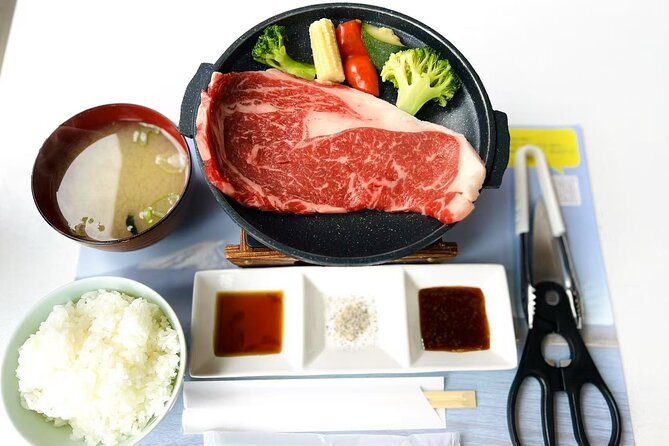
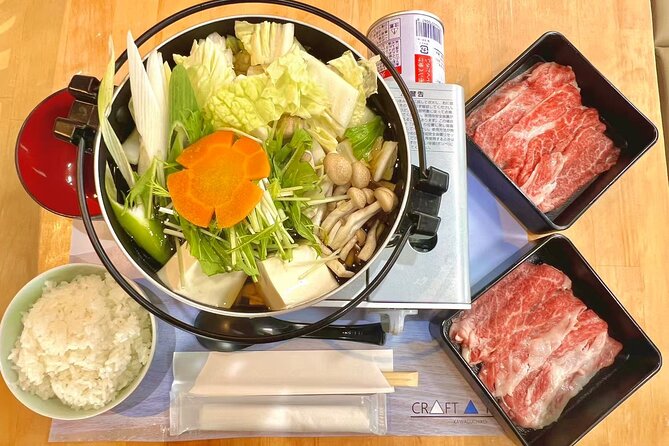
- Lunch is optional: You can pay for food yourself or choose a lunch package when booking, with options that have included Japanese meals and Kobe beef.
- The meeting point is in Shinjuku: Start and finish at Shinjuku Post Office near the station’s West Exit area.
- Fuji is never guaranteed: Clouds can cover the mountain, even when the rest of the day is pleasant.
- November brings a seasonal change: The route may include a maple-lined corridor near Lake Kawaguchiko instead of following the usual schedule.
Why this bus tour works from Tokyo
Mt. Fuji is close enough to tempt you from Tokyo, but reaching the best viewpoints by public transport takes planning, transfers, and careful timing. This tour removes most of that work. You make your own way to Shinjuku, find the guide holding the identifying flag, and board an air-conditioned vehicle.
The drive itself can take a large part of the day. Tokyo traffic and roads around Fuji are unpredictable, so the listed nine to ten hours is an estimate, not a promise. That matters if you are planning a dinner reservation, airport transfer, cruise departure, or another timed activity afterward. I would leave the evening open.
Live commentary adds useful context while you ride. Depending on the group, English and Chinese commentary may be given on the same bus. The quality of the day also depends heavily on the guide. Guides named in the feedback, including Mitsuko, Eric, Chen, Omar, Kogi, Yuki, and Mizuki, were praised for clear explanations, friendly manner, good time management, and help finding photo spots.
That human touch matters on a packed sightseeing day. A guide can explain where to meet after free time, point out a good angle for Fuji, and keep the group moving. Mitsuko was especially praised for helping a solo participant take photos, while Chen received strong marks for English and Chinese commentary and sensible adjustments to the day’s timing.
The tradeoff is scale. With a maximum of 94 people, this is not a small, intimate outing. You may spend time waiting for people to return to the bus, especially at popular viewpoints and shopping areas. Still, the bus format is practical if you want several Fuji-area sights without renting a car.
A few more options to weigh up in Tokyo
- Tokyo: Sumo Experience and Chanko Nabe Lunch
★ 4.8 · 257 reviews - Tokyo: 1 Day Bus Tour with Meiji-Jingu,Odaiba,lunch&Skytree
★ 4.6 · 156 reviews - Nagano Snow Monkey 1 Day Tour with Beef Sukiyaki Lunch from Tokyo
★ 4.5 · 123 reviews
Chureito Pagoda and the 398-step climb
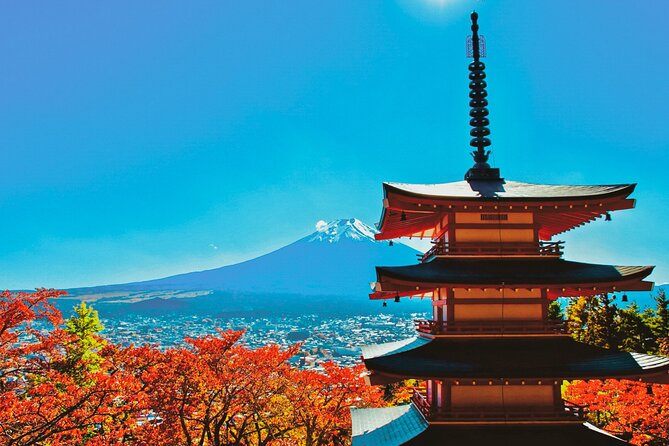
The first major stop is Arakurayama Sengen Park, home to the famous Chureito Pagoda view. From the observation area, the red five-story pagoda appears with Mt. Fuji behind it, creating one of Japan’s most recognizable scenes. In spring, cherry blossoms add another layer to the picture.
The view is reached by climbing 398 steps to the Niikurayama Asama Park observation deck. You do not need special mountaineering ability, but you do need moderate fitness and comfortable shoes. The climb may feel sharp after a long ride, especially for anyone with knee, breathing, or mobility concerns.
The reward is more than the pagoda itself. From the upper area, you get a broad view across Fujiyoshida toward Fuji, assuming the mountain is visible. This is the stop where the tour can pay for itself in one photograph.
Give yourself time to climb steadily rather than racing upward. Keep water with you, and remember that the bus will leave on schedule. The guide may explain the meeting time clearly, but you remain responsible for getting back down to the departure point.
The park and the nearby Shinkura Fuji Sengen Shrine also connect the view to local religious tradition. The shrine dates to 750 AD, and its five-story pagoda has become the best-known feature. That combination of mountain, shrine setting, and pagoda gives the stop more meaning than a simple roadside photo break.
The weakness is obvious: clouds can erase the main attraction. You might still enjoy the pagoda and surrounding town, but do not book this day expecting a guaranteed Fuji portrait. Weather conditions are outside the operator’s control, and the tour runs unless the local provider tells you otherwise.
Lunch and lakeside time at Kawaguchiko Craft Park
The tour then reaches the northern side of Lake Kawaguchiko and Kawaguchiko Craft Park. This stop lasts about two hours, making it the main chance to eat, stroll, and take in the lake.
Lunch is not automatically included. You can choose the no-lunch option and arrange food at your own expense, or select a lunch package during booking. The available choices vary, and the feedback specifically mentions Japanese meals, noodles, and Kobe beef. The steak option received particularly warm praise, though one account found the portion modest.
I would decide before departure rather than assuming you will have unlimited time to choose. An included meal makes the schedule easier, while paying on your own gives you more control. If you have a large appetite, keep expectations sensible and consider carrying a small snack.
The park also gives you a chance to see the area’s craft traditions. Nearby attractions connected with the route include Oishi Tsumugi Traditional Craft Museum, where traditional silk fabric is displayed and sold, as well as local craft and souvenir shops. The tour information does not promise extended visits to every nearby attraction, so treat these as part of the broader setting rather than guaranteed stops.
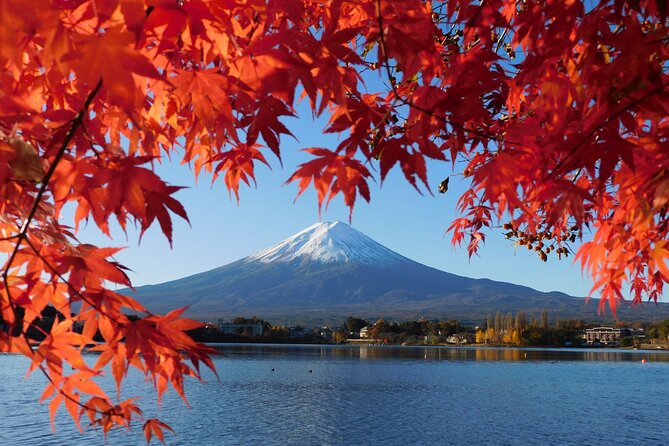
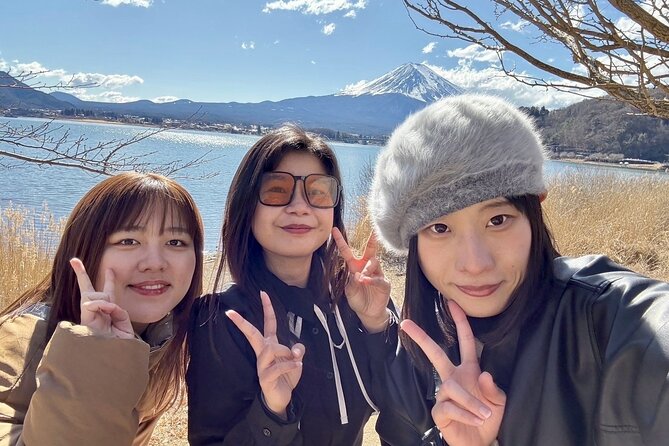
Lake Kawaguchiko is one of the day’s calmer sections. On a clear day, Fuji rises beyond the water, and reflections may appear on the lake. On a cloudy day, the water and surrounding towns still give you a sense of the region, but the grand mountain view may be reduced to its lower slopes.
This is also where the tour can feel touristy. Craft stores, food, and souvenir shopping are part of the experience. If you prefer long, quiet walks or a slow museum visit, two hours will not offer much room for both lunch and detailed exploration.
Oishi Park’s flowers and changing seasons
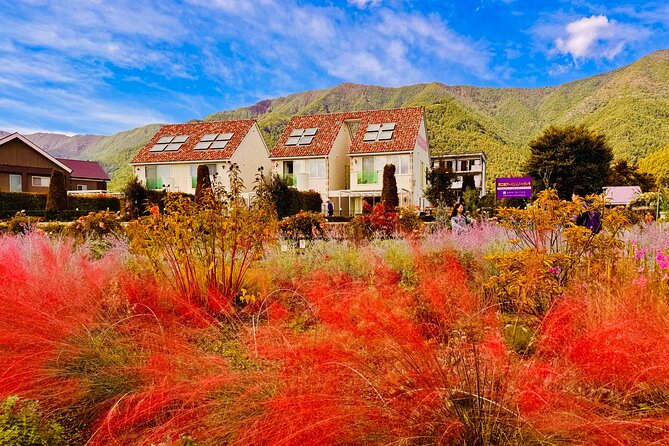
Oishi Park is a short but photogenic stop on the shore of Lake Kawaguchiko. The visit lasts about 30 minutes, so plan to walk rather than browse slowly. Lakeside paths are lined with seasonal flowers, creating a foreground for Fuji photographs when the summit is clear.
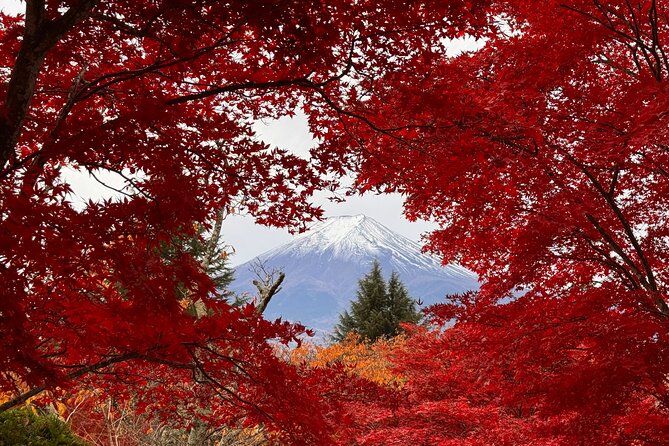
The appeal changes with the calendar. Spring cherry blossoms, summer flowers, and autumn color can give the park a different look, though the exact display varies by date. In November, the tour may alter the schedule to visit a maple corridor with more than 400 trees, a useful seasonal adjustment for autumn foliage.
The park also includes the Fuji Oishi Hana Terrace and the Kawaguchiko Natural Living Center. The shopping area follows low-rise design rules intended to preserve the views, while the center sells blueberry-related souvenirs and gifts. These are easy places to pick up a small local item without adding another major stop to your day.
Thirty minutes is enough for a quick walk and photographs. It is not enough for a long visit to every shop. Keep your camera ready, listen for the return time, and do not wander far down the shoreline.
I like this stop because it changes the rhythm of the day. After the stairs at Chureito and the meal at the craft park, Oishi Park offers open space, flowers, and water. Its weakness is the short visit. If clouds cover Fuji, the flowers remain, but the park loses its headline view.
A completely different kind of day out:
- Tokyo Disney Resort – Tokyo Disneyland & Tokyo DisneySea Park Tickets
★ 4.8 · 99,488 reviews - SHIBUYA SKY Ticket
★ 4.7 · 46,509 reviews - JR Whole Japan Rail Pass
★ 4.8 · 29,150 reviews - Mt Fuji and Hakone 1-Day Bus Tour Return by Bullet Train
★ 5.0 · 26,383 reviews
Saiko Iyashi no Sato Nenba’s old-style village
The final planned stop is Saiko Iyashi no Sato Nenba, a recreated village on the shore of Lake Saiko. The visit lasts about an hour, and admission is included.
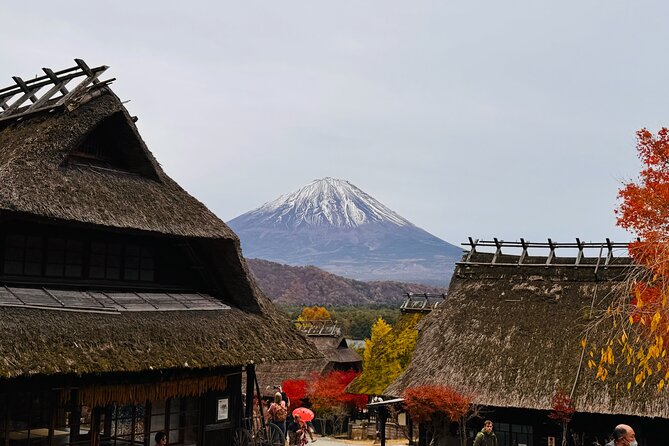
Here, thatched-roof houses line the village paths, giving you a visual introduction to older rural life in Japan. The setting feels different from the commercial areas around Lake Kawaguchiko. You can stroll between the buildings, look at local goods, and buy traditional-style gifts and snacks.
This was one of the most praised parts of the day because it offers more than another mountain viewpoint. The village gives you a sense of architecture, craft, and daily life that a quick photo stop cannot provide. It is also a good place to shop for something more distinctive than a standard city souvenir.
Do not expect a preserved village untouched by tourism. It is a visitor site, with shops and a recreated historical setting. That is not a flaw if you understand what you are seeing. It is an accessible way to encounter traditional Japanese building styles without arranging a separate rural trip.
The setting beside Lake Saiko adds to the appeal. If Fuji is hidden, the village still works as a cultural stop. If the mountain appears behind the roofs and lake, it becomes one of the day’s strongest final scenes.
The price and what you get for $77.96
At $77.96, the tour offers reasonable value if you want convenience. You are paying for transportation from central Tokyo, an air-conditioned vehicle, live commentary, taxes, fees, and entry to Saiko Iyashi no Sato Nenba. The package also gathers several sights that would take more effort to connect independently.
Lunch is the main extra cost to consider. The basic price does not include it, so compare the meal upgrade with what you would reasonably spend during two hours at Kawaguchiko Craft Park. An included lunch is useful if you want a smooth day. Paying separately may suit you better if you are selective about food.
The value drops if your only goal is one Fuji photograph. You could prefer a slower visit to one lake area, but this tour is built around variety. You see Fuji from a pagoda, lakefront, flower park, and village setting.
The largest limitation is group size. A bus holding as many as 94 people can make the experience feel organized rather than personal. On the positive side, the guides repeatedly received praise for warmth, humor, information, and care. Strong guiding can make a large group much easier to handle.
Practical advice for meeting, luggage, and timing
The only listed meeting and drop-off point is Shinjuku Post Office at 1-chōme-8-8 Nishishinjuku, in the Shinjuku Station West Exit area. The bus returns there, not to Shinagawa or another Tokyo district.
Arrive at least 10 minutes early. The guide checks names against the participant list, and the bus leaves on time. Arriving at the wrong meeting point or arriving late can mean missing the tour without a refund, even if you contact the operator before departure.
A mobile ticket is convenient, but check the meeting-point photo and scan the correct QR code before you set out. The guide will be holding the identifying flag, which helps in a busy station district.
One piece of luggage per person is permitted. Trunk luggage must not exceed a combined height, width, and depth of 155 centimeters. Anything stored underneath the bus cannot be reached between stops, so keep valuables, medication, passports, and anything you need during the day with you.
Wear shoes suitable for the 398-step climb and walking around parks and the village. Bring layers because the Fuji area may feel cooler than Tokyo. A camera, water, and a small snack are sensible additions.
The tour runs in poor weather and traffic unless the operator cancels or changes the route. Traffic can also delay your return. December 14 may be especially slow because of the Mt. Fuji Marathon near the route.
Free cancellation is available up to 24 hours before the start time. Changes or cancellations inside that window are not accepted for a refund. If the minimum number of people is not met and the operator cancels, you will be offered another date or experience, or a full refund.
Who will enjoy this Fuji day trip most?
I would choose this tour for a first visit to Tokyo when you want to see Mt. Fuji without planning trains, buses, and local connections. It also suits families, solo visitors, and anyone who prefers a guide to explain the area while someone else handles the driving.
It is a good match if you want several different stops in one day. The itinerary mixes scenery, photography, food, crafts, and traditional architecture, so the day does not depend on one attraction.
You may want another plan if you dislike fixed departure times, large groups, shopping areas, or bus journeys that can stretch with traffic. It is also a poor choice for a mobility-limited visitor because of the stairs at Chureito and the amount of walking involved.
Most important, book with realistic weather expectations. Clear skies can produce extraordinary views, while clouds can hide Fuji at every major viewpoint. The lower mountain, lake, pagoda, flowers, and village still offer a worthwhile day, but the experience is strongest when the forecast cooperates.
Should you book it?
Book this tour if you want a full Fuji-area overview from Tokyo and value ease more than a slow pace. The route is varied, the price is reasonable, and the guides appear to be a major strength. Chureito Pagoda, Oishi Park, and Saiko Iyashi no Sato Nenba each show a different side of the region.
Skip it if you need complete control over timing or want a quiet, private outing. For everyone else, this is a sensible first Fuji excursion, especially if you keep the evening free, arrive early at Shinjuku, choose lunch in advance, and accept that the mountain may decide how much of itself you see.
FAQ
Where does the tour start and finish?
The tour starts and ends at Shinjuku Post Office in the Shinjuku Station West Exit area. This is the only listed drop-off location.
Is hotel pickup included?
No. You must make your own way to the Shinjuku meeting point, and hotel pickup and drop-off are not included.
How long does the tour last?
The tour lasts approximately nine to ten hours. The exact timing can change because of weather, traffic, and other unforeseen conditions.
Is lunch included?
Lunch is included only if you select the lunch option when booking. Otherwise, lunch is at your own expense.
Is Mt. Fuji guaranteed to be visible?
No. Visibility depends on weather conditions, and the operator cannot guarantee a clear view.
How difficult is the Chureito Pagoda stop?
The viewpoint requires climbing 398 steps. A moderate level of physical fitness is recommended, and comfortable walking shoes are sensible.
Is admission to Saiko Iyashi no Sato Nenba included?
Yes. Admission to Saiko Iyashi no Sato Nenba is included in the tour.
Can I bring luggage?
One piece of luggage per person is permitted. Luggage stored in the trunk must not exceed 155 centimeters in combined height, width, and depth, and you cannot access it between stops.
Can I cancel for a full refund?
Yes, if you cancel at least 24 hours before the experience start time. Cancellations or changes made less than 24 hours before departure are not eligible for a refund.
Just added in Tokyo
- MT. FUJI/ Private Tour delivered and guided by a top-tier driver★ 5.0 · 27 reviews
- Mt fuji & Hakone customizable day tour w/ English speaking driver★ 5.0 · 45 reviews
- Fuji Speedway Self Drive & Mt. Fuji Private Tour pickup & dropoff★ 5.0 · 14 reviews
- Mt.Fuji Trekking 1 Day Tour up to the summit★ 5.0 · 14 reviews
- Customisable Mt.Fuji Private Day Trip, English Speaking Driver★ 5.0 · 22 reviews
- Seasonal Mt. Fuji Scenic Views, Fruit Picking and Ropeway Ride!★ 4.5 · 35 reviews
- Private Mt Fuji Tour from Tokyo: Scenic BBQ and Hidden Gems★ 5.0 · 146 reviews
- Private Mount Fuji Tour in Luxury Vehicle with English Guide★ 4.5 · 39 reviews
Lunch Experiences, compared.
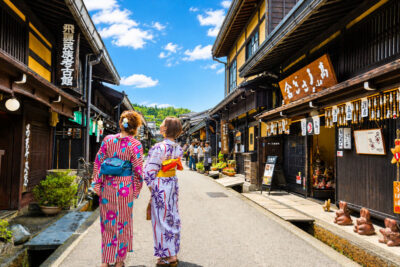
Shirakawa-go & Takayama Old Town Day Tour (Optional Hida Beef Lunch)
Read our review →
Osaka/Kyoto: Arashiyama, Nara & Fushimi Inari Shrine w/Lunch
Read our review →
Kyoto Zen Meditation & Garden Tour at a Zen Temple with Lunch
Read our review →
Five Must-See Highlights Walking Tour & Ramen Lunch
Read our review →
Naha, Okinawa: Keramas Island Snorkeling Day Trip with Lunch
Read our review →
Snow Monkey 1 Day Tour with Beef Sukiyaki Lunch
Read our review →Browse the lists this tour appears in