
Reviewed · TEMPLES AND SHRINES
Kyoto Zen Meditation & Garden Tour at a Zen Temple with Lunch
Quiet Kyoto has its own reward. This four-and-a-half-hour outing brings together Zen meditation, temple visits, and a traditional Buddhist lunch in one carefully paced morning or afternoon. I especially like the chance to practice zazen with a resident monk, rather than simply looking at temple buildings, and the small maximum group of seven makes it easier to ask questions and follow the guide’s explanations.
I also like that temple admission is included and that the walking route covers more than one Kyoto sight. The main consideration is timing: the 10:45 departure does not reach lunch until about 2:15 p.m., and a late arrival means you may miss the group without a refund or rescheduling.
In This Review
- Key Points at a Glance
- Why This Kyoto Experience Feels Different
- Starting Near Tofukuji Station
- Tofukuji Temples and the Meaning of Space
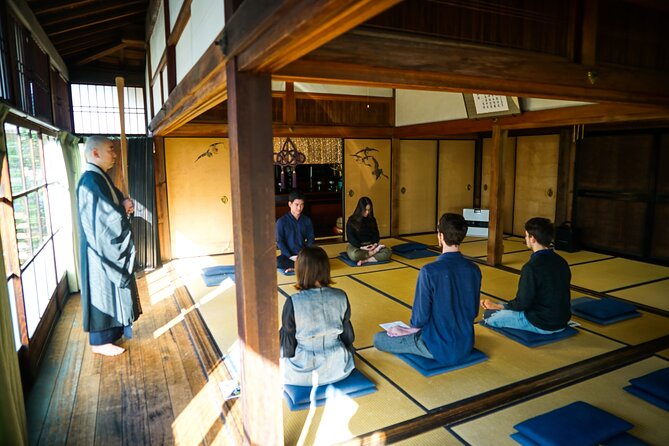
- The Zazen Session With a Resident Monk
- A Buddhist Lunch After the Quietest Hour
- Guides Make the Cultural Difference
- What the Four and a Half Hours Feel Like
- Price and Overall Value at $110.10
- Seasonal Tips and Small Comforts
- Where the Tour Ends
- Should You Book This Zen Tour?
- FAQ
- How long does the Kyoto Zen meditation tour last?
- How much does the tour cost?
- Where does the tour begin?
- Where does the tour end?
- Is temple admission included?
- Is lunch included?
- What kind of food is served?
- How large is the group?
- Who can join the tour?
- What happens if I arrive late?
- Can I talk during meditation?
- What should I bring in summer?
- What should I wear in winter?
- Can I cancel for a full refund?
Key Points at a Glance
- Meditation with a Zen monk: Learn the basic posture, technique, and mindset of zazen in a real temple setting.
- Small groups of up to seven: You get more direct time with guides such as Yutaka, Yutaka, Hikari, and Yukata, depending on the departure.
- Tofukuji area temples and gardens: Walk through one of Kyoto’s best-known Zen areas with explanations about Buddhism, Shinto, architecture, and local customs.
- Traditional Buddhist lunch: A vegetarian meal connected with food historically served at Zen temples is included.
- A reflective pace: This is not a race through famous buildings. Time is given to sit quietly, look carefully, and ask questions.
- Practical seasonal advice: Bring water and a hat in summer. Wear thick socks in winter, when temple floors can be cold.
Why This Kyoto Experience Feels Different
Many Kyoto sightseeing outings ask you to admire temples from the outside, take a few photos, and move on. This one gives you a more personal way into Zen practice. You walk through temple grounds, listen to a local guide explain what you are seeing, then sit down for meditation under the direction of a monk.
That change of pace matters. You are not expected to arrive as a meditation expert. The session is designed as an introduction, with guidance on how to sit and how to approach the practice. One guide, Hikari, prepared the group before a roughly one-hour meditation session, then translated extra explanations and questions afterward because the monk spoke Japanese.
The meditation is the heart of the outing, but the surrounding visits give it context. Guides explain Zen Buddhism, Buddhism more broadly, Shinto, temple organization, and the meaning of the gardens. I like that combination because it keeps the experience from becoming either a simple walking tour or an isolated meditation class.
More Temples and Shrines in Kyoto
- [Kyoto & Nara Day Tour] Sagano Scenic Railway & Nara Park & Fushimi Inari Taisha Thousand Torii Gates & Togetsukyo Bridge & Bamboo Grove & Kimono Forest (Departing from Osaka)
★ 4.9 · 10,942 reviews - Kyoto: Fushimi Inari, Kinkakuji, Bamboo Grove 1 Day Bus Tour
★ 4.8 · 4,316 reviews - Kyoto: Tea Ceremony in a Traditional Tea House in Kiyomizu
★ 4.9 · 3,519 reviews
Starting Near Tofukuji Station
The meeting point is FamilyMart Nakai Tofukuji, at 12-chōme-232 Honmachi in Kyoto’s Higashiyama Ward. The area is near public transportation, but you should still allow enough time to find the exact shop and arrive early.
This tour has a strict start time. The group will not wait for late arrivals, and the stated conditions say that someone who misses the group cannot join later, receive a refund, or reschedule. That is a firm rule, so I would treat the meeting time as an appointment rather than a loose suggestion.
The route begins around Tofukuji, one of Kyoto’s major Zen temple areas. Your guide leads you through the streets and temple grounds, pointing out details that are easy to miss when you walk alone. Depending on the guide, you may hear about the relationship between Zen and other Japanese religious traditions, the way temple compounds are organized, and the role of gardens in quiet contemplation.
A small group helps here. With no more than seven people, it is easier to hear the guide and pause for questions. Several guides receive especially warm praise for their manner and cultural knowledge. Yutaka is described as passionate about Kyoto and Zen Buddhism, while Hikari helped make a complex meditation session clear for first-time participants. Yukata has also been praised for giving solo participants attentive treatment.
Tofukuji Temples and the Meaning of Space
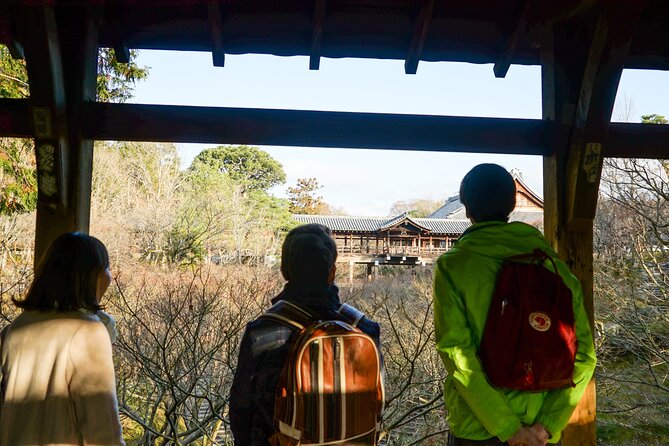
Tofukuji is a useful place to learn about Zen because the experience is not limited to a single famous hall. You move through a series of religious spaces, gardens, and temple surroundings while your guide explains how they fit together.
The gardens are dry-style gardens, where rocks, gravel, and carefully arranged plants invite you to look slowly rather than simply admire bright flowers. Your guide’s commentary gives you a way to think about the arrangement instead of treating it as a photo stop. You may find the garden visit especially rewarding if you enjoy design, symbolism, or quiet observation.
The walking portion also helps explain why Kyoto’s temples are more than old buildings. Their layout, halls, gardens, and paths reflect religious practice and daily routines. A good guide can turn small details into useful clues, and the strongest guides on this experience appear to do exactly that.
Still, this is a guided group visit, not private temple access. Your time at each location follows the group’s schedule. If you want to spend a long period photographing one corner or sitting alone in a garden, the fixed itinerary may feel restrictive.
The Zazen Session With a Resident Monk
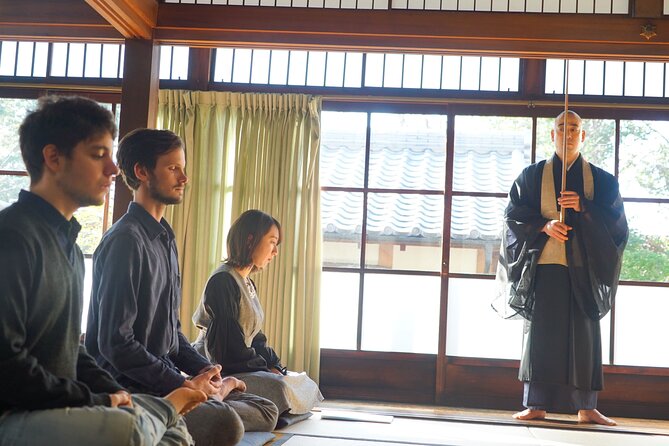
The most valuable part of the experience is the zazen session. You sit in a Zen temple and receive instruction from a monk who guides the group through the practice. The setting gives the activity a seriousness that is difficult to recreate in a hotel room or casual classroom.
For a first session, the structure is reassuring. The guide prepares you for what will happen, and the monk explains the process step by step. One account describes a meditation period of about an hour with a short break in the middle. That is long enough to experience the discipline of sitting still, but not so long that the session becomes an endurance test for most beginners.
Silence is important. During zazen, private conversation is generally not allowed because other people are meditating. You receive materials that can be read quietly instead. This rule may sound small, but it shapes the entire session. You need to be comfortable putting your phone away, keeping conversation for later, and following the atmosphere of the temple.
The monk may speak Japanese, with your English-speaking guide providing preparation and translation. That arrangement is worth understanding before you book. You are not getting a nonstop English lecture from the monk, but you do receive help with instructions and a chance to ask questions through the guide afterward.
I like the balance here. The experience respects the temple’s practice while still making the session approachable for people who know little about Zen. You do not need to pretend to be spiritual or experienced. You simply need to sit, listen, and give the process a fair try.
A completely different kind of day out:
- PERFECT KYOTO 1-Day Bus Tour
★ 5.0 · 13,518 reviews - Kyoto: Gion Make Your Own Chopsticks with Engraving Option
★ 5.0 · 3,465 reviews - Kyoto Nara Day Trip │ Kiyomizu-dera Temple + Fushimi Inari-taisha Shrine + Nara Park (Departing from Osaka/Kyoto)
★ 4.7 · 3,408 reviews - Kyoto Geisha Walking Tour: Gion District & Hidden Gems
★ 4.7 · 3,273 reviews
A Buddhist Lunch After the Quietest Hour
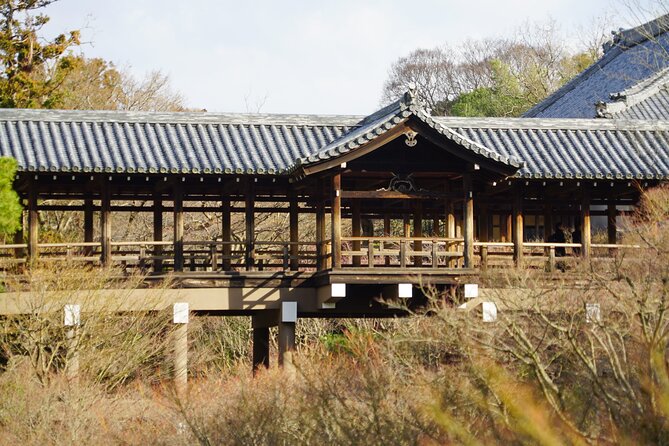
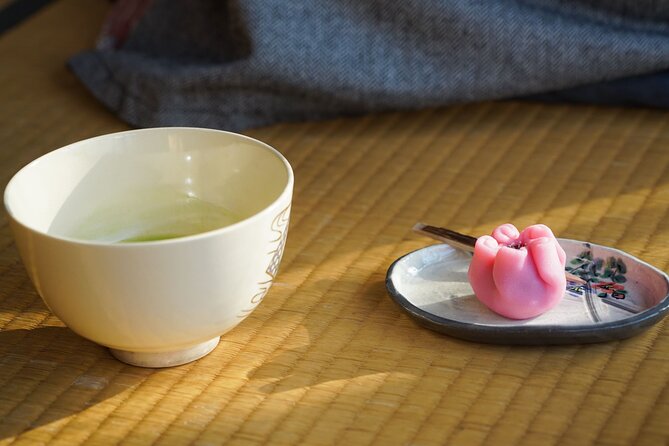
The included meal is more than a convenient break between sightseeing stops. It is a traditional Buddhist-style lunch historically served by Zen monks at temple settings. The food is vegetarian, and some participants describe the Kyoto-style meal as generous and surprisingly satisfying.
The meal follows the meditation portion on the 10:45 departure, at about 2:15 p.m. That is late by many people’s standards. Eat a solid breakfast or early brunch before you leave, especially if you are accustomed to lunch around noon.
The food is prepared in kitchens that do not belong to MagicalTrip, the company operating the tour. Allergy-free meals and dietary substitutions cannot be guaranteed. If you have a dietary request, you must submit it by the day before, not on the day itself. Even with advance notice, a substitution may not be possible at every stop, though the company says it will try to make up for the issue elsewhere.
That makes the meal a good feature for people with flexible diets, but a possible concern for people with serious allergies or strict dietary needs. Ask in advance and do not assume that vegetarian automatically means suitable for every restriction.
Guides Make the Cultural Difference
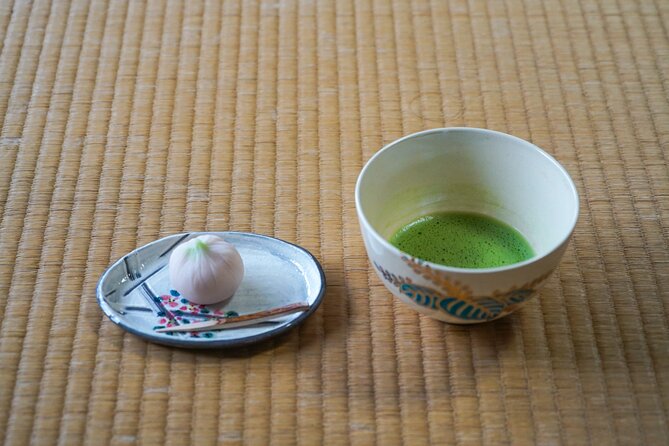
The walking route matters, but the guide shapes how much you get from it. The strongest part of this experience is the personal explanation offered between the temple buildings and the meditation session.
Yutaka is repeatedly praised for his warmth, clear English, and enthusiasm for Kyoto. His calm manner seems to fit the subject well. Hikari is noted for preparing people carefully for meditation and translating the monk’s added comments. Yukata has been singled out for attentive treatment, including by solo participants.
The guides also help connect Zen with the wider culture. You may learn about Buddhism, Shinto, local temple customs, and the area around Tofukuji. One particularly useful feature is the chance to ask questions after meditation, with translation when needed.
Guide quality can vary from one departure to another, and no walking tour can promise the same personality every time. Still, the small group size gives each guide a better chance to respond to your questions than a large bus tour would.
What the Four and a Half Hours Feel Like
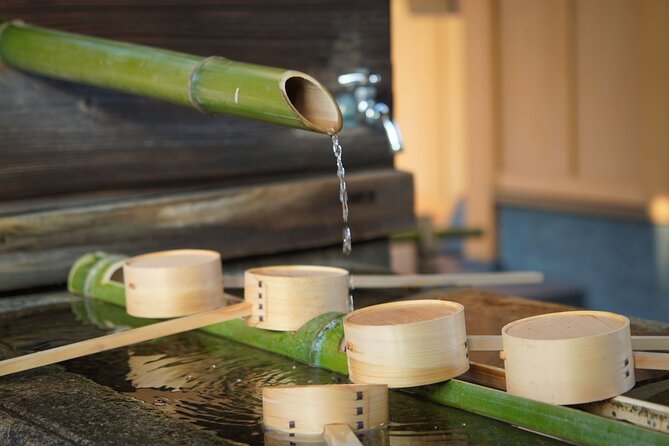
The listed duration is approximately four hours and 30 minutes. That is long enough for several temple visits, garden viewing, a substantial meditation session, and lunch, but short enough to fit into a broader Kyoto plan.
The pace appears deliberately calm. You walk, listen, sit, and eat rather than rush from one major attraction to another. This will suit you if you want a thoughtful morning or afternoon that leaves room for conversation and reflection.
It is less suitable if you want a packed checklist of Kyoto landmarks. The tour focuses on the Tofukuji area and Zen practice, not on covering the city’s largest number of sights. You should also expect some standing and walking between locations, although the supplied information does not give a total walking distance.
The activity is open to anyone over age 12. Because the meditation period is quiet and formal, younger participants should be comfortable following instructions and remaining silent for an extended period.
Price and Overall Value at $110.10
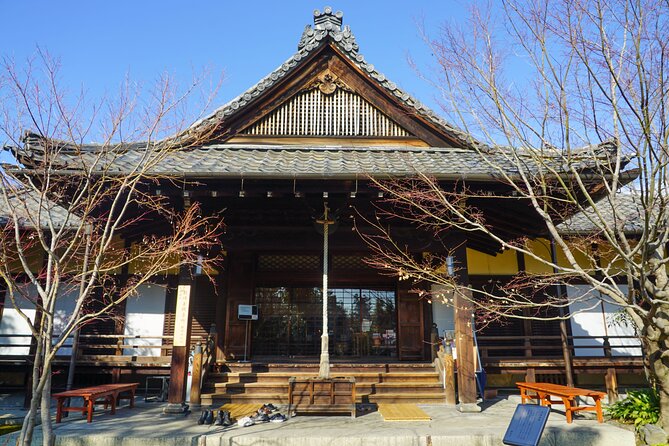
At $110.10 per person, this is not the cheapest way to see a Kyoto temple. The value comes from combining several paid and difficult-to-arrange elements: temple admission, a local guide, small-group attention, a meditation session with a monk, and lunch.
If you only want to stroll through a temple garden, you can spend less by visiting independently. But arranging a meditation session with a monk, understanding what to do, and receiving translation would be much harder on your own. The included meal also saves you the trouble of finding lunch during a structured half-day outing.
I think the price is fair for someone who values access and explanation rather than simply entering a famous site. It is especially good value if you have a genuine interest in Zen, Buddhism, meditation, or Japanese religious culture. It is less compelling if you mainly want scenic photos and a quick temple visit.
The small maximum of seven is another part of the value. You are paying for a more personal format, not a large crowd moving behind a flag. That makes the cost easier to justify for solo visitors, couples, and small families with children over 12.
Seasonal Tips and Small Comforts
Kyoto summers are hot and humid. Bring water and wear a hat to reduce the risk of heat exhaustion. The walking portions may feel more tiring than the calm subject suggests.
Winter brings the opposite problem. Temple floors can be very cold, so thick socks are strongly recommended. You may spend time sitting or standing on traditional floors, and warm footwear will make the meditation session much more comfortable.
Wear clothing that allows you to sit comfortably and quietly. The supplied information does not specify a dress code, but a respectful approach is sensible because you enter active religious spaces. Keep your phone silent and follow the guide’s instructions during meditation.
The experience includes a mobile ticket, and confirmation is sent at booking. It is near public transportation, but you should not use that as a reason to arrive at the last second.
Where the Tour Ends
The end point needs a little care because the information is not perfectly consistent. The activity is described as ending near Chishaku-in Temple, while the meeting information says it returns to the original meeting point. The practical note clarifies that the group plans to disband at the last shop.
I would ask your guide at the start where the final stop will be and plan your next move from there. Do not assume you will be escorted back to the FamilyMart, especially if you have a timed reservation afterward.
This is a small logistical point, but it matters in Kyoto, where a short distance can take longer than expected if you are locating a station or changing areas.
Should You Book This Zen Tour?
I would book this experience if you want more than temple sightseeing. The best reasons are the meditation session led by a monk, the calm small-group format, the chance to ask questions through a local guide, and the included Buddhist lunch.
You should think twice if you have serious food restrictions, dislike sitting quietly for a long period, or need a flexible start and end time. The late lunch on the 10:45 departure also requires planning.
For a solo visitor, a couple, or anyone curious about Zen but unsure how to begin, this is a strong choice. Arrive early, eat breakfast, bring water, wear suitable socks, and approach the meditation with patience. You may leave with more than photographs: a clearer sense of how Zen practice fits into Kyoto’s temples and everyday culture.
FAQ
How long does the Kyoto Zen meditation tour last?
The experience lasts approximately four hours and 30 minutes.
How much does the tour cost?
The listed price is $110.10 per person.
Where does the tour begin?
It begins at FamilyMart Nakai Tofukuji, 12-chōme-232 Honmachi, Higashiyama Ward, Kyoto, 605-0981, Japan.
Where does the tour end?
The activity is described as ending near Chishaku-in Temple. The practical information also says the group may disband at the last shop, so you should confirm the final location with your guide.
Is temple admission included?
Yes. You do not need to pay separate admission fees for the temples included in the experience.
Is lunch included?
Yes. A traditional Buddhist meal historically served at Zen temples is included.
What kind of food is served?
The meal is vegetarian and is described as a traditional Buddhist or Kyoto-style lunch. Allergy-free preparation and all dietary substitutions cannot be guaranteed.
How large is the group?
The maximum group size is seven participants.
Who can join the tour?
Anyone over the age of 12 can join.
What happens if I arrive late?
The tour starts on time. If you arrive late and miss the group, you cannot join the activity later, receive a refund, or reschedule.
Can I talk during meditation?
Private conversation is generally prohibited while other participants are meditating. You will receive materials that can be read silently.
What should I bring in summer?
Bring water and wear a hat because Japanese summers can be very hot and humid.
What should I wear in winter?
Thick socks are recommended because temple floors can be quite cold.
Can I cancel for a full refund?
You can cancel at least 24 hours before the experience begins for a full refund. Cancellations or changes made less than 24 hours before the start time are not accepted for a refund.
More Lunch Experiences in Kyoto
- Bike Tour Exploring North Kyoto plus Lunch
★ 5.0 · 1,087 reviews - Osaka/Kyoto: Arashiyama, Nara & Fushimi Inari Shrine w/Lunch
★ 4.4 · 754 reviews - 4.5-Hour Kyoto Bike Tour with Lunch and UNESCO Zen Temples
★ 5.0 · 122 reviews - From Kyoto: Nara History Guided Half Day Bus Tour with Lunch
★ 4.8 · 114 reviews
Just added in Kyoto
- The “Golden Route” and Ancient Japan by DIAMIR Erlebnisreisen – 14-Day Tour★ 2.0 · 2 reviews
- Japan: Castles & Cuisine by G Adventures – 6-Day Kyoto to Osaka Tour★ 4.5 · 4 reviews
- Cycle Japan by Explore! – 13-Day Kyoto to Tokyo Tour★ 4.7 · 12 reviews
- Cycle Japan by Intrepid Travel – 11-Day Kyoto to Tokyo Tour★ 4.8 · 2 reviews
- Classic Japan by Intrepid Travel – 11-Day Kyoto to Tokyo Tour★ 4.4 · 14 reviews
- Ancient & Modern Japan 14-Day Tour by Exodus Adventure Travels★ 4.4 · 40 reviews
- 5 Day Cultural Adventure of Kyoto, Nara & Osaka by Tourist Journey★ 2.5 · 2 reviews
- 12 Days Kinosaki Onsen Escape: A Journey Through Japan’s Timeless Towns by UME Travel★ 4.8 · 5 reviews
Temples and Shrines, compared.
![[Kyoto & Nara Day Tour] Sagano Scenic Railway & Nara Park & Fushimi Inari Taisha Thousand Torii Gates & Togetsukyo Bridge & Bamboo Grove & Kimono Forest (Departing from Osaka)](https://media.japanvisits.com/wp-content/uploads/kyoto-nara-day-tour-sagano-scenic-railway-nara-park-fushimi-inari-taisha-thousand-torii-gates-togetsukyo-bridge-bamboo-grove-kimono-forest-departing-from-osaka-k110001-400x257.jpg)
Kyushu One-Day Tour: Yufuin no Mori Train & Yufuin Town & Nyoirin-ji Temple & Dazaifu & Hell Hot Springs (Departing from Fukuoka)
Read our review →
Fushimi Inari, Kinkakuji, Bamboo Grove 1 Day Bus Tour
Read our review →
Tea Ceremony in a Traditional Tea House in Kiyomizu
Read our review →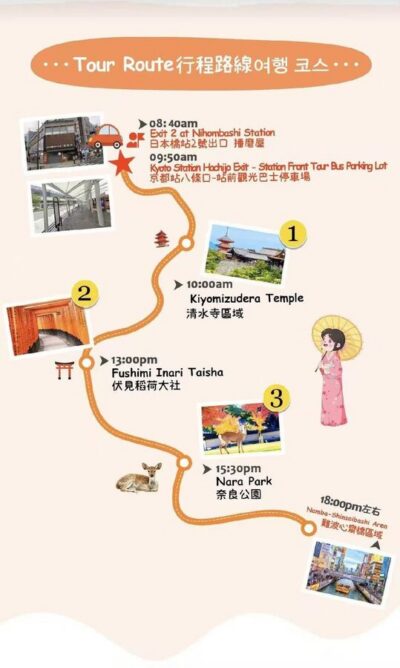
Kyoto Nara Day Trip │ Kiyomizu-dera Temple + Fushimi Inari-taisha Shrine + Nara Park (Departing from Osaka/Kyoto)
Read our review →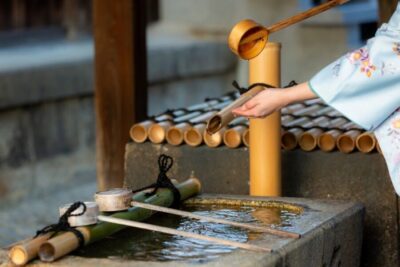
Browse the lists this tour appears in