
Reviewed · DAY TRIPS
From Tokyo: Mt Fuji, Arakurayama and Kawaguchi Lake Day Trip
Fuji is worth chasing. This 10-hour trip packs several classic viewpoints into one easy day, from the 397 steps at Chureito Pagoda to the flower fields of Oishi Park and the springs of Oshino Hakkai. I especially like the range of viewpoints and the fact that round-trip bus transport removes the worry of navigating rural train and bus connections.
I also like the guide-led storytelling, particularly when Hikari is leading the group. His humor, clear meeting instructions, photo tips, and small cultural details earn repeated praise. The main drawback is the pace: with so many stops, each visit can feel brief, and clouds may hide Fuji even after you have made the long journey.
In This Review
- Key points to know before booking
- Why this Mt Fuji tour works well from Tokyo
- The long ride toward Mount Fuji
- Arakurayama Sengen Park and the Chureito Pagoda climb
- Fujiyoshida and the Hikawa Clock Shop photo street
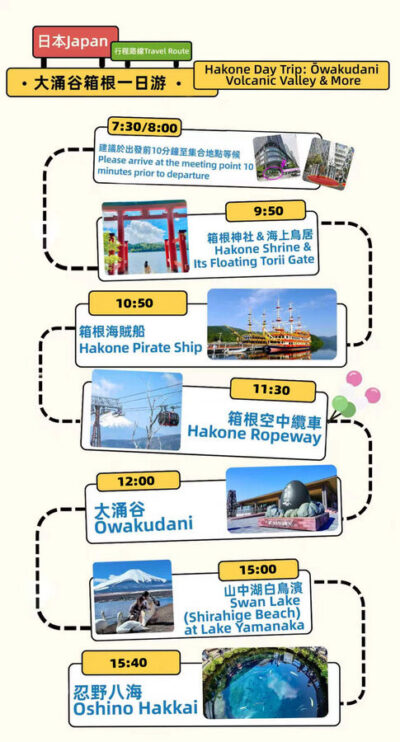
- Oshino Hakkai and its eight spring pools
- LAWSON Lake Kawaguchi and the famous convenience-store photo
- Lake Kawaguchi, Oishi Park, and the autumn alternative
- Fuji views depend on weather, not effort
- The guide can make or break the day
- Timing, traffic, and the return to Tokyo
- Who should book this Fuji day trip?
- Should you book it?
- FAQ
- Is this tour suitable for families with children?
- Is the tour suitable for elderly visitors?
- What happens if Mount Fuji is hidden by clouds?
- Are meals included?
- How long is the tour?
- Where do I meet the guide?
- What languages are available?
- Can I bring large luggage?
- When does the tour visit Maple Corridor?
- What if traffic delays the return to Tokyo?
Key points to know before booking
- Chureito Pagoda requires 397 steps: The view is superb, but the climb is a real part of the outing.
- Hikari is a major strength: He is known for lively explanations, helpful photo advice, and careful timekeeping.
- Oshino Hakkai offers more than photos: You can taste spring water, shop, and try tofu with miso or kusamochi.
- Fuji visibility is never guaranteed: Clear winter days often offer the best chance, but weather can change quickly.
- The bus saves effort: Transport from Tokyo is included, though traffic can stretch the return well beyond the planned time.
- Autumn changes the final stop: From about October 30 to November 20, the route visits Maple Corridor instead of Oishi Park.
Why this Mt Fuji tour works well from Tokyo
At $55 per person, this is priced as an efficient sightseeing day rather than a slow, private excursion. You receive an air-conditioned bus, a guide, and transport between several places that would be awkward to connect in one day by public transit.
The value is strongest if you are visiting Japan for the first time and want a broad introduction to the Fuji area. You can see the mountain from a pagoda, a village street, a convenience store photo stop, and Lake Kawaguchi. That variety matters because no single view tells the whole story.
You meet near the taxi stand at Tokyo Station’s Marunouchi North Exit. This is a sensible meeting point, but do not treat Tokyo Station as a quick place to wander into at the last minute. It is large, and you need to be at the correct exit at the stated time.
The operator sends the guide’s phone number, extra meeting instructions, and the vehicle license plate the evening before, usually around 7:00 or 8:00 PM. Check your email carefully. Being late or missing the bus means no refund or alternate date, and the bus will not wait at individual stops.
The standard experience is a shared small-group outing, with private options also available. The guide may speak English, Chinese, or Japanese. If you need an English-speaking guide, request one at least 72 hours ahead, and earlier during busy seasons.
More Day Trips in Japan:
- Mt. Fuji Instagram-Worthy Spots Day Tour: Ladder Town, Oshino Hakkai, Lake Kawaguchi, Lawson Convenience Store (Departing from Tokyo Station or Shinjuku Station)
★ 4.8 · 35,467 reviews - 【Mount Fuji Magnificent Scenery Exploration Day Tour】Arakurayama Sengen Park & Kawaguchiko Oishi Park & Oshino Hakkai & INS Famous Lawson & Hikawa Clock Shop (Departing from Tokyo)
★ 4.9 · 12,075 reviews - [Kyoto & Nara Day Tour] Sagano Scenic Railway & Nara Park & Fushimi Inari Taisha Thousand Torii Gates & Togetsukyo Bridge & Bamboo Grove & Kimono Forest (Departing from Osaka)
★ 4.9 · 10,942 reviews
The long ride toward Mount Fuji
The first bus ride takes about 105 minutes, though road conditions affect the actual time. This is not wasted time. The guide uses the journey to explain the day, share information about Fuji, and give instructions for each stop.
Hikari receives especially warm praise for making the ride lively without turning it into a nonstop lecture. He is also good at explaining meeting times and departure points, which becomes important later. At some stops, you have freedom to explore, but you must return to the bus on time.
The bus is air-conditioned, and one family described it as spacious and comfortable. Still, you should prepare for a long day on the road. Large luggage is not allowed because storage is limited, and food and drinks are not permitted inside the vehicle. Bring comfortable shoes and clothing suited to the forecast.
Arakurayama Sengen Park and the Chureito Pagoda climb
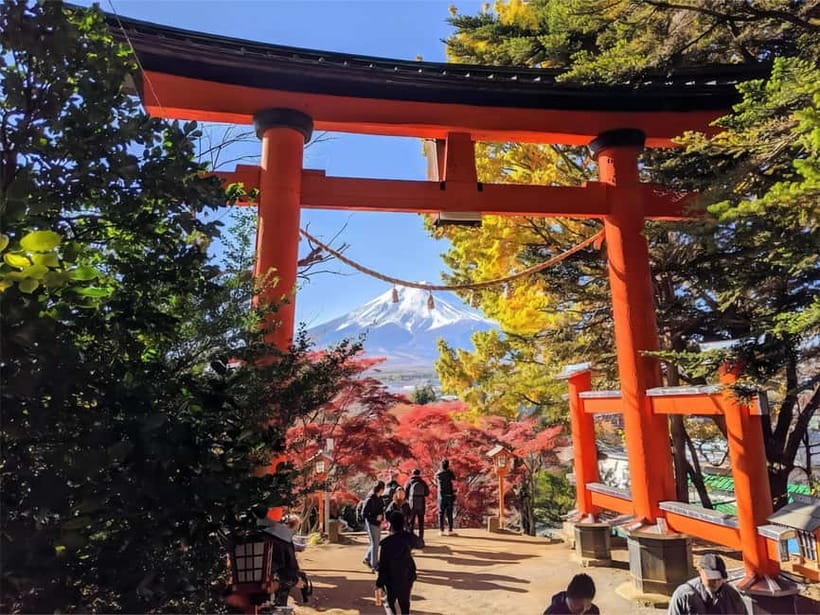
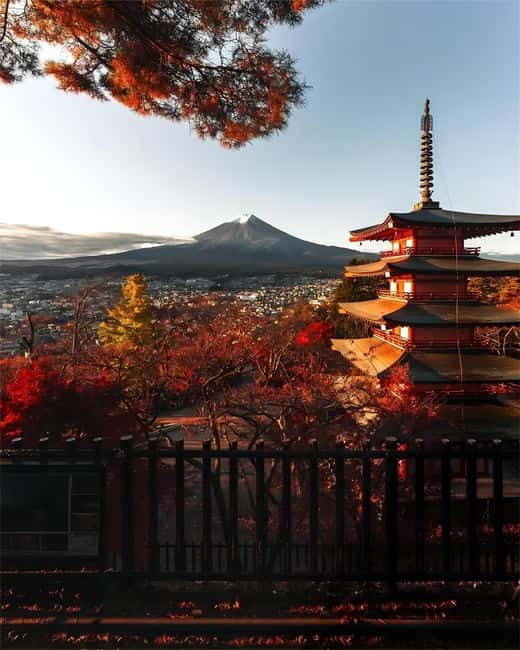
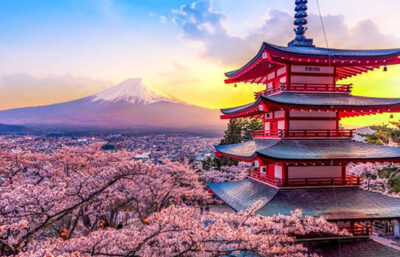
The famous Fuji image from Arakurayama Sengen Park combines the mountain, Chureito Pagoda, and seasonal scenery. In spring, cherry blossoms frame the view. Summer brings green foliage, autumn adds colored leaves, and winter can produce a snowy scene.
The park visit lasts about an hour, followed by roughly 45 minutes at the pagoda. In practice, the two stops are part of the same climb and viewing area, so use your time carefully.
The 397 steps are the catch. You do not need to be a serious hiker, but this is not an effortless photo stop. Older children can manage it, and the tour is described as family-friendly, yet elderly visitors or anyone with limited mobility should think carefully before booking. People over 75 are specifically listed as unsuitable for the tour.
Take breaks as needed and wear shoes with good grip. The area can be crowded, especially during cherry blossom season and peak autumn color. One useful tip from the day’s feedback is to arrive as early as the traffic schedule allows, since the best photo platform fills quickly.
The pagoda itself is not the only reason to come. The climb gives you a chance to look back over Fujiyoshida and understand how the town sits below the mountain. If Fuji is hidden by cloud, the pagoda and town view still make the stop worthwhile, but the classic three-part photo will not be there.
Fujiyoshida and the Hikawa Clock Shop photo street
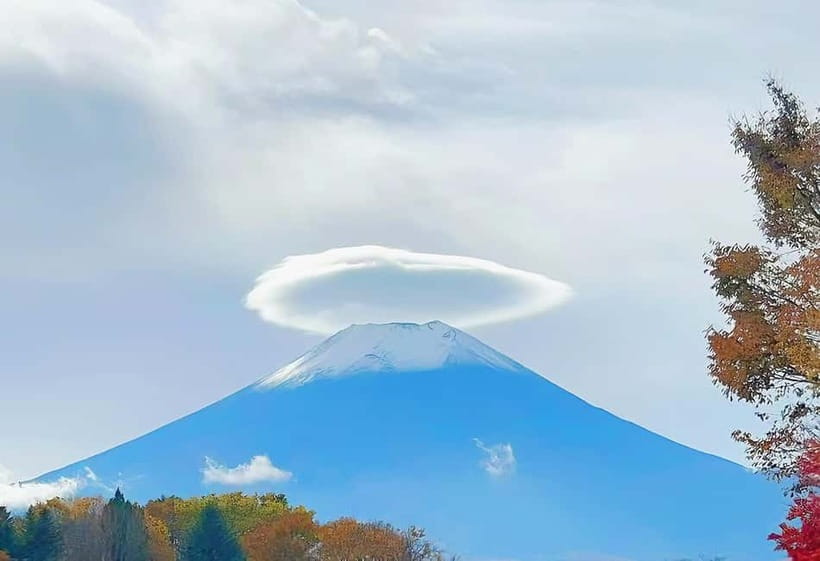
The Hikawa Clock Shop stop lasts about 20 minutes. The attraction is the street itself, where the road lines up toward Fuji and creates a strong, almost picture-book composition.
This is a quick photography stop, not a long neighborhood visit. Your guide can help you find the right angle, but you should stay alert to the schedule and local traffic. The short visit works well for a quick photo, though anyone hoping to browse shops or spend time understanding the area may find it too brief.
This stop also gives you a different sense of scale. At the pagoda, Fuji appears behind a broad town view. Here, the street directs your eye straight toward the mountain.
A completely different kind of day out:
- Tokyo Disney Resort – Tokyo Disneyland & Tokyo DisneySea Park Tickets
★ 4.8 · 99,488 reviews - Universal Studios Japan Studio Pass
★ 4.8 · 89,883 reviews - Universal Studios Japan Express Pass
★ 4.7 · 53,138 reviews - SHIBUYA SKY Ticket
★ 4.7 · 46,509 reviews
Oshino Hakkai and its eight spring pools
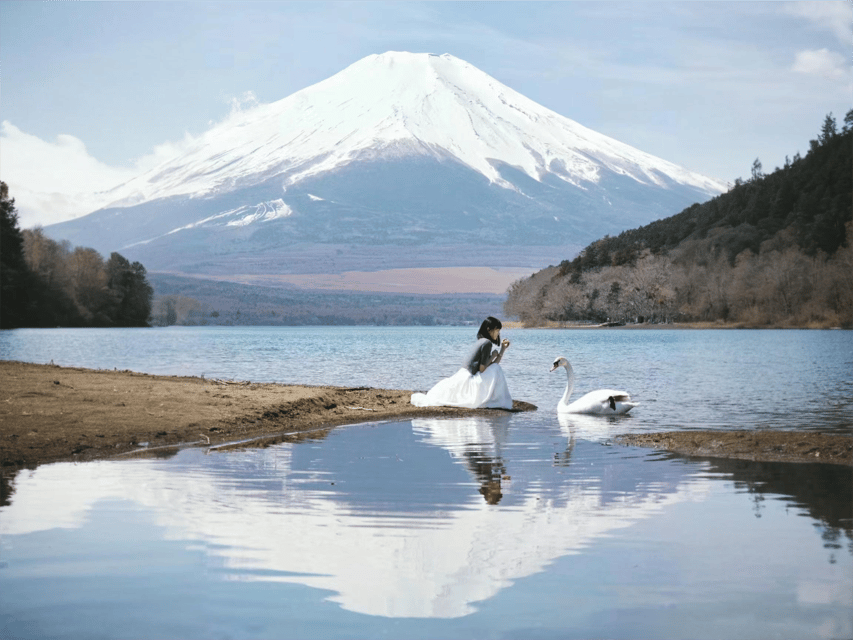
Oshino Hakkai receives about 80 minutes, making it one of the more substantial stops. The village is known for eight springs formed by snowmelt from Mount Fuji. You can pause beside the clear water, look for Fuji’s reflection, and enjoy a calmer setting after the busy pagoda area.
This is also the best place on the route for local snacks and small purchases. Try tofu with pickled miso or kusamochi, a green rice cake filled with sweet red bean paste. You can taste the spring water too, and gift shops offer souvenirs.
Bring some Japanese yen. Some food stalls have limited card payment, so relying only on a credit card can leave you choosing from fewer options. Meals are not included, but you may bring your own food, subject to the rule that food and drinks cannot be consumed in the vehicle.
The stop is pleasant because it combines scenery, food, and shopping rather than offering another single viewpoint. It can also feel crowded, especially in popular seasons. Keep an eye on your watch, since 80 minutes passes quickly if you want to eat, shop, photograph the springs, and find Fuji’s reflection.
LAWSON Lake Kawaguchi and the famous convenience-store photo
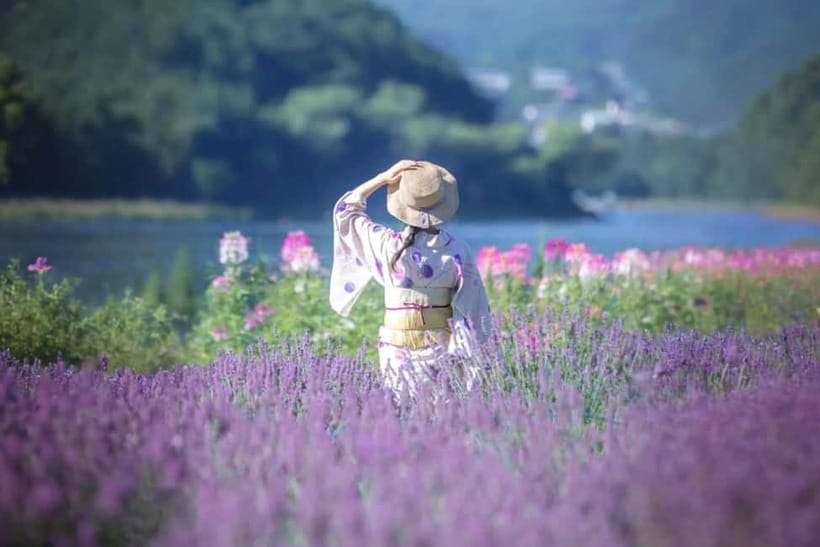
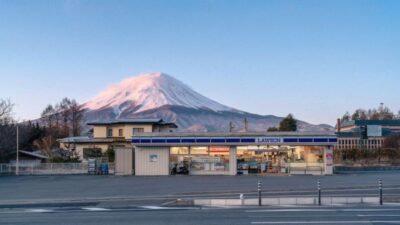
The 20-minute LAWSON stop is a modern contrast to Oshino Hakkai. The familiar blue and white convenience-store sign sits in front of Fuji, creating one of the area’s most shared photo compositions.
You can buy ice cream, coffee, or a hot snack, then take your photo from the designated roadside area. This is a short break, not a full meal stop. Follow your guide’s instructions and be careful around the road, since the photo angle is popular and the area can be busy.
Some people may find this stop a little too focused on an internet-famous image. I still think it earns its place because it shows how everyday Japanese settings can become part of the Fuji experience. It is also a useful chance to grab a drink or snack before the final lakeside stop.
Lake Kawaguchi, Oishi Park, and the autumn alternative
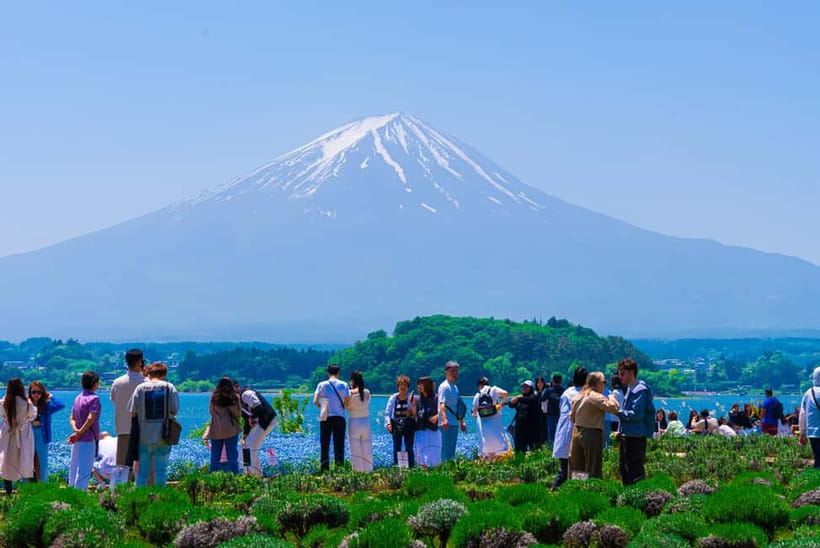
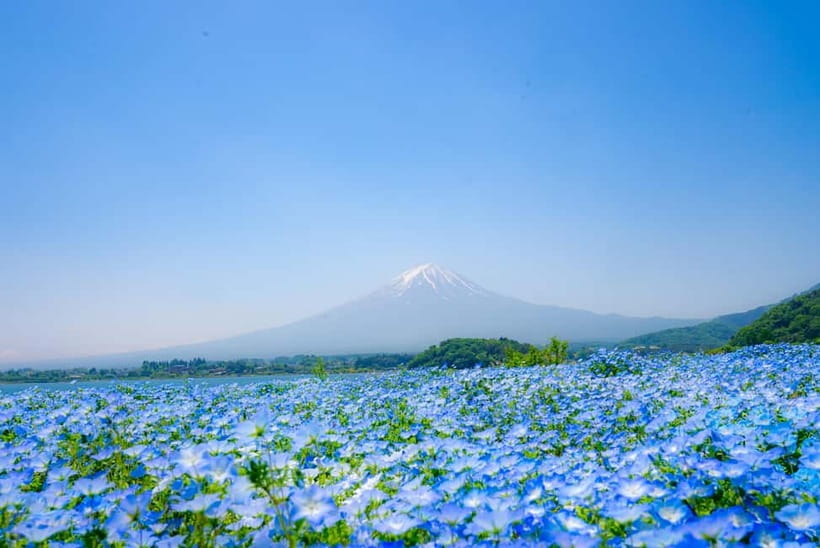
The last major stop is Lake Kawaguchi, with about 50 minutes for photos and a walk. On most dates, the tour finishes at Oishi Park, known for seasonal flower displays including lavender, begonia, cosmos, and Japanese blood grass.
Oishi Park gives you open views across the lake toward Fuji. It is a good place to slow down after the busier stops, although 50 minutes is enough for a walk and photographs rather than a full park visit.
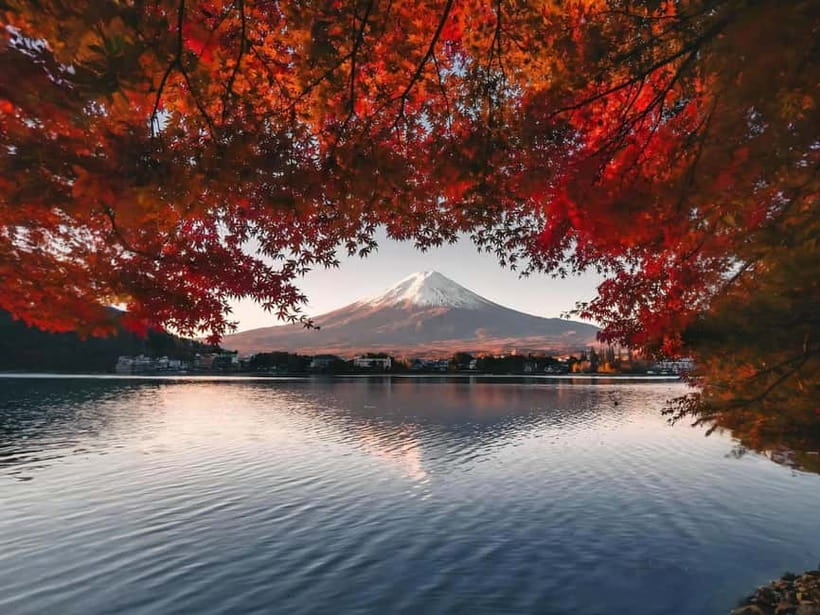
From approximately October 30 to November 20, the route changes to Maple Corridor. This seasonal choice makes sense: the corridor becomes a tunnel of autumn color with views toward Fuji, while Oishi Park is less central to the season’s main appeal.
The order of stops may shift to reduce traffic. That flexibility can help on a clear day. One guide, Hikari, has adjusted the sequence to avoid long delays, and that kind of judgment can make the difference between a smooth outing and hours spent staring at brake lights.
Fuji views depend on weather, not effort
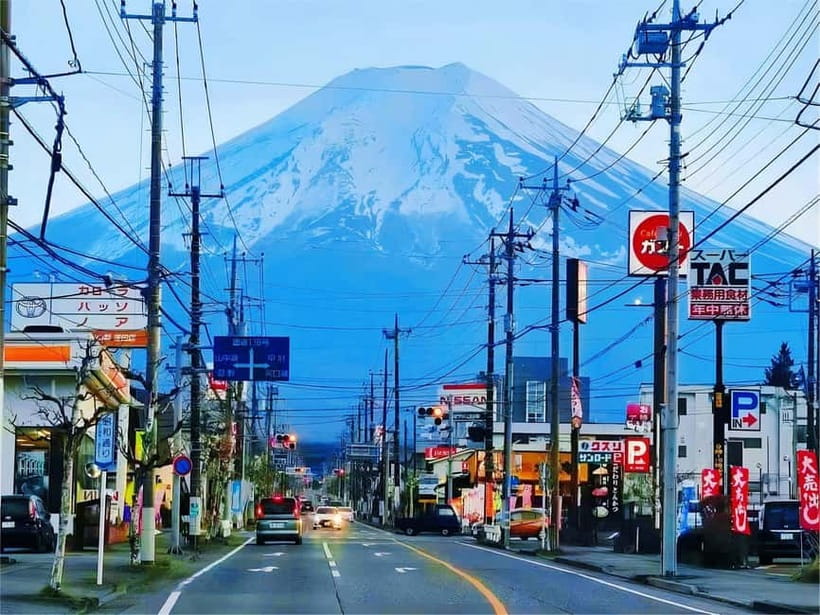
No tour can promise a clear view of Mount Fuji. Clouds and fog can cover the peak in the morning, appear in the afternoon, or clear unexpectedly. Several people had excellent views, while others still enjoyed the day despite seeing little or none of the mountain.
Winter often offers a better chance of crisp visibility, but you should not book this trip as if Fuji were guaranteed. The route has enough variety to remain worthwhile when the peak disappears. Oshino Hakkai, the pagoda, the lake, food stops, and seasonal scenery all provide other reasons to go.
If Fuji is your top priority, check the forecast shortly before the cancellation deadline. You can cancel up to 24 hours ahead for a full refund, and the reserve-now, pay-later option gives you some flexibility while plans are still changing.
The guide can make or break the day
The strongest part of this outing is the guide. Hikari is repeatedly praised for being funny, warm, organized, and generous with practical help. He explains Japanese culture and Fuji stories during the drives, gives clear departure times, and often helps people find good photo positions.
That last detail matters more than it may sound. At crowded viewpoints, a guide who knows where to stand and when to move can save you time and frustration. Hikari has also used group messaging, including WhatsApp, to keep people updated about meeting points and timing.
Other guides have also received positive feedback, including Nick, Louis, Echo, and Carter Sasaki. The exact personality and language support can vary, so do not assume Hikari will lead every departure. Still, the overall guiding approach appears to favor friendly explanations and firm schedule management.
One practical warning: stay with the group. If you miss the bus, you may have to pay for a taxi to the next stop. A clear guide cannot help if you are still inside a shop when departure time arrives.
Timing, traffic, and the return to Tokyo
The stated duration is about 10 hours. The tour is expected to finish its sightseeing around 4:30 PM, with arrival back in Tokyo often planned for roughly 6:00 to 6:30 PM. Another schedule aims for Tokyo Station around 5:00 to 5:30 PM, so treat these times as estimates rather than promises.
Traffic near Tokyo and Fuji can be heavy. During busy periods, the return may reach 8:00 PM, especially around Japanese holiday dates from September 28 to October 7. The operator covers overtime fees caused by delays, but you should avoid booking an evening show, dinner reservation, or flight connection on the same night.
The total plan is full but sensible: two long bus rides and several short stops. You see a lot, but you will not have the freedom to linger wherever you like. A private tour costs more, yet one March booking found the added flexibility worthwhile because the group could adjust timings and spend longer at a busy photo stop.
Who should book this Fuji day trip?
I would choose this tour if you want the classic Fuji sights without renting a car or working out several rural connections. It suits first-time visitors, couples, families with mobile children, and solo visitors who like having transportation and a guide arranged.
It is also a good fit if photography matters to you. The route supplies several distinct compositions, and the guide can point out useful angles. The price is hard to beat for round-trip transport and a full day of sightseeing.
I would look elsewhere if you want a quiet, slow day, a long hike, or a guaranteed summit view. The group schedule, crowded stops, 397-step climb, and traffic risk are real limits. Private transport is the better choice for groups that want control over the order and length of each stop.
Should you book it?
Book this trip if your goal is to collect a broad set of Fuji views in one day for a modest price. The strongest reasons are the practical bus transport, the varied route, and the quality of guide support, especially if Hikari is assigned to your departure.
Go with realistic expectations. Fuji may vanish behind clouds, the pagoda may be crowded, and the return can run late. Bring comfortable shoes, some cash for Oshino Hakkai, no large luggage, and no evening plans you cannot change. With that preparation, this is a smart and affordable way to meet Japan’s most famous mountain.
FAQ
Is this tour suitable for families with children?
Yes, the tour is family-friendly. Children age 2 or younger can join free without occupying a seat, but you must inform the operator in advance.
Is the tour suitable for elderly visitors?
The 397-step climb to Chureito Pagoda can be demanding. Comfortable shoes and regular breaks are important, and the activity is not considered suitable for people over 75.
What happens if Mount Fuji is hidden by clouds?
The mountain is not guaranteed to be visible. You can still visit Arakurayama Sengen Park, Oshino Hakkai, Lake Kawaguchi, and the other planned locations.
Are meals included?
No. You can buy snacks and local food at Oshino Hakkai, including tofu with pickled miso and kusamochi. You may also bring your own food, but food and drinks are not allowed in the vehicle.
How long is the tour?
The experience lasts about 10 hours, including the bus rides from Tokyo and back.
Where do I meet the guide?
Meet at Tokyo Station’s Marunouchi North Exit, near the taxi stand at 1-chōme-9-1 Marunouchi, Chiyoda City, Tokyo.
What languages are available?
Guides may speak English, Chinese, or Japanese. An English-speaking guide should be requested at least 72 hours ahead.
Can I bring large luggage?
No. Space for luggage is limited, so large bags should not be brought.
When does the tour visit Maple Corridor?
From approximately October 30 to November 20, the tour visits Kawaguchiko Maple Corridor instead of Oishi Park.
What if traffic delays the return to Tokyo?
Return times can change because of traffic and weather. During peak periods, arrival may be as late as 8:00 PM, so avoid fixed evening plans.
Just added in Japan
- Private Unforgettable Mt Fuji Tour with English Speaking Driver★ 5.0 · 142 reviews
- Japanese Cooking and Udon Making Class in Tokyo with Masako★ 5.0 · 35 reviews
- Private Kamakura plus Yokohama Tour – English Speaking Driver★ 4.5 · 28 reviews
- Luxury van Ride to famous car meet up spot Daikoku★ 4.5 · 148 reviews
- Private Tour to Mt Fuji and Hakone with English Speaking Driver★ 5.0 · 133 reviews
- Private Harajuku Omotesando Architecture Walking Tour★ 5.0 · 67 reviews
- Private Customizable Walking Tour of Tokyo★ 5.0 · 70 reviews
- Japanese Food Cooking Class in Asakusa, Tokyo★ 5.0 · 39 reviews
Day Trips, compared.
![[Kyoto & Nara Day Tour] Sagano Scenic Railway & Nara Park & Fushimi Inari Taisha Thousand Torii Gates & Togetsukyo Bridge & Bamboo Grove & Kimono Forest (Departing from Osaka)](https://media.japanvisits.com/wp-content/uploads/kyoto-nara-day-tour-sagano-scenic-railway-nara-park-fushimi-inari-taisha-thousand-torii-gates-togetsukyo-bridge-bamboo-grove-kimono-forest-departing-from-osaka-k110001-400x257.jpg)
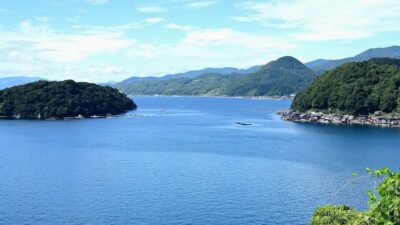
Kyoto Amanohashidate & Ine Funaya & Ine Bay Scenic Day Trip (Departing from Osaka or Kyoto)
Read our review →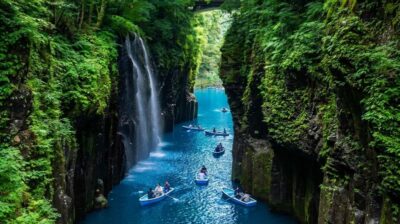
Kyushu: Mount Aso, Kusasenri & Takachiho Gorge Day Tour (Optional Takachiho Boat Ride Experience)
Read our review →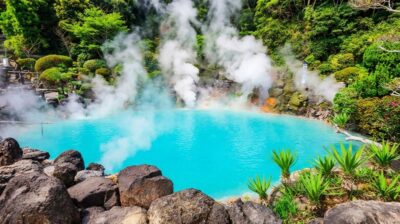
Kyushu One-Day Tour: Yufuin no Mori Train & Yufuin Town & Nyoirin-ji Temple & Dazaifu & Hell Hot Springs (Departing from Fukuoka)
Read our review →
Browse the lists this tour appears in