
Reviewed · FUKUOKA TOURS
Fukuoka Essentials: History, Culture, & Charms
Fukuoka rewards curious walkers. This private tour links old temples, lively shopping streets, working shrines, and a rooftop city view in about three hours. I like the way it gives you a useful first look at Hakata without sending you across town, and I especially like the personal guide service, which can shape the pace and discussion around your interests.
I also like the mix of quiet and busy stops. You move from the calm grounds of Shofukuji to the color and noise of Kawabata Shopping Arcade, then finish above the city at Hakata Station. The main consideration is the amount of walking. The route is designed on foot, and while one guide has adapted the pace for a guest with a temporary physical limitation, you should still ask about your needs before booking.
In This Review
- Five Details That Make This Tour Useful
- Starting Under Hakata Station’s Big Clock
- Shofukuji: Kyushu’s Oldest Zen Temple
- Tochoji’s Giant Buddha and a Change of Mood
- Kushida Jinja and Fukuoka’s Festival Life
- Fifteen Minutes at Kawabata Shopping Arcade
- Sumiyoshi Jinja: A Quieter Shrine in the City
- Finishing at Hakata Station’s Rooftop
- What the Guides Add
- Walking, Timing, and Extra Costs
- Who Will Get the Most From It
- Should You Book Fukuoka Essentials?
- FAQ
- Where does the Fukuoka Essentials tour begin?
- Can I request a hotel pickup?
- How long does the experience last?
- Which languages are available?
- Is the tour private?
- Is transportation included?
- Are food, drinks, or attraction tickets included?
- Can I cancel for a full refund?
Five Details That Make This Tour Useful
- Shofukuji is the historical anchor: You visit Kyushu’s oldest Zen Buddhist temple, not just a famous photo stop.
- Tochoji adds a second major temple: Its large Buddha gives the morning a memorable visual centerpiece.
- Kawabata Arcade brings daily Fukuoka into the route: You have time to browse, snack, and see a traditional shopping street at work.
- Your guide can change the experience: Radim is praised for a relaxed, informative style, while Louise and Vadim have also guided guests on similarly personal visits.
- The tour ends with a citywide view: Hakata Station’s rooftop gives you a clear finish and a chance to see Fukuoka from above.
- The $58 price buys local context: You are paying for a private three-hour introduction, not entrance tickets, meals, or transport.
Starting Under Hakata Station’s Big Clock
The meeting point is the CASETiFY STUDiO inside Amu Plaza Hakata, close to the main entrance and beneath the large clock. That is a practical place to meet because Hakata Station is a major transport hub, but the station complex can feel confusing if you arrive in a hurry. Give yourself extra time to find the store.
You can request a hotel pickup if you are staying in a central part of Fukuoka. Otherwise, the station meeting point keeps the start simple. The guide waits there before leading you into the older parts of Hakata.
The route is private and personalized. English and Czech are available, and the private format matters here. You can ask questions without waiting for a group to catch up, spend more time at a shrine, or move on when a stop does not interest you.
The advertised price is $58 per person. For a three-hour private walking experience, that is fair if you want interpretation and orientation rather than simply a route on a map. It is less useful for you if you prefer to sightsee alone or already know Fukuoka well.
A few more options to weigh up in Fukuoka
- Kyushu: Mount Aso, Kusasenri & Takachiho Gorge Day Tour (Optional Takachiho Boat Ride Experience)
★ 4.9 · 4,957 reviews - Kyushu One-Day Tour: Yufuin no Mori Train & Yufuin Town & Nyoirin-ji Temple & Dazaifu & Hell Hot Springs (Departing from Fukuoka)
★ 4.9 · 4,474 reviews - teamLab Forest Fukuoka Ticket
★ 4.7 · 1,925 reviews
Shofukuji: Kyushu’s Oldest Zen Temple
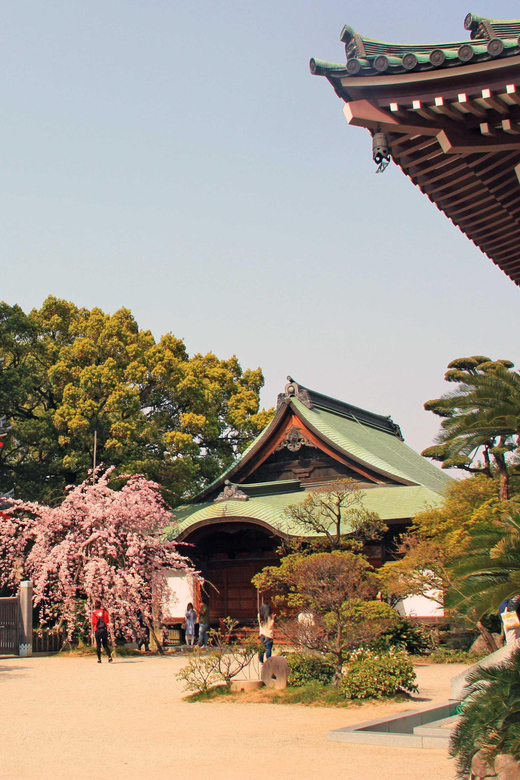
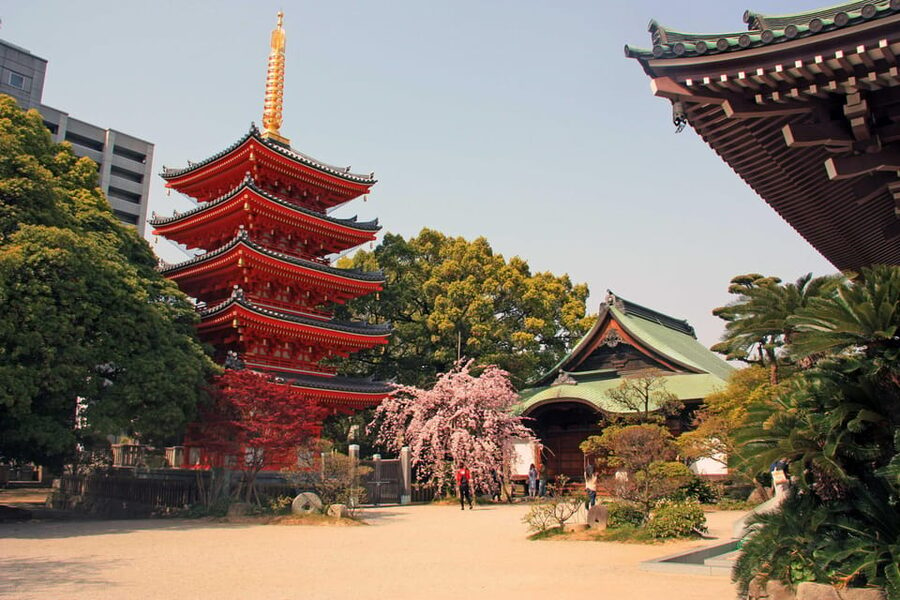
After roughly ten minutes on foot, you reach Shofukuji. This is the stop that gives the tour its strongest historical purpose. Shofukuji is recognized as the oldest Zen Buddhist temple in Kyushu, so the visit offers more than attractive roofs and peaceful paths.
The grounds provide a sharp change from Hakata Station. The city noise falls away, and the temple’s calm design gives you room to notice the relationship between buildings, gates, and open space. Your guide can explain why the temple matters and help place it within Fukuoka’s wider story.
I like this stop because it rewards patience. You do not need a long lecture to appreciate it, but a guide can point out details you might walk past alone. The experience is less about a single spectacular object and more about seeing how Zen temple spaces create a slower mood.
The name can sometimes appear as Shojukuji in tour descriptions, but the intended stop is Shofukuji. It is worth checking your meeting details if you want to avoid confusion.
Tochoji’s Giant Buddha and a Change of Mood
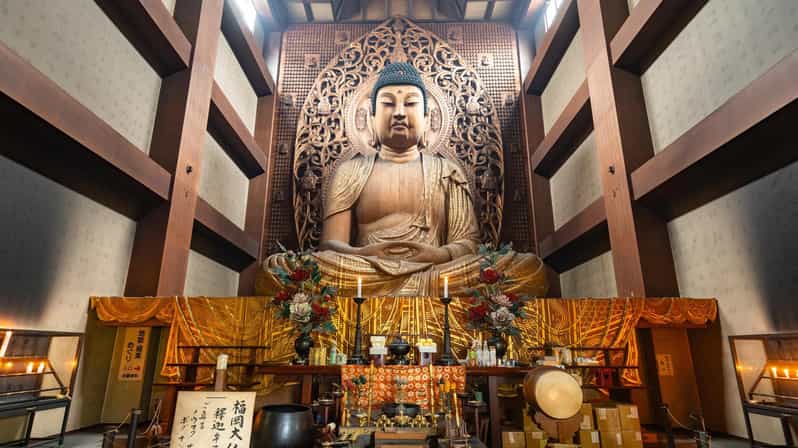
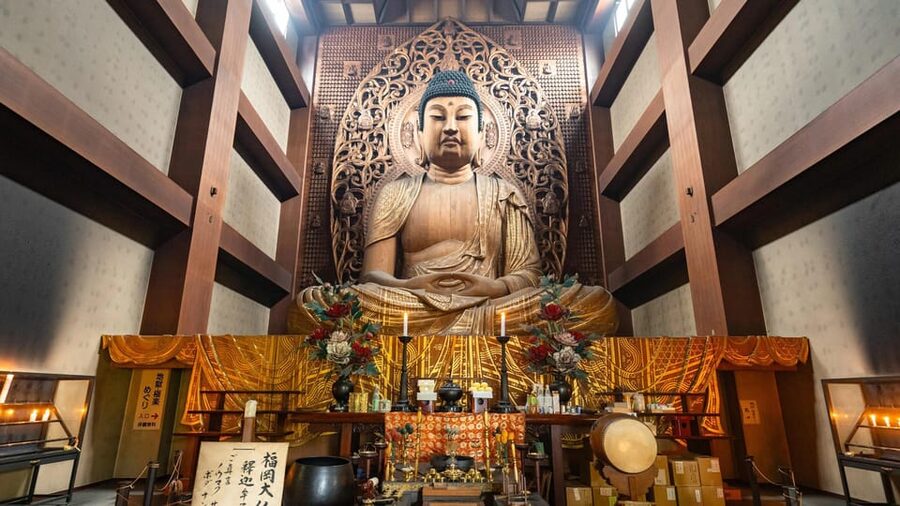
Tochoji Temple follows Shofukuji and gives the tour a different kind of temple experience. While Shofukuji is the stronger historical stop, Tochoji is known for its large Buddha statue. The scale creates an immediate visual impact, even if you have already visited several religious sites in Japan.
This pairing works well. At Shofukuji, you focus on setting and Zen tradition. At Tochoji, you get a more direct, memorable object. The guide can explain the difference instead of treating every temple as the same.
You should keep your expectations sensible. This is a walking introduction, not an extended temple study. The value comes from seeing two distinct places and hearing how they fit into Fukuoka and Kyushu. If you have little interest in religious architecture, the morning may feel temple-heavy before the route reaches the shopping street.
The order also helps the day. The quietest and most reflective stops come early, before the livelier parts of the city take over.
Kushida Jinja and Fukuoka’s Festival Life
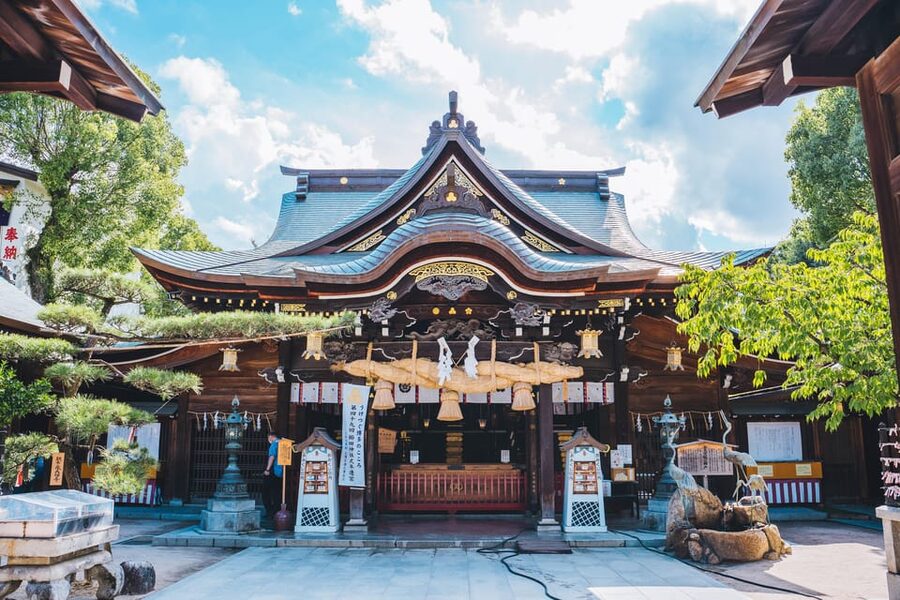
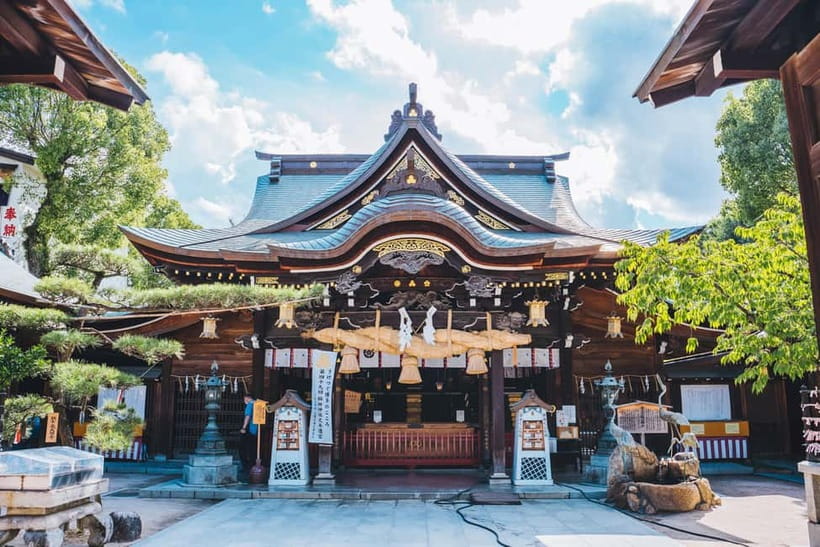
The route then moves to Kushida Jinja, Fukuoka’s main shrine. This is a key stop for understanding the city’s public traditions, especially the Hakata Gion Yamakasa festival, which is closely tied to the shrine.
You can expect a more active setting than at Shofukuji. The buildings have detailed decoration, and the shrine remains connected to local celebrations throughout the year. Your guide can explain what you are seeing and why the shrine matters to people who live in Hakata.
This is where the tour moves from religious sites as historic places to religious sites as part of present-day city life. That distinction is important. A shrine is not simply an old building to photograph. It can also be a center for festivals, community identity, and seasonal activity.
The guide’s role is especially valuable here because a self-guided visit may give you only a few minutes of quiet observation. With context, you can better understand the festival connection and the role Kushida Jinja plays in Fukuoka.
A completely different kind of day out:
- Shiraito Falls & Forest Cafe & Handmade Flower Salt Pudding & Grilled Seafood & Totoro Forest & Sakurai Futamigaura & Angel’s Wings & Coconut Tree Swing Day Tour (Departing from Hakata Station, with Mandarin, English, and Cantonese speaking guide)
★ 4.9 · 1,840 reviews - Fukuoka Tower Admission Ticket
★ 4.8 · 1,804 reviews - Uminonakamichi Marine World Admission Ticket in Fukuoka
★ 4.8 · 1,298 reviews - Mt. Aso & Takachiho Gorge Tour with Optional Boat Ride
★ 4.7 · 222 reviews
Fifteen Minutes at Kawabata Shopping Arcade
A short walk brings you to Kawabata Shopping Arcade, where you get about fifteen minutes of free time. This is the most flexible part of the route. You can look through the shops, sample something if you wish, or simply watch the everyday rhythm of the arcade.
The arcade is described as a traditional shopping street, with stores, food stalls, and local goods. It gives you a chance to see Fukuoka beyond temples and formal sights. The smells, shop displays, and passing customers make this a useful sensory break.
Fifteen minutes is enough for a quick look, but not enough for a serious shopping session. If you spot something you want to buy, you may need to make a quick choice. Food and drinks are not included, so carry payment and budget separately for snacks.
I like this stop because it leaves some room for your own curiosity. A private guide can suggest what to look at, but you are not required to stay in a tight group. If shopping is a priority, you could ask whether the tour can spend more time here, though that may shorten another stop.
Sumiyoshi Jinja: A Quieter Shrine in the City
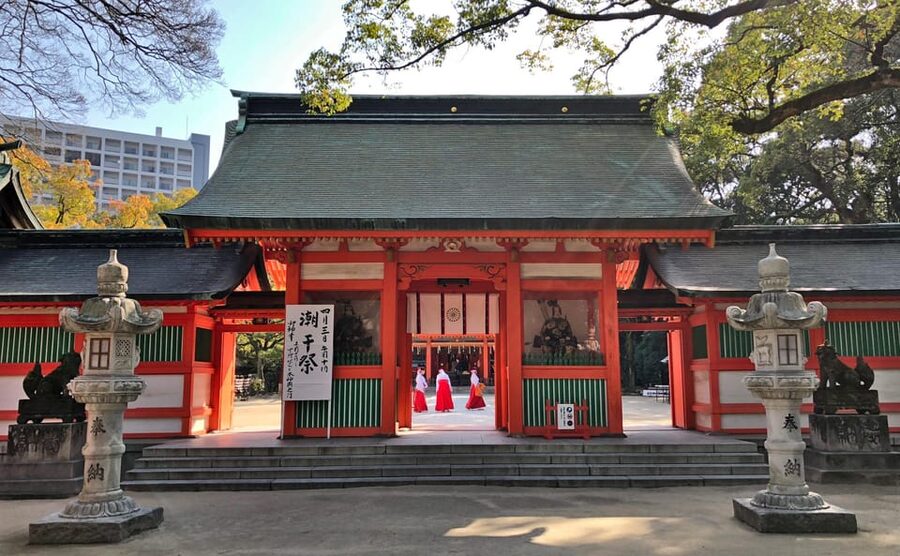
The walk to Sumiyoshi Jinja takes about fourteen minutes from Kawabata Arcade. This shrine offers another change of pace and another architectural style. Its design differs from many other shrines, making it a worthwhile comparison after Kushida Jinja.
Sumiyoshi Jinja also has a connection to the sea. That link gives the shrine a different character from the earlier temple and shrine stops. You can consider how Fukuoka’s identity has long been shaped by its position near the water and its role as a gateway in Kyushu.
The grounds provide a quiet pause within the urban setting. I would not expect a vast complex or an all-day attraction. The appeal is the combination of distinctive architecture, a calm setting, and a guide who can draw out the meaning behind what you see.
This stop will suit you if you enjoy comparing places rather than collecting famous sights. Kushida Jinja is tied to major public festivities, while Sumiyoshi Jinja offers a calmer visit and a different visual style.
Finishing at Hakata Station’s Rooftop
From Sumiyoshi Jinja, the route continues on foot for about thirteen minutes toward Hakata Station. You then finish with scenic views from the station rooftop, with the city spread around you and lights appearing as the day fades.
This is a smart ending. After walking through temple grounds, shrine courtyards, and a shopping arcade, you get a broad view that helps you understand how the parts of Fukuoka connect. It also gives you a natural place to take stock of the morning.
The rooftop view depends on the time of day and weather. At sunset, the changing light can make the finish especially attractive. If your tour begins or ends at another time, you will still get the city perspective, but you may not see the transition to evening lights.
Hakata Station is also a useful final location. You can continue shopping, find a meal, catch a train, or use the station as your next navigation point. The route returns to the CASETiFY store, so confirm with your guide whether the rooftop visit is the final sightseeing stop before returning to the meeting point.
What the Guides Add
The strongest feature of this experience is the human element. Radim is repeatedly described as friendly, easy to talk with, and good at explaining sights without burying you in facts. That matters on a route with several religious buildings, where too much information can make the stops blur together.
He has also adjusted tours to match different needs and walking speeds. One guest with a temporary physical impairment received a modified experience, and a family with a teenager found the pace engaging for everyone. You should still discuss mobility concerns in advance, since the standard format involves walking between stops.
The tour can also bend around personal interests. Guides have added local recommendations for restaurants, shopping, and other activities. One guest happened to visit during a summer festival at Hakata Station, showing that the route can connect with seasonal events when timing allows.
That flexibility is more valuable than a memorized speech. You can ask about modern Fukuoka, Kyushu, food, religious customs, festivals, or what to do after the tour. English is described as excellent, and Czech is also offered.
Walking, Timing, and Extra Costs
The core experience lasts about three hours, though the available booking duration may range from three to eight hours depending on the selected start time and arrangement. The stated route includes walks of about ten, fourteen, and thirteen minutes between several stops.
This is not a bus tour. You should wear comfortable shoes and be ready for a steady city walk. The pace can be adjusted in a private group, but the walking format remains central.
Transportation is not included. Other transport can be arranged for an added cost, and hotel pickup is available on request for central locations. Food, drinks, and attraction tickets are also separate, so the $58 price should be viewed as payment for the guide and private route rather than an all-inclusive day out.
The cancellation policy is helpful: you can cancel up to 24 hours ahead for a full refund. You can also reserve now and pay later, which gives you some flexibility while planning a Fukuoka stop.
Who Will Get the Most From It
I would choose this tour if you have only a short time in Fukuoka and want a clear introduction without spending hours researching routes. It is also a good first-day choice because it shows you several central areas and leaves you with ideas for what to explore afterward.
It suits you especially well if you:
- Want a private guide rather than a large group
- Enjoy temples, shrines, and local traditions
- Prefer walking to riding between every sight
- Want help understanding festival and cultural details
- Are visiting Fukuoka for the first time
- Need a flexible pace or personal recommendations
Families may appreciate the informal approach, especially if the guide keeps younger visitors involved. Couples and solo visitors can also benefit from the easy question-and-answer format.
I would hesitate if you want a food-focused tour, a long shopping session, or a tour built around major admission attractions. Food is not included, Kawabata Arcade receives only a short free period, and the listed stops are mainly public temples, shrines, streets, and a station rooftop.
Should You Book Fukuoka Essentials?
Book it if you want local orientation with real context, not just a checklist of photo stops. The route gives you a good spread: Kyushu’s oldest Zen temple, Tochoji’s huge Buddha, Fukuoka’s main shrine, a traditional arcade, a sea-linked shrine, and a rooftop view.
The best reason to book is the guide’s flexibility. Radim has been praised for his relaxed manner and ability to adjust the route, while other guides such as Louise and Vadim have also provided personal, engaging tours. The overall rating is 4.8 from 39 ratings, with repeated praise for the friendly approach, clear English, useful recommendations, and ability to match the pace to the group.
At $58 per person, I see solid value for a private three-hour introduction. Just remember that you pay extra for food, drinks, tickets, and transportation. If you are comfortable walking and want to understand Fukuoka rather than simply pass through it, this is a sensible choice.
FAQ
Where does the Fukuoka Essentials tour begin?
The standard meeting point is the CASETiFY STUDiO in Amu Plaza Hakata, right beside the main entrance and under the large clock.
Can I request a hotel pickup?
Yes. Hotel pickup is available on request for central locations.
How long does the experience last?
The included tour is described as a three-hour walking experience. Available booking durations range from three to eight hours, depending on the starting time and arrangement.
Which languages are available?
The tour is offered in English and Czech.
Is the tour private?
A private group option is available, and the experience is described as private and personalized.
Is transportation included?
No. The standard experience is on foot. Other transport can be arranged at an additional cost.
Are food, drinks, or attraction tickets included?
No. Food, drinks, and tickets to attractions are not included in the price.
Can I cancel for a full refund?
Yes. You can cancel up to 24 hours in advance for a full refund. You can also reserve now and pay later.
Just added in Fukuoka
- Treasures of Kyushu 7-Day Tour by Europamundo★ 5.0 · 1 review
- Kyushsu Half Island Express Tour (8 Days) by MW Tours★ 5.0 · 1 review
- teamLab Forest Fukuoka Ticket★ 4.7 · 1,925 reviews
- Fukuoka Nakasu River Cruise Ticket★ 4.6 · 164 reviews
- Shiraito Falls & Forest Cafe & Handmade Flower Salt Pudding & Grilled Seafood & Totoro Forest & Sakurai Futamigaura & Angel’s Wings & Coconut Tree Swing Day Tour (Departing from Hakata Station, with Mandarin, English, and Cantonese speaking guide)★ 4.9 · 1,840 reviews
- Uminonakamichi Marine World Admission Ticket in Fukuoka★ 4.8 · 1,298 reviews
- Fukuoka Tower Admission Ticket★ 4.8 · 1,804 reviews
- Kyushu One-Day Tour: Yufuin no Mori Train & Yufuin Town & Nyoirin-ji Temple & Dazaifu & Hell Hot Springs (Departing from Fukuoka)★ 4.9 · 4,474 reviews
Fukuoka Tours, compared.

Kyushu: Mount Aso, Kusasenri & Takachiho Gorge Day Tour (Optional Takachiho Boat Ride Experience)
Read our review →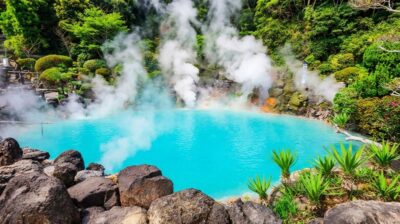
Kyushu One-Day Tour: Yufuin no Mori Train & Yufuin Town & Nyoirin-ji Temple & Dazaifu & Hell Hot Springs (Departing from Fukuoka)
Read our review →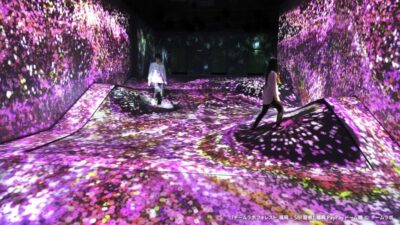
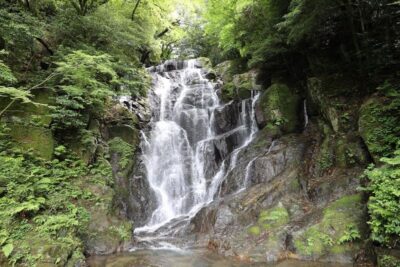
Shiraito Falls & Forest Cafe & Handmade Flower Salt Pudding & Grilled Seafood & Totoro Forest & Sakurai Futamigaura & Angel’s Wings & Coconut Tree Swing Day Tour (Departing from Hakata Station, with Mandarin, English, and Cantonese speaking guide)
Read our review →

Uminonakamichi Marine World Admission Ticket in Fukuoka
Read our review →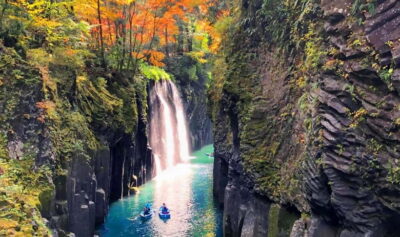
Mt. Aso & Takachiho Gorge Tour with Optional Boat Ride
Read our review →
Browse the lists this tour appears in