
Reviewed · DAY TRIPS
Fukushima Daiichi Nuclear Power Plant visit 2 day tour
Fukushima asks for your full attention. This two-day trip from Koriyama brings you to the Fukushima Daiichi Nuclear Power Plant, affected coastal towns, and people rebuilding their lives after March 11, 2011. I like the direct access to the plant with a Geiger counter and the chance to hear personal stories from local residents, not just a guide’s summary.
I also like the tour’s balance. It covers the earthquake, tsunami, nuclear accident, recovery work, and the views of groups connected to the response. Guides such as Yoko, Noriko, Fumi, and Fumie have been praised for clear explanations, humor, care, and strong organization. The main drawback is that the $579.82 price does not include travel from Tokyo to Koriyama, lunch, or some personal expenses.
This is not a light sightseeing trip. You will spend two full days thinking about loss, recovery, public safety, and difficult choices. The itinerary can change, the plant visit may happen on either day, and the tour requires long sleeves, long pants, socks, flat shoes, and official identification.
In This Review
- Key points to know before booking
- Why this Fukushima tour feels different
- Day one begins at Koriyama Station
- Ukedo Elementary School
- Memorial and education sites
- Local projects and community recovery
- Entering Fukushima Daiichi Nuclear Power Plant
- Hearing Fukushima through local voices
- Day two and the return to Koriyama
- What the $579.82 price really covers
- Who should book this experience
- Safety, respect, and practical limits
- Should you book the Fukushima Daiichi tour?
- FAQ
- Where does the Fukushima Daiichi Nuclear Power Plant tour start?
- Where does the tour end?
- Is transportation from Tokyo included?
- How long is the experience?
- Is the Fukushima Daiichi Nuclear Power Plant visit guaranteed on day one?
- Is lunch included?
- What identification do I need?
- What clothing is required for the plant visit?
- Can I take photographs or videos at the nuclear plant?
- How much radiation exposure is estimated during the plant visit?
- Is there a minimum age?
- How many people can join the tour?
Key points to know before booking
- You enter Fukushima Daiichi with a Geiger counter: The tour includes access to the nuclear plant area, with an estimated exposure of about 0.02 mSv during that part of the visit.
- Local voices are central: You may meet people who experienced the disaster and hear how it changed their homes, work, and daily lives.
- The two days cover more than the power plant: Coastal communities, schools, memorial sites, recovery projects, and local businesses help explain the wider story.
- The meeting point is Koriyama Station: You arrange your own transport from Tokyo to Koriyama and back.
- You need original ID and suitable clothing: A passport, driver’s license, or another accepted photo ID is required, along with covered skin and sturdy flat shoes.
- The tour needs six people to operate: With fewer than six bookings, the operator may cancel and give at least two weeks’ notice.
Why this Fukushima tour feels different
Many trips to Fukushima focus on food, scenery, or ordinary sightseeing. This one asks you to look closely at what happened on March 11, 2011, and what followed. The earthquake and tsunami caused enormous damage, while the accident at Fukushima Daiichi created a second crisis involving radiation, evacuation, public fear, and a long cleanup.
The power plant visit gives the trip unusual weight. You are not only looking at photographs or reading museum panels. You enter the plant under strict rules, show identification, follow instructions, and carry a Geiger counter as your guide explains the site.
That access does not turn the tour into an adventure ride. It is controlled, serious, and educational. Filming around the plant and in restricted areas is prohibited, and you may be removed from the group if you ignore instructions.
The human side matters just as much. Meetings with local residents help you understand that recovery is not an abstract government project. It affects homes, businesses, families, memories, and decisions about returning or starting again elsewhere.
More Day Trips in Japan:
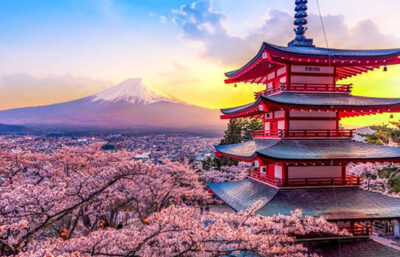
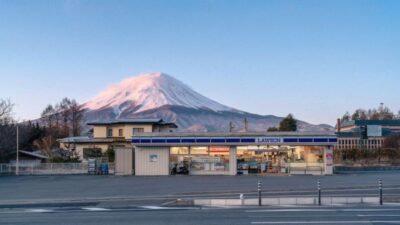
- Mt. Fuji Instagram-Worthy Spots Day Tour: Ladder Town, Oshino Hakkai, Lake Kawaguchi, Lawson Convenience Store (Departing from Tokyo Station or Shinjuku Station)
★ 4.8 · 35,467 reviews - 【Mount Fuji Magnificent Scenery Exploration Day Tour】Arakurayama Sengen Park & Kawaguchiko Oishi Park & Oshino Hakkai & INS Famous Lawson & Hikawa Clock Shop (Departing from Tokyo)
★ 4.9 · 12,075 reviews - [Kyoto & Nara Day Tour] Sagano Scenic Railway & Nara Park & Fushimi Inari Taisha Thousand Torii Gates & Togetsukyo Bridge & Bamboo Grove & Kimono Forest (Departing from Osaka)
★ 4.9 · 10,942 reviews
Day one begins at Koriyama Station
The tour starts at 10:00 a.m. at Koriyama Station in Fukushima Prefecture. You meet at the station area and board an air-conditioned vehicle for the coastal portion of the trip.
If you are coming from Tokyo, plan this connection carefully. The tour price excludes transportation to Koriyama and the return journey, so your real budget is higher than the advertised per-person price. The meeting point is near public transportation, but you still need to arrive on time with your luggage and required documents.
The first day is built around the Fukushima coast and the affected communities. The exact order depends on facility availability and the plant schedule. The nuclear plant visit can take place on day one or day two, so you should not expect a fixed sequence.
The guide provides explanations in English and Japanese. That matters here because the subject is technical and emotionally difficult. Good interpretation is not only about translating words. It helps you follow the connection between the earthquake, tsunami, plant accident, evacuation orders, and recovery work.
The trip may also include places such as Ukedo Elementary School, the Ranch of Hope, the Namie Town Flower Project, and the Great East Japan Earthquake and Nuclear Disaster Memorial Museum. These stops have appeared in the tour experience, but the operator warns that facilities and timing can change.
Ukedo Elementary School
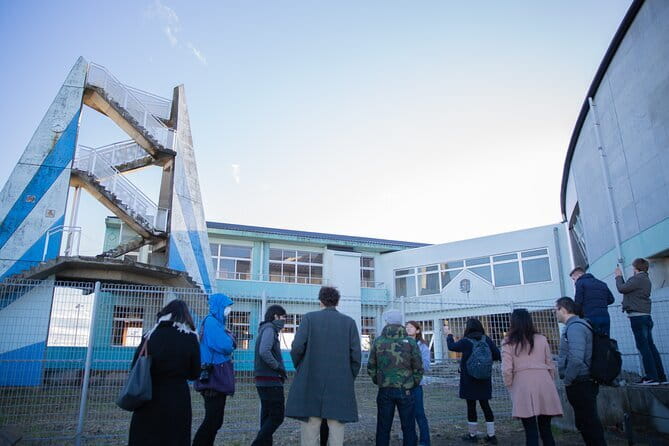
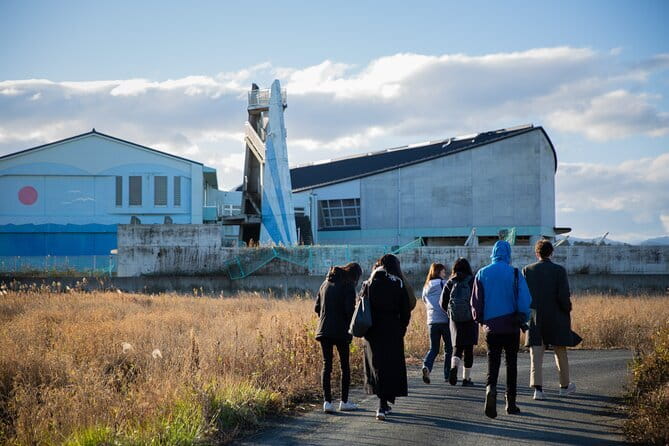
Ukedo Elementary School has been described as a highlight of the first day. A school is an especially powerful place to discuss the disaster because it brings the event down to a human scale. You can think about children, teachers, evacuation decisions, and the physical force of the tsunami without reducing the story to statistics.
The visit also helps separate the earthquake and tsunami damage from the nuclear accident. Fukushima’s story is not one single event. The tour’s strength is its effort to explain the different layers and how they affected the same communities.
Memorial and education sites
A memorial museum or similar educational center can help organize what you see outside. Instead of moving from one damaged or rebuilt place to another without context, you receive a clearer timeline and more background.
This part of the tour may feel less dramatic than entering the plant, but I consider it essential. The museum and memorial stops provide names, dates, records, and explanations that personal encounters alone cannot offer.
A completely different kind of day out:
- Tokyo Disney Resort – Tokyo Disneyland & Tokyo DisneySea Park Tickets
★ 4.8 · 99,488 reviews - Universal Studios Japan Studio Pass
★ 4.8 · 89,883 reviews - Universal Studios Japan Express Pass
★ 4.7 · 53,138 reviews - SHIBUYA SKY Ticket
★ 4.7 · 46,509 reviews
Local projects and community recovery
The Ranch of Hope and Namie Town Flower Project show different ways people have tried to move forward. The flower project, in particular, suggests how recovery can involve small, visible acts of care rather than only major construction or official programs.
You may also meet local people who lived through the disaster. Give these conversations your full attention. Ask thoughtful questions, avoid pressing for private details, and do not photograph anyone or their property without clear permission.
Entering Fukushima Daiichi Nuclear Power Plant
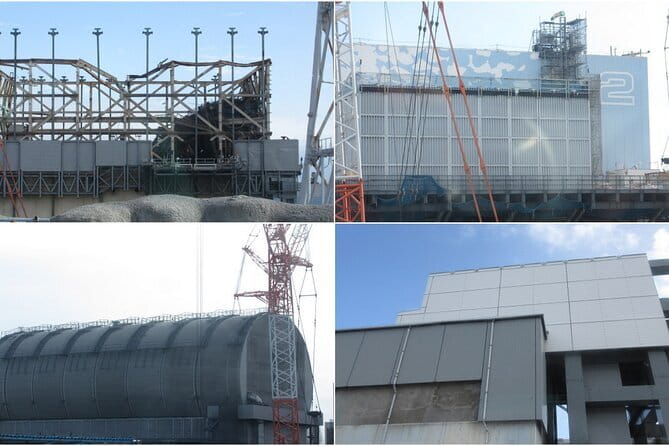
The plant visit is the tour’s rarest feature. Your guide accompanies you inside the Fukushima Daiichi Nuclear Power Plant area and uses a Geiger counter to measure radiation dose.
The estimated exposure for this portion is about 0.02 mSv. The operator gives this figure as a planning point, but you should still treat the visit as a controlled industrial and restricted-area experience. You must follow the guide’s instructions and wear clothing that covers your skin.
Bring all of the following:
- An original photo ID, not a copy
- Long sleeves, such as a shirt, jacket, or coat
- Long pants
- Socks covering your ankles
- Flat shoes, such as sneakers
- Personal items and cash for the two-day trip
Acceptable identification includes a driver’s license, passport, photo My Number card, photo Basic Resident Registration Card, Residence Card, or Special Permanent Resident Certificate. You must show your ID at entry, and the operator also asks you to send a copy after booking.
Sandals and high heels are prohibited for the plant visit. This is a practical rule, not a style suggestion. Wear comfortable shoes from the start because the days are busy and you may not have a chance to change.
Photography and filming around the plant and in restricted areas are prohibited. That rule can frustrate anyone hoping to document every moment, but it protects the site and keeps attention on the explanation rather than on collecting dramatic images.
The tour does not grant general permission to enter other restricted areas. Your access is limited to the Fukushima Daiichi visit arranged by the operator. That distinction is important. This is not a pass into the exclusion zone at large.
Hearing Fukushima through local voices
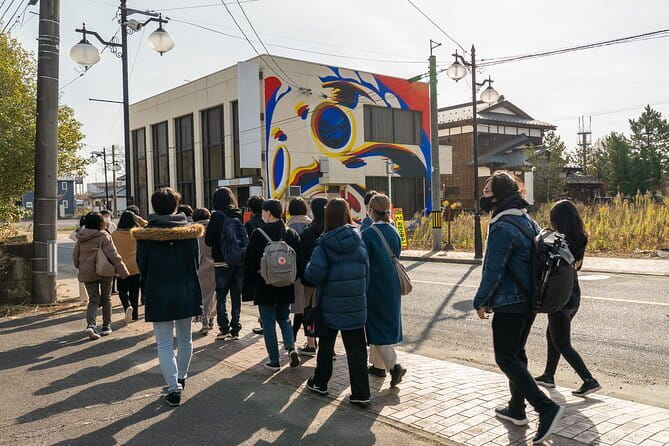
The personal meetings may be the most meaningful part of the two days. A guide can explain radiation readings and evacuation maps, but local people can describe what those changes felt like in ordinary life.
You may hear about lost homes, interrupted work, damaged communities, return decisions, or efforts to bring activity back to the coast. The experience becomes more useful when you listen without expecting a simple ending. Recovery is not a neat before-and-after story.
The operator asks you to respect privacy and speak sensitively about the disaster. Avoid photographing private property or residents without permission. Supporting local businesses, products, and services is another practical way to help the communities you visit.
The best guides keep the discussion balanced. Noriko has been praised for leading a thoughtful tour, while Fumi received strong marks for clear explanations and organization. Yoko has been noted for answering questions and helping connect the technical material with local experiences. Fumie has been praised for knowledge, humor, and passion.
Those names matter because the guide shapes the tone of the trip. A strong guide can explain TEPCO’s position, local activism, government recovery work, and community concerns without turning the day into a one-sided lecture.
Day two and the return to Koriyama
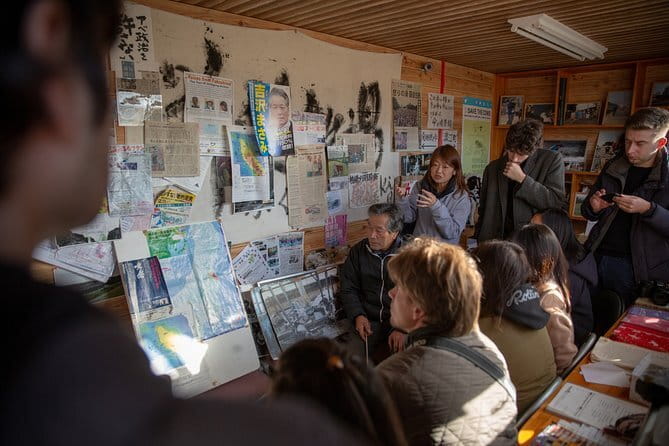
The second day continues through the Fukushima coast and may include the plant visit if it was not scheduled on day one. You should keep both days flexible. The itinerary depends on facility availability and the operating schedule at the nuclear plant.
The days are described as busy, with transportation between stops, meals, site visits, and discussions. Breakfast and dinner are included, as is accommodation. Lunch is not included, so carry money and be ready to purchase it separately.
Accommodation has been praised as good, and some departures have stayed at J-Village, a sports and community facility with an important connection to the area’s recovery. Do not assume every departure uses exactly the same lodging unless the operator confirms it.
The tour ends back at Koriyama Station East Exit Plaza. That makes the station both your starting and finishing point, but it does not include your onward transport. If you are heading to Tokyo, leave room in your plans for the return trip and any delay caused by the changing itinerary.
What the $579.82 price really covers
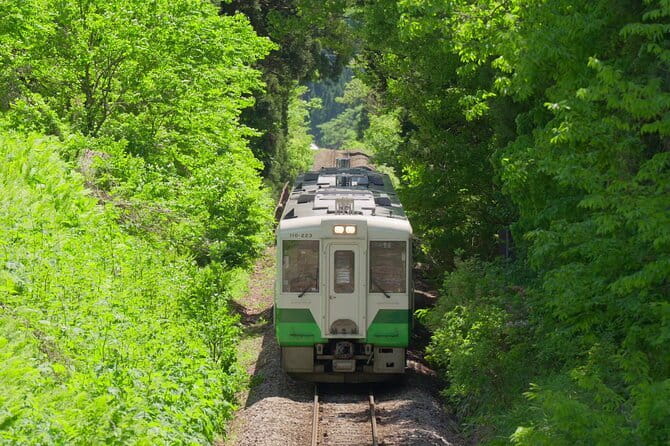
At $579.82 per person, this is an expensive two-day excursion. Still, the cost includes several items that would be difficult to arrange independently: an English and Japanese speaking guide, an air-conditioned vehicle, accommodation, breakfast, dinner, the plant access process, and the Geiger counter.
The price also buys structure. You are not simply paying for a ride to a difficult-to-access site. The guide connects the plant with schools, memorial centers, recovery projects, local voices, and the wider coastal story.
The value depends on your goal. If you want a cheap weekend away, this is the wrong choice. If you want a serious, guided understanding of Fukushima with access that is not easy to arrange alone, the cost is easier to justify.
Budget separately for transport from Tokyo to Koriyama, lunch, and personal spending. Since the tour starts at 10:00 a.m., check your rail plans carefully rather than assuming you can arrive at the last moment.
Who should book this experience
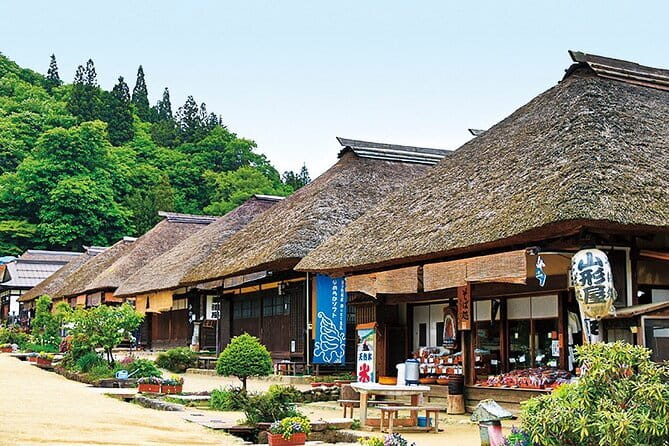
I would recommend this tour to adults who want context, not spectacle. It suits people interested in disaster recovery, nuclear energy, Japanese social history, environmental issues, public policy, and the human cost of large-scale emergencies.
You must be at least 20 years old. Most people can participate, but you should be comfortable with two active days, changing locations, covered clothing, strict safety rules, and emotionally serious subject matter.
This is also a good option if you want to meet local residents and support businesses in the affected region. The encounters are more respectful when you approach them as learning opportunities rather than as unusual photo stops.
I would think twice if you dislike fixed group schedules, cannot wear the required clothing, need guaranteed access to every planned stop, or want plenty of free time. A maximum of 20 people keeps the group manageable, but it is still a group tour.
Safety, respect, and practical limits
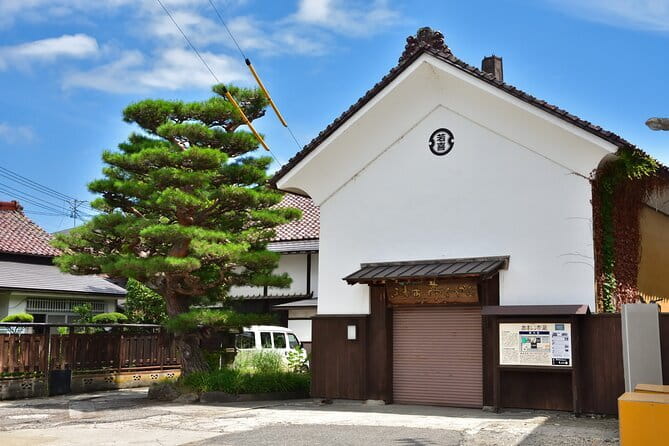
The tour provides a Geiger counter and gives an estimated radiation exposure for the plant visit. Those details may reassure you, but you still need to follow every instruction exactly.
The operator can change the itinerary based on availability. The plant visit may occur on either day, and other facilities may not be available at the expected time. Treat the schedule as a working plan rather than a promise of a precise order.
Please do not treat the affected towns as a film set. Ask before taking photographs of people, homes, or private property. Keep your questions thoughtful, and remember that residents may have lost family, homes, livelihoods, or a sense of place.
You can cancel for a full refund if you do so at least six full days before the start time. Cancellation two to six full days before departure receives a 50 percent refund, while cancellation less than two full days before the start time is nonrefundable. The cut-off uses local time.
The tour also needs at least six participants. If that minimum is not met, the operator may cancel and will notify you at least two weeks before the date, offering another option or a full refund.
Should you book the Fukushima Daiichi tour?
Book it if you want a careful, guided look at Fukushima that joins the nuclear plant with local stories, memorial sites, recovery projects, and hard questions about March 11, 2011. The strongest parts are the plant access, the local conversations, and guides such as Yoko, Noriko, Fumi, and Fumie who bring clarity and humanity to a difficult subject.
Do not book it expecting a casual sightseeing break or a guaranteed fixed itinerary. Add the Tokyo to Koriyama transport cost, prepare the required ID and clothing, and accept that the experience may be emotionally heavy.
For the right person, this is a worthwhile two days. It gives you more than a glimpse of Fukushima. It helps you understand why the region’s recovery remains an ongoing story.
FAQ
Where does the Fukushima Daiichi Nuclear Power Plant tour start?
It starts at Koriyama Station in Fukushima Prefecture, at the station meeting area. The listed start time is 10:00 a.m.
Where does the tour end?
The tour ends back at Koriyama Station, at the East Exit Plaza.
Is transportation from Tokyo included?
No. Transportation from Tokyo to Koriyama and back is not included in the tour price.
How long is the experience?
The tour lasts approximately two days and includes overnight accommodation.
Is the Fukushima Daiichi Nuclear Power Plant visit guaranteed on day one?
No. The plant visit may take place on day one or day two, depending on the schedule.
Is lunch included?
No. Breakfast and dinner are included, but lunch is not.
What identification do I need?
You need an original accepted photo ID, not a copy. Accepted documents include a passport, driver’s license, photo My Number card, photo Basic Resident Registration Card, Residence Card, or Special Permanent Resident Certificate.
What clothing is required for the plant visit?
You must wear long sleeves, long pants, socks covering your ankles, and flat shoes such as sneakers. Sandals and high heels are prohibited.
Can I take photographs or videos at the nuclear plant?
No. Filming around Fukushima Daiichi and in restricted areas is prohibited.
How much radiation exposure is estimated during the plant visit?
The operator estimates exposure of about 0.02 mSv during that part of the trip.
Is there a minimum age?
Yes. You must be at least 20 years old to participate.
How many people can join the tour?
The tour has a maximum of 20 participants. It may be canceled if fewer than six people book.
Just added in Japan
- A One-of-a-Kind Sushi Experience in a Special Place of Japan★ 5.0 · 15 reviews
- Tokyo Cute Bento Cooking Class – Make a Kawaii Character Lunchbox★ 5.0 · 126 reviews
- Japanese Home Cooking Class & Walk in Todoroki Temple Tokyo★ 5.0 · 88 reviews
- Japan Tokyo Tower Observatory Deck E-Ticket★ 4.0 · 34 reviews
- Catch a Baseball Game in Tokyo with a Local – Tickets Included★ 5.0 · 24 reviews
- JDM Experience with Fast&Furious RX-7 (English speaking Driver)★ 5.0 · 57 reviews
- Tokyo Private Day Tour by Car with English speaking Driver Guide★ 4.0 · 29 reviews
- Japan Classic 10 Day – One Life Adventures★ 5.0 · 129 reviews
Day Trips, compared.
![[Kyoto & Nara Day Tour] Sagano Scenic Railway & Nara Park & Fushimi Inari Taisha Thousand Torii Gates & Togetsukyo Bridge & Bamboo Grove & Kimono Forest (Departing from Osaka)](https://media.japanvisits.com/wp-content/uploads/kyoto-nara-day-tour-sagano-scenic-railway-nara-park-fushimi-inari-taisha-thousand-torii-gates-togetsukyo-bridge-bamboo-grove-kimono-forest-departing-from-osaka-k110001-400x257.jpg)
Kyoto Amanohashidate & Ine Funaya & Ine Bay Scenic Day Trip (Departing from Osaka or Kyoto)
Read our review →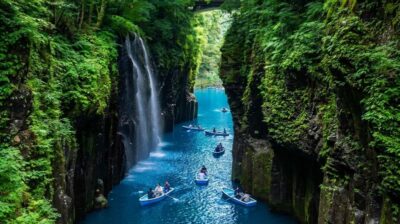
Kyushu: Mount Aso, Kusasenri & Takachiho Gorge Day Tour (Optional Takachiho Boat Ride Experience)
Read our review →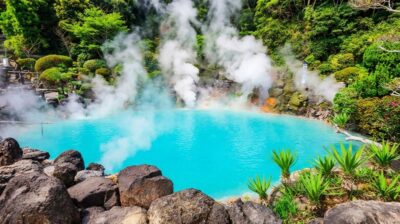
Kyushu One-Day Tour: Yufuin no Mori Train & Yufuin Town & Nyoirin-ji Temple & Dazaifu & Hell Hot Springs (Departing from Fukuoka)
Read our review →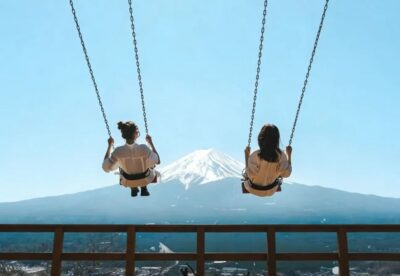
Browse the lists this tour appears in