
Reviewed · PRIVATE TOURS IN KANAZAWA
Kanazawa 6hr Private Tour with Government Licensed Guide
Kanazawa rewards curious walkers. This private six-hour tour gives you a local English-speaking guide, a choice of three or four sights, and room to shape the day around gardens, samurai streets, markets, temples, or art. I especially like the custom itinerary and the guide’s undivided attention. I also like that guides such as Yoshi, Yumiko, Keiko, Asa, and Tomoko have helped visitors connect the sights with food, crafts, architecture, and everyday Japanese culture.
The main catch is simple: this is a walking tour, not a private-vehicle tour. Transportation, entrance fees, lunch, and personal expenses are extra, and six hours is not enough to properly visit all eleven possible stops. You will need to choose carefully and be ready for a full day on your feet.
In This Review
- Key points to know before booking
- Why a private guide helps in Kanazawa
- Kenrokuen Garden and the old castle center
- Myoryuji Temple, the so-called Ninja Temple
- Higashi Chaya and Nishi Chaya districts
- Nagamachi and the samurai way of life
- Omicho Market for food and everyday Kanazawa
- D. T. Suzuki Museum and the 21st Century Museum
- Seisonkaku Villa and Oyama Shrine
- What six hours really allows
- Guide quality and the personal touch
- Is $155.22 per person a fair price?
- Who should book this Kanazawa tour?
- Should you book it?
- FAQ
- How long is the Kanazawa private tour?
- Is the tour private?
- How many places can I visit?
- Is hotel or cruise-terminal pickup included?
- Are entrance fees included?
- Is lunch included?
- What is the cancellation policy?
Key points to know before booking
- Choose three or four sights: The tour is designed around a focused selection, not a race through every attraction.
- Expect a walking day: Pickup means meeting your guide on foot within the designated Kanazawa area.
- Use the guide for local context: Past guests especially valued help with history, architecture, crafts, food, buses, and geisha culture.
- Plan paid admissions: Kenrokuen Garden, Myoryuji Temple, the museums, Seisonkaku Villa, and Kanazawa Castle may require entrance fees that are not included.
- Allow time for conversation: The private format works best when you ask questions and explain your interests before the tour begins.
- Consider the $155.22 price carefully: For a solo visitor, it is a serious expense. For a small private group, the personal attention can make better financial sense.
Why a private guide helps in Kanazawa
Kanazawa has several major sights spread across different historic areas. You can walk between some of them, but the city makes more sense when someone explains how the castle, samurai neighborhoods, gardens, merchant districts, and teahouses fit together.
The private setup is the strongest feature. You do not have to follow a fixed group pace or spend an hour at a place that does not interest you. If you care about Japanese gardens, your guide can give more time to Kenrokuen and Seisonkaku. If crafts and design matter more, you can focus on the 21st Century Museum, local architecture, and traditional districts.
The guides also add practical help. Yoshi was praised for making local bus rides part of the experience and helping with a future bus ticket. Another guide introduced a local lunch at the fish market, while Shoten adjusted a day around handicrafts, architecture, and local dishes. These details show where a private guide can be more useful than a standard sightseeing route.
Before the tour starts, tell your guide what you want from Kanazawa. Mention food, gardens, Buddhist thought, samurai culture, contemporary art, photography, or traditional crafts. The more specific you are, the more useful the six hours should become.
More Private Tours in Kanazawa
- Kanazawa Half Day Tour (Private Guide)
★ 5.0 · 361 reviews - Kanazawa Full Day Tour (Private Guide)
★ 5.0 · 323 reviews - 1 Day Private Charter Tour to Shirakawa-go & Takayama
★ 4.5 · 253 reviews
Kenrokuen Garden and the old castle center
Kenrokuen is the obvious first choice for many people. It is counted among Japan’s three most beautiful landscape gardens, along with Kairakuen in Mito and Korakuen in Okayama. The grounds are spacious, carefully arranged, and tied to the former Maeda rulers of Kaga.
Give this stop about an hour if you want a guided introduction rather than a long, slow garden visit. Your guide can point out design features and explain why the garden matters to Kanazawa. That context is valuable because a Japanese garden can look pleasing at first glance while its choices of water, trees, bridges, paths, and viewing points may not be clear to you.
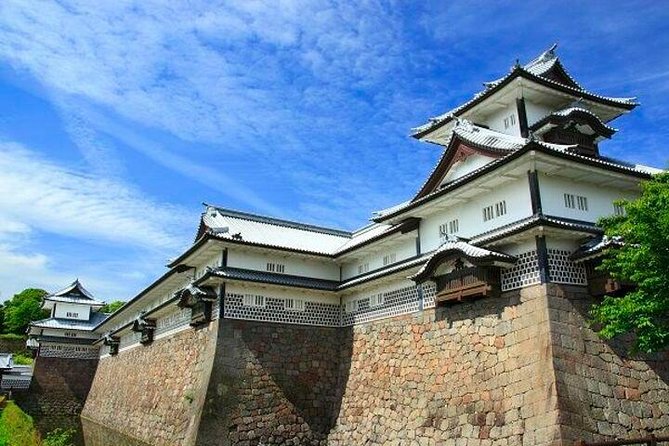
Kanazawa Castle is a natural partner for Kenrokuen. The castle served as the seat of the Maeda Clan from 1583 until the end of the Edo period. The Maeda domain ranked just below the Tokugawa possessions in power, which helps explain why Kanazawa developed such refined cultural traditions.
The drawback is time. Kenrokuen and Kanazawa Castle can each absorb an hour or more, and both may involve admission charges. If you choose them together, you have already used a large part of the tour, so adding distant districts may make the day feel hurried.
Myoryuji Temple, the so-called Ninja Temple
Myoryuji is better known as Ninjadera, or Ninja Temple, though it was not actually connected with ninja. The temple was built by the Maeda lords during the Edo period and is known for its unusual defensive design.
This is a good choice if you enjoy buildings with stories built into their structure. The name creates a misleading expectation, so a guide is useful here. You can learn what is fact and what is later nickname, rather than leaving with a cartoon version of the temple.
Myoryuji is listed as a one-hour stop, and its entrance fee is not included. You should also understand that choosing this temple means giving up time elsewhere. It is not the best match if your main goal is food, gardens, or contemporary art.
Higashi Chaya and Nishi Chaya districts
Kanazawa’s teahouse districts offer some of the city’s most distinctive streets. A chaya was an exclusive entertainment house where geisha performed music, dance, and other arts. During the Edo period, these establishments operated in designated districts, and Kanazawa still preserves three such areas.
Higashi Chaya is the more prominent choice in the suggested route. A guide can explain the role of geisha culture and help you read the district as more than a row of attractive wooden buildings. The cultural background is the real value here.
Nishi Chaya provides another option, especially if your interests lean toward historic neighborhoods and traditional entertainment districts. The Kanazawa City Nishi Chaya Museum is also included among the possible stops, though admission is not included.
These districts pair well with a guide who can discuss local customs and point out details you might otherwise pass without noticing. Yumiko helped one party understand geisha culture and arranged a chance to watch a geisha performance. That sort of cultural explanation is one of the tour’s clearest strengths, but a performance is not stated as a standard part of every booking, so do not assume it is included.
A completely different kind of day out:
- World Heritage Shirakawa-go and Experience Tours from Kanazawa
★ 5.0 · 4,049 reviews - Kanazawa: Kenrokuen Tea Ceremony Experience
★ 4.8 · 1,139 reviews - [One-day bus tour departing from Kanazawa Station] Shirakawa-go and Gokayama – Two World Heritage Villages Enjoyable Bus Tour
★ 5.0 · 253 reviews - World Heritage Shirakawa-go Perfect Guided Tour from Kanazawa
★ 5.0 · 220 reviews
Nagamachi and the samurai way of life
Nagamachi was the samurai district at the foot of Kanazawa Castle. Samurai families once lived here, and the area retains a historic atmosphere through its old residences and streets.
I would choose Nagamachi if you want a calmer look at how the ruling class lived away from the castle itself. The district also gives your guide a chance to explain social structure, domestic life, and the connection between the Maeda family and Kanazawa’s growth.
Nagamachi is listed as a free stop, which helps keep the total cost under control. You can spend an hour walking and listening without adding an admission charge. The tradeoff is that the experience depends heavily on your guide’s explanations. If you simply want major indoor attractions, another stop may offer more to do.
Omicho Market for food and everyday Kanazawa
Omicho Market has served as Kanazawa’s main fresh-food market since the Edo period. Today it contains about 200 shops across covered streets, making it a practical place to see local food culture in action.
This is one of the best choices for anyone who wants more than monuments. A guide can help you understand what you are seeing and may make lunch easier. One guide introduced a local meal at the fish market, and another day included Kanazawa oden, a regional dish that became a memorable part of the outing.
Food is not included, so budget separately for lunch and anything you buy. The market is also a place where time can disappear quickly. If you want a proper meal, shopping, and conversation, do not combine Omicho with too many far-flung sights.
For many people, I would choose Omicho over a second museum. It gives you a direct connection to the city’s daily life and provides a natural break during a long walking day.
D. T. Suzuki Museum and the 21st Century Museum
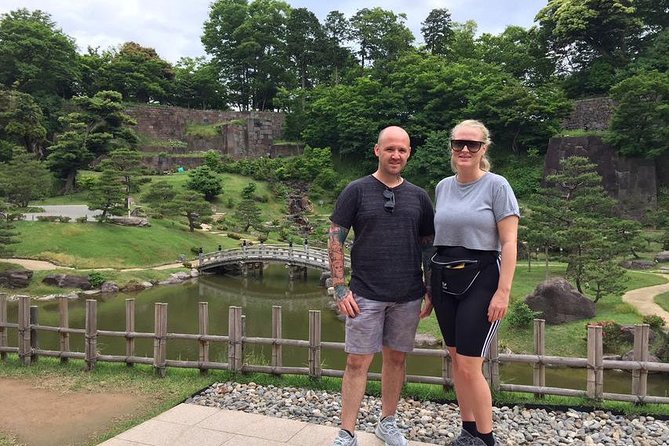
The D. T. Suzuki Museum honors Suzuki Daisetz Teitaro, a prominent Buddhist philosopher who lived from 1870 to 1966. It is a small museum rather than a large, all-day institution, and its focus is the life and work of one important thinker.
This stop suits you if you are interested in Buddhism, philosophy, quiet spaces, or modern Japanese ideas. It may not be the right use of an hour if you prefer markets, gardens, or historic homes. Admission is not included.
The 21st Century Museum of Contemporary Art opened in 2004 in central Kanazawa, only a short distance from Kenrokuen. It displays works by acclaimed contemporary artists and gives the day a sharp change of pace after older districts and traditional buildings.
I like this pairing because it shows Kanazawa as a city with both inherited traditions and modern cultural interests. The museum is also a sensible choice for families or art fans, though the admission cost is extra and the time available may be limited. If a particular exhibition matters to you, confirm its availability before building the whole tour around it.
Seisonkaku Villa and Oyama Shrine
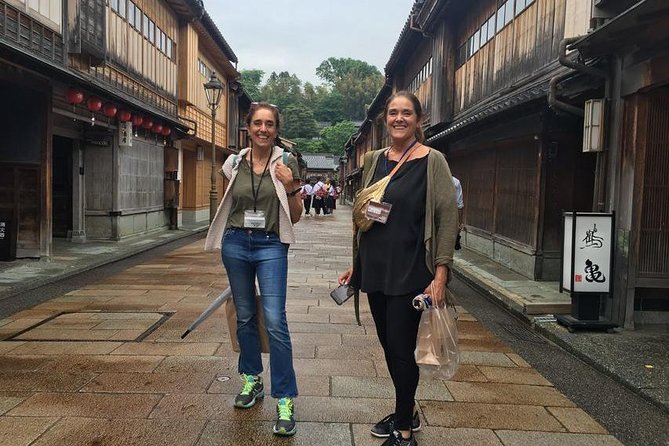
Seisonkaku Villa was built near the end of the Edo period by a Maeda lord for his mother. It is one of Japan’s remaining samurai villas and is known for its refined interiors and design.
This is a strong alternative to the larger, more famous sights. The villa can help you understand elite domestic life, not just military power. It should appeal to you if you notice rooms, materials, decorative details, and the way a building reflects its owner.
Oyama Shrine is dedicated to Maeda Toshiie, the first lord of the Maeda Clan. His successor, Maeda Toshinaga, built the shrine in 1599. The shrine offers another way into Kanazawa’s ruling history, this time through religious commemoration.
Both stops require careful time planning. Seisonkaku has an admission fee, while Oyama Shrine is free. They are worthwhile choices for repeat visitors or anyone who has already seen the main garden and castle.
What six hours really allows
The tour description presents eleven possible places, but the included plan is three or four sites. That distinction matters. You cannot give Kenrokuen, Omicho Market, Myoryuji, Higashi Chaya, the museums, Nagamachi, and the castle proper attention in one six-hour walking tour.
A sensible plan might be:
- Kenrokuen, Kanazawa Castle, and Omicho Market
- Kenrokuen, Higashi Chaya, and Myoryuji
- Nagamachi, Oyama Shrine, and the 21st Century Museum
- Omicho Market, Higashi Chaya, and one museum
These are planning examples, not fixed routes. Your guide can suggest a better combination based on your meeting point and interests. Keep the day realistic. Three well-explained places will usually be more satisfying than four rushed ones.
The tour does not include a private vehicle. Transportation fees are extra, and the meeting and pickup arrangement is on foot within the designated Kanazawa area. One positive feature of this setup is that public buses can become part of the local experience, as Yoshi helped one party do, but you should not expect door-to-door transport.
The walking requirement also makes footwear important. The supplied information does not give a mileage figure, so I would plan for a substantial day on foot, with pauses for food and rest.
Guide quality and the personal touch
The strongest pattern across the guide feedback is not simply factual explanation. It is patience, flexibility, and conversation.
Yumiko was praised for handling a group with different interests, waiting patiently during activities, and extending the day by at least thirty minutes to help the group see more. Keiko kept a family comfortable during intense heat and answered questions patiently. Tomoko was described as warm, fun, and deeply fond of her home city.
Asa met a group at the cruise terminal after a small timing hiccup, then helped the day run well. Shoten contacted a group before arrival to ask about interests, which is exactly the kind of preparation you should welcome from a private guide.
English ability can vary by guide, but the available feedback specifically praises conversational English and clear communication from guides including Yumiko and Tomoko. You are not guaranteed a particular guide unless the booking confirms one, so it is sensible to share your interests and any mobility or timing concerns in advance.
Is $155.22 per person a fair price?
At $155.22 per person, this is not a cheap way to sightsee. You still pay for admissions, transport, lunch, and personal purchases, and there is no private vehicle.
The value improves when you are part of a small group. A private guide who adjusts the route, answers your questions, helps with buses, explains food, and saves you from logistical mistakes can justify the cost for a first visit or a short stay. Group discounts may also be available.
For a solo visitor who is comfortable researching Kanazawa and using public transport, the price may feel high. For a family, couple, or group with mixed interests, the cost buys time and attention rather than a simple transfer between landmarks.
The 4.9 rating from 52 ratings and a 100 percent recommendation rate suggest a strong record, but you should still book for the format, not just the score. The tour works best when you want a human guide and a flexible day. It is less suitable if you prefer a low-cost, fixed sightseeing bus.
Who should book this Kanazawa tour?
I would recommend it most strongly if you:
- Have only one day in Kanazawa
- Want to combine major sights with local food or neighborhood culture
- Prefer asking questions rather than reading signs alone
- Have a family or small group with different interests
- Want help using local buses
- Care about gardens, samurai culture, geisha traditions, crafts, architecture, or Japanese history
You may want another option if you dislike walking, need a private car, want to visit every attraction listed, or are trying to keep daily costs low. The tour also requires you to make choices. That is its advantage, but it means you should not arrive without a rough idea of what matters most.
Free cancellation is available when you cancel at least 24 hours before the start time. Later cancellations and changes are not accepted for a refund. Service animals are allowed, the tour is near public transportation, and most people can participate, but the walking format remains the key practical issue.
Should you book it?
Book this tour if you want Kanazawa explained by a local guide and you value a day built around your interests. I would prioritize Kenrokuen, one historic district, and Omicho Market for a first visit, then ask your guide to adjust the route around food, art, or crafts.
Skip it if you are happy exploring independently or need a vehicle. At this price, the tour earns its keep through personal attention, local explanations, and practical help, not through the number of attractions checked off. Used that way, it can give you a much clearer feel for Kanazawa in a single day.
FAQ
How long is the Kanazawa private tour?
The tour lasts approximately six hours.
Is the tour private?
Yes. Only your group participates, and the guide’s attention is dedicated to your party.
How many places can I visit?
The customizable tour includes your choice of three or four sites from the possible attractions.
Is hotel or cruise-terminal pickup included?
Meetup is provided on foot within the designated area of Kanazawa. One guide has met a group at the cruise terminal, but the tour does not include a private vehicle.
Are entrance fees included?
No. Entrance fees are generally not included. The guide’s entry fees are covered only for sights listed under the included expectations.
Is lunch included?
No. Lunch and personal expenses are extra. Omicho Market can be included as a stop, and guides may help you choose a local meal.
What is the cancellation policy?
You can cancel at least 24 hours before the start time for a full refund. Cancellations or changes made less than 24 hours before the start time are not refunded or accepted.
Just added in Kanazawa
- Taste of Kanazawa (Food tasting in Omicho Market & Higashi Chaya)★ 5.0 · 58 reviews
- Shirakawago & Kanazawa from Kanazawa★ 5.0 · 51 reviews
- Takayama and Shirakawago/Photoshoot by professional photographer★ 5.0 · 67 reviews
- Kanazawa: Sushi & Japanese Cooking Class at a Historic School★ 5.0 · 66 reviews
- Private Tour of Shirakawago from Kanazawa (Half Day)★ 5.0 · 24 reviews
- Kanazawa private 1 day/Photoshoot by professional photographer★ 5.0 · 33 reviews
- Private Tour of Shirakawago and Gokayama from Kanazawa★ 5.0 · 50 reviews
- Kanazawa private half day/Photoshoot by professional photographer★ 5.0 · 38 reviews
Private Tours in Kanazawa, compared.
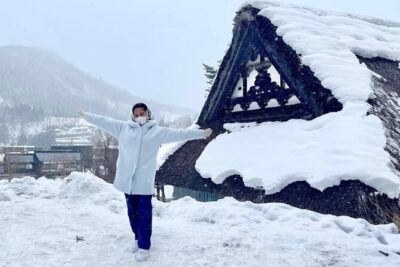
1 Day Private Charter Tour to Shirakawa-go & Takayama
Read our review →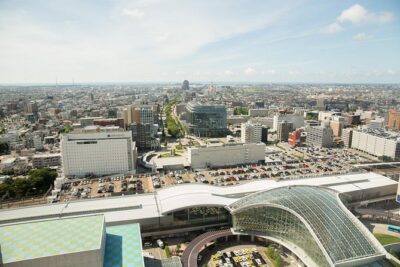

Kanazawa Private Tour with a Local – Highlights & Hidden Gems
Read our review →
Private Tour Kanazawa, Shirakawago, Hida Furukawa,Takayama
Read our review →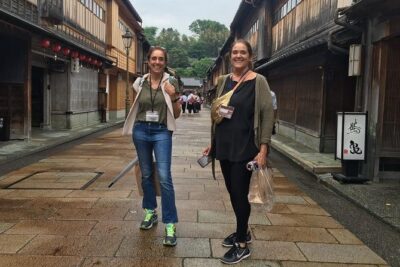
Kanazawa 4hr Private Tour with Government Licensed Guide
Read our review →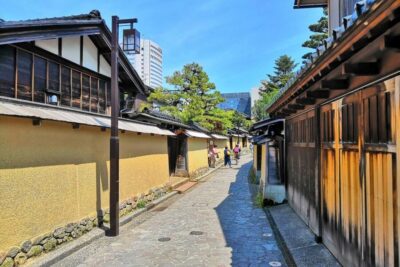
Browse the lists this tour appears in