
Reviewed · 6-DAY EXPERIENCES
South Japan Express 6-Day Tour by Europamundo Review
A six-day route from Osaka to Kobe packs western Japan’s big contrasts into one trip: a feudal castle, a garden designed for strolling, Hiroshima’s Peace Memorial Park, the island shrine at Miyajima, and Shikoku’s temples and sea bridges. You’ll change hotels each night, but the coach, guide and planned visits take much of the transport puzzle off your hands.
I like the way the tour pairs famous sights with places that are harder to connect on your own, especially the ferry crossing from Hiroshima to Matsuyama and the Naruto bridge’s glass-floor viewpoint. I also like that key admissions, breakfast and several lunches are included, so the headline price covers more than just a seat on a bus.
The trade-off is the pace. You cover a lot of ground, sometimes with several stops in a day, and some time will go to getting from one place to the next. If you want long museum visits, unhurried meals or a few nights in each city, this is not that kind of trip.
In This Review
- At a glance
- Why this route works best as a guided tour
- Day 1: Osaka, an easy arrival before the early start
- Day 2: Himeji Castle and Okayama’s garden
- Day 3: Kurashiki, Hiroshima and Itsukushima
- Day 4: Ferry to Matsuyama, then castle, temple and bathhouse
- Day 5: Kotohira’s steps, Ritsurin Garden and Naruto’s whirlpools
- Day 6: Kobe’s earthquake story and back to Osaka
- What the price includes, and what it does not
- Who will get the most from this six-day trip
- Should you book the South Japan Express?
- FAQ
- Where does the tour start and end?
- How long is the tour?
- Is an arrival transfer included?
- Is the airport transfer at the end included?
- What meals are included?
- Are the main attraction admissions included?
- How many people can be on the tour?
- Is the tour guided in English?
- How physically demanding is the tour?
- Are flights included in the tour price?
At a glance
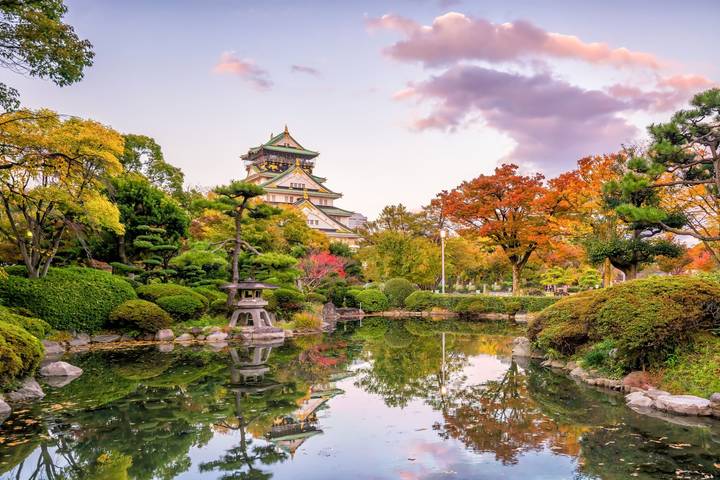
- Himeji Castle and Korakuen Garden: Explore a major castle complex, then walk among the lakes, waterfalls and teahouses of Okayama’s celebrated garden.
- Hiroshima and Miyajima: Visit the Peace Memorial Park and museum, then take a ferry to Itsukushima Island for its shrine and famous Great Torii Gate.
- A ferry to Shikoku: The crossing to Matsuyama adds a useful glimpse of Japan’s island geography before a castle, temple and traditional bathhouse visit.
- A memorable Naruto viewpoint: Walk across a glass-floor section of the bridge, 45 metres above the sea and its whirlpools.
- Practical inclusions: Five hotel nights, breakfast, four listed lunches and one dinner, key admissions, a guide, coach transport and an arrival transfer are included.
- A full schedule: Group size can reach 72, and the route involves daily moves. Expect an overview, not a slow stay in any one destination.
Why this route works best as a guided tour
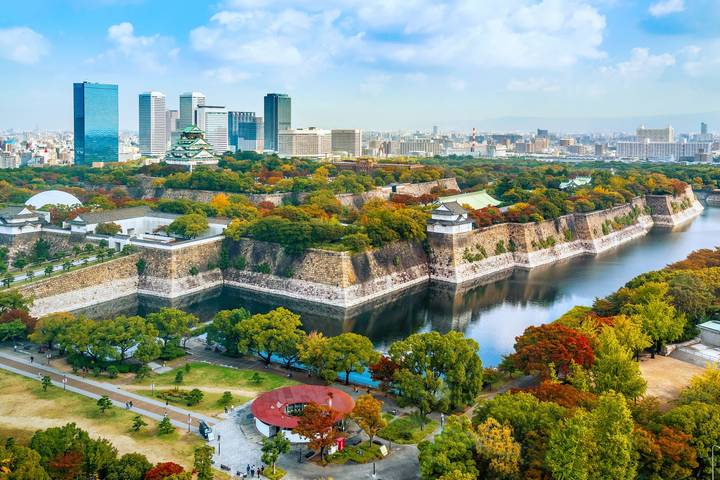
The South Japan Express links Osaka with destinations across Honshu and Shikoku, ending back in Osaka via Kobe. The appeal is not simply ticking off well-known sights. It is the way the route connects places that would otherwise take planning: Himeji and Okayama, Hiroshima and Miyajima, then Matsuyama, Kotohira, Takamatsu and Naruto.
A coach and guide remove much of the work of coordinating ferries, intercity travel, hotel changes and attraction entry. You also get an English-speaking guide for the tour, though the operator notes that some departures may use bilingual English and Spanish guiding. Group size ranges from 2 to 72, so the feel of the trip can vary considerably with the departure.
Guides named by past groups include Pablo, David, Paco, Francesc and Erika. Names are not guaranteed, and the guide may change during the tour. The positive pattern is that guides have often been praised for keeping the trip entertaining and explaining the places visited. One caution: an English-speaking guide does not always mean every explanation will be equally detailed in English if the group is bilingual.
A few more options to weigh up in Osaka
- Universal Studios Japan Studio Pass
★ 4.8 · 89,883 reviews - Universal Studios Japan Express Pass
★ 4.7 · 53,138 reviews - Osaka Amazing Pass
★ 4.7 · 21,697 reviews
Day 1: Osaka, an easy arrival before the early start
An arrival transfer takes you to your Osaka hotel, listed as Candeo Osaka Namba. The rest of the day is free, followed by an afternoon briefing about the tour. That first evening is useful for settling in, sorting out any travel essentials and getting a meal before the route begins.
The tour includes the arrival transfer, but flights are separate. The final transfer to the airport is not included either, so plan your last night and onward transport around your flight time. On the final day, your guide can recommend public transport options from Osaka.
Day 2: Himeji Castle and Okayama’s garden
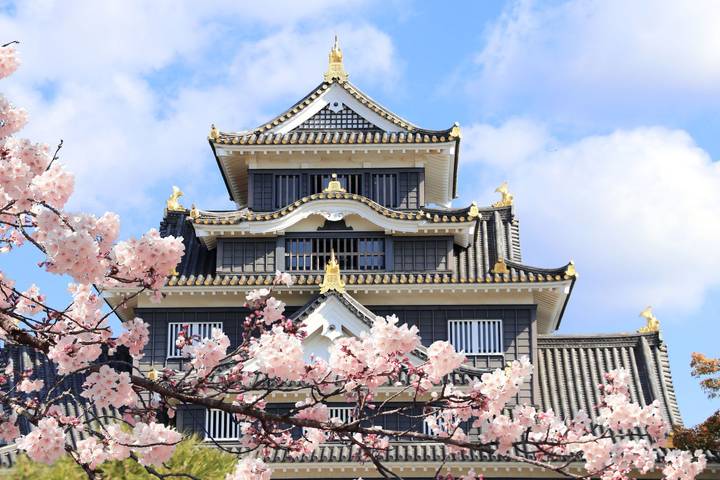
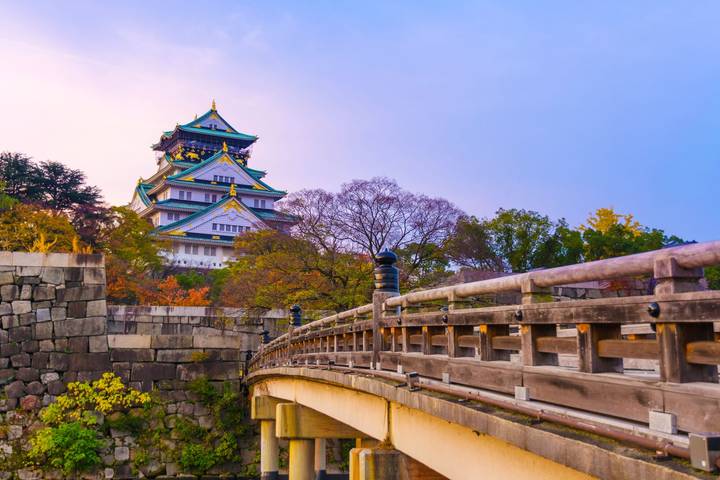
Himeji Castle is one of the trip’s architectural highlights. Admission to the castle complex is included, giving you a closer look at the scale and layout of a Japanese castle rather than a quick photo stop outside. After lunch at a local restaurant, you continue to Okayama and Korakuen Garden.
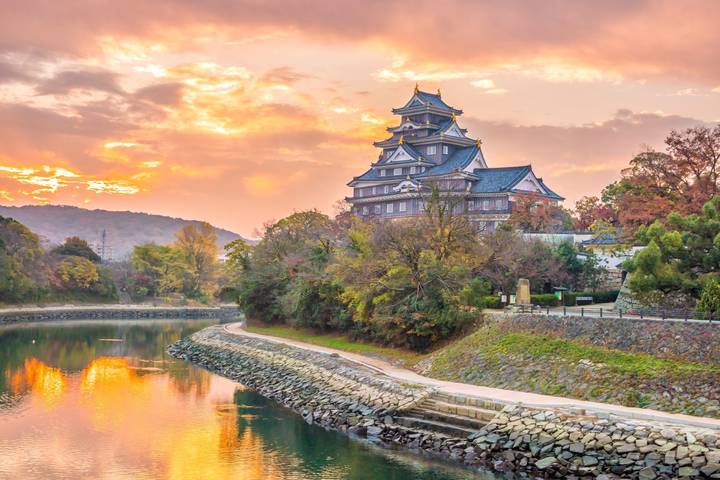
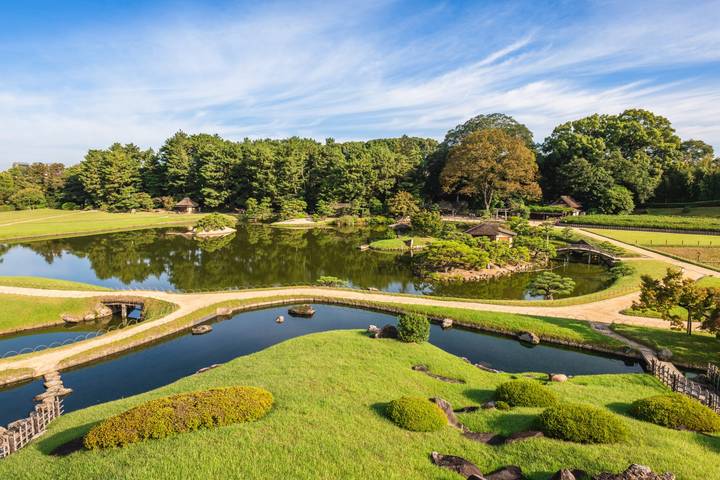
Korakuen is built for a slower walk. Its lakes, waterfalls and traditional teahouses offer a change of pace after the castle visit, and the path across a pedestrian bridge gives you a view of Okayama Castle. The castle was rebuilt in 1966 after wartime destruction, but entry is not included. You can use free time in Okayama to explore the city, though the time available will depend on the day’s schedule.
The usual overnight is at Ana Crowne Plaza Okayama. On some dates, the tour may stay in Fukuyama or Kurashiki instead, and the Kurashiki visit may shift to this afternoon. That variation is worth checking if a particular overnight location matters to you.
Day 3: Kurashiki, Hiroshima and Itsukushima
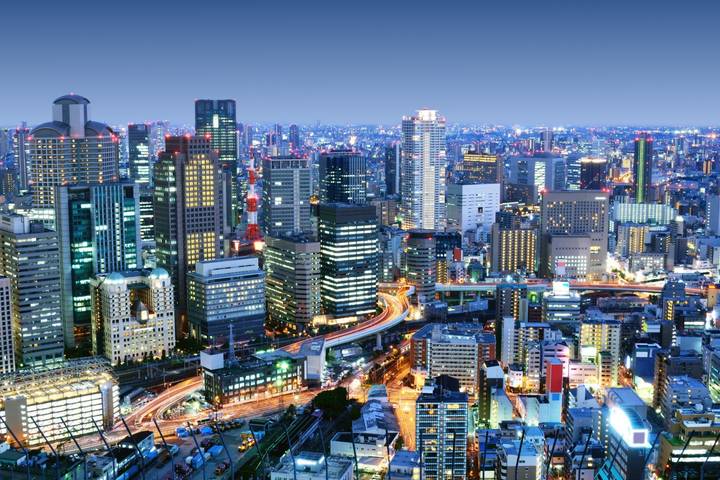
Kurashiki’s historic center gives you time to walk among old buildings and canals. It is a pleasant change from the coach and a good place to notice the character of a smaller city. The visit is described as a leisurely stroll, but it is still one stop within a day that also includes Hiroshima and Miyajima.
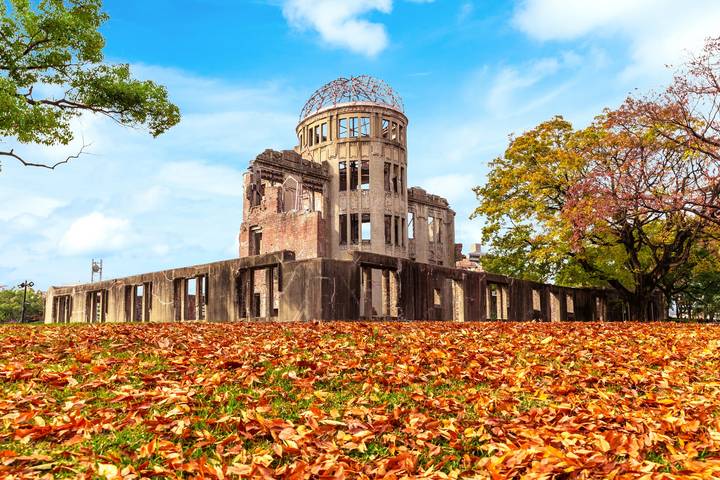
In Hiroshima, you visit Peace Memorial Park, the Atomic Bomb Dome and the Peace Memorial Museum, with museum admission included. This is the trip’s most emotionally demanding stop. Allow yourself to take in the exhibits at your own pace where possible; the schedule may not leave as much museum time as you would choose on an independent visit. The order of Hiroshima visits may vary.
Later, a ferry takes you to Itsukushima Island, where you walk to the Great Torii Gate and have the chance to visit Itsukushima Shrine. Shrine admission is included, while lunch on the island is at your own expense. You return to Hiroshima for a hotel dinner and a night at the Hilton Hiroshima.
This day brings together very different kinds of memory and place: the cost of war, a working city’s present life, and an island shrine setting. It is a lot to absorb in one day. If you especially want a long visit to the museum or time to explore Miyajima beyond the shrine area, you may find the pace restrictive.
A completely different kind of day out:
- Osaka Aquarium Kaiyukan Ticket
★ 4.8 · 14,894 reviews - Osaka Castle Ticket
★ 4.7 · 12,450 reviews - Umeda Sky Building & Kuchu Teien Observatory Ticket in Osaka
★ 4.7 · 10,062 reviews - HARUKAS 300 Observatory Ticket
★ 4.8 · 9,924 reviews
Day 4: Ferry to Matsuyama, then castle, temple and bathhouse
The crossing from Hiroshima to Matsuyama takes about two and a half hours. It is a substantial part of the day, but also a welcome chance to see how much of Japan’s travel and geography is shaped by water and islands.
In Matsuyama, a cable car takes you up to the castle. You then visit Ishiteji, a Buddhist temple and pilgrimage site, before a lunch included at a local restaurant. Admission to Dogo Onsen is also included. The bathhouse dates to the 19th century and offers a look at a longstanding part of Japanese bathing culture. The specific bathing arrangements are not detailed, so ask your guide what your entry covers.
The overnight is listed at Ana Crowne Plaza Matsuyama. The day combines a ferry, several cultural stops and a hotel move, but it is less about covering a long list of separate cities than the following day.
Day 5: Kotohira’s steps, Ritsurin Garden and Naruto’s whirlpools
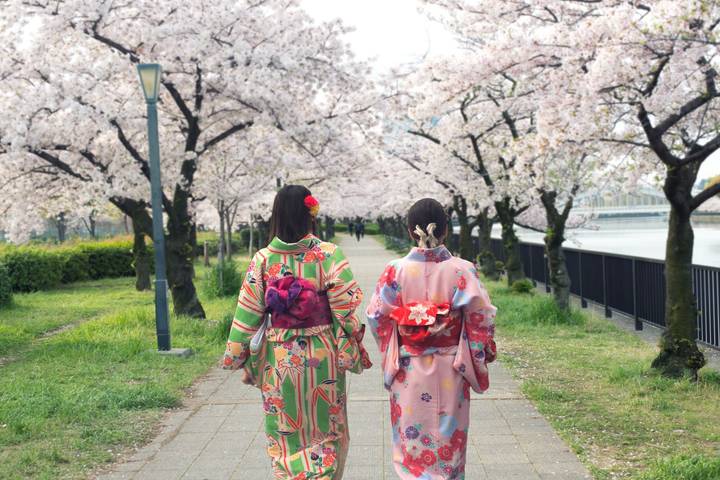
This is the route’s busiest day. From Matsuyama, the coach heads to Kotohira, where a Shinto shrine on Mount Zosu is dedicated to the god of sailors. Reaching the shrine involves climbing 785 steps. The tour is described as low intensity, but that climb is a real physical effort. Wear shoes you can comfortably walk in, and be honest with yourself about stairs before booking.
Next comes Ritsurin Garden in Takamatsu, with admission and lunch included. The garden is another chance to slow your pace and enjoy a carefully planned setting before the route continues east. In Naruto, you walk across a glass-floor section of the bridge, 45 metres above the sea, to view the whirlpools below. The sight depends on natural conditions, but the elevated view and the bridge itself make this a distinctive stop.
The coach then crosses bridges linking islands over the sea before reaching Kobe. You will have seen several very different sides of Shikoku by the time you arrive, but the day leaves limited room for lingering. The overnight is listed at Kobe Meriken Park Oriental Hotel.
Day 6: Kobe’s earthquake story and back to Osaka
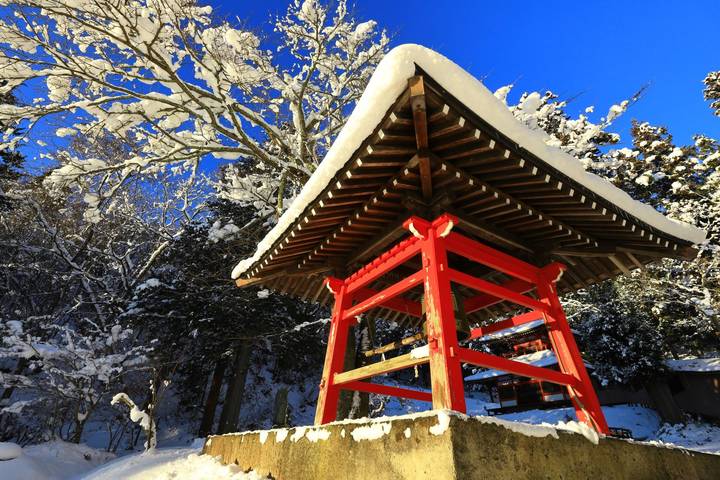
In Kobe, the planned visit is the Earthquake Memorial Museum, which recalls the devastating 1995 earthquake and the city’s reconstruction. On certain dates, this visit may be replaced by the Sake Museum or a trip up Kobe Tower, so the exact final stop can vary.
The coach continues to Osaka, where the tour ends. Breakfast is included, but there is no departure transfer. If you have an early flight or need extra time to reach the airport, consider booking another night rather than squeezing an uncertain journey into your departure day.
What the price includes, and what it does not
The advertised price starts at $1,702, based on the cheapest room option. The value depends on how much you would otherwise spend arranging transport and accommodation across six days. The package includes five hotel nights, daily breakfast, coach travel, the arrival transfer, a guide, basic travel insurance and admissions to the listed major attractions.
Three lunches are specifically included in Himeji, Matsuyama and Takamatsu, along with one dinner in Hiroshima. The day in Miyajima includes time for lunch, but you pay for it yourself. Flights, optional entry to Okayama Castle and the final airport transfer are not included. Drinks and other unlisted meals are also not specified as included.
The hotels are four-star properties, with named stays including Candeo Osaka Namba, Ana Crowne Plaza Okayama, Hilton Hiroshima, Ana Crowne Plaza Matsuyama and Kobe Meriken Park Oriental Hotel. The operator notes that hotel locations may be outside city centers, though public transport is nearby. Room sizes and standards can vary, so the four-star label is a useful guide, not a promise of identical rooms in every city.
Food needs special attention. The included meals may be convenient, but people with allergies, vegetarian diets or other restrictions should contact the operator in advance and confirm arrangements directly. Japanese dishes can contain ingredients that are not obvious from a menu, and past participants with dietary needs have found guide support inconsistent. Carry a translation card and have backup meal options in mind rather than relying on the group meals alone.
Who will get the most from this six-day trip
This tour suits you if you want a broad first look at western and southern Japan without arranging each connection yourself. It is especially practical if you value included admissions, guided context and a route that combines major landmarks with smaller stops such as Kurashiki and Kotohira.
It is less suitable if you want to spend a full day in Hiroshima, travel at your own pace, or choose every meal and stop. There is frequent packing and changing hotels, and the group may be large. Though the tour’s physical rating is low, the shrine climb in Kotohira and the walking at castles, gardens and temples call for comfortable shoes and reasonable stamina.
The 4.6 out of 5 overall rating, based on 28 tour ratings, is strong, with especially high category scores for transport, guiding and accommodation. Food and operator ratings are lower by comparison. That lines up with the practical picture: transport and guide coordination are central strengths, while meal flexibility and the delivery of a busy, potentially bilingual schedule deserve closer thought.
Should you book the South Japan Express?
Book it if your priority is seeing a wide sweep of Japan in six days, with transport, hotels and many admissions taken care of. Himeji, Hiroshima, Miyajima, Matsuyama and Naruto make a satisfying route, and the ferry crossings and island bridges add more than a string of city visits.
Look elsewhere if you prefer independent travel, have strict dietary needs that have not been confirmed in writing, or want generous time at museums and shrines. Before paying, verify your departure’s hotel plan, language arrangements and meal accommodations. If those details work for you, this is a useful, full itinerary that trades free time for reach.
FAQ
Where does the tour start and end?
The tour starts in Osaka and ends in Osaka after a visit to Kobe.
How long is the tour?
The tour lasts six days, with five hotel nights listed.
Is an arrival transfer included?
Yes. An arrival transfer to the hotel is included.
Is the airport transfer at the end included?
No. The final transfer to the airport is not included. Your guide can recommend public transport options.
What meals are included?
Breakfast is included each day. Three lunches are included in Himeji, Matsuyama and Takamatsu, plus one dinner in Hiroshima.
Are the main attraction admissions included?
Admissions listed include Himeji Castle, Korakuen Garden, Itsukushima Shrine, Hiroshima Peace Memorial Museum, Dogo Onsen, Ishiteji Temple, the Kotohira shrine, Ritsurin Garden, the Naruto bridge glass-floor visit and the Kobe Earthquake Memorial Museum. Okayama Castle entry is optional and not included.
How many people can be on the tour?
The stated group size ranges from 2 to 72 people.
Is the tour guided in English?
The tour is guided in English. The operator notes that some departures may use bilingual English and Spanish guiding.
How physically demanding is the tour?
It is rated low intensity, but the Kotohira shrine visit involves 785 steps. Visits to castles, gardens and temples also involve walking.
Are flights included in the tour price?
No. Flights before and after the tour are not included.
Just added in Osaka
- Tour – Japan Bonsai (12 Days) by Bavaria Fernreisen★ 4.0 · 4 reviews
- Stunning Japan with Shirakawa-go by Stunning Tours – 8-Day Osaka to Tokyo Tour★ 4.4 · 105 reviews
- Southern Japan Experience by Intrepid Travel – 12 Days from Osaka★ 4.0 · 10 reviews
- Osaka Hiroshima Snapshot 6 Day – One Life Adventures★ 4.9 · 15 reviews
- Osaka Discovery 4 Days – Universal Fun & Kyoto Heritage by Vio Travel★ 5.0 · 1 review
- On Trails through Ancient Japan 16-Day Tour by DIAMIR Erlebnisreisen★ 5.0 · 1 review
- Japan to the World Expo (incl. flight) 10-Day Tour by MEIERS WELTREISEN★ 3.0 · 1 review
- Japan in Winter by Train (Without Ski) with Contiki – 10-Day Tour★ 4.7 · 13 reviews
6-Day Experiences, compared.
Best of Osaka, Kyoto and Hiroshima 6 Days by Vio Travel
Read our review →
Osaka Hiroshima Snapshot 6 Day – One Life Adventures
Read our review →
Central Japan End Kyoto 6-Day Tour by Europamundo
Read our review →
Tokyo, Kyoto and Alps by Europamundo – 6-Day Tour
Read our review →
Tokyo, Kyoto and Alps GO by Europamundo – 6-Day Tour
Read our review →
6 Days Japan’s Adventure Classis (Private Guide and Driver) – Umetravel
Read our review →
Japan: Castles & Cuisine by G Adventures – 6-Day Kyoto to Osaka Tour
Read our review →
6 Days Hokkaido’s Floral Symphony Tour by UME Travel
Read our review →Browse the lists this tour appears in