
Reviewed · MULTI-DAY TOURS
Southern Japan Experience by Intrepid Travel – 12 Days from Osaka: Itinerary & Reviews
Naoshima’s outdoor art by the sea, a home-cooked dinner with a family in Usuki, and a night in a traditional inn inside Mt Aso’s caldera make this a refreshingly varied way to see southern Japan. I especially like the mix of independent time and local-led experiences, and the chance to travel by train and ferry rather than spend the whole trip behind a coach window.
The trade-off is time: this route covers a lot of ground, and some days are shaped by train connections rather than long visits at each stop. You’ll also carry your own bags through stations, and the homestay and inn use traditional floor bedding and shared facilities. Pack light, and go in expecting a brisk trip, not a leisurely stay in each town.
In This Review
- What makes this southern Japan trip worthwhile
- A 12-day route with plenty of variety
- Osaka opens with street food and a group meeting
- Takamatsu and Naoshima: garden calm, then contemporary art
- Matsuyama: castle views and a famous bathhouse
- Usuki: sake, a family kitchen and a change of routine
- Beppu: steam cooking and hot spring time
- Mt Aso: rice terraces, a hike and a night in a traditional inn
- Nagasaki: foreign trade, Christian sites and atomic history
- The return to Osaka and the true cost of the trip
- Who should book this trip?
- FAQ
- How many days is the Southern Japan Experience?
- What is the group size?
- What accommodation should I expect?
- Are meals included?
- How strenuous is the Mt Aso hike?
- Are Naoshima’s museums included?
- Do I need to carry my luggage on public transport?
What makes this southern Japan trip worthwhile
- Naoshima’s art meets the Inland Sea: Ferry over to an island of galleries and outdoor installations, with time to explore by public bus or bicycle.
- Usuki offers a night in a local home: Visit a sake brewery, then help your hosts prepare dinner and share a meal with them.
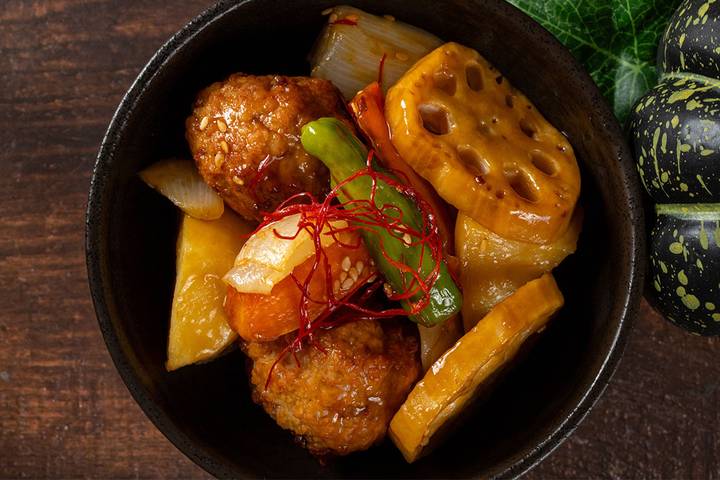
- Beppu makes hot springs part of the day: See the steaming Jigoku pools, eat food cooked with geothermal steam, and try a local onsen.
- Mt Aso brings a change of pace: Stop at rice terraces and a mountain viewpoint, hike if conditions allow, then sleep in a traditional inn in the caldera.
- Nagasaki pairs reflection with city exploring: Visit the Peace Park and Atomic Bomb Museum, hear from a survivor, and use a tram pass to explore on your own.
- Small group, public transport style: The group is capped at 12, but you’ll need to manage your own luggage on trains and at stations.
A 12-day route with plenty of variety
This trip links Osaka with Takamatsu and Matsuyama on Shikoku, then continues through Kyushu to Usuki, Beppu, Mt Aso and Nagasaki before returning to Osaka. The variety is the point: Japanese gardens, contemporary art, pilgrimage sites, hot springs, countryside and the history of the atomic bombing all share the stage.
The pace is medium intensity. Expect to spend much of the day on your feet, take public transport often, and handle your luggage yourself. It’s a good fit if you like practical travel and don’t need a guide to lead you from one attraction to the next every hour. Your English-speaking leader handles the group’s logistics, shares local context and offers suggestions, while free time leaves room to explore at your own speed.
A few more options to weigh up in Osaka
- Universal Studios Japan Studio Pass
★ 4.8 · 89,883 reviews - Universal Studios Japan Express Pass
★ 4.7 · 53,138 reviews - Osaka Amazing Pass
★ 4.7 · 21,697 reviews
Osaka opens with street food and a group meeting
Your first evening is simple: meet your leader and group at 6 pm, then decide if you’d like to join an optional dinner. Arrive early and you can start in Osaka’s food stalls, trying takoyaki or okonomiyaki before the trip gets underway.
There are no scheduled sightseeing activities on the first day, so consider arriving with enough time to settle in and get a feel for the city. The tour also ends in Osaka, with the final morning left open. If you want more time here, arrange an extension before the trip.
Takamatsu and Naoshima: garden calm, then contemporary art
On day two, a train carries you across a bridge over the Inland Sea to Takamatsu, Shikoku’s largest city. The included visit to Ritsurin Garden is a fine introduction to the trip’s quieter side. Its ponds, bridges, tea pavilions and mature trees date to the Edo period, and the garden has both Japanese and Western sections. The Sanuki Folk Craft Museum adds a look at local ceramics and basketwork.
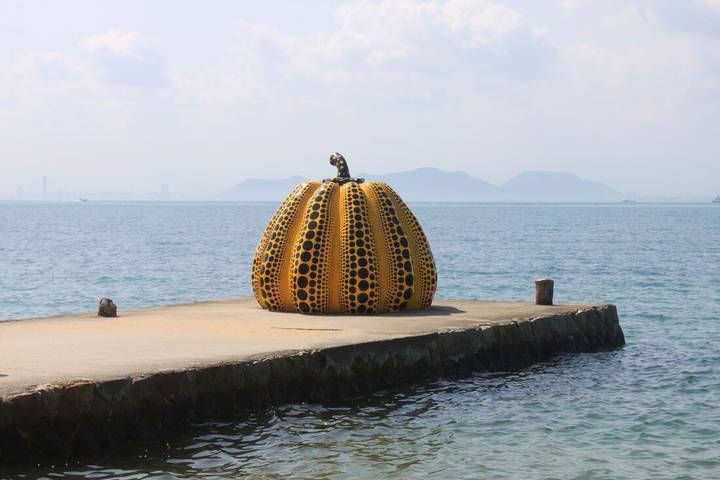
The next day is devoted to Naoshima, reached by ferry. You can move between its galleries and outdoor artworks by bus or bicycle, with the coast as a backdrop. The ferry and island transport are included, but entry to major museums is extra. Listed options include the Benesse House Museum, Chichu Art Museum and Art House Project, with prices of JPY 1,500, JPY 2,800 and JPY 1,400 respectively.
That distinction matters if contemporary art is a main reason you’re booking. The day’s transport is covered, but you should budget for museum tickets and check opening times before departure. You’ll return to Takamatsu in the evening, with no group activity planned afterward.
Matsuyama: castle views and a famous bathhouse
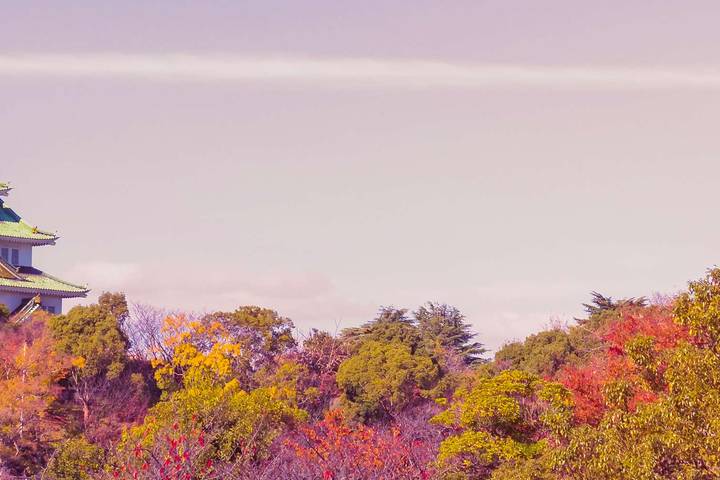
A train ride west brings you to Matsuyama, a city associated with citrus and one of Japan’s most impressive surviving castles. The included castle visit takes you into a collection of feudal-era objects, not just around the outside walls. The central location makes it a substantial stop without requiring a full day.
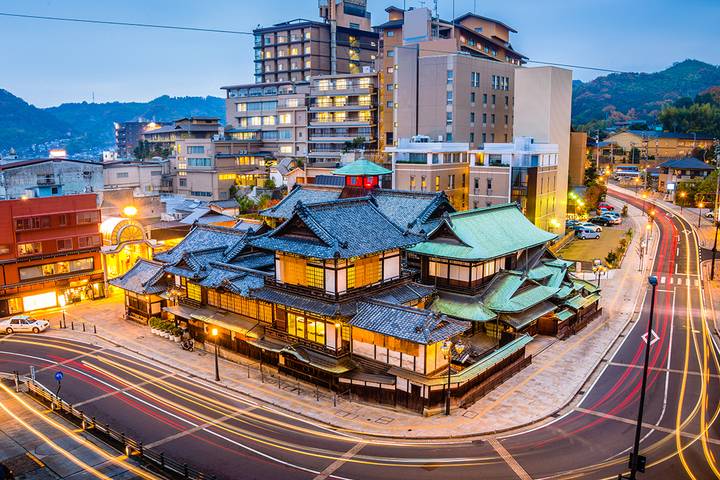
The afternoon is free. You can visit Dogo Onsen, one of Japan’s oldest bathhouses, or Ishiteji Temple, a stop on the Shikoku 88 Temples pilgrimage route. Dogo Onsen’s basic entry is listed at JPY 700; Ishiteji is free. Keep in mind that public onsens usually involve bathing naked with people of the same gender, and tattoos may prevent entry. Your leader can explain local etiquette and help you ask about private options.
A completely different kind of day out:
- Osaka Aquarium Kaiyukan Ticket
★ 4.8 · 14,894 reviews - Osaka Castle Ticket
★ 4.7 · 12,450 reviews - Umeda Sky Building & Kuchu Teien Observatory Ticket in Osaka
★ 4.7 · 10,062 reviews - HARUKAS 300 Observatory Ticket
★ 4.8 · 9,924 reviews
Usuki: sake, a family kitchen and a change of routine
Day five involves a train and ferry journey to Usuki, followed by a transfer to the village. It is one of the more travel-heavy days, but the evening gives the route a personal turn. You’ll visit a local sake brewery for a tour and tasting, then stay with a host family and help prepare dinner.
This is not a hotel night with a restaurant downstairs. You’ll share a meal and learn some Japanese cooking tips while hearing about everyday life in the area. The homestay is a valuable counterpoint to the museums and transport hubs, but it does mean adapting to someone else’s home and shared facilities. A home-cooked breakfast is planned before you leave the next morning.
Beppu: steam cooking and hot spring time
A private vehicle takes you from Usuki to Beppu, where hot springs are part of the town’s daily character. Lunch is cooked using mineral-rich geothermal steam: you choose food, place it in the steamer and let the heat do its work. The included visit to Jigoku, or the Hells, brings you to a collection of hot spring pools with different colours and appearances.
The day also includes a local onsen visit. Bring a willingness to follow bathing customs, and remember that tattoo rules can apply. Day seven is free, which gives you room to soak again or see more of the area. Possibilities include the Mt Tsurumi Ropeway, Yawata Asami Shrine, Beppu Tower, the Jigoku Onsen Museum or a day trip to Yufuin. Those independent options make the extra night useful rather than simply a pause in the schedule.
Mt Aso: rice terraces, a hike and a night in a traditional inn

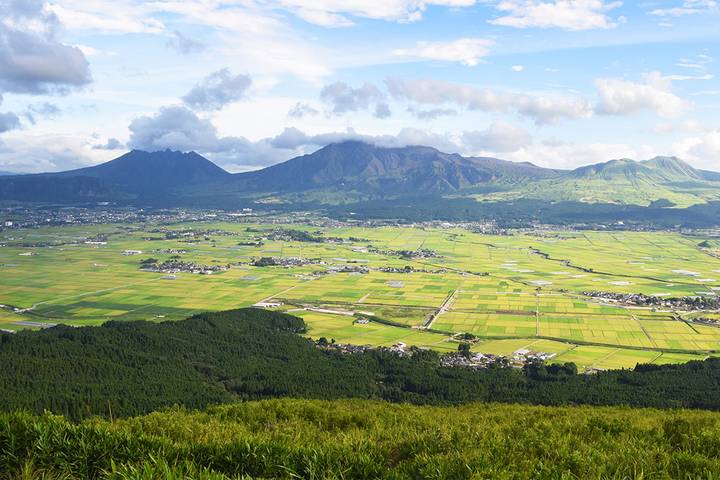
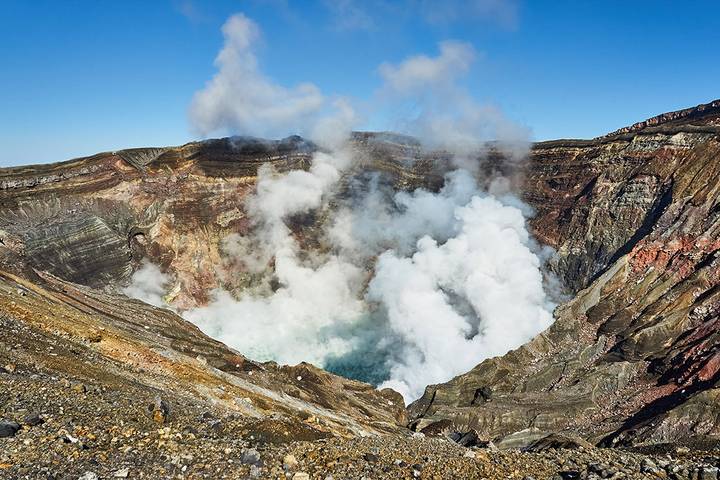
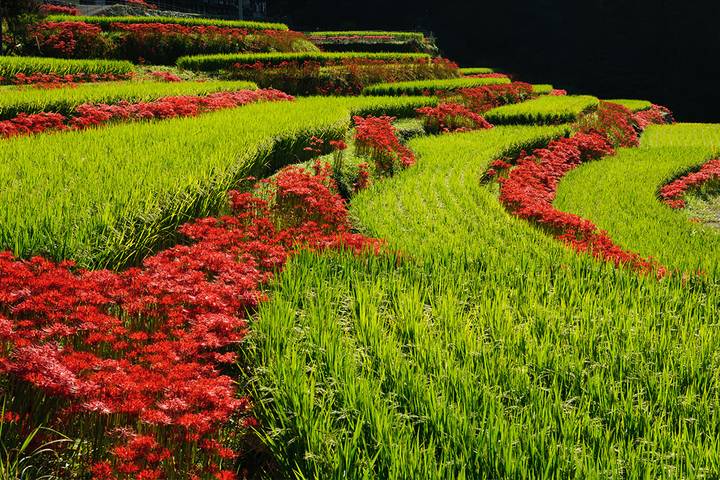
A private transfer takes you toward Mt Aso, with a stop at Ogi Rice Terraces and Daikanbo Observatory. The viewpoint looks toward the mountain’s five central peaks. After lunch, the group takes either the Sunasenri trail toward Nakadake Crater or the Kusasenri grassland trail, depending on access and conditions.
The hike is expected to take about an hour on established trails, with some steeper sections possible. Crater access can change, so don’t treat a visit to Nakadake as guaranteed. The day ends at a minshuku, a traditional Japanese inn among rice fields inside the caldera. You’ll sleep on a futon on tatami mats, and dinner is included.
Traditional inns may have shared bathing facilities and very small bathrooms. Rooms may have little or no furniture, so getting up from the floor can be awkward if you have knee, hip or back trouble. The stay is a memorable part of the route, but it’s worth knowing what you’re signing up for before you book.
Nagasaki: foreign trade, Christian sites and atomic history
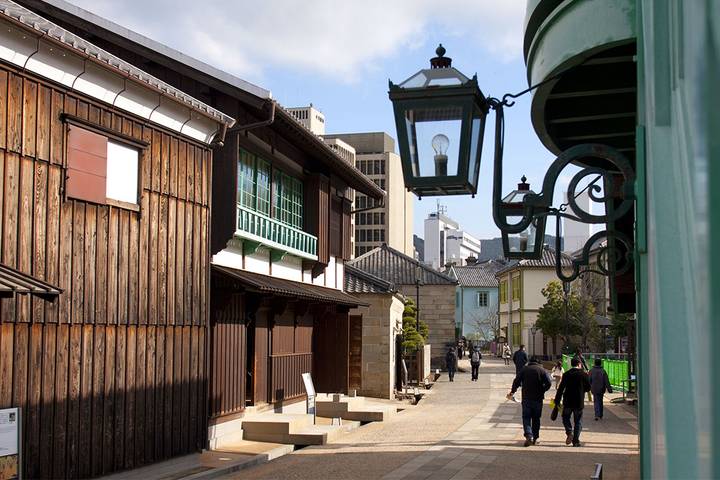
After the countryside, Nagasaki brings the trip back to the city. A train journey gets you there around early afternoon, followed by an orientation walk and a visit to Glover Garden. The garden’s old foreign merchant houses, including the Former Glover House, offer a window into Nagasaki’s role as a trading port with European connections.
The following day is more sobering. You’ll visit the Peace Park and Atomic Bomb Museum, then hear a talk from an atomic bomb survivor. Give yourself space afterward: the afternoon is free, and the included tram pass makes it easier to continue exploring without following the group. Dejima, the Twenty-Six Martyrs Monument, Oura Church and Dutch Slope are among the possible stops. Nagasaki champon noodles are a local dinner option.
This combination of guided reflection and independent time works well. The talk puts a human voice alongside the museum’s historical record, while the tram pass leaves you in control of how much more you want to see.
The return to Osaka and the true cost of the trip
On day eleven, you take the shinkansen back to Osaka, arriving in the afternoon. A farewell dinner and drinks with the group are optional and at your own expense. The final morning has no planned activities.
The advertised starting price is $6,490. For that cost, you’re paying for 11 nights of accommodation, intercity transport, an English-speaking group leader and a substantial set of included visits and experiences. The trip also covers a ferry and local transport on the Naoshima day, private transport for the Beppu and Mt Aso sections, and a bullet train back to Osaka. International flights, travel insurance, optional museum tickets and other unlisted activities are not included.
Value depends on what you want from a tour. If you’re comfortable using public transport and prefer a local, small-group approach to a private coach, the structure can make a complicated route easier to manage. If you measure value by how much time you spend sightseeing rather than travelling, take note: one recent participant specifically found the public transport legs time-consuming and felt there wasn’t enough time at some stops. That is a fair concern on a route with several long transfers.
The 1-to-12 group size is a plus for station navigation and shared meals, but it doesn’t eliminate the need to keep moving. Pack a compact bag you can lift onto stairs and carry for up to 30 minutes. Japanese trains can be tight on luggage space, and stations often mean stairs or quick connections. Luggage forwarding is an option to consider if you’re travelling with a large suitcase.
Who should book this trip?
I’d choose this tour if you want to see more than the big-city circuit, enjoy trains and ferries, and value local encounters as much as headline sights. The homestay, inn, Naoshima art and Nagasaki survivor talk give the route a memorable human dimension. The group’s free time also suits people who like a guide for the logistics but want some space to make their own plans.
Think twice if you want a slow holiday, private bathrooms every night, or a coach to carry your luggage from door to door. The route is active, transport-heavy and includes traditional sleeping arrangements. If those conditions sound acceptable, this is a strong way to connect southern Japan’s art, food, hot springs and history in one well-planned journey.
FAQ
How many days is the Southern Japan Experience?
The tour lasts 12 days, beginning and ending in Osaka. The first day starts with a 6 pm welcome meeting, and the final morning has no scheduled activities.
What is the group size?
The group size is listed as 1 to 12 people. The tour is guided in English and is open to travellers aged 15 and older.
What accommodation should I expect?
The trip includes nine hotel nights, one homestay night and one night in a Japanese inn. At the homestay and inn, expect traditional floor bedding and shared facilities. Hotel rooms are twin-share unless otherwise stated.
Are meals included?
The package summary lists two breakfasts, one lunch and two dinners. The detailed day-by-day notes identify a home-cooked dinner on day five, breakfast on day six, lunch on day six, dinner at the Mt Aso inn on day eight, and breakfast on day nine. Because those details do not match the summary count, confirm the meal schedule before booking.
How strenuous is the Mt Aso hike?
The hike is expected to take about one hour on established trails. Some sections may be steep, and the route depends on weather and access. The group may take the Sunasenri trail toward Nakadake Crater or the Kusasenri grassland trail.
Are Naoshima’s museums included?
The ferry and local transport for the Naoshima day trip are included. Tickets to the Benesse House Museum, Chichu Art Museum and Art House Project are optional extras, listed at JPY 1,500, JPY 2,800 and JPY 1,400.
Do I need to carry my luggage on public transport?
Yes. You’ll manage your own luggage through train stations, and you may need to carry it for up to 30 minutes at a time. Stations can involve stairs and quick transfers, and trains may have limited room for large bags. Packing light or using luggage forwarding can help.
Just added in Osaka
- Tour – Japan Bonsai (12 Days) by Bavaria Fernreisen★ 4.0 · 4 reviews
- Stunning Japan with Shirakawa-go by Stunning Tours – 8-Day Osaka to Tokyo Tour★ 4.4 · 105 reviews
- South Japan Express 6-Day Tour by Europamundo★ 4.6 · 28 reviews
- Osaka Hiroshima Snapshot 6 Day – One Life Adventures★ 4.9 · 15 reviews
- Osaka Discovery 4 Days – Universal Fun & Kyoto Heritage by Vio Travel★ 5.0 · 1 review
- On Trails through Ancient Japan 16-Day Tour by DIAMIR Erlebnisreisen★ 5.0 · 1 review
- Japan to the World Expo (incl. flight) 10-Day Tour by MEIERS WELTREISEN★ 3.0 · 1 review
- Japan in Winter by Train (Without Ski) with Contiki – 10-Day Tour★ 4.7 · 13 reviews
Multi-Day Tours, compared.

9D Splendid Japan-Private 3 Star Hotels-Osaka to Tokyo by Stunning Tours
Read our review →
Japan Essentials 9 Day – One Life Adventures: Tokyo to Osaka
Read our review →

Tokyo to Osaka by Rail – Private Tour (14 Days) with Explore!
Read our review →
13-Day Japan Tour: Tokyo, Mount Fuji, Kyoto, Nara, Osaka & Beyond by The Dragon Trip
Read our review →
Browse the lists this tour appears in