
Reviewed · MULTI-DAY TOURS
Wonders of Japan End Osaka by Europamundo – 12-Day Tour – Reviews & Prices
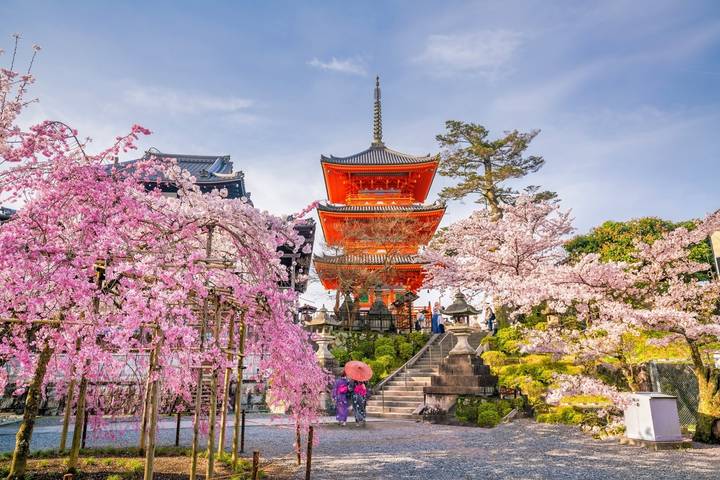
Mount Fuji views, a night at a traditional inn, Kyoto’s temple gardens and Hiroshima’s Peace Memorial Park all fit into this 12-day route from Tokyo to Osaka. The tour takes you beyond the familiar Golden Route, crossing to Shikoku by ferry and returning over sea bridges.
I like the contrast between big-city stops and quieter places such as Kurashiki and Kawaguchiko. I also like that the coach, hotels, many admissions and selected meals are arranged for you. The trade-off is pace: days are full, and some stops, especially in Kyoto and Hiroshima, may feel too brief.
- A classic Fuji outing: Visit Arakurayama Sengen Park, cruise on Lake Kawaguchiko and climb by road to the Fifth Station when conditions allow.
- Kyoto in one packed day: See Arashiyama, Fushimi Inari, the Imperial Palace and Kinkakuji, with limited time to explore on your own.
- A thoughtful Hiroshima visit: The Atomic Bomb Dome, Peace Memorial Park and museum are paired with a ferry to Itsukushima Island.
- An uncommon Shikoku crossing: Travel by ferry to Matsuyama, then continue through Kotohira, Takamatsu and Naruto.
- A practical, not luxury, package: Four-star-class hotels, breakfast buffet, coach transport and numerous admissions are included; international flights are not.
- English may share the microphone: Guides may change during the trip, and some departures are conducted in English and Spanish.
In This Review
- A fast-moving route through Japan
- Tokyo: temples, towers and a subway evening
- Kawaguchiko and Mount Fuji: views depend on the weather
- Iyashi no Sato Nenba and the long drive to Kyoto
- Kyoto: major sights, very little slack
- Nara and Osaka: a giant Buddha, deer and neon
- Himeji, Okayama and Kurashiki: castles and garden paths
- Hiroshima and Itsukushima: time for reflection
- Shikoku: ferry rides, pilgrimage steps and sea bridges
- Kobe, then back to Osaka
- Hotels, meals and what the price covers
- Guides, group size and the bilingual question
- Is this the right Japan tour for you?
- FAQ
- Are international flights included?
- Where does the tour start and finish?
- What kind of transport is used between cities?
- How large can the group be?
- Is the tour conducted in English?
- What meals are included?
- What is included at Mount Fuji?
- Is the Kotohira shrine visit physically demanding?
- Can I add nights before or after the tour?
A fast-moving route through Japan
This tour covers Tokyo, Mount Fuji, Kyoto, Nara, Osaka, Himeji, Okayama, Hiroshima and several Shikoku stops before ending back in Osaka. That’s a lot of ground in 12 days, and the coach makes the route possible without asking you to plan every connection or move your luggage through train stations.
The trade is less independence and less time in each place. You’ll change hotels often, follow an organized schedule and spend stretches on the road. The group size is listed as 2 to 72, so the feel can vary considerably between departures. If you want a first overview of Japan and appreciate having transport and admissions coordinated, that structure can be useful. If you want long, unplanned afternoons in Kyoto or Tokyo, this is not the trip for that.
Tokyo: temples, towers and a subway evening
The first day is deliberately light. A shared airport shuttle takes you to your hotel, then you have time to settle in before receiving details about the tour. International flights are not included, and the transfer needs your arrival information in advance. If you arrive before the tour’s transfer window, you’ll need to make your own way to the starting hotel.
Day two packs Tokyo’s contrasts into a guided visit of about seven hours. At Zojoji Temple, you get a view of Tokyo Tower framed by the temple grounds and the rows of Jizo figures, small stone guardians dressed in hats and bibs. Shibuya Crossing is seen from the bus rather than explored on foot, while Meiji Shrine offers a quieter pause beneath its trees.
Admission to Tokyo Skytree’s Tembo Deck, 350 meters up, is included, weather and operating conditions permitting. The day continues at Sensoji Temple and Nakamise Street in Asakusa, with the bus passing through Akihabara and Ginza. The evening brings a guided subway ride to Shinjuku, a walk and an included dinner at a local restaurant. That’s a welcome chance to see the city after dark without working out the subway system on your first full day.
A few more options to weigh up in Tokyo
- Tokyo Disney Resort – Tokyo Disneyland & Tokyo DisneySea Park Tickets
★ 4.8 · 99,488 reviews - SHIBUYA SKY Ticket
★ 4.7 · 46,509 reviews - JR Whole Japan Rail Pass
★ 4.8 · 29,150 reviews
Kawaguchiko and Mount Fuji: views depend on the weather
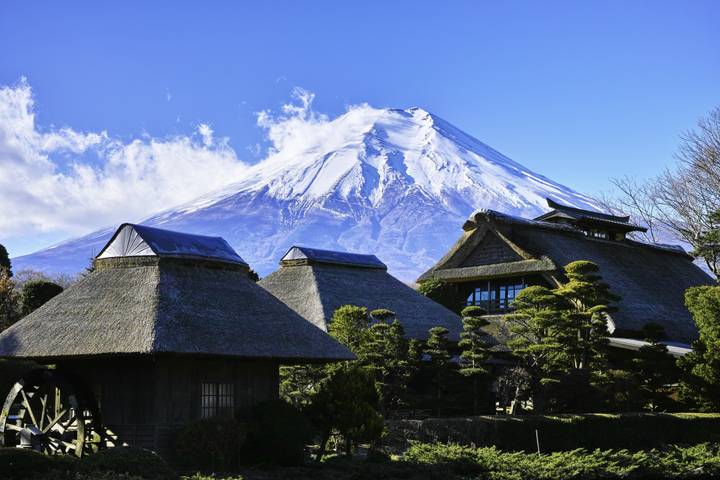
The trip out of Tokyo brings a different scale. Arakurayama Sengen Park is known for its classic Fuji viewpoint, then Kawaguchiko adds a shrine visit and a boat ride on the lake. The drive up toward the Fifth Station reaches 2,305 meters, but access is not guaranteed. Snow and other weather can close the upper road, particularly in winter, and the coach will go only as far as conditions permit.
The overnight stay is planned at a ryokan, with dinner and use of an onsen included. Room style can vary: you may get tatami and futon bedding or a Western-style room, and on some departures the ryokan may be replaced by a Western-style hotel. Treat the Japanese inn as a welcome experience, not a promise of identical rooms for every traveler.
Iyashi no Sato Nenba and the long drive to Kyoto
On day four, Iyashi no Sato Nenba offers a look at traditional-style houses rebuilt as an open-air museum after the village was destroyed by a typhoon in 1966. The buildings now hold craft shops, restaurants and cultural displays. Shiraito Falls adds a natural stop before the route continues to the Toyota Museum, whose admission is included.
Then comes the long drive to Kyoto. The day offers welcome variety, but it is also a reminder that this is a coach tour: the stops are connected efficiently, not slowly. You’ll arrive in Kyoto after a full day rather than with time for an evening of independent sightseeing.
Kyoto: major sights, very little slack
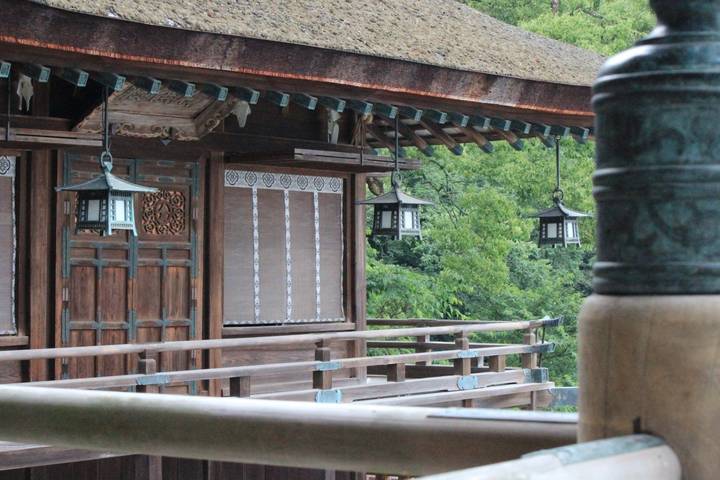
Kyoto gets one full sightseeing day, and it is ambitious. The route begins in Arashiyama, with Togetsukyo Bridge and Tenryuji Temple, then includes the bamboo grove. Fushimi Inari, the Imperial Palace and Kinkakuji, the Golden Pavilion, round out the day. The order may change, and each site has its own grounds and crowds to negotiate.
The plan gives you a broad introduction, but not much time to linger. There is no listed visit to Kiyomizu-dera, and an extra day would make room for that temple and the streets around it. Gion is available for a later stroll, though the time you have will depend on the day’s schedule. If Kyoto is your main reason for visiting Japan, consider adding nights before or after the tour rather than expecting this single day to do it all.
A completely different kind of day out:
- Mt Fuji and Hakone 1-Day Bus Tour Return by Bullet Train
★ 5.0 · 26,383 reviews - TOKYO SKYTREE® Ticket
★ 4.7 · 25,136 reviews - teamLab Borderless Tickets: MORI Building DIGITAL ART MUSEUM
★ 4.7 · 24,126 reviews - teamLab Planets TOKYO Ticket
★ 4.7 · 21,663 reviews
Nara and Osaka: a giant Buddha, deer and neon
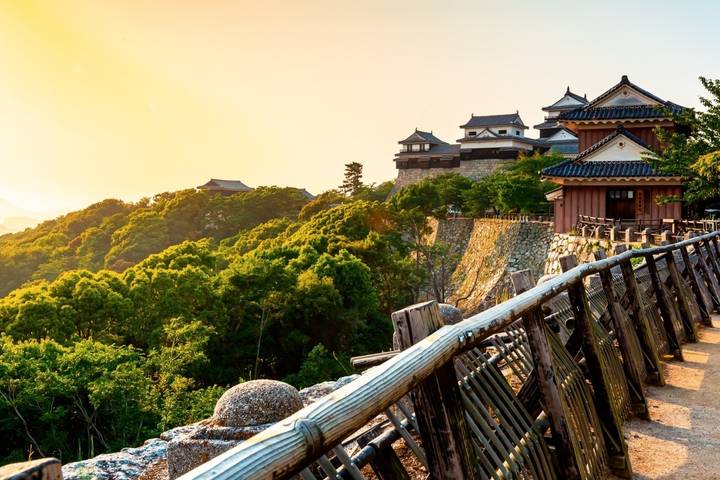
In Nara, Todaiji Temple houses a huge bronze Buddha, while deer roam the surrounding park. They’re accustomed to people, but remember they are animals, not props, and keep food secure. The visit to Horyu-ji adds a very different kind of interest: a UNESCO-listed temple complex with some of Japan’s oldest wooden buildings.
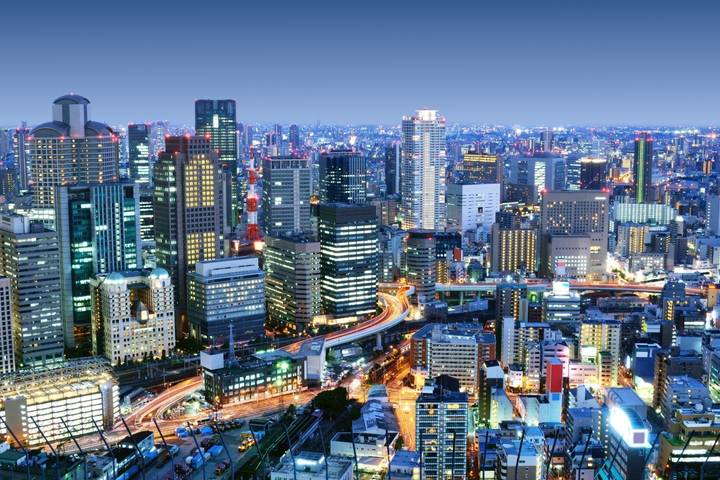
Lunch is included before the group continues to Osaka. Dotonbori gives you a taste of the city’s bright signs and late-day energy, with an evening transfer included. It’s a good contrast after the temples, though the sightseeing is organized rather than a free evening to roam wherever you choose.
Himeji, Okayama and Kurashiki: castles and garden paths
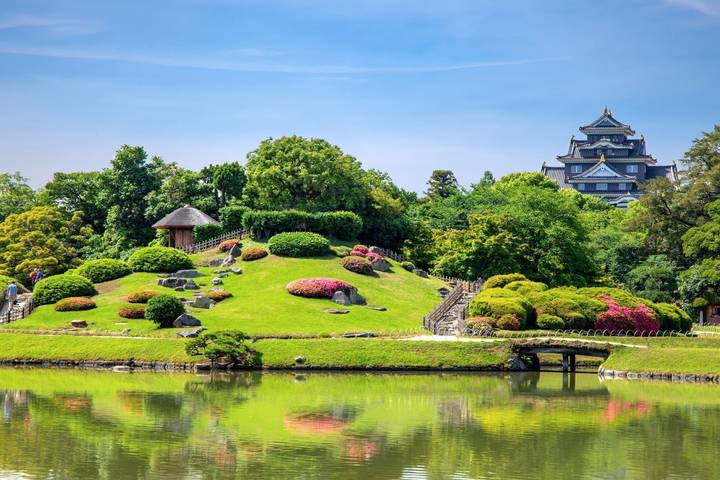
Himeji Castle is one of the tour’s strongest architectural stops, and admission to its complex is included. Give yourself time to appreciate its scale and layered defenses. After lunch, Korakuen Garden in Okayama offers ponds, waterfalls and teahouses, a calmer counterpoint to the castle.
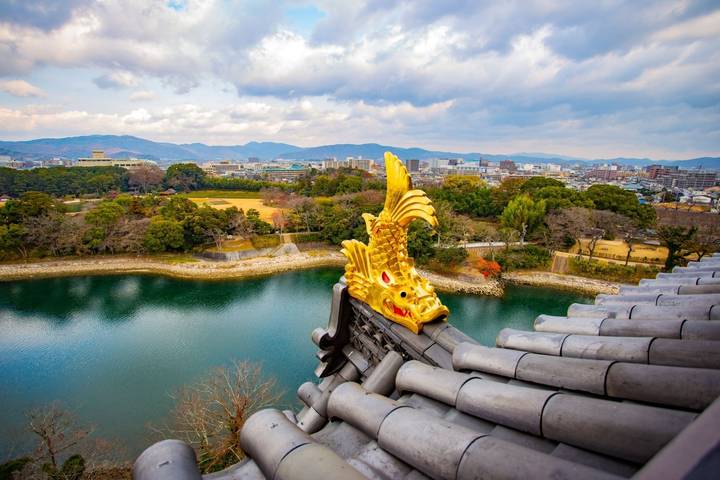
You’ll also see Okayama Castle from outside. Entry to its interior is not included, so budget extra time and money if you want to go in and the schedule allows. The overnight is usually in Okayama, though some dates use Fukuyama or Kurashiki. The next day’s walk through Kurashiki’s preserved historic center is a welcome slower interlude, with traditional streets that feel distinct from the modern cities on the route.
Hiroshima and Itsukushima: time for reflection
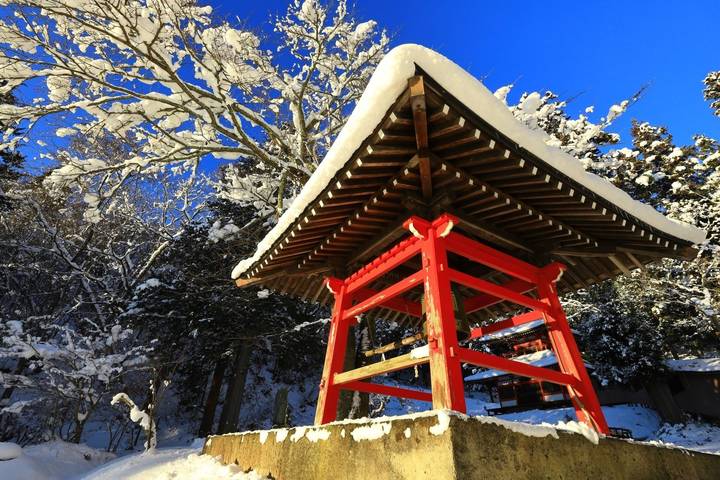
Hiroshima is not just another sightseeing stop. The Peace Memorial Park, Atomic Bomb Dome and Peace Memorial Museum place the city’s 1945 history at the center of the day. The museum visit can be emotionally demanding, and the scheduled time may feel short if you want to read every display. If this matters deeply to you, plan a return visit or an extra night if possible.
A ferry carries the group to Itsukushima Island, where Itsukushima Shrine stands partly over the water. There is time for the shrine and town, with lunch included, before returning to Hiroshima for dinner. The order of the Hiroshima visits can shift, so keep some flexibility in mind.
Shikoku: ferry rides, pilgrimage steps and sea bridges
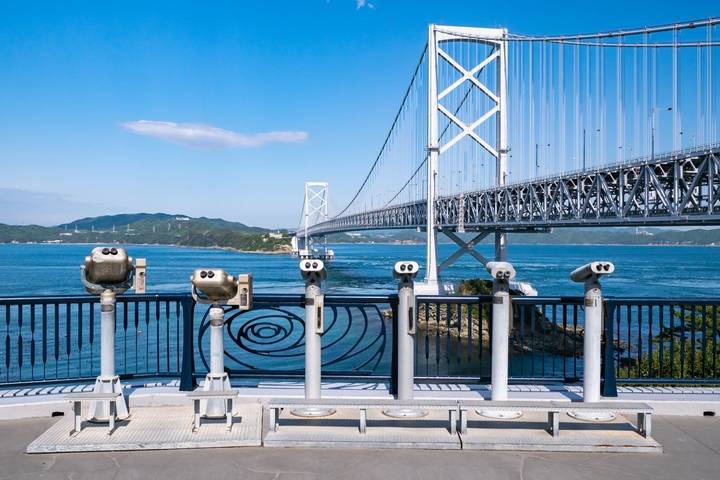
The two-and-a-half-hour ferry from Hiroshima to Matsuyama is more than a transfer. It gives you a sense of Japan as an island country and breaks up the road travel. In Matsuyama, a cable car takes you toward the castle, followed by Ishiteji Temple and admission to Dogo Onsen, a traditional bathhouse dating from the 19th century. Lunch is included.
Day ten is another demanding one. At Kotohira, reaching the Shinto shrine means climbing 785 steps on Mount Zosu. The visit is rewarding, but it is the tour’s clearest physical challenge, so take it steadily. Ritsurin Garden in Takamatsu provides a gentler stop before lunch and the onward drive to Naruto.
At Naruto, you walk on a glass floor in the bridge area to view the sea whirlpools from about 45 meters above. The whirlpools are a natural phenomenon, so their appearance and strength can vary. The route then crosses bridges linking islands on the way to Kobe, a memorable stretch of travel even from the coach.
Kobe, then back to Osaka
The Kobe stop focuses on the city’s recovery from the 1995 earthquake at the Earthquake Memorial Museum. On some dates, this visit is replaced by a sake museum or Kobe Tower, so check what applies to your departure. The group then returns to Osaka for the final night.
The last morning is breakfast and departure. There is no planned sightseeing on day twelve, so arrange any extra time in Osaka yourself. The same applies at the start: day one is for arrival and settling in, not a city tour.
Hotels, meals and what the price covers
The starting price is $3,836 per person, based on the cheapest room option. Value depends on how much you want arranged in advance. The package includes hotel stays, buffet breakfast, coach transportation, the arrival transfer, many admissions and some lunches and dinners. Meals are not all included, and neither are international flights or optional extras.
The hotels are described as four-star, with private bathrooms, and are chosen for quality, price and access to public transport. They are not presented as luxury properties, and the specific hotel can vary by date. Bed sizes and room dimensions differ across Japan, too. The overnight ryokan is a special exception to the regular hotel pattern, though its room style is not guaranteed.
Guides, group size and the bilingual question
Guiding arrangements deserve a close look before booking. English-speaking tours are specified in Tokyo and Kyoto, while guides may change during the circuit. Some departures combine English and Spanish, with either separate leaders or one guide explaining in both languages. That can mean longer explanations and uneven English delivery, depending on the guide and group.
Several guides have earned warm praise for their care and clear explanations, including David Solanes, David Munoz, Pablo and Rei. But guide quality and language balance are not guaranteed, so ask the operator how your chosen departure will be conducted. The overall ratings are strongest for itinerary, transport, accommodation and food, while the operator rating is a little lower. That fits the practical picture: the route and logistics can work well, but communication and day-to-day handling may vary.
Is this the right Japan tour for you?
Book this if you want a broad first visit with major temples, gardens, city landmarks, Mount Fuji, Hiroshima and a taste of Shikoku, all linked by arranged coach travel. It suits people who value a full schedule and don’t mind early starts, long drives or a different hotel every few nights. Families are welcome, but a family room cannot be guaranteed; the operator may instead offer two double rooms.
Think twice if you want unhurried temple visits, a fully English-only group, or several free days in Tokyo and Kyoto. The best way to get more from this route is to add independent nights at one or both ends, or return to Kyoto later for a slower visit. At this price, the tour’s value lies in the range of places and the logistics it takes off your hands, not in luxury or leisurely pacing.
FAQ
Are international flights included?
No. You need to arrange your own international flights. The tour includes an arrival transfer if your flight details are provided in time.
Where does the tour start and finish?
It starts in Tokyo and ends in Osaka. Day twelve ends after breakfast.
What kind of transport is used between cities?
You travel by motor coach between destinations. The route also includes ferries from Hiroshima to Itsukushima Island and from Hiroshima to Matsuyama, plus local transport such as Tokyo’s subway and the Matsuyama Castle cable car.
How large can the group be?
The listed group size is 2 to 72. Coach groups may be large, so the number of people on your particular departure can affect the pace and feel of the trip.
Is the tour conducted in English?
English is specified for the guided tours in Tokyo and Kyoto. Tour guides may change, and some departures are conducted in both English and Spanish. Ask about the language arrangement for your chosen date.
What meals are included?
Buffet breakfast is included at the hotels. The itinerary also includes selected lunches and dinners, including dinner in Tokyo and at the Kawaguchiko ryokan. Other meals are not specified as included.
What is included at Mount Fuji?
The tour includes Arakurayama Sengen Park, Fuji Sengen Shrine, a boat ride on Lake Kawaguchiko and a drive toward the Fifth Station at 2,305 meters. In winter or poor weather, access to the Fifth Station may be limited.
Is the Kotohira shrine visit physically demanding?
The route to the shrine involves climbing 785 steps on Mount Zosu. The tour is rated low intensity overall, but this particular visit requires a sustained climb.
Can I add nights before or after the tour?
Yes, extra nights before or after the tour can be arranged, subject to hotel availability and pricing. If you arrive before the tour begins, you must make your own way to the starting hotel unless a transfer has been arranged.
Just added in Tokyo
- Wonders Of Japan 10-Day Tour by Travel Talk★ 4.5 · 14 reviews
- Wonders of Japan end Tokyo GO 15-Day Tour by Europamundo★ 4.2 · 10 reviews
- Wonders of Japan end Tokyo 15-Day Tour by Europamundo★ 4.2 · 10 reviews
- Wonders of Japan End Osaka (including Fukuyama) 12-Day Tour by Europamundo★ 4.2 · 58 reviews
- Wonders of Japan End Osaka GO by Europamundo – 12-Day Tour★ 4.2 · 58 reviews
- Walk Japan – Kumano Kodo Trail 12-Day Tour by Explore!★ 4.7 · 20 reviews
- Visions of Japan with Hiroshima & Osaka 15-Day Tour by Globus★ 5.0 · 75 reviews
- Upgraded – Discover Japan 9-Day Tour by Explore!★ 4.8 · 6 reviews
Multi-Day Tours, compared.
9D Splendid Japan-Private 3 Star Hotels-Osaka to Tokyo by Stunning Tours
Read our review →
Japan Essentials 9 Day – One Life Adventures: Tokyo to Osaka
Read our review →
Tokyo to Osaka by Rail – Private Tour (14 Days) with Explore!
Read our review →
13-Day Japan Tour: Tokyo, Mount Fuji, Kyoto, Nara, Osaka & Beyond by The Dragon Trip
Read our review →
Browse the lists this tour appears in