
Reviewed · MULTI-DAY TOURS THAT VISIT TAKAYAMA
Magical and Dreamy Japan 14-Day Tour by Europamundo: Itinerary & Reviews
Japan’s contrasts come quickly on this tour: one day you’re looking across Tokyo from the Skytree, the next you’re walking among Hiroshima’s memorials, and later you’re sleeping at a Buddhist monastery on Mount Koya. The route takes in 18 destinations in two weeks, from island ferries and old castle towns to hot springs and alpine villages.
I like two things in particular: the range of places is unusually broad, and the schedule makes hard-to-coordinate transfers, such as Hiroshima to Shikoku by ferry, part of the plan. I also like that the tour includes meaningful cultural encounters, not only photo stops: meditation at Mount Koya, the Gomakuyo ceremony in Nagano and a night at a ryokan.
The trade-off is pace. You change hotels often, some days involve long drives and many stops, and the group can reach 72 people. It suits you if you want a guided overview and can keep moving; it is less appealing if you prefer slow mornings or long stretches to explore alone.
In This Review
- Key points before you book
- A fast-moving route through Japan
- Tokyo’s temples, crossings and city views
- Hiroshima and an island shrine
- Shikoku, Naruto and a busy day to Kobe
- Mount Koya: the trip’s most distinctive night
- Kyoto’s famous sights, then Zen and dinosaurs
- Kanazawa, samurai lanes and mountain villages
- Castles, monkeys and hot springs
- Nikko and the return to Tokyo
- What the price covers, and what it does not
- Who should choose this Japan tour?
- FAQ
- Does the tour start and end in Tokyo?
- How long is the tour?
- Is the tour guided in English?
- How large can the group be?
- Are flights included in the price?
- What meals are included?
- What is the Mount Koya accommodation like?
- Is meditation at Mount Koya guaranteed?
- How physically demanding is the itinerary?
Key points before you book
- Tokyo to Hiroshima by bullet train: The roughly four-hour, 800-kilometer ride links two very different sides of Japan.
- A ferry visit to Itsukushima: You’ll see the shrine on the island and have time to walk around, though lunch there is at your own expense.
- Mount Koya overnight: Monastery dinner and a meditation session are planned, but rooms are simple, bathrooms are shared, and meditation may not be available on peak dates.
- A broad sweep of central Japan: The route includes Kyoto, Kanazawa, Shirakawa-go, Takayama, Nagano, Kusatsu and Nikko.
- A busy, included-itinerary style: Many admissions and transfers are covered, but free time and included meals are limited on some days.
- Strong praise for guides and organization: Guide names mentioned include Eduardo, Ken or Rei, and David, though your guide may change during the tour.
A fast-moving route through Japan
This is not a Tokyo-and-Kyoto sampler. It is a long loop that reaches Hiroshima, Shikoku, the Kii Peninsula, Hokuriku, the Japanese Alps and Nikko before returning to Tokyo. That breadth is the main reason to choose it: you can see major cities, rural villages, sacred sites and hot-spring towns without arranging each transfer yourself.
It also means your days are planned around the group. You’ll often arrive, visit a landmark, get back on the coach and continue to the next stop. Some days allow free time, but this is a tour for seeing a lot, not lingering everywhere.
The advertised physical level is low, but that label needs a little context. The 785 steps at Kotohira Shrine, walking trails at the monkey park and visits to large temple grounds add up. You do not need to be a serious hiker, but comfortable shoes and a willingness to walk are sensible.
A few more options to weigh up in Tokyo
- Tokyo Disney Resort – Tokyo Disneyland & Tokyo DisneySea Park Tickets
★ 4.8 · 99,488 reviews - SHIBUYA SKY Ticket
★ 4.7 · 46,509 reviews - JR Whole Japan Rail Pass
★ 4.8 · 29,150 reviews
Tokyo’s temples, crossings and city views
You begin with a shared shuttle to the hotel and an open afternoon to recover from your flight. The tour briefing is scheduled later in the day, so keep your arrival day flexible rather than planning a far-flung excursion.
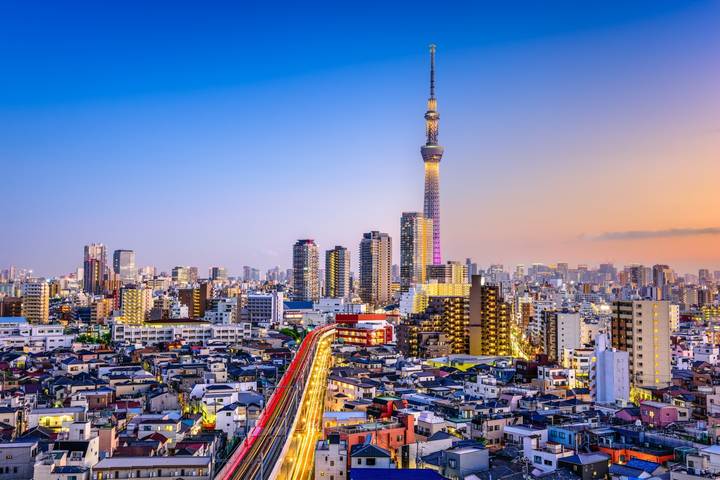
The seven-hour Tokyo tour covers Zojoji Temple, Meiji Shrine, Tokyo Skytree and Asakusa’s Nakamise Street. Zojoji offers a striking view of Tokyo Tower, while the Jizo statues nearby give the temple grounds a quieter, more personal feel. At Skytree, admission reaches the Tembo Deck at 350 metres, weather permitting. If conditions prevent access, another city viewpoint is offered.
You’ll see Shibuya Crossing from the bus, not as a dedicated walk across the intersection. Akihabara and Ginza are also drive-bys on the return route, so treat them as previews rather than neighbourhood visits. In the evening, you take the subway with your guide to Shinjuku for a walk and an included dinner. That guided outing is useful early in the trip, when the city’s scale and rail system can feel like a puzzle.
Hiroshima and an island shrine
The bullet train to Hiroshima takes about four hours and covers around 800 kilometres. It is an efficient way to cross the country, but the day is still full: after arrival, you visit Peace Memorial Park, the Atomic Bomb Dome and the Peace Memorial Museum.
Give the museum the attention it deserves. The memorial sites are not just quick landmarks; together they make the history of 1945 and the city’s recovery more immediate. The tour then takes a ferry to Itsukushima Island for the shrine, time to explore the centre and lunch time. Lunch is not included here, unlike some other stops.
You return to Hiroshima for dinner and an overnight stay. The next day’s ferry to Shikoku takes about two and a half hours, a reminder that Japan’s geography is part of the experience, not just scenery outside the window.
Shikoku, Naruto and a busy day to Kobe
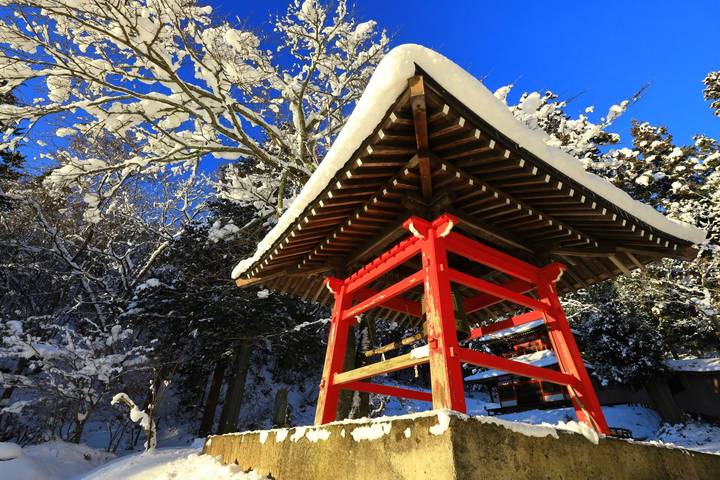
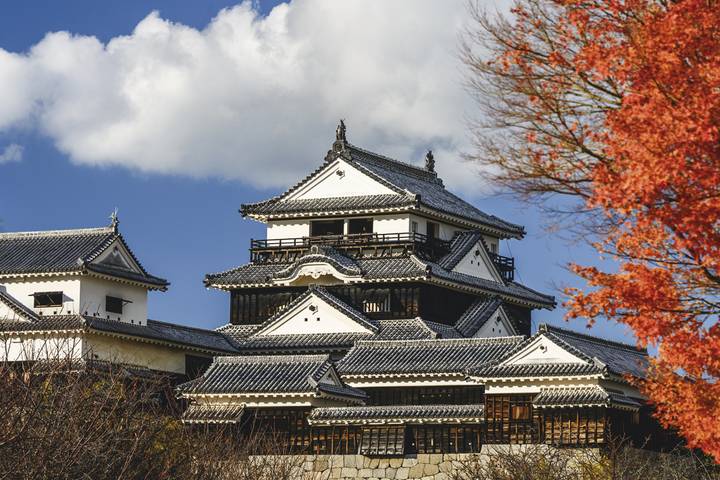
In Matsuyama, you take a cable car up to the castle, visit Ishiteji Temple and see Dogo Onsen, a 19th-century bathhouse. Lunch at a local restaurant is included. The day offers a compact introduction to Shikoku’s temple culture and hot-spring tradition, though the schedule gives you limited time to explore Matsuyama independently.
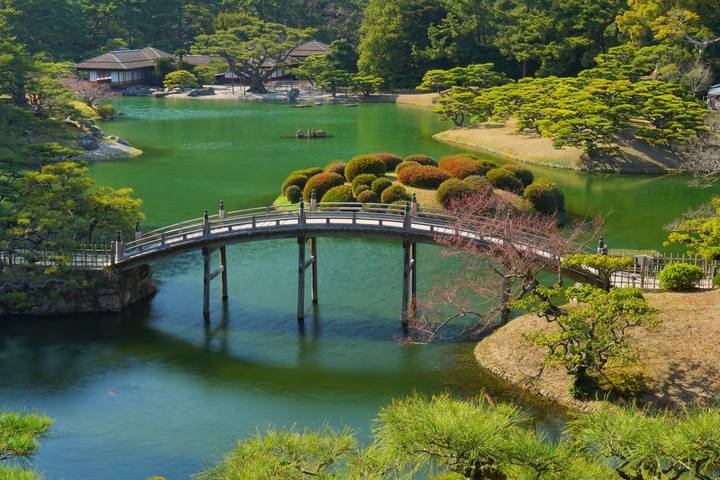
The following day covers Kotohira, Takamatsu, Naruto and Kobe. Kotohira Shrine sits on Mount Zosu, reached by 785 steps. That climb is the day’s clearest physical challenge, so pace yourself and remember that the route continues afterward. At Ritsurin Garden in Takamatsu, you get a gentler change of scene, followed by an included lunch.
In Naruto, a glass-floored walkway above the sea gives you a view of the whirlpools from about 45 metres up. Their appearance can depend on conditions, so the bridge visit is a chance to look for them, not a promise that they’ll be at their most dramatic. The drive onward crosses scenic bridges between islands before reaching Kobe.
A completely different kind of day out:
- Mt Fuji and Hakone 1-Day Bus Tour Return by Bullet Train
★ 5.0 · 26,383 reviews - TOKYO SKYTREE® Ticket
★ 4.7 · 25,136 reviews - teamLab Borderless Tickets: MORI Building DIGITAL ART MUSEUM
★ 4.7 · 24,126 reviews - teamLab Planets TOKYO Ticket
★ 4.7 · 21,663 reviews
Mount Koya: the trip’s most distinctive night
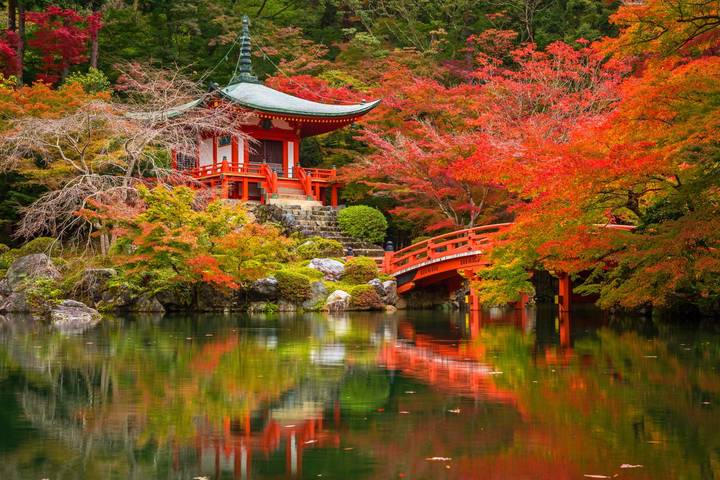
Kobe’s Earthquake Memorial Museum sets the stage for understanding the city’s 1995 earthquake and rebuilding. On some dates, the museum visit may be replaced by a sake museum or Kobe Tower, so the exact stop can vary.
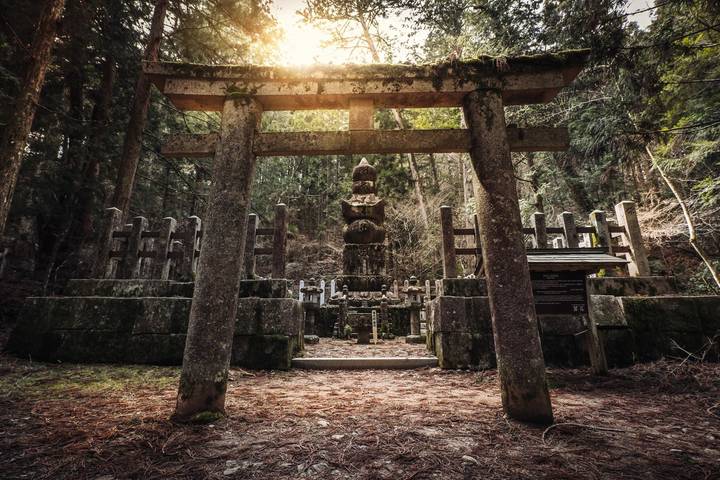
From Kobe, you continue to Mount Koya, a major centre of Shingon Buddhism. The itinerary includes Okuno Mausoleum, a forest cemetery with more than 200,000 graves, and Kongobuji Temple, originally built in 1593. These visits provide a quieter counterpoint to the faster city stops.
The overnight stay at a Buddhist monastery is among the tour’s most unusual experiences. You’re scheduled for a monk-led Ajikan meditation session and a vegetarian dinner, followed by a traditional Japanese breakfast. Do not expect a standard hotel room: the accommodation is simple, with tatami flooring and shared bathrooms. The meditation is not guaranteed on peak dates, and limited monastery space can mean a nearby hotel instead. The tour notes that half board is included if that happens.
Kyoto’s famous sights, then Zen and dinosaurs
You leave Mount Koya early for Kyoto. The day covers Fushimi Inari Shrine, the Imperial Palace, Kinkaku-ji, or the Golden Pavilion, and Gion. These are essential sights, but they are also popular ones, so the group schedule may feel brisk. You do get free time, including time to walk around Gion, but this is not a deep exploration of the city.
The next day takes you past Lake Biwa to Shirahige Ginra Shrine, then to Eihei-ji, a Zen monastery founded in 1244. Its setting and monastic role give you a different perspective from Kyoto’s more visited temples. The itinerary then makes an unexpected turn to the Dinosaur Museum in Katsuyama, where exhibits include more than 40 dinosaur skeletons. It’s an unusual addition that can be a welcome change of subject, especially for families.
You also visit the Great Buddha of Echizen and climb a five-storey pagoda for views across the area before reaching Kanazawa. Expect a full day with several distinct stops, not a relaxed transfer.
Kanazawa, samurai lanes and mountain villages
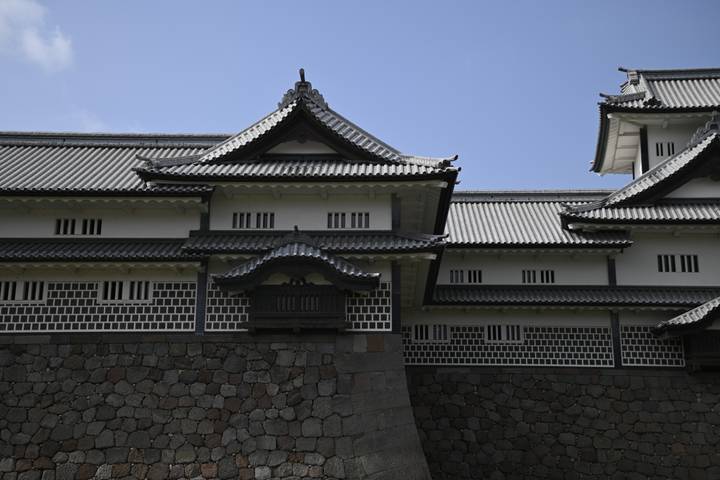
Kanazawa gets a full day, a welcome pause after the preceding travel. The guided morning visits the castle area, the Nagamachi samurai district, Kenrokuen Garden and Omicho Market. Nagamachi’s narrow lanes, earthen walls and water canals help make the history feel grounded in an actual neighbourhood. At Omicho, you can choose lunch from the market’s many options, then spend the afternoon as you like.
The following day, you travel through the Gokayama and Shirakawa-go regions, stopping at Ainokura and Shirakawa-go Ogimachi. Their steep-roofed traditional houses were designed to handle heavy winter snow. Ainokura is the smaller village; Ogimachi is the larger stop. Both are UNESCO World Heritage villages, but time at each is limited, and lunch is at your own expense.
In Takayama, the Hida Folk Village Museum displays more than 30 traditional houses, with tools and household objects that show how people lived. You then have free time in the old town, known for wooden buildings and traditional shops. That evening offers one of the better chances to wander without a guide setting the pace.
Castles, monkeys and hot springs
From Takayama, you stop in Hida Furukawa to see the old town and a museum devoted to its festival, with decorated floats, costumes and large drums. At Matsumoto, the black 16th-century castle is the main draw. There is free time for lunch and a look around before continuing to Nagano.
The next day starts at Zenko-ji Temple, where you take part in the Gomakuyo ceremony, a ritual for good fortune. Then comes Jigokudani Monkey Park. Reaching the viewing area requires a walk on forest trails, and the macaques’ movements are unpredictable, especially in autumn when food availability in the mountains changes. If they do not come down, the park may close, so keep expectations flexible.
The route crosses high mountain terrain, reaching about 2,172 metres, before a stop in Kusatsu. You have time to walk through the hot-spring town and its park, with lunch at your own expense. Kusatsu may be dropped from the schedule because of weather from November to April. In Ikaho, you’ll see the old stone stairways, stay at a ryokan and have a traditional Japanese dinner. Hot-spring bathing is recommended, but listed as optional.
Nikko and the return to Tokyo
Nikko brings the trip back to temples and memorial sites. You visit Nikko-Toshogu, known for a room associated with the sound of a dragon, the Taiyuinbyo Mausoleum and the Kanmangafuchi Abyss, where Jizo statues line the river. There is free time in the town centre before the drive to Tokyo, with arrival expected around 6:30 p.m.
That timing matters if you’re arranging onward travel: the tour ends the following morning, not when you arrive in Tokyo on Day 13. Keep your final night in the tour hotel and plan flights after breakfast on Day 14.
What the price covers, and what it does not
At from $4,668, the price is best judged by what it bundles. Accommodation, the Tokyo arrival transfer, major intercity transport, many entrance fees and selected meals are included. The bullet train, ferries, cable car, Skytree, gardens, temples and museums would take time to book and coordinate independently. A basic travel insurance policy is also included.
Meals are not fully covered. Two lunches and four dinners are listed as included, while several days leave lunch to you. Breakfast is included during the tour, but you should budget for meals outside the stated inclusions, drinks and personal spending.
The hotels are described as four-star, but the operator prioritizes location, quality and price over luxury. They’re in the cities visited, often outside the centre, with public transport nearby. Room sizes, beds and facilities can vary. The monastery is the clear exception to a private-bathroom hotel stay, and the ryokan is a traditional inn rather than a standard business hotel.
Group size ranges from 2 to 72. A large group can mean less flexibility at stops, while the tour’s organization removes much of the work of moving across Japan. Europamundo’s overall operator rating is 4.1 out of 5, below the 4.7 category scores for itinerary, transport, guides, accommodation and food on this tour. That gap is worth keeping in mind: the plan and day-to-day elements are rated more highly than the operator overall.
Who should choose this Japan tour?
Book it if you want a broad first visit, appreciate having transport and admissions arranged, and are comfortable with frequent hotel changes. It is especially useful if you want to see places beyond the Tokyo-Kyoto circuit, including Shikoku, Mount Koya, Kanazawa, the thatched-roof villages and Nikko.
The strongest praise for the experience centres on the itinerary, attentive guiding, organization, hotels and planned activities. Guides named in accounts include Eduardo, Ken or Rei, David, Akane and others. You cannot count on a particular guide: the tour may change leaders between sections, and some departures may use bilingual explanations in English and Spanish.
Choose a slower independent trip instead if you want several unplanned days in Kyoto or Tokyo, or if long coach days and packed schedules wear you down. For a first overview of Japan that combines famous sights with monastery, ryokan and rural stops, this route offers a lot of ground for the price. Go in expecting a brisk tour, not a restful one.
FAQ
Does the tour start and end in Tokyo?
Yes. The tour begins in Tokyo, travels around Japan and returns to Tokyo on Day 13. The tour ends after breakfast on Day 14.
How long is the tour?
It lasts 14 days and includes 18 destinations in Japan.
Is the tour guided in English?
English is listed as the tour language. English-speaking city tours are specified for Tokyo, Kyoto and Kanazawa. Guides may change, and some departures may use bilingual explanations in English and Spanish.
How large can the group be?
The stated group size is 2 to 72 people.
Are flights included in the price?
No. Flights to Japan and home from Japan are not included.
What meals are included?
Breakfast is included during the tour. Two lunches are listed, in Matsuyama and Takamatsu, along with four dinners, in Tokyo, Hiroshima, Mount Koya and Ikaho. Other meals are at your own expense.
What is the Mount Koya accommodation like?
The planned stay is in a Buddhist monastery, with traditional-style rooms and shared bathrooms. A vegetarian dinner and traditional breakfast are included. If temple accommodation is unavailable, the group may stay at a nearby hotel with half board.
Is meditation at Mount Koya guaranteed?
No. A monk-led Ajikan meditation practice is planned, but it may not be available on peak tourist dates.
How physically demanding is the itinerary?
The tour is rated low intensity, but it includes substantial walking at some sites and 785 steps at Kotohira Shrine. The monkey park also involves walking on forest trails.
Just added in Tokyo
- Wonders Of Japan 10-Day Tour by Travel Talk★ 4.5 · 14 reviews
- Wonders of Japan end Tokyo GO 15-Day Tour by Europamundo★ 4.2 · 10 reviews
- Wonders of Japan end Tokyo 15-Day Tour by Europamundo★ 4.2 · 10 reviews
- Wonders of Japan End Osaka by Europamundo – 12-Day Tour★ 4.2 · 58 reviews
- Wonders of Japan End Osaka (including Fukuyama) 12-Day Tour by Europamundo★ 4.2 · 58 reviews
- Wonders of Japan End Osaka GO by Europamundo – 12-Day Tour★ 4.2 · 58 reviews
- Walk Japan – Kumano Kodo Trail 12-Day Tour by Explore!★ 4.7 · 20 reviews
- Visions of Japan with Hiroshima & Osaka 15-Day Tour by Globus★ 5.0 · 75 reviews
Multi-Day Tours That Visit Takayama, compared.



Tokyo to Osaka by Rail – Private Tour (14 Days) with Explore!
Read our review →
Japan: Land of the Rising Sun 12-Day Tour by Intrepid Travel
Read our review →
Stunning Japan with Shirakawa-go by Stunning Tours – 8-Day Osaka to Tokyo Tour
Read our review →
Visions of Japan with Hiroshima & Osaka 15-Day Tour by Globus
Read our review →
Best of Japan by Contiki – 13-Day Tokyo to Osaka Tour
Read our review →
14 Days Japan Panoramic (Private 3 Star Hotels) by Stunning Tours
Read our review →Browse the lists this tour appears in