
Reviewed · MULTI-DAY TOURS
Wonders of Japan end Tokyo GO 15-Day Tour by Europamundo Review
Japan’s great appeal is its variety, and this 15-day route keeps changing the view: Tokyo’s city streets give way to Mount Fuji, Kyoto’s temples, Hiroshima’s Peace Park, Shikoku’s island roads, and the quiet mountain towns of the Japanese Alps. You also sleep in a ryokan and a Buddhist monastery, two experiences that add a human scale to all those famous landmarks.
I like two things in particular. First, the route reaches beyond the usual Tokyo-Kyoto-Osaka circuit, with stops such as Tsumago, Matsuyama and Kusatsu. Second, the coach, guide, many entrance fees and several meals are bundled together, so you can focus on seeing Japan rather than piecing together transport between far-flung stops.
The trade-off is pace. You cover a lot of ground, and some days include several visits plus long drives. Groups can reach 72 people, and past departures have sometimes combined English and Spanish speakers, so this is better for flexible, sociable people than for anyone who wants a small group or long, quiet visits.
- The route goes well beyond Japan’s main cities: Shikoku, Tsumago, Matsumoto, Kusatsu and Nikko broaden the picture.
- Mount Fuji comes with a ryokan stay: The plan includes a lake boat ride, the Fifth Station when conditions allow, an onsen and dinner.
- Mount Koya is a special overnight: Sleep at a monastery, eat a vegetarian dinner and take part in a Zen meditation practice when available.
- Many key admissions are included: Among them are Tokyo Skytree, Kyoto’s major temples, Himeji Castle, Hiroshima’s Peace Museum and Matsumoto Castle.
- The pace is full-on: Plan for early starts, long coach rides and a packed schedule, with a few open periods for exploring on your own.
In This Review
- A broad sweep of Japan, with little wasted time
- Tokyo’s temples, towers and busy crossings
- Mount Fuji, lake country and a night at a ryokan
- Kyoto and Nara’s temples, gardens and deer
- Himeji, Okayama and Hiroshima’s difficult history
- Shikoku’s castles, bathhouse and sea bridges
- Mount Koya’s monastery night
- Tsumago, Matsumoto and the Japanese Alps
- Nikko closes the loop back in Tokyo
- What the group format means in practice
- Should you book this Japan tour?
- FAQ
- How long is the tour, and where does it start and end?
- Is the tour conducted in English?
- How large can the group be?
- What meals are included?
- Are the Mount Fuji Fifth Station and Jigokudani Monkey Park guaranteed?
- What is the Mount Koya overnight like?
- Is airport transport included at the end of the tour?
A broad sweep of Japan, with little wasted time
This is a coach tour for people who want to see a lot of Japan in one trip. It starts and ends in Tokyo, but spends much of its time moving through central Honshu and the island of Shikoku. The route takes in major religious sites and famous city sights, then adds castles, gardens, hot-spring towns and rural stops that are easy to miss on a first visit.
That range is the tour’s strongest argument. You won’t just compare Tokyo and Kyoto. You’ll see how different the country feels from one place to the next, from the wooded paths of Mount Koya to the ferry crossing to Shikoku and the mountain roads near Jigokudani.
The cost starts at $5,619 for the cheapest room option. That is a substantial outlay, but the package includes 14 nights of accommodation, daily breakfast, coach transport, an English-speaking tour leader, basic travel insurance, many admissions, an airport arrival transfer and ten other included meals. The value depends on how much you prize having transport and arrangements handled for you. It is less suited to independent travellers who prefer to choose their own hotels, trains and daily pace.
Europamundo’s listed hotels are mostly three- or four-star properties, selected for price, quality and access to public transport. Specific hotels can vary, and the operator notes that room sizes and standards differ between properties. The Mount Fuji and Ikaho nights are at ryokan, while the Mount Koya stay is a simpler temple lodging, not a conventional hotel.
Tokyo’s temples, towers and busy crossings
Day one is deliberately light. A shared shuttle takes you from the airport to the hotel, then the rest of the day is free to recover and get settled. Use that time to rest, check the tour briefing and prepare for an early start rather than trying to squeeze in a major sightseeing sprint.
The next day brings a seven-hour guided tour. At Zojoji Temple, you get a striking view of Tokyo Tower and a look at the rows of small Jizo figures. Shibuya Crossing is seen from the bus, so don’t expect time to cross and linger there. Meiji Shrine offers a calmer change of scene, followed by the Tokyo Skytree’s Tembo Deck at 350 metres, Sensoji Temple and Nakamise Street in Asakusa.
The day ends with an escorted subway ride to Shinjuku and dinner at a local restaurant. That evening transfer and meal are useful inclusions, especially when you are still learning how to move around Tokyo. Akihabara and Ginza are passed on the return route, but the schedule does not promise a dedicated visit to either.
A few more options to weigh up in Tokyo
- Tokyo Disney Resort – Tokyo Disneyland & Tokyo DisneySea Park Tickets
★ 4.8 · 99,488 reviews - SHIBUYA SKY Ticket
★ 4.7 · 46,509 reviews - JR Whole Japan Rail Pass
★ 4.8 · 29,150 reviews
Mount Fuji, lake country and a night at a ryokan
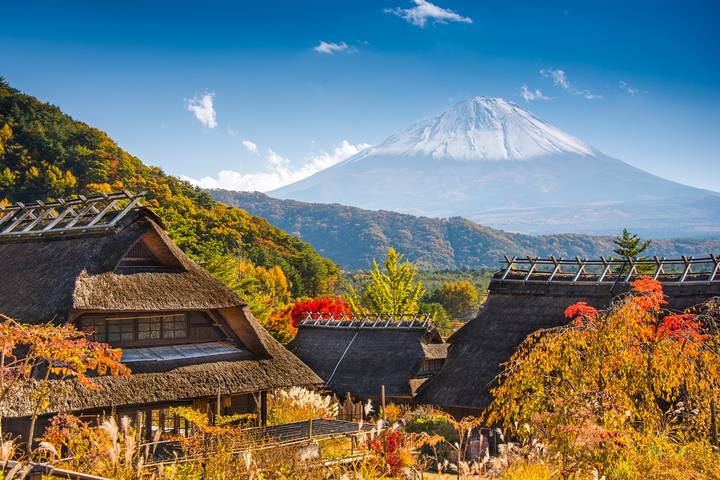
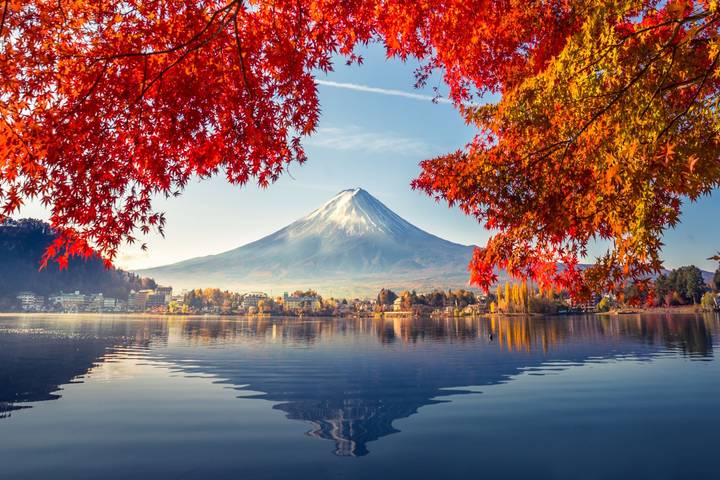
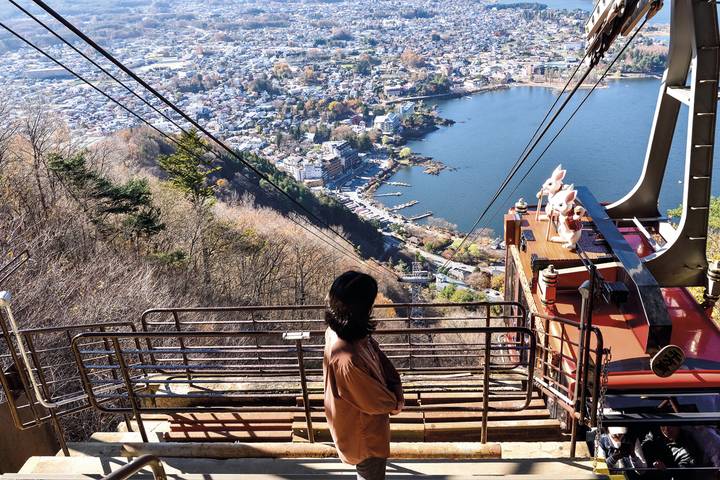
On day three, the coach heads for the Fuji area. Arakurayama Sengen Park is the classic photo stop, while Fuji Sengen Shrine gives the mountain a spiritual context: it has long been associated with pilgrimages up Fuji. A boat ride on Lake Kawaguchiko adds a different view before the coach climbs to the Fifth Station, at 2,305 metres, if road and weather conditions permit.
This is a day when the season matters. Snow or poor weather can close the road above the point the coach can safely reach, so the Fifth Station is not guaranteed. The mountain itself can also hide behind cloud. Treat the viewpoints as a chance, not a promise of a postcard-perfect Fuji.
The ryokan overnight is a highlight for anyone curious about traditional Japanese lodging. Onsen bathing and dinner are included, although room style can vary between tatami and Western beds, and the planned ryokan may occasionally be replaced by a Western-style hotel. On day four, Iyashi no Sato Nenba’s traditional houses, Shiraito Falls and the Toyota Museum provide varied stops before the drive to Kyoto. It is a long transfer day, but the mix of village, waterfall and automotive history breaks it up.
Kyoto and Nara’s temples, gardens and deer
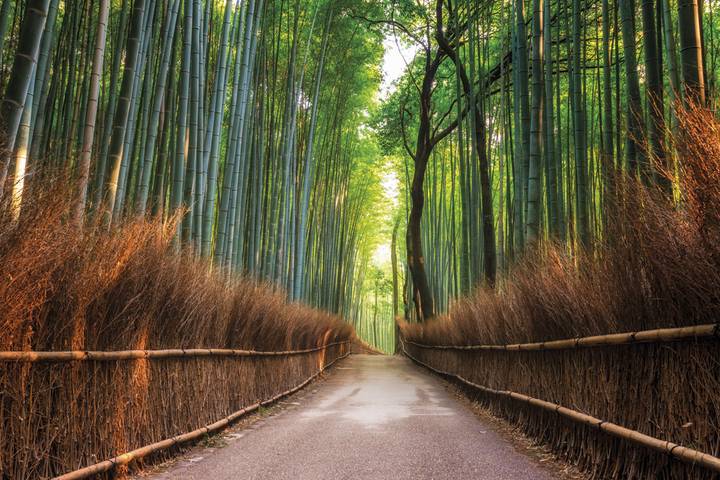
Kyoto gets a full guided sightseeing day, with Arashiyama, Togetsukyo Bridge, Tenryuji Temple and the bamboo forest, followed by Fushimi Inari, the Imperial Palace and Kinkakuji, the Golden Pavilion. The exact order can change, but the list covers several of the city’s essential sights. The downside is that each stop has to fit into one day, so you may wish you had more time at some of them.
After the guided portion, Gion is the place to make your own. It is known for traditional architecture and geisha culture, but think of it as a living district, not a staged show. The tour’s evening transfer arrangement for Gion is noted among its services, but check the day’s instructions carefully so you know what transport is actually provided and when.
Day six heads to Nara. Todaiji’s Great Buddha is the centrepiece, and the deer in the surrounding park are a memorable part of the visit. Horyu-ji adds a quieter, older religious site, with wooden structures among Japan’s earliest Buddhist buildings. Lunch is included before the group continues to Osaka and Dotonbori. This is a satisfying contrast: monumental temple grounds by day, neon signs and food stalls by night.
Himeji, Okayama and Hiroshima’s difficult history
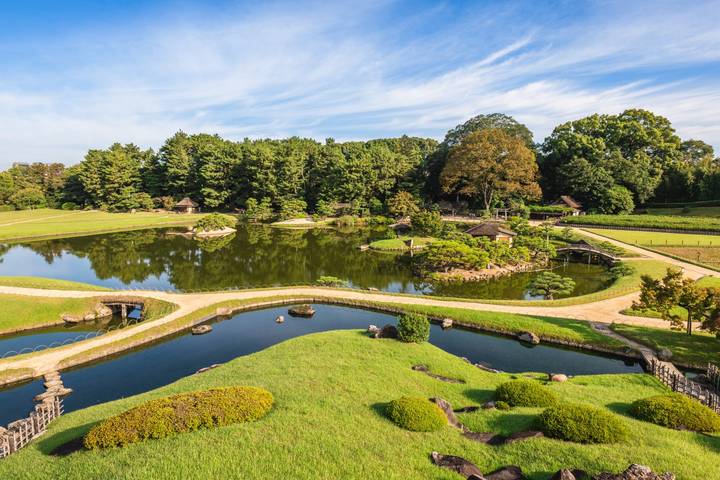
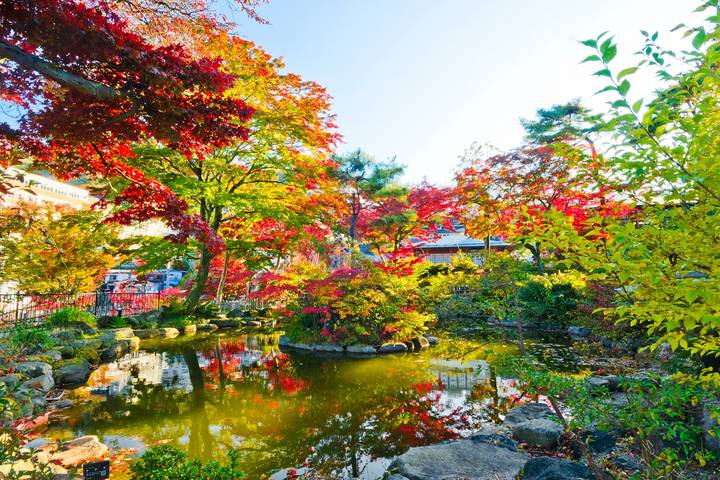
Himeji Castle is one of the trip’s major architectural stops. Its broad complex gives you a sense of the scale and defensive design of a Japanese castle, and admission is included. After lunch, Korakuen Garden in Okayama offers a gentler afternoon among ponds, waterfalls and teahouses. Okayama Castle is across a pedestrian bridge; the outside visit is included, but entry inside is not.
On day eight, Kurashiki’s preserved historic centre gives you time to walk at your own pace before the tour reaches Hiroshima. The Peace Memorial Park, Atomic Bomb Dome and Peace Memorial Museum are important and sobering. Allow yourself some quiet after the museum. The schedule then adds a ferry to Miyajima, also called Itsukushima, to visit the shrine built partly over the water and explore the town before returning to Hiroshima for dinner.
That combination makes for a long day with a sharp emotional shift. The island shrine is beautiful, but it does not erase the weight of Hiroshima. The ferry and admissions are included, which helps make a complicated day of transport and sightseeing manageable.
A completely different kind of day out:
- Mt Fuji and Hakone 1-Day Bus Tour Return by Bullet Train
★ 5.0 · 26,383 reviews - TOKYO SKYTREE® Ticket
★ 4.7 · 25,136 reviews - teamLab Borderless Tickets: MORI Building DIGITAL ART MUSEUM
★ 4.7 · 24,126 reviews - teamLab Planets TOKYO Ticket
★ 4.7 · 21,663 reviews
Shikoku’s castles, bathhouse and sea bridges
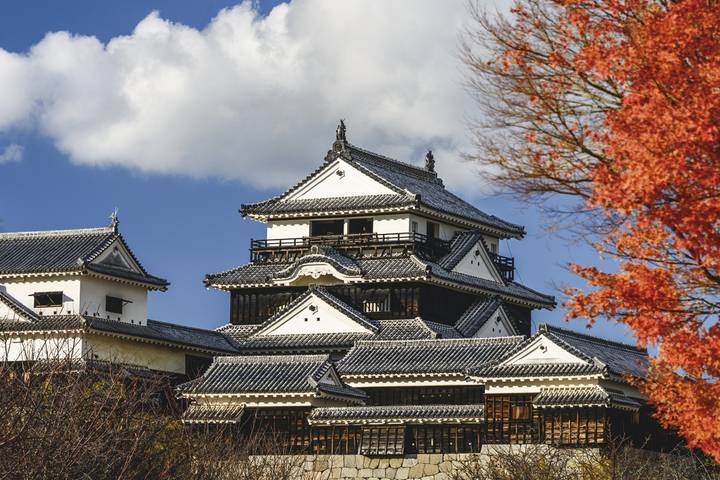
The ferry from Hiroshima to Matsuyama takes about two and a half hours and is a practical reminder that Japan is an island country, not just a string of connected cities. In Matsuyama, you take a cable car to the castle, visit Ishiteji Temple and go to Dogo Onsen, a traditional bathhouse dating to the 19th century. Lunch is included.
The next day is another full one. Kotohira Shrine involves 785 steps up Mount Zosu, so the tour’s low-intensity rating does not mean every stop is effortless. Ritsurin Garden in Takamatsu is a rewarding place to slow down, but the schedule soon moves on to Naruto, where you walk over a glass floor above the sea and look down toward the whirlpools. The coach then crosses bridges connecting islands on the way to Kobe.
The route is scenic and unusually varied, but this is not a leisurely island break. Pack comfortable walking shoes and be ready to board the coach again soon after each stop.
Mount Koya’s monastery night
Kobe’s Earthquake Memorial Museum puts the city’s 1995 earthquake and rebuilding into context. The scheduled visit may be replaced on some dates by a sake museum or Kobe Tower, so this stop is subject to change. From there, the route goes to Mount Koya, a major centre of Shingon Buddhism with around 120 temples and monasteries.
At Okuno Mausoleum, a large cemetery sits among trees; Kongobuji Temple adds a historic religious site. The overnight is at a Buddhist monastery, with a vegetarian dinner, traditional Japanese breakfast and a Zen meditation practice called Ajikan planned. You may also attend a religious ceremony before breakfast.
Go in with practical expectations. Temple rooms are simple and use tatami mats, bathrooms are shared, and a meditation session cannot be guaranteed on peak dates. If monastery accommodation is unavailable, the group may stay at a nearby hotel instead. Even with those qualifications, this night offers a different kind of stay from the tour’s standard city hotels.
Tsumago, Matsumoto and the Japanese Alps
Day twelve returns to Kyoto, where you have a full day free. That is a welcome chance to revisit a temple, explore a neighbourhood at your own pace or follow your guide’s suggestions. It is one of the few days with room to choose your own rhythm.
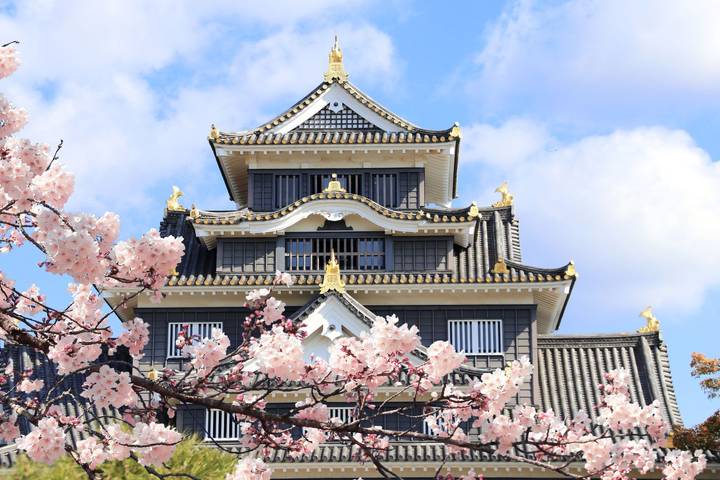
The next day brings a long drive to Tsumago, a small village of wooden houses where you have time to walk and eat lunch. Matsumoto follows, with admission to its 16th-century castle, known as the Crow for its dark exterior. Free time in town comes before the coach continues to Nagano.
Nagano’s Zenkoji Temple is a major pilgrimage site, and the tour includes the Gomakuyo ceremony, a ritual for good fortune. Then comes Jigokudani Monkey Park, reached by forest trails where Japanese macaques may be seen bathing in hot springs. The monkeys’ movements can be unpredictable, particularly in autumn, so sightings are not certain. Kusatsu’s hot-spring town and Ikaho’s stone stairway district round out the day, followed by a ryokan stay and traditional dinner. Kusatsu may be omitted from November through April due to weather conditions.
Nikko closes the loop back in Tokyo
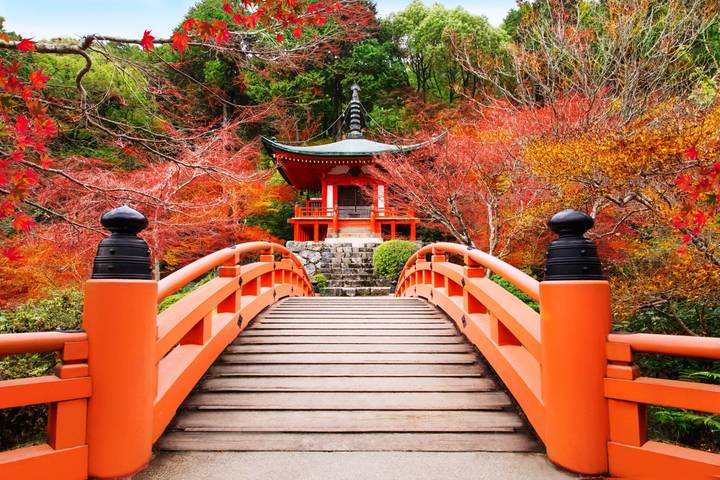
The last day visits Nikko Toshogu, known for its elaborate design and a room associated with the sound of a dragon, then Taiyuinbyo Mausoleum and the Jizo statues along Kanmangafuchi Abyss. You get some free time in town before the coach returns to Tokyo, with arrival planned for about 6:30 p.m.
That return time matters if you are booking a flight. The airport transfer after the tour is not included, and the schedule advises checking whether you need an extra night in Tokyo. I would not plan a tight same-evening international departure without confirming the details.
What the group format means in practice
The tour is fully guided in English according to its description, but group size can range from two to 72. Past departures have included both English- and Spanish-speaking groups, sometimes sharing a coach or guide arrangement. Some people found bilingual coordination smooth, while others struggled to hear meeting instructions or felt that the languages disrupted the flow. If clear, uninterrupted English commentary is essential to you, ask the operator how your specific departure handles languages before paying.
Guides on past tours have included Nadia, Midori, Emma, Santiago, Kiko, Paco, David Solanes, Akane, Ken and Luis. The guide team changes, and this list is not a promise about your departure. The tour can also shift guides and fellow passengers as sections change, so don’t count on travelling with the same group of companions for all 15 days.
Should you book this Japan tour?
Book it if you want an organized first look at Japan, value having long-distance transport and many admissions arranged, and are happy to trade some independence for a wide-ranging route. The monasteries, ryokan, Shikoku ferry and mountain towns give it more texture than a city-only tour.
Skip it if you want a small group, slow mornings or generous time at each temple. Before booking, confirm how English and Spanish groups are managed, check which hotel category and room arrangements apply to your departure, and leave a buffer after the 6:30 p.m. return to Tokyo. The best fit is a curious, adaptable traveller who would rather see many sides of Japan than settle into just a few.
FAQ
How long is the tour, and where does it start and end?
It lasts 15 days. It starts in Tokyo, where a shared airport shuttle takes you to the hotel, and ends with a return to Tokyo planned for about 6:30 p.m. on day 15.
Is the tour conducted in English?
The tour is described as fully guided in English, with an English-speaking tour leader. Some past departures have combined English- and Spanish-speaking groups, so ask how languages will be handled for your departure.
How large can the group be?
The stated group size ranges from two to 72 people. It is a regular group tour, not a private or small-group tour.
What meals are included?
Buffet breakfast is included, along with five lunches and five dinners. Meals include a vegetarian dinner at Mount Koya and a traditional Japanese dinner at the Ikaho ryokan.
Are the Mount Fuji Fifth Station and Jigokudani Monkey Park guaranteed?
No. Snow or bad weather may limit access to Mount Fuji’s Fifth Station. At Jigokudani, macaques may not come down to the park, particularly in autumn, and the visit can be affected by their movements.
What is the Mount Koya overnight like?
The planned stay is at a Buddhist monastery, with simple tatami-style rooms and shared bathrooms. A vegetarian dinner, traditional breakfast and Zen meditation practice are included in the plan, though meditation may not be available on peak dates. A nearby hotel may be used if temple space is unavailable.
Is airport transport included at the end of the tour?
No. The tour includes an arrival transfer from Tokyo airport, but no departure transfer. The group returns to Tokyo at about 6:30 p.m., so check your flight time and consider booking another night if needed.
Just added in Tokyo
- Wonders Of Japan 10-Day Tour by Travel Talk★ 4.5 · 14 reviews
- Wonders of Japan end Tokyo 15-Day Tour by Europamundo★ 4.2 · 10 reviews
- Wonders of Japan End Osaka by Europamundo – 12-Day Tour★ 4.2 · 58 reviews
- Wonders of Japan End Osaka (including Fukuyama) 12-Day Tour by Europamundo★ 4.2 · 58 reviews
- Wonders of Japan End Osaka GO by Europamundo – 12-Day Tour★ 4.2 · 58 reviews
- Walk Japan – Kumano Kodo Trail 12-Day Tour by Explore!★ 4.7 · 20 reviews
- Visions of Japan with Hiroshima & Osaka 15-Day Tour by Globus★ 5.0 · 75 reviews
- Upgraded – Discover Japan 9-Day Tour by Explore!★ 4.8 · 6 reviews
Multi-Day Tours, compared.
9D Splendid Japan-Private 3 Star Hotels-Osaka to Tokyo by Stunning Tours
Read our review →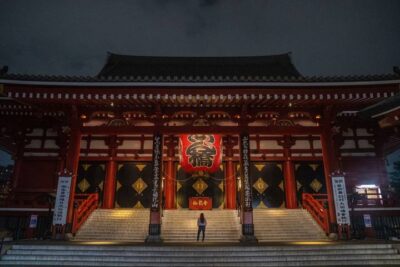
Japan Essentials 9 Day – One Life Adventures: Tokyo to Osaka
Read our review →

Tokyo to Osaka by Rail – Private Tour (14 Days) with Explore!
Read our review →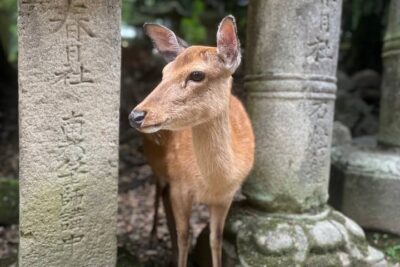
13-Day Japan Tour: Tokyo, Mount Fuji, Kyoto, Nara, Osaka & Beyond by The Dragon Trip
Read our review →
Browse the lists this tour appears in