
Reviewed · 7-DAY EXPERIENCES
Central Japan Express 7-Day Tour by Europamundo Review
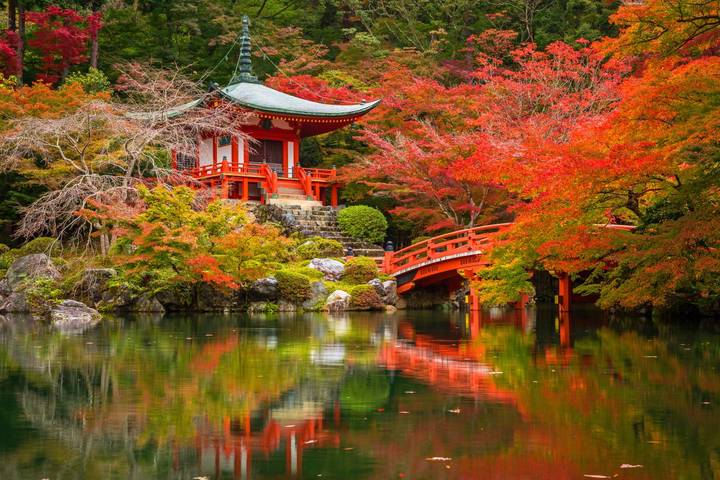
Japan’s contrasts are the point of this seven-day tour from Tokyo: one morning brings you to a Shinto shrine in the city, another to Mount Fuji’s foothills, and later days trade neon-lit districts for Kyoto temples and a preserved mountain village. It’s a quick, guided route through several very different sides of central Japan.
I like two things in particular: the trip combines big-name sights with places such as Tsumago, and the overnight ryokan stay adds an onsen to an otherwise hotel-based journey. The guided Tokyo and Kyoto visits also take care of busy sightseeing days, leaving you less time to puzzle out transport.
The trade-off is the pace. You cover a lot of ground by bus, and some days include long drives as well as multiple stops. A clear view of Fuji is never guaranteed, and the mountain road to the Fifth Station can close in winter.
In This Review
- At a glance
- A fast route through central Japan
- Tokyo: temples, crossing, and city views
- Mount Fuji: viewpoints, lake, and hot springs
- From Iyashi no Sato to Kyoto
- Kyoto: a concentrated temple day
- Tsumago and Matsumoto on the way back
- What the price covers, and what it does not
- Who should book this Japan tour?
- FAQ
- How long is the Central Japan Express tour?
- What is the starting price?
- Are international flights included?
- Which months does the tour depart?
- Is the tour guided in English?
- Is the Mount Fuji Fifth Station visit guaranteed?
- What meals are included?
- What kind of accommodation should I expect?
At a glance
- Tokyo in one long guided day: Zojoji, Meiji Shrine, Skytree, Sensoji Temple, and a guided evening walk in Shinjuku.
- Fuji views with weather caveats: Arakurayama Sengen Park, Lake Kawaguchiko, a boat ride, and a drive toward the Fifth Station.
- A ryokan and public onsen: Your night near Kawaguchiko includes dinner and access to a traditional hot-spring bath.
- Kyoto’s essential sights: Arashiyama, Tenryuji Temple, the bamboo grove, Fushimi Inari, the Imperial Palace, and Kinkakuji.
- Old post-town and castle stops: Tsumago and Matsumoto Castle add a rural counterpoint to the large cities.
- A substantial coach itinerary: The group can range from 2 to 72, and schedules or stops can change in exceptional circumstances.
A fast route through central Japan
The Central Japan Express is designed for people who want to see several headline destinations without planning each transfer themselves. It begins and ends in Tokyo, with stops in the Fuji area and Kyoto, plus visits to Iyashi no Sato Nenba, Tsumago, and Matsumoto.
The tour is partially guided. English-speaking guides lead scheduled city visits in Tokyo and Kyoto, while the coach handles the main intercity journeys. The group may be small or as large as 72, and the operator notes that some tours can run in English and Spanish, either with separate leaders or one guide explaining in both languages.
This is a practical format if you have only a week and would rather not work out long-distance transport and sightseeing on your own. It is less suited to anyone who wants several unplanned days in each city. You get a sampler, not an in-depth stay.
The tour runs in March, October, and November. Its physical rating is low intensity, but expect regular walking at temples, shrines, parks, and village streets. A full day on a coach is not the same thing as a restful day, especially when the itinerary has several stops.
A few more options to weigh up in Tokyo
- Tokyo Disney Resort – Tokyo Disneyland & Tokyo DisneySea Park Tickets
★ 4.8 · 99,488 reviews - SHIBUYA SKY Ticket
★ 4.7 · 46,509 reviews - JR Whole Japan Rail Pass
★ 4.8 · 29,150 reviews
Tokyo: temples, crossing, and city views
Your first day is deliberately light. A shared shuttle takes you from the airport to the hotel, then the rest of the day is free. The guide provides tour details in the afternoon, so you can settle in before the sightseeing begins.
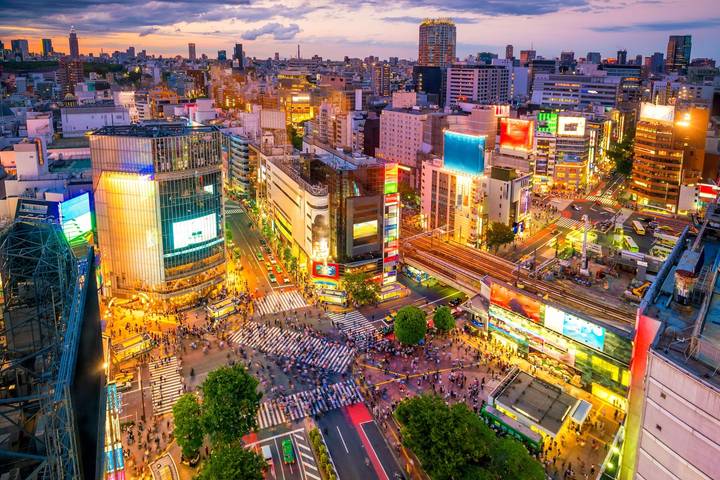
Day two is a long, roughly seven-hour guided tour. At Zojoji Temple, you get a view of Tokyo Tower and see rows of small Jizo figures, guardians of children, dressed with knitted caps and bibs. It is a more reflective start than the city’s famous scramble at Shibuya Crossing, which you view from the bus rather than crossing on foot with the guide.
Meiji Shrine offers a quieter stretch among trees, before the tour shifts to Tokyo Skytree. Admission to the Tembo Deck at 350 metres is included, weather and access permitting. If conditions prevent a visit, the operator says it will offer another city viewpoint. At Asakusa, you visit Sensoji Temple and walk Nakamise, the shopping lane leading toward the temple.
The route also passes Akihabara and Ginza, but the supplied schedule describes these as pass-by sights, not stops for extended exploration. Keep that distinction in mind if either district is high on your list. The order of visits may change to fit Skytree admission times.
In the evening, you take the subway with the guide to Shinjuku for a walk and an included dinner at a local restaurant, then return by subway together. This is a useful introduction to moving around Tokyo, though the day is already full. If you want to explore more independently, save your energy for another evening or add time before or after the tour.
Mount Fuji: viewpoints, lake, and hot springs
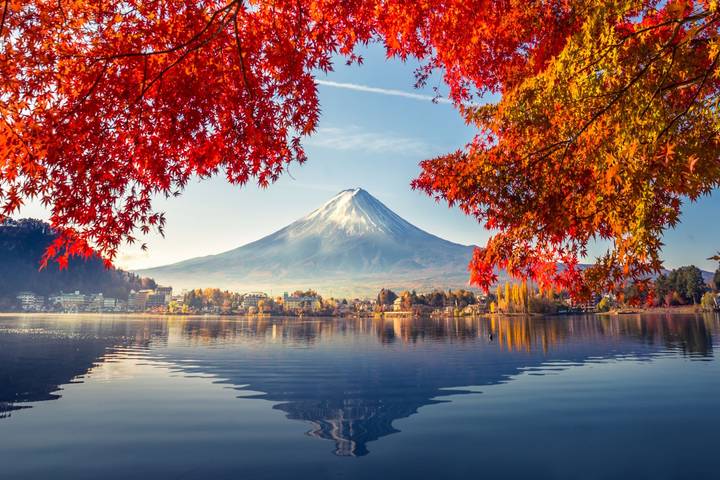
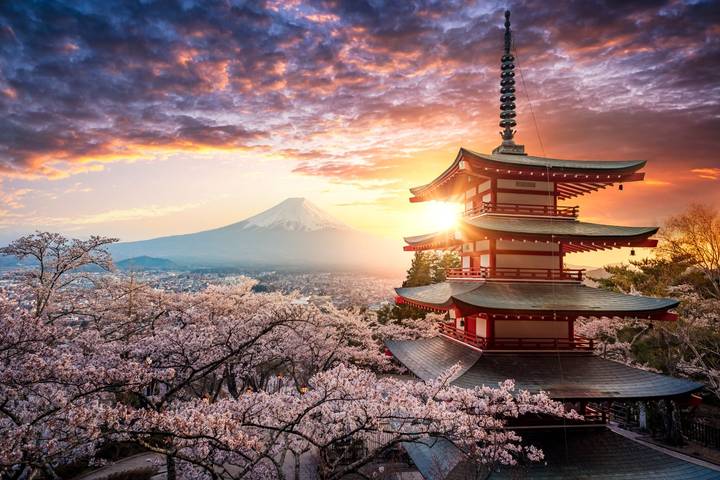
On day three, the coach heads for the Fuji area. The first major stop is Arakurayama Sengen Park, known for its pagoda and views toward Mount Fuji. The scene depends on visibility, so think of it as a chance at the classic view rather than a promise of a cloud-free peak.
At Kawaguchiko, the group visits Fuji Sengen Shrine, traditionally linked with pilgrimages up the mountain, then takes a boat ride on Lake Kawaguchiko. The schedule continues by road toward Mount Fuji’s Fifth Station, at about 2,305 metres. In winter, snow or weather can close the road, in which case the coach goes as far as conditions allow.
The overnight stay is one of the trip’s most distinctive features: a traditional inn, dinner, and access to an onsen, or public hot-spring bath. Room style is not assured. You may have a Japanese-style room with tatami mats or a Western-style room, and, on occasion, the planned ryokan may be replaced by a Western-style hotel. If sleeping on tatami or using a communal bath matters to you, treat both as possible rather than guaranteed.
From Iyashi no Sato to Kyoto
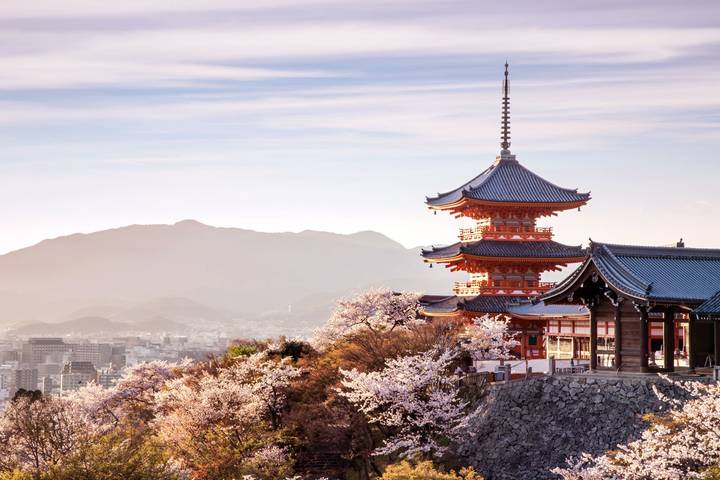
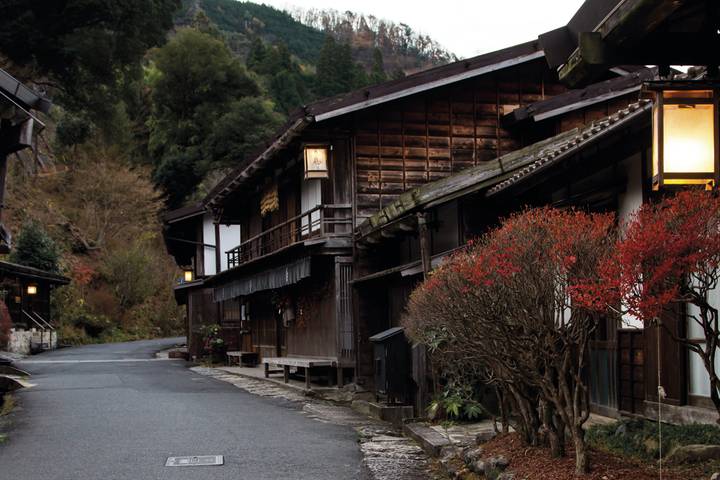
The next day includes a scenic drive around lakes and a visit to Iyashi no Sato Nenba. The former village was destroyed by a typhoon in 1966 and later restored as an open-air museum. Its traditional houses now hold craft shops, restaurants, and cultural displays. It is a compact way to see older rural architecture, though it is a reconstructed village rather than an untouched historic settlement.
Shiraito Falls is another stop on the way toward Nagoya. The water spreads across a low, broad cascade, a welcome change from temples and roads. In Nagoya, you visit the Toyota Museum, with admission included. That stop gives the itinerary an industrial-history angle, but it may be less compelling if cars and manufacturing are not your interests.
The route then continues to Kyoto for the night. This is a long transfer day with several visits built in, so you should not expect a leisurely arrival or much free time that evening. The listed route details place Iyashi no Sato, Shiraito Falls, and the Toyota Museum on this day; Tsumago and Matsumoto are visited on day six.
A completely different kind of day out:
- Mt Fuji and Hakone 1-Day Bus Tour Return by Bullet Train
★ 5.0 · 26,383 reviews - TOKYO SKYTREE® Ticket
★ 4.7 · 25,136 reviews - teamLab Borderless Tickets: MORI Building DIGITAL ART MUSEUM
★ 4.7 · 24,126 reviews - teamLab Planets TOKYO Ticket
★ 4.7 · 21,663 reviews
Kyoto: a concentrated temple day
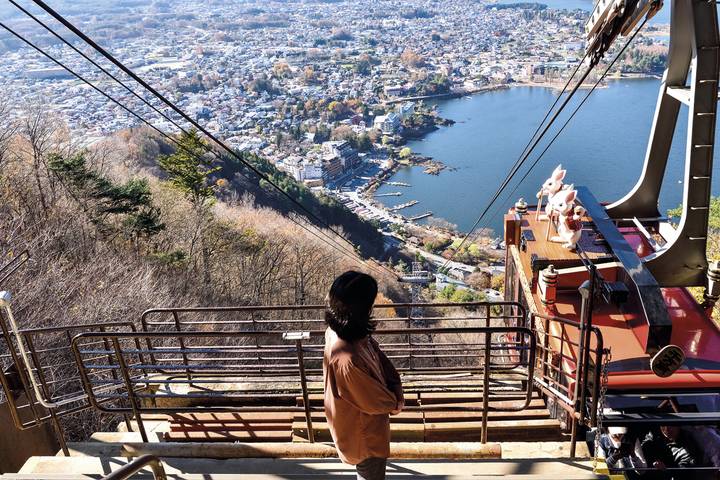
Kyoto gets a full guided sightseeing day, and the schedule is ambitious. In Arashiyama, you see Togetsukyo Bridge and visit Tenryuji Temple, followed by a walk through the bamboo grove. The grove is a famous short visit rather than a long nature walk, so enjoy the setting but do not expect to have it to yourself.
The day also includes Fushimi Inari Shrine, the Imperial Palace, and Kinkakuji, the Golden Pavilion, with its gardens. These sites each merit more time than a quick stop, but seeing them together is useful if you have limited days. The order can vary, and the pace will depend on the day’s route and group.
After the guided visits, you have time to go to Gion, Kyoto’s traditional district. The schedule describes this as free time, with an evening transfer listed among the included services. Use the opportunity for a walk, but check the guide’s timing and meeting instructions before setting off. Kyoto is one place where an extra night would be worthwhile if you can extend your trip.
Tsumago and Matsumoto on the way back
Day six reverses the direction of travel, taking you from Kyoto through rural scenery to Tsumago, then Matsumoto, before returning to Tokyo. Tsumago is a wooden post town with a preserved traditional character. You have free time to walk around, and lunch at a local restaurant is included.
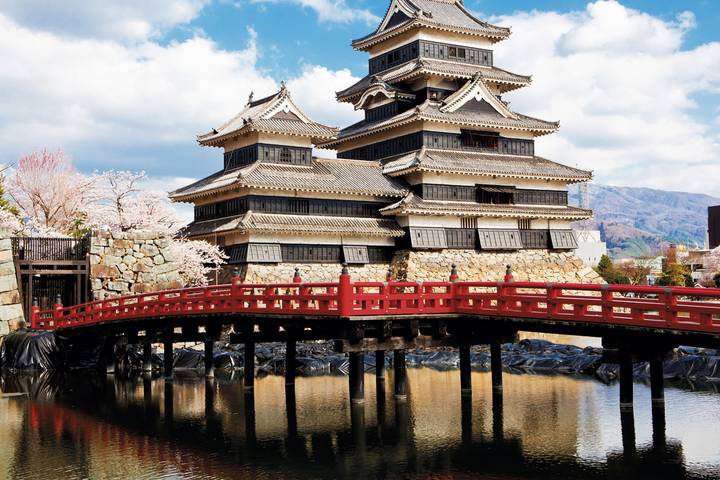
Matsumoto’s 16th-century castle is the day’s headline stop. Its dark exterior has earned it the nickname the Crow, and admission is included. You also get free time in town before the coach continues to Tokyo, where you arrive by the end of the day. This is another packed travel day, so think of Matsumoto as a focused castle visit rather than a full town stay.
At the end of the tour, breakfast is included before departure. International flights are not included, so plan your arrival and departure around the first and last days rather than assuming the package covers air travel.
What the price covers, and what it does not
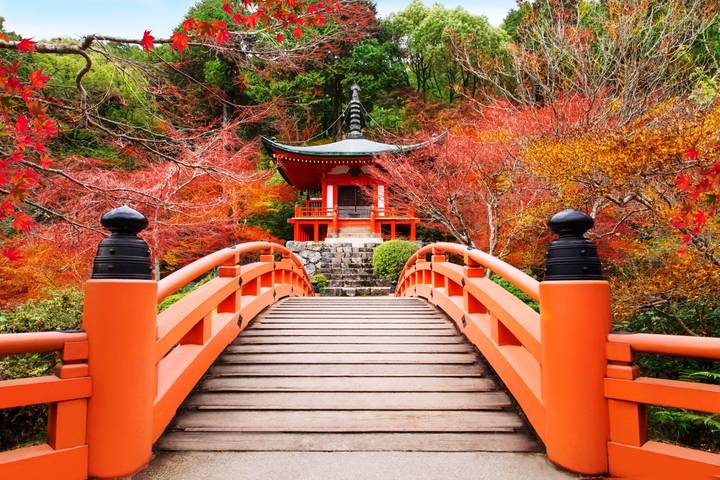
The advertised starting price is from $2,108 per person, based on the cheapest room option. That is a meaningful outlay, but it includes six nights of accommodation, breakfast, coach transport between destinations, an arrival shuttle, guided city tours, listed admissions, a boat ride on Lake Kawaguchiko, and selected meals. Two lunches and two dinners are included, with the stated meals covering Tokyo and the Fuji-area ryokan as well as lunch in Tsumago.
The hotels are described as four-star properties, with alternatives depending on availability. Named options include Shinagawa Prince Hotel, Tokyo Dome Hotel, or Moxy Tokyo Kinshicho in Tokyo; Miyako Kyoto Hachijyo in Kyoto; and Fuji View Hotel Kawaguchiko, Fuji Kawaguchiko Resort, or Kofu Kinenbi in the Fuji area. The operator says hotels are selected for quality, price, and location, often outside the city centre but near public transport. Room sizes, bed sizes, and standards can vary.
The value is strongest if you would otherwise pay separately for transport, entry tickets, guided visits, meals, and hotel stays. It is weaker if you prefer to choose your own hotels, spend several days in Kyoto, or skip a stop that does not interest you. Budget separately for flights and any meals or activities not listed as included.
One recent April departure had guides Jorge, Gema, Reino, and Midori, described as energetic and well informed. Those names are useful context, not a promise of who will lead your departure: Europamundo notes that guides can change during a tour. The same April account flagged long breakfast queues at the Prince and Miyako hotels in high season. If you have a tight morning schedule, leave a little breathing room at breakfast.
Who should book this Japan tour?
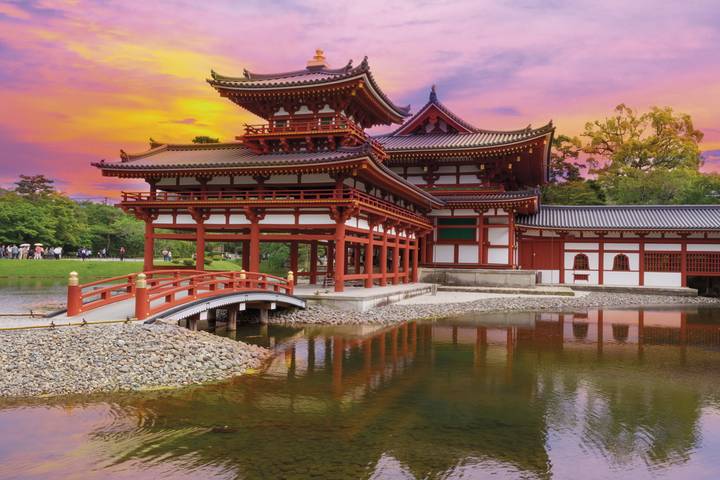
I’d consider this tour if you want a guided first look at Japan and value having transport and major sightseeing arranged. It works well for families and adults across age groups, with all ages welcome, and the light-intensity rating suits people comfortable with ordinary city and site walking.
I would look elsewhere if you want slow travel, small-group intimacy, or complete control over your day. A group of up to 72 can feel very different from a small guided walk, and the coach-heavy schedule leaves limited time to linger. Also go in with realistic expectations about Fuji: the route offers several chances for views, but the mountain and Fifth Station access depend on conditions.
For a first visit with just a week available, the mix of Tokyo, Fuji, Kyoto, a ryokan night, Tsumago, and Matsumoto makes a strong case. Book it for breadth and convenience, not for long, unhurried stays.
FAQ
How long is the Central Japan Express tour?
It lasts seven days, starting and ending in Tokyo.
What is the starting price?
The listed starting price is $2,108, based on the cheapest room option. Prices may vary by departure and room availability.
Are international flights included?
No. International flights are not included.
Which months does the tour depart?
The listed departure months are March, October, and November.
Is the tour guided in English?
Yes. English-speaking guides lead the scheduled city tours in Tokyo and Kyoto. The operator notes that some tours may be bilingual, usually in English and Spanish.
Is the Mount Fuji Fifth Station visit guaranteed?
No. The road is often closed in winter because of snow or weather. When access is limited, the coach goes as far as conditions allow.
What meals are included?
Breakfast is included with the hotel stays. The tour also includes two lunches and two dinners, including lunch in Tokyo and Tsumago and dinner in Shinjuku and at the ryokan.
What kind of accommodation should I expect?
The tour uses four-star hotels, with named alternatives in Tokyo, Kyoto, and the Kawaguchiko area. The Fuji-area night is planned at a ryokan with onsen access, though room style can vary and a Western-style hotel may occasionally be used instead.
Just added in Tokyo
- Wonders Of Japan 10-Day Tour by Travel Talk★ 4.5 · 14 reviews
- Wonders of Japan end Tokyo GO 15-Day Tour by Europamundo★ 4.2 · 10 reviews
- Wonders of Japan end Tokyo 15-Day Tour by Europamundo★ 4.2 · 10 reviews
- Wonders of Japan End Osaka by Europamundo – 12-Day Tour★ 4.2 · 58 reviews
- Wonders of Japan End Osaka (including Fukuyama) 12-Day Tour by Europamundo★ 4.2 · 58 reviews
- Wonders of Japan End Osaka GO by Europamundo – 12-Day Tour★ 4.2 · 58 reviews
- Walk Japan – Kumano Kodo Trail 12-Day Tour by Explore!★ 4.7 · 20 reviews
- Visions of Japan with Hiroshima & Osaka 15-Day Tour by Globus★ 5.0 · 75 reviews
7-Day Experiences, compared.


Essential Japan GO by Europamundo – 7-Day Tokyo to Osaka Tour
Read our review →
Tokyo, Kyoto and Hiroshima end Tokyo by Europamundo – 7-Day Tour
Read our review →
Tokyo, Kyoto and Hiroshima end Tokyo GO 7-Day Tour by Europamundo
Read our review →
Tokyo, Kyoto and Hiroshima 7-Day Tour by Europamundo
Read our review →
Tokyo, Kyoto and Hiroshima GO by Europamundo – 7-Day Tour
Read our review →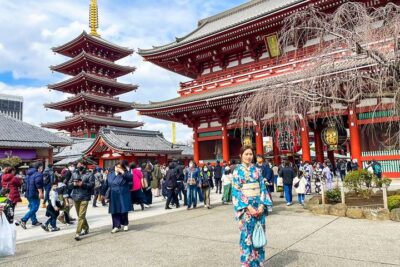
7-Day Best Japan Mini Group Tour with 3/4 Stars Hotels by Agate Travel
Read our review →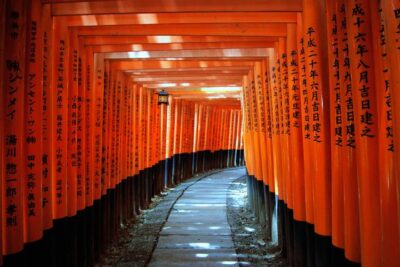
Browse the lists this tour appears in