
Reviewed · MULTI-DAY TOURS
The “Golden Route” and Ancient Japan by DIAMIR Erlebnisreisen – 14-Day Tour Review
Kyoto’s tea rooms and temple paths are only the beginning: this tour trades neon-lit Tokyo for old post towns, a samurai castle and a night in a Buddhist temple lodge. That change of pace is the trip’s real draw, though the schedule packs in a lot of ground.
I like the hands-on cultural stops, from Zen meditation and a tea ceremony to calligraphy or ikebana. I also like the contrast between the Nakasendo walk and Tokyo’s digital art, which gives you more than a procession of famous photo spots.
The catch is the pace. You cover several regions in two weeks, and some days include long transfers and tightly timed visits. Past departures have also raised questions about short meal breaks and the Fuji transport, so it is worth confirming those details before you book.
- Kyoto culture comes with participation: Try Zen meditation, matcha preparation, calligraphy or ikebana, rather than only viewing temples.
- The Nakasendo adds a country walk: Walk about 9 km between Magome and Tsumago, then relax at a ryokan with an onsen.
- Nagoya mixes old and new: Visit Tokugawa-era sites, then see Toyota’s industrial history and technology.
- Fuji is a weather-dependent day: The route includes Iyashi no Sato, Lake Kawaguchiko and the Chureito Pagoda viewpoint.
- Tokyo brings a sharp change of mood: Sensoji, Shibuya, Meiji Shrine and TeamLab sit alongside shopping districts and modern city views.
In This Review
- Kyoto begins with bamboo, gardens and temple bells
- A quieter Kyoto, then a full day in Nara
- Calligraphy, a bullet train and Nagoya’s two faces
- The Nakasendo is the tour’s best change of pace
- Matsumoto Castle leads to a temple stay
- Mount Fuji is a scenic day, not a climb
- Tokyo brings bonsai, temples and digital art
- The pace, meals and value deserve a clear-eyed look
- Should you book this Japan tour?
- FAQ
- How long is the tour, and where does it start and end?
- In what language is the tour guided?
- How large is the group?
- How much walking is involved?
- Are meals included?
- Is the Mount Fuji day a mountain climb?
- Is the kimono experience included?
- What accommodation is included?
- What months does the tour depart?
Kyoto begins with bamboo, gardens and temple bells
You arrive in Japan on Day 2, connect in Tokyo to Osaka-Itami, then transfer to Kyoto. The first afternoon is deliberately light, with time to settle in and walk around the hotel area. Dinner at an izakaya introduces Japanese small-course dining and gives the group a chance to meet.
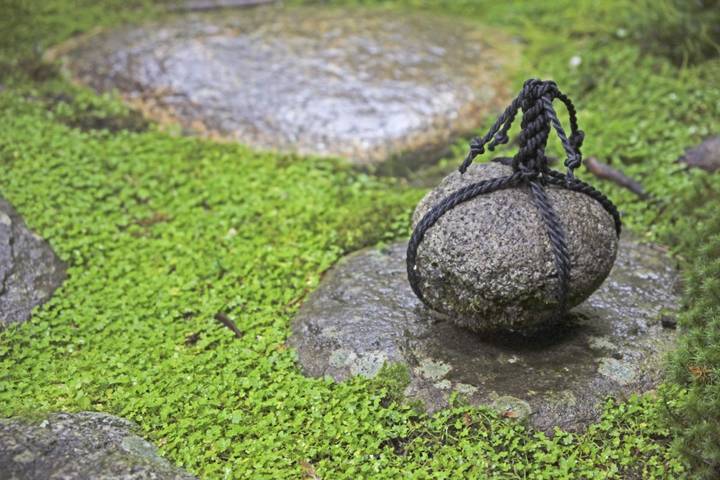
The next day is an ambitious sweep through Kyoto. Arashiyama’s bamboo grove is an atmospheric start, but it can be busy, and the best use of the visit is to keep moving rather than expect solitude. Nearby Tenryuji Temple offers a more measured pause: its garden and dry-stone design give you a taste of Zen aesthetics beyond the famous bamboo.
Kinkakuji, the Golden Pavilion, is a striking sight, though it is a popular stop and the visit is more about seeing the gilded building and its grounds than spending a long time inside. Gosho Palace and Nijo-jo Castle add layers of imperial and shogun history. At Nijo-jo, listen for the creak of the so-called nightingale floors, designed to sound when walked on. The day covers a lot, so comfortable shoes and a willingness to follow the guide’s timing matter.
A quieter Kyoto, then a full day in Nara
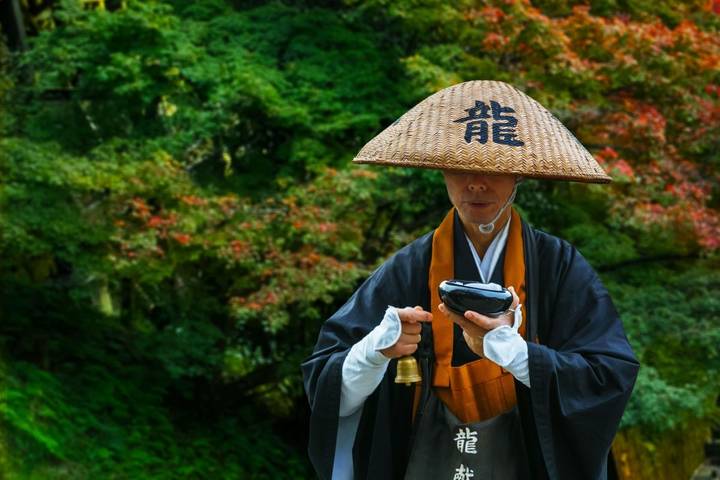
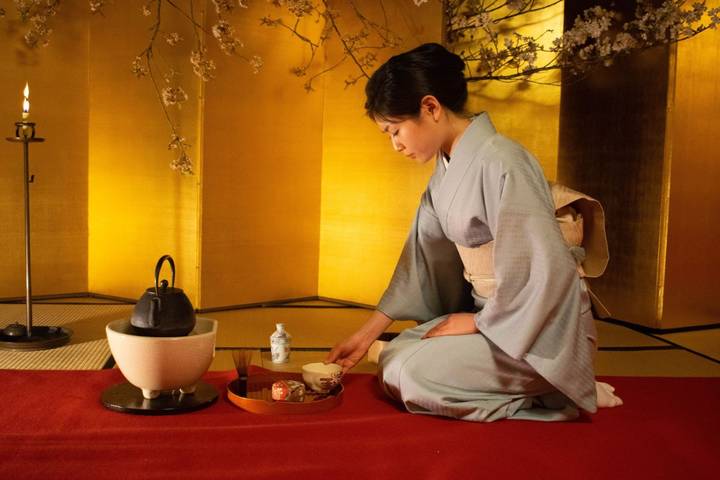
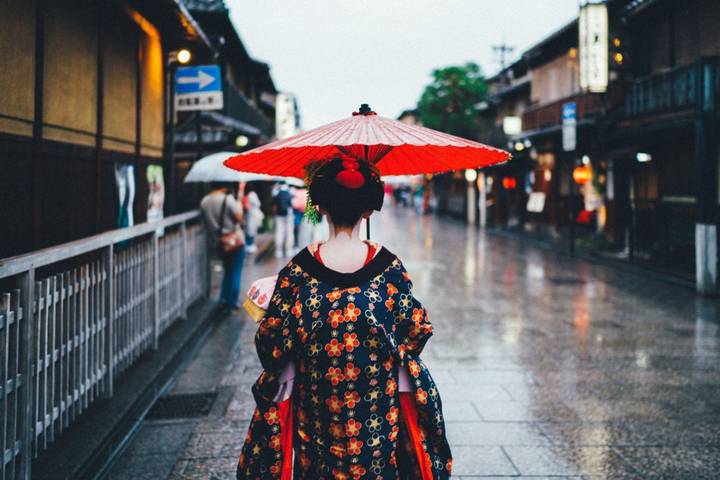
Day 4 shifts from big sights to practices and small details. A Buddhist monk introduces Zen meditation at a temple, followed by a walk through Gion and the historic lanes of Ninen-zaka and Sannen-zaka. The tea ceremony is a useful chance to see how matcha preparation is shaped by ritual, not just taste. A maiko performance adds a glimpse of a highly formalized arts tradition.
You can continue on your own through Higashiyama to Kiyomizu Temple, whose raised wooden stage looks out over Kyoto. This free time is valuable after a guided morning, but it also means you should be ready to navigate back to the hotel independently.
The Nara day begins with Fushimi Inari’s vermilion gates, which wind up the hillside behind the shrine. You do not need to climb the entire route to appreciate the repeated gates, but expect steps and crowds near the entrance. In Nara, deer roam freely around the park, and Todaiji’s immense bronze Buddha is the main event. Kasuga Shrine’s stone lanterns offer a calmer finish before returning to Kyoto.
A few more options to weigh up in Kyoto
- PERFECT KYOTO 1-Day Bus Tour
★ 5.0 · 13,518 reviews - [Kyoto & Nara Day Tour] Sagano Scenic Railway & Nara Park & Fushimi Inari Taisha Thousand Torii Gates & Togetsukyo Bridge & Bamboo Grove & Kimono Forest (Departing from Osaka)
★ 4.9 · 10,942 reviews - Kyoto: Fushimi Inari, Kinkakuji, Bamboo Grove 1 Day Bus Tour
★ 4.8 · 4,316 reviews
Calligraphy, a bullet train and Nagoya’s two faces
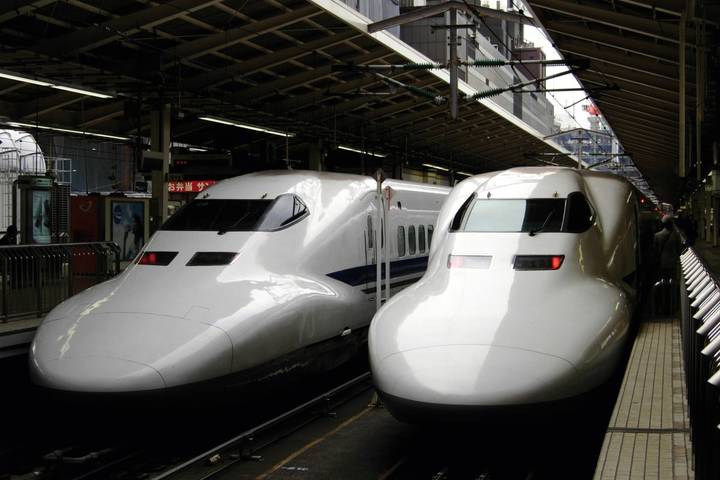
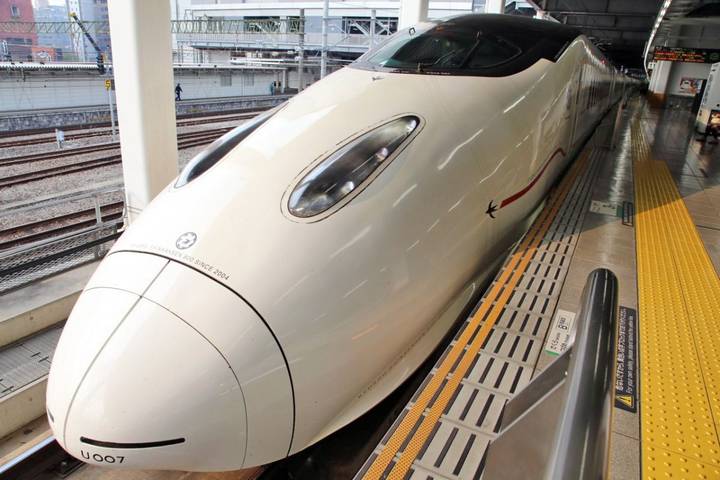
On Day 6, choose either calligraphy or ikebana in a 400-year-old townhouse. Both are included, but the choice needs to be made when booking. A kimono fitting is available for an extra charge. The group then heads to Kyoto Station, where you can buy an ekibento for the Shinkansen ride to Nagoya. The roughly two-hour journey is a practical transfer and a memorable part of Japan’s rail culture.
Nagoya’s Osu district brings an evening street-food tour and a chance to sample local specialties. The meal is included as a guided food experience, but other drinks or food not specified in the package are extra.
The following day moves between samurai heritage and modern industry. The Tokugawa Museum and its garden introduce the world of an influential samurai family, while the Samurai Prince’s Palace shows the formal decoration associated with the ruling elite. At the Toyota Memorial Museum, the focus turns to manufacturing and transport technology, including functional robots and hybrid systems. If the visit falls on a Monday, the Toyota museum may move to Day 6.
The Nakasendo is the tour’s best change of pace
An express train takes you from Nagoya into the Kiso Valley. The walk between Magome and Tsumago follows a section of the old Nakasendo route, which once linked Edo, today’s Tokyo, with Kyoto. It is about 9 km, with roughly five hours of walking and an elevation profile listed as 200 m up and 400 m down. That is manageable for many people, but it is not a casual stroll in city shoes.
The preserved post towns and rural setting make this day a welcome break from temples and transport hubs. You finish at a ryokan, where futon bedding and tatami-style rooms give you a different kind of overnight stay. The inn’s onsen and multi-course dinner are included. Follow the bathing guidance at the property, and remember that ryokan dining is part of the experience as well as a meal.
Next comes Kiso-Fukushima, with an Edo-period checkpoint museum, a samurai residence and Kozenji Temple. The exact museum visit can depend on the day of the week. By afternoon, you take the train to Matsumoto, leaving less time for an unplanned wander, but arriving in a city with one of Japan’s most memorable castles.
Matsumoto Castle leads to a temple stay
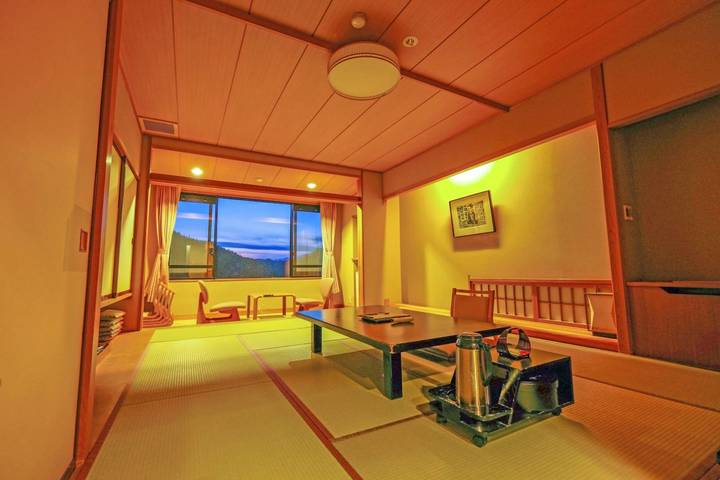
Matsumoto Castle, also called Crow Castle, is notable for its black exterior and original 17th-century tower. The tower is accessible, but historic stairs can be steep, so take your time. At the Matsumoto City Museum of Art, Yayoi Kusama’s work provides a bold shift from feudal architecture to contemporary art, including her well-known dot-covered pieces and Infinity Rooms.
A chartered bus then carries the group to Minobu. At Kakurinbo, a temple lodge on the grounds of Kuonji Temple, you stay in a Buddhist setting and eat shojin ryori, a traditional vegetarian meal. This night feels distinct from a standard hotel stop, though it is still a single-night introduction rather than an extended retreat.
Early risers can attend morning worship at about 5 a.m. It is optional, and the early start is not for everyone. If you do go, the service offers a rare chance to see the temple at the start of its day.
A completely different kind of day out:
- Kyoto: Tea Ceremony in a Traditional Tea House in Kiyomizu
★ 4.9 · 3,519 reviews - Kyoto: Gion Make Your Own Chopsticks with Engraving Option
★ 5.0 · 3,465 reviews - Kyoto Nara Day Trip │ Kiyomizu-dera Temple + Fushimi Inari-taisha Shrine + Nara Park (Departing from Osaka/Kyoto)
★ 4.7 · 3,408 reviews - Kyoto Geisha Walking Tour: Gion District & Hidden Gems
★ 4.7 · 3,273 reviews
Mount Fuji is a scenic day, not a climb
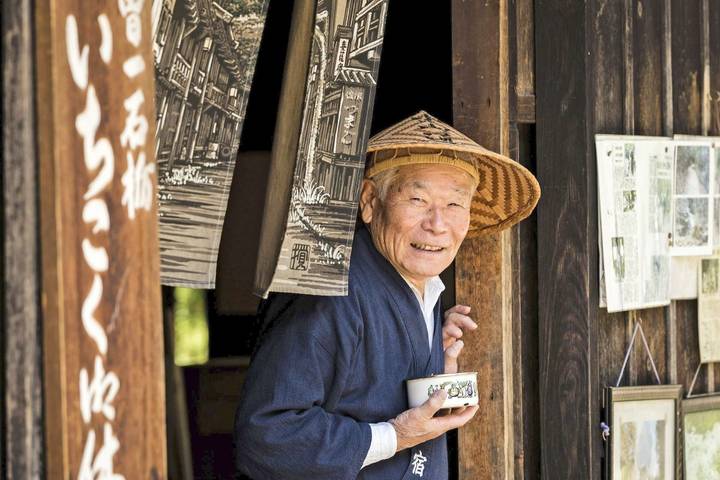
The next day combines Iyashi no Sato, a reconstructed traditional village, with photo stops around Lake Kawaguchiko. Oishi Park is a viewpoint for Fuji and the lake; the Chureito Pagoda requires a short hike at Arakura Sengen Shrine. The day ends with a visit to the Fuji Visitor Center and a transfer to Tokyo.
This is not a Mount Fuji summit trek. It is a series of cultural and scenic stops, and the views depend on the weather. Fuji may be hidden by cloud, so treat the day as a chance to see the surrounding area rather than a guaranteed postcard view.
There is a practical issue to settle before departure: one account of a past trip describes a Fuji journey by train, without reserved seats, and an extra cost of about €200. That differs from the stated plan for a private-vehicle transfer from Minobu to Tokyo. Ask DIAMIR to confirm the exact transport, whether any part is optional and whether extra charges apply.
Tokyo brings bonsai, temples and digital art
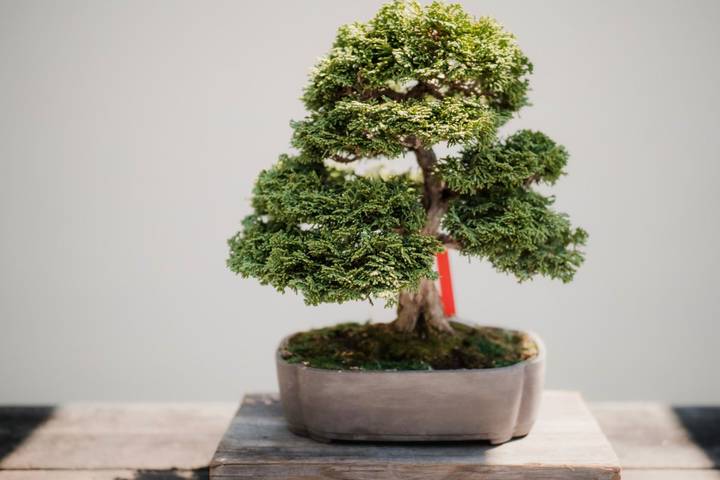
Tokyo’s two days mix older traditions with the city’s modern energy. The plan includes Asakusa’s Sensoji Temple, Nakamise-dori and the Thunder Gate with its large lantern, followed by Shibuya’s Hachiko statue and famous scramble crossing. Another morning is devoted to bonsai in Omiya, including nurseries and the bonsai museum. These stops offer a quieter look at an art form that depends on patient, long-term care.
The Tokyo details need checking when you book. One version of the day describes Omiya bonsai, while another lists Hamarikyu Garden and tea. The next day’s viewing platform is also described as both Roppongi Hills Mori Tower and City Hall. Confirm which stops are actually planned for your departure, since the difference affects the day’s route and time.
TeamLab’s digital art installations are a major contrast with the temple visits. They are interactive, so you are part of the visual environment rather than simply looking at objects on a wall. Meiji Shrine offers a quieter wooded setting, while Harajuku and Omotesando shift back to fashion, boutiques and contemporary architecture. If clear skies cooperate, the viewing platform may also offer a distant view of Fuji.
The pace, meals and value deserve a clear-eyed look
This is a guided group tour, listed for groups of 6 to 12 and conducted in German. A separate general group-size answer gives a broader range of 10 to 20, so confirm the expected size for your departure. The small-group figure would make station transfers and temple visits easier to manage, but the published information is not fully consistent.
The price includes scheduled economy flights from Frankfurt to Osaka and back from Tokyo, accommodation, a DIAMIR guide, transport, Shinkansen seats, program entrance fees and separate luggage transport on two legs. One piece of luggage per person is transported from Kyoto to Nagoya and from Nagoya to Matsumoto. The package also includes a welcome dinner, a Nagoya street-food tour, the Kiso ryokan dinner and the Minobu temple meal. Lunches are not routinely included, so budget for meals and drinks beyond those specified. The ekibento is described as something to buy at the station.
The itinerary is full enough that meal breaks may feel short. Two published accounts of the trip describe a high stress factor, rushed transitions and occasions when lunch meant picking something up at a supermarket. One account also says the guide, Jan Michel, worked hard to keep the schedule and advance reservations on track. His name is useful context, but it does not guarantee he will lead your departure.
DIAMIR’s operator rating is 4.0 out of 5 across 21 ratings, while this specific tour has a 2 out of 5 rating based on two ratings. That is a small sample, but the complaints point to a consistent concern: too little breathing room for a trip with so many stops. The tour’s value depends on what you want. If you would otherwise need to arrange flights, intercity transport, hotels, guides and entrance fees yourself, the package can simplify a complex route. If you prefer lingering over meals or exploring each town at your own pace, the packed schedule may not feel like good value.
Should you book this Japan tour?
Book it if you want a German-guided overview of Japan, value the included transport and cultural activities, and are comfortable with early starts and frequent moves. The Nakasendo hike, ryokan stay, temple lodging and mix of old and new Japan give the route more range than a simple Kyoto-to-Tokyo city tour.
Think twice if slow meals, long stays in one place or independent exploration are central to your idea of a holiday. Before paying, confirm the Tokyo stops, the Fuji transport and any extra costs, and the expected group size. Those answers will tell you whether this tightly scheduled Golden Route matches your travel style.
FAQ
How long is the tour, and where does it start and end?
The tour lasts 14 days. It starts in Kyoto and ends in Tokyo, with the outbound flight from Germany and return flight to Germany included.
In what language is the tour guided?
The tour is listed as German-guided, with a DIAMIR tour guide accompanying the group.
How large is the group?
The tour details give a group size of 6 to 12. A separate general answer gives a typical range of 10 to 20 depending on the tour, so confirm the expected number for your departure.
How much walking is involved?
The tour is rated low intensity overall. The Nakasendo walk is about 9 km and takes roughly five hours, and the Mount Fuji area day includes about three hours of walking over approximately 5 km.
Are meals included?
The package lists 12 breakfasts and four additional meals. It specifically includes a welcome dinner, a ryokan multi-course dinner, a vegetarian temple dinner and an ekibento for the train ride. Other meals and drinks not specified are extra.
Is the Mount Fuji day a mountain climb?
No. The program visits Iyashi no Sato, Lake Kawaguchiko, Oishi Park, Chureito Pagoda and the Fuji Visitor Center. It does not include a summit climb, and views of Fuji depend on weather.
Is the kimono experience included?
The calligraphy workshop or ikebana lesson is included, but a traditional kimono fitting is an optional extra.
What accommodation is included?
The package includes 10 hotel nights, one night at a ryokan in the Kiso Alpine region and one night at a temple guesthouse in Minobu.
What months does the tour depart?
The listed departure months are October and November.
Just added in Kyoto
- Japan: Castles & Cuisine by G Adventures – 6-Day Kyoto to Osaka Tour★ 4.5 · 4 reviews
- Cycle Japan by Explore! – 13-Day Kyoto to Tokyo Tour★ 4.7 · 12 reviews
- Cycle Japan by Intrepid Travel – 11-Day Kyoto to Tokyo Tour★ 4.8 · 2 reviews
- Classic Japan by Intrepid Travel – 11-Day Kyoto to Tokyo Tour★ 4.4 · 14 reviews
- Ancient & Modern Japan 14-Day Tour by Exodus Adventure Travels★ 4.4 · 40 reviews
- 5 Day Cultural Adventure of Kyoto, Nara & Osaka by Tourist Journey★ 2.5 · 2 reviews
- 12 Days Kinosaki Onsen Escape: A Journey Through Japan’s Timeless Towns by UME Travel★ 4.8 · 5 reviews
- Kyoto Nara Day Trip │ Kiyomizu-dera Temple + Fushimi Inari-taisha Shrine + Nara Park (Departing from Osaka/Kyoto)★ 4.7 · 3,408 reviews
Multi-Day Tours, compared.
9D Splendid Japan-Private 3 Star Hotels-Osaka to Tokyo by Stunning Tours
Read our review →
Japan Essentials 9 Day – One Life Adventures: Tokyo to Osaka
Read our review →

Tokyo to Osaka by Rail – Private Tour (14 Days) with Explore!
Read our review →
13-Day Japan Tour: Tokyo, Mount Fuji, Kyoto, Nara, Osaka & Beyond by The Dragon Trip
Read our review →
Browse the lists this tour appears in