
Reviewed · MULTI-DAY TOURS THAT VISIT KUSATSU
Japan’s Landscapes GO 14-Day Tour by Europamundo: Itinerary & Reviews
Tokyo’s neon streets, Kyoto’s temple gates, a night in a Buddhist monastery, and snow-country macaques soaking in hot springs: this 14-day route gives you a remarkably broad look at Japan. I like that it links the big names with places many first-time visitors would struggle to connect on their own, and that the bullet train, ferries, and local rituals are part of the experience rather than add-ons.
I also like the contrast between polished city hotels and a simple monastery and ryokan stay. The trade-off is pace: there are several early starts, long transfer days, and little time to linger. Groups can reach 72, and guide assignments vary, so this suits you best if you value coverage and convenience over a small-group feel.
In This Review
- What makes this Japan tour distinctive
- A fast-paced route with unusual range
- Tokyo: big-city landmarks in a long first day
- Kyoto and Nara: essential temples, limited lingering
- From Himeji to Hiroshima and Itsukushima
- Shikoku, sea bridges, and a night on Mount Koya
- Tsumago, Matsumoto, and the mountain hot springs
- Nikko and the return to Tokyo
- Hotels, meals, and the day-to-day rhythm
- Who should book Japan’s Landscapes GO?
- FAQ
- How long is the tour?
- What is the starting price?
- Is the tour conducted in English?
- How large can the group be?
- Which meals are included?
- Does the tour include the bullet train?
- How much walking is involved?
- What is the Mount Koya accommodation like?
- Are the macaques at Jigokudani guaranteed to appear?
What makes this Japan tour distinctive
- Tokyo to Kyoto by bullet train: Cover nearly 500 kilometers in just over two hours, then spend the day at Fushimi Inari, the Imperial Palace, Kinkakuji, and Gion.
- A full sweep beyond the main cities: The route reaches Shikoku, Mount Koya, Tsumago, Matsumoto, Nagano, Kusatsu, Ikaho, and Nikko.
- Two memorable traditional stays: Sleep at a Mount Koya monastery and a hot-spring ryokan in Ikaho, with vegetarian monastery dinner and a traditional Japanese meal at the ryokan.
- A mix of included sights and free time: Major temples and gardens are covered, but Kyoto also gets a full unstructured day for your own choices.
- The physical effort is light but real: Expect plenty of walking, forest paths at Jigokudani, and 785 steps at Kotohira Shrine.
- An English-speaking tour leader, with changing assignments: Past departures have included guides Rei Getsu, Jose, and David Muñoz. Names are not guaranteed, and English delivery can vary.
A fast-paced route with unusual range
At a starting price of $5,750, this is not a budget way to see Japan. Its value lies in the logistics it bundles: hotels, daily transport, an English-speaking tour leader, basic travel insurance, many admissions, the Tokyo airport shuttle, and several meals. You also avoid planning a chain of rail, ferry, and coach connections across a wide stretch of the country.
The price does not mean every meal or optional extra is covered. Five lunches and four dinners are listed, while breakfasts are provided through the hotel and traditional stays. You will have free time for other meals and some sightseeing, so budget for those separately. Hotel choices vary by departure, and most are described as having nearby public transport rather than being right in the center.
This is a coach group tour, not a small private trip. Group size can range from 2 to 72, and the operator may adjust visits or their order if weather, traffic, or other exceptional circumstances make the planned schedule difficult. That flexibility is useful on a complicated route, but it means you should treat exact timing as an outline, not a guarantee.
A few more options to weigh up in Tokyo
- Tokyo Disney Resort – Tokyo Disneyland & Tokyo DisneySea Park Tickets
★ 4.8 · 99,488 reviews - SHIBUYA SKY Ticket
★ 4.7 · 46,509 reviews - JR Whole Japan Rail Pass
★ 4.8 · 29,150 reviews
Tokyo: big-city landmarks in a long first day
Your first day is deliberately gentle. After customs, a shared shuttle takes you to the hotel, leaving the rest of the day open to recover and settle in. The main guided visit comes on Day 2, a roughly seven-hour introduction that moves between temples, commercial districts, and high viewpoints.
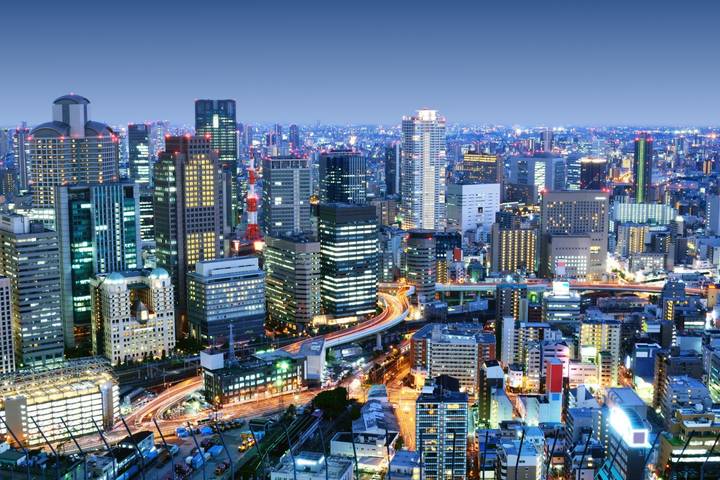
At Zojoji Temple, you get a view toward Tokyo Tower and see rows of small Jizo figures. The bus passes Shibuya Crossing, then the tour stops at Meiji Shrine and Tokyo Skytree, where admission to the 350-meter Tembo Deck is included. The day ends at Sensoji Temple and Nakamise Street in Asakusa, with Akihabara and Ginza passed along the return route.
The evening trip to Shinjuku adds a walk and dinner at a local restaurant, with subway tickets and the guide included. It is a practical way to get your first look at Tokyo after dark without having to work out the transport on arrival. Still, this is a lot of ground in one day. Shibuya is viewed from the bus rather than explored on foot, and the Skytree visit can be limited by bad weather.
Kyoto and Nara: essential temples, limited lingering
The early bullet train to Kyoto is an efficient start to a demanding sightseeing day. In little more than two hours, you leave Tokyo’s enormous urban sprawl and arrive in Japan’s former capital. The itinerary includes Fushimi Inari’s red gates, the Imperial Palace grounds, and Kinkakuji, the Golden Pavilion, before free time in Gion.
These are major sights, but each deserves more time than a quick visit if you are a serious temple-goer or photographer. Think of the tour as a strong first orientation, not a slow study of Kyoto. The later full free day in Kyoto helps balance that. Your guide offers suggestions, but you choose how to spend it, a welcome chance to revisit a favorite area or seek out a quieter corner.
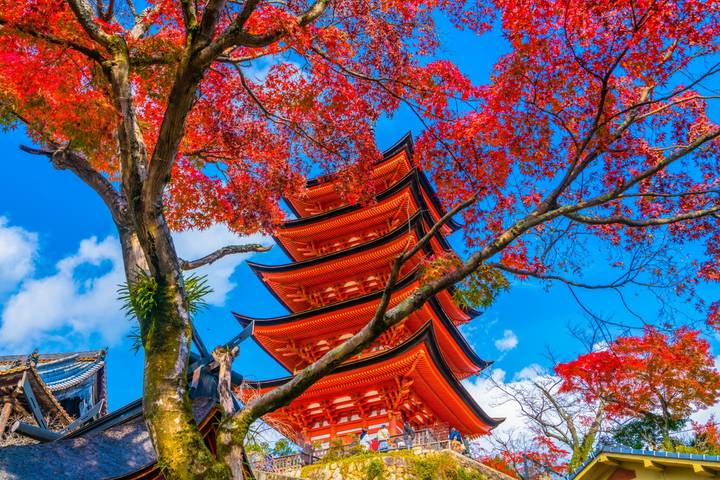
On Day 4, Nara’s Todaiji Temple brings you face to face with its giant Buddha, while deer roam the surrounding park. The animals are used to people, but they are still wild creatures, so give them space and keep food secure. Horyu-ji adds a different kind of importance: its wooden buildings include one of the oldest pagodas in the world. After the visit, the coach continues to Osaka for an evening in Dotonbori.
From Himeji to Hiroshima and Itsukushima
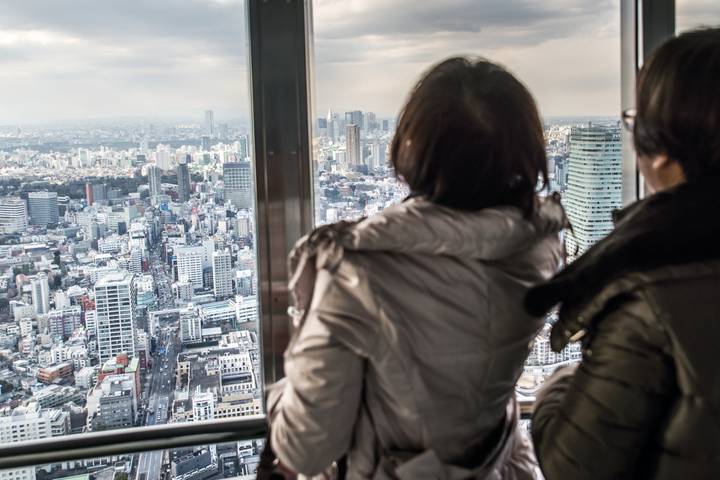
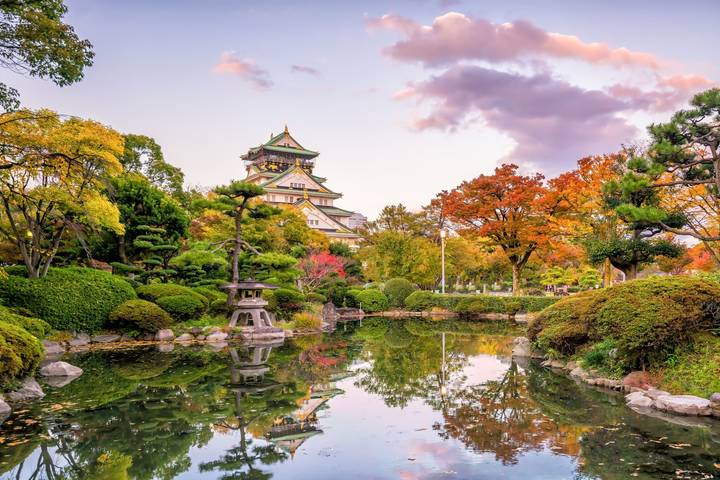
Himeji Castle is a highlight for anyone interested in Japanese architecture. Admission to the castle complex is included, and the visit gives you a look at the scale and design of a major castle site. In Okayama, Korakuen’s lakes, waterfalls, and teahouses offer a calmer change of pace. You can see Okayama Castle across a pedestrian bridge, but entry to its interior costs extra.
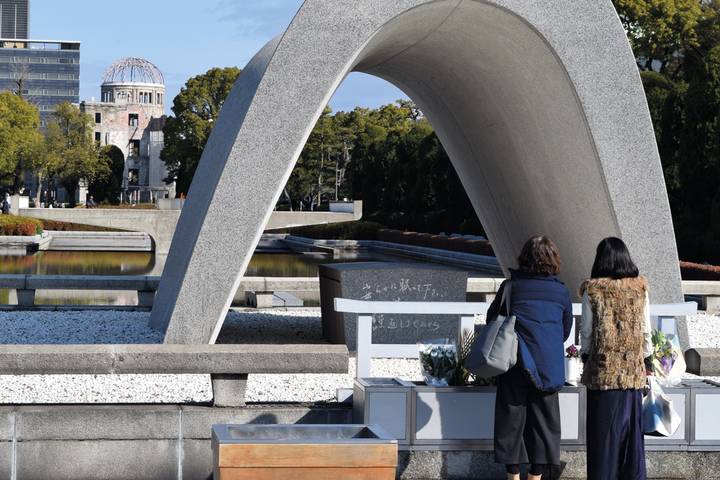
Kurashiki’s preserved old center brings a softer, slower interlude before Hiroshima. The Peace Memorial Park, Atomic Bomb Dome, and Peace Memorial Museum make for a sobering visit. Allow yourself to take the museum at your own pace; this is not just another photo stop, and the subject can be emotionally demanding.
A ferry then takes you to Itsukushima Island, where Itsukushima Shrine is partly built over the water. The itinerary includes time for the shrine and town center, with lunch included, before returning to Hiroshima for dinner. Tide and weather can affect how the shrine appears, so the view may not match the familiar images you have seen. The combination of Hiroshima and the island is one of the tour’s strongest days, but also one of its fullest.
A completely different kind of day out:
- Mt Fuji and Hakone 1-Day Bus Tour Return by Bullet Train
★ 5.0 · 26,383 reviews - TOKYO SKYTREE® Ticket
★ 4.7 · 25,136 reviews - teamLab Borderless Tickets: MORI Building DIGITAL ART MUSEUM
★ 4.7 · 24,126 reviews - teamLab Planets TOKYO Ticket
★ 4.7 · 21,663 reviews
Shikoku, sea bridges, and a night on Mount Koya
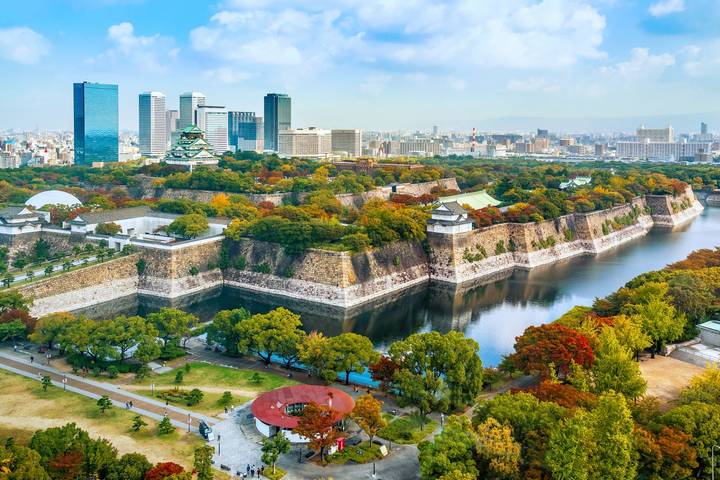
The ferry from Hiroshima to Matsuyama takes about two and a half hours and makes the island geography of Japan tangible. In Matsuyama, a cable car carries you up to the castle, followed by a visit to Ishiteji temple and admission to Dogo Onsen, a 19th-century bathhouse. Lunch is included. This is a good day for variety, though each stop is brief by design.
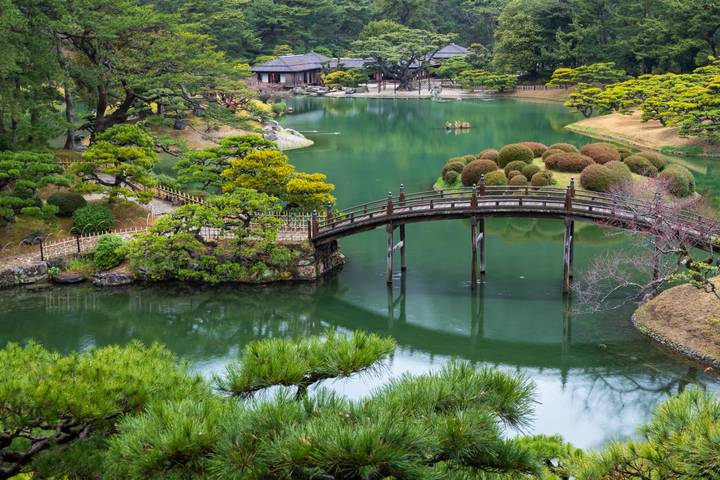
Day 8 crosses Shikoku and the bridges toward Kobe. At Kotohira, reaching the shrine means climbing 785 steps on Mount Zosu. The effort is manageable for many people, but it is the clearest reminder that a low physical rating does not mean an entirely effortless trip. Ritsurin Garden in Takamatsu offers a gentler walk, then the route continues to Naruto Bridge, where a glass-floor walkway gives views of the sea and its whirlpools from 45 meters above.
In Kobe, the Earthquake Memorial Museum explains the 1995 disaster and the city’s recovery. On some dates, the museum visit may be replaced with a sake museum or Kobe Tower. From there, the group heads to Mount Koya, the center of Shingon Buddhism in Japan.
The monastery night is one of the tour’s most distinctive experiences. You visit the Okuno Mausoleum and Kongobuji Temple, then stay in simple traditional rooms with tatami mats and shared bathrooms. Monks lead a Zen meditation practice, and dinner is vegetarian. The ceremony before breakfast is optional, and meditation may not be available on peak dates. If the monastery cannot take the group, nearby hotel accommodation may be used instead. Go for the setting and the chance to experience temple life, not for hotel-style comforts.
Tsumago, Matsumoto, and the mountain hot springs
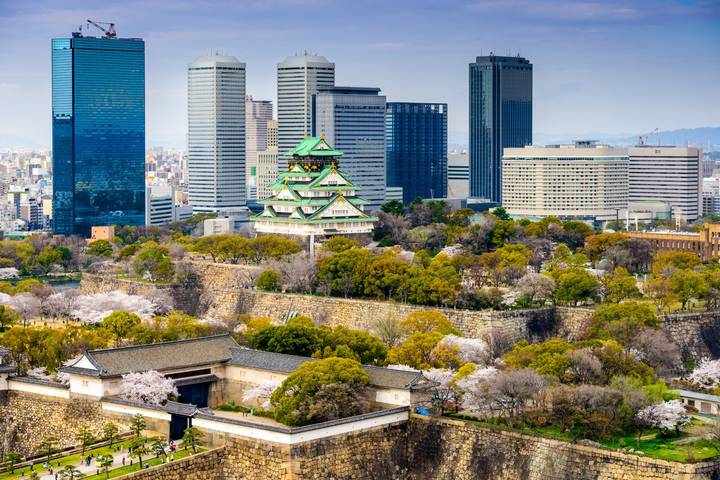
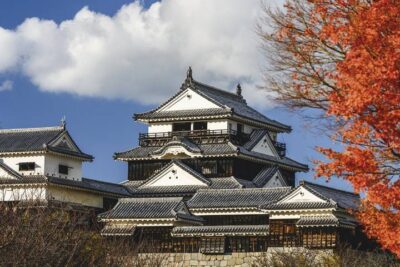
After a traditional breakfast at Mount Koya, the coach takes you to Kyoto for a full day on your own. The next day is a long overland journey toward Nagano, with stops in Tsumago and Matsumoto. Tsumago’s wooden buildings and countryside setting make it a pleasant place to wander, while Matsumoto Castle, nicknamed the Crow, is a striking 16th-century fortress. Lunch is included in Tsumago.
The following day begins at Zenko-ji Temple in Nagano, where the group takes part in the Gomakuyo good-fortune ceremony. Then comes Jigokudani Monkey Park. Reaching the macaques involves walking forest trails, crossing rivers, and spending time outdoors. The monkeys are most memorable when they come down to bathe in the hot springs, but their movement depends on conditions and food availability. In autumn, they may not appear, and the park can close if they do not come down.
The route then climbs through mountain scenery, reaching 2,172 meters and passing semi-active volcanoes on the way to Kusatsu. Weather can cancel the Kusatsu visit between November and April. In Ikaho, you walk the old center’s stone stairways and stay at a ryokan, with hot-spring bathing available and a traditional dinner included. This pairing of mountain travel, macaques, and an inn stay is a memorable change from city hotels, but it is also weather-dependent and involves another full day on the road.
Nikko and the return to Tokyo
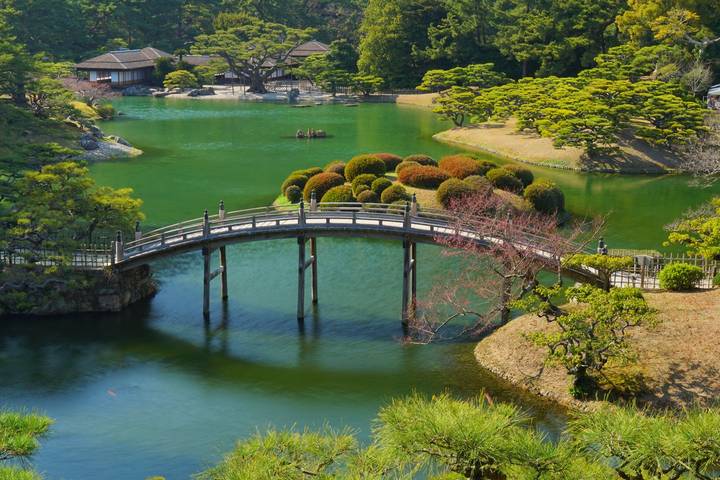
On the last sightseeing day, Nikko adds ornate shrine architecture and a quieter riverside walk. You visit Nikko-Toshogu, including the room known for its dragon sound, and the Taiyuinbyo Mausoleum. Kanmangafuchi Abyss is lined with Jizo statues beside the river, a peaceful final walk after so many coach transfers and temple visits.
The group returns to Tokyo at about 6:30 p.m. The tour ends after breakfast the next morning, but the final Tokyo hotel night is included on the schedule. If you are arranging onward travel, avoid a tight connection on the evening of Day 13: the arrival time is approximate, and the day begins far from Tokyo.
Hotels, meals, and the day-to-day rhythm
Accommodation ranges from three- to four-star hotels to the monastery and ryokan. Named city hotels include Shinagawa Prince Hotel, New Miyako Hotel, Hilton Hiroshima, and several other options, but the exact property can differ. The operator says hotels are selected for quality, price, and location; most are not in the city center, though public transport is nearby. Rooms have private bathrooms and a television, apart from the monastery’s shared facilities.
Meals are a mix of included and independent dining. Five lunches and four dinners are specified, including the Tokyo Shinjuku dinner, a vegetarian meal at Mount Koya, and the traditional ryokan dinner in Ikaho. This leaves plenty of meals for you to choose, but it also means you should not assume every restaurant stop is covered.
The guide element matters on a trip this busy. English-speaking guides are included, and past departures have named Rei Getsu, Jose, and David Muñoz. Guide assignments change, and English fluency and explanation style can vary. One earlier account described David Muñoz as especially clear and engaging, while another raised concerns about the English comprehension of a different guide. If detailed commentary is important to you, keep that variability in mind.
Who should book Japan’s Landscapes GO?
Book this if you want a guided overview of Japan that reaches well beyond Tokyo, Kyoto, and Osaka, and you would rather have transport and major admissions organized for you. The strongest reasons are the unusual geographic range, the contrast between city and countryside, and special stays at Mount Koya and Ikaho.
Think twice if you want long, unhurried visits, a small group, or control over every hotel and meal. This itinerary covers a lot, but the price buys convenience and reach more than luxury or free time. It is a solid first trip for curious, flexible travelers who can handle early starts and long drives. If that sounds like your style, the monastery night, island ferries, and mountain stops make this a more varied choice than a standard Japan city circuit.
FAQ
How long is the tour?
The tour lasts 14 days, starting in Tokyo and ending in Tokyo after breakfast on Day 14.
What is the starting price?
The listed price starts at $5,750, based on the cheapest room option. The final price may depend on the departure and room selection.
Is the tour conducted in English?
Yes. The tour is described as English-guided, with an English-speaking tour leader providing explanations and assistance. Guide assignments vary.
How large can the group be?
The stated group size ranges from 2 to 72 people.
Which meals are included?
Five lunches and four dinners are specified. Hotel breakfasts are part of the general tour services, and traditional breakfast is included at Mount Koya.
Does the tour include the bullet train?
Yes. The route from Tokyo to Kyoto is by bullet train and takes just over two hours.
How much walking is involved?
The physical rating is low intensity, but you should expect walking at temples, gardens, and the monkey park. Kotohira Shrine involves climbing 785 steps.
What is the Mount Koya accommodation like?
The monastery rooms are simple and traditional, with tatami mats and shared bathrooms. A vegetarian dinner, traditional breakfast, and a meditation practice are included when available.
Are the macaques at Jigokudani guaranteed to appear?
No. Their movements can be unpredictable, especially in autumn, and the park may close if they do not come down.
Just added in Tokyo
- Mt. Fuji & Hakone Cherry Blossom private One Day Tour★ 4.5 · 35 reviews
- Fish Market & Tokyo Skyline Private Walking Tour★ 5.0 · 14 reviews
- 25-Min Downtown Helicopter Tour : Tokyo Skytree and Tokyo Tower★ 5.0 · 19 reviews
- Private Tour with a Local Guide – Learn about daily life in Japan★ 5.0 · 22 reviews
- Tokyo: 3-Hour Bike/E-Bike Tour of the City’s Highlights★ 5.0 · 209 reviews
- Official Japan Go-Kart Through Tokyo Bay / Ginza (IDP Required)★ 4.5 · 71 reviews
- 30-Min Tokyo Central Private Heli Tour– Asakusa, Skytree, Shibuya★ 5.0 · 13 reviews
- Tokyo 2-Hour Genuine Samurai Experience: Kendo in Japan★ 5.0 · 112 reviews
Multi-Day Tours That Visit Kusatsu, compared.
Magical and Dreamy Japan 14-Day Tour by Europamundo
Read our review →
Central Japan by Europamundo – 9-Day Tour from Tokyo
Read our review →
Japanese Scenes and Mount Fuji 19-Day Tour by Europamundo
Read our review →
Tokyo, Kyoto and Alps by Europamundo – 6-Day Tour
Read our review →
Tokyo, Kyoto and Alps GO by Europamundo – 6-Day Tour
Read our review →
Wonders of Japan end Tokyo 15-Day Tour by Europamundo
Read our review →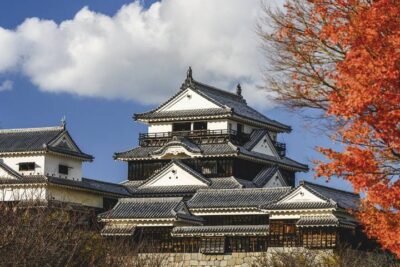
Wonders of Japan end Tokyo GO 15-Day Tour by Europamundo
Read our review →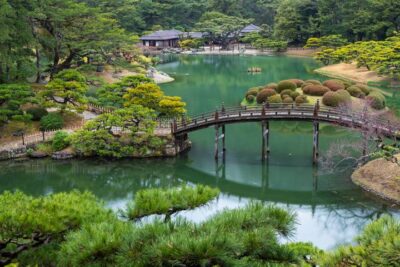
Browse the lists this tour appears in