
Reviewed · MULTI-DAY TOURS THAT VISIT KUSATSU
Central Japan by Europamundo – 9-Day Tour from Tokyo – Reviews & Prices
From Tokyo’s subway crowds to macaques soaking in mountain hot springs, this nine-day route gives you a quick, varied introduction to Japan. I like that it pairs famous sights such as Kyoto’s Fushimi Inari Shrine with quieter stops like Tsumago, and that two nights in traditional inns bring hot-spring bathing and Japanese dinners into the trip.
I also like the practical mix of coach travel, included sightseeing, and free time. You won’t need to plan every transfer yourself, but you’ll still get some hours to explore on your own. The main trade-off is the pace: the route covers a lot of ground, and long drives and busy sightseeing days leave limited time to linger.
In This Review
- Key points to know before you book
- A fast route through Japan’s contrasts
- Tokyo’s temples, crossings, and city views
- Fuji country and your first ryokan
- From restored village houses to Kyoto
- Kyoto’s gates, gardens, and golden roof
- Tsumago, Matsumoto, and a night in Nagano
- Snow monkeys, hot springs, and mountain roads
- Nikko’s ornate shrine and the return to Tokyo
- What the hotels, meals, and guides mean in practice
- Who should book this Japan tour?
- FAQ
- Are flights included in the tour price?
- How many people can be on the tour?
- Which meals are included?
- Is the Mount Fuji Fifth Station visit guaranteed?
- Are both ryokan stays guaranteed?
- When does the tour return to Tokyo on day eight?
Key points to know before you book
- Mount Fuji views depend on the weather. The tour visits Arakurayama Sengen Park, cruises on Lake Kawaguchiko, and heads toward the mountain’s Fifth Station, but clouds can hide Fuji and winter weather can close the upper road.
- Two ryokan nights add a different rhythm. You stay near Kawaguchiko and in Ikaho, with access to an onsen and dinner included at each.
- The route mixes temples with nature and small towns. Expect Kyoto’s major sights, the snow monkeys at Jigokudani, Tsumago’s old wooden streets, and Nikko’s shrines.
- Meals are only partly covered. Breakfast is included, along with one lunch and three dinners. You’ll need to budget for most lunches and dinners.
- Guide assignments and language arrangements can vary. English is offered, but some departures may be bilingual, and the guide may change during the tour.
- Expect a group experience, not a private tour. Group size ranges from 2 to 72, so the feel and pace can change with the number of people on your departure.
A fast route through Japan’s contrasts
The strongest reason to choose this tour is the range. In little more than a week, you move from Tokyo’s modern districts to Kyoto’s shrines, then into mountain country, hot-spring towns, and Nikko. That variety is hard to organize independently in nine days, especially if you want to include places such as Tsumago and Jigokudani as well as the headline cities.
The trade-off is that some days are built around the coach schedule. You’ll visit many worthwhile places, but you won’t have the freedom to decide how long to stay at each one. This suits you if you want a guided overview and are happy to keep moving. If you prefer slow mornings, long museum visits, or several unplanned days in Kyoto, consider adding time before or after the tour.
The advertised starting price is $2,722, based on the cheapest room option. Flights are not included, and the tour price covers hotels, breakfast, transport, guiding, selected entries, basic travel insurance, and a small number of other meals. That can be good value if you would otherwise arrange a multi-city itinerary and pay for each transfer and admission separately. It is less of an all-in price than it may first appear: most lunches and dinners are on your own, as are flights.
A few more options to weigh up in Tokyo
- Tokyo Disney Resort – Tokyo Disneyland & Tokyo DisneySea Park Tickets
★ 4.8 · 99,488 reviews - SHIBUYA SKY Ticket
★ 4.7 · 46,509 reviews - JR Whole Japan Rail Pass
★ 4.8 · 29,150 reviews
Tokyo’s temples, crossings, and city views
Day one is deliberately light. A shared shuttle takes you from the airport to the Shinagawa Prince Hotel, then you have time to settle in. Tour details arrive in the afternoon, so don’t count on a full sightseeing day after an international flight.
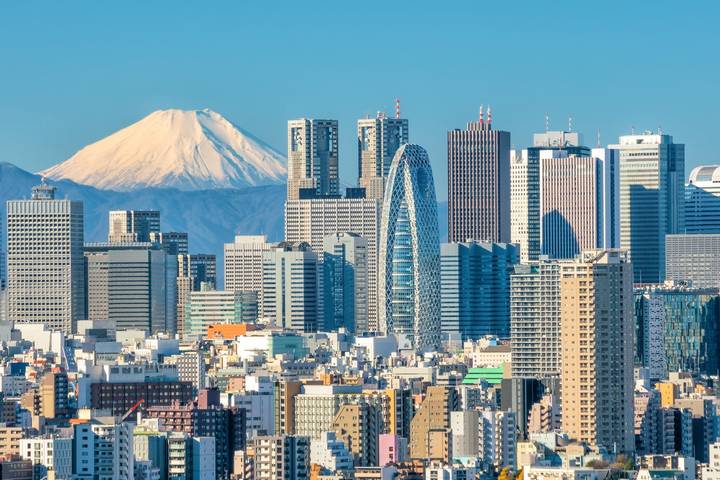
The next day begins with a long guided circuit. At Zojoji Temple, look for rows of small Jizo figures dressed in knitted hats and bibs. The temple also gives you a striking view of Tokyo Tower. You’ll see Shibuya Crossing from the bus rather than spending a long stretch at a viewing point, then visit Meiji Shrine, a quieter contrast to the city streets.
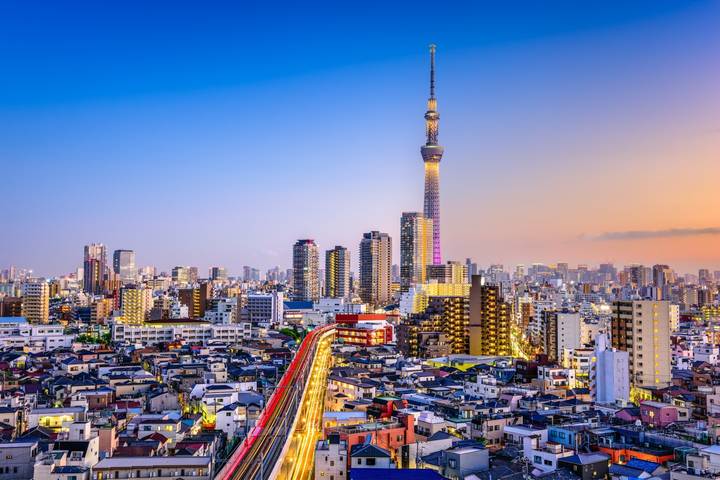
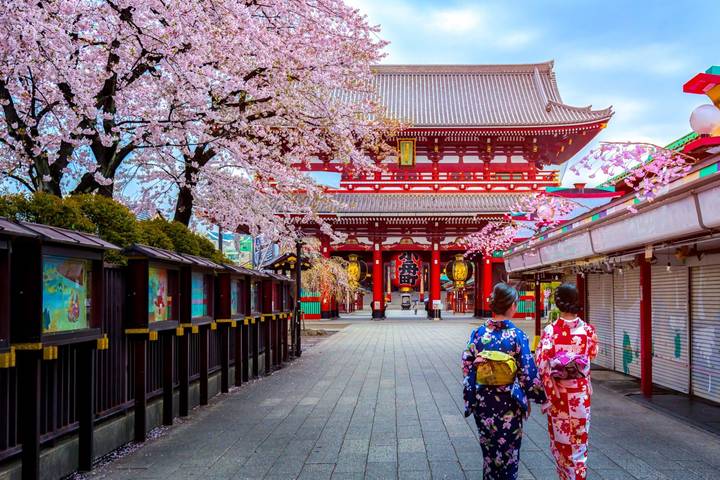
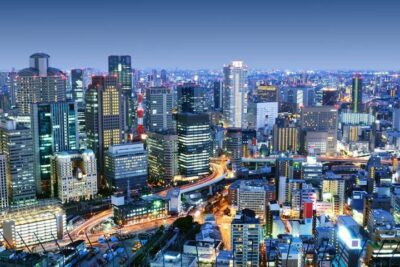
Admission to Tokyo Skytree’s Tembo Deck, 350 meters up, is included. On a clear day, the view helps you grasp the scale of Tokyo; poor weather can limit visibility, and exceptional conditions may lead to an alternative viewpoint. The day continues at Asakusa’s Nakamise Street, with a pass by Akihabara and Ginza on the return to the hotel.
In the evening, you take the subway with your guide to Shinjuku for a walk and an included dinner at a local restaurant. This is a useful first taste of Tokyo after dark, without needing to work out the rail system on your own. The evening subway tickets are included, as are the tickets for the tour’s other listed metro transfers.
Fuji country and your first ryokan
On day three, Arakurayama Sengen Park offers one of the best-known views of Mount Fuji, framed by its pagoda. The view is memorable when skies cooperate, but this is not a guarantee. One March departure missed Fuji because of rain and cloud, a reminder that the mountain sets its own schedule.
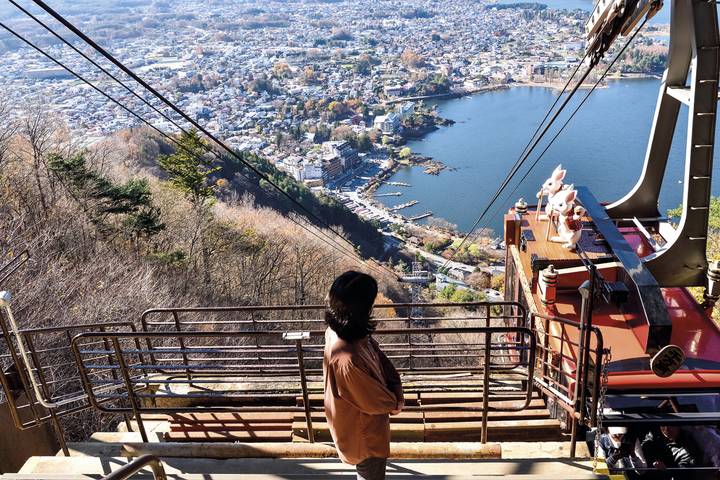
The tour continues to Kawaguchiko for a boat ride on the lake, then climbs toward the Fifth Station at 2,305 meters. The road may close in winter because of snow or weather, in which case the coach goes as far as conditions allow. That is still a scenic drive, but you should book for the overall trip rather than treating a particular Fuji view as certain.
Your overnight stay is listed as Fuji Kawaguchiko Resort, with ryokan accommodation planned. The details matter: some rooms may be Japanese-style with tatami mats, others Western-style, and a Western-style hotel may occasionally replace the ryokan. An onsen and dinner are included on this night. If a traditional room is important to you, confirm the accommodation arrangement for your departure before booking.
From restored village houses to Kyoto
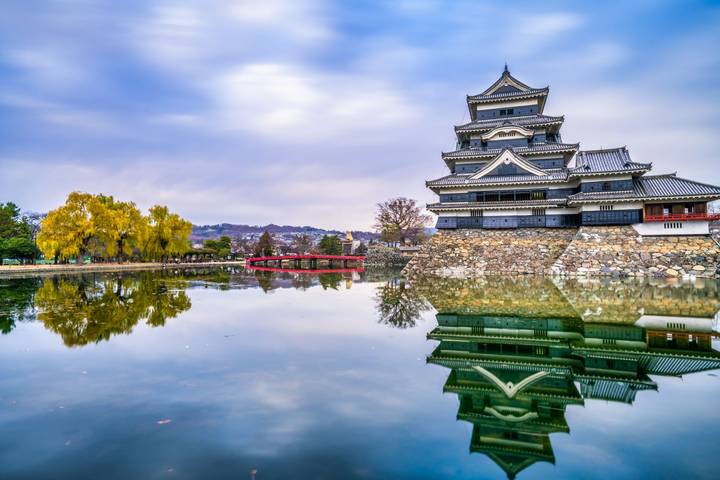
Day four brings a change of pace at Iyashi no Sato Nenba, an open-air museum whose traditional houses were restored after a 1966 typhoon. Today, the buildings include shops, restaurants, and cultural exhibits. It offers a compact look at older village architecture, though it is a recreated setting rather than an untouched historic village.
You also stop at Shiraito Falls, where water drops about 20 meters, before heading to the Toyota Museum in Nagoya. The museum admission is included, making this a welcome stop if you’re interested in cars and industrial design. If that subject holds little appeal, it may feel like a detour on a day that already covers substantial distance. The coach then continues to Kyoto.
A completely different kind of day out:
- Mt Fuji and Hakone 1-Day Bus Tour Return by Bullet Train
★ 5.0 · 26,383 reviews - TOKYO SKYTREE® Ticket
★ 4.7 · 25,136 reviews - teamLab Borderless Tickets: MORI Building DIGITAL ART MUSEUM
★ 4.7 · 24,126 reviews - teamLab Planets TOKYO Ticket
★ 4.7 · 21,663 reviews
Kyoto’s gates, gardens, and golden roof
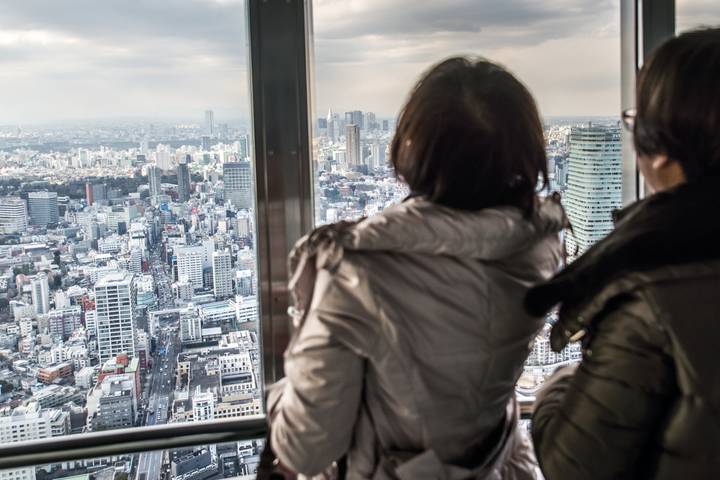
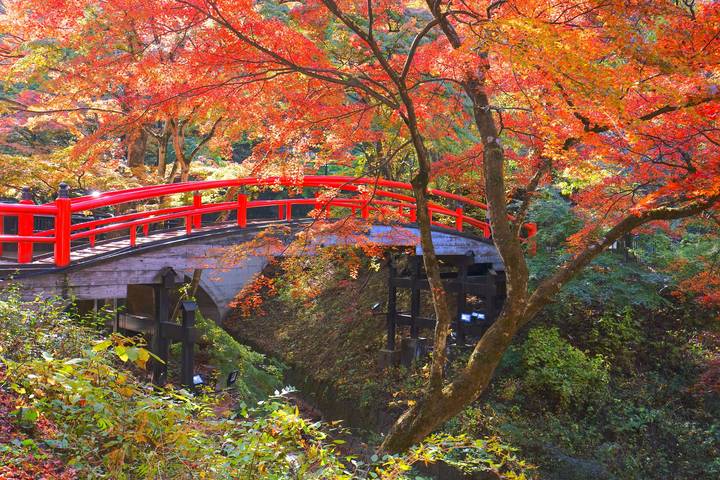
Day five is the tour’s main Kyoto day, and it packs in many of the city’s signature places. In Arashiyama, you see Togetsukyo Bridge, walk through Tenryu-ji’s Zen garden, and continue to the bamboo grove. The garden’s pond, stones, pines, and surrounding hills give you a more considered view of Japanese garden design than a quick photo stop alone.
At Fushimi Inari Shrine, the vivid red torii gates climb the hillside in long sequences. The tour includes a visit, but the schedule may not leave time to walk far up the mountain. The Imperial Palace and Kinkakuji, the Golden Pavilion, round out the day. Kinkakuji’s gold-covered exterior reflected in its pond is among Kyoto’s most familiar sights, and the gardens make the setting more than a quick look at the building.
The order of visits can change. After the guided touring, you can spend time in Gion, Kyoto’s traditional district, where wooden machiya houses line the streets. It’s an appealing chance to wander at your own pace, though the day’s full schedule may leave you ready for a quiet dinner. Breakfast is included, but this is one of the evenings when you arrange your own meal.
Tsumago, Matsumoto, and a night in Nagano
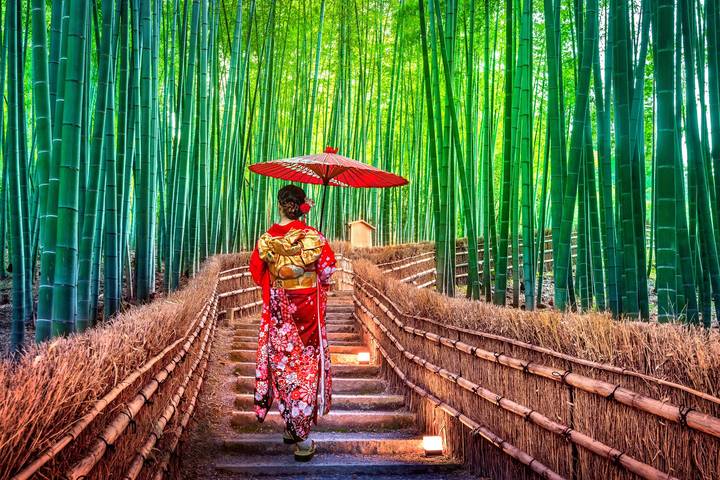
Day six shifts from temples to the old post town of Tsumago. Its wooden houses and compact streets make it a pleasant place to walk, and lunch is included here. The free time is useful, but it is not a full day in the village; you’ll also be covering the road to Matsumoto and onward to Nagano.
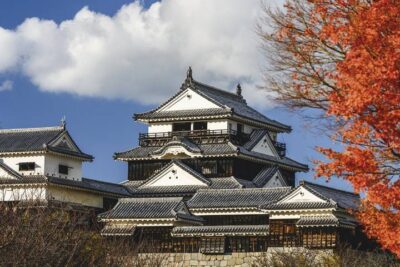
Matsumoto Castle is the day’s main landmark. Its dark exterior earned it the nickname The Crow, and the 16th-century structure gives you a different architectural experience from Kyoto’s temples. You have time to explore the city independently after the castle visit. The day ends in Nagano, at the Metropolitan Nagano or another named hotel depending on arrangements.
Snow monkeys, hot springs, and mountain roads
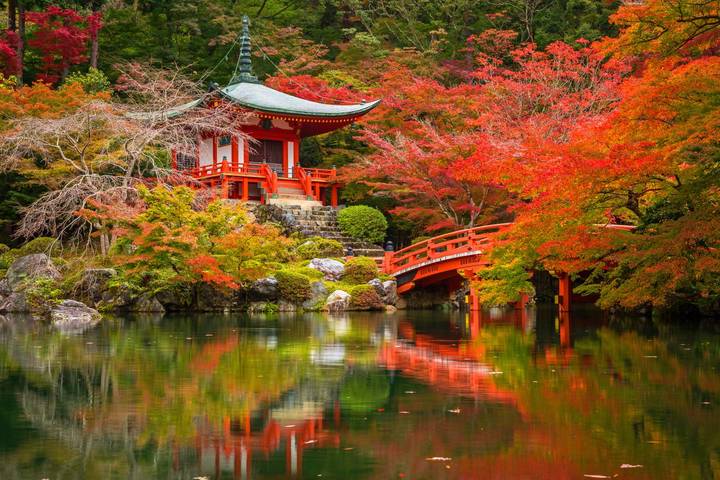
The next morning begins at Zenko-ji Temple, a major pilgrimage site. The tour includes a Gomakuyo ceremony, a ritual associated with good fortune. It’s a distinctive moment in the itinerary, though the exact experience will depend on the timing and flow of the visit.
At Jigokudani Monkey Park, you walk forest trails to see Japanese macaques in their natural mountain setting. The animals are known for bathing in hot springs, but sightings and activity are not guaranteed. In autumn, food availability can affect where the monkeys go, and the park may close if they do not come down. Treat this as a wildlife visit, not a staged performance.
The coach then crosses high mountain areas, reaching up to 2,172 meters, with semi-active volcanoes along the route. Kusatsu offers a stroll through its central area and park, where open-air hot springs are part of the town’s character, plus free time for lunch. The Kusatsu stop may be canceled because of weather from November through April, so the day’s precise shape can vary.
In Ikaho, stone stairways define the old center. You stay at Hotel Moriaki Ryokan, with a traditional Japanese dinner included and access to hot-spring baths. This is the second chance to experience an inn stay, though room style and facilities can vary.
Nikko’s ornate shrine and the return to Tokyo
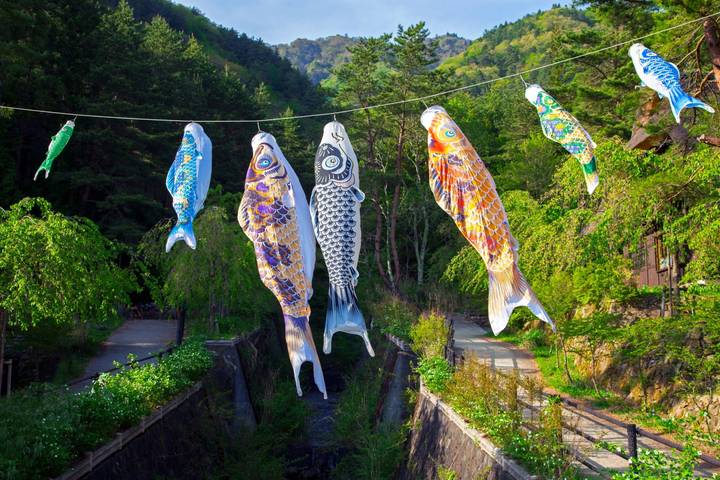
Day eight brings you to Nikko-Toshogu, a richly decorated shrine complex, and Taiyuinbyo Mausoleum. The famous room with the sound of a dragon is part of the Toshogu visit. You’ll also walk along Kanmangafuchi Abyss, where rows of Jizo statues line the riverbank, then have free time in Nikko’s town center.
The coach is expected to reach Tokyo around 6:30 p.m. That gives you an evening back at the Shinagawa Prince Hotel, but don’t plan a tight onward connection or an elaborate dinner reservation without allowing for delays. The tour ends after breakfast on day nine, so book your departure flight with that morning schedule in mind.
What the hotels, meals, and guides mean in practice
The named hotels are rated four-star, but the operator notes that standards, room sizes, and bed sizes vary by property. Most hotels are not in the city center, though they have public transport nearby. The itinerary handles several evening transfers, but you should expect some independent travel during free time.
Breakfast is included. Beyond that, the covered meals are lunch in Tsumago and dinners in Tokyo, Kawaguchiko, and Ikaho. This leaves room to choose your own food on many days, but it also means you should set aside a separate meal budget. The tour’s included Tokyo dinner and ryokan dinners help introduce different settings without making every meal a group meal.
The guide is a major part of the experience because so much of the trip takes place on the road. Past departures have included guides such as Ken Igarashi, Akane, and David Solanes, but you cannot book a specific person. Guides may change during the tour, and some departures may use a bilingual English and Spanish arrangement. One English-speaking participant reported that communication sometimes leaned heavily toward Spanish, leaving English speakers short on practical details. If you need clear day-to-day instructions, ask your guide directly about meeting times, walking plans, and any changes.
The tour’s overall customer rating is 4.7 out of 5 from 13 ratings, with lower marks for the operator than for the guide, transport, or accommodation. That does not predict your departure, but it fits the practical picture: the route and logistics are generally well regarded, while guide communication and large-group timing deserve attention. Breakfast buffets can also be crowded when several tour groups arrive at once.
Who should book this Japan tour?
I’d choose this trip if you want a guided sampler of central Japan, value having transport and major admissions organized, and are comfortable with early starts and several long coach days. It works for a wide age range and is rated low intensity, but you should still expect regular walking at temples, town centers, and the monkey park’s forest trails.
I’d think twice if your priority is unhurried time in Tokyo or Kyoto, a guaranteed Mount Fuji view, or a private English-only guide. You’ll get more from the route if you treat it as a broad first visit, then add a few extra nights in your favorite city. At the starting price of $2,722, the tour offers a lot of ground and logistics for the money, but flights and most lunches and dinners remain yours to arrange.
FAQ
Are flights included in the tour price?
No. Flights are not included. The tour includes an arrival transfer from Tokyo airport to the hotel by shared shuttle.
How many people can be on the tour?
The listed group size is 2 to 72 people. Guide arrangements may be bilingual, usually English and Spanish, depending on the group.
Which meals are included?
Breakfast buffet is included, along with one lunch in Tsumago and three dinners in Tokyo, Kawaguchiko, and Ikaho. Other lunches and dinners are not listed as included.
Is the Mount Fuji Fifth Station visit guaranteed?
No. The coach goes toward the Fifth Station at 2,305 meters, but the road is often closed in winter because of snow or weather. The tour goes as far as conditions allow, and clouds can also obscure the mountain.
Are both ryokan stays guaranteed?
The itinerary plans ryokan stays in the Kawaguchiko and Ikaho areas, with onsen access and dinner included. In Kawaguchiko, room styles vary, and a Western-style hotel may occasionally be used instead of a ryokan.
When does the tour return to Tokyo on day eight?
The planned arrival is around 6:30 p.m. The tour ends after breakfast on day nine.
Just added in Tokyo
- Mt. Fuji & Hakone Cherry Blossom private One Day Tour★ 4.5 · 35 reviews
- Fish Market & Tokyo Skyline Private Walking Tour★ 5.0 · 14 reviews
- 25-Min Downtown Helicopter Tour : Tokyo Skytree and Tokyo Tower★ 5.0 · 19 reviews
- Private Tour with a Local Guide – Learn about daily life in Japan★ 5.0 · 22 reviews
- Tokyo: 3-Hour Bike/E-Bike Tour of the City’s Highlights★ 5.0 · 209 reviews
- Official Japan Go-Kart Through Tokyo Bay / Ginza (IDP Required)★ 4.5 · 71 reviews
- 30-Min Tokyo Central Private Heli Tour– Asakusa, Skytree, Shibuya★ 5.0 · 13 reviews
- Tokyo 2-Hour Genuine Samurai Experience: Kendo in Japan★ 5.0 · 112 reviews
Multi-Day Tours That Visit Kusatsu, compared.
Magical and Dreamy Japan 14-Day Tour by Europamundo
Read our review →
Japanese Scenes and Mount Fuji 19-Day Tour by Europamundo
Read our review →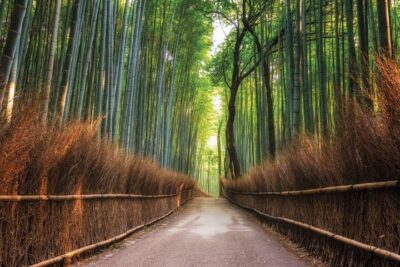
Tokyo, Kyoto and Alps by Europamundo – 6-Day Tour
Read our review →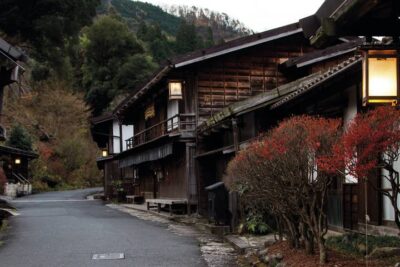
Tokyo, Kyoto and Alps GO by Europamundo – 6-Day Tour
Read our review →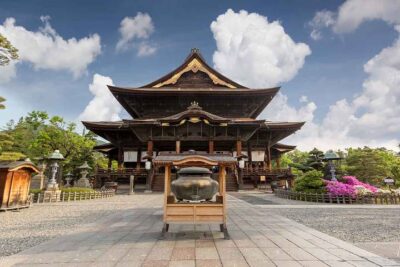
Wonders of Japan end Tokyo 15-Day Tour by Europamundo
Read our review →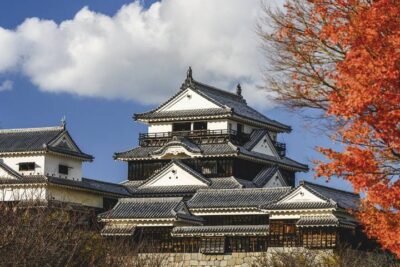
Wonders of Japan end Tokyo GO 15-Day Tour by Europamundo
Read our review →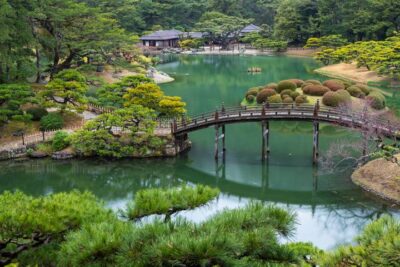
Japan’s Landscapes GO 14-Day Tour by Europamundo
Read our review →Browse the lists this tour appears in