
Reviewed · MULTI-DAY TOURS
On Trails through Ancient Japan 16-Day Tour by DIAMIR Erlebnisreisen – Reviews & Prices
Japan’s best moments here often come on foot: cedar trees frame the stone steps to Nachi Waterfall, and old post towns line the Nakasendo trail between Magome and Tsumago. This 16-day trip links those quieter corners with Kyoto’s temples and Tokyo’s city streets, using trains and local transport rather than a coach.
I like the mix of pilgrimage paths and historic trade routes, which gives you a close look at rural Japan as well as its celebrated cities. I also like the small group of 4 to 12 and the three ryokan nights, where hot-spring bathing and traditional meals add a welcome change of pace.
One caution: the tour is rated low intensity, but several hikes involve steep steps, uneven footing or hours on the trail. You also need to be comfortable with a German-speaking guide, and the Hakuba cable-car ride is not included on fall departures.
In This Review
- At a glance
- Kyoto’s temples, markets and evening lanes
- Kumano’s shrine paths and hot springs
- Old post towns and the Japanese Alps
- Hakone’s volcanic valley and Fuji views
- Tokyo’s gardens, market streets and crossing
- What the pace and practical details mean
- Should you book this Japan tour?
- FAQ
- Is the tour guided in English?
- How long is the tour, and where does it start and end?
- How many people are in the group?
- Which months does the tour depart?
- How demanding are the hikes?
- What types of accommodation are included?
- Are flights included?
- Is luggage transferred between destinations?
- Is the Happo Sanso cable-car ride included on fall departures?
At a glance
- Kyoto gets three nights: Visit temples, Zen gardens, Nishiki Market, Gion and Fushimi-Inari, with time for a forest walk near Kurama.
- Kumano Kodo comes with a serious stair climb: Nachi Waterfall and Kumano Nachi Taisha are followed by another 580 steps to Kamikura Jinja.
- The Nakasendo connects Magome and Tsumago: Walk a 9-kilometer section between two former post towns, then return to Kiso-Fukushima.
- The train is part of the trip: Public transport, including the Shinkansen, replaces long stretches on a tour bus.
- Pack a small overnight bag: Your main luggage goes from Kiso to Hakone while you spend two nights in Hakuba.
- Autumn means a change at Hakuba: The listed departure months are October and November, and the Happo Sanso cable car is not included on fall departures.
Kyoto’s temples, markets and evening lanes
After landing in Osaka, you travel by bus and train to Kyoto, where the first afternoon includes the Imperial Palace. The day ends in Gion and at Yasaka Shrine. Gion is best approached with patience and respect: it is a living district, not a stage set, and any chance sighting of a geisha is just that, a chance.
Your next two days cover several of Kyoto’s defining places. Nanzenji’s large Sanmon Gate offers a fine view over the city, while the garden at Konchi-in gives you a quieter pause. Nishiki Market is a practical place to sample local food and see everyday shopping, though it can feel crowded at busy times. The afternoon visit to Fushimi-Inari brings the familiar rows of red torii gates, followed by a welcome dinner with the group.
Ryoanji and Kinkakuji make a strong pairing the next morning. Ryoanji’s spare rock garden rewards a slow look; Kinkakuji, the Golden Pavilion, is more immediately striking, reflected in its pond. Later, the tour heads to Mount Kurama for a forest walk, temple visit and stop at Kifune Shrine. It is a useful change from the city’s famous sights, though the schedule means you’ll be moving between several places rather than lingering all day at one.
On the way south, you walk through Arashiyama’s bamboo grove and visit Tenryuji Temple before taking the train to Katsuura. The bamboo path is lovely, but it is also a popular attraction, so this early visit is a sensible way to catch it before the day gets away from you.
A few more options to weigh up in Osaka
- Universal Studios Japan Studio Pass
★ 4.8 · 89,883 reviews - Universal Studios Japan Express Pass
★ 4.7 · 53,138 reviews - Osaka Amazing Pass
★ 4.7 · 21,697 reviews
Kumano’s shrine paths and hot springs
The Kii Peninsula is where the tour shifts from city sightseeing to sacred routes and mountain scenery. From Katsuura, a bus takes you to the trailhead for Nachi Waterfall. At 133 meters, the fall is an impressive sight, especially against the surrounding cedar forest.
The climb up Daimonzaka’s old stone steps leads to Kumano Nachi Taisha. The steps are steep and uneven in places, so sturdy walking shoes and a measured pace matter. There is then another 580 steps to Kamikura Jinja for a view over the area. The day’s listed walk is about 5.5 kilometers, but distance alone does not tell the story: the stairs are the test. Bring water and take your time.
That night is in Yunomine, one of Japan’s oldest hot-spring villages, at a traditional ryokan. You stay only one night, so pack a day bag and leave your main luggage behind. The onsen is a welcome way to rest after the climb, but follow the ryokan’s bathing customs and ask your guide if you are unsure.
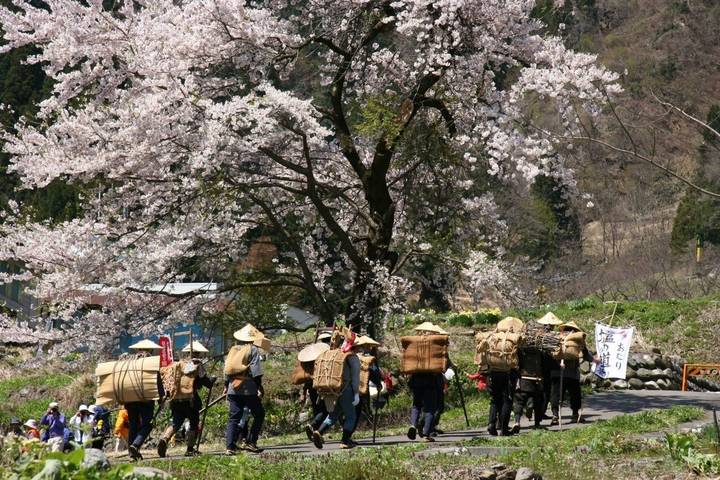
The next day brings a roughly 7-kilometer walk on the Kumano Kodo pilgrimage route, followed by a boat trip down the Kumano River to Shingu. The route includes Kumano Hongu Taisha and its large torii gate, then Hayatama Taisha in Shingu. Walking the route and travelling by river give you two different views of the pilgrimage region. The boat is a pleasant change for your legs, but the day still includes a hike, shrine visits and transfers.
Old post towns and the Japanese Alps
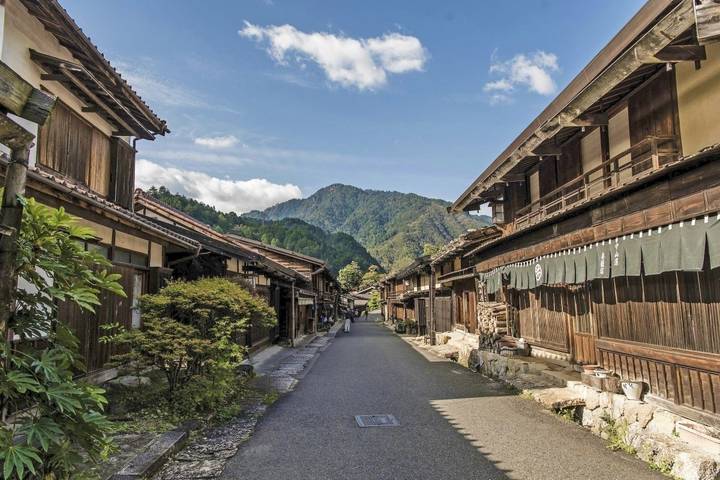
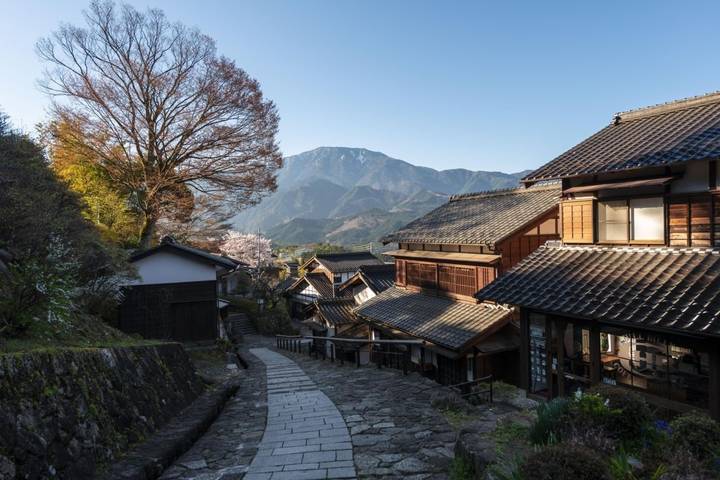
A long train ride via Nagoya carries you from Shingu to Kiso-Fukushima. The change in scenery is part of the appeal: you leave the coast and enter a mountain valley where wooden houses and narrow lanes recall the old route between Edo, now Tokyo, and Kyoto. Kozenji Temple’s rock garden adds a quieter stop before dinner and an onsen at your ryokan.
The Nakasendo walk between Magome and Tsumago is one of the trip’s clearest links between history and scenery. These former post towns served people travelling the old highway, including merchants and samurai. Their traditional buildings make the route feel tangible rather than merely historical. The walk is about 9 kilometers and 3.5 hours, with a stated 200-meter ascent and 400-meter descent. You return to Kiso by bus.
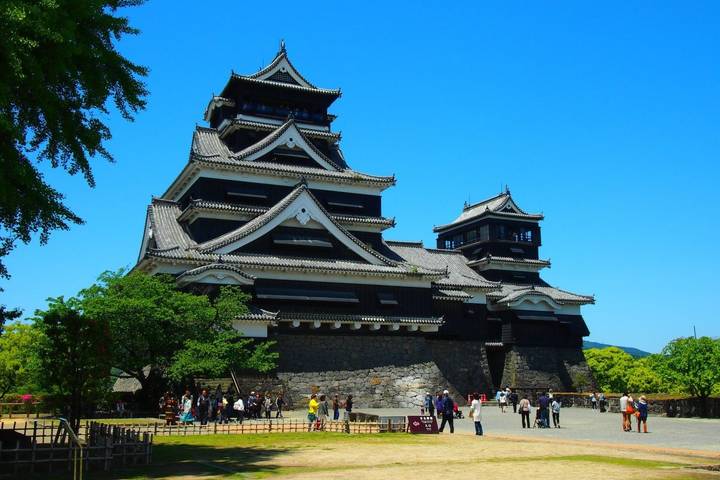
The next morning, send your main luggage ahead to Hakone and travel with a daypack for two nights in Hakuba. In Matsumoto, visit the striking black-and-white Matsumoto Castle, also called Black Crow Castle, and a nearby folklore museum with objects connected to rural life in the Edo period. Then continue by train to Hakuba.
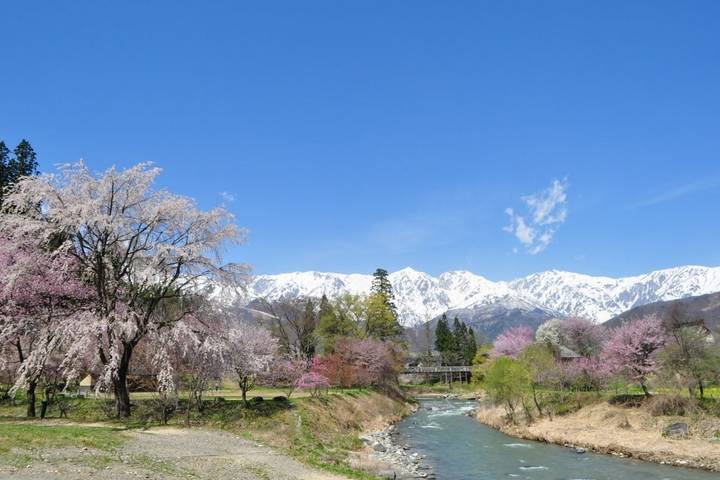
A day on the Shionomichi salt trade route brings a more personal encounter with rural Japan. The 10.5-kilometer hike takes about five hours and passes small farms beneath the Alpine peaks. Lunch is hosted by a local family in a traditional wooden house, with time to hear about rural life directly from the people who live there. That human-scale visit is a special feature of the program, not just another scenic stop.
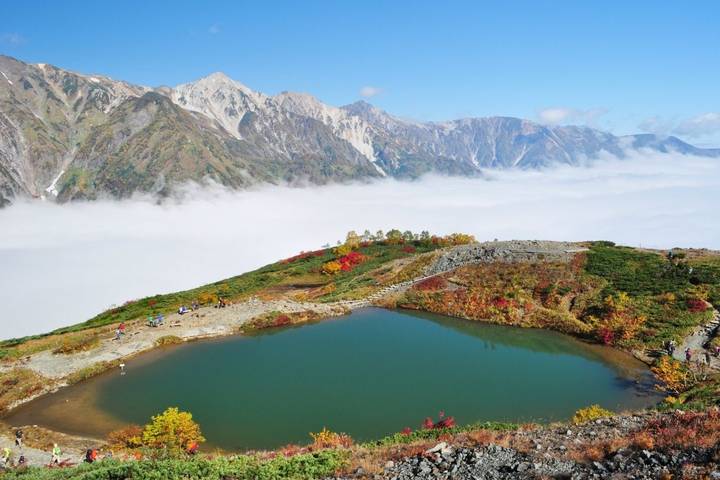
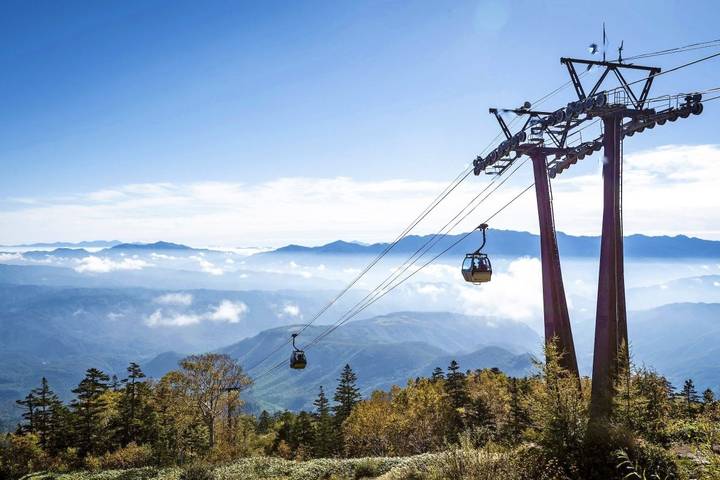
The next morning usually includes a cable-car ride to Happo Sanso at 1,850 meters. On a clear day, the mountain views can be excellent. But the tour’s fall departure notes say this cable car is not included in autumn, so do not plan your trip around that ride if you are travelling in October or November. From Hakuba, you continue by bus to Nagano and then by Shinkansen toward Hakone.
Hakone’s volcanic valley and Fuji views
Hakone offers a mix of walking and easy sightseeing. The Mount Kintoki hike is about 4 kilometers and three hours, with a steep ascent over rocks, roots and wooden steps. It is not described as exposed, but it is still a proper uphill walk, with around 580 meters of ascent and 650 meters of descent. Clear weather may bring a wide view from Mount Fuji to the Pacific; Fuji is famously shy, so treat the view as a bonus, not a guarantee.
The following day, take the cable car to Owakudani, where volcanic steam and hot springs make the area’s geology visible and audible. A boat trip on Lake Ashinoko offers another chance to see Mount Fuji if conditions cooperate. Then it is on to Tokyo by train, with your luggage already waiting at the Hakone hotel after the earlier transfer from Kiso.
A completely different kind of day out:
- Osaka Aquarium Kaiyukan Ticket
★ 4.8 · 14,894 reviews - Osaka Castle Ticket
★ 4.7 · 12,450 reviews - Umeda Sky Building & Kuchu Teien Observatory Ticket in Osaka
★ 4.7 · 10,062 reviews - HARUKAS 300 Observatory Ticket
★ 4.8 · 9,924 reviews
Tokyo’s gardens, market streets and crossing
The final full day balances a traditional garden with modern city sights. Hamarikyu Garden provides a calm contrast to the streets, while the Tsukiji market area offers a look at Tokyo’s food culture. The itinerary also includes the Tokyo International Forum, Hachiko’s bronze statue by Shibuya Station and the famous Shibuya Scramble crossing.
The farewell dinner gives the group time to look back on the trip before the return flight from Tokyo to Germany. The sequence makes sense: after two weeks of walking, temples and train travel, the final day is urban but not packed with another long hike.
What the pace and practical details mean
The trip runs for 16 days, including international flights, and starts in Osaka before ending in Tokyo. Scheduled economy flights from Frankfurt are included, with All Nippon Airways or another airline. The tour uses public transport throughout, including high-speed trains, and includes one piece of luggage transferred from Kiso to Hakone.
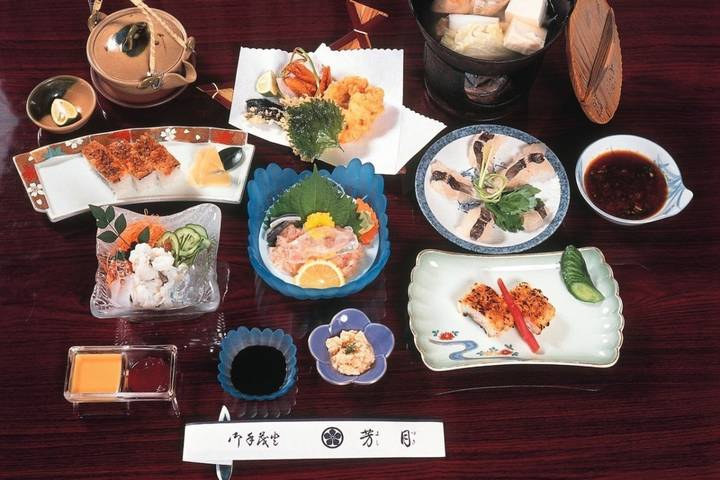
Accommodation is listed as 11 hotel nights and three ryokan nights. The ryokan stays are a chance to experience traditional Japanese lodging and onsen bathing, while hotels provide a more familiar base in the cities and other stops. The meal plan lists 14 breakfasts and seven evening meals; daily details also specify several lunches, so check the exact meal inclusions for your chosen departure.
No tour price is provided here, so I can’t judge whether a particular fare is a bargain. For value, compare the quoted price with the included Frankfurt flights, guide, public transport, listed entrance fees, luggage transfer, accommodation and meals. You will still pay separately for unlisted meals and drinks, optional excursions, gratuities and personal expenses.
The group size is small, which can make train transfers and shared meals easier to manage than in a large coach group. The guide is with the group throughout, but the tour is German-language only. An October 2023 departure was led by guide Svenja, whose contribution was warmly praised; that does not guarantee the same guide on a future date.
This is labelled low intensity, yet you should read the daily walking figures as more useful than the label. The longest specified hike is 10.5 kilometers over about five hours, and the Kumano and Kintoki walks include steep sections or many steps. You do not need to be a serious trekker, but you should be comfortable walking several hours and handling uneven trails.
Should you book this Japan tour?
I’d shortlist this tour if you want a guided introduction to Japan that goes beyond the big-city circuit. Its strongest feature is the balance: Kyoto and Tokyo, sacred routes in Kumano, old post towns in Kiso, family hospitality in Hakuba and a final mountain region in Hakone. The hikes give you a feel for the countryside that a coach itinerary would miss.
Think twice if you want an English-speaking guide, prefer a slower pace, or are uneasy with stairs and changing trains. Also check the fall schedule closely, especially the Hakuba cable-car change, and confirm meal details and the final price before booking. If those points suit you, this is a thoughtful way to see both Japan’s best-known sights and its quieter routes.
FAQ
Is the tour guided in English?
No. The tour is guided in German only.
How long is the tour, and where does it start and end?
It lasts 16 days, starts in Osaka and ends in Tokyo.
How many people are in the group?
The group size is 4 to 12 people.
Which months does the tour depart?
The stated departure months are October and November.
How demanding are the hikes?
The tour is rated low intensity, but some days include several hours of walking, steep sections, uneven paths or many stone steps. The Shionomichi walk is about 10.5 kilometers and five hours.
What types of accommodation are included?
The tour includes 11 hotel nights and three nights in traditional ryokans.
Are flights included?
Scheduled economy flights from Frankfurt to Osaka and back from Tokyo are included. The airline is All Nippon Airways or another airline.
Is luggage transferred between destinations?
One piece of main luggage per person is transferred from Kiso to Hakone. You carry a daypack for the two nights in Hakuba.
Is the Happo Sanso cable-car ride included on fall departures?
No. The tour information says the Hakuba cable-car ride is not included in fall.
Just added in Osaka
- Tour – Japan Bonsai (12 Days) by Bavaria Fernreisen★ 4.0 · 4 reviews
- Stunning Japan with Shirakawa-go by Stunning Tours – 8-Day Osaka to Tokyo Tour★ 4.4 · 105 reviews
- South Japan Express 6-Day Tour by Europamundo★ 4.6 · 28 reviews
- Southern Japan Experience by Intrepid Travel – 12 Days from Osaka★ 4.0 · 10 reviews
- Osaka Hiroshima Snapshot 6 Day – One Life Adventures★ 4.9 · 15 reviews
- Osaka Discovery 4 Days – Universal Fun & Kyoto Heritage by Vio Travel★ 5.0 · 1 review
- Japan to the World Expo (incl. flight) 10-Day Tour by MEIERS WELTREISEN★ 3.0 · 1 review
- Japan in Winter by Train (Without Ski) with Contiki – 10-Day Tour★ 4.7 · 13 reviews
Multi-Day Tours, compared.

9D Splendid Japan-Private 3 Star Hotels-Osaka to Tokyo by Stunning Tours
Read our review →
Japan Essentials 9 Day – One Life Adventures: Tokyo to Osaka
Read our review →

Tokyo to Osaka by Rail – Private Tour (14 Days) with Explore!
Read our review →
13-Day Japan Tour: Tokyo, Mount Fuji, Kyoto, Nara, Osaka & Beyond by The Dragon Trip
Read our review →
Browse the lists this tour appears in