
Reviewed · MULTI-DAY TOURS
Classic Japan by Intrepid Travel – 11-Day Kyoto to Tokyo Tour: Itinerary & Reviews
Kyoto temples, a night at a Buddhist lodging on Koya-san, and a walk on the old Nakasendo route give this 11-day trip a stronger sense of place than a city-to-city checklist. You’ll travel from Kyoto to Tokyo by public transport, with Hiroshima, Himeji, Miyajima Island, Tsumago and Matsumoto along the way.
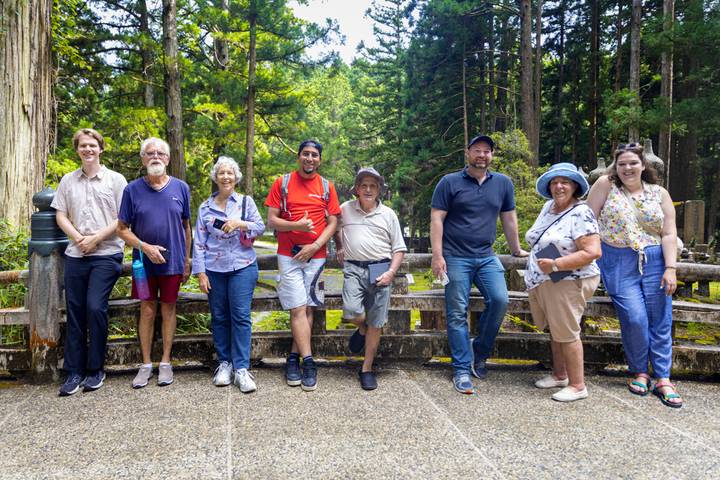
I like the small group of no more than 12 and the balance between guided visits and free time. You get help with train connections and local context, but still have room to choose your own meals and use open days to follow your interests.
The main trade-off is the pace: some days involve several trains, and you’ll need to carry your own luggage through stations and up stairs. Traditional rooms also mean sleeping on futons on tatami, which can be uncomfortable if you have trouble getting up from the floor.
In This Review
- What makes this Japan route different
- Kyoto begins with temples, old streets and a free day
- Koya-san brings a night of Buddhist food and quiet forest paths
- Himeji and Hiroshima combine castle history with hard questions
- Magome and Tsumago slow the pace on the Nakasendo
- Matsumoto adds a castle town before Tokyo’s scale takes over
- What the group size and rail travel mean in practice
- Accommodation, meals and the value of the price
- Who will get the most from this route
- FAQ
- Where does the tour start and end?
- How long is the tour?
- What is the maximum group size?
- What language is the tour guided in?
- What is the minimum age?
- Which months do departures run?
- How many meals are included?
- What types of accommodation are used?
- Is the Nakasendo walk included?
- Is the tour suitable if I have mobility or back problems?
- Should you book Classic Japan?
What makes this Japan route different
- A night on sacred Koya-san: Visit the forest cemetery at Okunoin, then stay in a shukubo and eat Buddhist vegetarian cooking.
- Kyoto’s landmarks with time to roam: Nijo Castle, Ryoan-ji, Kinkaku-ji and Gion are guided visits, while Day 3 is free for Fushimi Inari or the Philosopher’s Path.
- A sobering stop in Hiroshima: The Peace Memorial Park and Museum offer space to learn about the atomic bombing and its aftermath.
- A genuine rural walk: Follow part of the Nakasendo from Magome toward Tsumago, then sleep in a traditional inn.
- Rail travel is part of the trip: Bullet trains, local trains, buses, a cable railway and a ferry connect the route.
- Room for independent choices: Ten breakfasts and three dinners are included, leaving many meals for you to choose yourself.
Kyoto begins with temples, old streets and a free day
The tour starts with a welcome meeting at 6 pm on Day 1. That gives you the evening to settle in and find dinner, but not much time for major sightseeing. Kyoto is known for its food as well as its temples, so make that first meal part of your introduction to the city.
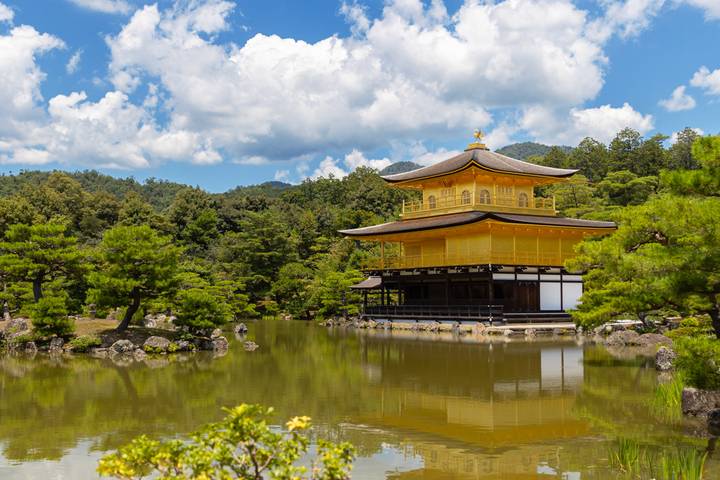
Day 2 brings a concentrated series of historic sites. At Nijo Castle, you’ll walk across the famed nightingale floors of Ninomaru Palace, designed to squeak and warn of intruders. Ryoan-ji offers a different kind of visit: its spare Zen garden asks you to pause and look rather than hurry through. Nearby Kinkaku-ji, the Golden Pavilion, is much more ornate, with gold leaf on parts of its exterior.
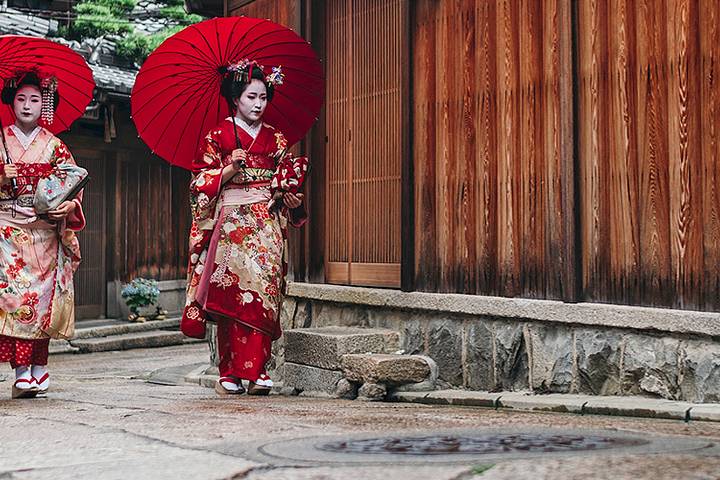
The day ends with a walk through Gion, Kyoto’s traditional entertainment district. You may see geiko or maiko on their way to appointments, but the district is also a place to notice old wooden façades and narrow lanes. A tea ceremony or kaiseki dinner can add a memorable evening, though both are optional and can raise your costs.
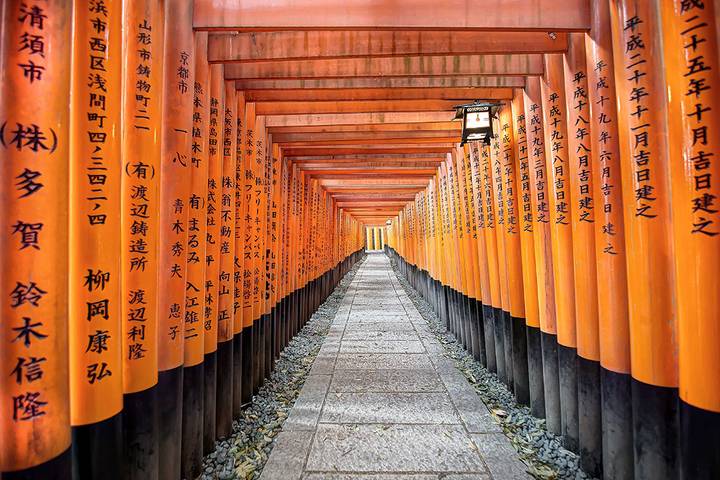
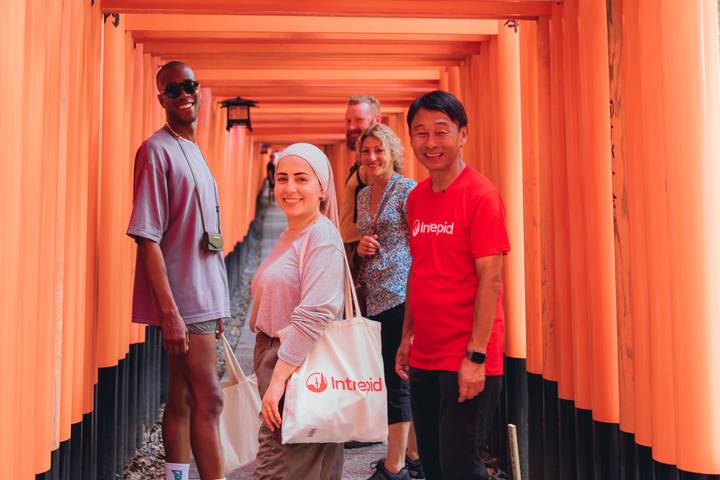
Day 3 is yours. You could head to Fushimi Inari and follow the path beneath thousands of torii gates, or walk the Philosopher’s Path between Ginkaku-ji and Nanzen-ji. Extending the walk toward Kiyomizu-dera makes for a fuller day, with a view across a wooded gorge. Kyoto has enough to fill several days, so this open day is useful, but it also means you’ll need to plan your own route and transport.
If you’re in Kyoto in April, the Miyako Odori dance performance is another option, subject to the season. Other choices include Sanjusangendo, with its 1,001 Kannon statues, or browsing central shopping streets such as Kawaramachi and Shijo Dori.
A few more options to weigh up in Kyoto
- PERFECT KYOTO 1-Day Bus Tour
★ 5.0 · 13,518 reviews - [Kyoto & Nara Day Tour] Sagano Scenic Railway & Nara Park & Fushimi Inari Taisha Thousand Torii Gates & Togetsukyo Bridge & Bamboo Grove & Kimono Forest (Departing from Osaka)
★ 4.9 · 10,942 reviews - Kyoto: Fushimi Inari, Kinkakuji, Bamboo Grove 1 Day Bus Tour
★ 4.8 · 4,316 reviews
Koya-san brings a night of Buddhist food and quiet forest paths
On Day 4, you travel into the mountains to Koya-san, a Buddhist temple town founded in the eighth century. The visit to Okunoin Cemetery is one of the trip’s most distinctive moments. Stone memorials and statues line paths beneath moss-covered trees, and the scale of the site gives it a quiet, contemplative feel.
That evening, you stay in a shukubo, a traditional temple lodging. Shojin ryori, Buddhist vegetarian cuisine made with simple ingredients, is included for dinner. Treat this as a cultural stay, not a hotel upgrade: rooms have tatami floors, bedding is laid out on the floor, and facilities may be shared. The style is part of the appeal, but it’s worth considering carefully if you have back, hip or knee problems.
Himeji and Hiroshima combine castle history with hard questions
Day 5 is a long travel day, with a return from Koya-san by cable railway and onward rail connections toward Hiroshima. Himeji Castle breaks up the journey. Restored to its former appearance in 2015, the castle’s moats, gates and narrow approaches show how its defenses were designed to slow attackers. You’ll also have a chance to look out over the city from the upper floors.
After arriving in Hiroshima, dinner is Hiroshima-style okonomiyaki, a savory pancake made with ingredients such as cabbage, egg and toppings, often layered with yakisoba noodles. It’s one of the three included dinners and a practical introduction to a local specialty.
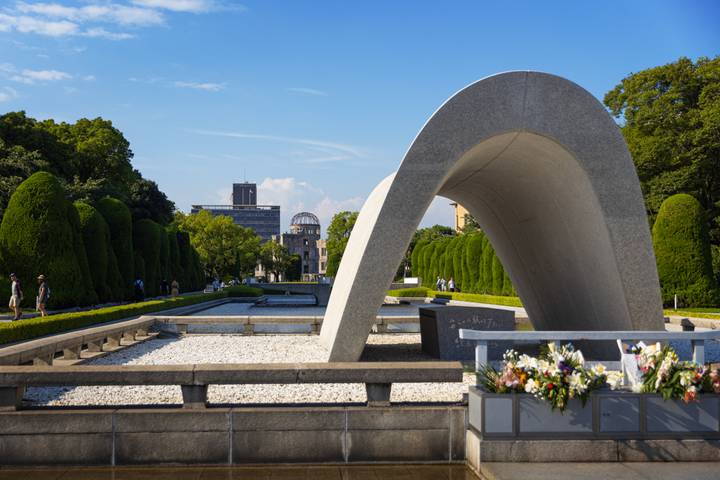
On Day 6, you visit the Genbaku Dome, Peace Memorial Park and Peace Memorial Museum. These sites address the bombing of August 1945, its victims and the events surrounding it. Allow yourself time to take in the material at your own pace; this is a serious visit, not simply another stop to tick off.
The afternoon ferry takes you to Miyajima Island and Itsukushima Shrine, known for its orange torii gate set by the sea. You can walk around the island, visit Momiji Park, or take the cable car up Mt Misen. The mountain option adds more exertion and time, so decide based on your energy after the morning in Hiroshima. You return to the city for the night.
Magome and Tsumago slow the pace on the Nakasendo
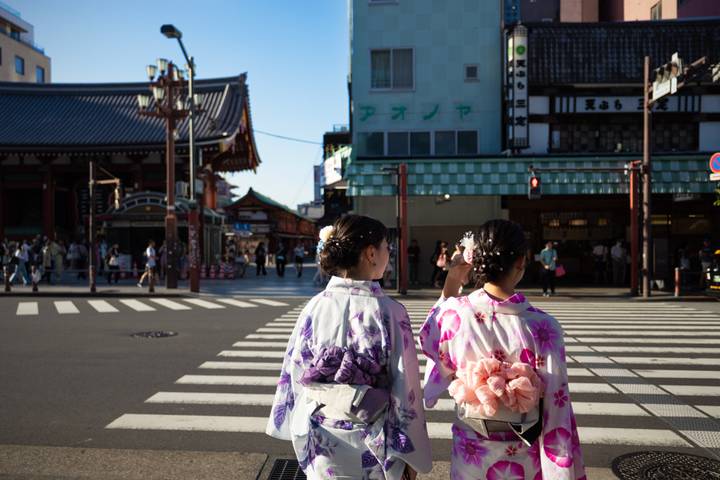
Day 7 takes you by bullet train to Nagoya, then onward by express train into central Japan. The change from city rail stations to mountain towns is part of what makes this route satisfying, though it also means another day spent moving between trains.
The walk from Magome to your accommodation near Tsumago follows a section of the Nakasendo, the historic route that once linked Kyoto and Tokyo. Tsumago was a post town where people could rest during their journeys. Its main street is kept free of cars, and utility cables run underground to preserve the old-town character.
You’ll sleep in a ryokan, a traditional inn, and have dinner there. Futons are placed on tatami mats, and the bedding may feel thin if you’re used to a raised bed. This is one of the trip’s most atmospheric nights, but comfort is more basic than at a standard hotel.
The next morning leaves time to look around Tsumago before heading north to Matsumoto. That short window is welcome, though it won’t allow a leisurely visit to every shop and side street.
A completely different kind of day out:
- Kyoto: Tea Ceremony in a Traditional Tea House in Kiyomizu
★ 4.9 · 3,519 reviews - Kyoto: Gion Make Your Own Chopsticks with Engraving Option
★ 5.0 · 3,465 reviews - Kyoto Nara Day Trip │ Kiyomizu-dera Temple + Fushimi Inari-taisha Shrine + Nara Park (Departing from Osaka/Kyoto)
★ 4.7 · 3,408 reviews - Kyoto Geisha Walking Tour: Gion District & Hidden Gems
★ 4.7 · 3,273 reviews
Matsumoto adds a castle town before Tokyo’s scale takes over
Matsumoto offers a change of mood after the rural villages. The former merchant district of Nakamachi is a good place to walk, browse local crafts and find a meal. Matsumoto Castle is an optional visit. Built in 1592, it is described as the oldest original castle in Japan, and it gives the town a strong historical anchor.
Try the local soba noodles if you have the chance. Wasabi treats are another regional specialty, made possible by the area’s clean alpine water. Since Matsumoto Castle is optional, check your time and energy before fitting it in.
On Day 9, an express train carries you to Tokyo. You have free time after arrival, which is useful because the capital can feel overwhelming after smaller towns. The Imperial Palace grounds and moat are one possible first outing, while the many restaurants make it easy to pick dinner to suit your budget and appetite.
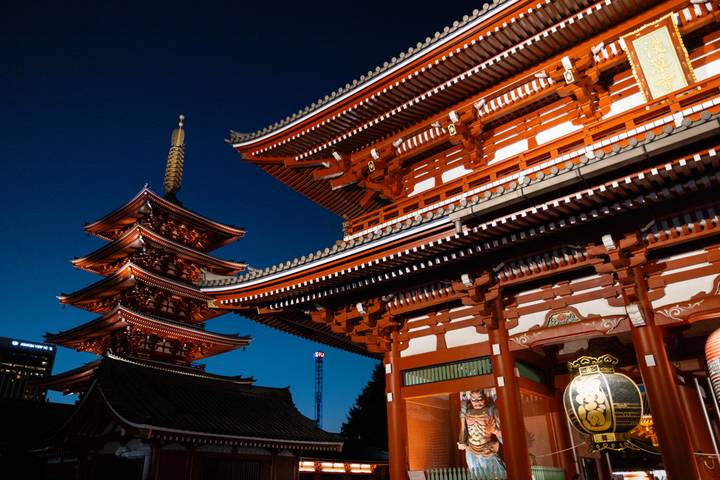
Day 10 begins in Asakusa, home to Senso-ji, Tokyo’s oldest temple. Nakamise shopping street nearby is lined with stalls selling snacks, crafts and souvenirs. The Sumida River cruise then offers a different view of the city, passing landmarks including Skytree Tower, the Sumo Stadium and the Asahi Beer Hall.
You disembark at Hama Rikyu Garden, where the paths recall the site’s past as a place for shoguns to hunt ducks. The day continues toward Ginza. Depending on what is scheduled, you may be able to see a short Kabuki performance; visiting a department store food hall, known as a depachika, is another way to explore Japanese food without committing to a full restaurant meal.
Day 11 has no planned activities. You can explore more of Tokyo or leave for your onward journey. If you want extra nights, arrange them before the tour begins.
What the group size and rail travel mean in practice
The maximum group size is 12, and the tour is conducted in English. A small group can make station transfers and shared walks easier to manage, while still leaving many hours for independent plans. You should not expect a guide to lead every minute: the leader provides local context, recommendations and help with logistics, and several blocks of time are free.
The route uses public buses, subway, trains, bullet trains and a boat. That’s a genuine strength if you want to see how Japan’s transport system works, rather than watching the country pass through a tour-bus window. It also means you’ll manage your own bags through busy stations, along platforms and up or down stairs. Pack light and bring comfortable walking shoes.
The trip is rated medium intensity, and that rating deserves attention. One past participant described days with more train changes than expected, while another praised the public transport but noted the physical demands of walking and carrying luggage. Train travel can also take several hours on some days. If you have mobility concerns, ask the operator about the specific departure before booking.
Group leaders vary by departure, so names from previous trips are not a promise about who will lead yours. Past groups had leaders named Manabu, Lulu, Kaz and Kodo. One participant valued Manabu’s insight into Buddhism and Shinto, while others praised their leaders’ organization, energy and willingness to help arrange activities around different interests. The consistent value of a good leader here is practical: helping you read local customs, navigate transfers and make useful choices during free time.
Accommodation, meals and the value of the price
The price starts at $5,008 for the cheapest room option. It covers 10 nights: eight in hotels, one at a temple lodging and one in a ryokan. You also get 10 breakfasts, three dinners, the listed group activities and transport by public systems. The remaining meals and optional activities are yours to budget for.
That price buys more than a bed and transport. The group visits include major Kyoto sites, Okunoin Cemetery, Himeji Castle, Hiroshima’s Peace Park and Museum, Miyajima, the Nakasendo walk, Senso-ji and Hama Rikyu Garden. Having a leader manage the sequence and give local advice can save you planning time, particularly when the route involves several train changes.
Still, this is not an all-inclusive trip. Most lunches and dinners are not covered, and optional choices such as a tea ceremony, a cooking class, a cable car ride or some Kyoto temples cost extra. Double rooms are requested where possible, but a twin room may be provided during busy periods. Japanese hotel rooms can also be smaller than you might expect, around 20 square metres in some cases.
The traditional stays come with specific comforts and compromises. Tatami rooms have firm floors, futons and sometimes shared bathing facilities. You’ll need to follow the lodging’s rules for slippers and shared spaces, and some inns may have a curfew. If you are not comfortable sleeping close to the floor, or have trouble standing up from it, this tour’s accommodation style may not suit you.
Who will get the most from this route
I’d recommend this trip if you want to see both major cities and rural Japan without arranging every train and hotel yourself. It suits curious, active people who enjoy walking, historic sites, local food and a small-group setting, but who also like having time to explore alone.
It may be a poor fit if you want a slow pace, private transport, larger rooms or a bed every night. The route covers a lot in 11 days, and that breadth comes at the cost of long transfers and brief stays. For the strongest experience, arrive in Kyoto rested, keep your luggage manageable and plan to spend extra days in Tokyo if you want more time there.
FAQ
Where does the tour start and end?
It starts in Kyoto and ends in Tokyo. The welcome meeting is at 6 pm on the first day, and there are no planned activities on the final day.
How long is the tour?
The trip lasts 11 days, from Kyoto to Tokyo.
What is the maximum group size?
The group has a maximum of 12 people.
What language is the tour guided in?
The tour is guided in English.
What is the minimum age?
The minimum age is 15.
Which months do departures run?
The listed departure months are October and November.
How many meals are included?
The tour includes 10 breakfasts and three dinners. Other meals are not included.
What types of accommodation are used?
You stay in hotels for eight nights, a temple lodging for one night and a ryokan for one night. Traditional stays use tatami floors and futons, and some facilities may be shared.
Is the Nakasendo walk included?
Yes. The group walks a section of the Nakasendo from Magome toward Tsumago.
Is the tour suitable if I have mobility or back problems?
The tour involves substantial walking, public transport, luggage handling and stairs. Traditional accommodation may require getting up from a futon on a tatami floor, so consider these demands carefully and ask the operator about your needs before booking.
Should you book Classic Japan?
Book this trip if you want a well-rounded first journey through Japan, value a small group and are comfortable with trains, walking and traditional floor-level rooms. The temple night, Nakasendo walk and time in Hiroshima give the route more texture than a simple sweep of big cities. If long transfers or basic traditional lodging would frustrate you, choose a slower or more comfortable style of trip instead.
Just added in Kyoto
- The “Golden Route” and Ancient Japan by DIAMIR Erlebnisreisen – 14-Day Tour★ 2.0 · 2 reviews
- Japan: Castles & Cuisine by G Adventures – 6-Day Kyoto to Osaka Tour★ 4.5 · 4 reviews
- Cycle Japan by Explore! – 13-Day Kyoto to Tokyo Tour★ 4.7 · 12 reviews
- Cycle Japan by Intrepid Travel – 11-Day Kyoto to Tokyo Tour★ 4.8 · 2 reviews
- Ancient & Modern Japan 14-Day Tour by Exodus Adventure Travels★ 4.4 · 40 reviews
- 5 Day Cultural Adventure of Kyoto, Nara & Osaka by Tourist Journey★ 2.5 · 2 reviews
- 12 Days Kinosaki Onsen Escape: A Journey Through Japan’s Timeless Towns by UME Travel★ 4.8 · 5 reviews
- Kyoto Nara Day Trip │ Kiyomizu-dera Temple + Fushimi Inari-taisha Shrine + Nara Park (Departing from Osaka/Kyoto)★ 4.7 · 3,408 reviews
Multi-Day Tours, compared.
9D Splendid Japan-Private 3 Star Hotels-Osaka to Tokyo by Stunning Tours
Read our review →
Japan Essentials 9 Day – One Life Adventures: Tokyo to Osaka
Read our review →

Tokyo to Osaka by Rail – Private Tour (14 Days) with Explore!
Read our review →
13-Day Japan Tour: Tokyo, Mount Fuji, Kyoto, Nara, Osaka & Beyond by The Dragon Trip
Read our review →
Browse the lists this tour appears in