
Reviewed · MULTI-DAY TOURS
Cycle Japan by Explore! – 13-Day Kyoto to Tokyo Tour – Reviews & Prices
From Kyoto’s temple lanes to Sado Island’s quiet coastal roads, this tour makes the journey between Japan’s big cities the main event. You’ll ride through rice-growing country, visit a centuries-old gold mine and finish with a fast Shinkansen trip into Tokyo.
I like two things in particular: the switch from guided city cycling to long coastal rides, and the chance to stay in traditional Japanese inns with tatami floors and shared hot spring baths. The guide and group format also takes care of tricky connections by train and ferry.
One consideration: this is a cycling holiday, not a sightseeing tour with a few short rides. The longest day is about 72 kilometres, with steep sections and tunnels, and some nights have shared bathing facilities. The Noto Peninsula is not part of this route.
- Sado Island is the heart of the trip: Four days of riding, with a tub-boat outing, historic Shukunegi and a visit to the old gold mine.
- Cycling distances vary widely: From about 8 kilometres in Kanazawa to 72 kilometres along Toyama Bay.
- Kyoto is explored by bike: A 17-kilometre ride links temples, shrines and the Philosopher’s Path.
- The finish is easy to follow: Ferry from Sado to Niigata, then Shinkansen to Tokyo.
- The group stays small: Expect 7 to 16 people, with an English-speaking tour leader.
- Comfort varies by night: Most stays are three-star hotels, with simpler Japanese-style lodging and shared baths on some nights.
In This Review
- A cycling route that trades big-city time for local roads
- Kyoto’s temples make a good first ride
- Kanazawa pairs a great garden with a working market
- Shirakawa-go brings the countryside into view
- Toyama Bay is one of the tour’s longer stretches
- Sado Island rewards the ferry crossing
- A gold mine climb, then a quieter northern shore
- Tokyo is a free day, not a second guided tour
- What the price covers, and what it does not
- Who should book this Japan cycling tour?
- FAQ
- How long is the Cycle Japan tour?
- What is the group size?
- What is the cycling difficulty?
- Are e-bikes available?
- Is the Noto Peninsula included?
- Where does the tour start and finish?
- Which airports can I use?
- Are meals included?
- Do all hotels have private bathrooms?
- Are international flights and travel insurance included?
A cycling route that trades big-city time for local roads
Explore!’s 13-day Cycle Japan tour starts in Kyoto and ends in Tokyo, but it spends much of its time between those famous cities. That is its appeal. You get the temples and teahouse districts, then leave the urban circuit for farm villages, coastal paths and Sado Island, where cycling is a practical way to reach places a train-based itinerary would skip.
The group size is 7 to 16, and the tour is fully guided in English. Your leader handles the daily logistics, including train and ferry links, while you focus on riding and exploring. There are no guide names provided in advance, so ask about your departure if knowing who will lead is important to you.
The itinerary is rated medium intensity, but that label needs context. The daily distances range from 8 to 72 kilometres, and one Sado Island ride climbs steeply toward the gold mine. You should be comfortable spending several hours in the saddle, even though the route also includes easier days and breaks for cultural stops.
Kyoto’s temples make a good first ride
Day one is deliberately light. Arrive at any time, check in, and meet the group at 7pm. If you reach Kyoto early, you can visit Kinkakuji, the Golden Pavilion, or Toji Temple, whose pagoda and gardens offer a calmer alternative. Arashiyama is another option for mountain views, river activities and a chance to walk up to see wild monkeys.
The first cycling day covers about 17 kilometres, with little climbing. You’ll ride to Heian Jingu Shrine, follow the Philosopher’s Path past Eikando and Ginkakuji, then head south along the Kamo River. Stops at Tofukuji’s rock gardens and Sanjusangendo’s 1,001 statues add a satisfying range of styles to the day.
This is a useful way to see Kyoto, but don’t expect empty lanes. The route runs through a major city with busy areas and popular temples. The tour uses simple local-style bikes, and there is no support vehicle on this ride. If you want more time at a particular temple, use the free evening to return on your own.
A few more options to weigh up in Kyoto
- PERFECT KYOTO 1-Day Bus Tour
★ 5.0 · 13,518 reviews - [Kyoto & Nara Day Tour] Sagano Scenic Railway & Nara Park & Fushimi Inari Taisha Thousand Torii Gates & Togetsukyo Bridge & Bamboo Grove & Kimono Forest (Departing from Osaka)
★ 4.9 · 10,942 reviews - Kyoto: Fushimi Inari, Kinkakuji, Bamboo Grove 1 Day Bus Tour
★ 4.8 · 4,316 reviews
Kanazawa pairs a great garden with a working market
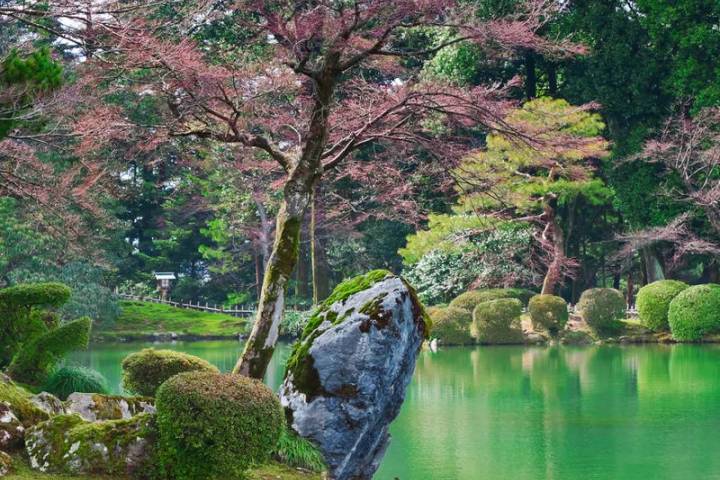
On day three, a train takes you from Kyoto to Kanazawa in just over two hours. The afternoon ride is short, about 8 kilometres, with a visit to Kenrokuen, one of Japan’s best-known gardens. It took nearly two centuries to complete, and its ponds, paths and carefully arranged plantings make it more than a quick photo stop.
The group also visits Imcho Fish Market. This gives the day a useful contrast: the composed beauty of a garden followed by a glimpse of local food and trade. Meals are not all bundled into hotel dining rooms, so you have room to try regional dishes. The tour includes 12 breakfasts and 8 dinners, with vegetarian and vegan options available on request.
Shirakawa-go brings the countryside into view
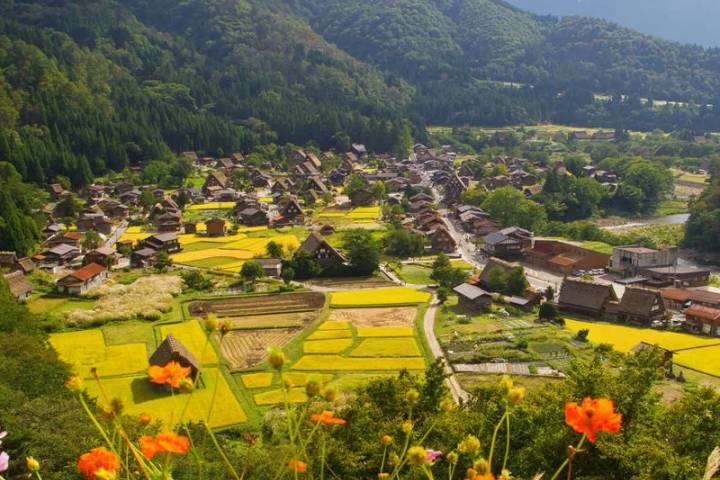
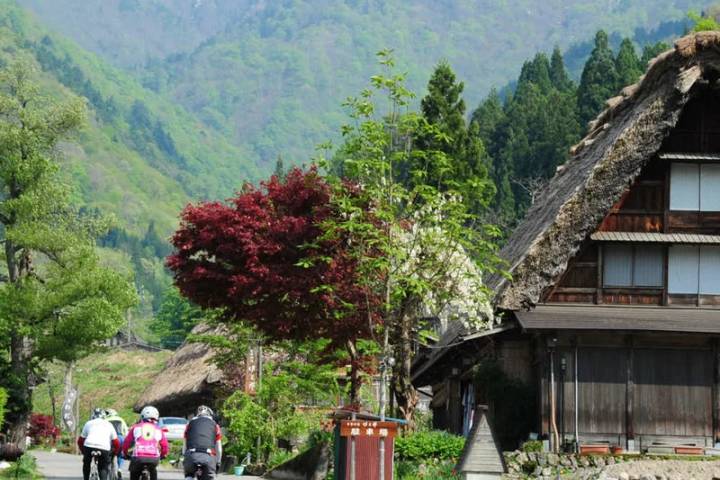
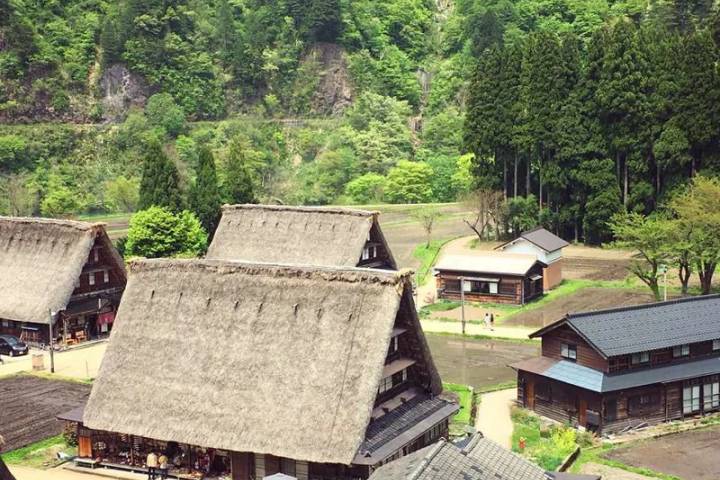
A public bus carries the group from Kanazawa to Shirakawa-go, a UNESCO-listed village known for Gassho-zukuri farmhouses. Their steep thatched roofs were built to shed heavy winter snow, and their broad attics were once used for silkworm cultivation. Some of the houses are more than 250 years old.
After time to walk around the village, you cycle toward Tonami. The day covers about 60 kilometres, with 600 metres of climbing and 950 metres of descent. Stops include the Gassho Ohashi viewpoint and a roadside rest stop showcasing regional goods. Several tunnels lie along the route, so this is a day for riders who are comfortable sharing roads and staying alert.
The next day, the ride crosses the Tonami plain toward Toyama Bay. From an observation deck, you can see the dispersed farm settlements set among rice paddies, with mountains behind them. At Takaoka, Zuiryuji Temple offers quiet halls and gardens, while Kanayamachi Street shows off merchant houses and the town’s copper-casting heritage. The ride is about 30 kilometres and mostly flat.
Toyama Bay is one of the tour’s longer stretches
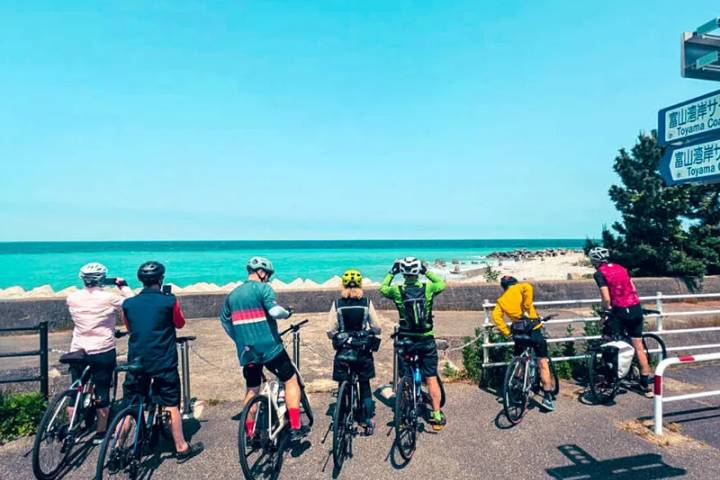
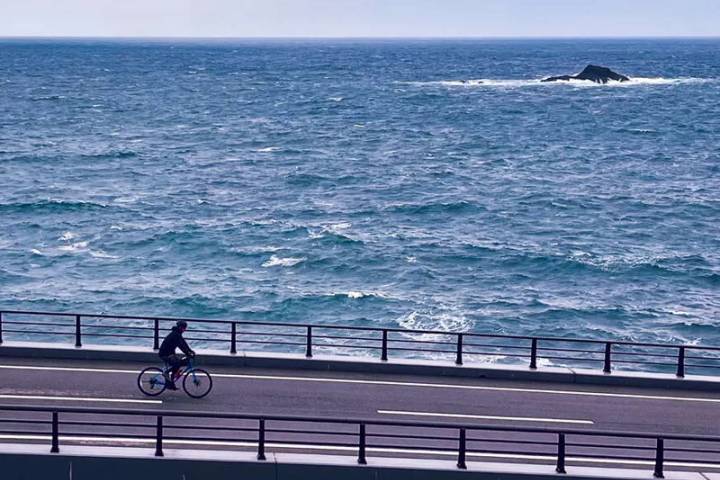
Day six follows the Toyama Bay Cycling Route for roughly 72 kilometres. The road runs beside the sea, and the ride ends at Etchu-Miyazaki Station. From there, a 30- to 40-minute train ride takes you to Itoigawa, with more coastal and mountain views from the window.
This is the longest day by distance, though the total climbing is modest. It is still a full day in the saddle, so consider an e-bike if you prefer assistance. E-bike rental is generally around £290 extra and depends on availability. Ask early: bikes are limited, and a particular departure may sell out.
The Itoigawa stay is a Japanese-style hotel with tatami floors and futons. The rooms have private toilets, but bathing is communal, with separate shared baths for women and men. For some people, this is part of the pleasure of a Japanese cycling trip; for others, it is a real comfort trade-off. Bring a small toiletry bag and be ready to follow local bathing customs.
A completely different kind of day out:
- Kyoto: Tea Ceremony in a Traditional Tea House in Kiyomizu
★ 4.9 · 3,519 reviews - Kyoto: Gion Make Your Own Chopsticks with Engraving Option
★ 5.0 · 3,465 reviews - Kyoto Nara Day Trip │ Kiyomizu-dera Temple + Fushimi Inari-taisha Shrine + Nara Park (Departing from Osaka/Kyoto)
★ 4.7 · 3,408 reviews - Kyoto Geisha Walking Tour: Gion District & Hidden Gems
★ 4.7 · 3,273 reviews
Sado Island rewards the ferry crossing
On day seven, you ride about 47 kilometres along the coast toward Joetsu. The Kubiki Bicycle and Walker Road follows a former railway line and passes through several illuminated tunnels. There is free time for lunch in Joetsu before the ferry crossing, which takes a little over two and a half hours. The day ends with a short ride to Ogi on Sado Island.
Sado is the most distinctive part of the route. Its history as a stop on sea-trading routes, a place of exile and a gold-mining centre shaped a local culture that feels different from the mainland. The tour spends four days here, long enough to see more than a port and a headline attraction.
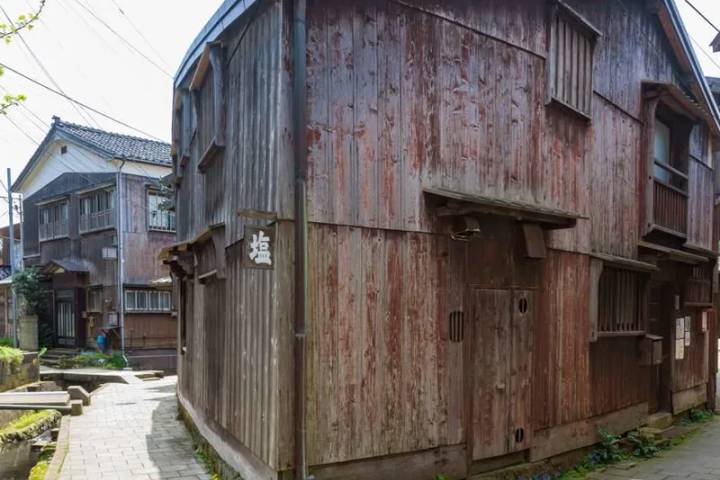
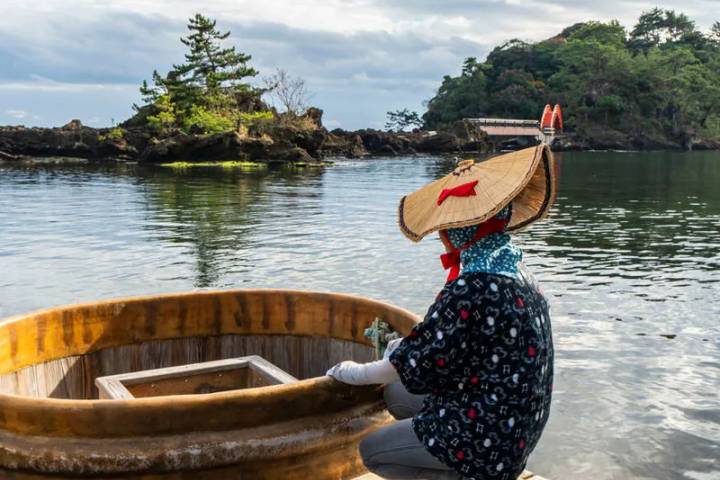
The first island day begins with a ride in a tarai tub boat, a half-barrel craft once used for fishing and carrying goods around rocky shores. You’ll visit Ogi Folk Museum, then walk through Shukunegi with a local guide. Its narrow lanes and wooden houses, some made using old boats, tell a lot about life in a small maritime community. The cycling continues along the coast, covering about 43 kilometres with some climbing.
A gold mine climb, then a quieter northern shore
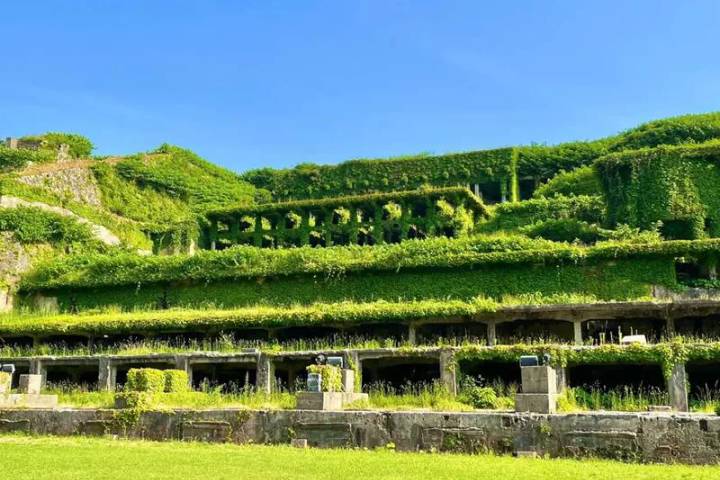
The next ride goes to Sado Gold Rush Mountain, where mining began in the early 1600s. The climb includes sections of 8 to 10 percent, so this is the toughest day for many riders. At the mine, you can walk through underground tunnels and see old refinery ruins before cycling through Aikawa toward Futatsugame. The total is about 70 kilometres, with more than 1,300 metres of ascent.
That is a demanding combination: a hard climb, a substantial distance and a cultural visit that takes time. Pace yourself rather than treating the climb like a test. The overnight stay is a simple ryokan, with futons and shared toilets and baths on some departures. The hot spring water can be welcome after a long ride, but this is not a private-bath hotel experience.
The following day is about 59 kilometres from Futatsugame back toward Sado City. Futatsugame takes its name from two offshore rock formations said to resemble turtles. The route follows less-visited coastal areas before stopping at the Toki Ibis Preservation Centre. The crested ibis was once locally extinct; a conservation program, supported by China, has helped reintroduce the bird on Sado. You may spot one in the wild, but the visit is valuable even if the birds keep their distance.
The final island ride is about 25 kilometres, with a stop at Kunizo Gama pottery studio before reaching Ryotsu Port. A two-hour ferry takes you to Niigata, followed by a Shinkansen ride of about two hours to Tokyo. The travel connections make this a long transition day, but the fast train is a fitting change of pace after so many miles by bike.
Tokyo is a free day, not a second guided tour
You’ll stay in Asakusa, a practical base near Sensoji Temple. Day twelve is free, with an optional guided outing that may include Sensoji, a river cruise to Hama-rikyu Gardens, Meiji Shrine and views from the Shinjuku Government Building. You can also rent a bike locally, or use the day to explore independently.
This open day is welcome after a busy route, though one full day barely scratches Tokyo’s surface. If you want time for museums, shopping or other neighbourhoods, consider adding nights before or after the tour. The trip ends after breakfast on day thirteen, with luggage storage available if your flight is later.
What the price covers, and what it does not
The listed starting price is from $6,770. Separate pricing information gives £4,799 for a twin-share room and £5,448 for a single room, so confirm the current price, currency and room basis for your chosen departure before booking. International flights and travel insurance are not included.
The value lies in the coordination: accommodation, scheduled activities, local transport, the ferry and Shinkansen connections, a tour leader, 12 breakfasts and 8 dinners are included. You also avoid having to plan a string of rural train and bus connections around a bike trip. Meals not included leave you room to choose local restaurants and manage your own food budget.
Accommodation ranges from standard three-star hotels to simpler hotels and ryokan. A few nights involve tatami, futons or shared baths, and the exact lodging can vary by departure. Airport transfers are included when you arrive on day one and depart on the last day, provided you share your international flight details.
The published highlights refer to the Noto Peninsula, but this tour does not include it. The cycling route takes in Toyama Bay, the mainland coast and Sado Island instead. If Noto is the main reason you are considering the trip, check the route carefully before paying a deposit.
Who should book this Japan cycling tour?
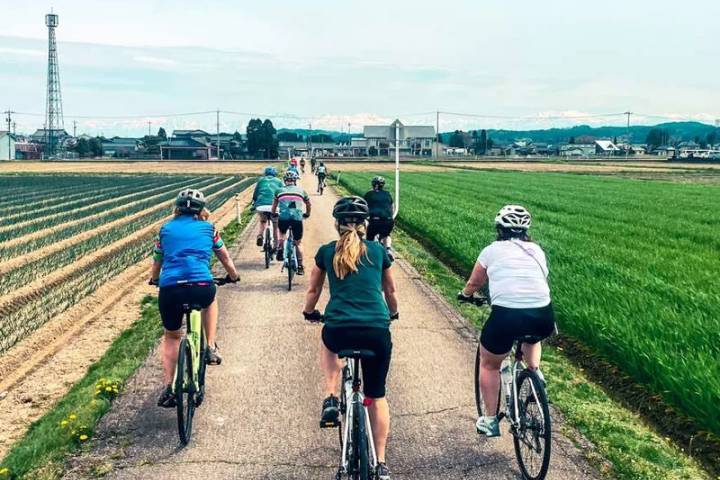
Book it if you want to see Japan at a human pace, enjoy long rides and welcome the mix of temples, villages, seafood and traditional inns. It is especially suited to riders who like a structured group trip but still want free time for meals and independent exploring. The guide, transport links and small group size help make a complicated route manageable.
Think twice if you are new to cycling, dislike tunnels or would rather spend more time in cities than on the road. The distances are not all difficult, but the longest days and Sado’s steep climb require preparation. Check e-bike availability, the accommodation details for your departure and the exact price basis. If those fit, this route offers a thoughtful, active way to connect Kyoto and Tokyo without treating the countryside as scenery viewed from a train.
FAQ
How long is the Cycle Japan tour?
The tour lasts 13 days, starting in Kyoto and ending in Tokyo.
What is the group size?
Groups range from 7 to 16 people.
What is the cycling difficulty?
The tour is rated medium intensity. Daily distances range from about 8 to 72 kilometres, and the Sado gold mine ride has steep sections reaching 8 to 10 percent.
Are e-bikes available?
Yes, for an extra charge, subject to availability. The estimated cost is around £290, but you should confirm the price when booking.
Is the Noto Peninsula included?
No. The route includes Toyama Bay, the mainland coast and Sado Island, but not the Noto Peninsula.
Where does the tour start and finish?
It starts in Kyoto and ends in Tokyo.
Which airports can I use?
For Kyoto arrivals, the listed options are Kansai International Airport and Osaka International Airport. For departures from Tokyo, the listed airports are Haneda and Narita.
Are meals included?
The tour includes 12 breakfasts and 8 dinners. Vegetarian and vegan food options are available on request.
Do all hotels have private bathrooms?
No. Comfortable hotel stays have private bathrooms, while simpler accommodation can have shared facilities. One Japanese-style hotel has private toilets but communal baths.
Are international flights and travel insurance included?
No. International flights and travel insurance are not included in the tour price.
Just added in Kyoto
- The “Golden Route” and Ancient Japan by DIAMIR Erlebnisreisen – 14-Day Tour★ 2.0 · 2 reviews
- Japan: Castles & Cuisine by G Adventures – 6-Day Kyoto to Osaka Tour★ 4.5 · 4 reviews
- Cycle Japan by Intrepid Travel – 11-Day Kyoto to Tokyo Tour★ 4.8 · 2 reviews
- Classic Japan by Intrepid Travel – 11-Day Kyoto to Tokyo Tour★ 4.4 · 14 reviews
- Ancient & Modern Japan 14-Day Tour by Exodus Adventure Travels★ 4.4 · 40 reviews
- 5 Day Cultural Adventure of Kyoto, Nara & Osaka by Tourist Journey★ 2.5 · 2 reviews
- 12 Days Kinosaki Onsen Escape: A Journey Through Japan’s Timeless Towns by UME Travel★ 4.8 · 5 reviews
- Kyoto Nara Day Trip │ Kiyomizu-dera Temple + Fushimi Inari-taisha Shrine + Nara Park (Departing from Osaka/Kyoto)★ 4.7 · 3,408 reviews
Multi-Day Tours, compared.
9D Splendid Japan-Private 3 Star Hotels-Osaka to Tokyo by Stunning Tours
Read our review →
Japan Essentials 9 Day – One Life Adventures: Tokyo to Osaka
Read our review →

Tokyo to Osaka by Rail – Private Tour (14 Days) with Explore!
Read our review →
13-Day Japan Tour: Tokyo, Mount Fuji, Kyoto, Nara, Osaka & Beyond by The Dragon Trip
Read our review →
Browse the lists this tour appears in