
Reviewed · MULTI-DAY TOURS THAT VISIT TAKAYAMA
Ancient & Modern Japan 14-Day Tour by Exodus Adventure Travels: Itinerary & Reviews
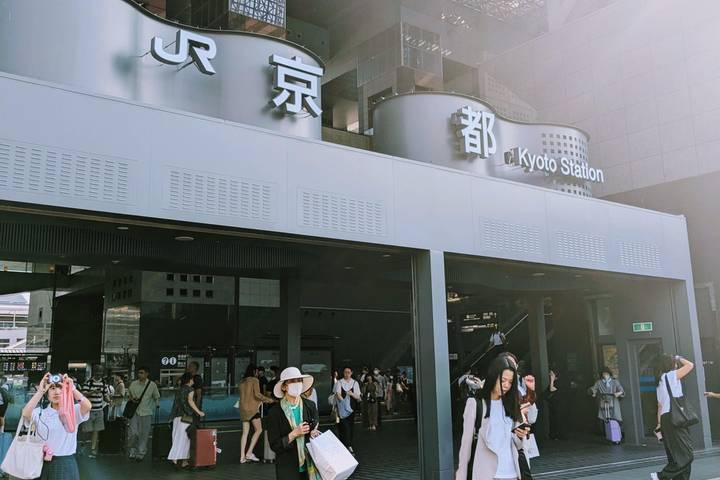
Japan’s contrasts come into focus on this 14-day journey: you move from Kyoto’s temple gardens to Tokyo’s subway, with mountain villages, samurai districts and Hiroshima between them. It’s a route built to show you far more than the famous city stops.
I like the mix of well-known sights and smaller mountain towns, and the way public trains and buses give you a feel for everyday Japan. The trade-off is pace: several nights are one-night stays, and some days involve long walks, stairs and luggage planning.
In This Review
- At a glance
- A two-week route with real variety
- Kyoto: temples, gardens and a good first lesson
- Hiroshima and Miyajima: history with time to reflect
- Kanazawa: gardens, samurai lanes and seafood
- Shirakawa-go and Takayama: a quieter side of Japan
- Matsumoto and Kawaguchiko: castles and Fuji views
- Tokyo: one guided introduction, one open day
- Hotels, food and what the price covers
- Who should book this Japan tour?
- FAQ
- Where does the tour start and end?
- How large is the group?
- Are international flights included?
- How much walking should I expect?
- Are meals included?
- Is luggage forwarding included?
- Can I request vegetarian or vegan meals?
- Does the tour include cherry blossom season?
At a glance
- Kyoto opens the trip: Visit Nijo Castle, Kinkaku-ji, Ryoan-ji and Fushimi Inari, with time to find your own favorite corners of the old capital.
- Hiroshima gets meaningful time: The Peace Memorial Park and Museum are included, alongside a trip to Miyajima’s Itsukushima Shrine.
- The mountain route is a highlight: Shirakawa-go’s thatched farmhouses, Takayama’s old town and Matsumoto Castle offer a change of pace from the cities.
- You travel like a local: Most transfers use Japan’s public trains, buses and metro, with a bullet train ride and some crowded transit along the way.
- Plan for a brisk walking pace: One recent itinerary day involved 10 to 12 miles of walking, and Matsumoto Castle has steep interior stairs.
- The listed starting price is $6,832: International flights, insurance, most lunches and dinners, and some transfers are not included.
A two-week route with real variety
Ancient & Modern Japan crosses Honshu from Kyoto to Tokyo, with stops in Nara, Hiroshima, Kobe, Kanazawa, Shirakawa-go, Takayama, Matsumoto and Kawaguchiko. In two weeks, you get famous shrines and city districts as well as a taste of the mountainous interior.
That range is the tour’s main strength. A first visit to Japan can feel daunting to plan, especially when you want both the headline sights and places that take more work to reach. Here, a tour leader handles much of the transport and daily coordination, while free periods let you choose your own meals and side trips.
The group size is listed as four to 16, and the tour is guided in English. Leaders vary by departure. Past leaders named by participants include Charlie-San and Kohei Nishido, but you should not assume either will lead your trip.
The route is full rather than leisurely. You change hotels often, and walking, stairs and busy stations are part of the experience. If you want two nights in nearly every stop, or prefer a slower rhythm, this is not the best match.
A few more options to weigh up in Kyoto
- PERFECT KYOTO 1-Day Bus Tour
★ 5.0 · 13,518 reviews - [Kyoto & Nara Day Tour] Sagano Scenic Railway & Nara Park & Fushimi Inari Taisha Thousand Torii Gates & Togetsukyo Bridge & Bamboo Grove & Kimono Forest (Departing from Osaka)
★ 4.9 · 10,942 reviews - Kyoto: Fushimi Inari, Kinkakuji, Bamboo Grove 1 Day Bus Tour
★ 4.8 · 4,316 reviews
Kyoto: temples, gardens and a good first lesson
You begin with a welcome dinner in Kyoto, then visit Nijo Castle, the Golden Pavilion at Kinkaku-ji and Ryoan-ji’s famed rock garden. These sights make a strong introduction to Japanese religious and political history, but they are also popular. Expect to share them with other visitors, especially at the better-known temples.
The afternoon includes free time in central Kyoto. I like that breathing space after a busy morning: you can eat at your own pace, rest at the hotel or explore independently. Kyoto rewards a little planning, so consider choosing a neighborhood or museum in advance rather than trying to see everything.
The next day takes you to Nara, about an hour away by train. At Todai-ji, the Great Buddha is an imposing 49 feet tall, and the surrounding Nara Koen Park is known for its free-roaming deer. They are fun to watch, but they can be pushy around food, so keep snacks tucked away.
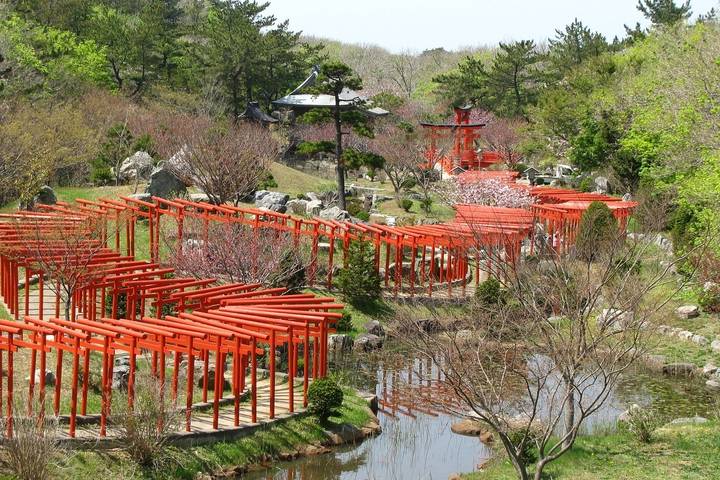
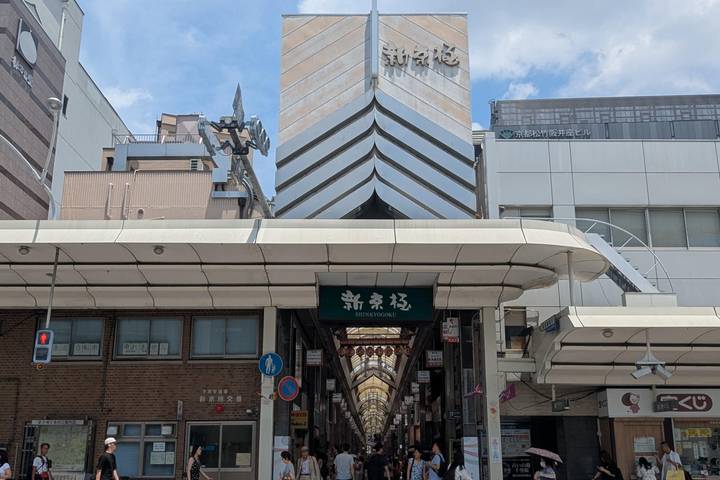
You also visit the grounds of Kasuga Shrine before returning to Kyoto and stopping at Fushimi Inari Taisha. Its thousands of red torii gates are a memorable sight, and you can walk beneath them at your own pace. In the evening, choose between Gion’s traditional streets and Nishiki Market, where Kyoto specialties and seasonal foods make a satisfying dinner-time browse.
Hiroshima and Miyajima: history with time to reflect
A shinkansen ride carries you from Kyoto to Hiroshima, followed by a local train and ferry to Miyajima. The floating torii gate at Itsukushima Shrine changes character with the tide, so the view can differ from the familiar photographs. This is a full travel day, but the island makes a worthwhile counterpoint to the city.
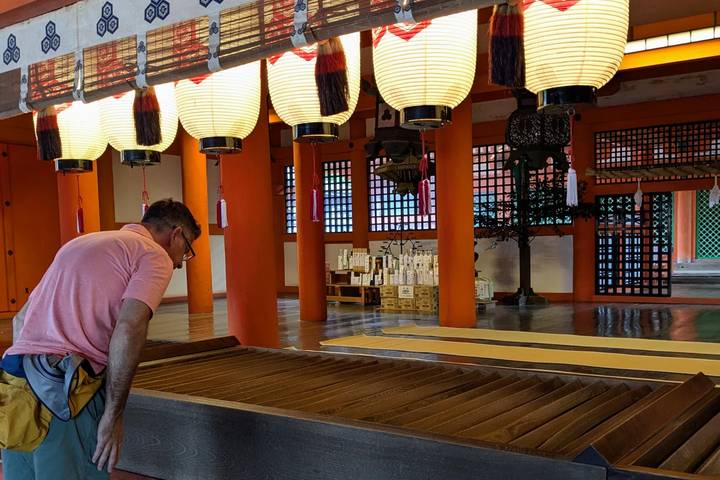
Back in Hiroshima, you have free time for Shukkeien Garden or Orizuru Tower. The following morning is set aside for Peace Memorial Park and the Peace Memorial Museum, which present the 1945 atomic bombing and its consequences. Give the museum the attention it deserves; this is not just another stop to hurry through for a photograph.
You then travel by train to Kobe, where the evening is open. A Kobe beef dinner with the tour leader is optional and needs to be arranged at the start of the trip. Since most dinners are not included, this is a good place to ask your leader for restaurant suggestions and decide what fits your budget.
Pack a small overnight bag for Hiroshima and Kobe. Large suitcases cannot be stored on the shinkansen, and your main luggage is reunited with you in Kanazawa.
Kanazawa: gardens, samurai lanes and seafood
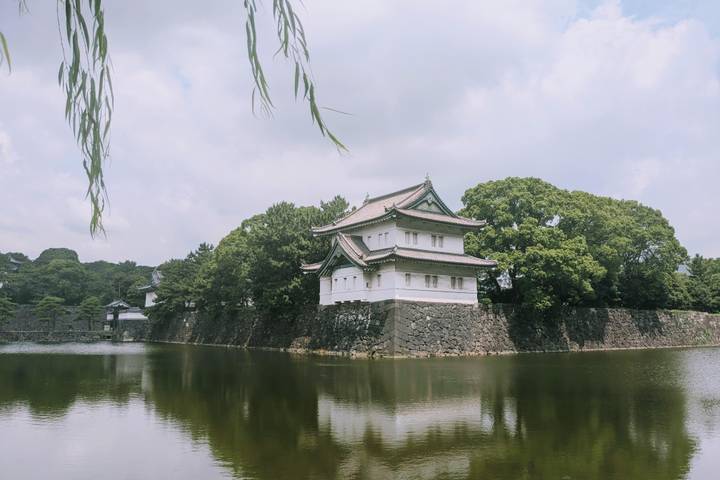
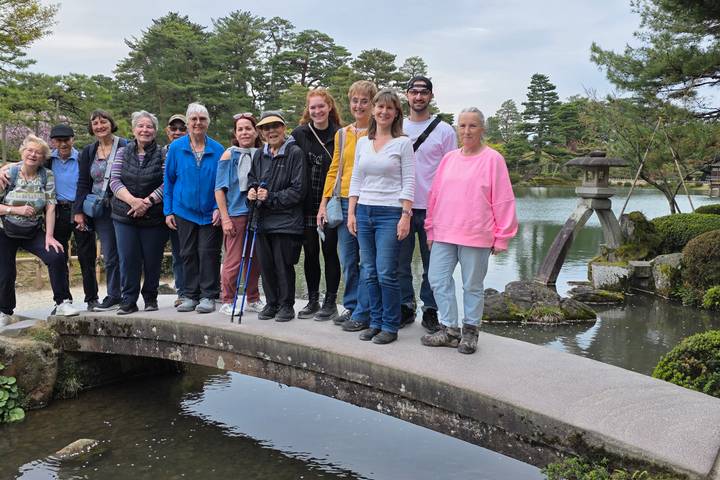
The journey north to Kanazawa takes about three hours and 15 minutes, using the Thunderbird and shinkansen trains. The route passes Lake Biwa, Japan’s largest freshwater lake. After lunch, you visit Kenrokuen, a celebrated garden with a large pond and plants that change through the seasons.
The next day offers a close look at the city’s historic quarters. In Nagamachi, you visit the Nomura Samurai House and walk lanes once occupied by samurai families. Omicho Market gives you a more everyday view of local food shopping, with seafood from the Sea of Japan among the draws.
In the afternoon, you visit Higashi Chaya, one of Kanazawa’s largest geisha districts. These sights are easy to appreciate without needing a packed schedule, and Kanazawa gets two nights, a welcome pause in a trip with many hotel changes.
Your main luggage is transferred ahead to Takayama, so you’ll need a small overnight bag for the next stage. Luggage forwarding for one piece per person is included, according to the tour details, but it does not remove the need to pack for the short gap.
A completely different kind of day out:
- Kyoto: Tea Ceremony in a Traditional Tea House in Kiyomizu
★ 4.9 · 3,519 reviews - Kyoto: Gion Make Your Own Chopsticks with Engraving Option
★ 5.0 · 3,465 reviews - Kyoto Nara Day Trip │ Kiyomizu-dera Temple + Fushimi Inari-taisha Shrine + Nara Park (Departing from Osaka/Kyoto)
★ 4.7 · 3,408 reviews - Kyoto Geisha Walking Tour: Gion District & Hidden Gems
★ 4.7 · 3,273 reviews
Shirakawa-go and Takayama: a quieter side of Japan
A bus takes you to Shirakawa-go, a mountain village known for gassho-zukuri farmhouses. Their steep thatched roofs were designed to handle heavy snow and make room for silkworm cultivation in the attic. You walk through the village and have the chance to see some of its oldest buildings.
From there, continue to Takayama and Hida no Sato, an open-air museum with 30 traditional houses and other buildings from the Edo period. This is one of the trip’s most distinctive shifts: after city temples and train stations, you are among wooden homes and mountain scenery.
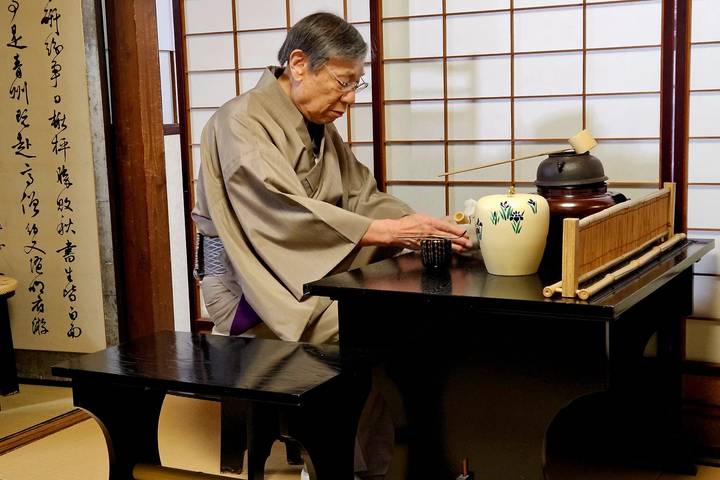
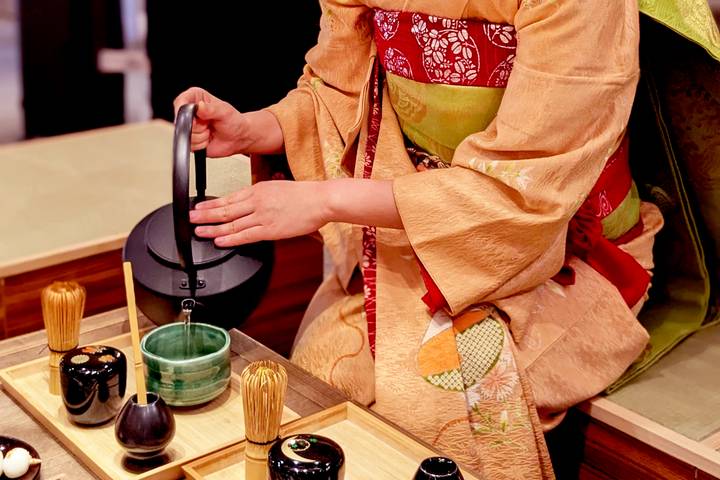
Takayama gets two nights. The next morning, you visit the market along the Miyagawa River and walk through the historic Sanmachi district, followed by a relaxed tea ceremony. The hosts prepare matcha and explain the tradition without expecting formal dress or perfect manners. It’s an accessible way to take part rather than simply look on.
The afternoon is free for local food, sake tasting, lacquerware shops, Takayama-jinya or the temple-lined Higashiyama Walkway. If you enjoy choosing your own pace, this is one of the better opportunities to do so.
Matsumoto and Kawaguchiko: castles and Fuji views
A direct bus takes around two and a half hours to Matsumoto. The main visit is Matsumoto Castle, often called Crow Castle for its dark exterior. It preserves its original interior, but the staircases are notably steep and tall. If stairs are difficult for you, take that seriously when deciding whether this tour fits.
There is some free time to explore Matsumoto, and an evening walk by the castle is suggested. But the stay is short, so you will have to choose between a quiet evening and adding another local sight.
The following day, a private transfer takes you to Kawaguchiko, beside Lake Kawaguchi. On a clear day, Mount Fuji may appear reflected in the water, but visibility depends on conditions. Oishi Park is the lakeside stop, followed by the Itchiku Kubota Art Museum, known for its architecture and kimono collection. On departures when the museum is closed, the alternative is the Matsumoto City Museum of Art.
Pack another small bag before leaving Matsumoto. Your larger suitcase travels separately and is returned in Tokyo.
Tokyo: one guided introduction, one open day
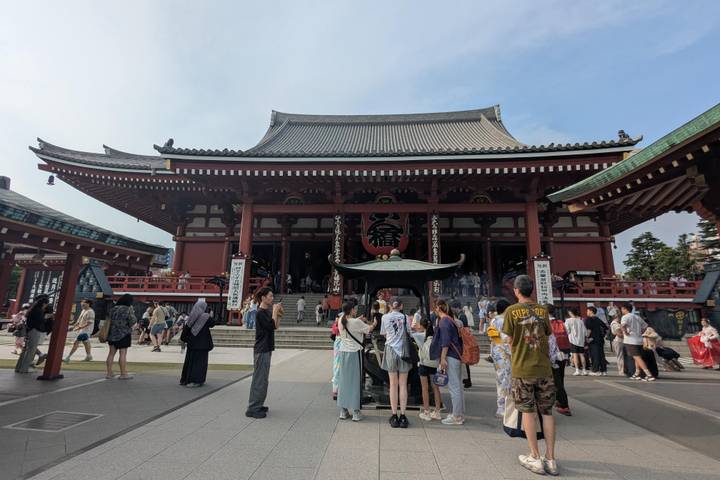
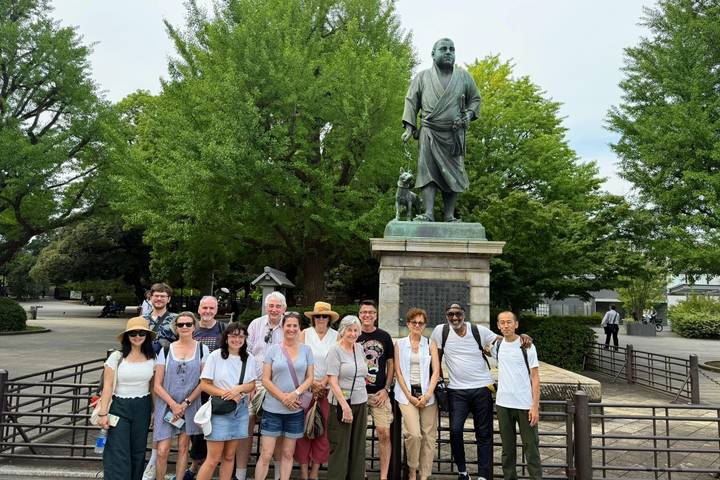
You reach Tokyo by bus, then use the subway to visit Senso-ji Temple in Asakusa and walk Nakamise shopping street. As a first look at the capital, this puts you among old temple grounds and busy shopping streets before you have to navigate the city on your own.
The afternoon is free. Ameyokocho market near Ueno is an option, as are the downtown streets beneath the railway tracks. You then have a full free day with a one-day metro pass. Meiji Shrine, Omotesando, Ginza, Shibuya and Shinjuku are all suggested possibilities, and your tour leader can help you plan.
Tokyo is large enough to fill several days, so the final free day is useful but not generous. If you want museums, shopping and several different neighborhoods, consider extending your stay. The tour ends in Tokyo on Day 14, and extra hotel nights can be requested.
Hotels, food and what the price covers
The tour costs from $6,832, based on the cheapest room option. That buys a substantial amount of coordination: accommodation, listed activities, transport and a Japan Rail Pass are included, as are breakfasts and the first-night group dinner. You also get an English-speaking tour leader and a compact group format.
The value depends on how much help you want. Japan’s public transport is efficient, but managing intercity connections, local buses, subways and luggage across a fast-moving route takes effort. With a leader handling the logistics, you can focus more on the places you are seeing. Still, this is not an all-inclusive holiday: international flights and insurance are excluded, and most lunches and dinners are your own expense.
The named hotels include Hotel Monterey Kyoto, Hotel Amanek Kanazawa and Dormy Inn Matsumoto. Some properties have onsen baths, and the rooms have private bathrooms. In Japan, hotel rooms and beds can be smaller than you may expect; twin rooms are the standard for two people sharing. Onsen bathing is nude and follows specific etiquette, and people with large, visible tattoos may be refused entry.
Japanese meals are a major part of the trip, from noodles and seafood to local specialties such as soba. Vegetarian and vegan options can be limited in some areas, and strict requirements cannot be guaranteed. Tell Exodus about dietary needs at least 30 days before departure.
Who should book this Japan tour?
Book it if you want a guided first visit that connects Kyoto, Hiroshima, the mountain towns and Tokyo in one trip. It is especially appealing if you enjoy public transport, varied scenery, cultural sites and having some free time without taking on every transfer yourself.
Think twice if you need a slow pace, dislike stairs or want a guaranteed two-night stay in each town. The route covers a lot, and the walking can add up. The tour has an overall rating of 4.4 out of 5, with guide and operator ratings also at 4.4, but the category scores suggest a solid, not flawless, experience. For an active traveler who wants a broad introduction and is ready to walk, pack light and plan meals, the itinerary offers strong coverage for two weeks.
FAQ
Where does the tour start and end?
It starts in Kyoto and ends in Tokyo. The first group meeting is around 6pm on Day 1, and the tour finishes on Day 14.
How large is the group?
The stated group size is four to 16 people. The tour is fully guided in English.
Are international flights included?
No. International flights and insurance are not included. The tour details say a group arrival transfer is included for a group flight, and a free departure shuttle service is provided. Check your specific booking before arranging independent transfers.
How much walking should I expect?
Expect frequent walking, including temple visits, historic districts and public transport connections. One recent trip account described days of 10 to 12 miles, and Matsumoto Castle has steep stairs.
Are meals included?
Breakfast is included on Days 2 through 13, along with the group dinner on the first evening. Most other lunches and dinners are not included, though the leader can recommend local restaurants and arrange group meals.
Is luggage forwarding included?
The tour details state that courier costs are included for transferring one piece of baggage per person from Kyoto to Matsumoto and on to Tokyo. You still need small overnight bags for the Hiroshima and Kobe nights, the Kanazawa to Takayama transfer, and the Kawaguchiko journey.
Can I request vegetarian or vegan meals?
Yes, vegetarian and vegan food options can be requested. However, strict meals cannot be guaranteed, and options may be limited in some areas. Notify Exodus of dietary requirements at least 30 days before travel.
Does the tour include cherry blossom season?
Special cherry blossom departures are offered, but bloom dates vary from year to year. The stated itinerary dates are September 14 to December 13, 2026; check the specific departure dates with Exodus if blossom season is your priority.
Just added in Kyoto
- The “Golden Route” and Ancient Japan by DIAMIR Erlebnisreisen – 14-Day Tour★ 2.0 · 2 reviews
- Japan: Castles & Cuisine by G Adventures – 6-Day Kyoto to Osaka Tour★ 4.5 · 4 reviews
- Cycle Japan by Explore! – 13-Day Kyoto to Tokyo Tour★ 4.7 · 12 reviews
- Cycle Japan by Intrepid Travel – 11-Day Kyoto to Tokyo Tour★ 4.8 · 2 reviews
- Classic Japan by Intrepid Travel – 11-Day Kyoto to Tokyo Tour★ 4.4 · 14 reviews
- 5 Day Cultural Adventure of Kyoto, Nara & Osaka by Tourist Journey★ 2.5 · 2 reviews
- 12 Days Kinosaki Onsen Escape: A Journey Through Japan’s Timeless Towns by UME Travel★ 4.8 · 5 reviews
- Kyoto Nara Day Trip │ Kiyomizu-dera Temple + Fushimi Inari-taisha Shrine + Nara Park (Departing from Osaka/Kyoto)★ 4.7 · 3,408 reviews
Multi-Day Tours That Visit Takayama, compared.

Tokyo to Osaka by Rail – Private Tour (14 Days) with Explore!
Read our review →
Japan: Land of the Rising Sun 12-Day Tour by Intrepid Travel
Read our review →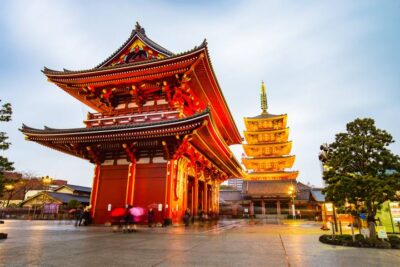
Stunning Japan with Shirakawa-go by Stunning Tours – 8-Day Osaka to Tokyo Tour
Read our review →
Visions of Japan with Hiroshima & Osaka 15-Day Tour by Globus
Read our review →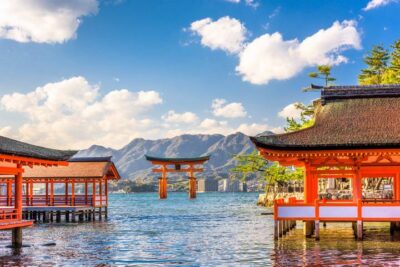
Best of Japan by Contiki – 13-Day Tokyo to Osaka Tour
Read our review →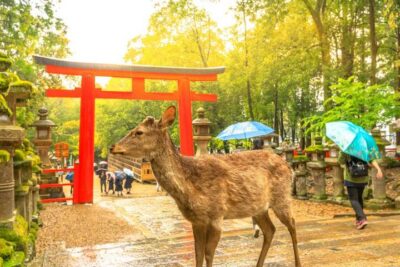
14 Days Japan Panoramic (Private 3 Star Hotels) by Stunning Tours
Read our review →Browse the lists this tour appears in