Reviewed · MULTI-DAY TOURS THAT VISIT TSUMAGO
Journeys: Iconic Japan National Geographic 12-Day Tour: Itinerary & Reviews
This tour’s great strength is its range: in 12 days, you go from Tokyo’s metro stations and street fashions to Tsumago’s old post-town lanes, Hiroshima’s Peace Memorial Park and Kyoto’s temples. The train network is part of the experience, not just a way to get between sights.
I like the small group size and the activities that put you in touch with Japanese traditions, especially the sushi lesson in Tokyo and gold-leaf chopstick painting in Kanazawa. I also like that the route makes room for both major landmarks and places where you can slow down, such as Tsumago and Miyajima.
The trade-off is a full schedule with a lot of walking and frequent train travel. You’ll need to manage an overnight bag on several transfers, and the traditional inn has shared facilities, so this is not a luxury hotel tour.
In This Review
- Key points to know before booking
- From Tokyo’s forest paths to Harajuku’s street style
- Tsumago’s old post-town feel, with a practical caveat
- Kanazawa’s samurai lanes and gold-leaf craft
- Hiroshima’s Peace Park and the ferry to Miyajima
- Himeji Castle and Kyoto’s lantern-lit Gion
- Fushimi Inari, Nara and a Zen lesson
- What the price covers, and what it does not
- Pace, group size and who will enjoy this route
- Should you book Journeys: Iconic Japan?
- FAQ
- Where does the tour start and finish?
- How long is the tour?
- How many meals are included?
- How large is the group?
- What should I know about luggage transfers?
- How much walking should I expect?
- Can I add extra nights in Osaka or visit Naoshima through the tour?
Key points to know before booking
- Tsukiji includes a hands-on sushi lesson: Prepare sushi and eat it for lunch, with time afterward to explore Asakusa.
- Tsumago offers a different pace: Walk past farms and rice paddies, explore an Edo-period village, then return to a traditional inn for a multi-course kaiseki dinner.
- Kanazawa pairs samurai and geisha districts: Visit the Nomura family residence, Myoryuji Temple and Higashi Chaya, then paint chopsticks with gold leaf.
- Hiroshima and Miyajima balance solemn history and sacred scenery: The Peace Memorial Park is a moving stop; the next day brings a ferry trip to Itsukushima Shrine.
- The final days are packed with Kyoto-area landmarks: Fushimi Inari, Nara, Kinkaku-ji and a Zen meditation and calligraphy session are all included.
- Pack light and expect to walk: Your main bag travels separately on several legs, while you carry an overnight bag. Daily walking and public transport are part of the deal.
From Tokyo’s forest paths to Harajuku’s street style
The first full day gives you a quick lesson in Tokyo’s contrasts. Meiji Shrine sits among forested grounds dedicated to Emperor Meiji and his wife. It’s a quiet place to begin, especially after a long flight, and a reminder that the capital’s modern scale does not erase its older customs.
Then you take the metro to Harajuku, where fashion shops and Japanese pop culture take over. The change is the point. You can watch the city switch from a calm shrine setting to a neighborhood where personal style is part of the show. Lunch is on your own, giving you a chance to choose from the casual spots nearby.
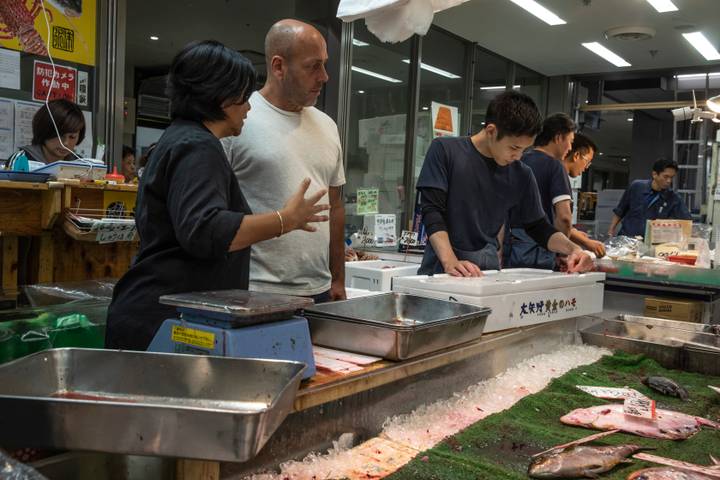
On Day 3, the Tsukiji outer market visit leads into a sushi-making class. You learn to identify fresh fish, prepare and fillet it, and arrange the finished sushi. The meal you make is included, so this is more than a demonstration from the sidelines.
After lunch, the group walks around Asakusa, Tokyo’s historic heart. The afternoon is open for independent exploring. Options include Ueno Park and its museums, Akihabara’s electronics shops, Ginza’s high-end stores or the Imperial Palace East Garden. You won’t have time to do all of them, so decide what appeals most before setting off. The order of the Tokyo activities can switch between departures.
A few more options to weigh up in Tokyo
- Tokyo Disney Resort – Tokyo Disneyland & Tokyo DisneySea Park Tickets
★ 4.8 · 99,488 reviews - SHIBUYA SKY Ticket
★ 4.7 · 46,509 reviews - JR Whole Japan Rail Pass
★ 4.8 · 29,150 reviews
Tsumago’s old post-town feel, with a practical caveat
On Day 4, you leave Tokyo by train and continue from Nagiso to a traditional minshuku, a Japanese bed-and-breakfast. From there, the group walks through farms and rice paddies toward Tsumago, a preserved Edo-period village. Cars are kept off its main street during the day, and overhead wires are hidden to protect the town’s old-fashioned appearance.
It’s a welcome change after several days in a vast city. You can wander along the old pathways and see how a smaller settlement feels, rather than spending the whole tour moving between famous urban sights. Back at the inn, a multi-course kaiseki dinner makes this a memorable food stop.
Be realistic about the accommodation. The tour includes one night at a traditional inn with shared facilities, not a private-bathroom hotel. One past account raised concerns about room comfort and cleanliness at the inn, so if those details matter greatly to you, ask the operator about the property and current arrangements before booking. The night is culturally distinctive, but it is also the point in the trip where comfort may be more basic.
Your main luggage is sent ahead from Tokyo to Kanazawa and will not be available for about 24 hours. Pack toiletries, a change of clothes and anything valuable in a small overnight bag. Only one bag per person is included in the transfer; extra bags may incur an additional charge.
Kanazawa’s samurai lanes and gold-leaf craft
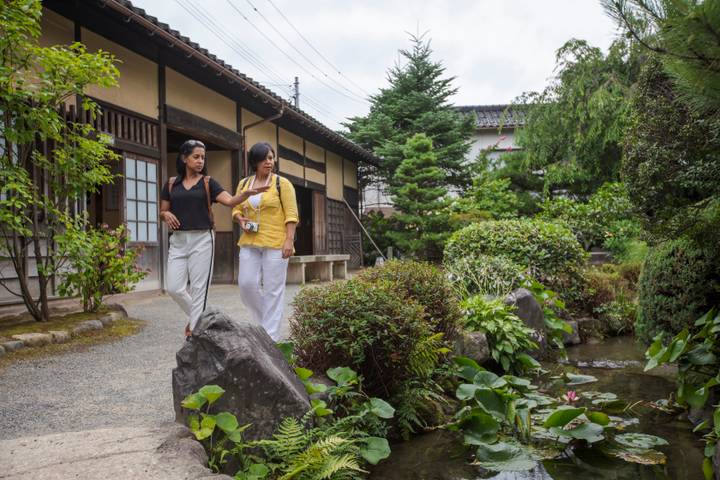
Kanazawa gives you two days to explore a city shaped by the powerful Maeda clan during the Edo period. On Day 5, you walk through Nagamachi, the samurai district below Kanazawa Castle, and visit the restored Nomura family residence. Its antique objects and garden give the history a domestic scale: you’re looking at the home life of a wealthy samurai family, not only military buildings.
Kanazawa Castle and Kenroku-en Garden are optional additions, with an entry fee for the garden. If you want to see them, use some free time for that rather than assuming the group visit includes them.
The next day brings Myoryuji Temple, often called the Ninja Temple. Its defensive features and escape routes explain the nickname, though the temple’s popular name can create expectations of a ninja show that the itinerary does not promise. You also walk through Higashi Chaya, a geisha district, and visit a traditional wooden house to learn about geisha culture.
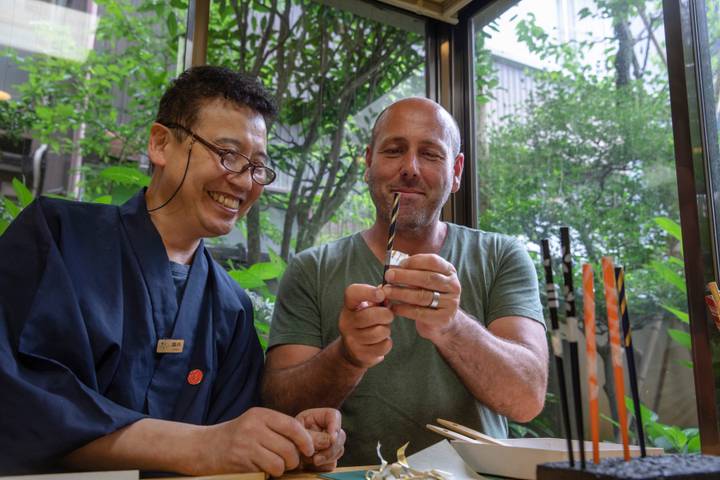
The hands-on stop is a craft studio, where you paint chopsticks and add gold-leaf details. It gives you a small keepsake and a taste of local craft traditions without requiring artistic skill. Breakfast is included, but lunch and dinner are generally your own responsibility on these Kanazawa days.
Hiroshima’s Peace Park and the ferry to Miyajima
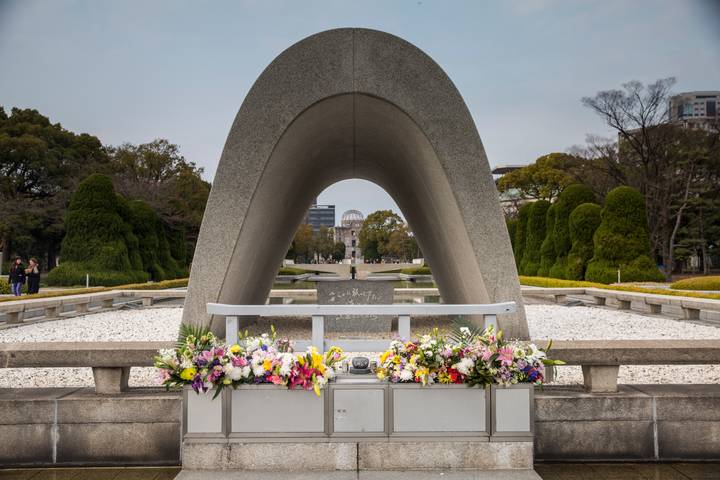
The bullet train ride from Kanazawa to Hiroshima takes about three to three and a half hours. That’s a substantial travel morning, but Japan’s rail system makes the long transfer a practical way to cover the distance. Once in Hiroshima, you visit Peace Memorial Park and the museum, with time to see memorials including the Children’s Peace Monument, associated with Sadako Sasaki, and the park’s eternal flame.
This is one of the tour’s most serious stops. Give yourself room to take it in at your own pace. The park honors those killed in the 1945 atomic bombing and those who later died from its effects; it is not simply another box to tick between train rides.
Your main luggage is transferred separately on this leg too. Keep an overnight bag with you, as your large bag will take about a day to arrive. The practical nuisance is minor, but it matters if you pack medication or other necessities in the wrong bag.
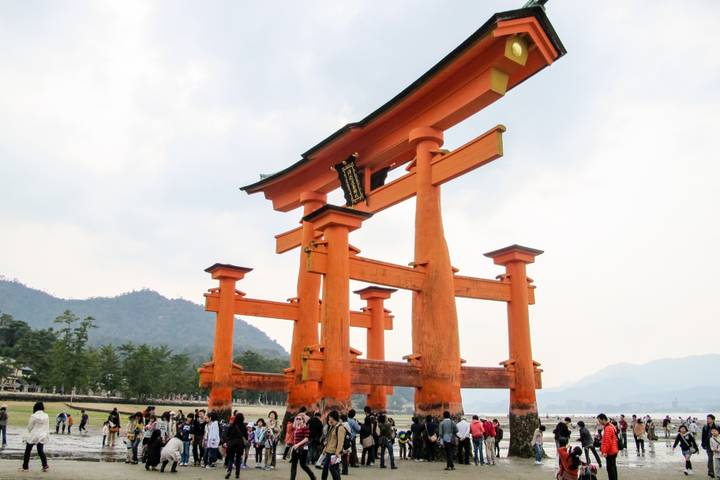
On Day 8, a ferry takes you to Itsukushima Island, better known as Miyajima. Itsukushima Shrine dates to the 12th century and is built over the water. At high tide, its red torii gate appears to float. The afternoon is free for exploring the island, so bring comfortable shoes and use the time at your own pace.
A completely different kind of day out:
- Mt Fuji and Hakone 1-Day Bus Tour Return by Bullet Train
★ 5.0 · 26,383 reviews - TOKYO SKYTREE® Ticket
★ 4.7 · 25,136 reviews - teamLab Borderless Tickets: MORI Building DIGITAL ART MUSEUM
★ 4.7 · 24,126 reviews - teamLab Planets TOKYO Ticket
★ 4.7 · 21,663 reviews
Himeji Castle and Kyoto’s lantern-lit Gion
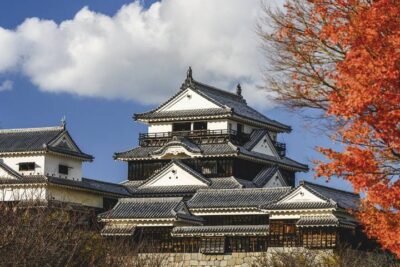
On the way to Kyoto, you stop at Himeji Castle, widely regarded as Japan’s best-preserved castle. Its white exterior and layered wooden roofs make it one of the trip’s most striking historic buildings. The visit breaks up the rail journey, though the day still involves travel and sightseeing before you reach Kyoto.
In the afternoon, a guided walk takes you through Gion, known for its geisha culture and lantern-lit streets. Kyoto then becomes your base for three nights. Its temples, shrines and gardens are spread across the city, so the guided visits help with orientation, while free time gives you room to choose what matters most to you.
There is no need to expect the tour to cover every famous Kyoto site. The city has far more places to see than fit into a few days, and this route focuses on selected landmarks and cultural activities. If you have a particular temple or neighborhood in mind, use the open time to plan for it.
Fushimi Inari, Nara and a Zen lesson
Day 10 starts at Fushimi Inari Shrine, dedicated to the Shinto god of rice. Its rows of red torii gates are the famous draw, and walking beneath them is a vivid change of scene from the city streets. The visit is followed by a day trip to Nara, once Japan’s earliest capital.
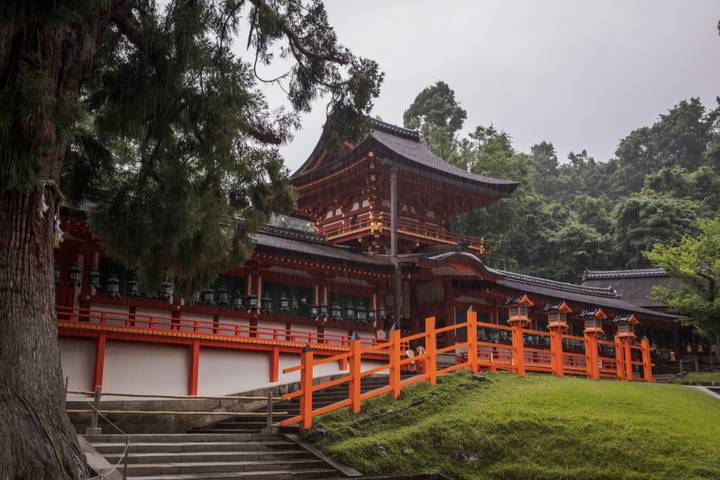
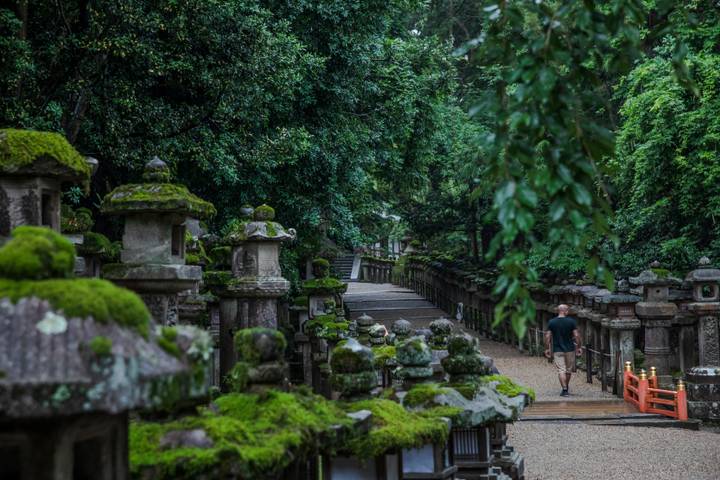
At Todaiji Temple, you see the world’s largest bronze Buddha statue. Kasuga Taisha adds a second perspective, with paths through one of Japan’s most sacred Shinto shrines. It’s a rewarding day, but expect plenty of walking and several stops. Comfortable shoes are essential, not an optional extra.
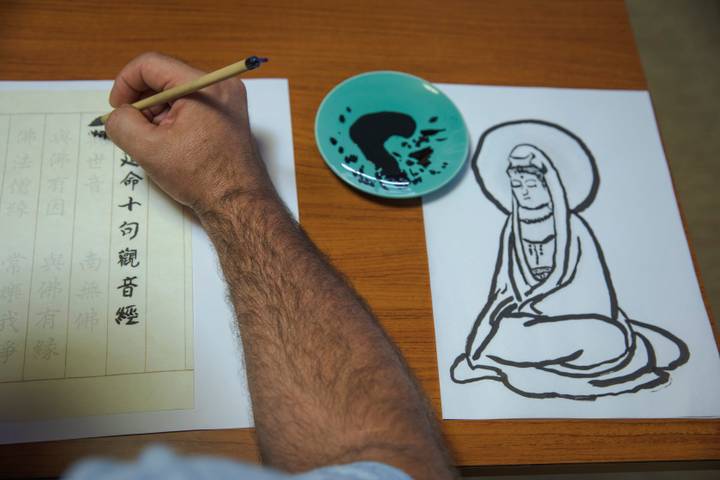
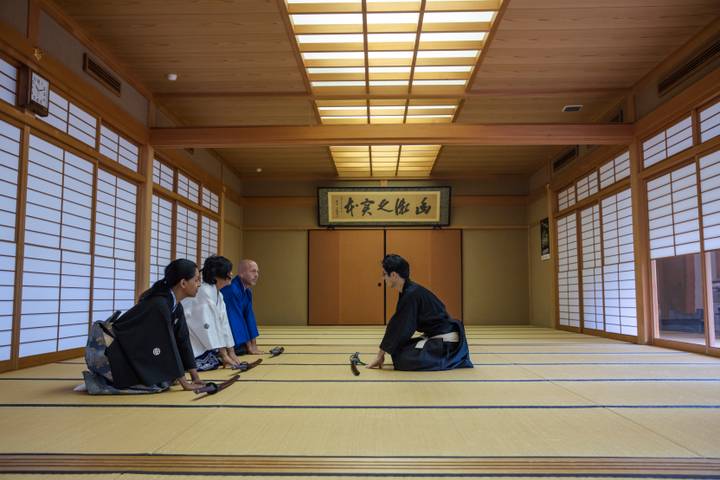
The next morning brings a local temple visit and a meeting with a monk for Zen meditation and calligraphy. The tour also includes a Zen tea experience. These activities provide a practical introduction to traditions that can otherwise feel remote when you only view temples from the outside.
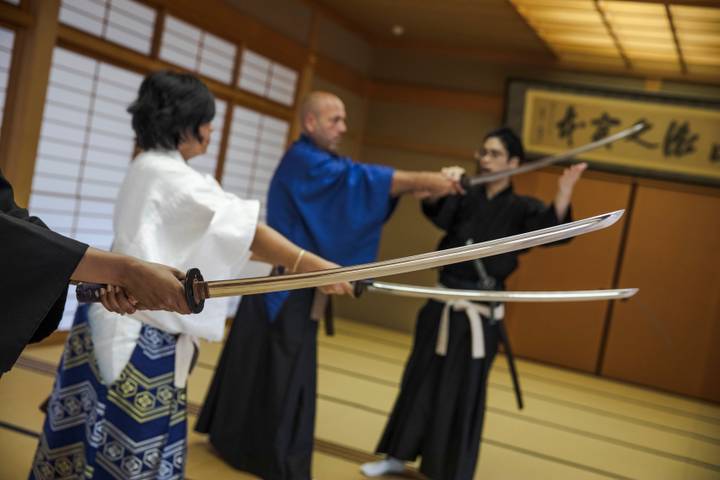
Later, you visit Kinkaku-ji, the Golden Pavilion, then try kembu, a traditional form of swordplay. You learn basic samurai etiquette and see a performance by kembu masters. It’s a lively finish to the cultural program, with a chance to take part rather than only watch.
What the price covers, and what it does not
The listed starting price is from $5,214, based on the cheapest room option. The package includes 11 breakfasts, one sushi lunch, one kaiseki dinner, accommodation for 11 nights, the Expedition Leader, transport between destinations and to included activities, and a seven-day Japan Rail Pass. International flights and travel insurance are not included, and most lunches and dinners are yours to arrange.
The value lies in how much ground the tour covers and in the logistics it handles. You ride metro, local and express trains, bullet trains, buses and a ferry, with a leader guiding the group through the public transport system. The included activities also go beyond simple sightseeing, from sushi preparation to gold-leaf craft and Zen practice. If you tried to organize all these stops and transfers alone, the planning would take time.
Still, the price does not buy a uniform level of comfort. The hotels include named properties in Tokyo, Kanazawa, Hiroshima and Kyoto, plus one traditional inn with shared facilities. Accommodation is the tour’s weaker point in its category ratings, so don’t book expecting a luxury standard throughout. Solo rooms may add a significant supplement; one quoted example listed an extra $1,449, but the amount can depend on departure and room availability.
Food is another place to budget. The included meals are a useful start, but with just one lunch and one dinner covered, you’ll pay for many meals yourself. Vegetarian, vegan, Jain, halal and kosher options can be requested, so notify the operator of your needs in advance.
Pace, group size and who will enjoy this route
Groups are limited to 10 to 15 people, and the tour is guided in English. A small group makes it easier to keep moving through stations and gives you the chance to know the people you’re travelling with. Guide quality can vary by departure. Guides named Mika and Yoko have been praised for their care and support, but you cannot assume either will lead your specific trip.
The schedule is rated medium intensity, with substantial walking every day and regular use of public transport. You should be comfortable walking unaided for long periods and getting on and off trains. Some accommodations in Japan may have only two floors and no elevator, so you may need to carry a bag up stairs.
The tour is open to ages 12 and up, with no upper age limit stated, but fitness matters more than age. One past participant travelling with an older family member appreciated a guide who made efforts to find lifts and check in, though such help is not a substitute for being ready for a walk-heavy itinerary.
Luggage needs a little planning. Your main bag is forwarded on several city transfers, and you’ll carry an overnight bag until it catches up. Any bag you take on the bullet train must measure less than 160 centimetres in total height, width and depth. Pack light, and keep valuables and daily essentials with you.
Should you book Journeys: Iconic Japan?
Book this trip if you want a well-connected first visit to Japan, value having transport and key activities organized, and are happy to keep moving. The route has a good balance of city, countryside, history and hands-on experiences, with especially strong days in Tokyo, Kanazawa, Hiroshima and Kyoto.
Think twice if you want slow mornings, private facilities every night or most meals included. The schedule is busy, the inn in Tsumago is a basic traditional stay, and the train transfers take time even when they run efficiently. For an active traveller who wants a broad introduction without managing every ticket and connection, the price can make sense. If you want deeper time in one place, plan extra nights in Kyoto after the tour, or choose a slower itinerary.
FAQ
Where does the tour start and finish?
It starts in Tokyo and ends in Kyoto. International flights are not included.
How long is the tour?
The tour lasts 12 days, with 11 nights of accommodation.
How many meals are included?
The package includes 11 breakfasts, one lunch during the Tokyo sushi-making experience and one kaiseki dinner in Tsumago. Other meals are not listed as included.
How large is the group?
The group size is 10 to 15 people. The tour is guided in English.
What should I know about luggage transfers?
Your main bag is transferred separately on several city-to-city legs, and you may not have it for about 24 hours. Carry an overnight bag for essentials. Bags taken aboard the bullet train must measure less than 160 centimetres in total height, width and depth.
How much walking should I expect?
The tour involves a lot of walking each day and is rated medium intensity. You should be comfortable walking unaided for long periods; good walking shoes are recommended.
Can I add extra nights in Osaka or visit Naoshima through the tour?
The tour itself cannot be modified to add destinations or days. You can arrange extra days independently after it ends in Kyoto, and a visit to Naoshima would also need to be arranged on your own.
Just added in Tokyo
- Mt. Fuji & Hakone Cherry Blossom private One Day Tour★ 4.5 · 35 reviews
- Fish Market & Tokyo Skyline Private Walking Tour★ 5.0 · 14 reviews
- 25-Min Downtown Helicopter Tour : Tokyo Skytree and Tokyo Tower★ 5.0 · 19 reviews
- Private Tour with a Local Guide – Learn about daily life in Japan★ 5.0 · 22 reviews
- Tokyo: 3-Hour Bike/E-Bike Tour of the City’s Highlights★ 5.0 · 209 reviews
- Official Japan Go-Kart Through Tokyo Bay / Ginza (IDP Required)★ 4.5 · 71 reviews
- 30-Min Tokyo Central Private Heli Tour– Asakusa, Skytree, Shibuya★ 5.0 · 13 reviews
- Tokyo 2-Hour Genuine Samurai Experience: Kendo in Japan★ 5.0 · 112 reviews
Multi-Day Tours That Visit Tsumago, compared.
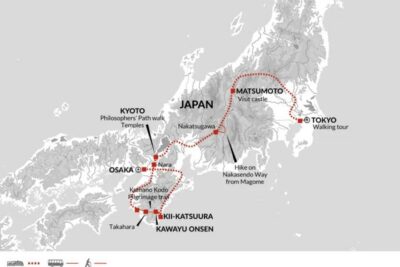
Walk Japan – Kumano Kodo Trail 12-Day Tour by Explore!
Read our review →
Classic Japan by Intrepid Travel – 11-Day Kyoto to Tokyo Tour
Read our review →
Central Japan by Europamundo – 9-Day Tour from Tokyo
Read our review →
Japanese Scenes and Mount Fuji 19-Day Tour by Europamundo
Read our review →
Tokyo, Kyoto and Alps by Europamundo – 6-Day Tour
Read our review →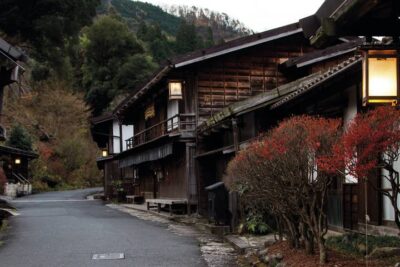
Tokyo, Kyoto and Alps GO by Europamundo – 6-Day Tour
Read our review →
Wonders of Japan end Tokyo 15-Day Tour by Europamundo
Read our review →