
Reviewed · DAY TRIPS
From Hiroshima: Miyajima Island Day Trip with Ropeway Ride
Miyajima packs a lot into one day. This Hiroshima day trip combines the floating O-torii gate, major shrines, Daisho-in temple, a ferry ride, and the Miyajima Ropeway into a well-planned nine-hour outing. I especially like the mix of guided sightseeing and roughly two hours of free time, and I like that the train and ferry are included rather than left for you to sort out.
The main drawback is the pace. You will walk quite a bit, and the optional hike from the ropeway station to Mount Misen’s summit is steep and demanding. At $180 per person, this is not a budget island visit, but the price is easier to justify if you want an English-speaking guide, entry fees, train and ferry transport, and a small group capped at 15 people.
In This Review
- Key points to know before booking
- Why this Miyajima day trip works well
- Meeting at Hiroshima Station without getting lost
- Train and ferry connections to Miyajima
- Senjokaku Pavilion and the unfinished story
- Itsukushima Shrine and the floating torii
- Daisho-in, a quieter and more detailed temple visit
- Two hours on Omotesando Shopping Street
- Riding the Miyajima Ropeway toward Mount Misen
- How much walking and heat should you expect?
- Guide quality and the value of a small group
- Is $180 a fair price?
- Who should book this experience?
- Should you book the Miyajima ropeway tour?
- FAQ
- How long does the Miyajima tour last?
- Where is the meeting point?
- How do I find the meeting point if I arrive by Shinkansen?
- Are train and ferry transportation included?
- Is lunch included?
- Are admission fees and the ropeway included?
- Do I have to hike to the Mount Misen summit?
- What should I wear?
- Is the tour suitable for wheelchair users?
Key points to know before booking
- The day begins at Hiroshima Station: Meet under the Tourist Information sign outside the Shinkansen gates, then travel by train and ferry to Miyajima.
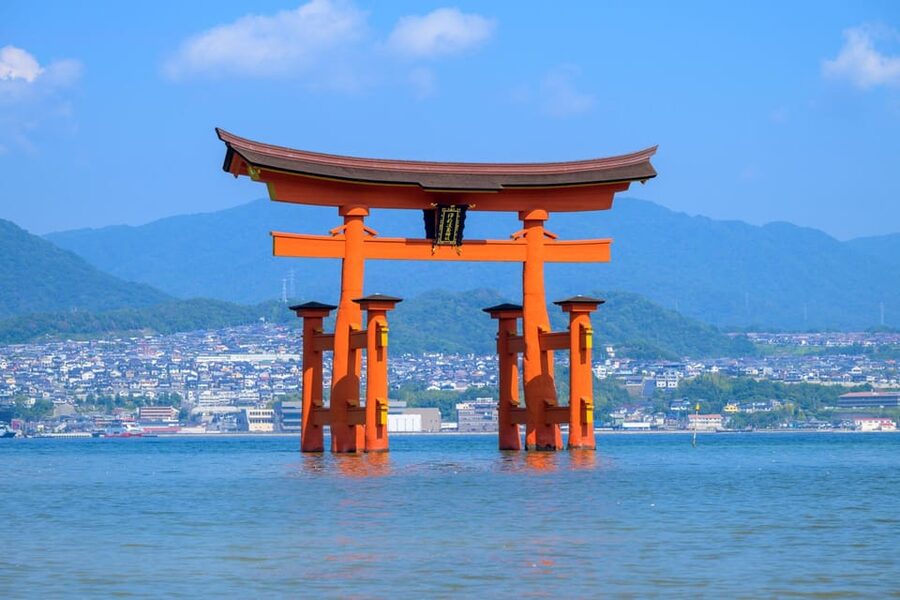
- The O-torii gate changes with the tide: You may see it from the shrine at high tide and walk out to it during low tide, depending on the day’s schedule.
- The tour covers three major religious sites: Senjokaku Pavilion, Itsukushima Shrine, and Daisho-in each show a different side of Miyajima.
- The ropeway is only part of the mountain experience: You can remain near Shishiiwa Observatory or make the strenuous walk onward to the Mount Misen Observatory.
- Free time is built in: About two hours on Omotesando Shopping Street gives you time for lunch, oysters or local treats, and souvenir shopping.
- The guide can make or break the day: Guides including Miki, Isabella, Samar, Shimar, and Simarjeet have been praised for clear English, good time management, and personal attention.
Why this Miyajima day trip works well
Miyajima is easy to reach from Hiroshima, but the island’s highlights are spread across a busy waterfront, temple paths, shopping streets, and mountain roads. You can visit on your own, but you will need to manage the train, ferry, shrine admission, ropeway timing, tide conditions, and uphill walking yourself.
This tour removes much of that friction. Your guide meets you at Hiroshima Station, leads you through the public transport connections, and keeps the day moving. The group limit of 15 is useful here. It is small enough to move through crowded areas without the sluggish shuffle of a large coach group, while still giving you the social feel of a shared tour.
The guides also add context that is easy to miss on a quick visit. At Itsukushima Shrine, you learn about Shinto, Japan’s indigenous religion, rather than simply photographing the red buildings. At Daisho-in, the statues and rituals make more sense when someone explains what you are seeing.
The schedule is full, though. You should expect a long day with plenty of walking, stairs, and time on your feet. If you want a slow island afternoon with no fixed order, this is not the right format. If you want to see the major sights in one organized visit from Hiroshima, it is a strong option.
More Day Trips in Hiroshima
- Hiroshima: Hiroshima and Miyajima UNESCO Sites 1-Day Tour
★ 4.9 · 2,330 reviews - From Hiroshima: Hiroshima & Miyajima 1 Day Tour with Lunch
★ 4.7 · 395 reviews - Hiroshima and Miyajima Day Trip with Itsukushima Shrine & Ferry
★ 5.0 · 378 reviews
Meeting at Hiroshima Station without getting lost
The meeting point is under the Tourist Information sign outside the Shinkansen gates. If you arrive by Shinkansen, the sign should be directly to your left as you exit. If you arrive on a JR line, follow the signs toward the Shinkansen gates, since both sets of gates are on the same floor.
The station is under heavy construction, so give yourself extra time. That advice matters. Hiroshima Station can be confusing even when you are not trying to find a specific sign and a guide holding a SNOW MONKEY RESORTS tour sign.
Arriving by streetcar is also possible. From the streetcar area, follow the signs toward the Shinkansen gates. If you take a taxi, ask for the Shinkansen Entrance, also called the North Entrance.
I would arrive early rather than cut it close. Missing the group at the start could mean missing the train connection to the ferry, and the tour does not include transport to the meeting point.
Train and ferry connections to Miyajima
The journey begins with a train ride from Hiroshima toward the ferry connection, followed by the boat trip to Miyajima. The transport is practical, not just a means of getting there. It gives you a look at how residents move around the region and lets your guide explain the island before you arrive.
The ferry is also your first good chance to see Miyajima from the water. The approach toward the island helps frame the famous torii gate and the shrine’s unusual position along the shore.
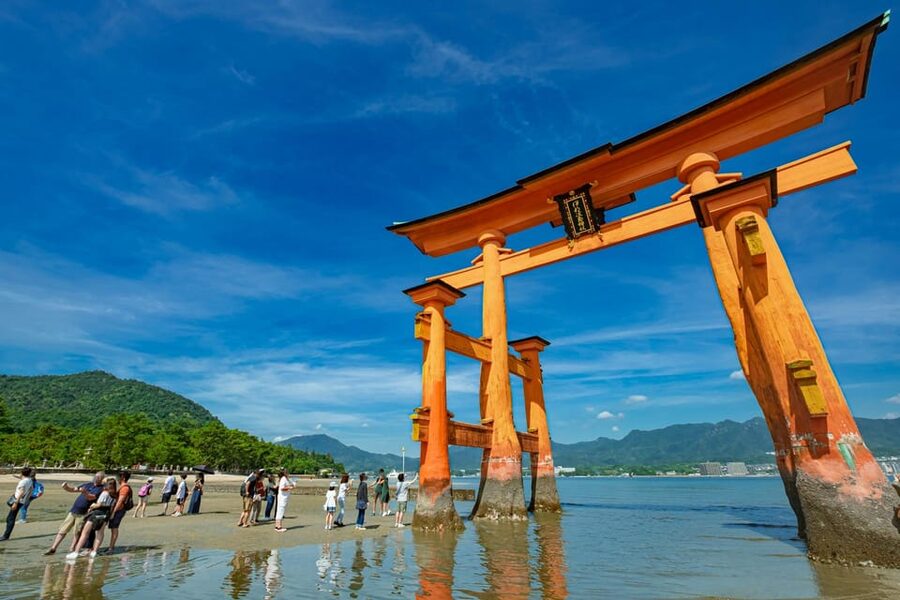
The exact appearance of the O-torii depends on the tide. At high tide, it appears to float offshore. At low tide, the water pulls back and you can walk toward the gate. The guide will try to arrange a walk out to it at the best point in the day, but tides vary and cannot be controlled.
That flexibility is important. You may see the torii from the shrine earlier, then walk out to it later. One particularly good version of the day can include both high-tide and low-tide views, along with a sunset walk, but you should treat that as dependent on tide, daylight, and the day’s timing rather than a guarantee.
Senjokaku Pavilion and the unfinished story
The first major stop is Senjokaku Pavilion, an unfinished wooden hall associated with Toyotomi Hideyoshi. Its incomplete state is part of what makes the site interesting. You are not looking at a polished, fully finished monument. You are seeing a large religious building whose construction stopped before the work was complete.
The pavilion offers a useful pause before the more elaborate Itsukushima Shrine. Your guide can explain the building’s purpose and place it within the island’s religious setting. It also gives you a chance to notice the structure itself rather than rushing straight to the most famous photo.
The visit is not a major physical challenge, but the day’s walking is already beginning. Wear shoes that are comfortable for uneven paths and extended time on your feet.
A completely different kind of day out:
- Peaceful Hiroshima & Miyajima UNESCO 1 Day Bus Tour
★ 5.0 · 5,309 reviews - Hiroshima Peace Memorial Museum Ticket
★ 4.8 · 2,727 reviews - Hiroshima Peace Memorial Museum Admission
★ 4.6 · 1,308 reviews - Hiroshima / Miyajima Full-day Private Tour with Government Licensed Guide
★ 5.0 · 1,298 reviews
Itsukushima Shrine and the floating torii
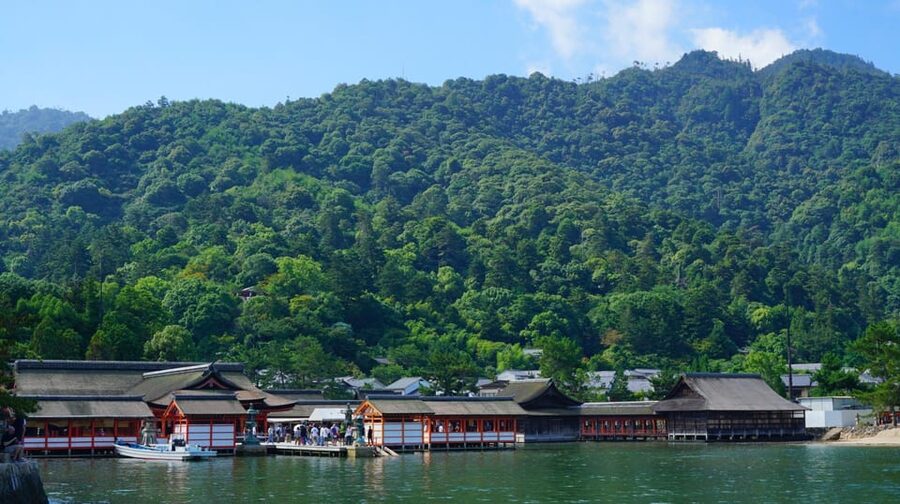
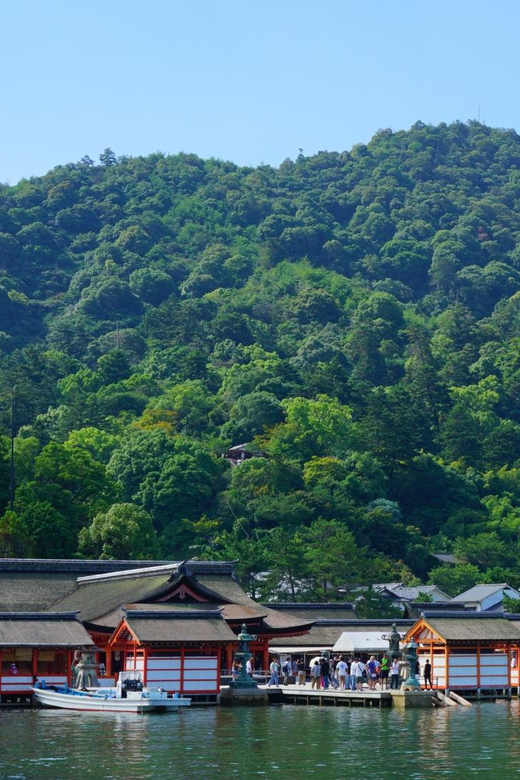
Itsukushima Shrine is the visual heart of the island. Built beside the Seto Inland Sea, it is known for its distinctive halls, red wooden corridors, and the O-torii gate offshore. The shrine’s appearance changes dramatically with the tide, which is why seeing it at only one water level gives you an incomplete picture.
Your guide will explain Shinto customs and the role of the shrine. That helps you understand why the buildings are arranged as they are and why the relationship between the shrine, the shore, and the sea matters.
The architecture rewards patience. Look beyond the gate for the long walkways, worship halls, and reflections in the water. The island can become crowded, especially on popular dates, so a small group and an experienced guide can save time at entrances and help you find a workable viewing position.
The tour includes entry fees for the listed locations, so you do not need to handle those payments during the day. The guide also manages the order of stops as much as possible, which matters when the tide and ropeway schedule are both part of the plan.
Daisho-in, a quieter and more detailed temple visit
From Itsukushima Shrine, you walk to Daisho-in, a major Shingon Buddhist temple. The mood shifts here. Instead of the open waterfront and strong symmetry of Itsukushima Shrine, you find temple grounds filled with Buddhist figures and smaller details.
Statues greet you throughout the grounds, making Daisho-in a place where a guide’s explanation adds real value. Without context, it can be difficult to understand the different figures or know where to focus. With guidance, the visit becomes less about taking a quick picture and more about noticing how Buddhist imagery fills the temple route.
Daisho-in is also a useful contrast to the Shinto shrine. Visiting both places in one morning or afternoon lets you see two important religious traditions side by side. You are not simply checking off sacred sites. You are comparing their layout, atmosphere, and visual language.
The walk between sites contributes to the physical demand of the day. This tour is not suitable for wheelchair users, and anyone with limited mobility should contact the provider before booking.
Two hours on Omotesando Shopping Street
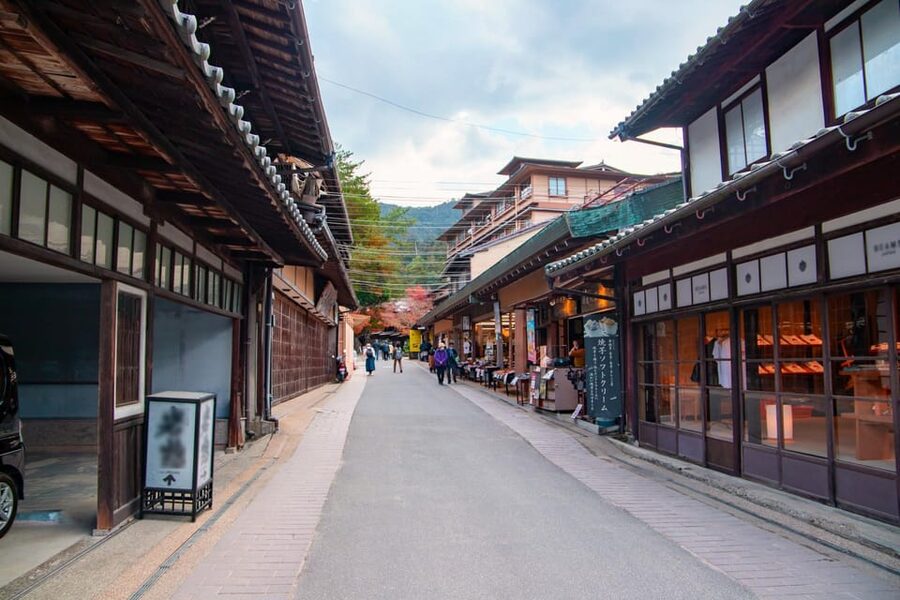
The scheduled free time on Omotesando Shopping Street is one of the tour’s best features. About two hours gives you room to choose your own lunch, browse shops, and take a break from following a fixed route.
I would use this time for local food rather than treating it as a rushed souvenir stop. Miyajima is known for local specialties such as oysters and maple-leaf-shaped sweets, though the specific choices and prices are up to you. Lunch is not included, so plan to pay separately for food and drinks.
The shopping street can be busy and commercial, but it is also where you can sample island treats and find gifts without needing to leave the main route. You may want to budget extra for snacks, souvenirs, and personal purchases, since none of these are covered by the tour price.
Two hours is a sensible compromise. It is long enough to eat and shop, but not so long that the mountain section gets squeezed out. If food is your top priority, you may find the time limit a little tight. If you want to see Mount Misen on the same day, the built-in break works well.
Riding the Miyajima Ropeway toward Mount Misen
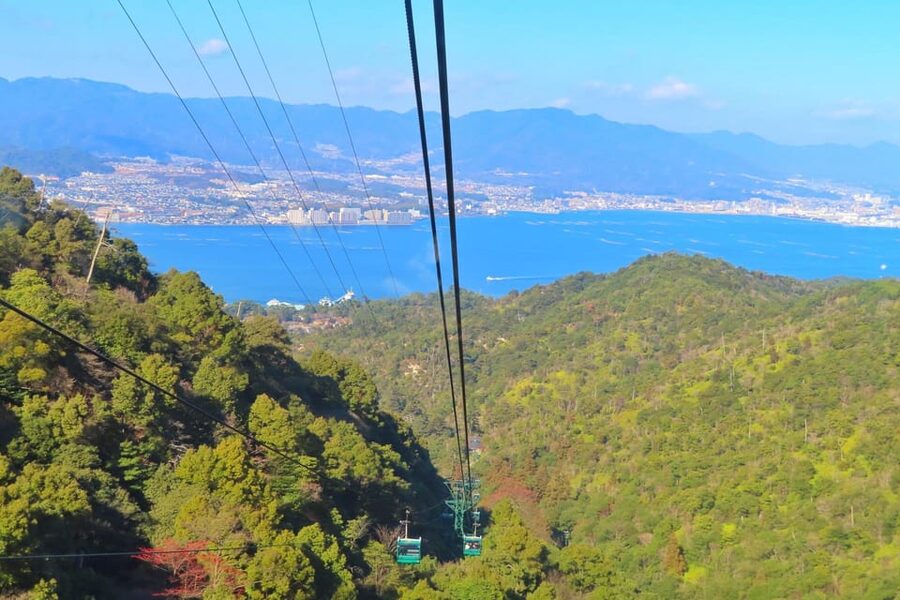
The Miyajima Ropeway is the day’s big change of scale. After the shrine and temple visits, you rise above the island and look across the Seto Inland Sea from the cabin. The aerial view gives you a different understanding of Miyajima, one that you cannot get from the waterfront.
Ropeway tickets are included. The cabins carry you toward the upper mountain area, where you can choose how much more walking you want to do.
The first option is to remain near Shishiiwa Observatory, beside the ropeway station. This is the practical choice if you want impressive views without taking on the steep walk to the summit. It also gives you more time to enjoy the scenery without turning the final section into a race.
The second option is to continue on foot to the Mount Misen Observatory. The hike is described as steep and arduous, so take that seriously. You need close-toed shoes, comfortable clothing, and enough energy for an uphill route after a full day of sightseeing.
The summit offers an unobstructed view, which is the reward for the effort. The guide can help you decide based on the available time and your walking ability, but you should not feel pressured to do the hike simply because it is offered. Shishiiwa Observatory is a sensible stopping point for many people.
The descent is by ropeway, followed by a walk back toward the pier. The return route gives you another chance for photos and last-minute shopping before the ferry.
How much walking and heat should you expect?
This is an active day. You walk around shrine and temple grounds, move between sites, explore the shopping street, and possibly hike toward the Mount Misen summit. Even without the summit walk, you should wear supportive shoes.
Summer requires extra care. Temperatures can reach 32 degrees Celsius and above, with extreme humidity. Light, airy clothing, sun protection, and water are sensible choices. Heatstroke can turn an enjoyable day into a miserable one, especially on the exposed mountain sections.
Winter temperatures average between 1 and 10 degrees Celsius. Wear warm clothing and footwear suited to cold conditions. The ferry, mountain, and waiting areas may feel colder than Hiroshima city.
The tour is not designed for wheelchair users. If you have issues with the ropeway or physical concerns about the mountain section, contact the provider before booking rather than hoping to solve it on the day.
Guide quality and the value of a small group
The strongest part of this experience is likely to be the guide. Several guides have received special praise for friendly service, clear English, strong time management, and the ability to adjust the day to personal interests.
Miki has been praised for accommodating preferences and managing the schedule well. Isabella has been singled out for making the day relaxed and enjoyable. Samar has been described as courteous and well organized, while Shimar adjusted the route for a solo participant and helped fit in the shrine visits, lunch, mountain walk, and both high-tide and low-tide views of the torii.
Simarjeet has also been praised for keeping the group moving without losing the fun, answering questions, and helping slower walkers stay comfortable. Those details matter because this itinerary has many moving parts.
A group of 15 is not private guiding, and the experience may feel different depending on the final group size and guide assigned. Still, the small-group format gives the guide a better chance to answer questions and adjust the pace than a large bus tour would.
Is $180 a fair price?
At $180 per person, this is a premium day trip. You are paying for nine hours, an English-speaking guide, entry fees, the train and ferry connection to Miyajima, and the ropeway ticket. Lunch, transport to Hiroshima Station, and personal purchases are extra.
For a careful independent planner, the price may feel high. You could arrange the train, ferry, shrine visit, temple visits, shopping, and ropeway yourself. The tour’s value comes from saving planning time and bringing the religious and cultural details together in one day.
It is especially useful if Hiroshima is a short stop on a larger Japan itinerary. You can book one organized day and avoid spending your limited time working out connections and ticket procedures. The cancellation policy also allows a full refund when you cancel at least 24 hours in advance, and reserve-now-pay-later booking keeps payment flexible.
I would pay the price if you value explanation, structure, and seeing the mountain as well as the shrine. I would skip it if you prefer a slow, inexpensive island visit and are comfortable arranging public transport yourself.
Who should book this experience?
This tour suits first-time visitors to Hiroshima who want Miyajima’s major sights in one day. It also works well for solo visitors, couples, and families with older children who can manage a full day of walking.
It is a good match if you want:
- A guided introduction to Shinto and Buddhism
- A planned train and ferry journey from Hiroshima
- A small group instead of a large coach
- Time for lunch and shopping
- The option of a mountain hike
- Help timing the O-torii gate around the tide
You should think twice if you dislike fixed schedules, have difficulty walking uphill, or want a wheelchair-accessible route. The Mount Misen hike is optional, but the overall day still includes substantial walking.
Should you book the Miyajima ropeway tour?
I would recommend this tour if you have one open day in Hiroshima and want more than a quick photo of the torii gate. The combination of Itsukushima Shrine, Daisho-in, local food time, the ferry, and Mount Misen gives you a full picture of the island.
The best reason to book is the guide support. A good guide can explain the religious sites, keep the train and ferry connections on track, respond to changing tide conditions, and help you choose between the Shishiiwa viewpoint and the harder summit walk.
Book it with comfortable shoes, realistic expectations about the pace, and extra money for lunch and shopping. If you want the most active version of the day, plan for the Mount Misen hike. If you prefer a gentler outing, enjoy the ropeway and Shishiiwa Observatory, then save your energy for the shrine and island streets.
FAQ
How long does the Miyajima tour last?
The tour lasts about nine hours and begins and ends at Hiroshima Station.
Where is the meeting point?
Meet under the Tourist Information sign outside the Shinkansen gates at Hiroshima Station. A guide will hold a SNOW MONKEY RESORTS tour sign.
How do I find the meeting point if I arrive by Shinkansen?
After exiting the Shinkansen gates, look directly to your left for the Tourist Information sign.
Are train and ferry transportation included?
Yes. Transportation to and from Miyajima by train and ferry is included in the tour.
Is lunch included?
No. Lunch is not included. You receive about two hours of free time on Omotesando Shopping Street to choose and pay for your own meal.
Are admission fees and the ropeway included?
Yes. Entry fees at the tour locations and tickets for the Miyajima Ropeway are included.
Do I have to hike to the Mount Misen summit?
No. After riding the ropeway, you can stay near Shishiiwa Observatory or choose to hike onward to the Mount Misen Observatory.
What should I wear?
Wear comfortable clothes and shoes suitable for walking. Close-toed shoes are recommended if you plan to hike to the summit.
Is the tour suitable for wheelchair users?
No. The tour is not suitable for wheelchair users. If you have concerns about the ropeway or walking requirements, contact the provider in advance.
Just added in Hiroshima
- Hiroshima Peace Memorial Museum Ticket★ 4.8 · 2,727 reviews
- Hiroshima Peace Memorial Museum Admission★ 4.6 · 1,308 reviews
- Private Full Day Hiroshima Tour★ 4.5 · 29 reviews
- The Peace Memorial to Miyajima : Icons of Peace and Beauty★ 4.5 · 31 reviews
- Shore Excursion from Hiroshima Port : Private Tour in Hiroshima★ 5.0 · 17 reviews
- Hiroshima & Miyajima All-Inclusive Tour w/Licensed guide Pancho★ 5.0 · 54 reviews
- Hiroshima Country Cycling: Explore Rural Life 1 HR from City★ 5.0 · 22 reviews
- Hiroshima Saijo Sake Tasting Tour with visit to 7 Breweries★ 5.0 · 104 reviews
Day Trips, compared.
![[Kyoto & Nara Day Tour] Sagano Scenic Railway & Nara Park & Fushimi Inari Taisha Thousand Torii Gates & Togetsukyo Bridge & Bamboo Grove & Kimono Forest (Departing from Osaka)](https://media.japanvisits.com/wp-content/uploads/kyoto-nara-day-tour-sagano-scenic-railway-nara-park-fushimi-inari-taisha-thousand-torii-gates-togetsukyo-bridge-bamboo-grove-kimono-forest-departing-from-osaka-k110001-400x257.jpg)
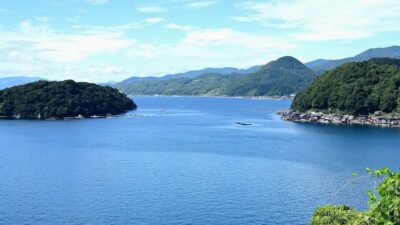
Kyoto Amanohashidate & Ine Funaya & Ine Bay Scenic Day Trip (Departing from Osaka or Kyoto)
Read our review →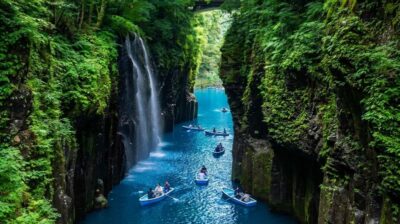
Kyushu: Mount Aso, Kusasenri & Takachiho Gorge Day Tour (Optional Takachiho Boat Ride Experience)
Read our review →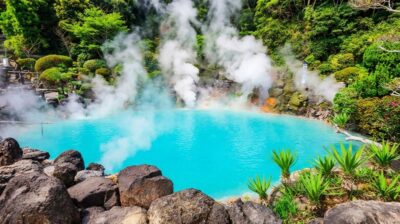
Kyushu One-Day Tour: Yufuin no Mori Train & Yufuin Town & Nyoirin-ji Temple & Dazaifu & Hell Hot Springs (Departing from Fukuoka)
Read our review →
Browse the lists this tour appears in