
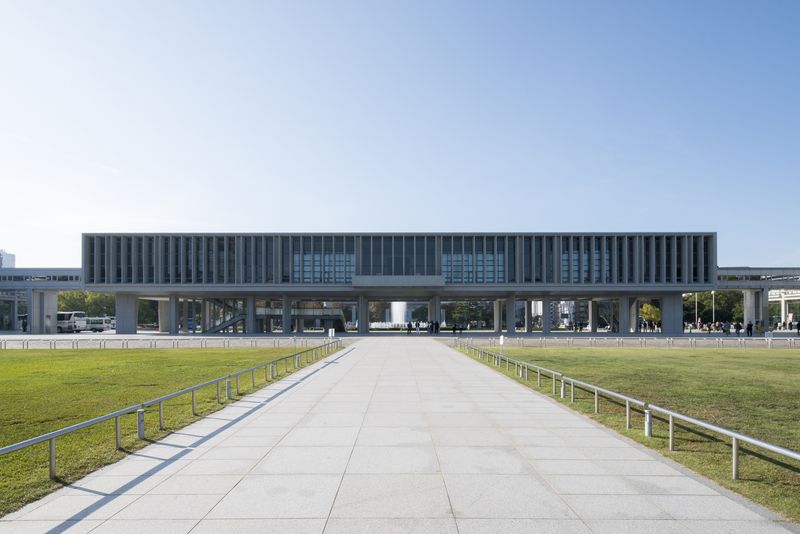
Reviewed · MUSEUMS AND GALLERIES
Hiroshima Peace Memorial Museum Ticket
Hiroshima’s Peace Memorial Museum puts individual lives at the center of the story of August 6, 1945. I like that its exhibits connect the bombing to Hiroshima’s wartime role, and that the surviving A-Bomb Dome and wide Peace Memorial Park give you room to reflect after the museum.
I also like the option to book a low-cost admission ticket ahead, which can save time at the ticket counter. The trade-off is that a prepaid ticket does not guarantee a quiet visit: crowds can build inside, and the narrow exhibition route may feel slow or cramped.
In This Review
- At a glance
- What the museum asks you to understand
- Getting through the permanent exhibition
- Peace Memorial Park after the museum
- The A-Bomb Dome and the view across the grounds
- Tickets, timing, and the crowd question
- Audio guide, bags, and museum etiquette
- Reaching the museum and planning your day
- Who should book this visit
- Should you book it?
- FAQ
- What does the ticket include?
- Does the audio guide come with the museum ticket?
- When can I use skip-the-line admission?
- What are the museum’s opening hours?
- Can I leave and come back in?
- Are lockers available?
- Can I take photographs inside?
- How do I get to the museum from Hiroshima Station?
At a glance
- Personal artifacts and stories make the human effects of the atomic bombing hard to reduce to dates and figures.
- The A-Bomb Dome survived the blast and is now a UNESCO World Heritage Site within walking distance of the museum.
- The park adds space for reflection, with the Children’s Peace Monument and other memorials beyond the exhibition rooms.
- Online admission starts at $1.29, and confirmation is usually sent within minutes.
- Early or late entry can help with the ticket queue, but the museum may still be busy once you are inside.
- The audio guide is separate from admission and offered only during specified hours and seasons.
What the museum asks you to understand
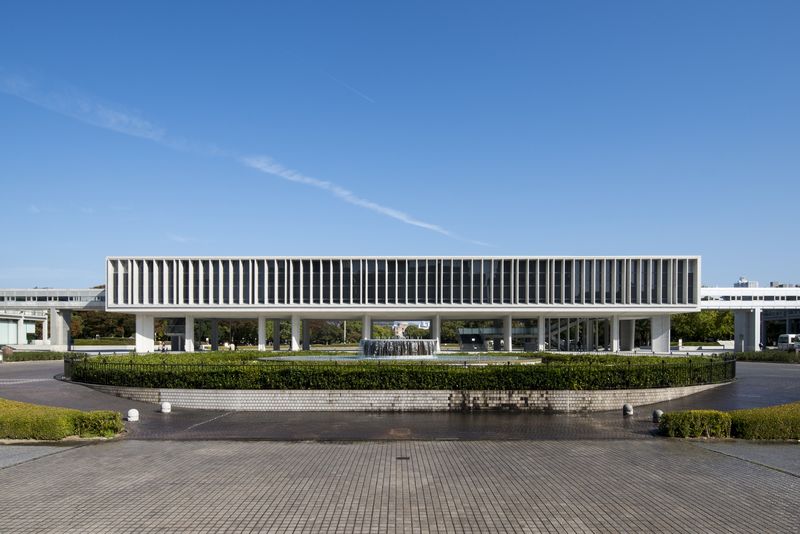
The museum looks at the bombing through the lives it changed. Exhibits explain factors leading up to the war and Hiroshima’s role during it, then focus on the destruction and its effects on people in the city. Personal accounts and objects help make the scale of the event less abstract.
This is a serious, often distressing visit. Some displays include graphic images and information about children who were victims of the bombing. You can move at your own pace, but that does not make every exhibit easy to take in. If you are visiting with children, consider their age and comfort with difficult material before you enter. One visitor advises against taking children under 12, but every child is different.
I find the museum most valuable when you give it time rather than treating it as a quick stop on a sightseeing checklist. It asks you to look closely, read, and pause. The result can be emotionally demanding, but that is also why many people see it as an essential part of a Hiroshima visit.
More Entry Tickets in Hiroshima:
- Hiroshima Peace Memorial Museum Admission
★ 4.6 · 1,308 reviews - HIROSHIMA ORIZURU TOWER Admission Ticket
★ 4.6 · 75 reviews - Hiroshima Kagura Performance Entry Ticket
★ 5.0 · 36 reviews
Getting through the permanent exhibition
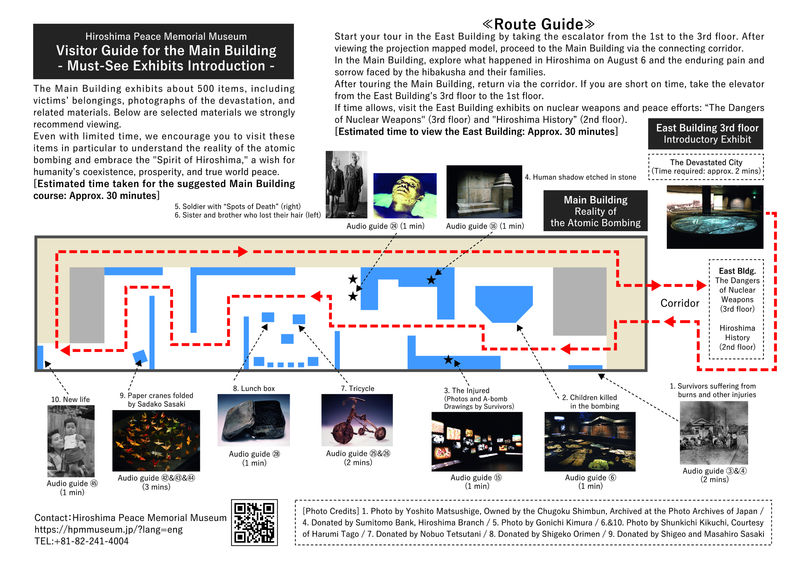
Your ticket covers admission to the permanent exhibitions. After entering, you can explore independently, stopping where you choose. The displays cover the city before the bombing, the events and aftermath of August 6, and the impact of atomic weapons on people and daily life.
The personal material is central to the experience. Visitors describe seeing survivor paintings, paper cranes, and damaged objects such as metal girders and molten glass. These items make the consequences tangible in a way that a timeline alone cannot. Allow room for a slower pace: people often stop to read the exhibit text, and a line can form through the galleries.
The museum’s presentation includes information in Japanese and English. A separate audio guide may add further stories and context, but it is not part of the admission ticket. Check the available hours before choosing it, as access changes by season and the guide is offered only during limited periods.
Expect a thoughtful, carefully arranged exhibition, but do not count on having space to linger at every display. Reports of heavy crowds describe slow movement and difficulty seeing some items, especially when the exhibition route fills up. If you feel overwhelmed, you can move past a display and return only if the flow of people allows.
Peace Memorial Park after the museum
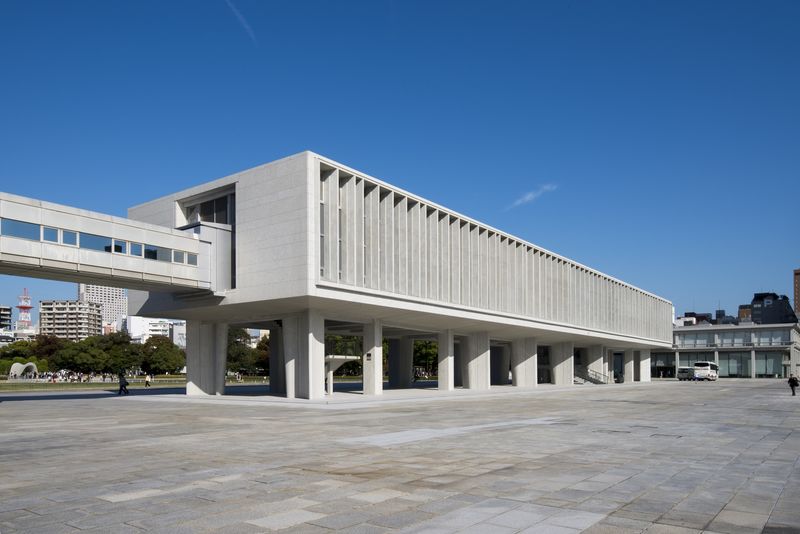
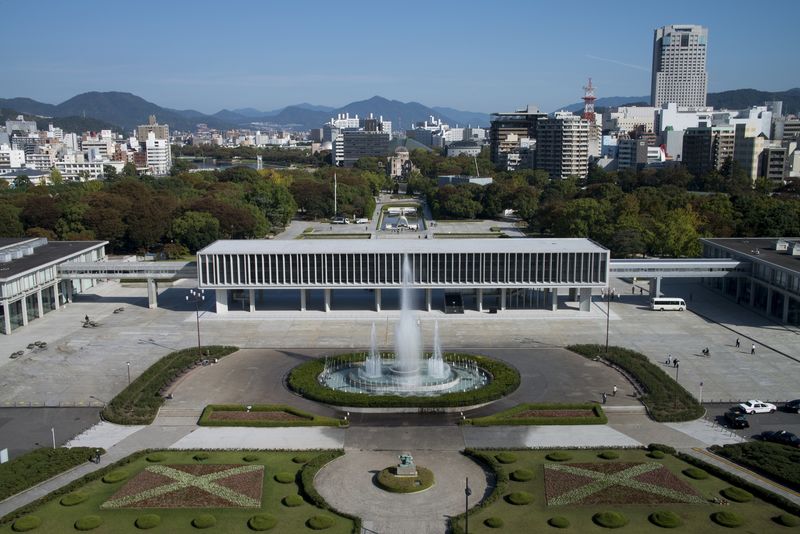
The museum sits within Peace Memorial Park, a large green space of more than 120,000 square meters. That change of pace matters. After close-packed displays and difficult stories, the open grounds give you space to walk quietly and take stock.
The park is not just a pleasant walk between attractions. Its memorials give the visit a wider frame, turning attention from the museum’s artifacts to the city’s remembrance and calls for peace. You can spend time here without needing to rush straight to another indoor exhibit.
The Children’s Peace Monument honors Sadako Sasaki, a young victim of the bombing, as well as the children affected by the tragedy. It is a place for quiet reflection, and it can be especially affecting after seeing the museum’s accounts of young people’s lives.
The A-Bomb Dome and the view across the grounds
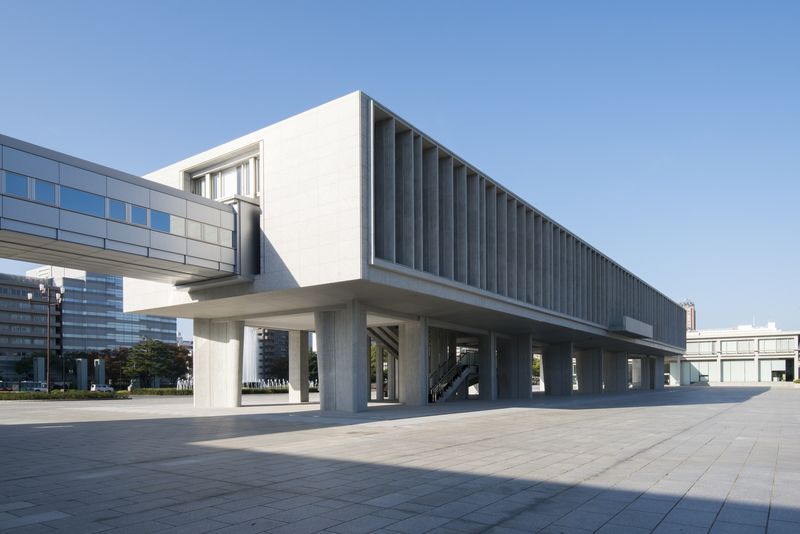
The Atomic Bomb Dome, also called the Genbaku Dome, is one of the most recognizable sights in Hiroshima. Before the bombing, the building was part of the city’s industrial exhibition work. It survived the blast and is now a UNESCO World Heritage Site, preserved as a visible reminder of the city’s history.
Seeing the Dome outside the museum adds another kind of context. Inside, you encounter personal records and damaged objects; outside, the surviving structure gives you a direct view of the destruction’s physical legacy. The site is part of the wider Peace Memorial Park experience, so leave time to walk rather than making the museum your only stop.
A striking view from the museum’s upper hallway looks toward the Cenotaph, the Dome, and the Flame of Peace. It brings several elements of the memorial area into one frame and helps orient you before or after your walk.
More Museums and Galleries in Hiroshima:
- Hiroshima; Hiroshima Peace Memorial Museum and Castle Tour
★ 5.0 · 89 reviews - Hiroshima: Atomic Bomb Dome and Peace Memorial Museum 3 hours
★ 5.0 · 20 reviews - Hiroshima: Tour of Atomic Bomb Dome & Peace Memorial Museum
★ 5.0 · 20 reviews - teamLab Borderless Tickets: MORI Building DIGITAL ART MUSEUM
★ 4.7 · 24,126 reviews
Tickets, timing, and the crowd question
At a starting price of $1.29, admission is inexpensive compared with many major attractions. The value is not simply the cost of entry: you are paying for access to a substantial and significant museum, with the surrounding park and memorials close at hand. The listed price is a starting price, so check the chosen date and package before booking.
A Klook voucher can be used for direct entry, and confirmation is generally sent within minutes. Having a QR code ready may save you from buying a ticket at the counter, particularly when that queue is long. There is an important distinction, though: faster ticket entry does not mean the galleries will be uncrowded or that you will skip a queue forming inside.
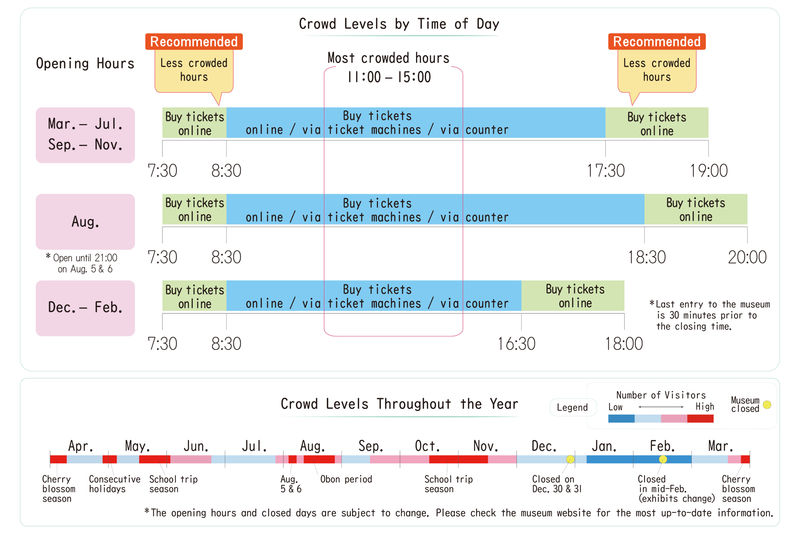
Skip-the-line admission applies during designated early and late windows. For March through July, those windows are 7:30 to 8:30 a.m. and 5:30 to 6:30 p.m. From September through November, the same times apply. In August, the late window is 6:30 to 7:30 p.m.; from December through February, it is 4:30 to 5:30 p.m. During regular admission hours, you can generally enter at any time in the applicable daytime window, regardless of the booked timeslot. For extended-hour bookings, arrive during the specific time you selected.
The museum opens at 7:30 a.m. year-round. It closes at 7 p.m. from March through July and September through November, 8 p.m. in August, and 6 p.m. from December through February. Last admission is 30 minutes before closing. On August 5 and 6, it stays open until 8 p.m. Check the schedule for your date, especially if you are planning around an early or late ticket.
If you can manage an early start, it is a sensible choice. Some visitors report a calmer visit around 8 a.m., while others describe serious bottlenecks later in the morning or afternoon. Timing cannot guarantee an empty museum, but arriving early may give you a better chance to read the displays without standing in a slow-moving crowd. Online entry can save the ticket-counter wait; it cannot control how many people are inside.
Audio guide, bags, and museum etiquette
The audio guide is a separate purchase, and the admission ticket is not included with that option. Its availability varies by season: early access starts at 7:30 a.m., while evening availability depends on the month. If you want one, check that your visit time falls within the listed period and select the correct package.
Large bags are not allowed inside. Coin lockers are on the first floor of the East Building and require a ¥100 coin, returned when you retrieve your belongings. There is no re-entry after you leave, so use the restroom or visit the lounge before starting if you think you will need a break. Food and drink are allowed only in designated areas, including the Visitor’s Lounge on the East Building’s first floor.
Personal photography without flash is allowed, but tripods and selfie sticks are not. Avoid shutter sounds that could disturb other people, and do not take flash photos or photographs for publication without applying in advance. Keep phones silent, speak quietly, and do not touch displays except for designated hands-on exhibits. These rules are part of treating a memorial museum as a place for reflection, not just another photo stop.
The museum is stroller- and wheelchair-accessible, though narrow walkways can be difficult to navigate when crowded. If mobility or crowding is a concern, arriving early may help, but it cannot guarantee clear routes. Staff instructions apply throughout the site.
Reaching the museum and planning your day
The museum is at 1-2 Nakajimacho, Naka Ward, Hiroshima. From the south exit of JR Hiroshima Station, take Hiroshima Bus No. 24 toward Yoshijima and get off at Heiwa kinen koen. The Hiroshima meipuru~pu sightseeing bus also stops there; use the orange or green line from the Shinkansen-guchi exit.
From Hiroshima Airport, take the limousine bus to Hiroshima Bus Center. From Hiroshima Port, take Hiroshima Bus No. 21 and get off at Chuden-Mae, then walk about 10 minutes. The Peace Memorial Park, museum, and Hiroshima National Peace Memorial Hall for the Atomic Bomb Victims do not have public parking, except for visitors with disabilities. If you drive, use a nearby paid parking lot.
Plan the museum and park as a connected visit. The museum’s material can take time to process, and the outdoor memorials are worth seeing at a slower pace. If you are short on time, prioritize the permanent exhibition and the nearby Dome and Children’s Peace Monument rather than trying to rush through every stop.
Who should book this visit
This visit suits you if you want to understand Hiroshima beyond its modern city center and are prepared for difficult subject matter. It is especially worthwhile for people interested in history, peace advocacy, and the human consequences of war. The low starting price makes it an accessible addition to a Hiroshima itinerary, while the park gives you room to continue reflecting without paying for another attraction.
It may be a hard visit for young children or anyone who finds graphic images distressing. Crowding can also make it less comfortable, especially if you need space to read or move slowly. Booking ahead, arriving early, and leaving time for the park are practical ways to improve your day, not guarantees of a quiet one.
Should you book it?
Yes, if you are visiting Hiroshima and feel ready to spend time with a painful but important history. The museum’s personal stories and artifacts are its strongest reason to go, and the Dome and Peace Memorial Park help you connect the exhibits to the city around them. Book the permanent exhibition ticket for admission, consider the separate audio guide if its hours fit your plans, and aim for early entry if you want the best chance of avoiding the heaviest crowds.
FAQ
What does the ticket include?
The Permanent Exhibitions Admission package includes admission to the Hiroshima Peace Memorial Museum’s permanent exhibitions. Other personal expenses are not included.
Does the audio guide come with the museum ticket?
No. The audio guide is a separate package, and admission is not included with it. Availability is limited to certain times that vary by season.
When can I use skip-the-line admission?
The designated periods are 7:30 to 8:30 a.m. and a late-day window that varies by season. Regular daytime admission has separate entry hours, and crowds may still form inside the museum.
What are the museum’s opening hours?
The museum opens at 7:30 a.m. It closes at 7 p.m. from March through July and September through November, 8 p.m. in August, and 6 p.m. from December through February. Last admission is 30 minutes before closing. It stays open until 8 p.m. on August 5 and 6.
Can I leave and come back in?
No. Re-entry is not allowed after you leave the venue.
Are lockers available?
Yes. Coin lockers are on the first floor of the East Building. They require a ¥100 coin, which is returned afterward.
Can I take photographs inside?
Personal photography without flash is allowed, but tripods and selfie sticks are not permitted. Flash photography and photography for publication require an application in advance.
How do I get to the museum from Hiroshima Station?
Take Hiroshima Bus No. 24 toward Yoshijima from the station’s south exit and get off at Heiwa kinen koen. You can also take the Hiroshima meipuru~pu sightseeing bus from the Shinkansen-guchi exit and get off at the same stop.
Just added in Hiroshima
- Hiroshima Peace Memorial Museum Admission★ 4.6 · 1,308 reviews
- The Peace Memorial to Miyajima : Icons of Peace and Beauty★ 4.5 · 31 reviews
- Private Full Day Hiroshima Tour★ 4.5 · 29 reviews
- Shore Excursion from Hiroshima Port : Private Tour in Hiroshima★ 5.0 · 17 reviews
- Hiroshima & Miyajima All-Inclusive Tour w/Licensed guide Pancho★ 5.0 · 54 reviews
- Hiroshima Country Cycling: Explore Rural Life 1 HR from City★ 5.0 · 22 reviews
- Hiroshima Saijo Sake Tasting Tour with visit to 7 Breweries★ 5.0 · 104 reviews
- Okunoshima Rabbit Island Cycling Tour with Local Guide★ 4.5 · 17 reviews
Museums and Galleries, compared.
teamLab Borderless Tickets: MORI Building DIGITAL ART MUSEUM
Read our review →
teamLab Planets TOKYO Digital Art Museum Entry Ticket
Read our review →
Browse the lists this tour appears in