
Reviewed · MUSEUMS AND GALLERIES
Hiroshima; Hiroshima Peace Memorial Museum and Castle Tour
Hiroshima asks for your attention. This three-hour walking tour links the Peace Memorial Museum, Peace Memorial Park, Atomic Bomb Dome, surviving bombed buildings, and Hiroshima Castle with a local guide. I like the personal explanations at the memorial sites, and I like that guides such as Maria, Ihsan, Leo, and Mehak often adjust the pace and depth to suit each group. The main drawback is that Hiroshima Castle receives only about 40 minutes, and one stop there may feel less important than the memorial sites.
The $67 price includes the walking tour, museum admission, a guide, and traditional Hiroshima snacks. That is fair value if you want help making sense of a difficult subject, especially since the museum is included and the tour can help you avoid the ticket line. You should know, though, that castle admission and the optional museum audio guide cost extra.
- Ground zero in context: Visit the museum, Peace Park, Atomic Bomb Dome, and the hypocenter rather than seeing each site in isolation.
- Guides who adapt: Maria, Ihsan, Leo, Mehak, Bilal, and others have been praised for clear explanations, patience, and adjusting the route to family interests.
- Surviving everyday buildings: Depending on the guide and available time, you may see a bank, school, hospital, or other structures that reveal how ordinary life was affected.
- A serious but careful subject: Museum exhibits include shocking images and accounts, so this is not a light sightseeing outing.
- A short castle visit: Hiroshima Castle adds samurai-era history, but the memorial area receives the most attention.
- Useful planning: Wear good walking shoes, meet near the Peace Memorial Museum, and allow extra emotional time after the museum.
In This Review
- Why this three-hour route works
- Starting near the Peace Memorial Museum
- The Peace Memorial Museum: an hour of difficult evidence
- Peace Memorial Park and the meaning behind its monuments
- The Atomic Bomb Dome and the hypocenter
- The walk to Hiroshima Castle
- Hiroshima Gokoku Shrine and the city beyond the memorials
- The guides are the main reason to book
- Is $67 good value?
- Who will get the most from this tour?
- Should you book Hiroshima Peace Memorial Museum and Castle Tour?
- FAQ
- How long does the Hiroshima Peace Memorial Museum and Castle Tour last?
- What is included in the price?
- Is Hiroshima Castle admission included?
- Is the museum audio guide included?
- Where does the tour meet?
- Which languages are available?
- Is the tour suitable for children?
- Is the tour wheelchair accessible?
- Can I cancel the tour for a full refund?
Why this three-hour route works
Hiroshima is easy to visit on your own, but the memorial district can leave you with a pile of names, dates, monuments, and painful stories that do not quite connect. A good guide provides that connection.
This route begins with the atomic bomb and then moves toward the wider story of Hiroshima: its wartime life, its destruction, its rebuilding, its earlier samurai culture, and its present message of peace. I like that balance. You are not asked to view the city only through one tragic morning.
The strongest part is the human scale. Instead of stopping only for a photograph at the Atomic Bomb Dome, you can ask what happened nearby, why certain memorials were built, and how daily life changed after the bombing. Several guides also take groups to less visited surviving buildings, including a bank, school, hospital, and other structures. These places help you picture a working town, not just a museum display.
The tour is listed at three hours, with roughly one hour in the museum, one hour around Peace Memorial Park, 10 minutes at the Atomic Bomb Dome, a 10-minute walk, and about 40 minutes at the castle. That is a sensible outline, but the exact balance can shift. Families may need more time at certain displays, while history-minded visitors may want longer explanations around the park.
Starting near the Peace Memorial Museum
The meeting point is at the taxi stand near the Peace Memorial Museum, with the stated starting location at 1-2 Nakajimacho. This is useful because the tour begins in the heart of Hiroshima’s memorial district rather than wasting time on a long transfer.
You should arrive ready to walk. The route is mostly on foot, and the short walk between the Atomic Bomb Dome and Hiroshima Castle is part of the experience. Comfortable shoes and clothing matter, especially in warm weather or if you plan to continue exploring after the tour.
The meeting instructions deserve careful attention. A taxi stand is not always as obvious as a major station entrance, so check the exact details when booking. If your arrival is delayed, contact the guide as soon as possible. One guide, Maria, was praised for staying in touch and being understanding when a group’s inbound taxi was canceled.
More Castles and Historic Sites in Hiroshima:
- Japanesel Archery Experience HIROSHIMA CASTLE SHARAKU
★ 5.0 · 387 reviews - Osaka Castle Ticket
★ 4.7 · 12,450 reviews - Osaka Castle: Museum and Tower Entry Ticket
★ 4.5 · 2,380 reviews
The Peace Memorial Museum: an hour of difficult evidence
The museum is the emotional center of the tour. Your admission is included, and the skip-the-line feature can save useful time, though you should still expect to move at the museum’s own pace once inside.
The exhibits show the effects of the atomic bomb on Hiroshima and its people. Some displays are graphic and upsetting. This is not a quick stop for casual photographs. You may need quiet time afterward, and children or sensitive visitors should be prepared for what they will see.
Your guide provides an overview of the bombing, the events leading up to it, and the aftermath. The best guides do not simply repeat labels. They explain the wider setting, answer questions, and help you understand why the museum presents certain objects and personal stories.
A useful feature of this visit is the mix of guided context and independent looking. Guides have allowed groups time to read exhibits on their own while explaining other sections outside or afterward. That approach works better than having someone talk nonstop beside every display. You can absorb the material at your own speed and then ask about what affected you most.
An optional audio guide is not included. You may choose it if you want more detail during independent museum time, but a live guide already supplies interpretation throughout the visit. For most people, the included explanation should be enough for a first visit, particularly if you prefer conversation to recorded commentary.
Peace Memorial Park and the meaning behind its monuments
After the museum, the tour continues through Peace Memorial Park for about an hour. This is where the museum’s evidence connects with Hiroshima’s public message about peace.
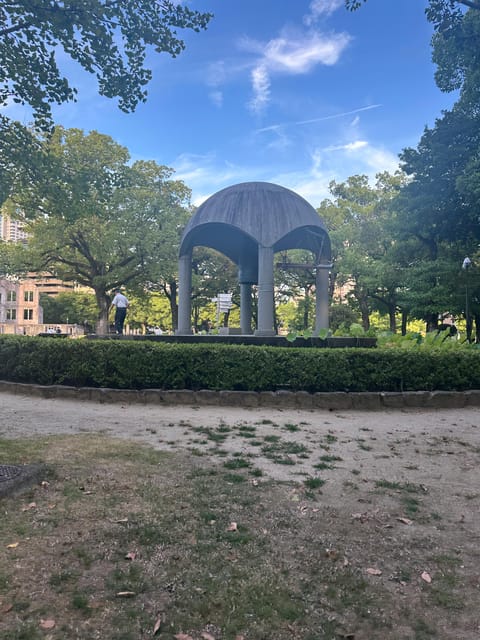
The park contains memorial monuments and sites linked to the bombing, each with its own purpose and symbolism. Your guide explains the ideas behind the memorial monument and helps you read the park as more than a green space beside the river.
I like this section because it gives the museum room to settle. You can walk, look back at the exhibits, and discuss the questions they raise. Guides are also able to explain how Hiroshima remembers the dead while speaking to the future.
The walking pace matters here. Several guides, especially Maria, were praised for patience when groups needed extra time to read. Others, including Ihsan and Leo, were praised for keeping people engaged and adjusting explanations to match their interests. That flexibility is valuable in a place where some visitors want historical detail and others need more quiet.
Families should tell the guide the ages and interests of their children. One family found that Maria adapted the material for children aged 16, 13, and 8. That does not make the subject easy, but it can make the visit more understandable and respectful for different age groups.
The Atomic Bomb Dome and the hypocenter
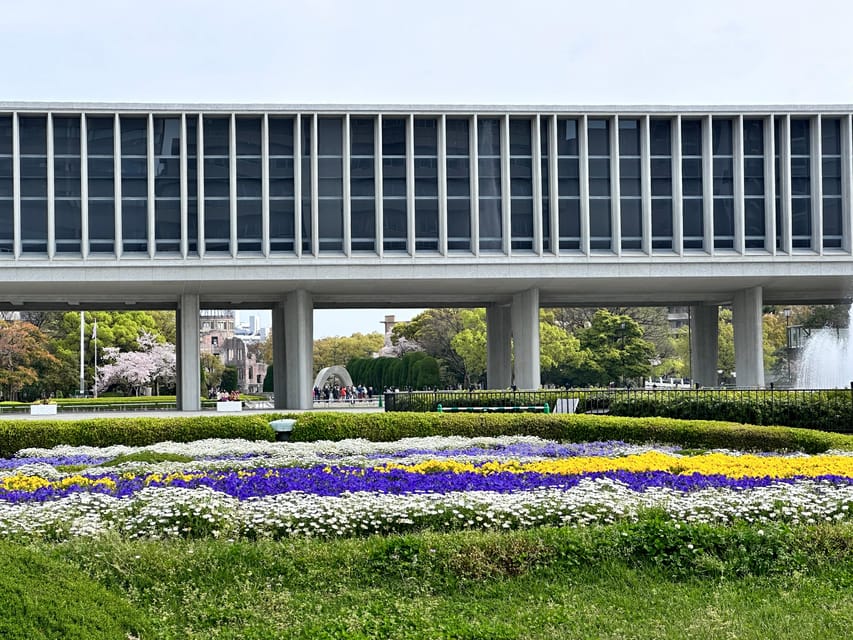
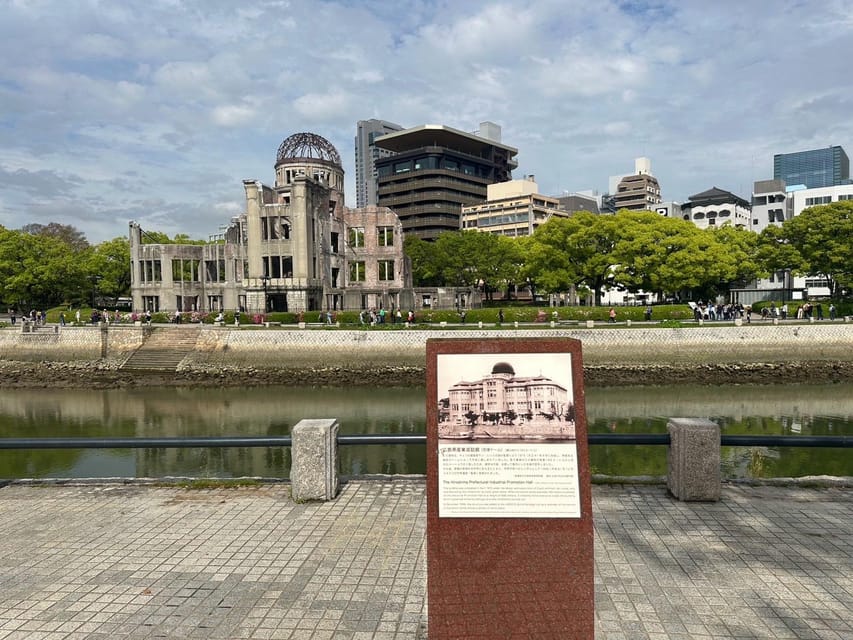
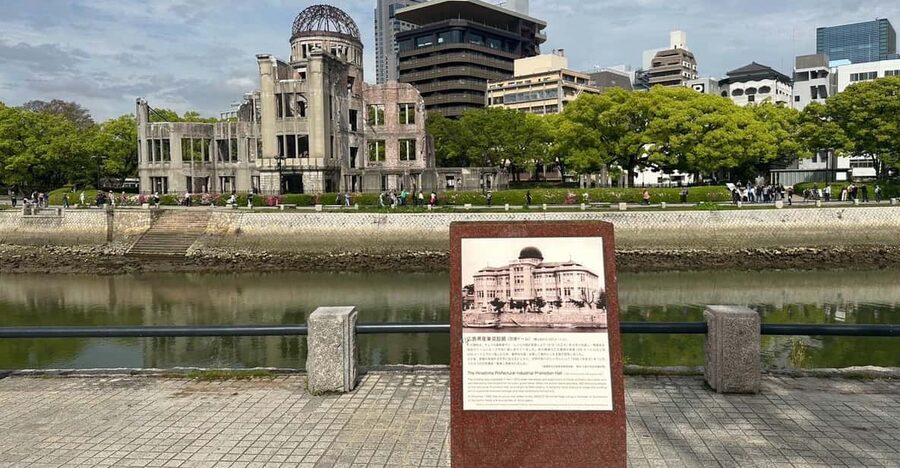
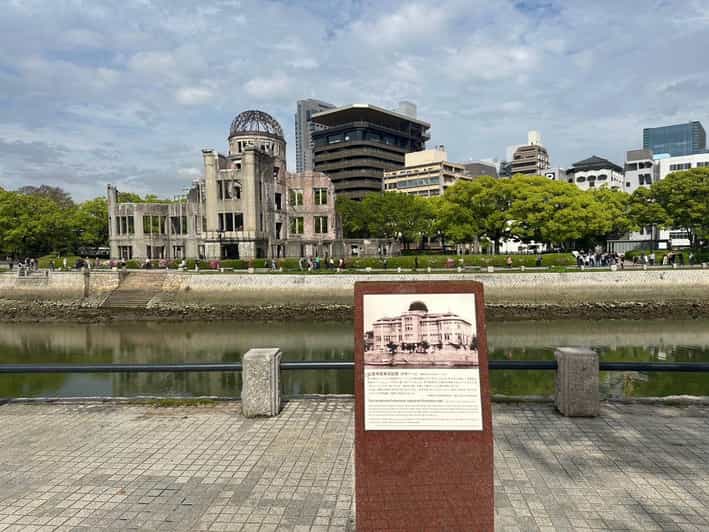
The Atomic Bomb Dome receives about 10 minutes, usually as a photo stop and guided visit. The building is powerful precisely because it is simple and physical. You see a remaining structure rather than only reading about destruction.
A short stop can be enough for the guide to explain its connection to the bombing and why it has become one of Hiroshima’s most recognized memorial sites. It is also a natural point to pause and orient yourself within the former city center.
The tour also includes the hypocenter, the location directly associated with the blast. This part is important because it places the event on a map. You are not considering an abstract wartime episode. You are standing in the area where the city’s destruction began.
Depending on your guide and the time available, you may visit additional atomic-bombed buildings. Past routes have included a bank where only one employee survived, a school, a hospital, and other less visited sites. These stops are especially useful because they bring the story into ordinary spaces: work, education, medical care, and neighborhood life.
Do not assume every departure will include every side stop. The tour description promises remaining bombed buildings, but the exact examples can vary with timing, group interests, and the guide’s route. Ask at the beginning if one particular building matters to you.
More Museums and Galleries in Hiroshima:
- Hiroshima Peace Memorial Museum Ticket
★ 4.8 · 2,727 reviews - Hiroshima Peace Memorial Museum Admission
★ 4.6 · 1,308 reviews - Hiroshima: Atomic Bomb Dome and Peace Memorial Museum 3 hours
★ 5.0 · 20 reviews - Hiroshima: Tour of Atomic Bomb Dome & Peace Memorial Museum
★ 5.0 · 20 reviews
The walk to Hiroshima Castle
The route includes a walk of about 10 minutes before reaching Hiroshima Castle. This is a modest distance, but it creates a clear change in subject. You move from the atomic bombing and modern peace memorials to Hiroshima’s earlier political and samurai past.
The castle visit lasts about 40 minutes and includes a guided sightseeing stop. Inside, you can learn about samurai life and see displays connected with swords, helmets, and related culture. It gives the tour a wider historical frame and helps show that Hiroshima was an important city long before 1945.
Still, the castle is the least certain part of the experience in terms of value. One visitor felt the castle was not especially interesting and questioned why it received billing as a major stop. That is a fair warning. If your main reason for booking is samurai history, 40 minutes may feel too brief. If your focus is Hiroshima’s wartime story, the castle works better as a final historical contrast than as the tour’s main attraction.
Castle tickets are not included, so budget extra if you want to enter paid areas. The tour includes the guided visit, but the supplied details do not specify exactly which castle sections require payment or how much admission costs. Check current conditions before booking if the castle is a priority.
Hiroshima Gokoku Shrine and the city beyond the memorials
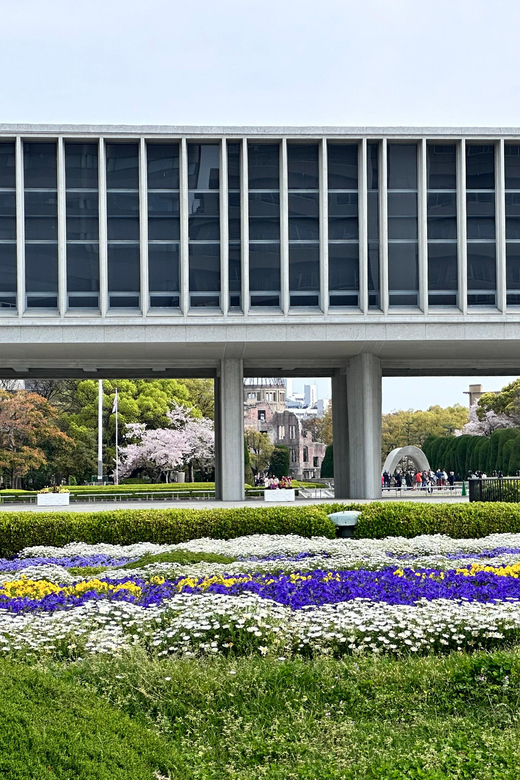
The route also includes Hiroshima Gokoku Shrine. Its presence adds another layer to the city’s story and culture, though the precise amount of time spent there may depend on the group and the guide.
This is one reason a local guide helps. Hiroshima can be reduced to the bomb in a first-time visit, but the city has religious, cultural, and everyday dimensions too. Guides have also offered suggestions for food, shopping, and how to use remaining time in Hiroshima. Maria was often praised for practical local recommendations, including places to eat and foods to try.
Traditional Hiroshima snacks are included. The details of the snack are not specified, so do not book this expecting a full meal. Think of it as a small cultural extra, not a substitute for lunch or dinner. Food and drink bills are otherwise your responsibility.
The guides are the main reason to book
The experience depends heavily on the person leading it. The most consistent praise goes to guides who combine historical accuracy with warmth and restraint.
Maria is repeatedly described as patient, adaptable, and clear in English. She has adjusted routes to suit personal interests, allowed time for reading, suggested restaurants, and shown less visited buildings. Several groups felt she made the memorial visit more meaningful than an independent walk.
Ihsan is praised for keeping three hours engaging and for changing his explanations based on the conversation. Leo is noted for detailed World War II knowledge and for learning about the people in his group. Mehak is described as lively and passionate while still handling the history carefully.
Bilal has also received strong praise for thorough explanations and respectful treatment of a painful subject. Ali, James, and other guides have been praised for helpfulness, including assisting with directions after the tour.
Guide assignments can change, so you cannot guarantee one particular person unless the provider confirms it. The advertised languages are English, Hindi, Malay, and Urdu. English-language communication has been specifically praised, but the depth and style of the experience will still depend on your individual guide.
Is $67 good value?
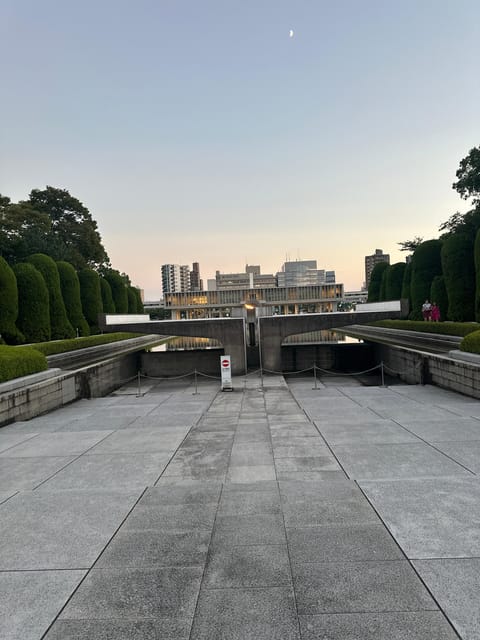
At $67 per person, this tour makes sense if you value interpretation and structure. Museum admission is included, a live guide covers the memorial district, and the route adds the castle and cultural context. You also receive a traditional snack and may save time at the museum entrance.
The price is less attractive if you are happy to read every display alone, walk independently, and skip the castle. Hiroshima’s memorial sites can be visited without a tour, and independent visitors have more control over how long they spend inside the museum.
For a first visit, I think the guide adds real value. The bombing, the park’s monuments, the hypocenter, and the surviving buildings are easier to understand when someone can answer questions in the moment. A private or small-group feel is especially helpful, since the subject often calls for pauses and conversation rather than a rushed march between sights.
Remember the extras. The castle ticket is not included, the optional museum audio guide costs more, and food and drinks beyond the included snack are your responsibility.
Who will get the most from this tour?
I would choose this experience if you want a guided introduction to Hiroshima’s memorial district and do not want to build the historical route yourself. It suits adults, families with older children, and anyone who wants cultural context alongside the main sites.
It is also a good fit if you have limited time in Hiroshima. Three hours gives you a structured first look, leaving the rest of the day for lunch, shopping, the wider city, or a return to the museum at your own pace.
You should think twice if you find graphic wartime exhibits especially difficult. The museum includes shocking material, and the subject is handled seriously from beginning to end. You can ask about the exhibits beforehand and tell the guide if you need a slower pace or a break.
There is conflicting information about mobility. The activity is described as wheelchair accessible, but the same information says it is not suitable for wheelchair users. Because this route involves walking and a 10-minute segment on foot, wheelchair users should confirm the exact arrangements with the provider before booking.
The stated restriction for people over 95 also means this may not be suitable for every older visitor. Good shoes and comfortable clothes are essential.
Should you book Hiroshima Peace Memorial Museum and Castle Tour?
Book it if you want help understanding Hiroshima rather than simply photographing its landmarks. The museum and Peace Park deserve time, care, and context, and guides such as Maria, Ihsan, Leo, Mehak, and Bilal have shown the value of a thoughtful personal explanation.
The tour is strongest from the museum through the Atomic Bomb Dome and hypocenter. The castle is a useful historical change of pace, but do not make it your main reason for paying $67, especially since its ticket is extra and the visit is short.
For a first-time visit, I would book this tour, wear comfortable shoes, prepare yourself for difficult exhibits, and ask at the start about surviving bombed buildings and the amount of time available at the castle. That simple conversation can turn a solid route into a more personal and useful three hours.
FAQ
How long does the Hiroshima Peace Memorial Museum and Castle Tour last?
The tour lasts three hours. The planned route includes about one hour at the museum, one hour in Peace Memorial Park, 10 minutes at the Atomic Bomb Dome, a 10-minute walk, and about 40 minutes at Hiroshima Castle.
What is included in the price?
The price includes the walking tour, Peace Memorial Museum admission, a tour guide, and traditional Hiroshima snacks.
Is Hiroshima Castle admission included?
No. Castle tickets are not included in the tour price.
Is the museum audio guide included?
No. The optional Peace Memorial Museum audio guide is not included.
Where does the tour meet?
The meeting point is at the taxi stand near the Peace Memorial Museum. The stated starting location is 1-2 Nakajimacho.
Which languages are available?
Live guides are available in English, Hindi, Malay, and Urdu.
Is the tour suitable for children?
The supplied information does not give a minimum age. The museum contains shocking exhibits, so you should consider your child’s age and sensitivity before booking. A guide can adjust explanations for different ages.
Is the tour wheelchair accessible?
The information is conflicting. It describes the activity as wheelchair accessible but also says it is not suitable for wheelchair users. Confirm the exact route and arrangements with the provider before booking.
Can I cancel the tour for a full refund?
Yes. You can cancel up to 24 hours in advance for a full refund. The reserve-now, pay-later option lets you book without paying immediately.
Just added in Hiroshima
- Hiroshima Peace Memorial Museum Ticket★ 4.8 · 2,727 reviews
- Hiroshima Peace Memorial Museum Admission★ 4.6 · 1,308 reviews
- Private Full Day Hiroshima Tour★ 4.5 · 29 reviews
- The Peace Memorial to Miyajima : Icons of Peace and Beauty★ 4.5 · 31 reviews
- Shore Excursion from Hiroshima Port : Private Tour in Hiroshima★ 5.0 · 17 reviews
- Hiroshima & Miyajima All-Inclusive Tour w/Licensed guide Pancho★ 5.0 · 54 reviews
- Hiroshima Country Cycling: Explore Rural Life 1 HR from City★ 5.0 · 22 reviews
- Hiroshima Saijo Sake Tasting Tour with visit to 7 Breweries★ 5.0 · 104 reviews
Museums and Galleries, compared.

teamLab Borderless Tickets: MORI Building DIGITAL ART MUSEUM
Read our review →

teamLab Planets TOKYO Digital Art Museum Entry Ticket
Read our review →

Browse the lists this tour appears in