
Reviewed · HIROSHIMA TOURS
The Peace Memorial to Miyajima : Icons of Peace and Beauty
History and beauty share one long day. This Hiroshima tour pairs the sobering Peace Memorial Park, Atomic Bomb Dome, and Peace Memorial Museum with the calm scenery of Miyajima Island. I like the small maximum group of eight, which gives you a better chance to ask questions and keep a sensible pace. I also like that public transport fares, including the ferry, are included. The main drawback is the amount of walking and transit, especially between the museum and Miyajima.
The experience costs about $167.44 per person and lasts roughly eight hours. That is not a cheap day out, but it covers the major Hiroshima sights in one go and includes admission to the Peace Memorial Museum and Itsukushima Shrine. You should also know that lunch is not included, and the day can feel tightly packed if you want long, quiet time at every stop.
In This Review
- Key points before you book
- Why this Hiroshima pairing works
- Starting at Peace Memorial Park at 8:30 a.m.
- The Atomic Bomb Dome and August 6, 1945
- One hour inside the Peace Memorial Museum
- Public transport between the city and Miyajima
- Miyajima Island: a change of pace
- Itsukushima Shrine and the famous red gate
- The small-group advantage
- Guide quality can shape the whole day
- Is $167.44 good value?
- Who should book this day?
- FAQ
- How long does the Hiroshima and Miyajima tour last?
- What time and where does the tour begin?
- Where does the tour end?
- Are transportation fares included?
- Is lunch included?
- How many people can join the tour?
- How much walking is involved?
- What happens if bad weather cancels the tour?
- Should you book it?
Key points before you book
- The morning begins with Hiroshima’s most important memorial sites, including Peace Memorial Park, the Atomic Bomb Dome, and the museum.
- The group is limited to eight people, a useful middle ground between a private tour and a large coach outing.
- Miyajima adds a very different mood, with deer, traditional streets, wooded scenery, and Itsukushima Shrine’s famous red gate.
- Public transport is part of the experience, with tram, bus, and ferry fares included in the price.
- Guides make a major difference, and Kensuke Ohguchi, Ken, and Yuka Yoshida have been praised for clear explanations and friendly help.
- Plan for a full day on your feet, with a moderate fitness level required and lunch purchased separately.
Why this Hiroshima pairing works
Hiroshima and Miyajima are often visited together, but they offer almost opposite experiences. Hiroshima asks you to slow down and think about August 6, 1945. Miyajima gives you fresh air, shrine architecture, deer, and a change of emotional pace.
That contrast is the real strength of the day. You do not spend eight hours looking at memorials, nor do you treat Miyajima as a pretty backdrop without understanding the city beside it. The morning gives the island greater meaning, and the island gives you space to process a difficult subject.
I would choose this tour if I had only one full day in Hiroshima and wanted help with the city’s public transport system. You can reach the main sites independently, but a good guide adds context and keeps the day moving.
The experience has earned a 4.7 rating from 31 ratings, with 94 percent recommending it. That is a strong result, though the smaller sample means you should still pay attention to the practical limits: the price, the walking, and the public transit connections.
A few more options to weigh up in Hiroshima
- Peaceful Hiroshima & Miyajima UNESCO 1 Day Bus Tour
★ 5.0 · 5,309 reviews - Hiroshima Peace Memorial Museum Ticket
★ 4.8 · 2,727 reviews - Hiroshima: Hiroshima and Miyajima UNESCO Sites 1-Day Tour
★ 4.9 · 2,330 reviews
Starting at Peace Memorial Park at 8:30 a.m.
The meeting point is the 7-Eleven Hiroshima Motoyasubashi East Store at 1-chōme-5-20 Ōtemachi. The start time is 8:30 a.m., so arrive ready to begin rather than expecting a slow hotel pickup.
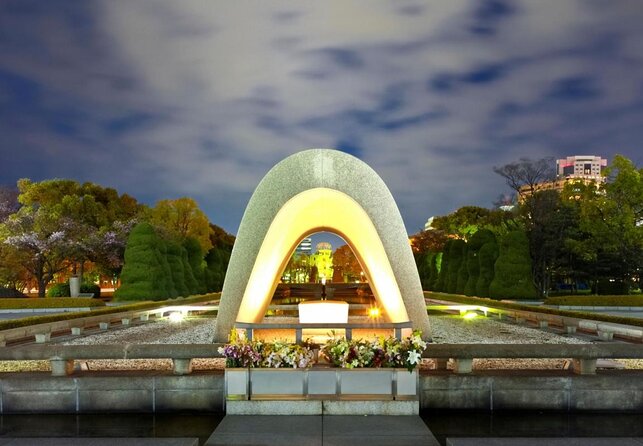
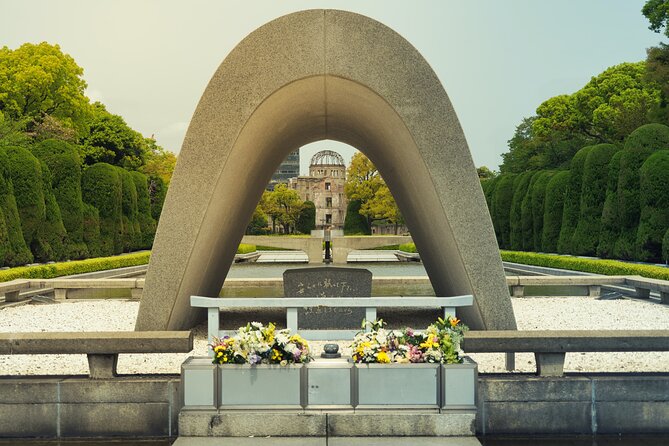
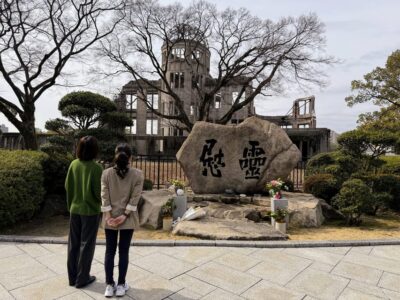
Peace Memorial Park occupies the heart of the city beside the Motoyasu River. Its open lawns and quiet water create a calm setting, but the calm is deliberate and never casual. Your guide will help you understand how the park’s monuments relate to the bombing and to Hiroshima’s continuing message of world peace.
You have about two hours here, including the nearby memorial sites. That is enough for an introduction and a thoughtful walk, though it is not enough to read every plaque in detail. I like this length because it gives the morning weight without using the entire day indoors.
A good guide matters most here. Ken has been praised for answering questions and adjusting the walk to the group’s pace. Kensuke Ohguchi has also received strong praise for his clear English, local perspective, and ability to explain difficult material without making the visit feel like a rushed lecture.
The Atomic Bomb Dome and August 6, 1945
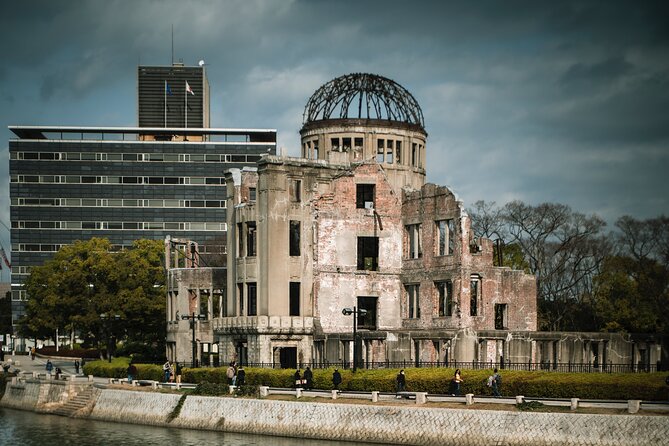
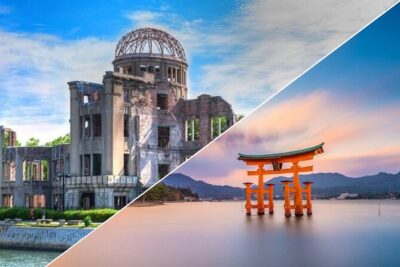
The Atomic Bomb Dome receives about 20 minutes of focused attention. Admission is free, and you view the building from the outside.
The ruined structure is a direct physical reminder of the destruction caused by the atomic bomb. Its damaged frame is difficult to absorb in a photograph, so take time to look carefully when you are there. Your guide can help connect the building to the wider story of the park and the city.
Twenty minutes is a short period, but it suits the site. This is not an attraction that needs a long queue or a complicated visit. The important thing is having someone explain what you are seeing and place it within the events of August 6, 1945.
You may want additional time for your own reflection. The schedule moves on, so tell your guide if you need a moment before walking to the museum.
One hour inside the Peace Memorial Museum
The Peace Memorial Museum is the most emotionally demanding stop. You receive admission, and the scheduled visit lasts about one hour.
The museum provides detailed insight into the bombing and its effect on Hiroshima. You will encounter personal stories and evidence of the destruction, so this part of the day can be upsetting. I would not treat it as a quick box-ticking stop. Give the displays your full attention, but also recognize that one hour may not satisfy someone who wants to read everything.
Timing here has been handled well on many departures. Ken has been praised for allowing enough museum time while keeping the rest of the day on track. That balance matters because the tour must still reach Miyajima, and public transport takes time.
The museum visit also helps you understand why the surrounding park is more than a collection of monuments. After seeing the personal scale of the bombing, the Atomic Bomb Dome and memorial grounds feel less abstract.
A completely different kind of day out:
- Hiroshima Peace Memorial Museum Admission
★ 4.6 · 1,308 reviews - Hiroshima / Miyajima Full-day Private Tour with Government Licensed Guide
★ 5.0 · 1,298 reviews - Hiroshima Historical Walking Tour – Why A-Bomb was Dropped
★ 4.8 · 893 reviews - Hiroshima Peace (Heiwa) Walking Tour at World Heritage Sites
★ 5.0 · 872 reviews
Public transport between the city and Miyajima
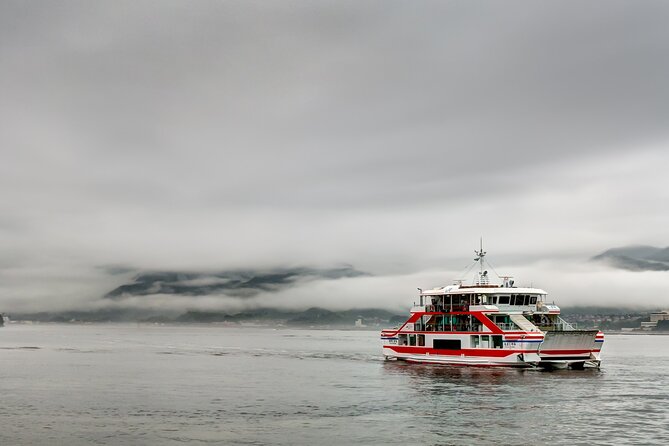
The tour uses public transportation, with fares for tram, bus, and ferry included. This keeps the cost below that of a private vehicle and lets you move through Hiroshima in the same way many residents do.
It also creates the tour’s biggest practical weakness. Getting from the museum area to Miyajima requires connections, and one account describes the public ferry route as involving two trains after the museum. That can feel inefficient, particularly after an intense museum visit.
A smaller cruise boat may seem more attractive because it departs closer to the museum and can be quicker. But the public ferry is more dependable in poor weather or low tide, and private cruise boats may sell out. The tradeoff is clear: you gain reliability and lower cost, but you lose some time and comfort.
I would not book this experience expecting a private sightseeing vehicle. You will walk to stations, follow your guide through the system, board ordinary transport, and share the ferry with other passengers. For some people, that is a useful part of seeing Hiroshima. For others, it makes the $167.44 price harder to justify.
Miyajima Island: a change of pace

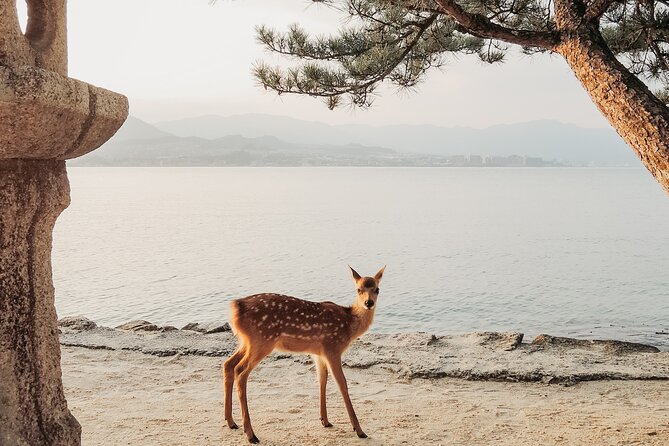
Miyajima receives about two hours of general exploration before the shrine visit. The island is known for traditional buildings, red maple trees, deer, and views across the water. After the morning’s memorial sites, the setting feels almost dreamlike.
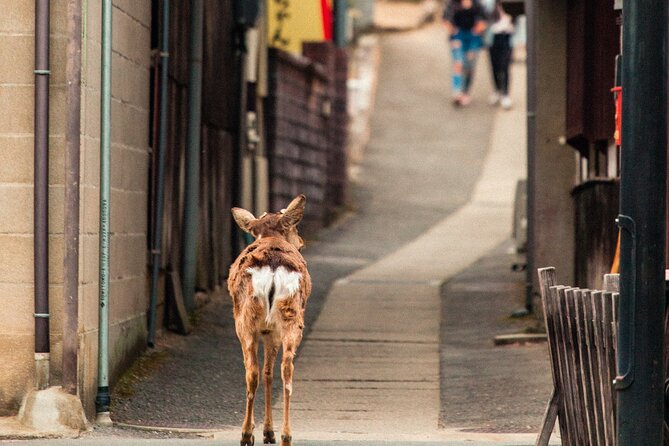
The deer are one of the island’s familiar sights, similar in spirit to those at Nara. They add a playful note, but do not let them become the whole visit. The real appeal is the mix of natural scenery, old streets, and religious architecture.
You will have free time built into this part of the day, which is useful for snacks, sweets, or a quick look at local food. Lunch is not included, so budget separately. One especially positive account praised the Japanese food and desserts available during the Miyajima portion.
Two hours is enough to get a taste of the island, but not enough for every path, shop, and scenic viewpoint. If Miyajima is your main reason for coming to Hiroshima, you may prefer a separate half-day or full-day visit. If you want the island as part of a broader introduction, this schedule works well.
Itsukushima Shrine and the famous red gate
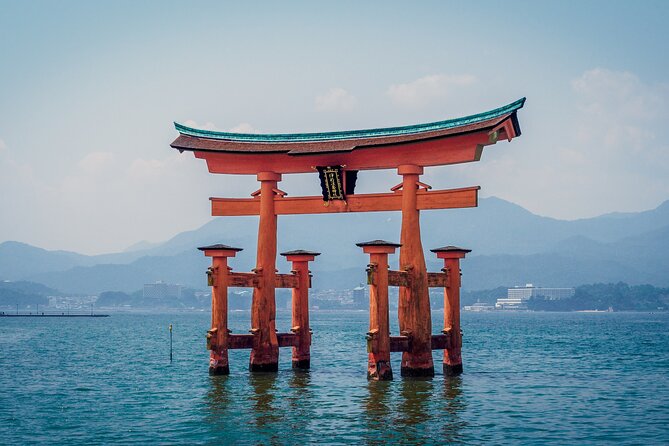
The final major stop is Itsukushima Shrine, with about 90 minutes scheduled and admission included. The shrine is built beside the water, giving it the distinctive appearance associated with Miyajima.
The red gate is the island’s famous image, but the shrine complex deserves your attention too. Look at the relationship between the buildings, the water, and the surrounding setting. The appeal comes from how the architecture meets the shoreline, not simply from one photogenic gate.
Tides affect how the shrine and gate appear, but the supplied tour information does not promise a specific tide level. I would keep expectations flexible and enjoy the shrine itself even if the waterline does not match the classic postcard view.
Yuka Yoshida has been praised for guiding this portion with strong cultural and historical explanations. If you book a departure with her, you can expect the shrine to be more than a quick photo stop. Still, guides can vary, and one poor rating specifically raised concerns about English ability and organization on a departure handled by a different guide.
The small-group advantage
A maximum of eight people is one of the best features here. The group is small enough for questions and personal conversation, but the tour is not priced like a fully private car service.
This size also helps in the Peace Memorial Park. Ken has been praised for walking a group of seven at its own pace and responding to questions along the way. Another guide helped a late-arriving participant catch up, which shows the value of having a real person managing the day rather than simply following a fixed audio track.
Small does not mean effortless. You still need to keep up with the group, board public transport, and watch the time. If one person wants to linger for an extra hour at the museum, the rest of the schedule will suffer.
The optional professional photographer-guide may appeal if you want polished images as well as historical guidance. The available information does not explain exactly what the photography package includes, so check the terms before paying extra.
Guide quality can shape the whole day
The strongest praise centers on the guides. Kensuke, also identified as Kensuke Ohguchi, has been praised for fluent English, local knowledge, enthusiasm, and a thoughtful personal perspective. Ken has received similar praise for his warmth, transport help, and ability to explain both Hiroshima’s past and present life.
Yuka Yoshida has also been singled out for her cultural explanations and for making Miyajima a highlight. Those names matter because this is a subject where tone counts. You want someone who can explain the facts clearly while respecting the seriousness of the memorial sites.
The experience is not perfectly uniform. One low rating described poor organization, too much time on public transport, and weak English from the guide on that particular departure. Another person found the tour overpriced and disliked the transport route.
That criticism is fair to consider. A guide-led day is only as good as the person leading it, and a small group does not remove the realities of Japanese transit. The strong overall rating suggests most departures work well, but you should be prepared for some variation.
Is $167.44 good value?
At about $167.44 per person, this is a mid-to-high priced day tour. The price includes public transport fares and admission to the Peace Memorial Museum and Itsukushima Shrine. It does not include lunch.
The value depends on what you need. If you are comfortable researching Hiroshima, navigating trams and ferries, and planning museum time yourself, independent travel will cost less. You can also spend longer at either Hiroshima or Miyajima.
I see better value if you have limited time, want a small group, or would rather not manage the connections yourself. The guide’s explanations are especially useful at the Peace Memorial sites, where a little context changes how you understand what you are seeing.
The tour occupies roughly eight hours and ends at Hiroshima Station, at 1-2-37 Matsubarachō. That final drop-off is useful if you are catching a train, though one group found Hiroshima Station inconvenient and preferred to return to the original meeting area. Ask about the end point if your evening plans are elsewhere.
Who should book this day?
I would recommend it for a first visit to Hiroshima, especially if you have only one full day. It gives you the essential memorial sites, the museum, Miyajima, and Itsukushima Shrine without forcing you to plan several separate bookings.
It suits people who want conversation and explanation rather than a silent coach ride. It also works for visitors who enjoy ordinary public transport and do not mind walking between stops.
You may want to skip it if you prefer a slow museum visit, dislike tight schedules, or expect a private vehicle. Families and older adults should consider the moderate fitness requirement carefully, since there is a good deal of walking and time spent transferring between transport services.
Free cancellation is available up to 24 hours before the start time. The tour requires good weather, and a weather cancellation brings the choice of another date or a full refund.
FAQ
How long does the Hiroshima and Miyajima tour last?
The experience lasts approximately eight hours, including travel time between the stops.
What time and where does the tour begin?
It starts at 8:30 a.m. at the 7-Eleven Hiroshima Motoyasubashi East Store, 1-chōme-5-20 Ōtemachi, Naka Ward, Hiroshima.
Where does the tour end?
Drop-off is at Hiroshima Station, 1-2-37 Matsubarachō, Minami Ward, Hiroshima.
Are transportation fares included?
Yes. Public transportation fares for the tram, bus, and ferry are included.
Is lunch included?
No. Lunch is not included, so you should plan to buy food during the day.
How many people can join the tour?
The tour has a maximum of eight participants.
How much walking is involved?
The tour requires a moderate level of physical fitness because there is a good deal of walking and public transport transfers.
What happens if bad weather cancels the tour?
You will be offered another date or a full refund if the experience is canceled because of poor weather.
Should you book it?
Book this tour if you want Hiroshima’s memorial sites and Miyajima in one carefully guided day. The combination is hard to beat for a short stay, and guides such as Ken, Kensuke Ohguchi, and Yuka Yoshida can make the historical side clear and human.
Skip it if you want the lowest possible cost, a private car, or several unhurried hours inside the museum. At $167.44, you are paying for planning, admissions, transit support, and a small group, not luxury transport. For a first Hiroshima visit with limited time, that can be a fair trade.
Just added in Hiroshima
- Hiroshima Peace Memorial Museum Ticket★ 4.8 · 2,727 reviews
- Hiroshima Peace Memorial Museum Admission★ 4.6 · 1,308 reviews
- Private Full Day Hiroshima Tour★ 4.5 · 29 reviews
- Shore Excursion from Hiroshima Port : Private Tour in Hiroshima★ 5.0 · 17 reviews
- Hiroshima & Miyajima All-Inclusive Tour w/Licensed guide Pancho★ 5.0 · 54 reviews
- Hiroshima Country Cycling: Explore Rural Life 1 HR from City★ 5.0 · 22 reviews
- Hiroshima Saijo Sake Tasting Tour with visit to 7 Breweries★ 5.0 · 104 reviews
- Okunoshima Rabbit Island Cycling Tour with Local Guide★ 4.5 · 17 reviews
Hiroshima Tours, compared.
Peaceful Hiroshima & Miyajima UNESCO 1 Day Bus Tour
Read our review →
Hiroshima and Miyajima UNESCO Sites 1-Day Tour
Read our review →
Hiroshima / Miyajima Full-day Private Tour with Government Licensed Guide
Read our review →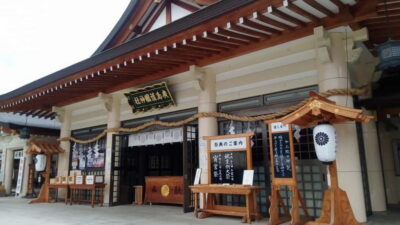
Hiroshima Historical Walking Tour – Why A-Bomb was Dropped
Read our review →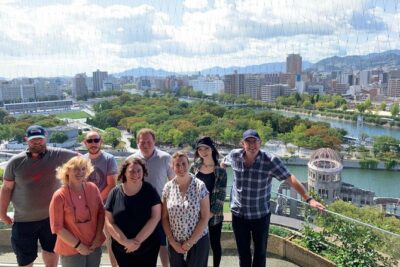
Hiroshima Peace (Heiwa) Walking Tour at World Heritage Sites
Read our review →
Hiroshima in a Nutshell: Morning Bike Adventure
Read our review →Browse the lists this tour appears in