
Reviewed · CYCLING AND E-BIKE TOURS
Hiroshima Country Cycling: Explore Rural Life 1 HR from City
Leave Hiroshima’s city life behind. This four-hour Oasa cycling tour takes you through farming villages, rice fields, old streets, and quiet countryside about an hour from the city. I like the effortless electric bikes and the small group, which makes it easier to hear your guide and pause for local details.
I also like that lunch is built into the day, with vegetables and edible flowers at Aino Sato Herb Garden or sushi at a farmhouse in the colder months. The main drawback is cost and planning: the advertised $85.39 price does not include the round-trip highway bus from Hiroshima, which costs 3,560 JPY, or lunch. You also need moderate fitness and the ability to ride a bicycle on your own.
In This Review
- Four details that shape the day
- Why Oasa makes a worthwhile side trip from Hiroshima
- Kakeyama: let the e-bike do the hard work
- Doitaya: rice fields, streams, and old village homes
- Aino Sato Herb Garden: lunch with local produce
- Oasa’s old main street and a quieter pace
- What the guide adds to the ride
- Price, extra costs, and overall value
- Who should book this cycling experience
- My verdict on rural Hiroshima by e-bike
- FAQ
- Where does the Hiroshima country cycling tour begin?
- What time does the tour start?
- How long does the experience last?
- Does the tour return to the starting point?
- Is transportation from Hiroshima included?
- Is lunch included in the tour price?
- Can I request a vegan lunch?
- What fitness and cycling ability do I need?
Four details that shape the day
- Electric bikes handle the hills: Steep sections around Kakeyama become manageable, even if you have little experience with e-bikes.
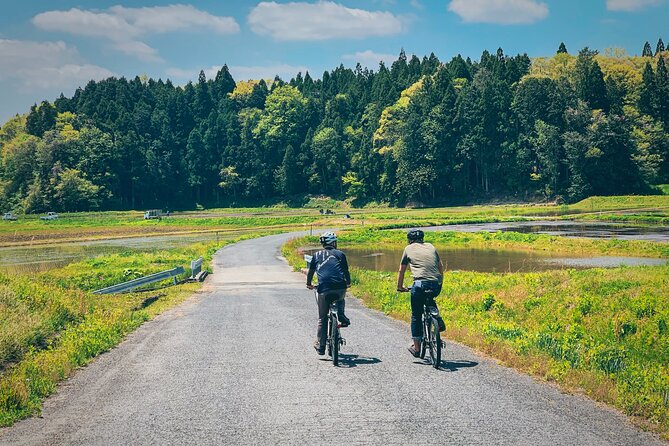
- Oasa shows rural life, not a staged attraction: Rice fields, streams, older homes, and quiet shops give the ride a strong sense of place.
- Lunch changes with the season: Herb-garden food is served outside the December to March period, while the colder months bring a sushi lunch at a farmhouse.
- The group stays small: A maximum of eight people gives the guide room to answer questions and adjust the pace.
- You must arrange part of the budget yourself: Bus fare and lunch are extra, so calculate the full cost before booking.
- Jonah receives especially warm praise: His clear transport instructions, flexibility, and care in rainy weather are useful signs for anyone nervous about the logistics.
Why Oasa makes a worthwhile side trip from Hiroshima
Most Hiroshima itineraries focus on the Peace Memorial Park, Miyajima, and the city’s food scene. Those places deserve their time, but they show only one part of the prefecture. Oasa offers a slower look at how people live beyond the major sights.
The meeting point is the Oasa I.C. Bus Stop in Kitahiroshima, about one hour from Hiroshima by highway bus. The tour begins at 10:00 a.m. and returns to the same place after roughly four hours. That makes this a practical choice for a day trip, but you need to pay close attention to the bus schedule and allow enough time to reach the starting point.
The transport details are handled well by the guide. One person specifically praised the instructions about the bus, schedule, and pickup. That matters here because the activity does not begin in central Hiroshima, and a missed bus would create a much bigger problem than arriving late at a city attraction.
This is not a sightseeing ride where you simply coast from one photo stop to the next. You will pedal through rural roads, listen to explanations about local life, and make regular stops. The e-bike takes much of the strain out of the hills, but you still need to be comfortable riding independently.
More Bike Tours in Hiroshima
- Hiroshima 2hr Peace Cycling Tour with Local Guide
★ 5.0 · 321 reviews - Hiroshima: Peace Cycling Tour with Local Guide
★ 4.8 · 286 reviews - Hiroshima 3hr Peace Cycling Tour with Local Guide
★ 5.0 · 131 reviews
Kakeyama: let the e-bike do the hard work
The first part of the ride visits Kakeyama, where the route includes steep hills. This is the moment when the electric bicycle earns its keep. The motor provides assistance as you climb, allowing you to enjoy the surroundings instead of spending the whole morning counting meters of elevation.
If you have never used an e-bike, the guide can help you get accustomed to its power. The supplied details make clear that even first-time users are often surprised by how easily the bikes manage the slopes. Still, an e-bike is not a substitute for basic cycling skill. You must be able to ride on your own, and the minimum height is 140 centimeters.
The bikes are described as high quality, and helmets are included. Accident insurance is also part of the tour. Those inclusions make the activity feel better suited to visitors who want a proper ride rather than a casual bicycle rental.
You should expect active riding, not a motorized sightseeing bus with pedals. The tour lists moderate physical fitness as a requirement. If you are comfortable riding a bicycle for several hours, the electric assistance should make the hills far less intimidating. If you rarely cycle or feel unsteady on two wheels, this may not be the right way to spend a morning.
Doitaya: rice fields, streams, and old village homes
Doitaya brings the clearest picture of rural Oasa. The farming community has kept much of its traditional appearance, with older houses, rice fields, and streams where wildlife can be found. The appeal is the ordinary setting. You are seeing a place shaped by farming and local routines, not a reconstructed village built for tourists.
The route allows you to notice details that are easy to miss from a bus. You may see how homes sit beside cultivated land, how water moves through the community, and how closely daily life remains tied to the seasons. The guide’s explanations are important here because the scenery alone cannot explain how the village works.
This is also where the small group helps. With no more than eight people, the ride should feel less like a large procession. You can ask questions, stop for information, and hear the guide without competing with a crowd.
The tradeoff is that quiet rural communities do not offer a long list of formal attractions. Doitaya is best for someone who values atmosphere and local context. If you need famous monuments, shopping, or a packed schedule, the hour here may feel too slow. I see that as the point, but it is worth knowing before you book.
Aino Sato Herb Garden: lunch with local produce
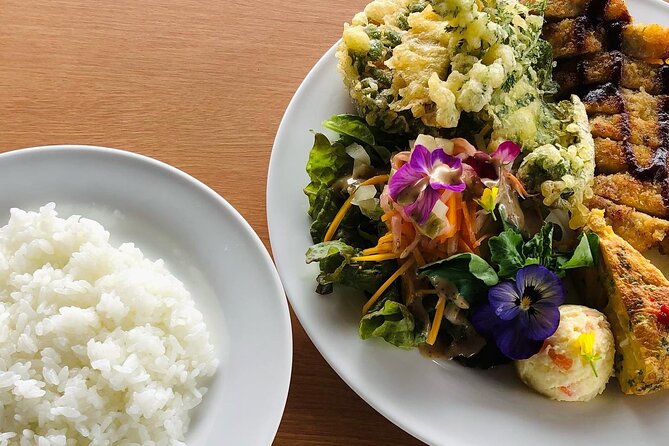
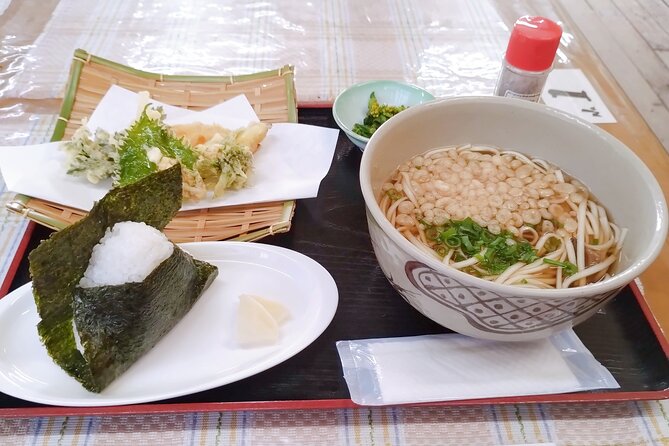
Lunch at Aino Sato Herb Garden is one of the most appealing parts of the experience. The restaurant uses locally grown vegetables and edible flowers, with produce raised without harmful pesticides according to the tour information. Lunch costs an additional 900 to 1,250 JPY per person.
That extra charge is reasonable when you consider that the meal is part of the rural connection, not simply a break at a generic restaurant. You get to taste ingredients tied to the area and pause in a setting connected to local agriculture. For many people, this will be more memorable than another standard restaurant meal in Hiroshima.
Vegan lunch is available, but you need to request it at least three days in advance. Do not assume that asking on the morning of the ride will be enough. The same advance planning applies to anyone with particular dietary needs, since only vegan dining is specifically confirmed in the supplied details.
From December through March, the lunch plan changes. Instead of the herb garden meal, you make sushi at a farmhouse, at a cost of 2,000 JPY per person. This seasonal switch adds variety, but it also raises the lunch price. You should check which menu applies to your date before comparing the tour with other day trips.
Water refill stations are available along the route. Bring your own bottle, since the tour does not promise a provided bottle. That small preparation step is worth taking on an active ride.
A completely different kind of day out:
- Peaceful Hiroshima & Miyajima UNESCO 1 Day Bus Tour
★ 5.0 · 5,309 reviews - Hiroshima Peace Memorial Museum Ticket
★ 4.8 · 2,727 reviews - Hiroshima: Hiroshima and Miyajima UNESCO Sites 1-Day Tour
★ 4.9 · 2,330 reviews - Hiroshima Peace Memorial Museum Admission
★ 4.6 · 1,308 reviews
Oasa’s old main street and a quieter pace
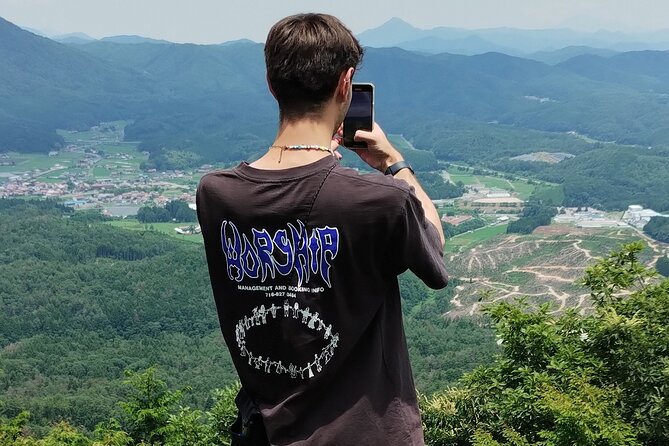
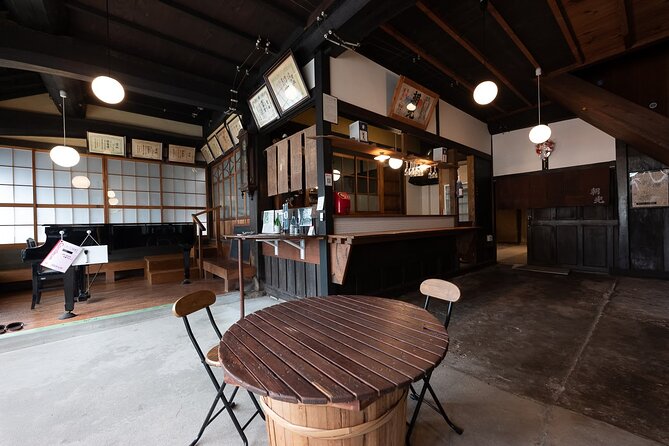
The final stop is Oasa itself. Its main street was once a busy center of shops and local activity, but today it is quiet and unhurried. Older buildings remain, offering a sense of the town’s past prosperity, while a handful of shops still keep the street from feeling entirely frozen in time.
I like this stop because it avoids the polished version of Japan that appears in guidebook photographs. Oasa is not presented as a perfect old town. It is a real place that has changed, lost some activity, and retained parts of its earlier character.
That honesty gives the stop its value. You can think about how rural towns evolve, rather than simply taking pictures of preserved buildings. The guide can add context about the people and local traditions, helping you understand why the town looks as it does today.
The limitation is clear. There may not be many open shops or major sights to fill an hour. This is a place for walking, looking, and listening. It suits you if you enjoy small-town character and unhurried travel. It may disappoint you if you expect a shopping district or a long menu of attractions.
What the guide adds to the ride
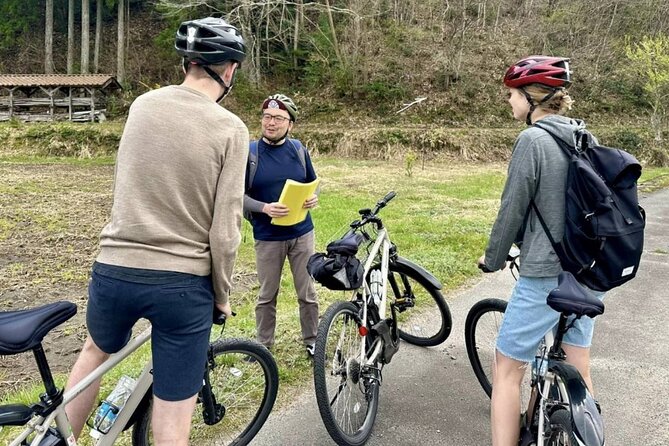
A good rural tour depends heavily on the person leading it. Here, Jonah is the guide named in the available feedback. He is praised for providing clear information about the bus, timing, and pickup, as well as for making regular stops and sharing plenty of information during the ride.
That practical help is as important as storytelling. Oasa is outside the main tourist circuit, and the bus connection requires attention. A guide who explains the journey clearly makes the day easier from the start.
Jonah also handled poor weather thoughtfully by bringing a poncho for one participant on a rainy day. The tour requires good weather and can be canceled if conditions are poor, so rain is not something you should simply ignore. Still, that example suggests a guide who pays attention to comfort when conditions change.
One account describes spending time with Jonah and his wife and feeling a strong connection to the people of Oasa. You should not assume that both will lead every departure, but the experience appears to have a personal, community-based feel rather than a purely commercial one.
Price, extra costs, and overall value
The listed price is $85.39 per person, but it is only part of the actual cost. Add the 3,560 JPY round-trip highway bus fare and either the herb-garden lunch at 900 to 1,250 JPY or the seasonal farmhouse sushi meal at 2,000 JPY.
That makes the experience more expensive than the headline price suggests. Even so, the value is solid for someone seeking a guided rural outing. Your fee includes the e-bike, helmet, guide, accident insurance, and access to refill stops. You are also paying for route planning, local interpretation, and a small group capped at eight people.
The comparison should not be with a basic bicycle rental. A rental would likely cost less, but it would not provide the same route, transport guidance, lunch arrangement, or explanations about village life. Compare it instead with a guided countryside day trip that includes equipment and local access.
I would budget the bus and meal before booking. If the complete cost feels comfortable, the tour offers a focused way to see rural Hiroshima without arranging a bicycle, route, guide, and restaurant separately.
Who should book this cycling experience
This tour fits you best if you:
- Want to see rural Japan beyond Hiroshima’s major sights
- Are comfortable riding a bicycle independently
- Have moderate fitness and can handle a four-hour active outing
- Like small groups and direct contact with a local guide
- Enjoy quiet villages, farming areas, old buildings, and seasonal food
- Are willing to arrange the bus connection and pay for lunch separately
It is less suitable if you cannot ride a bike, are under 140 centimeters tall, or want a completely relaxed activity with no hills. It also may not satisfy you if your ideal day includes famous monuments, constant shopping, or a tightly packed schedule.
The tour is weather dependent. If poor weather causes cancellation, you are offered another date or a full refund. For a voluntary cancellation, you receive a full refund if you cancel at least 24 hours before the start time. Changes or cancellations made later are not accepted for a refund.
My verdict on rural Hiroshima by e-bike
I would recommend this tour to anyone who has already allowed time for Hiroshima’s main sights and wants a more personal look at the prefecture. The ride offers a good mix of exercise, village scenery, food, and conversation, with electric assistance keeping the hills within reach.
The strongest parts are the small group, the practical support from Jonah, and the chance to see Oasa as a living community rather than a quick photo stop. Just treat the $85.39 price as a starting point, not the final bill, and plan the bus, lunch, bottle, and weather carefully.
Book it if rural life interests you more than another major attraction. Skip it if cycling is uncomfortable or if you need a busy sightseeing schedule. For the right person, this is a calm and memorable way to spend a half-day outside Hiroshima.
FAQ
Where does the Hiroshima country cycling tour begin?
The tour begins at the Oasa I.C. Bus Stop, 2310 Shinjō, Kitahiroshima, Yamagata District, Hiroshima 731-2103, Japan.
What time does the tour start?
The start time is 10:00 a.m.
How long does the experience last?
The cycling experience lasts approximately four hours.
Does the tour return to the starting point?
Yes. The activity ends back at the Oasa I.C. Bus Stop meeting point.
Is transportation from Hiroshima included?
No. The highway bus between Hiroshima and Oasa costs 3,560 JPY round trip and is not included.
Is lunch included in the tour price?
No. Lunch costs 900 to 1,250 JPY per person at the herb garden. From December through March, the sushi lunch at the farmhouse costs 2,000 JPY per person.
Can I request a vegan lunch?
Yes. Vegan lunch is available if you request it at least three days before the tour.
What fitness and cycling ability do I need?
You need moderate physical fitness and must be able to ride a bicycle on your own. The minimum height is 140 centimeters.
Just added in Hiroshima
- Hiroshima Peace Memorial Museum Ticket★ 4.8 · 2,727 reviews
- Hiroshima Peace Memorial Museum Admission★ 4.6 · 1,308 reviews
- Private Full Day Hiroshima Tour★ 4.5 · 29 reviews
- The Peace Memorial to Miyajima : Icons of Peace and Beauty★ 4.5 · 31 reviews
- Shore Excursion from Hiroshima Port : Private Tour in Hiroshima★ 5.0 · 17 reviews
- Hiroshima & Miyajima All-Inclusive Tour w/Licensed guide Pancho★ 5.0 · 54 reviews
- Hiroshima Saijo Sake Tasting Tour with visit to 7 Breweries★ 5.0 · 104 reviews
- Okunoshima Rabbit Island Cycling Tour with Local Guide★ 4.5 · 17 reviews
Cycling and E-Bike Tours, compared.
3h Tokyo E-Bike Tour: Hidden Gems, and Local Life with guide
Read our review →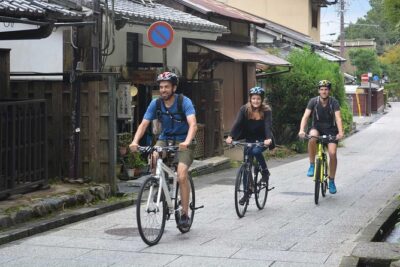
Arashiyama Bamboo Forest & Hidden Gems Bike Tour (Early Bird)
Read our review →
5 Top Highlights of Kyoto Full Day Bike Tour (E-bike option)
Read our review →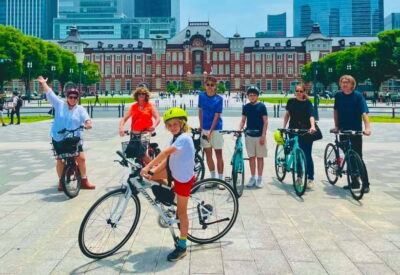
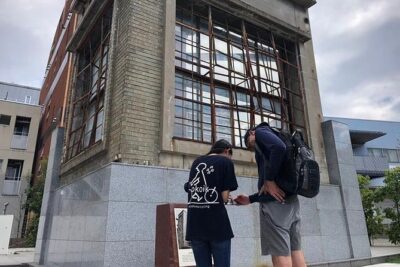
Hiroshima 2hr Peace Cycling Tour with Local Guide
Read our review →Browse the lists this tour appears in