
Reviewed · CYCLING AND E-BIKE TOURS
Hiroshima: Peace Cycling Tour with Local Guide
History feels different from a bicycle seat. This Hiroshima tour pairs easy electric-bike riding with local stories about the atomic bombing, the city’s destruction, and its long recovery. I especially like the chance to see A-bomb sites outside the usual Peace Memorial Park circuit, and the guides’ personal family connections make the history feel close and human. The main consideration is that the subject is emotionally heavy, and the compact bikes may feel small for taller riders.
The tour costs $52 per person and lasts two or three hours. That is fair value if you want more than a quick look at the Atomic Bomb Dome. You cover a wider area than you would on foot, stop at places many people would otherwise pass, and get an English-speaking guide in a group capped at 10 people.
In This Review
- Key points before you book
- Starting at the Peace Park Rest House
- The two-hour route: a focused introduction
- The three-hour route: a fuller view of Hiroshima
- Hiroshima Castle and Gokoku Shrine
- Central Park and Aioi Bridge
- Atomic Bomb Dome and the Motoyasu River
- Higashisenda Park and Hiroshima Red Cross Hospital
- Hiroshima Railway and the two bridges
- The surviving weeping willow and Peace Boulevard
- Why the local guides make such a difference
- Electric bikes, comfort, and group pace
- Weather and what to bring
- Is $52 a good value?
- Who should book this Hiroshima bike tour?
- Final verdict: a thoughtful way to understand Hiroshima
- FAQ
- How long does the Hiroshima Peace Cycling Tour last?
- Where does the tour meet?
- Is the tour offered in English?
- How many people are in the group?
- Are electric bicycles included?
- Do I need to be very fit?
- What height is required for an adult electric bicycle?
- Can young children join?
- What should I bring?
- Is food included?
- Can I cancel for a full refund?
Key points before you book
- Electric bikes keep the ride gentle: You do not need to be especially fit, though you must be comfortable riding a bicycle.
- The story reaches beyond Peace Park: The route includes streetcars, bridges, parks, a hospital, rivers, and neighborhoods tied to the bombing.
- Local guides add personal depth: Guides such as Shin, Kana, Moe, Bella, Mai, and Hugo have been praised for thoughtful storytelling and warm personalities.
- The three-hour route offers more stops: Hiroshima Castle, Aioi Bridge, the Atomic Bomb Dome, Miyuki Bridge, and the surviving weeping willow are all included.
- Small groups help with questions: The shared tour allows up to 10 participants, though the pace may slow for children or less confident cyclists.
- Plan for heat and sun: Bring water, a towel, comfortable clothes, and shoes. Summer conditions can be demanding.
Starting at the Peace Park Rest House
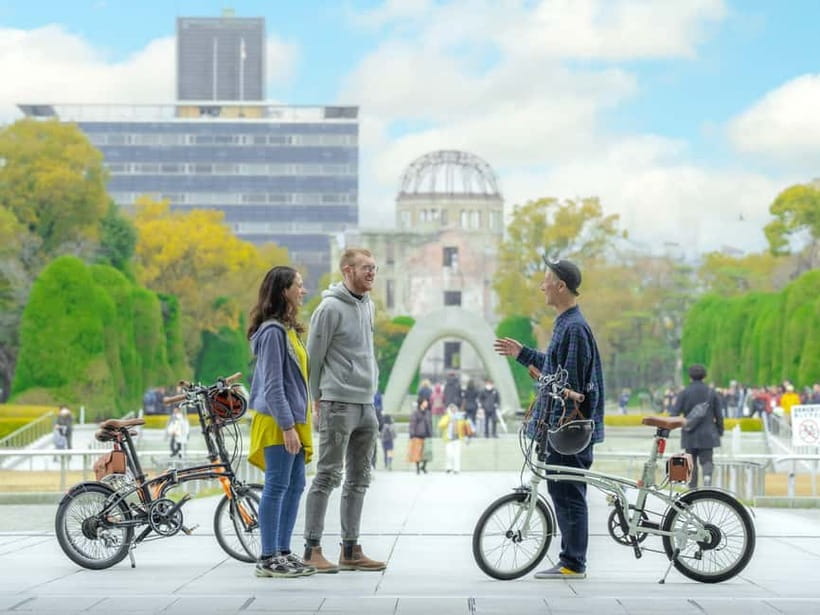
The meeting point is the Rest House in Hiroshima Peace Memorial Park. From Hiroshima Station, take a Hiroshima Electric Railway train to Atomic Bomb Dome Station. The ride takes about 20 minutes, followed by a walk of roughly five minutes.
Arrive early. If you are late without contacting the operator, the tour can be cancelled and the full same-day fee charged. That is a strict rule, but it makes sense for a bicycle group that needs to leave together.
The guide provides the rental bicycle, safety coverage for bicycle accidents, and the English commentary. You should bring your own drinks and food, since neither is included. High heels are not allowed, and comfortable shoes are the sensible choice even if you usually prefer something smarter for sightseeing.
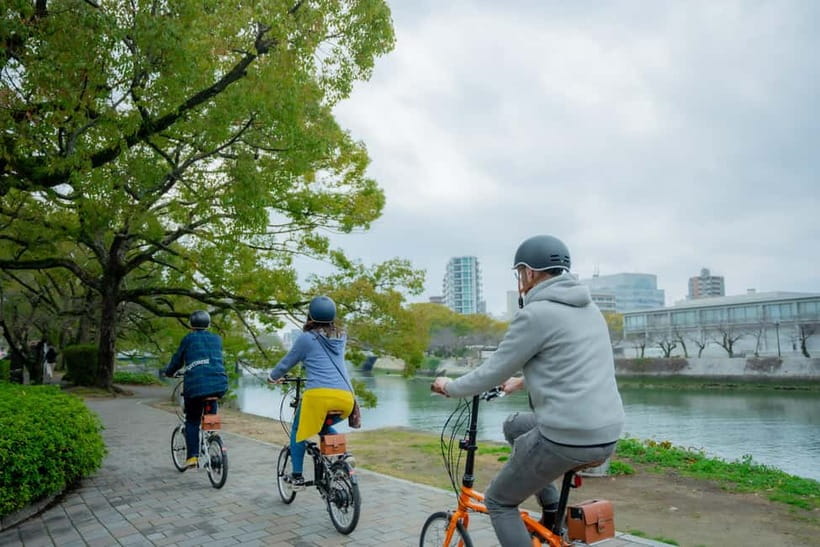
The bikes are electric, which is a major plus. The route covers modest distances, and you can use the motor assistance when you need it. I would still make sure you can start, stop, steer, and ride in a group before booking. This is not a bicycle lesson.
More Bike Tours in Hiroshima
- Hiroshima 2hr Peace Cycling Tour with Local Guide
★ 5.0 · 321 reviews - Hiroshima 3hr Peace Cycling Tour with Local Guide
★ 5.0 · 131 reviews - Hiroshima: Best of Hiroshima Guided Bike Tour
★ 4.9 · 89 reviews
The two-hour route: a focused introduction
The shorter outing begins at 11:00 or 15:00, depending on the departure you select. It is a good choice if you have limited time in Hiroshima or want to combine the tour with the Peace Memorial Museum, Miyajima, or another city activity.
The first hour centers on Peace Memorial Park. Your guide explains the purpose of the park, the meaning of its monuments, and the events of August 6, 1945. This is not simply a photo stop at the Atomic Bomb Dome. The goal is to understand what the monuments are asking you to remember and how Hiroshima’s residents have carried that memory.
The tour then moves away from the most visited part of central Hiroshima. That change is important. The park gives you the official memorial setting, while the surrounding streets show how ordinary parts of the city were affected and rebuilt.
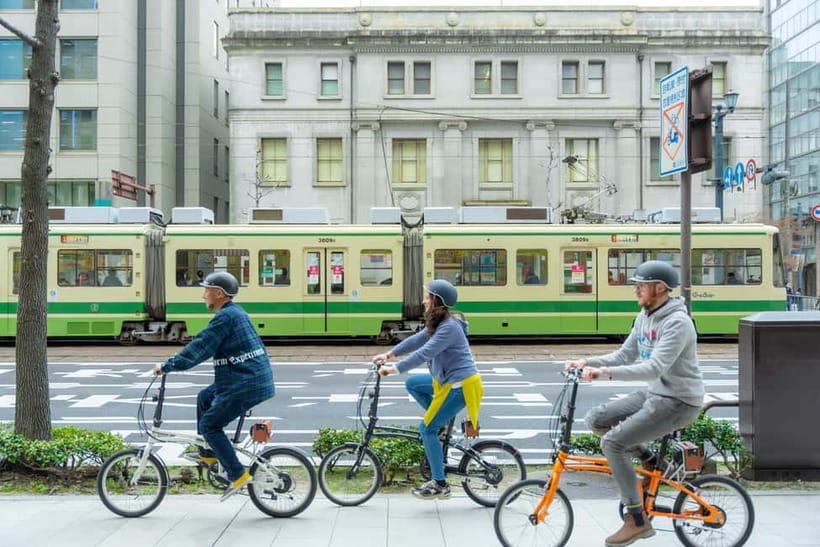
One especially interesting feature is the A-bombed streetcar. A streetcar that survived the bombing continues to run today, and the guide points out this living piece of Hiroshima’s past. It connects the historic event with the city you see around you now. The city is not preserved as a ruin. It is a functioning place where signs of survival can appear in everyday transport.
The final hour visits several A-bomb heritage sites in less touristic areas. Your guide explains the damage within about 2.5 kilometers of the hypocenter, then describes how Hiroshima changed during the decades after the war. The ride finishes back at the meeting point at about 13:00 or 17:00.
I would choose the two-hour version if you want a serious but manageable introduction. You will not see every listed stop, but you still get the central memorial area, an A-bombed streetcar, and parts of Hiroshima that are easy to miss on foot.
The three-hour route: a fuller view of Hiroshima
The longer version begins at 10:00 or 14:00. It adds a broader loop through the city and gives the guide more time to connect individual places with the bombing and the city’s recovery.
Hiroshima Castle and Gokoku Shrine
The route begins at Hiroshima Castle. The castle is a useful starting point because it places the city’s older identity before the tour turns to the destruction of 1945.
You then stop at Hiroshima Gokoku Shrine and its shrine gate. The guide explains the significance of these places within the city’s prewar and postwar story. The stop is brief, but it helps show that Hiroshima’s history is not limited to the atomic bombing.
A completely different kind of day out:
- Peaceful Hiroshima & Miyajima UNESCO 1 Day Bus Tour
★ 5.0 · 5,309 reviews - Hiroshima Peace Memorial Museum Ticket
★ 4.8 · 2,727 reviews - Hiroshima: Hiroshima and Miyajima UNESCO Sites 1-Day Tour
★ 4.9 · 2,330 reviews - Hiroshima Peace Memorial Museum Admission
★ 4.6 · 1,308 reviews
Central Park and Aioi Bridge
At Hiroshima Central Park, the ride continues through open public space before reaching Aioi Bridge. The bridge is particularly important because of its connection to the bombing target area.
Your guide can explain why the bridge is part of Hiroshima’s memory and how the city’s streets and waterways shaped the events of that day. The bicycle makes this sequence easy. You move from park to bridge without spending your limited sightseeing time waiting for taxis or retracing the same route on foot.
Atomic Bomb Dome and the Motoyasu River
The Atomic Bomb Dome is the tour’s most recognizable sight. You will have time to look closely, listen, and ask questions rather than simply pause for a photograph.
From there, the route follows the Motoyasu River and crosses the Peace Bridge. The river setting brings a different mood from the busy central streets. Your guide uses the water, bridges, and nearby buildings to explain the geography of the explosion and the later memorial planning.
For many people, this is the emotional center of the ride. The subject is difficult, and the guide’s tone matters. The strongest guides are described as balancing painful facts with hope, courage, and the continuing message of peace.
Higashisenda Park and Hiroshima Red Cross Hospital
The ride continues to Higashisenda Park and then to Hiroshima Red Cross Hospital. These are not just additional sightseeing points. They help explain the medical crisis after the bombing and the scale of the damage beyond the central memorial grounds.
This section is one reason I prefer the three-hour route when time allows. It turns a visit to Peace Park into a wider story about people, neighborhoods, and institutions. You see how the bombing affected the city as a whole, not only the monuments selected for international visitors.
Hiroshima Railway and the two bridges
The itinerary then includes Hiroshima Railway, Miyuki Bridge, and the Kobayashi River. The railway stop ties into the story of Hiroshima’s streetcars and transport system, including the surviving vehicle that still operates.
Miyuki Bridge and the Kobayashi River take you farther from the standard sightseeing route. This is where the bicycle earns its keep. You can cover several connected sites in a short time while your guide explains how the destruction extended into residential parts of the city.
The route is not a strenuous cycling challenge. It is a moving history lesson with wheels. Still, the group travels together, and the guide may slow the pace if a child or an inexperienced cyclist needs more time.
The surviving weeping willow and Peace Boulevard
One of the more unusual stops is a surviving weeping willow tree. It offers a small, personal counterpoint to the larger monuments. A tree cannot explain the full event, but it can make the idea of survival feel more tangible.
The final stop is Peace Boulevard, where the ride ends at the meeting point around 13:00 or 17:00. By this stage, you have seen memorial spaces, working streets, rivers, public parks, transport routes, and suburbs. That mixture gives you a better sense of how Hiroshima moved from devastation to a green, active modern city.
Why the local guides make such a difference
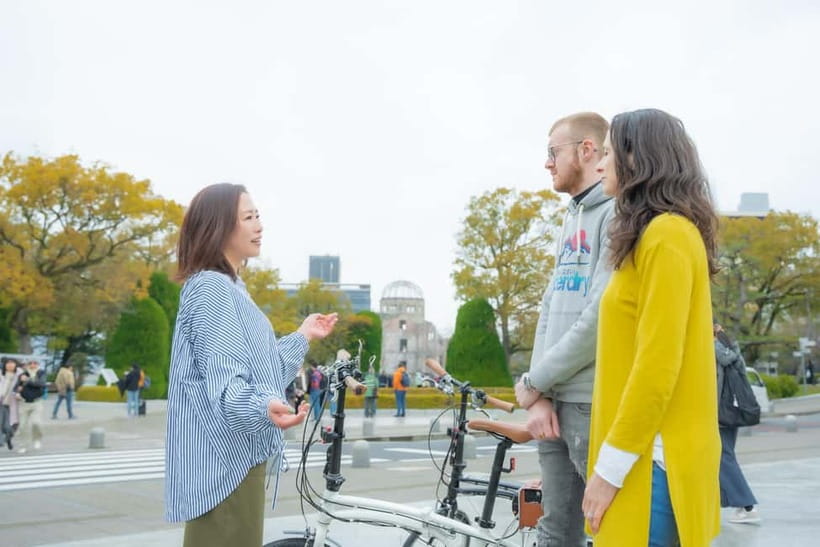
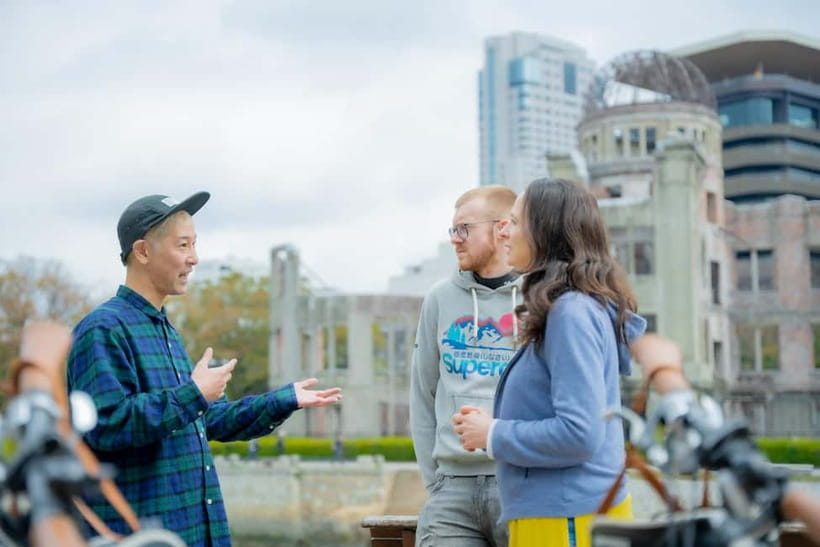
The guide is the heart of this experience. Shin has received especially warm praise for his enthusiasm, clear English, and family connection to the bombing. His stories passed through grandparents and parents add a personal layer to the history without turning the tour into a lecture.
Kana is another strong choice. She has been praised for mixing facts, family stories, humor, and messages of hope. Moe, Bella, Mai, and Hugo have also been described as considerate, engaging, and attentive to the group’s comfort.
You should not assume you will receive a particular guide. The staff changes by departure. What you can expect is an English-speaking local guide who grew up in Hiroshima or has a close connection to the city.
The best part of this approach is the combination of public history and family memory. A guide might explain the official story at the Atomic Bomb Dome, then share how the event was remembered within local families. That does not replace the Peace Memorial Museum or written historical sources. It adds a human voice.
The tone is also worth noting. The tour does not treat the bombing as a dark sightseeing spectacle. Guides focus on the destruction, the survivors, the city’s recovery, and the continuing hope for peace. You should be ready for serious conversation, but the experience is not presented as hopeless.
Electric bikes, comfort, and group pace
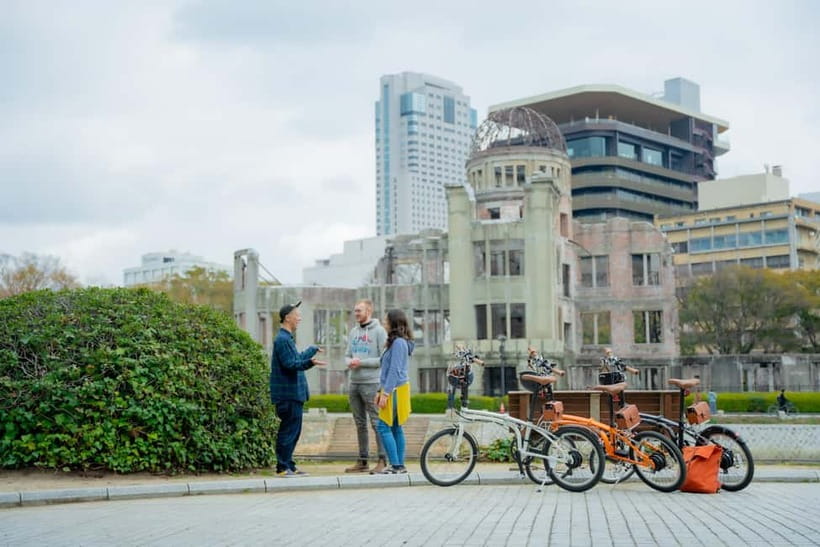
The bicycles are one of the tour’s most practical advantages. Several people have found them easy to operate, and the electric assistance means the ride is suitable for people who would not choose a conventional bicycle tour.
Adult electric bikes are for people at least 145 centimeters tall. Children between 110 and 145 centimeters can use children’s cross-bike style bicycles, with two children’s bicycles available per booking. Children under 15 can use adult or children’s bicycles at the child rate.
For children under 22 kilograms and under 115 centimeters, an electric bicycle with a child seat may be available. Infants ride free in that seat, but the seats and children’s bicycles are limited. Contact the operator before booking if you need one.
The tour is not suitable for anyone under 145 centimeters unless the appropriate child bicycle or seat has been arranged. Tall riders should also pay attention. One person who was 6 feet 1 inch found the bike frame small, so I would contact the operator if you are tall or have long legs.
The group limit is 10 participants. That is small enough for questions and easy communication, but it remains a shared ride. If another participant is new to cycling, the pace may be slower than you expect. I see that as a fair trade for a family-friendly group, not a flaw.
Weather and what to bring
Hiroshima can be hot, especially in summer. One guide carried cold towels, salt candies, wet wipes, and cooling items during a very warm outing. Another used shade, ice packs, and breaks near a convenience store when a participant felt unwell.
You should not rely on the guide’s supplies, though. Bring water, a towel, comfortable clothing, and practical shoes. Sun protection is sensible, but the supplied information does not promise umbrellas or cooling equipment on every departure.
The schedule can change depending on conditions on the day. That flexibility is useful for safety, but it also means the exact timing and order of stops may vary.
Is $52 a good value?
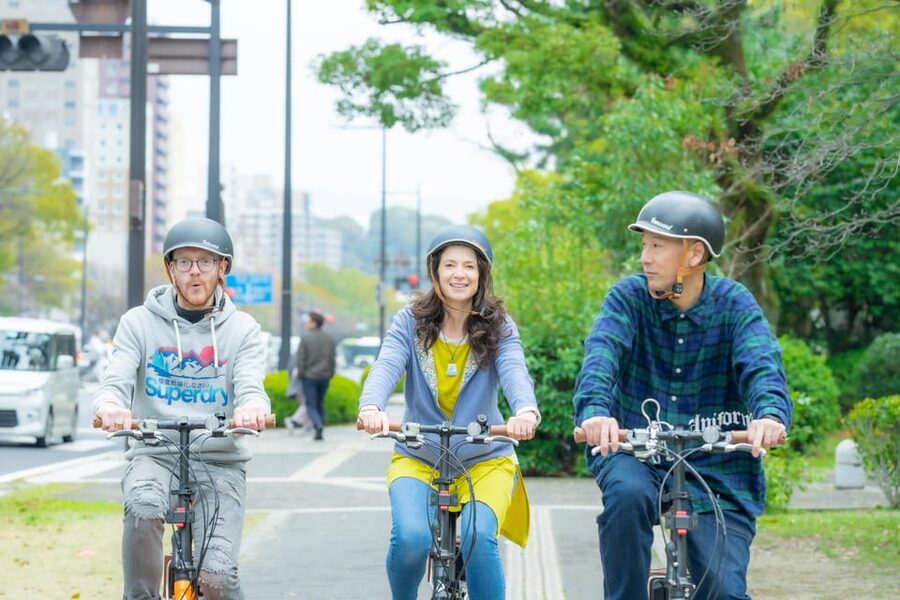
At $52, this is good value for someone who wants transport, a rental electric bicycle, an English-speaking guide, and bicycle accident insurance in one package. You are also paying for access to local context, not just a vehicle.
The two-hour route gives you a compact introduction. The three-hour route is the better buy if you want to understand how the bombing affected areas beyond Peace Park. It covers more sites and lets you see a wider section of central Hiroshima without exhausting your legs.
You still need to pay for food and drinks, and the tour does not replace entry to other attractions. If you want extensive museum time, set aside a separate visit. The cycling tour is strongest as a guided city orientation and a way to connect memorial sites that would otherwise feel scattered.
Free cancellation up to 24 hours before departure and the option to reserve now and pay later make the booking less risky. The late-arrival rule is the part to take seriously.
Who should book this Hiroshima bike tour?
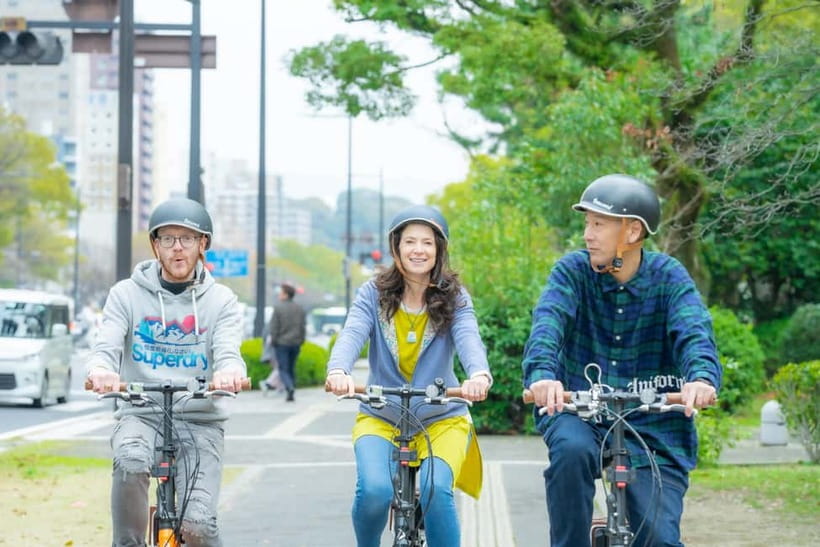
I would choose this tour if you want a personal explanation of Hiroshima rather than a quick checklist of monuments. It suits solo visitors, couples, and families with older children who can follow a group ride.
It is also useful if you have only one day in Hiroshima. The bicycle lets you see the historic center quickly, while the guide points out sites you might otherwise miss.
Choose the three-hour option if you want the fuller story and can spare the time. Choose two hours if you prefer a focused introduction or need room in your schedule for the Peace Memorial Museum and other plans.
This is not the right choice if you dislike bicycles, cannot ride safely, need a large-frame bike, or want a long-distance countryside excursion. The ride stays around central Hiroshima and focuses on places linked directly to the atomic bombing.
Final verdict: a thoughtful way to understand Hiroshima
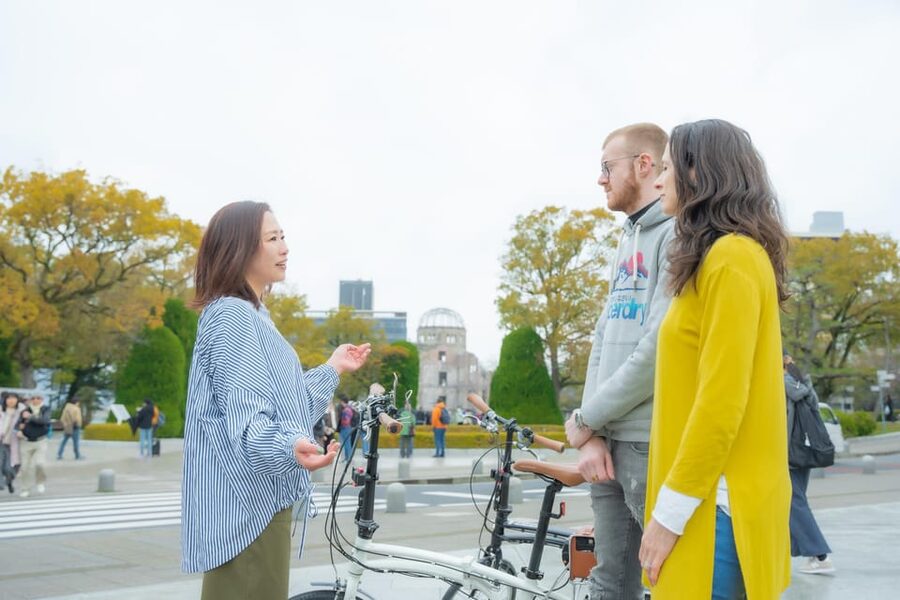
I recommend the Hiroshima Peace Cycling Tour, especially for first-time visitors who want to connect the Atomic Bomb Dome and Peace Park with the living city around them.
The strongest elements are the easy electric bikes, the small group, the stops outside the usual sightseeing route, and the guides’ personal way of telling the story. Shin and Kana have been particularly memorable guides for many departures, but the whole team appears focused on warmth, care, and clear English.
Book it if you want history delivered through places, movement, and human stories. Skip it only if cycling is not practical for you or if you need a completely private, slower-paced memorial visit. For most people who can ride a bicycle, $52 buys a moving and useful introduction to Hiroshima.
FAQ
How long does the Hiroshima Peace Cycling Tour last?
You can choose a two-hour or three-hour route. The two-hour course runs around 11:00 or 15:00, while the three-hour course runs around 10:00 or 14:00, subject to availability.
Where does the tour meet?
The meeting point is the Rest House in Hiroshima Peace Memorial Park. From Hiroshima Station, take the Hiroshima Electric Railway to Atomic Bomb Dome Station, then walk about five minutes.
Is the tour offered in English?
Yes. The tour includes a live English-speaking guide.
How many people are in the group?
The shared tour is limited to 10 participants.
Are electric bicycles included?
Yes. Rental bicycles are included in the price, and the tour uses comfortable electric bicycles.
Do I need to be very fit?
No. The electric assistance makes the ride manageable for people who are not especially fit. You should still be able to ride a bicycle safely.
What height is required for an adult electric bicycle?
Adult electric bicycles are for people at least 145 centimeters tall.
Can young children join?
Children from age one can be included. Electric child seats are available for children under 22 kilograms and under 115 centimeters, while children’s bicycles are intended for children from 110 to 145 centimeters. Equipment is limited, so contact the operator before booking.
What should I bring?
Bring comfortable shoes, comfortable clothing, a towel, and drinks. High heels are not allowed.
Is food included?
No. Food and drinks are not included, so bring water or plan to buy refreshments separately.
Can I cancel for a full refund?
Yes. You can cancel up to 24 hours in advance for a full refund. Arriving late without prior notice can lead to cancellation with a full same-day charge.
Just added in Hiroshima
- Hiroshima Peace Memorial Museum Ticket★ 4.8 · 2,727 reviews
- Hiroshima Peace Memorial Museum Admission★ 4.6 · 1,308 reviews
- Private Full Day Hiroshima Tour★ 4.5 · 29 reviews
- The Peace Memorial to Miyajima : Icons of Peace and Beauty★ 4.5 · 31 reviews
- Shore Excursion from Hiroshima Port : Private Tour in Hiroshima★ 5.0 · 17 reviews
- Hiroshima & Miyajima All-Inclusive Tour w/Licensed guide Pancho★ 5.0 · 54 reviews
- Hiroshima Country Cycling: Explore Rural Life 1 HR from City★ 5.0 · 22 reviews
- Hiroshima Saijo Sake Tasting Tour with visit to 7 Breweries★ 5.0 · 104 reviews
Cycling and E-Bike Tours, compared.
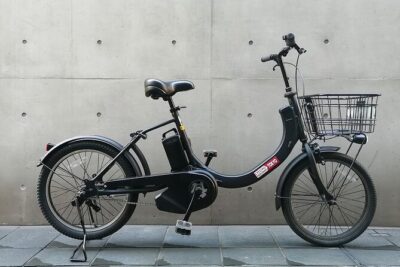
3h Tokyo E-Bike Tour: Hidden Gems, and Local Life with guide
Read our review →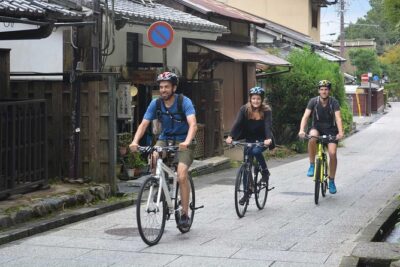
Arashiyama Bamboo Forest & Hidden Gems Bike Tour (Early Bird)
Read our review →
5 Top Highlights of Kyoto Full Day Bike Tour (E-bike option)
Read our review →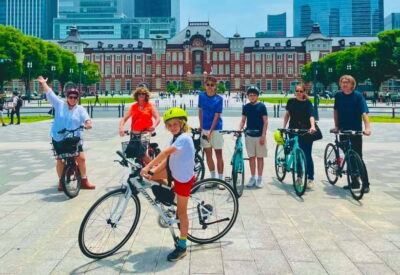
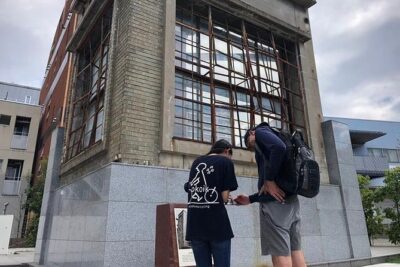
Hiroshima 2hr Peace Cycling Tour with Local Guide
Read our review →Browse the lists this tour appears in