
Reviewed · CYCLING AND E-BIKE TOURS
Tokyo Top Highlights 3h Guided E-bike Tour
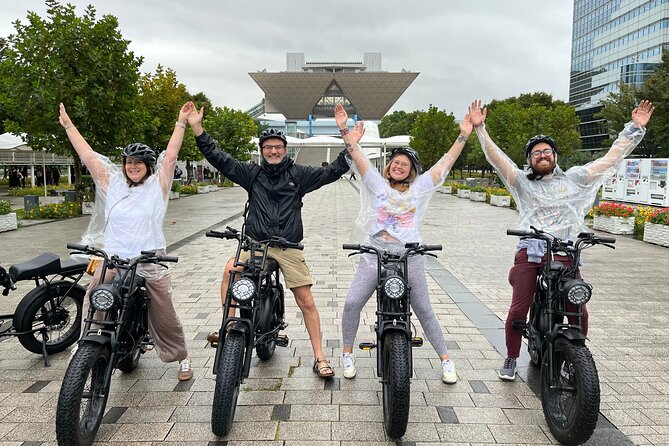
Tokyo looks different from a bike seat. This three to four-hour ride gives you a close-up view of the city while an electric motor takes the sting out of hills and long stretches. I especially like the small maximum group of six and the choice of three routes, plus the included Japanese snack. The main catch is that you ride on Tokyo streets with traffic, so you need basic cycling skill, steady attention, and enough stamina for a moderate outing.
I also like how the tour reaches places a bus cannot and covers more ground than a walking tour. Guides such as Hiro, Shinobu, Miky, FK, Sho, Taiki, and Takuro have been praised for friendly explanations, local insight, photography help, and careful support. Still, route choice matters a lot: the city route, bay route, and Tokyo Tower route offer quite different sightseeing.
In This Review
- Key points before you book
- Why an e-bike works so well in Tokyo
- Start in Tsukiji with a short safety briefing
- Tokyo City Route: grand buildings, sweets, and quiet gardens
- Tokyo Station
- Ningyocho Street
- Kiyosumi Teien
- Tomioka Hachimangu
- Tokyo Bay Route: local shrines, modern waterfront views, and Gundam
- Sumiyoshi Shrine
- Tsukuda Tendai Jizoson
- Skytree, teamLab Planets, and Tokyo Big Sight
- The Gundam Base Tokyo
- Aqua City Odaiba
- Tokyo Tower Route: temples, a steep hill, and Japan’s political center
- Zojo-ji Temple and Tokyo Tower
- Atago Shrine
- National Diet Building and the Imperial Palace area
- Hibiya Park
- How safe and strenuous is the ride?
- What the $63.67 price really buys you
- Weather, timing, and cancellation details
- Who should book this Tokyo e-bike tour?
- Should you book it?
- FAQ
- Where does the Tokyo e-bike tour start and finish?
- How early should I arrive?
- How many people can join the tour?
- What routes can I choose from?
- Are children allowed to participate?
- What happens if the weather is bad?
Key points before you book
- Three distinct routes: Pick among Tokyo City, Tokyo Bay Sunset and Night, or Tokyo Tower, depending on the sights and mood you want.
- A genuinely small group: With no more than six participants, the guide can set a manageable pace and answer questions.
- Electric assistance helps on hills: The e-bikes are simple to operate and require no complicated gear changes.
- A mix of famous and local Tokyo: Expect major sights such as Tokyo Station, Tokyo Tower, Rainbow Bridge, or the Gundam statue, along with shrines, gardens, and quiet neighborhood streets.
- The starting point is in Tsukiji: All routes begin and end at the same e-bike shop at 6-chōme-11-5 Tsukiji.
- Important limits apply: Participants must be at least 147 centimeters tall, older than 12, and under 120 kilograms.
Why an e-bike works so well in Tokyo
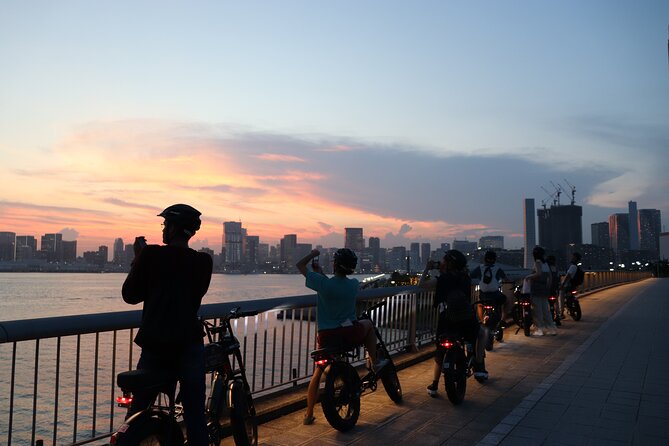
Tokyo is enormous, and its best sights are spread across districts that do not always connect neatly on foot. A subway ride gets you from point to point, but it hides the small streets, waterways, shrines, and residential corners between the major stations.
An e-bike gives you a useful middle ground. You still feel the city around you, but you can reach more than you could on foot without arriving worn out. The motor assistance is especially useful on the Tokyo Tower route, which includes a ride up toward Atago Shrine. One description compares the hill without help to a hard climb, while the e-bike makes it far more manageable.
The bikes are designed for easy use. You do not need to fuss with complex gear changes, and riders with moderate fitness should find the pace reasonable. Still, this is not a sightseeing bus with a seat and air conditioning. You will pedal, stop in traffic, and stay alert at intersections.
The ride also gives you a better sense of Tokyo’s scale. You pass from polished commercial streets to ordinary neighborhoods, waterfront districts, temples, parks, and government buildings. That change from one setting to another is one of the best reasons to choose this experience.
More Bike Tours in Tokyo
- Tokyo Great Cycling Tour
★ 5.0 · 811 reviews - 3h Tokyo E-Bike Tour: Hidden Gems, and Local Life with guide
★ 5.0 · 670 reviews - Tokyo: 3-Hour Bike or E-Bike City Highlights Tour
★ 4.8 · 435 reviews
Start in Tsukiji with a short safety briefing
The meeting point is at 6-chōme-11-5 Tsukiji, Chuo City, Tokyo 104-0045. You should arrive 15 minutes before the listed start time for the e-bike briefing. If the shop appears closed when you arrive early, wait a little. The guide is expected to arrive about 15 minutes before departure.
All three routes use this same shop as their base. The ride ends back there, which removes the nuisance of finding your way home from an unfamiliar part of Tokyo. The shop can store luggage, and a knapsack is available to rent free of charge.
The group limit is six people. That is a useful size for city cycling. The guide can keep an eye on the group, explain sights without shouting, and make brief stops for questions or photographs. Guides have received especially strong praise for making riders feel safe and cared for. Hiro, for example, has been singled out for patience, humor, English explanations, and the use of an iPad to add historical background at several stops.
You cannot join after the group has left. This matters because the ride stays together on city streets, and the guide cannot easily collect a late arrival along the route.
Tokyo City Route: grand buildings, sweets, and quiet gardens
The Tokyo City Route is the best choice if you want a broad first look at central Tokyo with a dose of local character. It passes through Ginza, where you can admire the luxury shopping streets without feeling obliged to spend luxury money.
Tokyo Station
The first formal stop is Tokyo Station, built in 1914. Its Western-style design sits among modern office towers, creating one of Tokyo’s most striking old-and-new contrasts.
You get about 15 minutes here. That is enough for a look and some photographs, though not enough for a detailed station visit. The value is in seeing the building in context, with the guide explaining how an early twentieth-century railway landmark fits into today’s city center.
A completely different kind of day out:
- Tokyo Disney Resort – Tokyo Disneyland & Tokyo DisneySea Park Tickets
★ 4.8 · 99,488 reviews - SHIBUYA SKY Ticket
★ 4.7 · 46,509 reviews - JR Whole Japan Rail Pass
★ 4.8 · 29,150 reviews - Mt Fuji and Hakone 1-Day Bus Tour Return by Bullet Train
★ 5.0 · 26,383 reviews
Ningyocho Street
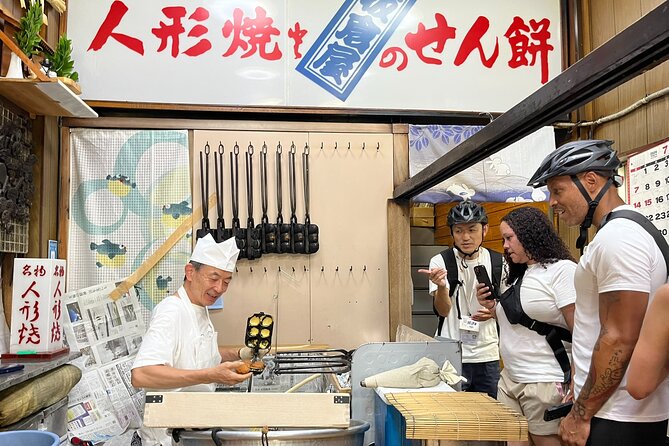
Next comes Ningyocho, historically associated with dolls and traditional crafts. The stop lasts about 20 minutes, and the focus here is now a Japanese sweet rather than a search for old dolls.
That small snack break is a nice touch. It gives the ride a local flavor and lets you pause after the first section of cycling. The exact treat may vary, and the operator says it cannot accommodate allergies or vegetarian requirements, so this is not the place to count on a custom food option.
Kiyosumi Teien
Kiyosumi Teien provides the calmest change of pace on this route. The Japanese garden is less visited than Tokyo’s biggest attractions, and you get around 25 minutes to walk through it.
Your bike stays outside because bikes are not allowed in the garden. That short walk is important. An e-bike tour can otherwise become a string of roadside photo stops, but this pause lets you slow down and enjoy Japanese garden design without the sound of traffic right beside you.
Admission is included for this stop. You should not expect a long garden visit, but 25 minutes gives you time to enjoy the setting and reset before the next ride.
Tomioka Hachimangu
The route then reaches Tomioka Hachimangu in the historic Fukagawa area. This Shinto shrine has a strong connection to the early development of sumo and remains one of the area’s important religious sites.
The stop lasts about 30 minutes, making it the longest visit on the city route. You have time to look around instead of simply taking a quick photograph from the curb. Guides explain the shrine’s role and customs, which helps you understand what you are seeing rather than treating it as another decorative building.
This route is a good fit if you want gardens and temples alongside major city architecture. It is less suited to someone who wants Tokyo’s tallest towers and night lights.
Tokyo Bay Route: local shrines, modern waterfront views, and Gundam
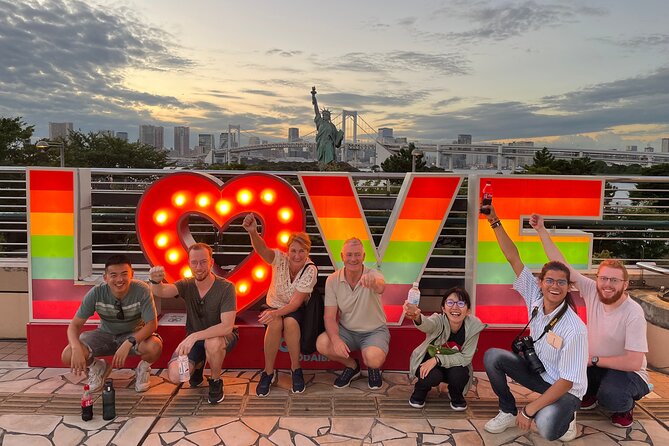
The Tokyo Bay Sunset and Night Route has a different feel. It mixes quieter shrines and small religious sites with Odaiba’s modern buildings, waterfront views, and illuminated attractions. A late afternoon departure can be especially appealing because you may see daylight, sunset, and city lights in one outing.
Sumiyoshi Shrine
The first stop is Sumiyoshi Shrine, reached through a more local side of Tokyo. The ride there gives you a look at how people live away from the headline sights.
You get about 15 minutes at the shrine. It is a short visit, but that is enough to appreciate the quieter setting and hear about Shinto practice. The contrast with the later Odaiba section gives this route its strongest rhythm.
Tsukuda Tendai Jizoson
This small temple takes only about five minutes. The stop is brief, but it is part of the route’s appeal. You are shown a place that is easy to miss if you are simply following Tokyo’s main tourist map.
A short stop like this also keeps the tour moving. The bay route covers a lot of ground, so not every location can receive a half-hour visit.
Skytree, teamLab Planets, and Tokyo Big Sight
The route passes Tokyo Skytree, the world’s tallest radio tower, but the listed stop is only about one minute. Treat this as a passing view, not a tower visit.
You also pass teamLab Planets TOKYO for about one minute. No museum admission or indoor visit is included, so this is simply a chance to see where the modern art attraction is located.
Tokyo Big Sight receives about 10 minutes. Japan’s largest exhibition hall is easy to recognize because of its unusual architectural form, which makes it a fun place for a quick photograph. Again, the point is seeing several parts of the bay area in one ride, not spending hours inside any single attraction.
The Gundam Base Tokyo
The Gundam stop lasts about 10 minutes and gives you a look at the huge anime figure, listed at 19.7 meters high. Its size and mechanical detail make it one of the most playful photo stops in Tokyo.
This is a particularly good route for fans of Japanese popular culture, but you do not need to know Gundam to appreciate the sheer scale of the statue. The stop is outdoors and brief, so the tour does not include a detailed visit to an indoor exhibition.
Aqua City Odaiba
The final bay stop is Aqua City Odaiba, where you get about 30 minutes for a break and a Japanese convenience snack selected by the guide. This pause gives you time to rest, use facilities, and take in the waterfront setting.
The bay route is strongest in the evening. One listed departure time is 3:45, which can let you see the sunset before Tokyo’s buildings begin to glow. If city lights and waterfront photographs are high on your list, this is the route I would consider first.
Tokyo Tower Route: temples, a steep hill, and Japan’s political center
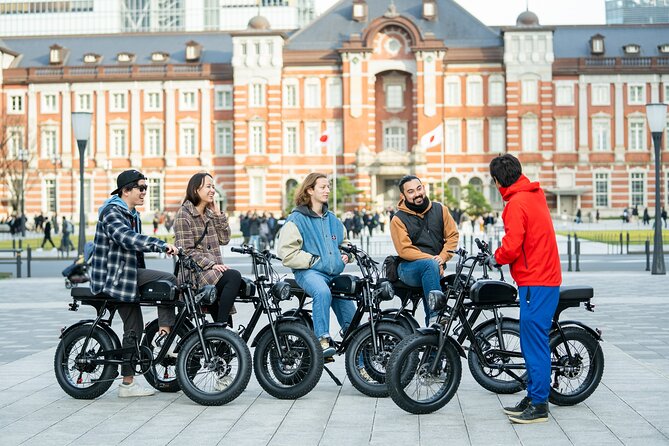
The Tokyo Tower Route is the most concentrated choice for classic central Tokyo sights. It combines a major Buddhist temple, Tokyo Tower, a hilltop shrine, the National Diet Building, the Imperial Palace area, and Hibiya Park.
Zojo-ji Temple and Tokyo Tower
The first stop is Zojo-ji Temple, visited for about 30 minutes. The temple has a long association with the Tokugawa shogun family, one of the most powerful ruling families in Japanese history.
From here, the route passes Tokyo Tower, the 333-meter landmark. The listed plan describes a pass-by rather than an admission visit, so you see the tower from outside and do not go up it. That is still worthwhile, especially because the temple and tower create such a recognizable Tokyo pairing.
Atago Shrine
Atago Shrine is the route’s physical test. It sits on a small mountain, and the ride includes a hill. The e-bike assistance makes this manageable for riders who might struggle on a standard bicycle, but you should not mistake electric help for zero effort.
The stop lasts about 20 minutes. This is a good example of why the tour requires moderate fitness. You need to control the bike, handle the hill, and ride safely on public roads, even when the motor is helping.
National Diet Building and the Imperial Palace area
The National Diet Building is a five-minute photo and explanation stop. Built in 1936, it provides a look at Japan’s government center and its formal architecture.
On the way, the guide picks up a traditional Japanese snack for a later break. The route also passes the Imperial Palace area, once the site of a much larger castle. A pond with ducks provides one of the gentler views along this urban section.
The brief stop at the Diet Building means you should expect an outside view rather than an interior tour. That is typical of this experience: it is about linking many sights by bike, not entering each one.
Hibiya Park
Hibiya Park is the final stop, with about 20 minutes to park the bikes and eat the snack. The park contains around 150 types of trees and 350 types of flowers, so it offers a pleasant finish after the traffic and city streets.
The route ends back at the Tsukiji shop. If you want a compact introduction to Tokyo’s temples, government district, palace surroundings, and central parks, this is probably the most balanced route.
How safe and strenuous is the ride?
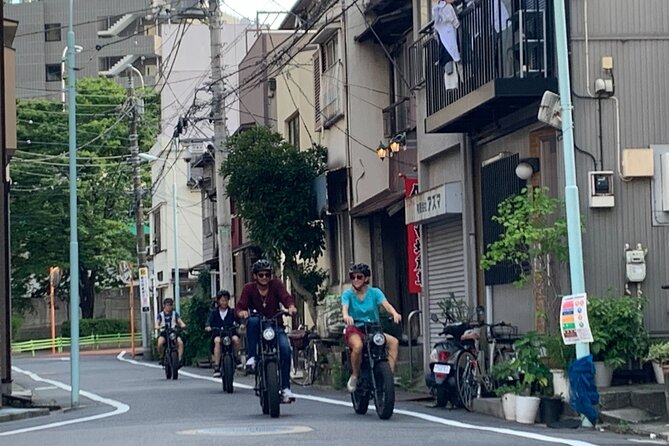
The strongest practical point is that guides appear to take safety seriously. Several accounts praise guides for keeping riders comfortable, explaining road movement, and adjusting to the group. That matters in Tokyo, where much of the ride takes place on streets shared with cars, buses, bicycles, and pedestrians.
One account raised a real concern about a guide moving too fast and going through yellow lights, leaving a rider at the back in a risky position. That should not be brushed aside. If you feel separated from the group, slow down safely and tell the guide. Do not follow through a red light simply to stay together.
You should already know how to ride a bicycle. The e-bike makes hills and distance easier, but it does not remove the need for balance, braking, signaling, and attention. The operator describes the required fitness level as moderate.
Winter gloves are provided, and the bikes are described as comfortable and well maintained in several accounts. On hot days, the electric assistance can make the ride more pleasant, but Tokyo’s summer heat still matters. Wear suitable clothing, drink water, and remember that the tour may finish about 30 minutes late because of traffic.
The experience is not available to children aged 12 or younger. Riders must be taller than 147 centimeters and weigh less than 120 kilograms. Check these rules before paying, especially if you are booking for a family. A previous booking problem involved children being too young to ride, which is exactly the kind of detail that should be confirmed in advance.
What the $63.67 price really buys you
At $63.67 per person, this is not the cheapest way to move around Tokyo. The subway will cost less, and you can visit many public sights independently.
The value comes from combining transport, a guide, an e-bike, helmet, winter gloves when needed, luggage storage, and a snack in one three to four-hour outing. You are also paying for route planning and the confidence of being led through streets that may feel confusing at first.
The small group improves the value. With a maximum of six, this is closer to a personal introduction than a large convoy. The guide can give context at stops, help with photographs, and respond to questions. Several guides, including Hiro, FK, Miky, Sho, and Taiki, have been praised for warmth, clear English, historical explanations, and good pacing.
I would consider the price fair if you want to see several districts in one morning or afternoon. It is less compelling if you dislike cycling in traffic or plan to spend serious time inside Tokyo Tower, teamLab Planets, or other attractions. Those admissions are not part of the ride.
The experience has a 4.9 rating from 715 ratings, with 99 percent recommending it. That strong record supports the value, but the traffic, weather, age, size, and food restrictions still matter more than a number.
Weather, timing, and cancellation details
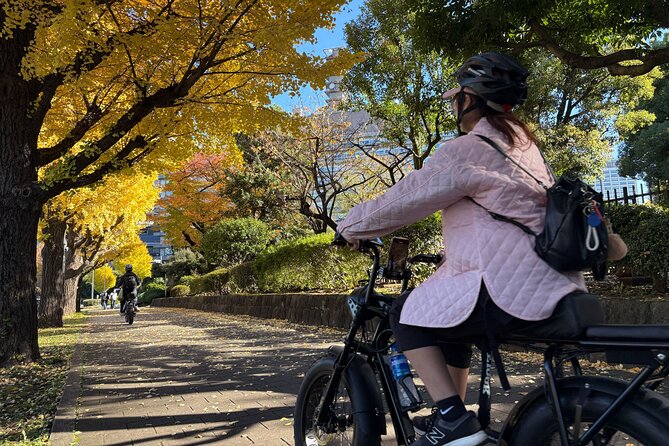
This tour depends on safe cycling conditions. If rain or other poor weather is expected, the operator may contact you the day before with options such as a different date, a rental tour, a special non-bike tour, or a refund. If conditions change on the day, the tour may be canceled for safety.
You can cancel for a full refund up to 24 hours before the start time. Cancellations or changes inside that window are not accepted for a refund.
Choose your departure time with the route in mind. A morning city ride gives you cooler conditions and a fresh start to sightseeing. A late afternoon bay ride can bring sunset and night views. The Tokyo Tower route works well if you want major central sights and a park break rather than waterfront scenery.
Who should book this Tokyo e-bike tour?
I would recommend it to confident bicycle riders who want an active introduction to Tokyo without committing to a hard workout. It suits solo riders, couples, families with older children who meet the height and age rules, and small groups that want a guide rather than a self-guided map.
It is especially useful early in a Tokyo visit. You get a sense of how districts connect, learn a few cultural basics, and discover areas you might otherwise skip. The city route offers the broadest mix, the bay route gives the best sunset potential, and the Tokyo Tower route packs in some of the most recognizable central sights.
I would skip it if you need a fully traffic-free ride, have limited cycling experience, cannot meet the physical requirements, or have food allergies and need a guaranteed suitable snack. You should also avoid booking without checking the selected route, since the three itineraries are not interchangeable.
Should you book it?
Yes, if you want an active and personal way to see Tokyo. The e-bike helps you cover serious ground, the group stays small, and the guides add the local context that a rental bike alone cannot provide.
Pick Tokyo City for gardens, shrines, sweets, and neighborhood streets. Pick Tokyo Bay for sunset, modern architecture, Odaiba, and the giant Gundam. Pick Tokyo Tower for Zojo-ji, central landmarks, government buildings, and Hibiya Park.
Book early if your schedule is tight, arrive 15 minutes ahead, and be honest about your cycling ability. For the right rider, this is a lively, practical three hours that shows Tokyo at street level rather than through a train window.
FAQ
Where does the Tokyo e-bike tour start and finish?
It starts and ends at the same e-bike shop at 6-chōme-11-5 Tsukiji, Chuo City, Tokyo 104-0045, Japan.
How early should I arrive?
You should arrive 15 minutes before the tour start time for the e-bike briefing.
How many people can join the tour?
The maximum group size is six participants.
What routes can I choose from?
You can choose the Tokyo City Route, Tokyo Bay Sunset and Night Route, or Tokyo Tower Route. The stops differ by route, so check the selected itinerary before booking.
Are children allowed to participate?
Participants aged 12 and younger are not permitted. Riders must also be at least 147 centimeters tall.
What happens if the weather is bad?
If the tour is canceled because of poor weather, you may be offered another date or a full refund. The operator may also offer a rental tour or a special non-bike itinerary.
Just added in Tokyo
- MT. FUJI/ Private Tour delivered and guided by a top-tier driver★ 5.0 · 27 reviews
- Mt fuji & Hakone customizable day tour w/ English speaking driver★ 5.0 · 45 reviews
- Fuji Speedway Self Drive & Mt. Fuji Private Tour pickup & dropoff★ 5.0 · 14 reviews
- Mt.Fuji Trekking 1 Day Tour up to the summit★ 5.0 · 14 reviews
- Seasonal Mt. Fuji Scenic Views, Fruit Picking and Ropeway Ride!★ 4.5 · 35 reviews
- Customisable Mt.Fuji Private Day Trip, English Speaking Driver★ 5.0 · 22 reviews
- Private Mount Fuji Tour in Luxury Vehicle with English Guide★ 4.5 · 39 reviews
- Mt. Fuji Highlight Photo Spots One Day Tour from Tokyo★ 4.5 · 36 reviews
Cycling and E-Bike Tours, compared.
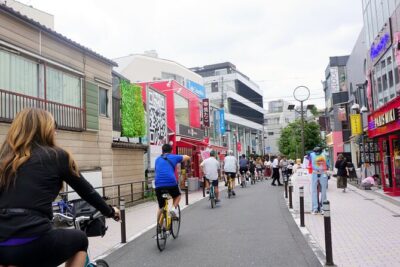
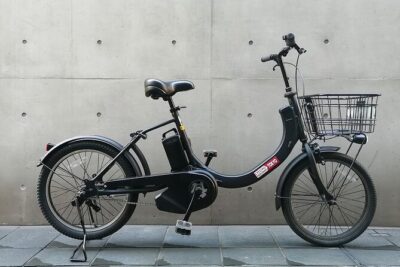
3h Tokyo E-Bike Tour: Hidden Gems, and Local Life with guide
Read our review →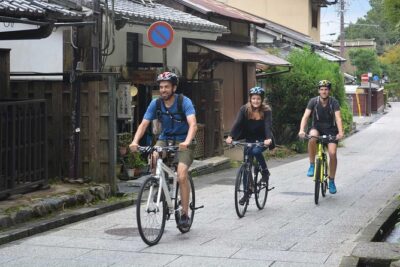
Arashiyama Bamboo Forest & Hidden Gems Bike Tour (Early Bird)
Read our review →
5 Top Highlights of Kyoto Full Day Bike Tour (E-bike option)
Read our review →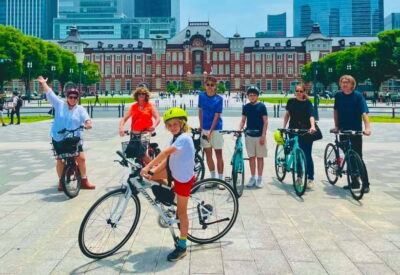

Hiroshima 2hr Peace Cycling Tour with Local Guide
Read our review →
5-Hour Osaka Bike Tour to the Neighborhood of Osaka Castle
Read our review →Browse the lists this tour appears in