
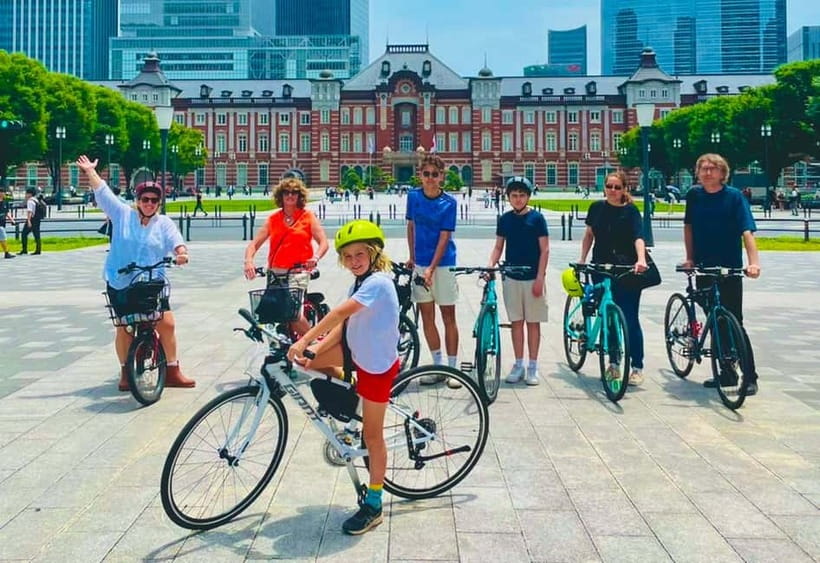
Reviewed · CYCLING AND E-BIKE TOURS
Tokyo: 3-Hour Bike or E-Bike City Highlights Tour
Tokyo is easier on two wheels. This three-hour ride links temples, gardens, grand civic buildings, back streets, and Shibuya’s neon in one brisk outing. I especially like the wide mix of old and new Tokyo and the chance to cover roughly 15 to 20 kilometers without spending the day underground on trains. I also like the friendly guides, including Naoki, KJ, Atsu, and Rikuu, who add history, local tips, and steady encouragement.
The main thing to consider is the cycling itself. You may ride on roads with traffic, shift between sidewalks and streets, and cover a fair distance. The e-bike is worth serious thought if you do not cycle often, have limited stamina, or simply want to save energy for Tokyo’s many neighborhoods.
In This Review
- What makes this Tokyo bike tour worth considering
- Starting near Commodore Perry’s statue
- Zojo-ji and Shiba Park: Tokyo’s calm opening scene
- Hibiya Park and the Imperial Palace area
- Tokyo Station, Ote-mon Gate, and Chidorigafuchi
- Akasaka Palace and the National Stadium
- Aoyama, Cat Street, and the road to Shibuya
- Shibuya Crossing and the neon finish
- What the guides add to the ride
- Standard bike or e-bike?
- Is $45 a good value?
- Who will enjoy this ride most?
- Should you book the Tokyo bike tour?
- FAQ
- How long is the Tokyo bike tour?
- Where does the tour start?
- Where does the tour finish?
- What sights are included?
- Are e-bikes available?
- Are helmets included?
- Is a child seat available?
- What languages do the guides speak?
- Who cannot join the tour?
- What should I bring?
What makes this Tokyo bike tour worth considering
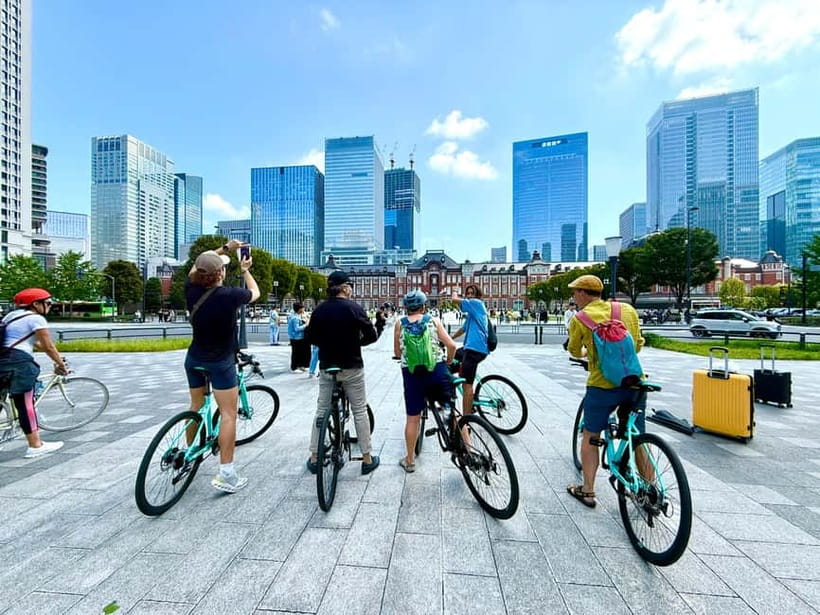
- A long city route in only three hours: See Shiba Park, the Imperial Palace area, Tokyo Station, Akasaka, Aoyama, and Shibuya in one well-packed ride.
- A useful first-day orientation: The route gives you a quick sense of how Tokyo’s central districts fit together, making it easier to choose where to return later.
- E-bikes for hills and distance: The electric option helps when your legs are tired, the weather is warm, or you are not a regular cyclist.
- Guides who add personality: Guides such as Naoki, KJ, Kay, Atsu, and Rikuu are praised for clear English, good humor, local tips, and attention to safety.
- A mix of famous sights and quieter stops: You get major landmarks, small back streets, parks, and one stop described simply as a hidden gem.
- Small-group and private options: A smaller group makes it easier to ask questions and move through city streets together.
Starting near Commodore Perry’s statue
The meeting point is at the Statue of Commodore Perry, about a three-minute walk from Daimon Station’s A6 exit. That location places you near Shiba Park and Zojo-ji, a fitting launch point because Tokyo’s old temple culture is close to modern offices and busy roads.
Bring water, comfortable clothes, and shoes you can pedal in for three hours. Helmets are not included. You can rent one on site for ¥1,000 in cash, per helmet. That extra cost is easy to overlook, so plan for it before you arrive. A child seat is available for ¥3,000, though the tour is not suitable for children under 12.
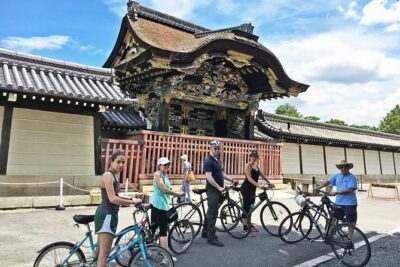
The bikes are high-quality cross bikes from Bianchi and Fuji, depending on availability and the selected option. A small pouch mounted on the bike holds a phone, wallet, or keys. Bike insurance is included, which adds some peace of mind, though you still need to ride confidently and follow the guide’s directions.
More Bike Tours in Tokyo
- Tokyo Great Cycling Tour
★ 5.0 · 811 reviews - Tokyo Top Highlights 3h Guided E-bike Tour
★ 5.0 · 714 reviews - 3h Tokyo E-Bike Tour: Hidden Gems, and Local Life with guide
★ 5.0 · 670 reviews
Zojo-ji and Shiba Park: Tokyo’s calm opening scene
The first major stop is Zojo-ji Temple, with about 15 minutes for a visit and guided explanation. The temple is one of Tokyo’s most memorable places for seeing how the city’s past and present sit side by side. Its traditional setting near Shiba Park and the Tokyo Tower area makes a strong first impression.
You should expect this to be a short introduction, not an extended temple visit. The guide gives context and points out details, then the group moves on. That pace is part of the appeal: you get a useful orientation without spending the first hour in one place.
The ride through Shiba Park also gives you a softer start than jumping straight into the busiest shopping districts. I like this transition because it shows Tokyo as more than towers, signs, and train stations. You get trees, open space, and religious architecture before the route turns toward government and business districts.
Hibiya Park and the Imperial Palace area
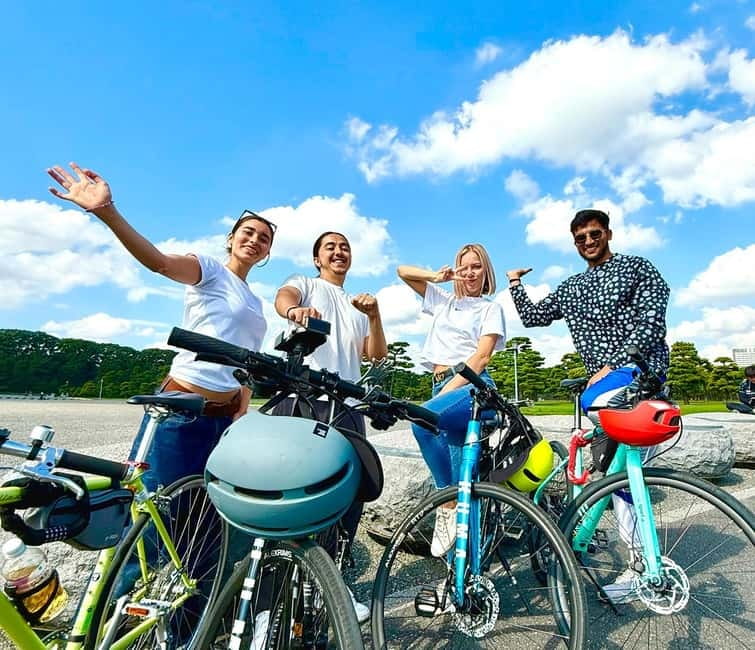
Hibiya Park receives only a brief visit, around three minutes. Think of it as a quick pause and a change of scenery rather than a full park tour. The stop breaks up the riding and gives you a look at a central green space surrounded by Tokyo’s formal office district.
The Imperial Palace is one of the longer stops, with about 15 minutes for photographs, sightseeing, and commentary. The palace grounds are important not just as a royal site, but as a broad center of Tokyo where open space, stone walls, gardens, and government buildings replace the tight streets found elsewhere.
Do not expect to enter palace interiors during this ride. The value here is the setting and the guide’s explanation. You can take photographs, get your bearings, and continue before the group loses momentum.
This is also where pacing matters. The whole route covers a lot of ground, so stops are designed to give you a clear sense of each place rather than a detailed museum-style visit. I find that useful for a first look, but less satisfying if you want long visits at every landmark.
Tokyo Station, Ote-mon Gate, and Chidorigafuchi
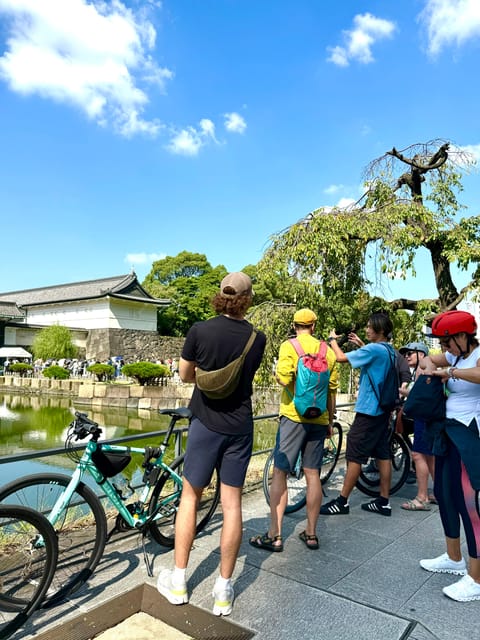
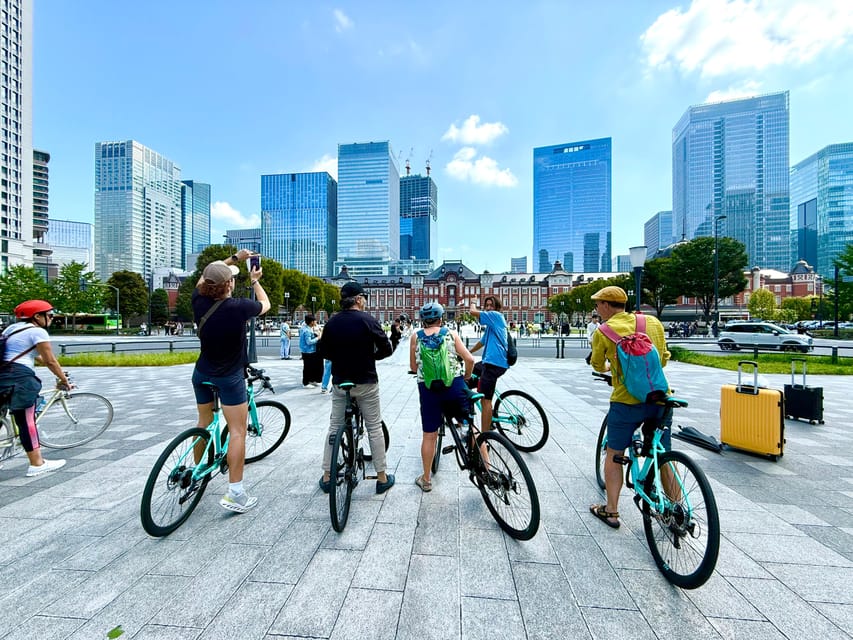
Tokyo Station is scheduled for about 10 minutes. Its grand red-brick exterior gives you one of the city’s best contrasts with the glass towers around it. The stop is mainly for photographs and a quick look, so keep your camera ready and listen for the guide’s explanation before the group sets off.
Next comes Ote-mon Gate, one of the traditional entrances associated with the Imperial Palace grounds. The five-minute stop is short, but the gate helps you picture how fortified entrances once shaped the city. It also gives the ride a useful visual link between the palace area and the modern station district.
Chidorigafuchi is another brief break, with time for photos and a rest. This stretch is especially pleasant during the seasons when the surrounding trees add color, though the tour runs in different weather conditions. One rider completed the route in rain and still found it manageable, while another recommended buying a poncho at FamilyMart if wet weather is forecast.
The practical lesson is simple: Tokyo weather can change your comfort quickly. You can enjoy the ride in rain or summer heat, but water, suitable clothing, and a realistic view of your own stamina matter.
More Sightseeing Tours in Tokyo
- Tokyo: Private City Highlights Tour with Local Guide
★ 4.8 · 1,433 reviews - Tokyo Private Sightseeing Tour by Car- English speaking chauffeur
★ 5.0 · 1,004 reviews - Tokyo: Custom Hidden Gems & Highlights Tour with Local Guide
★ 4.7 · 272 reviews - Mount Fuji Full Day Sightseeing Tour from Tokyo
★ 4.5 · 243 reviews
Akasaka Palace and the National Stadium
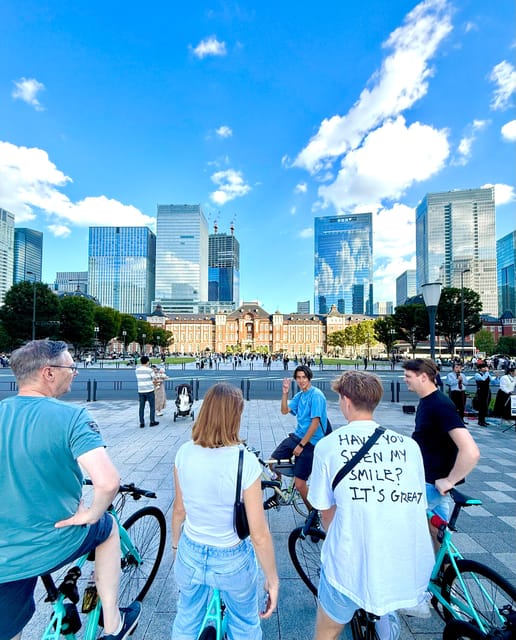
The route then heads toward the State Guest House Akasaka Palace, with about 10 minutes for photographs. The formal architecture gives you a different view of Tokyo, one based on ceremony and state occasions rather than temples or shopping streets.
You do not spend a long time inside the grounds, so this is another exterior-focused stop. That works well for a bike tour because the group can see a major building without giving up too much riding time.
The New National Stadium follows, with around 10 minutes to look around and take photos. The stadium adds a modern sports landmark to the day’s collection of temples, palace walls, parks, and civic buildings. The route keeps changing its visual mood, which is one reason the three hours pass quickly.
A quiet or less obvious local stop follows. The exact place is not specified in advance, and the guide leads the group to it with commentary. That flexibility can be a strength. Instead of only ticking off famous sights, you get a short look at a less expected part of central Tokyo.
Aoyama, Cat Street, and the road to Shibuya
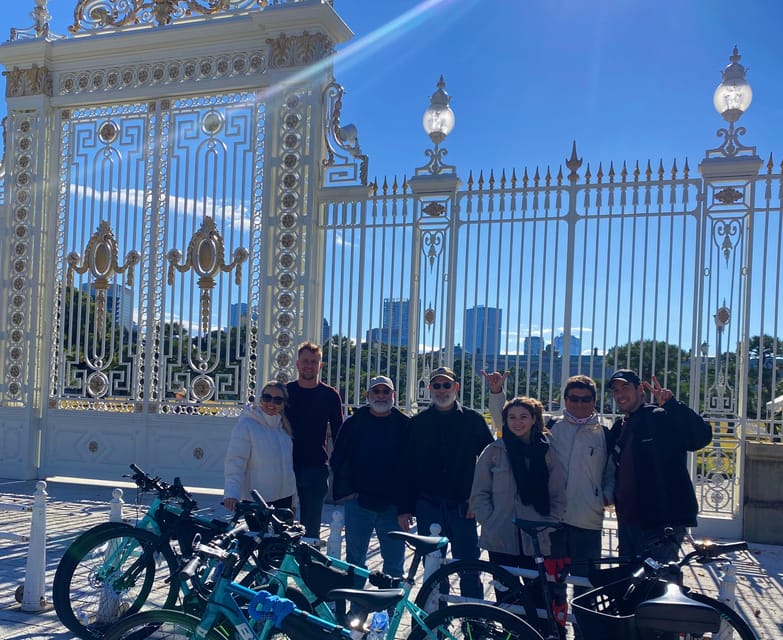
Aoyama St. Grace Cathedral is a quick three-minute photo and sightseeing stop. It is not a long architectural visit, but it adds another change of tone before the route reaches the youth-oriented streets around Harajuku and Shibuya.
Cat Street receives about five minutes. This area is known for its shops, street style, and more relaxed urban feel compared with the giant intersections and department stores nearby. The stop is short, so you will get a taste of the area rather than time to browse.
This section is where the bike becomes especially useful. Tokyo is spread out, and moving between Aoyama, Cat Street, and Shibuya on foot would take more time and energy. The route lets you see the connections between districts instead of experiencing each one as an isolated train station.
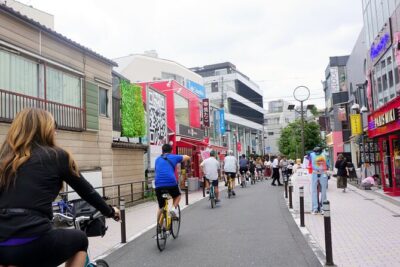
Still, you need to remain comfortable around other road users. One family enjoyed the tour but noted that the ride moved between sidewalk and road traffic. Another rider said the route was not ideal for anyone uneasy cycling on streets. The guides work hard to keep groups together and check on riders, but they cannot remove the basic demands of urban cycling.
Shibuya Crossing and the neon finish
Shibuya Crossing is one of the final major stops, with about 10 minutes for photos and guided commentary. From a bicycle, you approach the district as part of the city rather than simply arriving by train and stepping into the crowd. The scale becomes easier to understand when you have just ridden through the connected streets.
Tower Records Shibuya is a short sightseeing and photo stop. It gives the ending a pop-culture note before the ride finishes at the Bell of Peace. Evening rides can be particularly atmospheric here, with the signs and lights turning Shibuya into a different place from the quieter palace district earlier in the day.
The finish is not at a major railway station, so check your onward plans before booking. The tour ends at the Bell of Peace, and the activity details do not provide a return transfer. This is not a serious problem, but it is worth knowing when planning dinner or your next reservation.
What the guides add to the ride
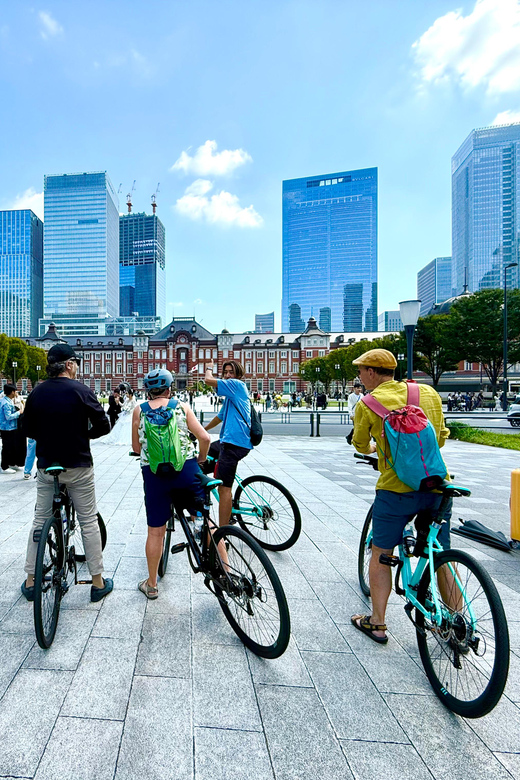
The best part of this tour is not simply the number of places you see. It is having someone explain what you are looking at while you move between them.
Guides such as Naoki, KJ, Kay, Atsu, Rinto, Keiji, Kosei, Miguel, and Rikuu have been praised for clear English, humor, local recommendations, and friendly conversation. Naoki is especially noted for checking that riders were doing well and explaining the meaning behind local traditions. KJ is described as passionate and welcoming, while Rikuu is praised for keeping groups safe in rainy weather and helping with photographs.
The tone is generally relaxed rather than academic. One rider described the outing as more of a sightseeing ride than a talk-heavy guided tour. That is a fair expectation. You receive stories and explanations at the stops, but you are also there to pedal, look around, and keep moving.
Small groups make a difference. Groups of five and six have found the pace comfortable, and larger bookings may be divided into smaller units for easier movement. Private and small-group options are available, which can be useful if your party wants more flexibility or has different cycling speeds.
Standard bike or e-bike?
The standard cross bikes are a good choice if you cycle regularly and like an active city tour. The route may cover roughly 15 to 20 kilometers, and there can be hills or stretches where you will appreciate a reasonable level of fitness.
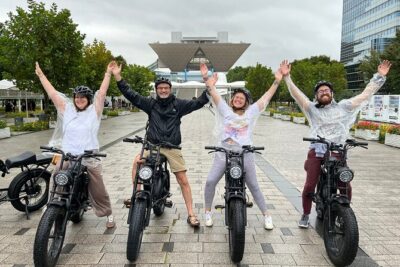
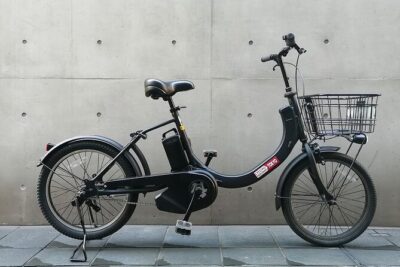
Choose the e-bike if you do not cycle often, feel unsure about the distance, or want to arrive in Shibuya with energy left. Riders have found the electric assistance helpful on hills and after long days of sightseeing. It is not a shortcut around traffic awareness, but it makes the physical effort more manageable.
The tour is not suitable for anyone who cannot ride a bike, people with back problems, pregnant women, or children under 12. If you are comfortable on a bicycle but have not ridden in city traffic, think carefully before booking. The guides provide direction and safety support, but you still need to control the bike, watch your surroundings, and follow road rules.
Is $45 a good value?
At $45 per person, the tour is fairly priced for three hours of bike use, an English-speaking guide, insurance, a bike pouch, and a route covering many central districts. Tokyo sightseeing can become expensive when you book several separate attractions, while this outing lets you see a large part of the city without paying for each exterior stop.
The value is strongest if this is your first or second day in Tokyo. You get a mental map of the city and can mark places to revisit by train or on foot. Several riders used the tour as an early orientation and felt it helped them understand where to spend the rest of their stay.
The price does not include a helmet, which costs ¥1,000 in cash, or a child seat at ¥3,000. Those are modest additions, but include them in your budget. You also need to provide your own water and suitable clothing.
Free cancellation is available up to 24 hours before the start time, and you can reserve now and pay later. Starting times vary, so check availability for the day you want. English and Japanese guiding are offered.
Who will enjoy this ride most?
I would recommend it to first-time Tokyo visitors who want a quick overview and do not mind an active morning or afternoon. It suits couples, families with teenagers over 12, solo visitors, and small groups of friends who want something more direct than a bus tour.
It is also a good choice if you enjoy local conversation. The guides often answer questions about Tokyo and suggest places to visit later. For solo riders, that personal contact can make a large city feel easier to approach.
I would hesitate if you are nervous in traffic, dislike fixed schedules, or want to spend an hour at every temple and palace. The route is full, and each stop is short. Summer heat, rain, and fatigue can also affect the experience, so an e-bike and sensible clothing may be the difference between a great outing and a tiring one.
Should you book the Tokyo bike tour?
Book it if you want to see Tokyo as a connected city, not a string of unrelated train stops. The route covers a remarkable range in three hours, from Zojo-ji and palace walls to Cat Street and Shibuya Crossing, while the guides add stories and practical advice.
Choose the e-bike if you cycle only occasionally. Rent the helmet, carry water, and be ready for some road riding. If that sounds comfortable, this is an efficient and enjoyable introduction to central Tokyo for $45.
FAQ
How long is the Tokyo bike tour?
The tour lasts three hours.
Where does the tour start?
It starts near the Statue of Commodore Perry, about a three-minute walk from Daimon Station’s A6 exit.
Where does the tour finish?
The ride finishes at the Bell of Peace.
What sights are included?
The route includes Zojo-ji Temple, Hibiya Park, the Imperial Palace, Tokyo Station, Ote-mon Gate, Chidorigafuchi, Akasaka Palace, the New National Stadium, Aoyama St. Grace Cathedral, Cat Street, Shibuya Crossing, and Tower Records Shibuya.
Are e-bikes available?
Yes. You can select an e-bike option when booking.
Are helmets included?
No. Helmets are available on site for ¥1,000 per unit, payable in cash.
Is a child seat available?
Yes. A child seat costs ¥3,000 per unit.
What languages do the guides speak?
Guiding is available in English and Japanese.
Who cannot join the tour?
The tour is not suitable for children under 12, pregnant women, people with back problems, or anyone who cannot ride a bike.
What should I bring?
Bring comfortable shoes, water, and comfortable clothes. A poncho may be useful if rain is expected.
Just added in Tokyo
- MT. FUJI/ Private Tour delivered and guided by a top-tier driver★ 5.0 · 27 reviews
- Mt fuji & Hakone customizable day tour w/ English speaking driver★ 5.0 · 45 reviews
- Fuji Speedway Self Drive & Mt. Fuji Private Tour pickup & dropoff★ 5.0 · 14 reviews
- Mt.Fuji Trekking 1 Day Tour up to the summit★ 5.0 · 14 reviews
- Seasonal Mt. Fuji Scenic Views, Fruit Picking and Ropeway Ride!★ 4.5 · 35 reviews
- Customisable Mt.Fuji Private Day Trip, English Speaking Driver★ 5.0 · 22 reviews
- Private Mt Fuji Tour from Tokyo: Scenic BBQ and Hidden Gems★ 5.0 · 146 reviews
- Private Mount Fuji Tour in Luxury Vehicle with English Guide★ 4.5 · 39 reviews
Cycling and E-Bike Tours, compared.
3h Tokyo E-Bike Tour: Hidden Gems, and Local Life with guide
Read our review →
Arashiyama Bamboo Forest & Hidden Gems Bike Tour (Early Bird)
Read our review →
5 Top Highlights of Kyoto Full Day Bike Tour (E-bike option)
Read our review →
Hiroshima 2hr Peace Cycling Tour with Local Guide
Read our review →
5-Hour Osaka Bike Tour to the Neighborhood of Osaka Castle
Read our review →Browse the lists this tour appears in