
Reviewed · CITY TOURS AND SIGHTSEEING
Tokyo: Private City Highlights Tour with Local Guide
Tokyo rewards a good plan. This private tour pairs a flexible route with a nationally licensed local guide, so you can focus on the sights that matter most to you instead of following a fixed group itinerary. I especially like the chance to combine famous places such as Senso-ji, the Imperial Palace, and Meiji Jingu with less expected stops such as Nezu or Kappabashi.
I also like the practical help with Tokyo’s trains. Guides including Atsushi, Kenji, Kei, and Yumi have helped visitors learn the subway system while moving around the city. The main drawback is simple: $106 covers the guide, not your meals, tickets, or transport, and a full day on foot can be tiring, especially in summer.
- Your route is built around your interests: Choose from Asakusa, Harajuku, Tsukiji, Akihabara, gardens, shrines, shopping streets, and more.
- The guide meets you at your hotel: Pickup and drop-off are included, but you travel by foot, train, or local taxi rather than a private car.
- A licensed guide adds cultural context: The national Tour Guide-Interpreter certification requires study of Japanese culture and history.
- Tokyo’s transit system becomes part of the lesson: You can learn how to move around the city on your own after the tour.
- Four to eight hours gives you control: A four-hour morning works for first bearings, while eight hours allows a full city day.
- The strongest value is personal attention: Families, first-time visitors, and people with specific interests can adjust the pace and route.
In This Review
- A Flexible First Day in Tokyo
- Starting at Senso-ji in Asakusa
- Imperial Palace Gardens and Tokyo’s Quiet Center
- Tsukiji for Food and Everyday Tokyo
- Meiji Jingu and Harajuku’s Sharp Contrast
- Shibuya, Shinjuku, and the Big City View
- Nezu, Akihabara, and Other Choices
- Walking, Trains, and the Real Cost
- Four Hours or Eight Hours?
- The Guide Makes the Difference
- Who Should Book This Tokyo Tour?
- Should You Book It?
- FAQ
- How long does the Tokyo private city tour last?
- What places can I visit?
- Is the itinerary fixed?
- Does the guide pick me up at my hotel?
- How do we travel between attractions?
- Is lunch included?
- Are entrance fees included?
- What languages are available?
- Can I cancel for a full refund?
A Flexible First Day in Tokyo
This is not an off-the-shelf bus tour. Before the day begins, your guide contacts you to discuss what you want to see and then shapes the route around those priorities. Guides have adjusted plans for young children, hot weather, shopping interests, food preferences, and requests for quieter local areas.
That planning matters in Tokyo. The city’s sights are spread across separate districts, and crossing town can eat up time. A private guide can help you avoid building an impossible wish list, then use the train network and walking routes to connect the places that fit.
The available stops include:
- Asakusa and Senso-ji Temple
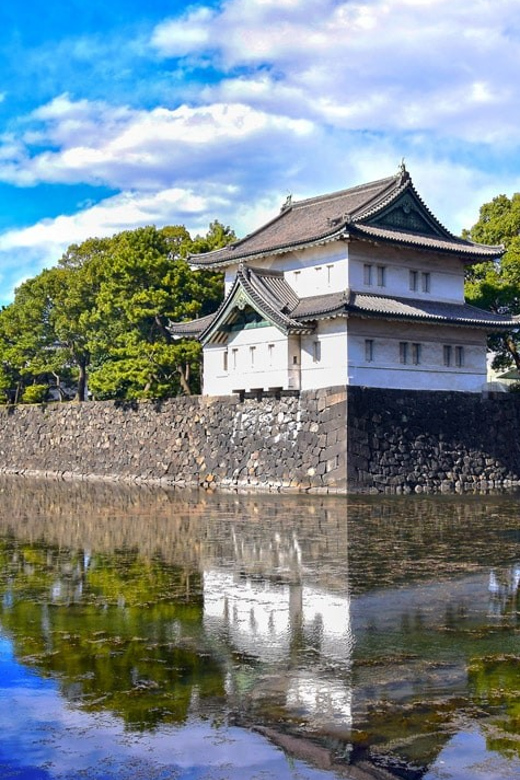
- The Imperial Palace and its outer or east gardens
- Shinjuku Gyoen National Garden
- Tsukiji Fish Market
- Meiji Jingu Shrine
- Akihabara
- Hama Rikyu Gardens
- Harajuku and Takeshita Street
- Nezu
- Shinjuku Golden Gai
You do not need to visit all of them. In fact, trying to cover every stop in eight hours would leave little time to look, eat, or ask questions. I would choose three or four major areas for a six-hour tour, or two districts for a relaxed four-hour outing.
Starting at Senso-ji in Asakusa

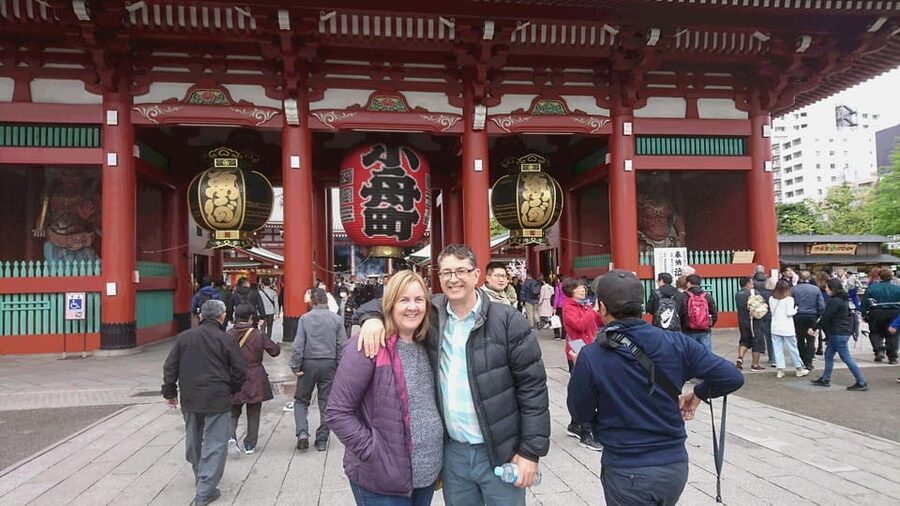
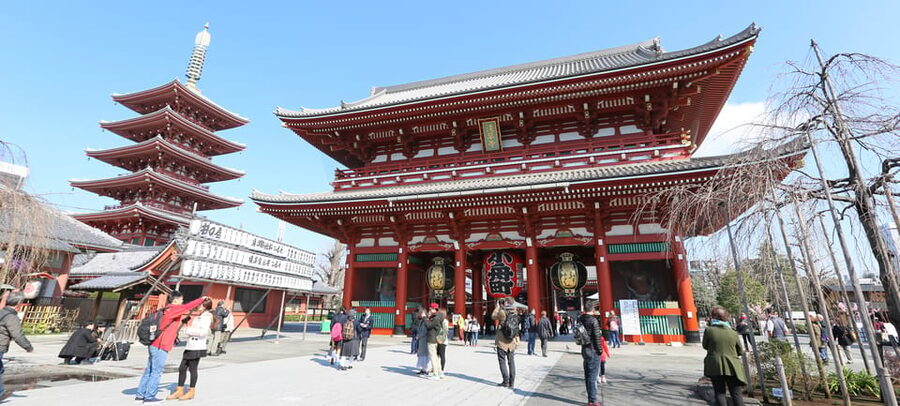
Asakusa is one of the easiest places to begin. Senso-ji Temple gives you an immediate introduction to Japanese religious customs, traditional architecture, and Tokyo’s older character.
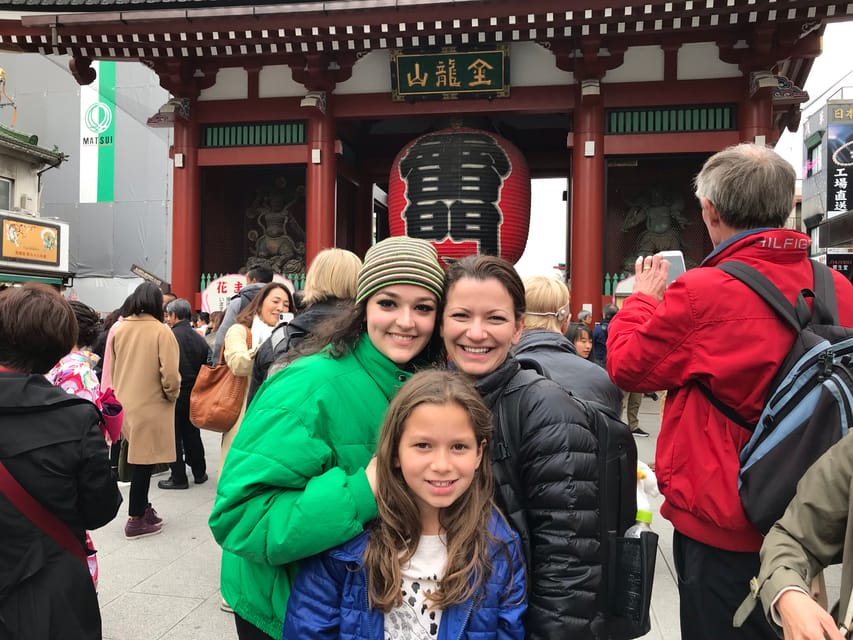
You can expect to approach through the famous Kaminarimon gate and walk along Nakamise-dori, the shopping street leading toward the temple. The area can be busy, but that is part of its appeal. Your guide can explain what you are seeing rather than leaving you to guess at the symbols, rituals, and offerings.
Asakusa works especially well for first-time visitors because it provides a clear contrast with Tokyo’s neon districts. You get a sense of the city before modern high-rises and giant screens take over the view. If you are interested in religious traditions, ask your guide about shrine and temple customs, or about goshuin books and stamps. Kenji introduced this idea to one group, and it became a favorite way to collect meaningful souvenirs.
The limitation is time. Senso-ji, Nakamise-dori, and nearby streets can easily fill half a day. If you want to shop, eat, and explore every lane, tell your guide early so the rest of the route can be trimmed.
More Sightseeing Tours in Tokyo
- Tokyo Private Sightseeing Tour by Car- English speaking chauffeur
★ 5.0 · 1,004 reviews - Tokyo: 3-Hour Bike or E-Bike City Highlights Tour
★ 4.8 · 435 reviews - Tokyo: Custom Hidden Gems & Highlights Tour with Local Guide
★ 4.7 · 272 reviews
Imperial Palace Gardens and Tokyo’s Quiet Center
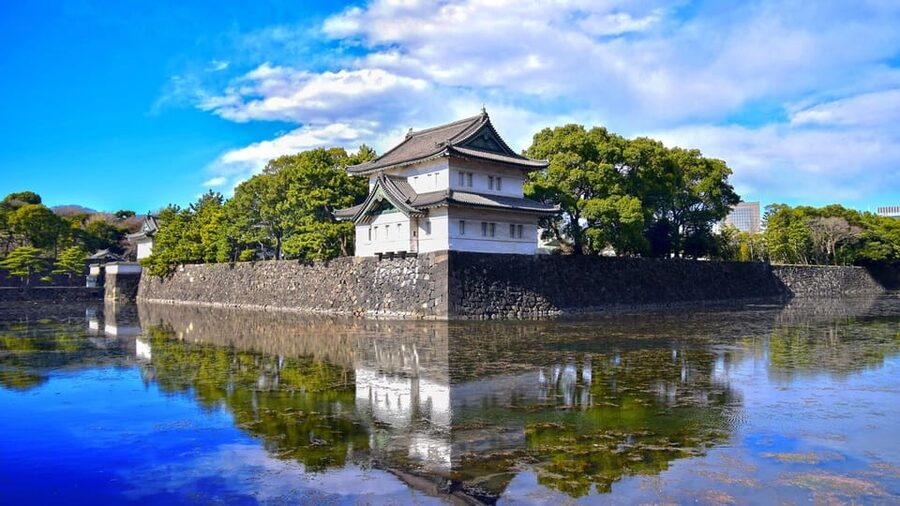
The Imperial Palace area offers a change of pace. The outer garden and east garden areas provide open space and a quieter setting among the city’s office towers.
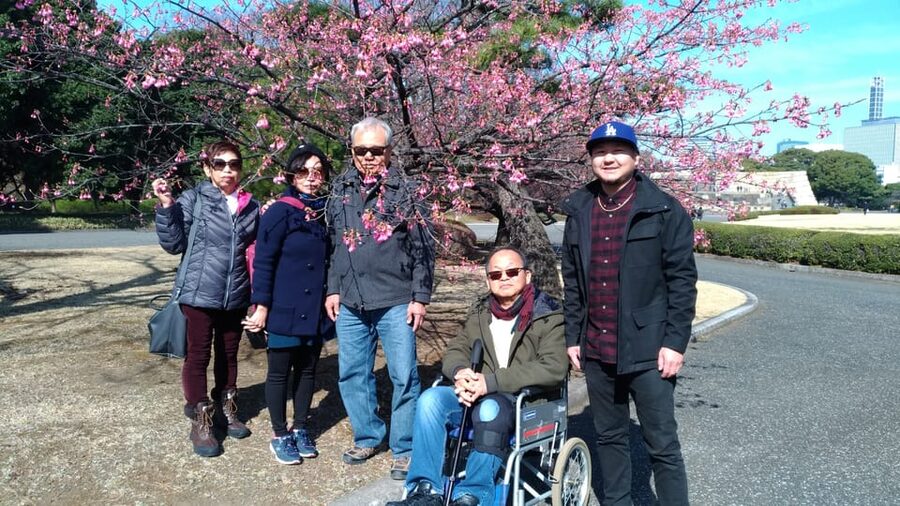
This stop is valuable because it shows how Tokyo can shift from crowded streets to calm paths within minutes. Guides can explain the role of the Imperial Palace and point out seasonal features. Autumn foliage, garden design, and the importance of foliage viewing have all added extra meaning for visitors who might otherwise see only a pleasant park.
Access to some palace areas depends on the date and special opening arrangements. Do not assume that every part of the grounds will be available on every tour. Your guide can explain what is open and adjust the plan.
The gardens also require walking. Bring comfortable shoes and allow time for a drink break. The route is not a private vehicle tour, so you may walk from the station, through the gardens, and onward to your next stop.
Tsukiji for Food and Everyday Tokyo
Tsukiji Fish Market is a strong choice if food is central to your visit. The market area offers a chance to sample Japanese food and observe the way local shopping and dining work in a busy central district.
Lunch is not included, but that is not necessarily a weakness. You can choose what suits your group, and your guide can help you find a place that works for different tastes. One family appreciated a lunch area with varied food stalls, while another group enjoyed a ramen experience with an anime-style setting.
Use the market as a food stop, not only as a quick photo opportunity. Ask about the dishes you see and how the market area fits into Tokyo’s food culture. Since personal spending is separate, keep some Japanese Yen available for snacks and lunch.
Crowds, heat, and narrow walkways can make Tsukiji tiring. If you have young children or mobility concerns, discuss the route in advance. The activity is listed as wheelchair accessible, but the exact path and crowded market conditions still deserve a conversation with the guide.
Meiji Jingu and Harajuku’s Sharp Contrast
Meiji Jingu Shrine sits in a forested setting between the busy areas of Shibuya and Shinjuku. It is one of the best places on the route to see how Tokyo connects religious tradition with modern city life.
The approach gives you a sense of quiet and space. Your guide can explain shrine etiquette, purification, offerings, and the historical background of the shrine. This is where a licensed guide adds real value. You are not simply walking through trees toward a large gate. You are learning how the place is used and why its customs matter.
Afterward, Harajuku provides a lively contrast. Takeshita Street is known for youth fashion, colorful shops, and kawaii culture. It can be crowded and intense, but it gives you a quick look at a very different side of Tokyo.
I would not try to spend a long time at both Meiji Jingu and Takeshita Street unless those are your main interests. The pairing works best as a short cultural lesson followed by a taste of modern youth culture. If you want shopping time, be clear about that before the tour begins.
A completely different kind of day out:
- Tokyo Disney Resort – Tokyo Disneyland & Tokyo DisneySea Park Tickets
★ 4.8 · 99,488 reviews - SHIBUYA SKY Ticket
★ 4.7 · 46,509 reviews - JR Whole Japan Rail Pass
★ 4.8 · 29,150 reviews - Mt Fuji and Hakone 1-Day Bus Tour Return by Bullet Train
★ 5.0 · 26,383 reviews
Shibuya, Shinjuku, and the Big City View
Shibuya Crossing is not listed among the main stops in the basic description, but guides have included it when it suited the route. The crossing gives you the familiar Tokyo scene of crowds moving in every direction, surrounded by signs, shops, and tall buildings.
The attraction is brief. You cross, look around, and take in the scale of the district. Its real value comes from connecting the spectacle to practical advice about getting around and finding nearby food.
Shinjuku offers several different experiences. Shinjuku Gyoen National Garden brings calm lawns and gardens, while Golden Gai presents a much tighter maze of small drinking establishments. These stops appeal to different moods, so choose one based on your interests and energy.
One important lesson from the tour is that conditions can change. A protest or an unexpected crowd may make Shinjuku less pleasant on a particular day. A good guide can shift the route to Meiji Jingu or another quieter stop instead of forcing you through an uncomfortable area.
Nezu, Akihabara, and Other Choices
Nezu is a good pick if you want a less standard route. The neighborhood includes shrines and older-feeling streets, and it can suit visitors who have already seen the headline sights or want a calmer look at Tokyo.
Akihabara is the obvious choice for electronics, anime, manga, games, and pop culture. It is not the best use of time if your main goal is traditional Japan, but it can be a highlight for families or anyone with a strong interest in Japanese popular culture.
Hama Rikyu Gardens offer another change of mood. The gardens bring water, paths, and a pause from the city’s hard edges. A guide can help you notice details you might pass without context, including garden features and koi.
Kappabashi is not among the standard list, but it has been added for people interested in cooking. Its kitchenware shops can make a memorable side trip, especially if you want a practical souvenir instead of another keychain.
These optional choices show why you should send your guide a clear wish list. Mention food, gardens, shopping, religious sites, anime, history, children, or quieter neighborhoods. The more specific you are, the more useful the route can become.
Walking, Trains, and the Real Cost
The advertised price is $106 per person. That is a fair price for a private experience with a licensed guide, especially if two or more people share the guide’s time and use the tour to learn Tokyo’s transit system.
Still, the price is not all-inclusive. You pay separately for:
- Train, subway, or local taxi fares
- Entrance fees
- Lunch and snacks
- Personal purchases
- Any other personal expenses
A private vehicle is not provided. Pickup takes place on foot, and the tour uses public transportation or local taxis between districts. Discuss the route and expected transport costs with your guide, and carry Japanese Yen for those fares.
The transport arrangement is a benefit as well as a limitation. You avoid the cost of hiring a car, and you learn the system you will use for the rest of your trip. Guides have helped visitors use phone-based train access and understand the subway well enough to travel independently afterward.
The day involves plenty of walking, even when trains connect the main districts. Comfortable shoes are essential. In hot weather, ask for regular cool stops. A guide named Sam adjusted breaks during a hot day, while Tako changed plans for a family with children. That kind of flexibility is one of the main reasons to choose a private tour.
The activity is wheelchair accessible, but Tokyo stations and crowded streets can vary in ease. Explain your needs before the tour so the route can be adapted sensibly.
Four Hours or Eight Hours?
The four-hour version suits you if you want help on your first morning, a quick introduction to the city, or a focused route around two nearby areas. A four-hour plan might pair Asakusa with the Imperial Palace, or Meiji Jingu with Harajuku and Shibuya.
A six-hour tour gives you more room. You can combine major sights with lunch and still allow time for explanations and train transfers. One successful route included Senso-ji, Nakamise-dori, the Imperial Palace East Gardens, Tsukiji, and Meiji Jingu.
Eight hours is best for a full first-day orientation. You can cover several districts, stop for food, and still leave room for adjustments. The tradeoff is stamina. Seeing more does not always mean enjoying more, especially in summer or with children.
Tell your guide what pace you prefer. Some people want to move quickly and see as much as possible. Others want time in shops, gardens, and food markets. Both approaches can work, but they require different itineraries.
The Guide Makes the Difference
The experience depends heavily on the individual guide. The strongest pattern is careful planning, clear explanations, and a friendly manner.
Fumiko has been praised for strong preparation and presentation. Atsushi has helped visitors understand the subway while explaining Japanese history, and Kenji has combined religious customs, gardens, seasonal traditions, and special palace access into a carefully adjusted day. Yumi has worked well with families, including an 11-year-old who wanted the tour to continue.
English and Japanese are available. English ability can vary in style from guide to guide, but many visitors have found their guides easy to understand and comfortable to talk with. Guides such as Noripy, Kazuo, Nori, and Rumi have been especially effective at shaping the day around personal interests.
You are not guaranteed a particular guide when booking. That makes the pre-tour contact important. Reply with your must-see places, preferred pace, food needs, mobility concerns, and any areas you have already visited.
The guide may contact you within seven days, and the tour is not confirmed until that communication takes place. If no guide is available, the provider contacts you.
Who Should Book This Tokyo Tour?
I would choose this tour for a first visit to Tokyo, particularly if the city feels overwhelming or you do not want to lose your first day to train maps and route planning.
It is also a strong fit for families. The guide can add breaks, change the order of stops, and choose places that are easier for children. A group with mixed interests can divide the day among temples, food, gardens, shopping, and pop culture.
This tour suits you if you want:
- A private guide rather than a large group
- Help using trains and subways
- Cultural explanations at shrines and temples
- A route built around your interests
- Advice for the rest of your Tokyo stay
- The option to see familiar sights and less expected neighborhoods
You may prefer to skip it if you already know Tokyo’s train system, enjoy planning every detail, or want a tour with private transportation and all entrance fees included. You should also think twice about the eight-hour option if long walks are difficult.
Should You Book It?
Book this tour if you want a smart introduction to Tokyo that teaches you how to continue exploring on your own. The best value is not simply the number of sights you can see. It is the combination of route planning, cultural explanation, local food advice, and practical train help.
Choose four hours for a focused introduction, six hours for a balanced day, or eight hours if you want a broad overview and can handle the walking. Before you go, send a short list of priorities and confirm the extra costs for transport, food, and admission.
For a first day in Tokyo, this is an efficient and personal way to get oriented without being locked into someone else’s schedule.
FAQ
How long does the Tokyo private city tour last?
The tour lasts between four and eight hours. Available starting times depend on the date you select.
What places can I visit?
Possible stops include Asakusa, Senso-ji Temple, the Imperial Palace, Shinjuku Gyoen National Garden, Tsukiji Fish Market, Meiji Jingu Shrine, Akihabara, Hama Rikyu Gardens, Harajuku, Takeshita Street, Nezu, and Shinjuku Golden Gai.
Is the itinerary fixed?
No. The tour is fully customizable, and the guide shapes the itinerary around your preferences.
Does the guide pick me up at my hotel?
Yes. Hotel pickup and drop-off are included. Pickup takes place on foot because a private vehicle is not included.
How do we travel between attractions?
The tour uses walking, public transportation, or local taxis. You pay your own transportation costs and should carry Japanese Yen.
Is lunch included?
No. Lunch, snacks, and personal expenses are not included.
Are entrance fees included?
No. You pay entrance fees for yourself separately.
What languages are available?
The tour is available with a live guide in English or Japanese.
Can I cancel for a full refund?
Yes. You can cancel at least 24 hours before the tour starts for a full refund. You can also reserve now and pay later, so no payment is required at the time of booking.
Just added in Tokyo
- MT. FUJI/ Private Tour delivered and guided by a top-tier driver★ 5.0 · 27 reviews
- Fuji Speedway Self Drive & Mt. Fuji Private Tour pickup & dropoff★ 5.0 · 14 reviews
- Mt.Fuji Trekking 1 Day Tour up to the summit★ 5.0 · 14 reviews
- Mt fuji & Hakone customizable day tour w/ English speaking driver★ 5.0 · 45 reviews
- Seasonal Mt. Fuji Scenic Views, Fruit Picking and Ropeway Ride!★ 4.5 · 35 reviews
- Customisable Mt.Fuji Private Day Trip, English Speaking Driver★ 5.0 · 22 reviews
- Private Mt Fuji Tour from Tokyo: Scenic BBQ and Hidden Gems★ 5.0 · 146 reviews
- Private Mount Fuji Tour in Luxury Vehicle with English Guide★ 4.5 · 39 reviews
City Tours and Sightseeing, compared.
Tokyo Private Sightseeing Tour by Car- English speaking chauffeur
Read our review →
Naha: North Okinawa Sightseeing Tour & Churaumi Aquarium
Read our review →
Private Highlights Tour with Guide and Luxury Vehicle
Read our review →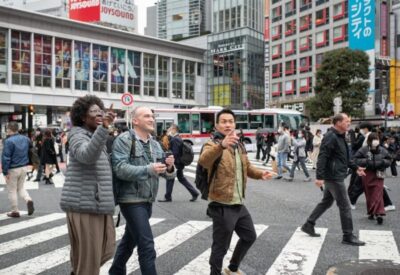
Custom Hidden Gems & Highlights Tour with Local Guide
Read our review →
Mount Fuji Full Day Sightseeing Tour from Tokyo
Read our review →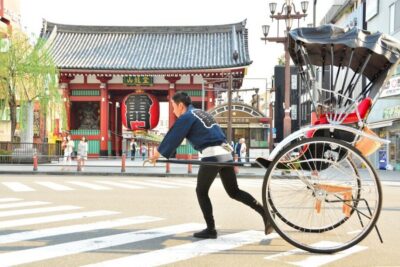
Browse the lists this tour appears in