
Reviewed · CITY TOURS AND SIGHTSEEING
Tokyo: Asakusa Sightseeing Tour by Rickshaw
See Asakusa from street level.
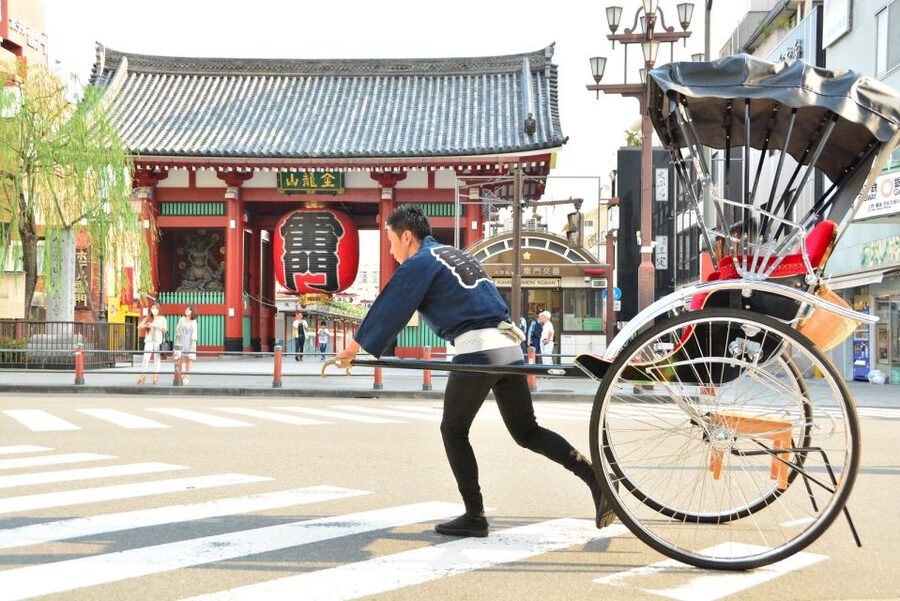
This private rickshaw ride offers two things I especially like: clear local storytelling and a close look at corners of Asakusa you could easily miss on foot. You pass Senso-ji, Asakusa Shrine, Bentendo Hall, Sumida Park, Denpoin Street, and the old Rokku district while your guide handles the traffic and takes photos.
The main drawback is the price for a short ride. At $35 per person, the 30-minute option gives you a taste rather than a full tour, and each rickshaw has room for only two adults. Summer heat, hills, and the physical work required of the guides are also worth considering.
In This Review
- Key points to know before booking
- Why a rickshaw works so well in Asakusa
- Meeting your guide near Asakusa Station
- Senso-ji, Asakusa Shrine, and the first cultural lessons
- Hanakawado and the everyday side of Asakusa
- Sumida Park and the seasonal view
- Tanuki-doori, Rokku, and old entertainment streets
- Denpoin Street and the return through Nishi Shitamachi
- What the guides add to the ride
- Choosing between 30, 70, 90, 120, and longer rides
- Is $35 per person good value?
- Comfort, weather, and practical limits
- Who should book this Asakusa ride?
- Should you book it?
- FAQ
- Where does the Asakusa rickshaw tour meet?
- Are there multiple Asakusa stations?
- How long is the rickshaw ride?
- Is the rickshaw private?
- How many adults fit in one rickshaw?
- Can young children ride for free?
- What languages do the guides speak?
- Is the experience wheelchair and stroller accessible?
- Are food and drinks included?
- Can the route be changed?
Key points to know before booking
- The route mixes famous sights with everyday Asakusa: You see major temples and shrines, then slip into older streets, shopping areas, gardens, and entertainment quarters.
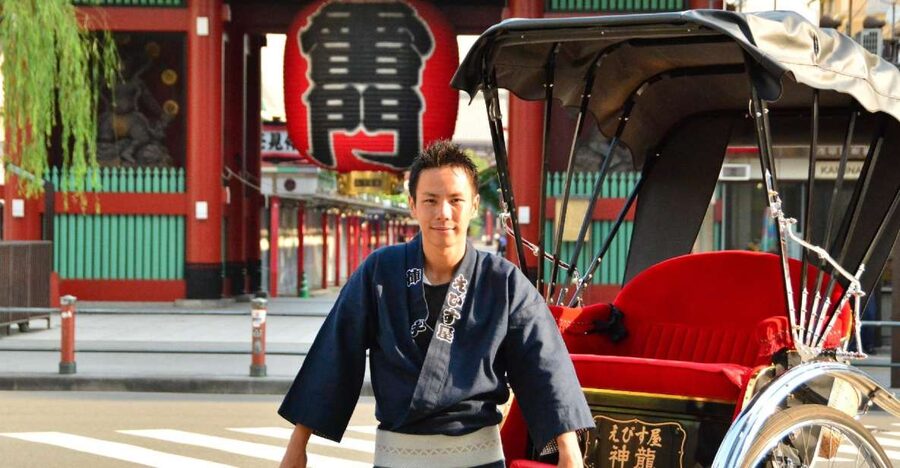
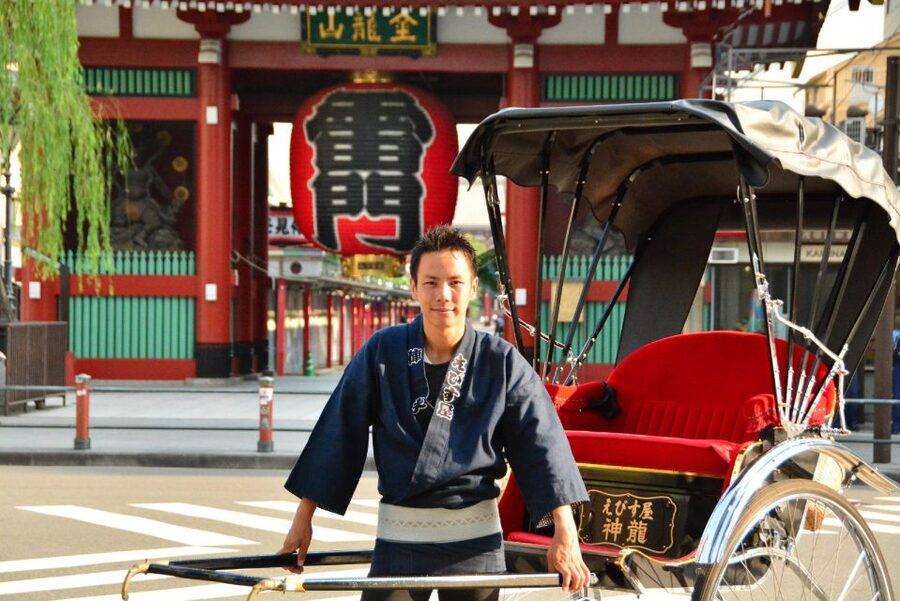
- Your guide is the heart of the experience: Guides such as Masa, Kazu, Shima, Taku, Yusuke, and Ryu Buchi have been praised for humor, English skills, cultural explanations, and thoughtful photo stops.
- The 70 to 120-minute options offer the best balance: A short ride is fun, but longer tours allow time for quieter temples, Sumida Park, Rokku, Denpoin Street, and route changes based on your interests.
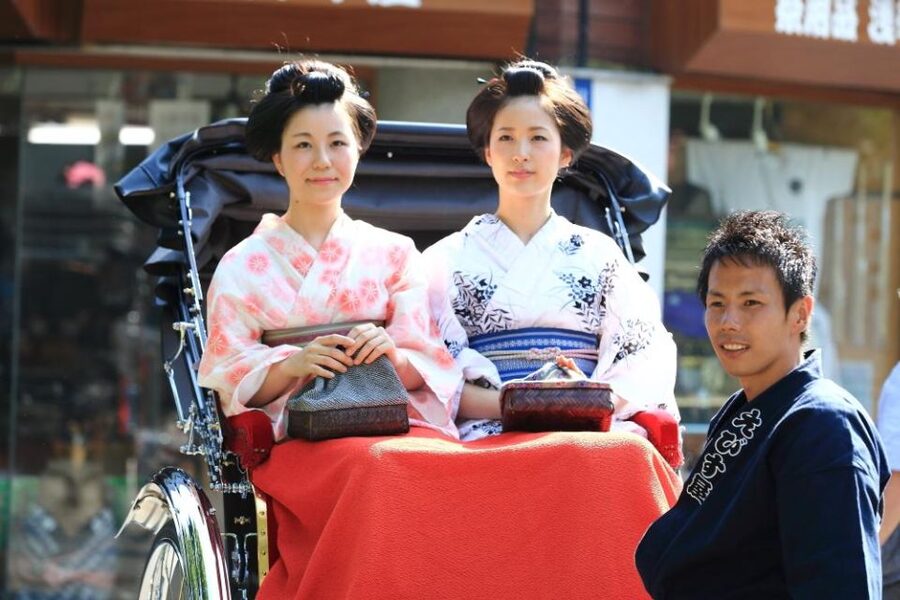
- It is a private ride, not a large group outing: You travel in your own rickshaw with a local guide, making the experience especially useful for families, couples, and first-time visitors.
- The meeting point needs care: Go to Exit 1 of Asakusa Station on the Tokyo Metro Ginza Line. Asakusa has several stations and many exits, so the wrong one can leave you well away from the stand.
- The seats are narrow: Each rickshaw is 74 centimeters wide. Individual rickshaws may be more comfortable for some adults, especially on a longer ride.
Why a rickshaw works so well in Asakusa
Asakusa is compact enough to explore on foot, but its streets can be confusing and crowded. A rickshaw gives you a moving seat, a local escort, and a quick orientation to the district.
You sit high enough to see over some of the street activity, yet low enough to notice shop signs, small shrines, old buildings, and details that pass quickly from a taxi window. The pace is slow enough for explanations and photographs, but faster than walking between every stop.
I also like the personal nature of the ride. This is a private group experience, so you can ask questions, request photo stops, and customize the route around your interests. One guide took a family toward anime-related spots, while another helped visitors choose food and places to visit after the ride.
The tone can be playful. Ryu Buchi sang Justin Bieber songs with a child, and other guides used jokes and pop-culture references to keep younger passengers interested. That matters in Asakusa, where a long temple explanation can lose a child after about 30 seconds.
More Sightseeing Tours in Tokyo
- Tokyo: Private City Highlights Tour with Local Guide
★ 4.8 · 1,433 reviews - Tokyo Private Sightseeing Tour by Car- English speaking chauffeur
★ 5.0 · 1,004 reviews - Tokyo: 3-Hour Bike or E-Bike City Highlights Tour
★ 4.8 · 435 reviews
Meeting your guide near Asakusa Station
The meeting point is the rickshaw stand just outside Exit 1 of Asakusa Station on the Tokyo Metro Ginza Line. The map pin takes you close, but you still need to walk a few meters along the street to reach the stand.
This detail deserves attention because Asakusa has two stations with the same name on different subway lines. It also has many exits spread across a large area. One family accidentally used the wrong exit and needed help finding the stand, while another group was met near the station with a sign.
I would arrive early and check the rail line, not just the station name. If your train arrives at a different Asakusa station, allow extra time to walk. A late arrival can shorten a tour that is already limited by the clock.
The guides speak English and Japanese. English ability varies by individual, but many guides have been praised for explaining local customs clearly and keeping conversation easy. If detailed historical explanation is your top priority, you may want to choose a longer tour and tell the operator that this matters to you.
Senso-ji, Asakusa Shrine, and the first cultural lessons
The ride commonly begins near the district’s best-known religious sights. Senso-ji is Tokyo’s oldest temple, and Asakusa Shrine sits beside it. This pairing lets you see Buddhist and Shinto traditions close together.
Your guide can explain the basic customs before you explore more on your own. At a small temple, one guide described the order of washing your hands, rinsing your mouth, and using the water container. Another explanation covered incense, including why visitors gather the smoke toward their bodies.
These small lessons are more useful than a list of dates. You learn what people are doing in front of you and how to behave respectfully. If this is your first day in Japan, that practical context can improve the rest of your trip.
Bentendo Hall is another religious stop mentioned along the route. It gives the ride a break from the main temple approach and helps show that Asakusa is more than one grand gate and a busy shopping street.
The major temple area can be crowded, so do not expect quiet contemplation at every stop. The value here is having someone point out what matters before you return later to explore on foot.
Hanakawado and the everyday side of Asakusa
The ride continues toward Hanakawado, known for shoe shopping. This is a useful change of pace after the temples. Instead of focusing only on grand buildings, you see a working shopping district and the ordinary commercial side of the neighborhood.
A rickshaw lets you cover this area without giving up your walking time for the rest of the day. Your guide may point out places to eat or things to try, and you can ask for suggestions suited to your plans.
This section is also a reminder that Asakusa is not a museum set. It remains a lived-in district with shops, commuters, side streets, and local routines. I prefer tours that make room for that everyday view, and this one does.
A completely different kind of day out:
- Tokyo Disney Resort – Tokyo Disneyland & Tokyo DisneySea Park Tickets
★ 4.8 · 99,488 reviews - SHIBUYA SKY Ticket
★ 4.7 · 46,509 reviews - JR Whole Japan Rail Pass
★ 4.8 · 29,150 reviews - Mt Fuji and Hakone 1-Day Bus Tour Return by Bullet Train
★ 5.0 · 26,383 reviews
Sumida Park and the seasonal view
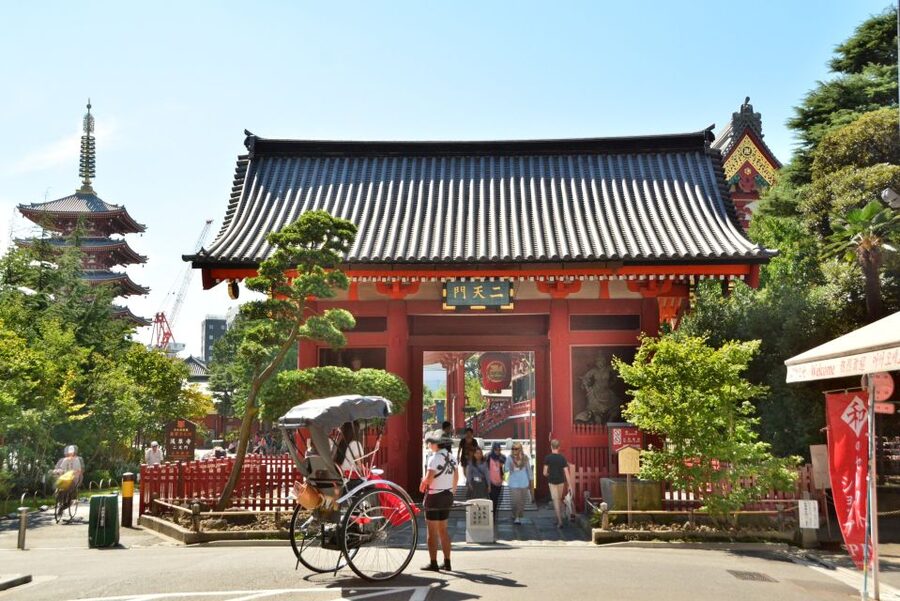
Sumida Park is one of the most appealing parts of the route. The park runs along the Sumida River and is especially attractive in spring, when thousands of cherry trees bloom.
The exact view depends on the season, of course. In spring, the trees are the draw. In other months, you still get greenery, open space, river views, and a welcome pause from the tighter streets around Senso-ji.
One winter ride took place in rain and snow, but the passengers were given blankets and heated seats. That kind of comfort can make a major difference when you are sitting still outdoors. Summer presents the opposite problem. A guide may keep the ride pleasant with speed and airflow, but heat and humidity can still be tiring.
If cherry blossoms are important to you, remember that bloom timing changes each year. The park is worth seeing outside spring as well, but do not book solely on the promise of flowers unless your dates line up.
Tanuki-doori, Rokku, and old entertainment streets
The route moves into quirkier parts of Asakusa, including Tanuki-doori and the historic Rokku district. Rokku is associated with adult theaters and older entertainment venues, so this part may feel different from the temple grounds.
That contrast is one of the ride’s strengths. Within a short distance, Asakusa shifts from sacred spaces to shopping streets, amusements, theaters, and small lanes. You get a more complete picture of the district than a visit limited to Senso-ji.
The subject matter may not suit every child, especially if your guide points out the adult entertainment side of Rokku in detail. Families can ask for a route adjusted to their interests. The activity is private, so you are not tied to a fixed group’s pace or preferred stops.
The guides also point out Hanayashiki, Japan’s oldest amusement park. Even if you do not enter, it makes a memorable photo stop and adds another layer to Asakusa’s old-fashioned character.
Denpoin Street and the return through Nishi Shitamachi
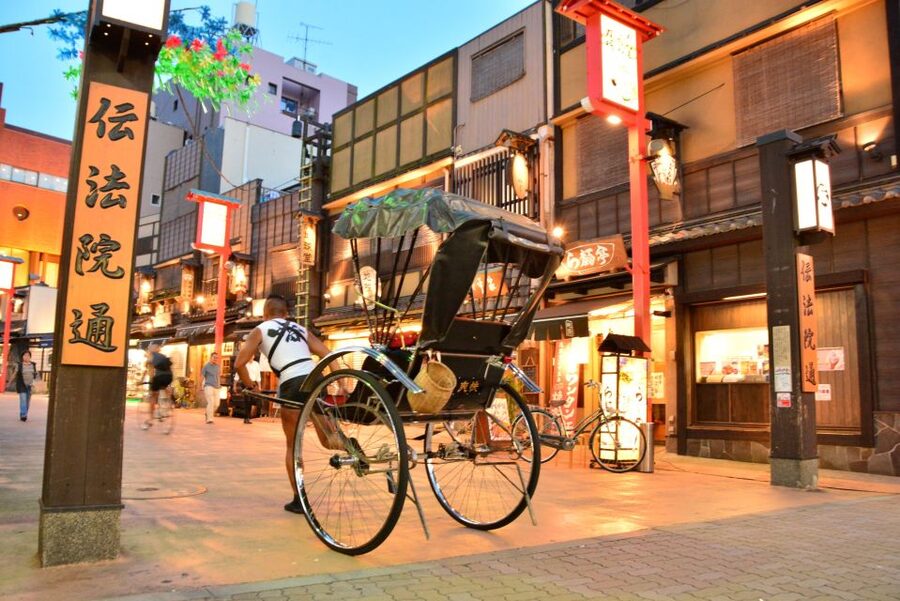
Denpoin Street is one of the most atmospheric stretches of the advertised route. Its older appearance has changed little since World War II, giving you a sense of how parts of Asakusa looked before modern Tokyo spread around them.
You are not simply being driven past a row of buildings. The guide explains what you are seeing, points out details, and chooses places where the rickshaw can pause safely. This makes the street more meaningful than a quick photograph from a moving bus.
The route may also include Nishi Shitamachi, the low-city area of old Tokyo. The appeal is its scale and texture: smaller streets, local businesses, gardens, shrines, and a less polished feel than the city center.
A two-hour ride is useful here because you have time to leave the major temple zone and reach quieter corners. A 30-minute ride usually works better as a lively introduction near the central sights. Longer does not automatically mean better, but it gives the guide more room to show you the district’s changes in mood.
What the guides add to the ride
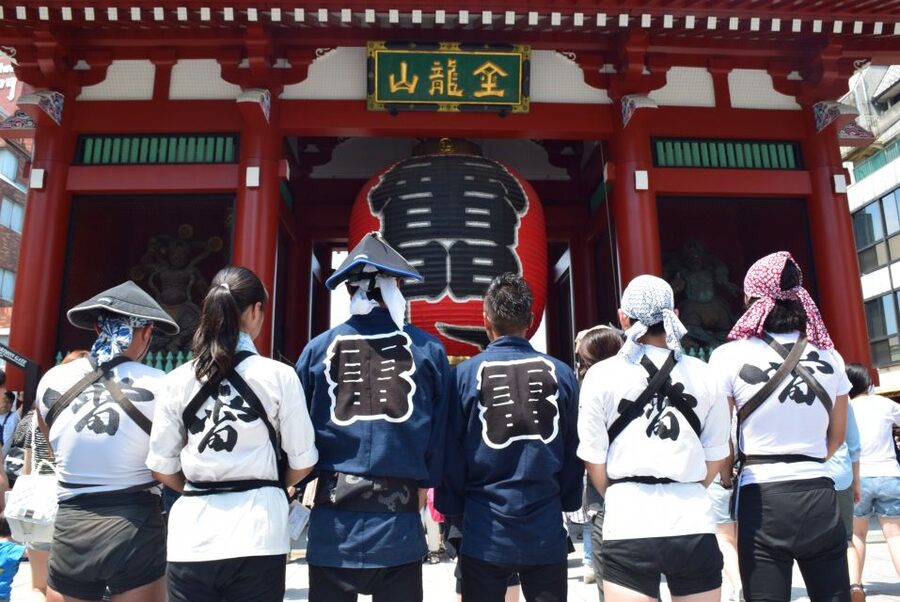
The strongest part of this experience is the staff. The ride itself is unusual, but the guide turns it into something more than transport.
Masa has been praised for being funny, informative, and an excellent photographer. Shima is described as a professional guide with strong knowledge of Asakusa and a good sense of humor. Taku, Kazu, Koko, Yusuke, Nene, Matcha, Sho, and others have also been singled out for kindness, energy, cultural explanations, and careful driving.
That range of names matters because the quality depends on the person assigned to you. Most of the feedback is strongly positive, but one passenger wanted clearer English and more explanation of Asakusa’s past. If you need a formal lecture in precise English, expectations should be modest. This is a friendly sightseeing ride, not a university seminar.
The photo service is a real benefit. Guides regularly stop and take pictures with your phone, including shots of the rickshaw and major sights. You should still bring your own device and make sure it has enough battery.
The guides also work hard physically. Passengers have noticed their strength, especially on uphill sections. That effort is part of the charm, but it is a reason to be considerate about luggage, clothing, and extreme weather.
Choosing between 30, 70, 90, 120, and longer rides
The available duration ranges from 30 to 190 minutes, with several options depending on the booking date. The supplied information also refers to a three-hour choice, so check the exact duration shown for your selected option.
Here is how I would think about the choices:
- 30 minutes: Best for a quick introduction, a layover, or anyone unsure about the format. You can see nearby highlights and enjoy the novelty, but there is little time for the farther neighborhoods.
- 70 minutes: A strong middle choice. You get a fuller look at Asakusa without committing much of your day. One passenger booked this length and found the guide both funny and informative.
- 90 minutes: Good for families and first-time visitors who want more context. One family found that this length passed quickly because the guide combined stories, jokes, and several sights.
- 120 minutes: My pick if you want quieter temples, Denpoin Street, Sumida Park, and the older entertainment areas. You have more time for questions and customized stops.
- Around three hours: Best for visitors who want the broadest route and do not mind spending a large part of the day seated in an open rickshaw. The longer option includes a choice of a special Hello Kitty doll or an original T-shirt as a memorial gift.
Longer rides cost more, naturally, and you should consider comfort. The seats are only 74 centimeters wide. If two adults prefer personal space, booking separate rickshaws may be more pleasant.
Is $35 per person good value?
At $35 per person, the shortest ride is not the cheapest way to see Asakusa. You are paying for a private vehicle, a guide, route planning, local explanations, and help with photographs. If you only want transport, it will feel expensive.
The value improves when you use the ride as an orientation tour. A 70- to 120-minute outing can show you where the temples, park, shopping streets, old entertainment quarter, and Denpoin Street fit together. You can then return to the places that interest you most.
For a family, the cost also buys shared time without the usual argument over directions. Children aged five and under can ride free on an adult’s lap, with one child per adult. Children aged six and over pay the adult price, and a child five or under needs a full-fare booking if they require their own seat.
I would consider the ride good value for a first day in Tokyo, a special family outing, or a short visit when time is limited. It is less compelling if you already know Asakusa well and want to spend the day walking independently.
Comfort, weather, and practical limits
The activity is wheelchair and stroller friendly, which is useful for families and visitors who need step-free planning. You should still confirm your personal comfort with the operator, since the rickshaw is narrow and the ride takes place outdoors.
Selfie sticks are not allowed. Your phone is still useful for photographs, but hold it securely and follow the guide’s directions when the vehicle is moving.
The tour is not recommended during the first 16 weeks of pregnancy, and pregnant women are listed as unsuitable for the activity. This is a pulled, open vehicle on public streets, so take that warning seriously.
Snacks and drinks are not included. Bring water, particularly in summer, but do not expect the ride to function as a food tour. Your guide may suggest restaurants or local treats, but those purchases are your responsibility.
The experience can run in rain or snow, with blankets and heated seats available according to one winter outing. Weather remains a factor, so dress for the forecast and avoid carrying bulky bags.
Who should book this Asakusa ride?
I would recommend it most strongly to:
- First-time visitors who want a quick, friendly introduction to Tokyo
- Families with children who need a moving activity and frequent photo stops
- Couples looking for a memorable way to see old Tokyo
- Solo visitors, since the private format still works for one person
- People with a short layover who want to cover several Asakusa sights
- Repeat visitors who want smaller shrines and older streets beyond Senso-ji
It is less suited to anyone who dislikes open-air rides, narrow seating, hot weather, or the idea of being pulled through traffic. It may also disappoint travelers seeking a long, formal lecture on Japanese history.
The ability to customize the route helps. Tell the guide if you care most about temples, photography, gardens, anime references, food suggestions, or old neighborhoods. You will get more from the ride when the guide knows what you want.
Should you book it?
Yes, if you want an easy and entertaining introduction to Asakusa. The guides are the main reason to go, with repeated praise for their warmth, humor, English, storytelling, and photography. The route gives you temples, shrines, the Sumida River, gardens, shopping streets, old entertainment districts, and postwar streets in one tidy outing.
I would choose at least 70 minutes if your schedule allows. Pick 30 minutes for a quick taste, 90 minutes for a relaxed family ride, and two hours or more if you want the quieter corners and a route shaped around your interests.
Book it with realistic expectations. You are not getting a luxury vehicle or a full academic tour. You are getting a personable local guide, a memorable seat in the middle of Asakusa, and a practical sense of how this old district fits together.
FAQ
Where does the Asakusa rickshaw tour meet?
It meets at the rickshaw stand just outside Exit 1 of Asakusa Station on the Tokyo Metro Ginza Line. The map location is close to the stand, but you still need to walk a few meters along the street.
Are there multiple Asakusa stations?
Yes. Two stations have the same Asakusa name but belong to different subway lines. Check that you are going to the Tokyo Metro Ginza Line station and Exit 1.
How long is the rickshaw ride?
Available durations range from 30 to 190 minutes. Starting times and exact options depend on availability. A longer option is also described as a three-hour choice, so check the duration shown when you book.
Is the rickshaw private?
Yes. This is a private group experience, so you ride in your own rickshaw with a local guide.
How many adults fit in one rickshaw?
A maximum of two adults can ride in one rickshaw. Each rickshaw is 74 centimeters wide, so separate vehicles may be more comfortable for some passengers.
Can young children ride for free?
Children aged five and under can ride free on an adult’s lap, with one child per adult. A child aged five or under needs an adult-price booking if they require their own seat.
What languages do the guides speak?
The tour is offered in English and Japanese.
Is the experience wheelchair and stroller accessible?
Yes. The activity is listed as wheelchair and stroller friendly.
Are food and drinks included?
No. Snacks and drinks are not included in the price.
Can the route be changed?
Yes. The tour can be customized according to your interests. You can discuss the places and subjects you would most like to see with your guide.
Just added in Tokyo
- A One-of-a-Kind Sushi Experience in a Special Place of Japan★ 5.0 · 15 reviews
- Tokyo Cute Bento Cooking Class – Make a Kawaii Character Lunchbox★ 5.0 · 126 reviews
- Japanese Home Cooking Class & Walk in Todoroki Temple Tokyo★ 5.0 · 88 reviews
- Japan Tokyo Tower Observatory Deck E-Ticket★ 4.0 · 34 reviews
- Catch a Baseball Game in Tokyo with a Local – Tickets Included★ 5.0 · 24 reviews
- Japan Classic 10 Day – One Life Adventures★ 5.0 · 129 reviews
- JDM Experience with Fast&Furious RX-7 (English speaking Driver)★ 5.0 · 57 reviews
- Tokyo Private Day Tour by Car with English speaking Driver Guide★ 4.0 · 29 reviews
City Tours and Sightseeing, compared.
Private City Highlights Tour with Local Guide
Read our review →
Tokyo Private Sightseeing Tour by Car- English speaking chauffeur
Read our review →
Naha: North Okinawa Sightseeing Tour & Churaumi Aquarium
Read our review →
Private Highlights Tour with Guide and Luxury Vehicle
Read our review →
Custom Hidden Gems & Highlights Tour with Local Guide
Read our review →
Mount Fuji Full Day Sightseeing Tour from Tokyo
Read our review →Browse the lists this tour appears in