
Reviewed · MUSEUMS AND GALLERIES
teamLab Biovortex Kyoto ticket
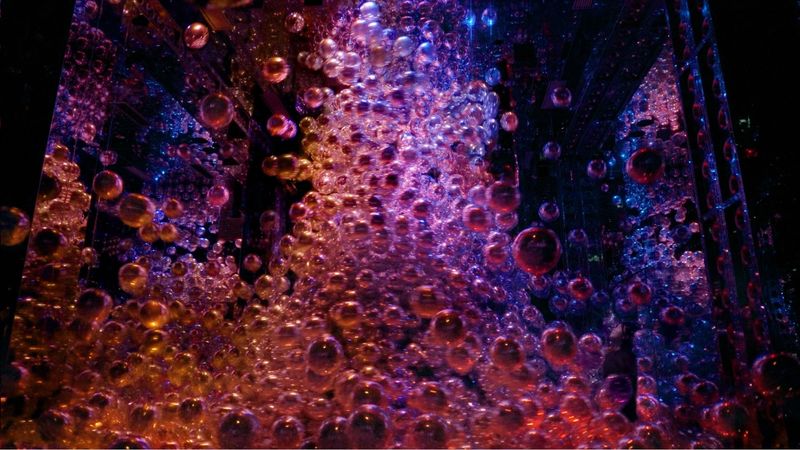
teamLab Biovortex Kyoto turns art into a place you move through, touch, and help change. More than 50 works range from quiet, shifting installations to active play spaces, so the visit can feel like several different outings under one roof.
I like the mix of spectacle and participation: you can pause with an atmospheric artwork, then watch your children reshape a digital world in Future Park. I also like the Kyoto connection, where teamLab’s moving images echo the changing scenes of Japanese gardens and sliding-door paintings.
One caution: the museum’s dim rooms, mirrored floors, and tricky layout can make it hard to find every work. Wear sneakers, download the app, and allow more time than the advertised one to two hours if you want to explore at a relaxed pace.
In This Review
- What to know before you go
- A different kind of art stop in Kyoto
- Let the environment shape what you see
- Athletics Forest makes art physical
- Future Park turns drawings into shared art
- How much time to set aside
- Tickets, location, and practical details
- Who will enjoy Biovortex most
- Should you book teamLab Biovortex Kyoto?
- FAQ
- How long should I plan for teamLab Biovortex Kyoto?
- What are the opening hours?
- How do I get to the museum?
- Is teamLab Biovortex Kyoto suitable for children?
- What should I wear?
- Is the museum wheelchair accessible?
- Can I leave and come back later?
- What is included with the ticket?
What to know before you go

- More than 50 artworks: The works respond to environmental conditions and, in some cases, to your movements and creations.
- Athletics Forest gets you moving: This is a physical, interactive space, not just a gallery of screens.
- Future Park is made for co-creation: Your drawings can become part of a shared digital world.
- Plan for two to three hours: You can stay as long as you like once inside, and finding all the rooms takes time.
- Sneakers are the smart choice: Some attractions restrict sandals and high heels, and rental shoes are limited.
- The ticket starts at $25.29: A temporary offer includes a custom tin badge, but check how the freebie applies if you are booking for a group.
A different kind of art stop in Kyoto

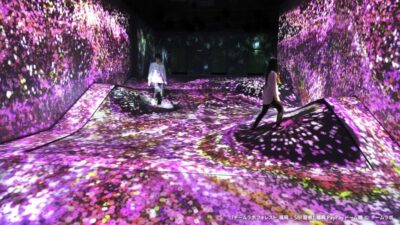
Kyoto is full of temples, gardens, and carefully composed views. teamLab Biovortex offers a modern counterpoint: rooms filled with digital art that shifts with light, sound, movement, and other environmental effects. The work is not simply projected decoration. Its central idea is that the surroundings help cause the artwork to exist.
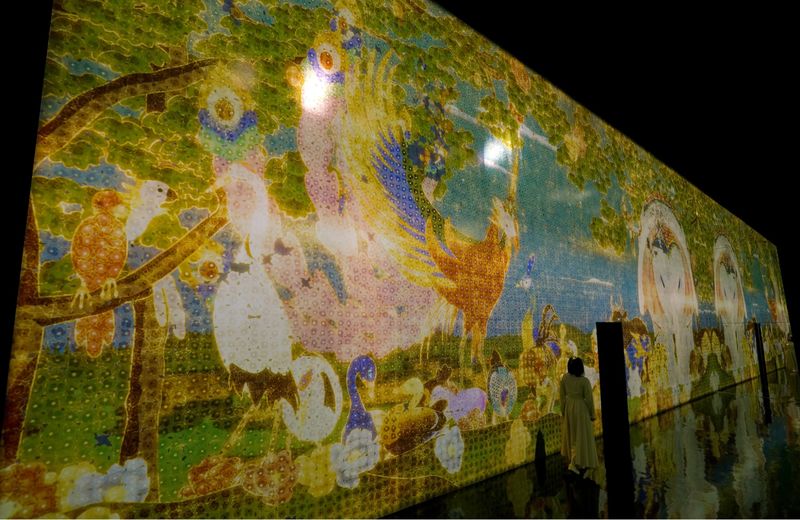
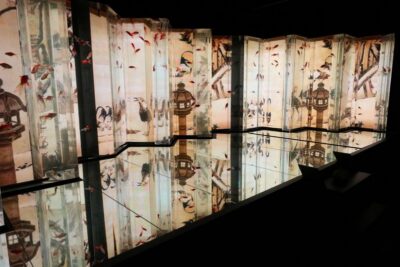
That concept has a useful link to traditional Japanese art. A garden changes with weather, season, and the person looking at it. A fusuma, or sliding-door painting, can frame a room and alter how it feels. teamLab takes some of those ideas into digital space, where colors and forms can move or respond to people around them.
You do not need to know anything about Japanese art to enjoy the museum. But the Kyoto setting gives you a reason to look beyond the lights and ask how the work changes as you move through it. If you have spent the morning in historic temples, the contrast can be a welcome change of pace.
The museum is described as Japan’s largest and newest teamLab site. Its scale is part of the appeal, but it also means this is not a quick photo stop. There are more than 50 artworks, and the rooms mix visual displays with physical and collaborative activities.
More Museums and Galleries in Kyoto
- Kyoto: Tea Museum Tickets and Matcha Grinding Experience
★ 4.9 · 739 reviews - Skip the lines Basic Ticket at SAMURAI NINJA MUSEUM KYOTO
★ 4.5 · 632 reviews - Kyoto : Geiko Maiko Dance of Kyoto & Visits of Gion Museum
★ 4.6 · 415 reviews
Let the environment shape what you see
The environmental-phenomena idea is the thread running through the museum. Rather than treating each artwork as a fixed image, teamLab presents works that change according to conditions around them. The result can be quiet and contemplative in one room, then vivid and busy in the next.
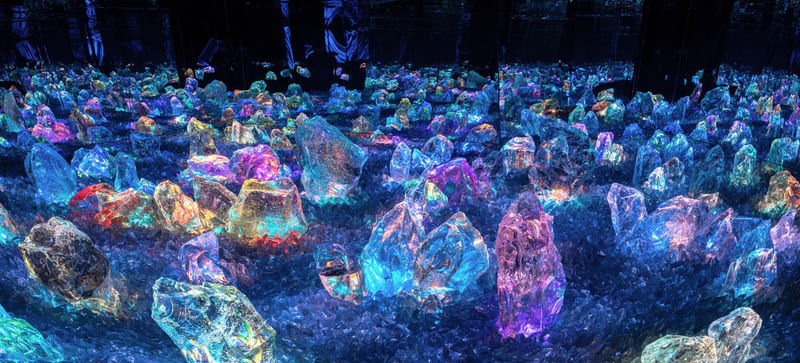
Newer works include Megaliths, Transient Abstract Life, and Return. Sculpture and Moss Garden is another named part of the museum. The supplied details do not give a room-by-room route or describe exactly what each piece looks like, so it is best to arrive open to discovery rather than expecting a set sequence.
That freedom has a trade-off. The layout can be difficult to navigate, and some rooms are easy to miss. Download the official app before you arrive. It offers additional information about the artworks and interactive features that let you take part and bring parts of the exhibition to life. Use it as a guide, but give yourself time to explore rather than treating the visit like a checklist.
The exhibition is dimly lit, and some floors may be uneven or unstable. That helps create a sense of movement and surprise, but it also calls for a slower pace. Keep an eye on children, watch for other people in dark rooms, and take extra care where floors are mirrored.
Athletics Forest makes art physical
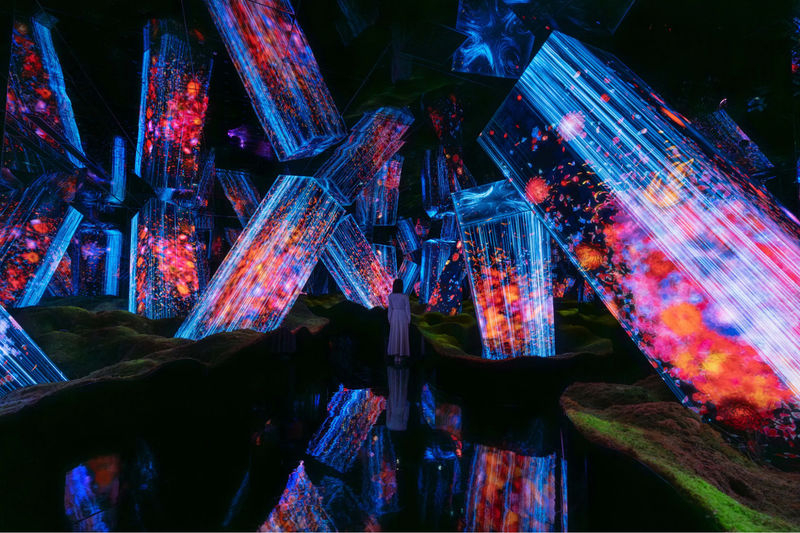
Athletics Forest is one of the museum’s clearest departures from a conventional gallery. It is a multi-dimensional creative space built around movement and perception. Your body is part of the artwork, and the space can change as people move through it.
For children, that means a chance to do more than look. The activities invite them to move, notice what changes, and think about how their actions affect the world around them. Adults can join in too, though this is the area where practical clothing and footwear matter most.
Sandals and high heels may rule out access to some attractions for safety reasons. The museum has a limited supply of rental shoes, so do not count on finding your size. Sneakers are the easy answer. If you have mobility needs, note that the museum is wheelchair accessible, though some artworks cannot be experienced for safety reasons.
Athletics Forest can also be tiring. If you are visiting with younger children, plan pauses and do not assume you will sweep through every room at the same pace. The attraction is part of a larger museum, so you can balance active areas with works that ask you to slow down and look.
Future Park turns drawings into shared art
Future Park is a collaborative space where people create together. In Sketch Ocean, you can draw an image that becomes part of a digital environment. A Musical Wall where Little People Live is another example of the playful, hands-on work in this area.
The point is not just to make something and move on. As people add their creations, the shared artwork can keep changing. That makes the experience especially appealing for families, and it gives children a direct way to see how an individual contribution can affect a larger work.
The museum’s limited-time custom tin badge offer builds on that idea. Book by October 31 to make a one-of-a-kind badge using your artwork from Sketch Ocean or Graffiti Nature and take it home. The badge is listed as a free inclusion, with a stated value of ¥600. Because there have been questions about how the offer is counted when multiple tickets share one QR code, check the ticket terms for each person in your party before booking. If the badge matters to you, clarify the redemption details before you arrive.
More Entry Tickets in Kyoto:
- Nidec Kyoto Tower Ticket
★ 4.6 · 2,454 reviews - Kyoto Aquarium Admission Ticket
★ 4.6 · 771 reviews - UZUMASA KYOTO VILLAGE Ticket
★ 4.4 · 763 reviews - Kyoto: Nidec Kyoto Tower Observation Deck Admission Ticket
★ 4.5 · 273 reviews
How much time to set aside

The headline estimate is one to two hours, but the museum’s own guidance says two to three hours is a more realistic allowance for a full visit. The difference makes sense: there are many rooms, interactive works can hold your attention, and navigation is not always obvious.
You may be able to see the main highlights in about 90 minutes if you keep moving. But if you have children who want to spend time in Athletics Forest and Future Park, or you enjoy studying the installations, give yourself at least two hours. Some people stay longer, and there is no time limit once you have entered.
Arriving early can help. The museum opens at 9:00, and an early start may mean shorter waits at entry and more room to move through the interactive spaces. The last entry is 19:30, with listed hours of 9:00 to 21:00. Hours and closure dates can change, so check the official site before setting your plans.
There may be a wait to enter. Once inside, you can stay as long as you like, but re-entry is not allowed after you leave. Eat beforehand if you expect a long visit. Food and drink are not included, and the immediate area may not have convenient options. There is, however, a coffee shop in a nearby lane that one visitor found a short walk away, so you might look for it if you want a break before or after.
Tickets, location, and practical details
The entrance pass starts at $25.29 and is valid only on the date and time selected, if a time is specified. You can also find a flexible pass that allows entry at any time during opening hours on your chosen date. Other bundles pair entry with kimono rental, day tours, or a one-way JR Haruka train ride between Kansai International Airport and Kyoto Station.
At the starting price, the value depends on how much time you spend and how much you enjoy interactive art. This is more than a brief gallery visit if you explore the full collection and take part in the hands-on works. If you only want a few photographs, the price may feel high. If you enjoy active exhibits and unusual visual art, two or three hours gives the ticket more weight.
The museum is at 21-5 Higashikujo Higashiiwamotocho, Minami Ward, about a seven-minute walk from Kyoto Station. There is no parking, so public transport is the practical choice. Fushimi Inari Taisha is about 2.3 kilometres away and Kiyomizu-dera Temple about 2.8 kilometres away, but do not assume either is a quick walk after a long museum visit.
Present your mobile voucher at entry. The ticket cannot be cancelled or refunded, though changes may be allowed up to two hours before the activity starts, subject to the booking conditions. Book carefully if your schedule is uncertain.
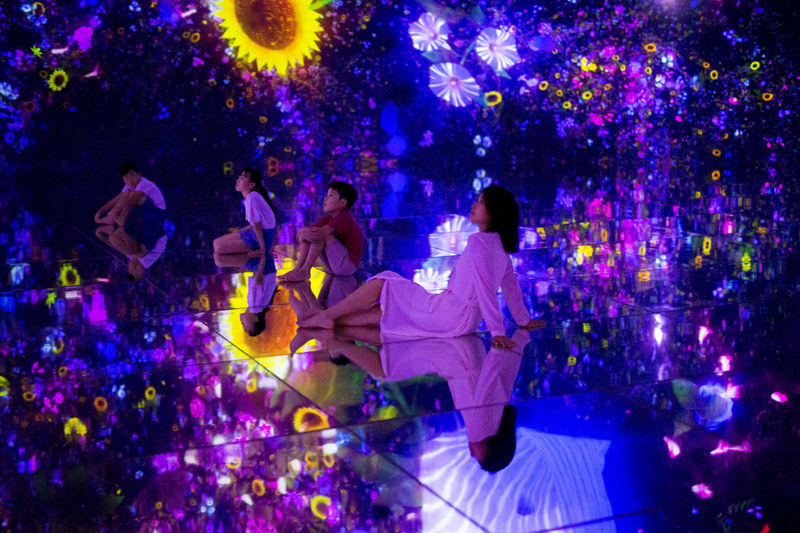
The museum can be loud, and some works use flashing lights and aromas. If you are sensitive to strong sensory effects, consider that before booking. Skirts may be a concern in rooms with mirrored floors, but a wrap skirt is available near the relevant artwork.
Who will enjoy Biovortex most
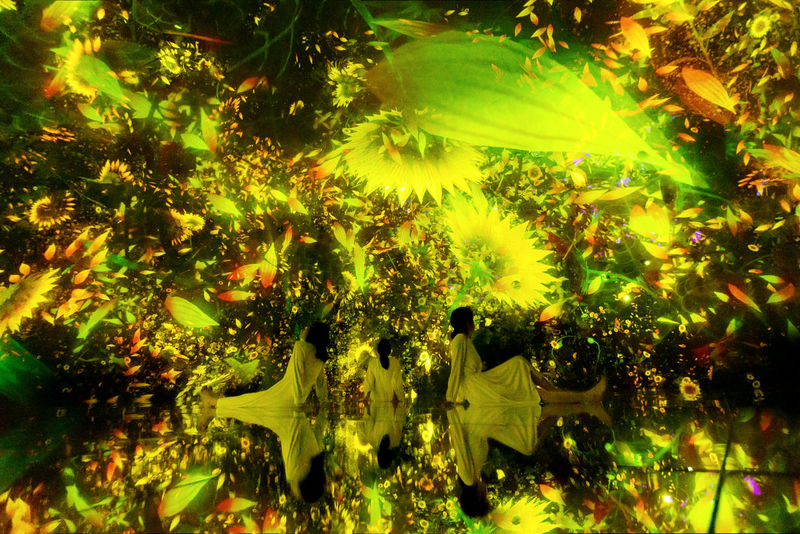
Families with children are a natural fit. Athletics Forest gives kids room to move, while Future Park rewards drawing, play, and shared creativity. Children aged zero to three enter free. Anyone aged 12 or younger must be with an adult aged 18 or older, and each adult may accompany up to three children.
Adults can enjoy the museum without children, too. The quieter and more abstract works provide a change from Kyoto’s historic sights, and the digital installations offer plenty to look at even if you skip the athletic activities. If you have already visited another teamLab museum, expect some overlap in themes but a different mix of works and a stronger emphasis here on physical activity.
This is not the best choice if you dislike dark rooms, crowds, loud sound, or unpredictable routes through an attraction. Nor is it ideal for a tightly packed schedule: you may need extra time to find rooms, and you cannot leave and return later on the same ticket.
Should you book teamLab Biovortex Kyoto?

I would book it if you want a break from temples and traditional museums, especially if you are travelling with children or enjoy art that asks you to take part. The strongest reasons to go are the combination of atmospheric installations, active play, and shared digital art. The Kyoto setting also makes the contrast with the city’s traditional gardens and painted interiors more interesting.
Set aside two to three hours, wear sneakers, and download the app before you go. If you are choosing between a timed ticket and a flexible pass, the flexible option is useful when your schedule may shift, provided it is available. If you are booking a group and want the tin badge, confirm how many badges your order includes.
Skip it if you mainly want a quiet, conventional gallery or need a short, predictable stop. For everyone else, Biovortex is a strong change of pace, with enough variety to keep both curious adults and energetic kids occupied.
FAQ
How long should I plan for teamLab Biovortex Kyoto?
Plan for two to three hours if you want to explore fully. You can stay as long as you like once inside, but there may be a wait before entry.
What are the opening hours?
The listed hours are 9:00 to 21:00, with last entry at 19:30. Hours and closure dates may change, so check the official website before your visit.
How do I get to the museum?
The museum is about a seven-minute walk from Kyoto Station. There is no parking, so use public transportation.
Is teamLab Biovortex Kyoto suitable for children?
Yes. Athletics Forest and Future Park are designed as interactive, educational projects for children and adults. Children aged zero to three enter free, and children aged 12 or younger must be accompanied by an adult aged 18 or older.
What should I wear?
Wear sneakers. Sandals and high heels may prevent access to some attractions, and rental shoes are available only in limited quantities. Some rooms have mirrored floors, and wrap skirts are available near those artworks.
Is the museum wheelchair accessible?
The activity is wheelchair accessible, but some artworks cannot be experienced for safety reasons.
Can I leave and come back later?
No. Re-entry is not allowed after you leave the venue.
What is included with the ticket?
The entrance pass includes admission. A limited-time offer also includes a free custom tin badge made using artwork from Sketch Ocean or Graffiti Nature. Check the offer and redemption details for your selected ticket before booking.
Just added in Kyoto
- Kyoto Nara Day Trip │ Kiyomizu-dera Temple + Fushimi Inari-taisha Shrine + Nara Park (Departing from Osaka/Kyoto)★ 4.7 · 3,408 reviews
- Kyoto Kimono Rental Experience (Optional Elegant Hairstyle/Japanese Makeup/Photography) (Ookini Kimono Rental Yasaka Shrine Gion Store)★ 4.8 · 1,091 reviews
- Nidec Kyoto Tower Ticket★ 4.6 · 2,454 reviews
- Kyoto Sumo Show with Experience & Photo, 2 Drinks Included★ 5.0 · 941 reviews
- Kyoto Kimono Rental Experience (Optional Exquisite Hair Styling/Japanese Makeup/Photography) (Ookini Kiyomizu-dera Main Store)★ 4.7 · 1,700 reviews
- Kyoto Arashiyama Scenic Train & Hozugawa River Boat Ride Day Trip (From Osaka / Kyoto)★ 4.8 · 604 reviews
- Kyoto Aquarium Admission Ticket★ 4.6 · 771 reviews
- Kyoto: Ring Making Workshop : Vintage Japanese Coin Ring★ 5.0 · 1,900 reviews
Museums and Galleries, compared.

teamLab Borderless Tickets: MORI Building DIGITAL ART MUSEUM
Read our review →
teamLab Planets TOKYO Digital Art Museum Entry Ticket
Read our review →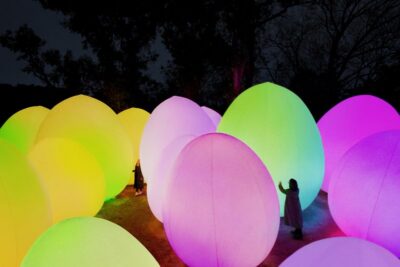


Browse the lists this tour appears in