
Reviewed · KIMONO AND CULTURAL DRESS
Kyoto : Geiko Maiko Dance of Kyoto & Visits of Gion Museum
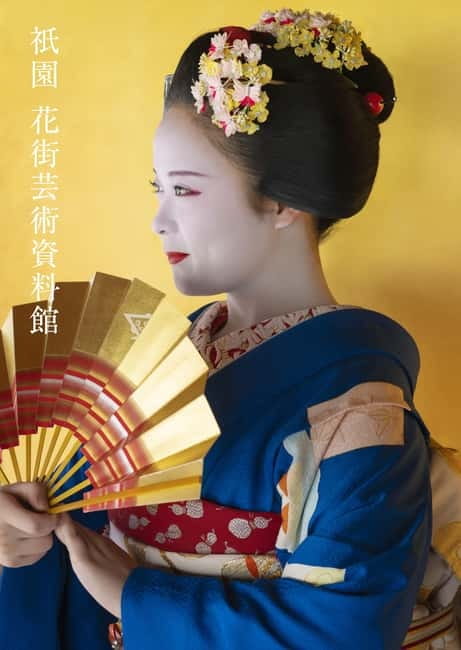
Fifteen minutes can open a whole world. This compact Kyoto experience pairs two Kyomai dances with the Gion Kagai Art Museum, where you can study kimono, obi sashes, hair ornaments, photographs, and personal items linked to Kyoto’s geiko and maiko tradition. I love the graceful live performance, and I like that the museum gives you useful cultural background instead of presenting the dance as a mystery. The main drawback is simple: two songs pass quickly, and there is no photography during the performance.
The setting adds plenty of value. You can walk through a Chisen water garden, visit the art cafe, browse the museum shop, and stay in the museum after the dance. The $25 admission is fair for a short cultural stop, especially if you have a full sightseeing day, though it may feel expensive if you expect a long stage show or a large museum.
In This Review
- Key Points Before You Go
- What This Kyoto Experience Really Is
- Choosing the Right Performance Time
- Watching Two Kyomai Songs
- The Gion Kagai Art Museum Exhibits
- A Quiet Garden, Cafe, and Museum Shop
- The Cost: Good Value for a Short Cultural Stop
- Who Will Enjoy It Most
- Practical Tips for a Better Visit
- Should You Book the Gion Geiko and Maiko Dance?
- FAQ
- How long does the geiko or maiko dance last?
- How many performers appear during the dance?
- What time are the performances held?
- Is museum admission included?
- Can I take photographs during the dance?
- Can I take a photo with a geiko or maiko?
- Is English information available?
- Where do I meet for the activity?
- What items are not allowed?
Key Points Before You Go
- Two Kyomai dances last about 15 minutes: The performance usually features one geiko or maiko and includes two songs.
- The dance uses the Inoue style: This is the Kyoto Mai tradition associated with the city’s refined geiko and maiko arts.
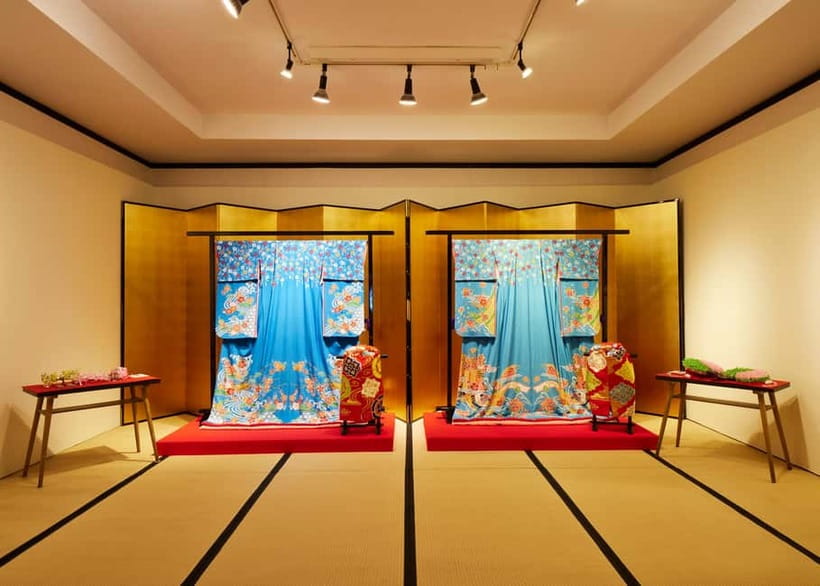
- Museum admission is included: You can see Yuzen kimono, Nishijin brocade obi, kanzashi hair ornaments, makeup items, formal kimono, and photographs.
- The garden gives you breathing room: The Chisen water garden is a pleasant part of the visit, especially after the quiet concentration of the performance.
- Photography is restricted during the dance: If you want a picture with a geiko or maiko, ask about the separate photo session at the museum.
- Arrive 10 minutes early: Performances begin at 13:30, 14:20, 15:00, 16:00, and 16:30.
What This Kyoto Experience Really Is
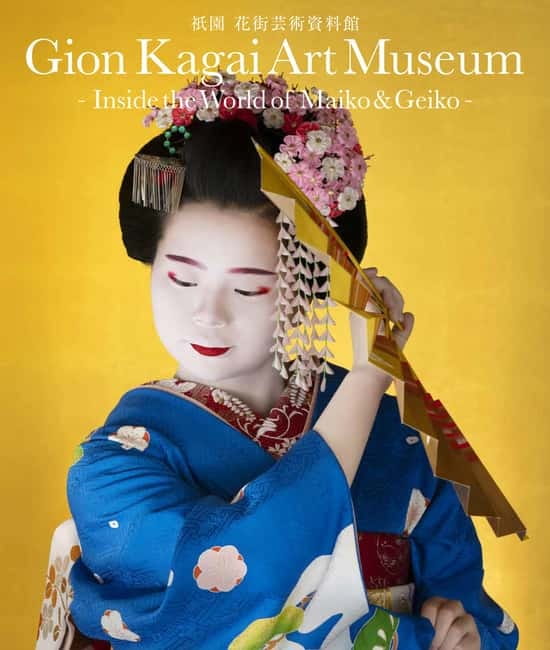
This is not a long theatrical production. It is a brief, close look at Kyoto’s traditional performing arts, followed by time in a small museum devoted to Gion Kagai culture.
The word geiko is used in Kyoto for women who perform traditional dance and music and entertain guests in ozashiki banquet rooms and on stage. A maiko is a woman training to become a geiko. The distinction matters because Kyoto’s terminology is part of the culture you are coming to understand.
The dance is Kyomai, also called Kyoto Mai, and it is performed in the Inoue style. You will see one maiko or geiko in most sessions. On some days, the third and fourth performances may feature two performers, but you should not book assuming that a pair will appear.
I like the small scale. You are not watching a distant spectacle in a huge hall. The careful movement, controlled posture, hand gestures, and facial expression are easier to appreciate at close range. The style can seem restrained if you are expecting energetic folk dancing, but that restraint is the point. A turn of the head or a slow movement of a sleeve carries much of the meaning.
More Kimono Experiences in Kyoto
- [Kyoto & Nara Day Tour] Sagano Scenic Railway & Nara Park & Fushimi Inari Taisha Thousand Torii Gates & Togetsukyo Bridge & Bamboo Grove & Kimono Forest (Departing from Osaka)
★ 4.9 · 10,942 reviews - Kyoto Geisha Walking Tour: Gion District & Hidden Gems
★ 4.7 · 3,273 reviews - Kyoto: Gion Magical Night Walking Tour with Geisha Trivia
★ 4.9 · 2,393 reviews
Choosing the Right Performance Time
The five daily sessions make this easy to add between other Kyoto stops:
- 13:30
- 14:20
- 15:00
- 16:00
- 16:30
You are asked to arrive at the museum 10 minutes before your chosen performance. That small buffer matters. The meeting point is simply the museum entrance, and some visitors have needed help finding the correct entrance. Staff members have been described as friendly and helpful, including assistance in English.
The 14:20 or 15:00 session works well for a midday museum visit, while the later performances can fit after other sightseeing. Check the current availability for the exact time you want, since the activity is tied to scheduled sessions rather than open entry throughout the afternoon.
Do not plan to arrive at the last second. You need time to find the building, check in, and settle before the dancers enter. The performance itself is only about 15 minutes, so missing the beginning would take a large bite out of the experience.
Watching Two Kyomai Songs
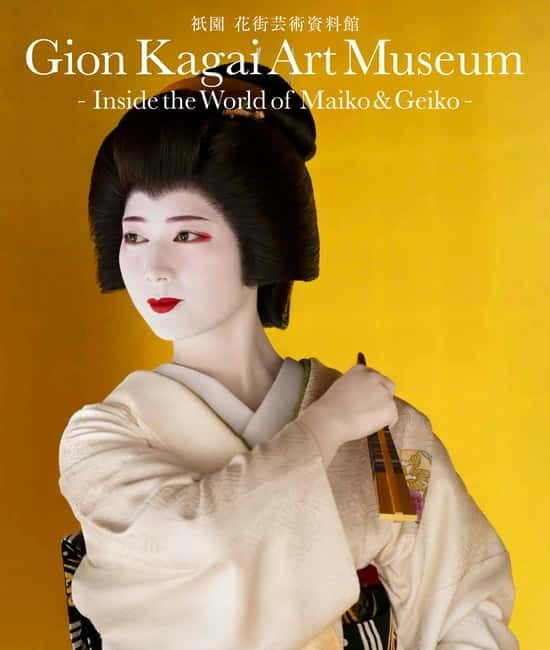
The dance consists of two Kyomai songs and lasts approximately 15 minutes. That is enough time to understand the mood and discipline of the art, but not enough for a full lesson in the stories or lyrics behind each piece.
The performance is quiet and deliberate. You will notice the use of the kimono, the position of the hands, the angle of the head, and the measured pace. The effect can be hypnotic, especially after a morning spent moving through Kyoto’s temples and shopping streets.
I would set your expectations correctly. This is not a conversation with the performer, and there is no promised question-and-answer session. The presentation gives you the dance itself, not an extended explanation before and after it. A short printed sheet and English information accessed through a QR code can help, but the meaning of the songs may remain unclear if you do not read Japanese.
That lack of explanation is the chief weakness of the performance. You can admire the beauty without fully knowing what the dancer is expressing. A brief introduction to the dances or translated song context would make the 15 minutes more rewarding. Still, the physical details communicate plenty: years of practice are visible in the precision and calm.
No photographs are allowed during the dance. Put your phone away and watch the performance directly. This rule can disappoint people hoping to record the moment, but it also keeps the room quieter and protects the atmosphere.
The Gion Kagai Art Museum Exhibits
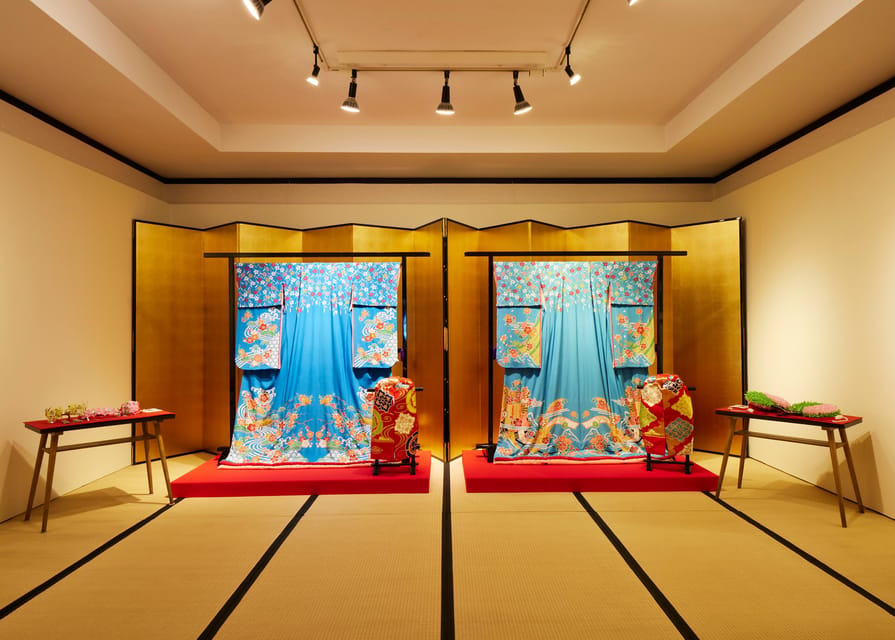
The museum gives the performance a useful frame. Its permanent exhibition presents the arts and daily objects connected with Kyoto’s Kagai districts, the traditional entertainment quarters where geiko and maiko work.
You can see hand-painted Yuzen kimono and Nishijin brocade obi sashes. These are not background costumes. Their patterns, fabric, and construction help explain why clothing is such a central part of the visual appeal of the dance.
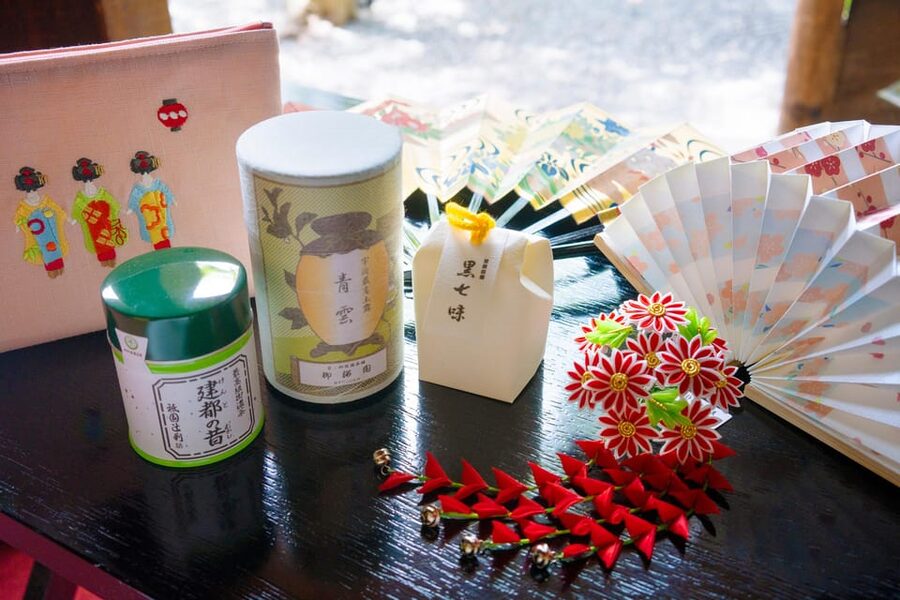
The display also includes personal belongings and makeup used by maiko. Seasonal kanzashi hair ornaments are especially interesting because they change through the year and add meaning to the hairstyle. Black crested formal kimono, rarely seen in the Gion quarter, offer another look at clothing reserved for important occasions.
Photographs convey the atmosphere of the Kagai districts, while videos help explain the dance and its setting. English information is available through QR codes, which is important because much of the museum’s value comes from understanding what you are seeing rather than simply admiring attractive objects.
The museum is not large, and that is both a benefit and a limitation. You can take in the main displays without spending half a day. On the other hand, visitors who want a major collection or extensive written interpretation may find it modest. Give yourself enough time to scan the English material instead of rushing through the cases.
One useful approach is to visit the exhibition before the dance. First look at the clothing, ornaments, and photographs. Then watch how the performer uses the costume and movements. Afterward, return to any display that caught your attention. The live performance gives the objects a practical purpose, and the objects make the dance easier to place in context.
More Museums and Galleries in Kyoto
- teamLab Biovortex Kyoto ticket
★ 4.8 · 3,186 reviews - Kyoto: Tea Museum Tickets and Matcha Grinding Experience
★ 4.9 · 739 reviews - Skip the lines Basic Ticket at SAMURAI NINJA MUSEUM KYOTO
★ 4.5 · 632 reviews - Kyoto Sword Experience – includes Museum Ticket/Ninja Experience
★ 4.5 · 149 reviews
A Quiet Garden, Cafe, and Museum Shop
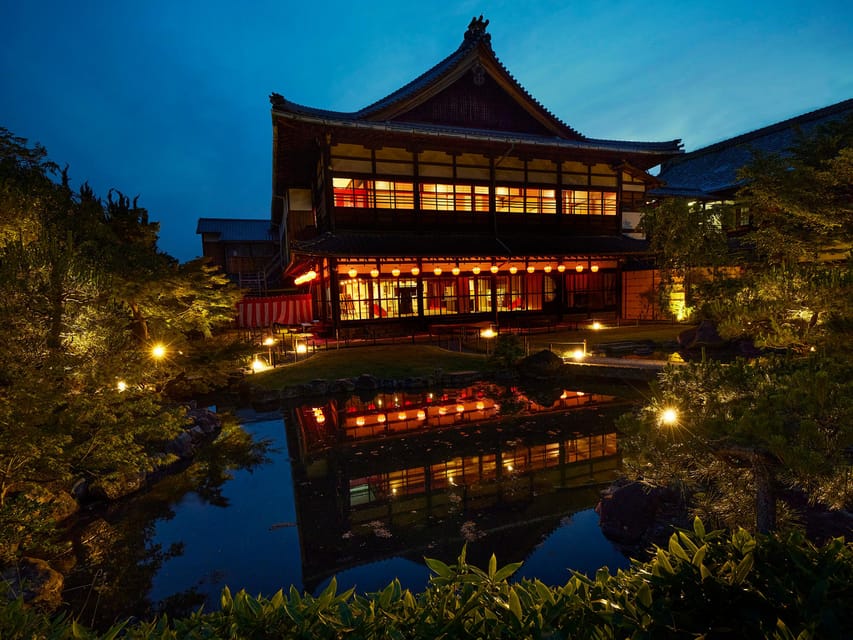
The Chisen water Japanese garden is one of the nicest extras. It gives you a calm place to pause and look at a different side of the museum. The garden is not the main reason to buy a ticket, but it makes the visit feel less like a quick theater appointment.
I would allow time to walk through it before or after the dance. If you are packing several Kyoto sights into one day, the garden provides a short change of pace without requiring another admission ticket.
The art cafe and museum shop add to the visit, though the supplied details do not specify a full menu or particular souvenirs. The shop has been appreciated for its small selection, and the cafe gives you another reason to stay a little longer. Treat both as pleasant additions rather than the core of the $25 ticket.
The most important value comes from the combination of performance, exhibits, and setting. If you only watch the 15-minute dance and leave, the price can seem high. If you explore the museum, read the English information, visit the garden, and browse the shop, the admission feels more reasonable.
The Cost: Good Value for a Short Cultural Stop
At $25 per person, this is not a budget attraction in the usual sense. The performance lasts only 15 minutes, and the museum is relatively small. You are paying for access to a specialized art experience, not for hours of entertainment.
I think the price works best for three kinds of visitors. First, it suits anyone who wants to see a real Kyomai performance without arranging a private banquet or a longer evening program. Second, it works for people with limited time in Kyoto. Third, it suits anyone who wants cultural context alongside the dance.
The ticket includes admission to the Gion Kagai Art Museum and the performance fee. You can stay in the museum after the dance, which improves the value. Use that flexibility. Arrive early enough to see some of the exhibition, attend the performance, then take your time with the garden and remaining displays.
A separate photo session may be available at the museum, but it is not included in the standard performance experience. The price reported for an extra photo session is about 2,000 yen. One account describes receiving a Polaroid and some phone pictures, but you should confirm the current details at the museum. If a photo matters to you, ask before the performance rather than wishing you had arranged it afterward.
Who Will Enjoy It Most
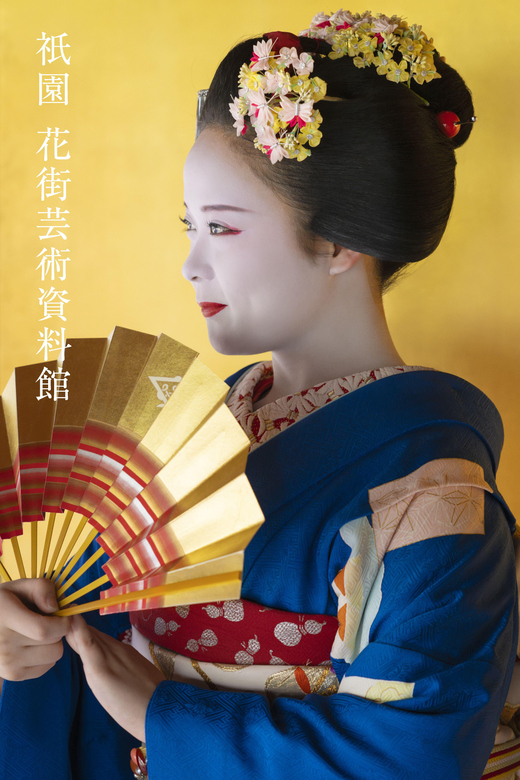
I would recommend this to first-time Kyoto visitors who want an accessible introduction to geiko and maiko culture. The museum helps explain the tradition, and the live dance gives you something no display case can provide.
It also suits couples, solo visitors, and families with older children who can appreciate a quiet performance. The short length is useful if you have limited patience for a long cultural show, or if you need to fit the visit between major sights.
This may not satisfy you if you want a full evening of entertainment, a detailed lecture, or extensive interaction with the performers. The dance is not translated line by line, and there is no guaranteed photo opportunity or question period.
You should also remember that the performer may be a geiko or a maiko, and most sessions feature one person. If seeing two performers is important to you, the schedule does not guarantee it.
Practical Tips for a Better Visit
Arrive 10 minutes early, as requested. The entrance can cause brief confusion, and staff may need to guide you to the correct place.
Read the English material through the QR code. It can supply background that is not obvious from the costumes and movement alone.
Watch the hands and feet rather than focusing only on the kimono. The clothing is striking, but the controlled gestures reveal the work behind the performance.
Keep your phone away during the dance. Photography and audio recording are not allowed, and audio recording is specifically prohibited.
If you have oversize luggage, pets, a drone, alcohol, or drugs, do not bring them. These items are not permitted.
The activity is non-refundable, so choose your time carefully and allow enough time to reach the museum.
Should You Book the Gion Geiko and Maiko Dance?
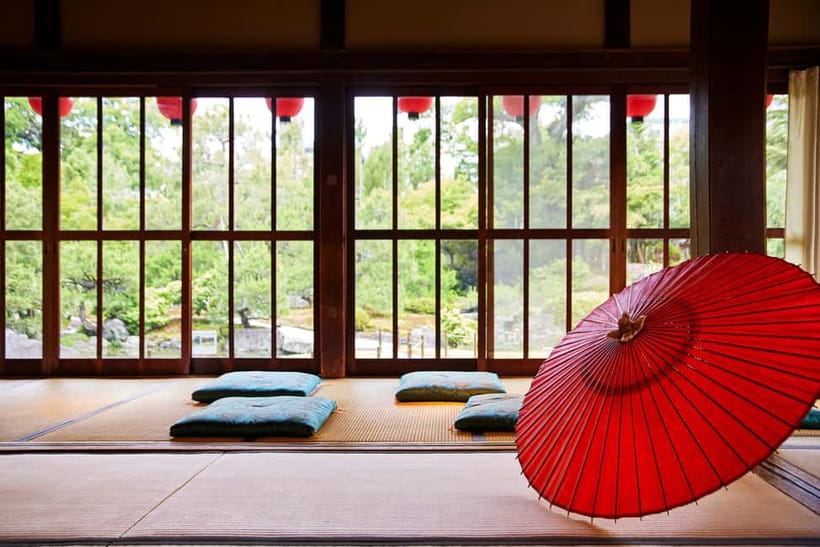
Book it if you want a short, polished introduction to Kyoto’s traditional entertainment culture and you value seeing a live Kyomai performance in a museum setting. The dance is beautiful, the exhibits add real context, and the garden makes the stop feel more complete.
Skip it if you need a long performance, extensive English explanation, or guaranteed photographs. At $25, the best value comes from staying beyond the 15 minutes and using the museum, garden, cafe, and shop.
For most visitors with room in an afternoon Kyoto schedule, I think it is a worthwhile cultural stop. Go in knowing that the show is brief. Watch closely, read the museum material, and let the small details do the work.
FAQ
How long does the geiko or maiko dance last?
The Kyomai performance lasts approximately 15 minutes and includes two songs.
How many performers appear during the dance?
The performance usually features one geiko or maiko. On some days, the third and fourth sessions may feature two performers.
What time are the performances held?
The scheduled sessions begin at 13:30, 14:20, 15:00, 16:00, and 16:30.
Is museum admission included?
Yes. Admission to the Gion Kagai Art Museum and the Kyomai performance fee are included.
Can I take photographs during the dance?
No. Photography is not allowed during the performance.
Can I take a photo with a geiko or maiko?
Photo sessions are only available through the museum. Ask at the museum about availability and current pricing. A price of about 2,000 yen has been reported for an extra session.
Is English information available?
Yes. English information can be accessed by scanning QR codes at the museum. Some visitors also receive an English information sheet.
Where do I meet for the activity?
Meet at the museum entrance. Arrive 10 minutes before the performance begins.
What items are not allowed?
Pets, oversize luggage, drones, alcohol, drugs, and audio recording are not allowed.
Just added in Kyoto
- The “Golden Route” and Ancient Japan by DIAMIR Erlebnisreisen – 14-Day Tour★ 2.0 · 2 reviews
- Japan: Castles & Cuisine by G Adventures – 6-Day Kyoto to Osaka Tour★ 4.5 · 4 reviews
- Cycle Japan by Explore! – 13-Day Kyoto to Tokyo Tour★ 4.7 · 12 reviews
- Cycle Japan by Intrepid Travel – 11-Day Kyoto to Tokyo Tour★ 4.8 · 2 reviews
- Classic Japan by Intrepid Travel – 11-Day Kyoto to Tokyo Tour★ 4.4 · 14 reviews
- Ancient & Modern Japan 14-Day Tour by Exodus Adventure Travels★ 4.4 · 40 reviews
- 5 Day Cultural Adventure of Kyoto, Nara & Osaka by Tourist Journey★ 2.5 · 2 reviews
- 12 Days Kinosaki Onsen Escape: A Journey Through Japan’s Timeless Towns by UME Travel★ 4.8 · 5 reviews
Kimono and Cultural Dress, compared.
![[Kyoto & Nara Day Tour] Sagano Scenic Railway & Nara Park & Fushimi Inari Taisha Thousand Torii Gates & Togetsukyo Bridge & Bamboo Grove & Kimono Forest (Departing from Osaka)](https://media.japanvisits.com/wp-content/uploads/kyoto-nara-day-tour-sagano-scenic-railway-nara-park-fushimi-inari-taisha-thousand-torii-gates-togetsukyo-bridge-bamboo-grove-kimono-forest-departing-from-osaka-k110001-400x257.jpg)

Tokyo Asakusa Kimono&Yukata Rental at Kimono Miyabi Asakusa Station
Read our review →
Kyoto Geisha Walking Tour: Gion District & Hidden Gems
Read our review →
Gion Magical Night Walking Tour with Geisha Trivia
Read our review →
Gion Geisha District Walking Tour – Stories of Geisha
Read our review →
Best of Kyoto: Gion, Geisha, Pagodas & Cobblestones
Read our review →
Kyoto Kimono Rental Experience (Optional Exquisite Hair Styling/Japanese Makeup/Photography) (Ookini Kiyomizu-dera Main Store)
Read our review →Browse the lists this tour appears in