
Reviewed · KIMONO AND CULTURAL DRESS
Best of Kyoto: Gion, Geisha, Pagodas & Cobblestones
Kyoto changes after dark. This two-hour walk through Gion and Higashiyama brings you into lantern-lit lanes, shrine grounds, temple paths, and the carefully guarded world of geiko and maiko. I like the quiet evening setting, which makes the old streets feel far less crowded, and I like the guides’ practical, respectful explanations of local customs. The main drawback is simple: some stretches are dim at night, and arriving late means no refund.
You pay $24 per person, a fair price for a guided introduction to one of Kyoto’s most atmospheric districts. Guides including Karim, Kevin, Janelle, Janiel, Ben, Diana, Salomé, Hina, and others are praised for combining useful history with easy conversation. If this is your first evening in Kyoto, the tour should help you get your bearings fast, though you should not book it only to see a geisha. A glimpse is possible, never guaranteed.
In This Review
- Five things to know before you go
- Why an evening walk works so well in Gion
- Starting near Yasaka Shrine
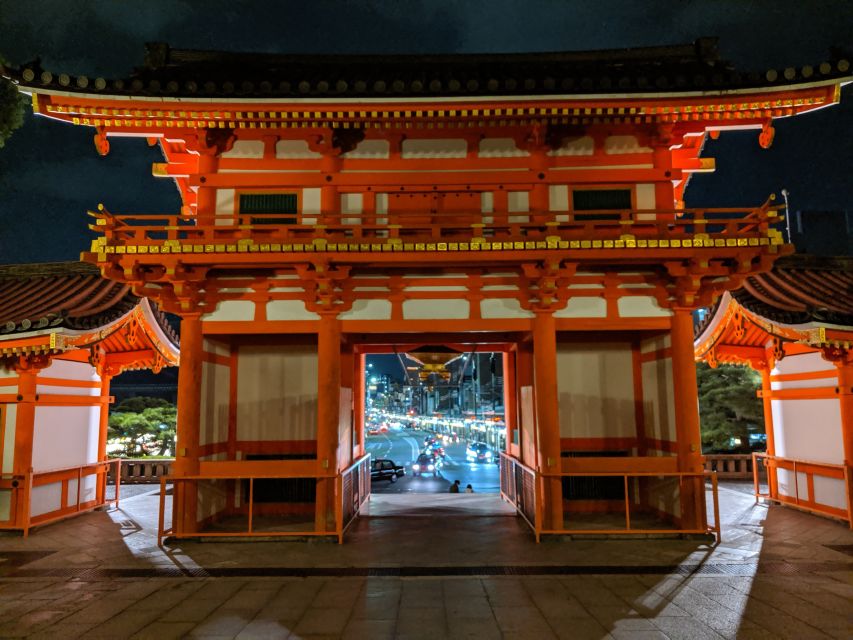
- Yasaka Shrine: a 20-minute introduction to Kyoto
- Ninenzaka: cobblestones and old Kyoto scenery
- Hōkan-ji Temple and the famous pagoda
- Yasui Kompira-Gu Shrine and its unusual focus
- Gion after dark: the heart of the walk
- Guides who make the difference
- The pace, group size, and physical feel
- What the $24 price really buys you
- Who should book this Kyoto night tour?
- Small details that will improve your evening
- Should you book Best of Kyoto: Gion, Geisha, Pagodas & Cobblestones?
- FAQ
- How long does the Gion and Higashiyama tour last?
- What places are included?
- Is the tour offered in English?
- Are food and drinks included?
- Can I see a geisha or maiko?
- Where does the tour meet?
- What happens if I cannot find the guide?
Five things to know before you go
- Night is the right time for atmosphere: Lanterns, wooden townhouses, and quiet lanes give Gion a calmer feel than during the busy daytime.
- The route covers major sights in a short time: Yasaka Shrine, Ninenzaka, Hōkan-ji Temple, Yasui Kompira-Gu Shrine, and Gion all appear within two hours.
- Geisha culture is explained with care: You learn about geiko and apprentice maiko, their training, customs, and place in Kyoto life.
- The guides are a major part of the value: Karim and Kevin are often praised for warmth and humor, while Ben uses visual material to make complex topics easier to follow.
- Food is not included: The guide offers recommendations for a drink or meal afterward, but you pay for anything you order.
- Meeting details matter: There are two possible starting locations, and you need to call the guide at least ten minutes before the start if you cannot find the meeting point.
Why an evening walk works so well in Gion

Gion is one of those Kyoto districts that can feel like two different places. During the day, its narrow streets may be crowded with people taking photos, browsing shops, and moving between temples. Later at night, the pace slows. Lanterns glow against dark wooden façades, voices soften, and the old lanes have room to breathe.
That change is the heart of this experience. You are not simply checking off famous sights. You are seeing how the district feels when the visual drama belongs to the buildings rather than to the crowds.
The walk also gives you context that is easy to miss on your own. A guide can explain why a shrine is arranged as it is, how a temple differs from a shrine, and what you are seeing when a woman in formal costume moves quickly through the street. The best guides make these subjects understandable without turning the evening into a lecture.
The tour has a 4.9 rating from 2,058 ratings, and that high mark makes sense when you look at what people value most: friendly guides, clear explanations, a comfortable pace, and the peaceful nighttime mood.
More Kimono Experiences in Kyoto
- [Kyoto & Nara Day Tour] Sagano Scenic Railway & Nara Park & Fushimi Inari Taisha Thousand Torii Gates & Togetsukyo Bridge & Bamboo Grove & Kimono Forest (Departing from Osaka)
★ 4.9 · 10,942 reviews - Kyoto Geisha Walking Tour: Gion District & Hidden Gems
★ 4.7 · 3,273 reviews - Kyoto: Gion Magical Night Walking Tour with Geisha Trivia
★ 4.9 · 2,393 reviews
Starting near Yasaka Shrine
You begin at one of two possible meeting points, depending on the option you book: Tsuruha Drug Yasaka Shrine Store or a FamilyMart location in Kyoto Gion. Check your exact meeting point carefully before setting out. This is not the kind of tour where you want to wander around hoping to spot a guide in a crowd.
The operator shares the guide’s phone number. If you are having trouble locating the starting point, call at least ten minutes before the scheduled departure. WhatsApp is recommended. Late arrivals or people who cannot find their guide are not refunded, so allow extra time for finding the location.
Once the group is together, the walk moves into Yasaka Shrine. This is a useful first stop because it introduces Kyoto’s religious traditions before the route enters Gion’s entertainment streets.
Yasaka Shrine: a 20-minute introduction to Kyoto
The guided visit to Yasaka Shrine lasts about 20 minutes. At night, the shrine gains a different mood. The softly lit buildings and open grounds provide a calm contrast to the narrow streets nearby.
Your guide can help you understand the difference between a Shinto shrine and a Buddhist temple, along with the customs connected to visiting each. That explanation is useful because Kyoto places both traditions side by side throughout the city, and the visual clues are easy to miss if you are seeing them for the first time.
This stop is not designed as a long formal temple visit. Think of it as a grounding point. You get a brief cultural introduction, a chance to see the shrine after dark, and some early orientation before continuing toward Higashiyama.
Ninenzaka: cobblestones and old Kyoto scenery
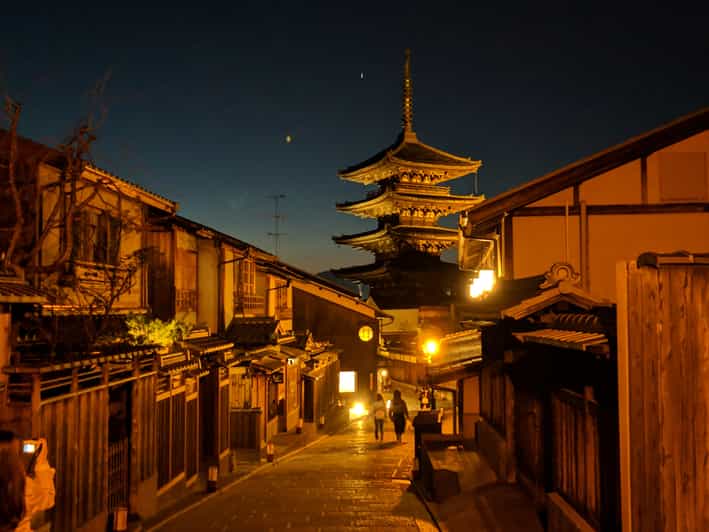
The next stop is Ninenzaka, with about 20 minutes of guided time. Its sloping stone streets and traditional buildings provide some of the most recognizable scenery in eastern Kyoto.
At night, the lanes can feel especially cinematic. Wooden façades catch the light, and the absence of daytime crowds makes it easier to notice small details in the architecture. Your guide can also point out good places for photographs and explain how the area fits into the older Kyoto townscape.
There is a practical tradeoff here. Darkness adds atmosphere, but it can make uneven streets and quieter corners harder to see. Wear shoes you can walk in comfortably, and pay attention underfoot rather than looking only at the pagoda ahead.
A completely different kind of day out:
- PERFECT KYOTO 1-Day Bus Tour
★ 5.0 · 13,518 reviews - Kyoto: Fushimi Inari, Kinkakuji, Bamboo Grove 1 Day Bus Tour
★ 4.8 · 4,316 reviews - Kyoto: Tea Ceremony in a Traditional Tea House in Kiyomizu
★ 4.9 · 3,519 reviews - Kyoto: Gion Make Your Own Chopsticks with Engraving Option
★ 5.0 · 3,465 reviews
Hōkan-ji Temple and the famous pagoda
Hōkan-ji Temple is scheduled as a 20-minute photo stop. Its five-story pagoda, often called Yasaka-no-Tō, is one of the most familiar sights in the Higashiyama district.
The nighttime lighting gives the pagoda a strong visual presence. It rises above the low wooden streets, creating the kind of scene that explains why this part of Kyoto is so popular. Your guide can help you find a good angle and explain what you are looking at, rather than leaving you to take a quick photograph and move on.
Do keep expectations realistic. The stop is listed as a photo stop, not an extended temple visit. If you want a detailed look inside every religious site, this tour will feel brisk. Its strength is the combination of views, street atmosphere, and explanation.
Yasui Kompira-Gu Shrine and its unusual focus
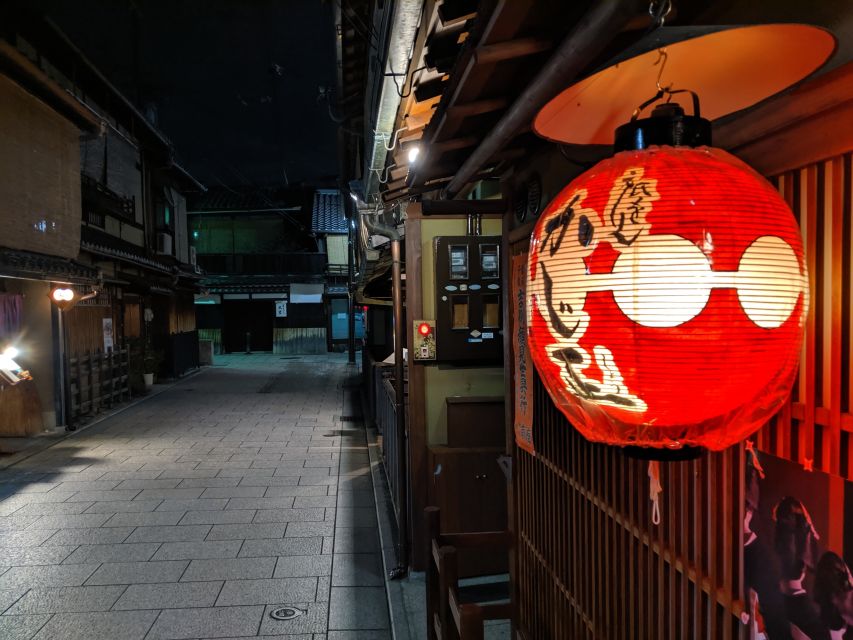
The walk then reaches Yasui Kompira-Gu Shrine for about 15 minutes. This visit adds a different note to the route, since the shrine is associated with breaking unwanted connections and forming better ones.
That idea gives the guide a chance to discuss how Japanese religious places often have specific purposes in everyday life. You are not just looking at a gate or a building. You are learning how local people may approach a shrine with a particular hope or problem in mind.
The stop is short, but it helps keep the tour from becoming a simple parade of famous photographs. It adds a glimpse of living religious practice, which is one reason a guided walk can be more rewarding than following a map by yourself.
Gion after dark: the heart of the walk
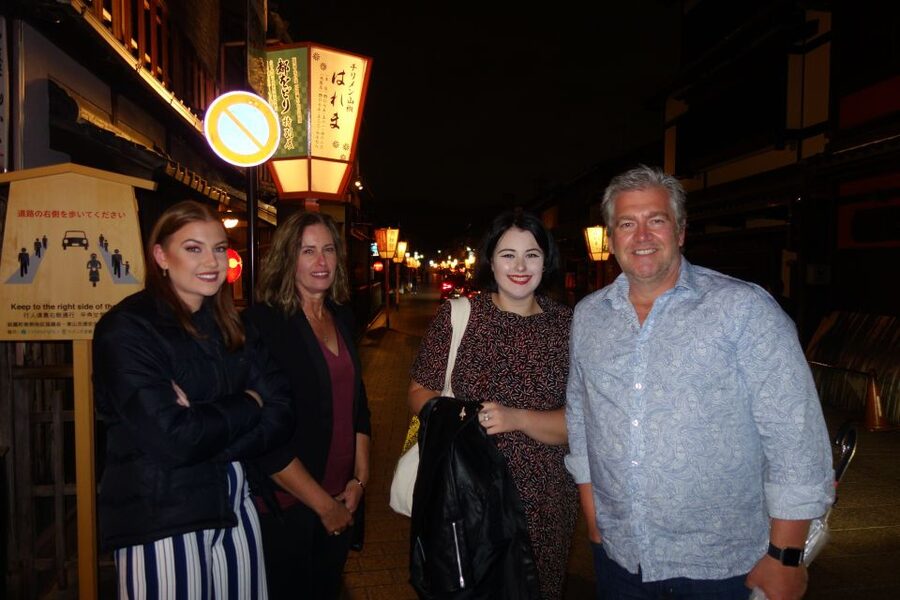
The final 45 minutes are devoted to Gion. This is the longest section, and rightly so. Gion is not one single attraction. It is a district of narrow lanes, wooden buildings, teahouses, restaurants, small shrines, and long-standing entertainment traditions.
The guide explains how the district developed and how geiko and maiko fit into it. In Kyoto, the term geiko is commonly used for a professional entertainer trained in traditional arts, while maiko refers to an apprentice. Their work involves years of study and practice, not simply wearing elaborate clothing for photographs.
Several guides are praised for handling this subject respectfully. Kevin is singled out for explaining the education and life of geiko and maiko in a clear way. Karim is praised for discussing the culture in a thoughtful, balanced manner. Ben is known for using slides on a tablet to show historical material and answer questions. These details matter because geisha culture is often reduced to costume and mystery. A good guide gives you a fuller picture.
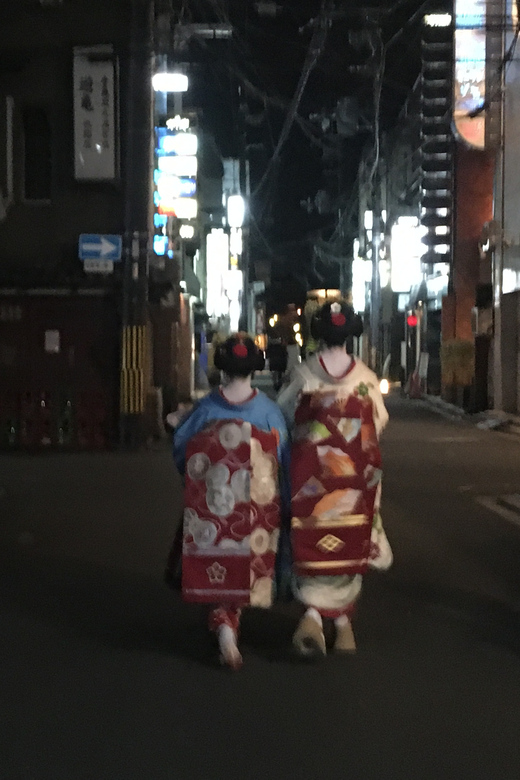
You may see geiko or maiko moving through the district, especially later in the evening. The chance of a sighting is one attraction, but it should be treated as a bonus. The women are going about their work, not performing for a tour group. Listen carefully to the guide’s advice about respectful behavior, keep your distance, and do not treat a passing person as a public display.
Some people on the walk have seen several women in costume, while others may see none. The tour still has value without that encounter because the guide explains the social setting and helps you read the district with more care.
Guides who make the difference
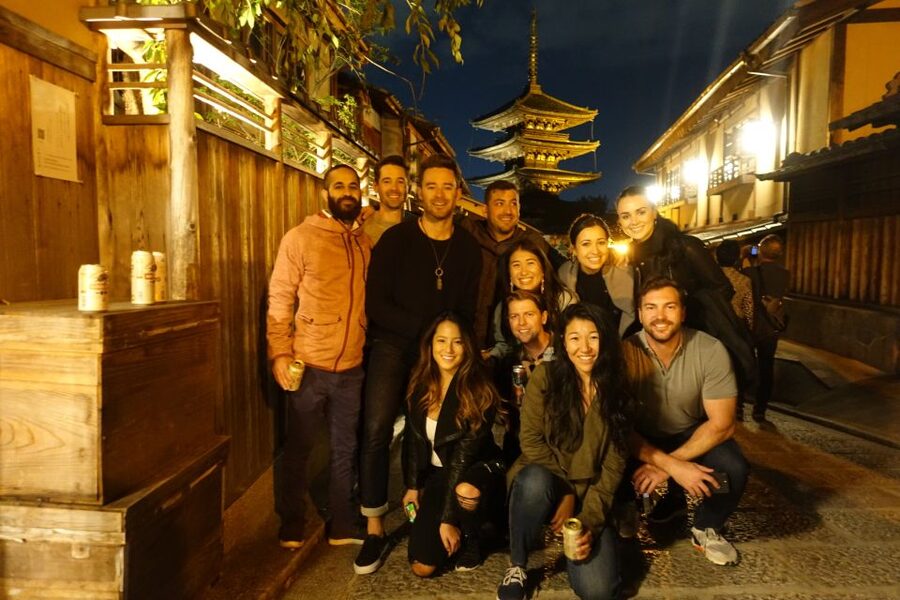
For a $24 walking tour, the guide is the main product. The buildings are free to see, but useful interpretation changes what you notice.
The strongest pattern in the feedback is not a single scripted speech. It is the guides’ ability to adjust. Kevin is repeatedly praised for answering questions, keeping the pace relaxed, and connecting Kyoto’s past with present-day Japanese life. Karim is described as funny, friendly, and especially good at balancing information with conversation. Janelle and Janiel receive praise for their warmth, stories, and ability to keep the evening engaging.
Ben’s use of visual material is helpful if you prefer historical information with something concrete to look at. Diana, Salomé, Hina, Amir, Masu, and others are also praised for making the walk easy to follow and enjoyable.
Guide quality can vary from one departure to another, as it does with any walking tour. The good news is that the repeated praise covers several different guides rather than resting on one person alone. You should expect an informative, conversational style rather than a highly formal academic tour.
The pace, group size, and physical feel
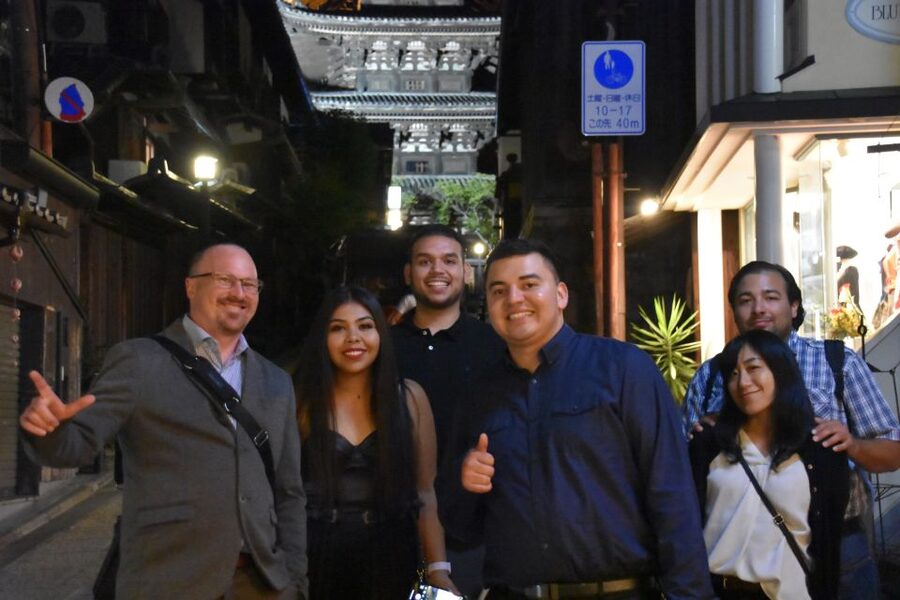
The advertised duration is two hours, and the scheduled stops add up to that length. You walk continuously between the sights, with pauses for explanation and photographs. This is not a strenuous mountain hike, but it is still a walking tour through narrow lanes and historic streets.
Private and small-group options are available. A smaller group can make it easier to ask questions, hear the guide, and move through tight streets. One especially small departure had just two participants and a guide, allowing a little more flexibility during the two-hour route.
If you prefer to cover a lot of ground quickly, the tour should suit you. If you like lingering quietly inside temples or taking many photographs at each stop, the schedule may feel tight. I would save the tour for the first part of your Kyoto stay, then return later to the places you want to explore at your own speed.
What the $24 price really buys you
At $24 per person, this is good value if you want orientation and cultural background. You are paying for a live English or French-speaking guide who links five stops into one clear story.
You are not paying for admission to a meal or included drinks. Food and beverages are separate, but the guide can recommend a place for a drink or bite afterward. That is a useful ending, especially because Gion can be confusing when you are deciding where to eat.
The price is less compelling if you already know Kyoto well, have read extensively about geiko culture, and are comfortable finding the sights independently. Even then, a private or small-group departure may be worthwhile if you want to ask detailed questions or see the district from a local guide’s point of view.
The flexible booking terms also help. You can reserve now and pay later, and cancellation is free up to 24 hours before the tour for a full refund. Those terms are useful in Kyoto, where weather and changing plans can affect an evening walk.
Who should book this Kyoto night tour?
I would choose this experience if you:
- Are visiting Kyoto for the first time
- Want a simple introduction on your first evening
- Care about local customs, religion, and traditional arts
- Prefer a quiet walk to a crowded daytime sightseeing route
- Want recommendations for food or drinks afterward
- Enjoy asking questions rather than following a fixed audio guide
Families with older children may also like it, provided everyone is comfortable walking for two hours and staying attentive in darker areas. People who are especially interested in geiko and maiko will gain useful background, but should understand that a sighting is never promised.
I would skip it if you want a long interior visit at each temple, a food tour, or a guaranteed geisha encounter. It is also less suitable if you dislike evening walking or find uneven streets uncomfortable.
Small details that will improve your evening
Wear comfortable footwear and bring an extra layer in cooler weather. A February departure was described as very cold, yet the walk remained enjoyable, so weather preparation matters.
Check the start location twice. The meeting point can vary by booking option, and the no-refund rule for late arrival is firm. Save the guide’s phone number and have WhatsApp ready before leaving your hotel.
Keep your camera ready at the pagoda and in Gion, but do not let photography replace attention to the street. The most useful part of the walk may be a short explanation about a custom, a quiet lane you would have missed, or advice on how to behave around working geiko and maiko.
Should you book Best of Kyoto: Gion, Geisha, Pagodas & Cobblestones?
Yes, I would recommend it for a first or second night in Kyoto. For $24, you get a well-paced introduction to Yasaka Shrine, Higashiyama, Hōkan-ji’s pagoda, Yasui Kompira-Gu, and Gion, with the added pleasure of seeing the district after dark.
Book it for the setting and cultural insight, not simply for a geisha sighting. Choose a small group or private option if available, arrive early, prepare for some dark stretches, and use the guide’s restaurant suggestions afterward. If you want Kyoto to feel like a living place rather than a list of monuments, this is a smart, reasonably priced beginning.
FAQ
How long does the Gion and Higashiyama tour last?
The tour lasts two hours.
What places are included?
The route includes Yasaka Shrine, Ninenzaka, Hōkan-ji Temple, Yasui Kompira-Gu Shrine, and the Gion district.
Is the tour offered in English?
Yes. Live guides are available in English and French.
Are food and drinks included?
No. Food and drinks are not included, though the guide can recommend a place to eat or have a drink afterward.
Can I see a geisha or maiko?
You might catch a glimpse of geiko or apprentice maiko during the Gion portion, but a sighting is not guaranteed.
Where does the tour meet?
There are two possible starting locations: Tsuruha Drug Yasaka Shrine Store or a FamilyMart location in Kyoto Gion. The exact meeting point depends on the option booked.
What happens if I cannot find the guide?
The guide’s phone number is shared with you. Call at least ten minutes before the start if you are having trouble finding the meeting point. WhatsApp is recommended, and late arrivals or people unable to find the guide are not refunded.
Just added in Kyoto
- The “Golden Route” and Ancient Japan by DIAMIR Erlebnisreisen – 14-Day Tour★ 2.0 · 2 reviews
- Japan: Castles & Cuisine by G Adventures – 6-Day Kyoto to Osaka Tour★ 4.5 · 4 reviews
- Cycle Japan by Explore! – 13-Day Kyoto to Tokyo Tour★ 4.7 · 12 reviews
- Cycle Japan by Intrepid Travel – 11-Day Kyoto to Tokyo Tour★ 4.8 · 2 reviews
- Classic Japan by Intrepid Travel – 11-Day Kyoto to Tokyo Tour★ 4.4 · 14 reviews
- Ancient & Modern Japan 14-Day Tour by Exodus Adventure Travels★ 4.4 · 40 reviews
- 5 Day Cultural Adventure of Kyoto, Nara & Osaka by Tourist Journey★ 2.5 · 2 reviews
- 12 Days Kinosaki Onsen Escape: A Journey Through Japan’s Timeless Towns by UME Travel★ 4.8 · 5 reviews
Kimono and Cultural Dress, compared.
![[Kyoto & Nara Day Tour] Sagano Scenic Railway & Nara Park & Fushimi Inari Taisha Thousand Torii Gates & Togetsukyo Bridge & Bamboo Grove & Kimono Forest (Departing from Osaka)](https://media.japanvisits.com/wp-content/uploads/kyoto-nara-day-tour-sagano-scenic-railway-nara-park-fushimi-inari-taisha-thousand-torii-gates-togetsukyo-bridge-bamboo-grove-kimono-forest-departing-from-osaka-k110001-400x257.jpg)

Tokyo Asakusa Kimono&Yukata Rental at Kimono Miyabi Asakusa Station
Read our review →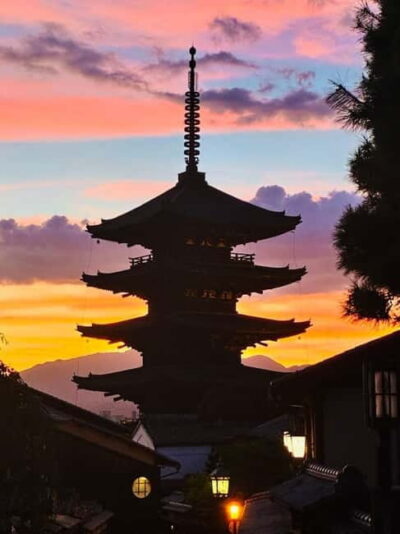
Kyoto Geisha Walking Tour: Gion District & Hidden Gems
Read our review →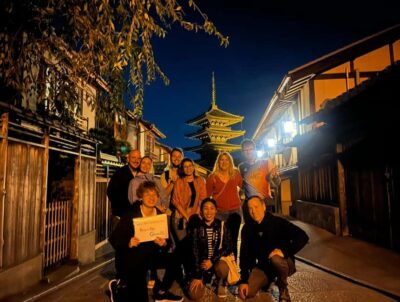
Gion Magical Night Walking Tour with Geisha Trivia
Read our review →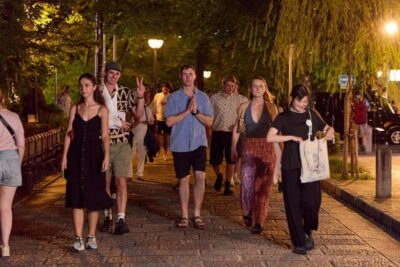
Gion Geisha District Walking Tour – Stories of Geisha
Read our review →
Kyoto Kimono Rental Experience (Optional Exquisite Hair Styling/Japanese Makeup/Photography) (Ookini Kiyomizu-dera Main Store)
Read our review →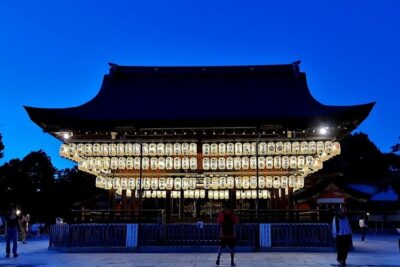
Kyoto Gion Geisha District Walking Tour – The Stories of Geisha
Read our review →Browse the lists this tour appears in