
Reviewed · MUSEUMS AND GALLERIES
Skip the lines Basic Ticket at SAMURAI NINJA MUSEUM KYOTO
Samurai history comes alive with a sword in hand. This one-hour Kyoto tour combines a guided introduction to samurai and ninja culture with armor try-ons, replica swords, and shuriken throwing, making it more active than a standard museum visit. I especially like the clear historical overview and the chance to take memorable photographs in samurai clothing. The main caution is size: the museum is compact, and busy sessions can feel rushed or crowded.
I also like the range of daily time slots, the mobile ticket, and the central Kyoto location. Guides such as Naromi, Raito, Saku, Jasmine, and Nobu have been praised for making the history lively and easy to follow. But you should set your expectations correctly: this is a short, family-friendly presentation with interactive activities, not a large museum filled with room after room of rare objects.
In This Review
- Key points before you book
- What the $28.52 price really buys you
- Finding the museum and starting the visit
- The opening story: samurai, ninjas, and feudal Japan
- Looking at swords, weapons, and the samurai house
- Wearing samurai armor and holding a katana
- The shuriken throwing competition
- How the guide changes the experience
- Crowds, comfort, and the short schedule
- Who will enjoy this Kyoto activity most?
- Cancellation and planning details
- Should you book the Samurai Ninja Museum?
- FAQ
- How long does the Samurai Ninja Museum Kyoto experience last?
- What is included in the ticket?
- Is transportation included?
- Is the ticket available on a mobile device?
- Can children take part?
- Do I have to wear the samurai armor?
- What activities are offered during the visit?
- What is the group-size limit?
- What is the cancellation policy?
Key points before you book
- Expect about one hour: The visit is short, focused, and easy to fit between other Kyoto sights.
- Try samurai armor and a katana: The costume session gives you a strong photo opportunity, though clothing and prop quality may vary.
- Throw ninja stars: The shuriken activity is a playful competition using replica stars, and it is often the highlight for children.
- Listen to a live guide: The tour explains samurai society, Japan’s feudal system, and ninja culture in a more entertaining way than reading wall text alone.
- Prepare for a small museum: The displays include swords, weapons, armor, and a recreation of a samurai house, but the rooms are not extensive.
- Check capacity and access dates: The supplied details give both 15 and 30 as possible group limits, and the elevator is listed as out of service from January 24 to February 19, 2026.
What the $28.52 price really buys you
At $28.52 per person, this is best judged as a guided activity rather than a full museum admission. Your ticket covers admission, a professional guide, a samurai costume, and the ninja star throwing competition. Transportation to the museum is not included, so you will need to make your own way there.
That price is reasonable if you want a structured introduction to samurai and ninja culture, especially when you value the hands-on parts. You are paying for the explanation, the chance to handle replica equipment, the costume photographs, and a simple activity that keeps children involved.
The value is weaker if your main goal is extensive historical research. The museum is described as small, with a visit lasting roughly one to one and a half hours at most. A few people have found the displays too limited and the costume selection too narrow. One account described only two outfits available at a particular time, while another found the clothing old and a replica katana damaged.
For a first Kyoto visit, I see this as a pleasant add-on rather than a major day trip destination. It works well before lunch, after a shopping walk, or during a gap between larger sights. You will get the most from it if you enjoy learning a few key ideas, taking photographs, and joining in rather than studying every object in detail.
More Castles and Historic Sites in Kyoto
- Kyoto Samurai Experience
★ 5.0 · 1,294 reviews - Kyoto: Nijo-jo Castle and Ninomaru Palace Guided Tour
★ 4.7 · 1,020 reviews - Kyoto: Kendo and Samurai Experience with Uniform and Gear
★ 4.9 · 815 reviews
Finding the museum and starting the visit
You make your own way to the Samurai Ninja Museum in central Kyoto. It is near public transportation, but the exact entrance can be easy to miss. One useful practical point from the experience is that the museum can be hard to find within the shopping arcade, so keep your mobile ticket and directions open as you approach.
The mobile ticket is convenient. You do not need to print a paper voucher, and multiple time slots make it easier to fit the tour around Kyoto’s temples, markets, and evening plans. Confirmation is provided at booking.
The first stage is meeting your guide and joining the scheduled group. The skip-the-line wording suggests a smoother entry, but you should not assume you will walk straight into a private tour. One account described the group entering together before following a guide, so the benefit is mainly organized admission rather than a completely separate entrance experience.
Group size matters here. The supplied information gives two different maximums, 15 and 30 people, so the actual capacity may depend on the booking channel or session. Smaller groups should make it easier to hear the guide and get time with the costumes and activities. On crowded dates, the rooms can feel tight, and the presentation may move quickly.
The opening story: samurai, ninjas, and feudal Japan
The guided portion begins with an overview of Japan’s feudal system and the roles of samurai and ninja within that world. You will see swords, armor, and other weapons while the guide explains the social and political setting behind these figures.
This context is the strongest reason to choose the guided format. A sword display by itself can be attractive, but the guide gives you a basic framework for understanding who used these objects and why they mattered. The presentation is aimed at a general audience, so it should suit first-time visitors who know the popular legends but want a clearer sense of the people and society behind them.
Do not expect an academic lecture. The tone is lively and accessible, with the guide using stories, demonstrations, and humor to keep the group engaged. Nobu, Raito, Naromi, and Saku are among the guides praised for their energy and clear explanations. The quality of the visit depends in part on the guide leading your session, but the strongest praise consistently centers on the staff’s ability to make the subject fun.
The ninja material also helps balance the samurai focus. Popular culture often turns ninja into near-mythical figures, while the museum offers a short explanation of their place in Japanese history. You will not receive a long research seminar, but you should leave with a more grounded picture than you had from films and television alone.
Looking at swords, weapons, and the samurai house

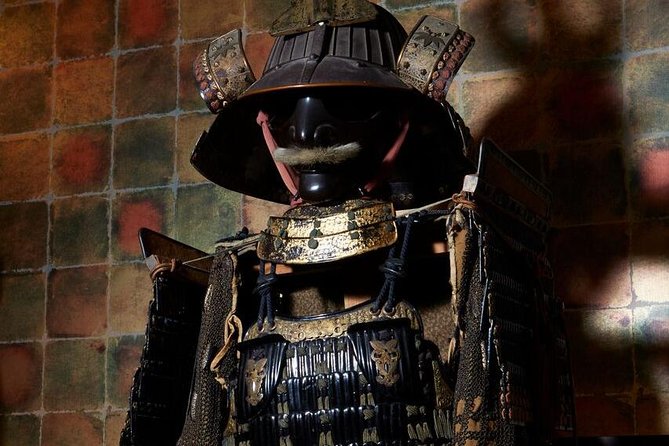
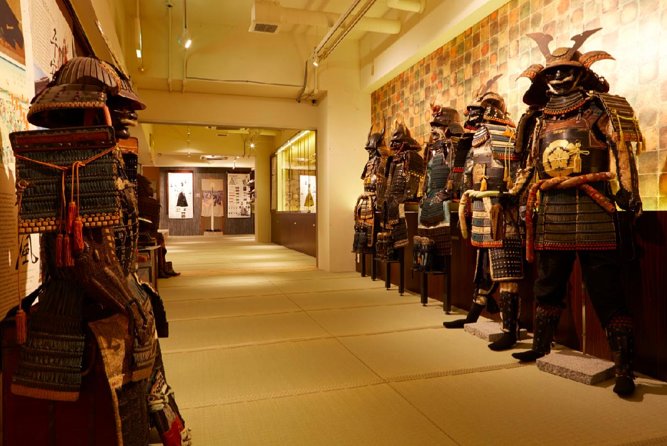
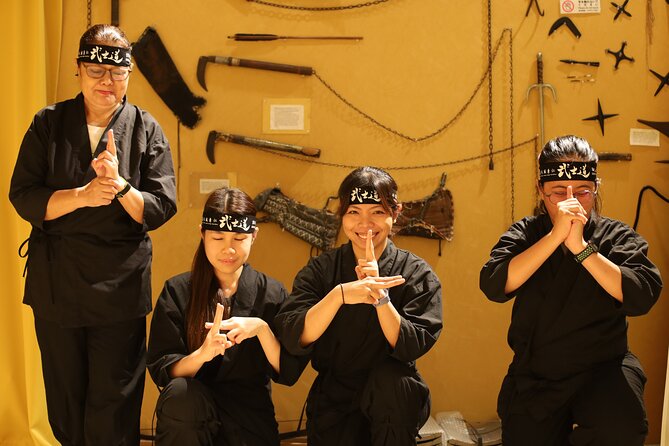
The museum’s objects include preserved swords and other weapons, along with samurai armor and a recreation of a samurai house. These displays give the tour a physical sense of the period and provide useful visual support for the guide’s explanations.
The swords are likely to be the main draw for history fans. They also create some of the best photo opportunities, particularly when paired with the costume session later in the visit. You may see other weapons and clothing displays, but the collection is not presented as a large, traditional museum with extensive galleries.
That distinction is important. Some people expect a substantial collection of artifacts and several rooms to explore at their own pace. This venue is compact and sits across two levels in a shopping arcade, according to one description. If you want a major museum experience, the limited number of displays may disappoint.
On the other hand, the smaller scale keeps the tour manageable for families. You are not asking a six-year-old to walk through endless cases of objects. The guide moves the group from one subject to the next, and the interactive sections arrive before younger children lose interest.
You can also continue exploring after the guided portion rather than being required to leave as soon as the explanation ends. That is useful if you want a closer look at an object or a few extra photographs, although the amount of space remains limited.
More Museums and Galleries in Kyoto
- teamLab Biovortex Kyoto ticket
★ 4.8 · 3,186 reviews - Kyoto: Tea Museum Tickets and Matcha Grinding Experience
★ 4.9 · 739 reviews - Kyoto : Geiko Maiko Dance of Kyoto & Visits of Gion Museum
★ 4.6 · 415 reviews - Kyoto Sword Experience – includes Museum Ticket/Ninja Experience
★ 4.5 · 149 reviews
Wearing samurai armor and holding a katana
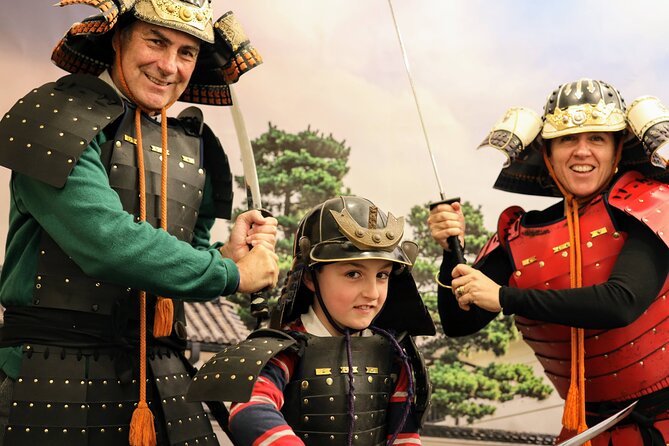
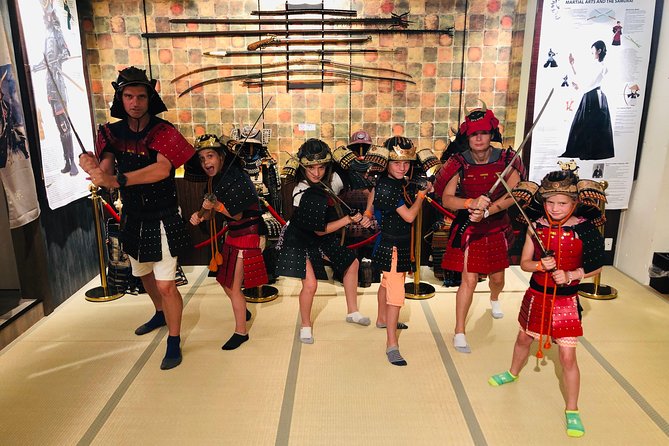
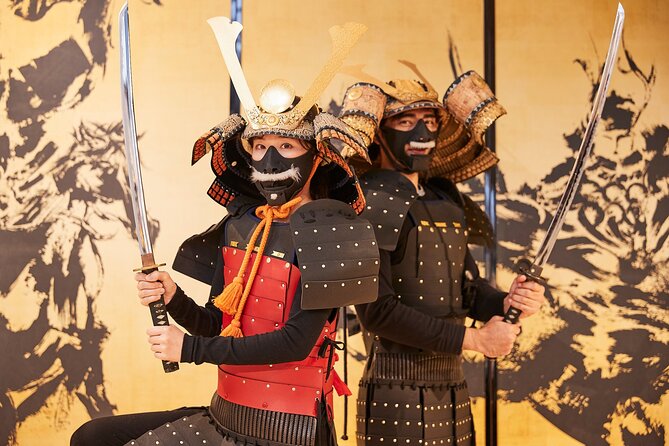
The costume activity is the most distinctive photo opportunity. Depending on the session, you can try samurai armor, wear a helmet, hold a replica katana, and pose against a backdrop. The experience information lists the armor trial as optional, so you can take part or simply watch.
This is not a full historical reenactment. The costume is there for photographs and a brief hands-on connection with the subject. You should also be prepared for variation in condition and choice. Some accounts praise the dress-up activity, while others describe worn clothing, a broken prop sword, or too few outfits when the museum is busy.
That mixed picture does not make the activity worthless. It simply means you should treat it as a fun extra, not the main reason to pay the admission price. For families, it can be the moment that makes the history stick. Children who might forget a short explanation about feudal society may remember putting on a helmet and posing with a sword.
Adults can enjoy it too, especially if you want a distinctive Kyoto photograph. The best approach is to be flexible. If several groups are waiting, your costume time may be brief. If you are visiting during a quieter session, you might have more freedom to pose and look at the equipment.
The shuriken throwing competition
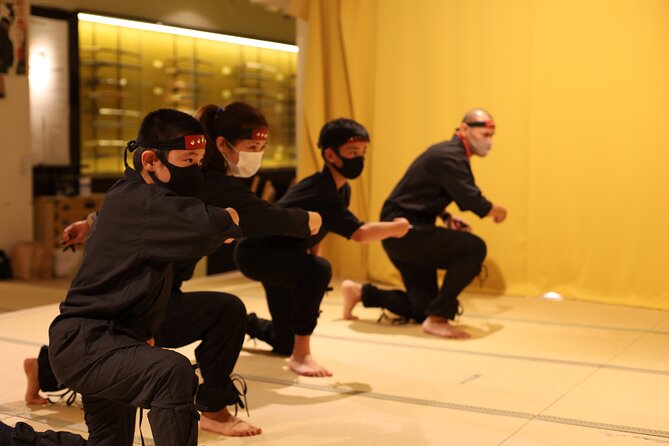
The ninja star activity is another practical reason this tour appeals to families. You throw replica shuriken at a target in a light competition, with the guide explaining how the activity works.
This is not a serious weapons class, and the use of replicas keeps it suitable as a simple visitor activity. It gives the tour a change of pace after the historical presentation and lets you participate rather than only listen.
The activity receives some of the warmest praise in the available feedback. Raito is specifically remembered for making shuriken throwing enjoyable, and one participant even won a ninja star. Children have also enjoyed the chance to throw stars, dress as ninjas, and examine the costumes and weapons.
The competition can make the visit feel more personal, but it may also contribute to crowding if many people are waiting for a turn. On busy sessions, expect a group activity rather than unlimited practice. The fun comes from the novelty and the shared laughter, not from mastering a ninja skill in an hour.
How the guide changes the experience
The guide is central to the value of this visit. The objects alone would not fill a full afternoon, but a good presenter turns them into a readable story about samurai life, ninja traditions, and Japan’s feudal order.
The strongest guides are described as friendly, energetic, funny, and passionate. Naromi is praised for adding insightful facts, while Saku is described as friendly and lively. Jasmine receives strong praise for her explanations, and Nobu is singled out for keeping the group entertained even when the room felt too crowded.
That human element is especially useful if you are visiting with children or with someone who does not normally choose history museums. The guide can connect the swords and armor to stories, then move into the costume and throwing activities before attention fades.
There is some unpredictability because guide style can vary. A strong guide may make the hour feel full and memorable. A less engaging session, or one delayed by a crowded schedule, may feel short. If you are a serious samurai enthusiast, you should view the guide as an introduction rather than your only source of information.
Crowds, comfort, and the short schedule
The advertised duration is approximately one hour, though some people spend up to one and a half hours in the museum. The guided presentation itself is short, and the pace can change with group size.
Crowding is the biggest practical concern. A few poor experiences describe overbooking, difficulty fitting everyone into a room, waiting for the presenter, and a less personal atmosphere. Another account reports no air conditioning, which could matter on a warm day. These complaints do not match every visit, but they are worth considering because the venue is small.
Busy periods can also limit access to the costumes. You may need to wait, choose from fewer outfits, or take a quick turn before the next person steps in. If the activity is important to you, choose a time slot carefully and allow a little flexibility.
The good side of the compact schedule is convenience. You will not lose half a day, and the tour can work well for a family that wants one focused activity. It is also a reasonable rainy-day option only when the operator is running the experience, since the stated policy says poor weather can lead to a new date or a full refund.
Who will enjoy this Kyoto activity most?
I would recommend this experience most strongly to:
- Families with children who enjoy costumes and simple competitions
- First-time visitors curious about samurai and ninja culture
- Fans of Japanese history who want a short introduction
- Visitors looking for unusual photographs in Kyoto
- People with only an hour available between other plans
You may enjoy it less if you want quiet study, a large artifact collection, or a long, detailed account of Japanese military history. The museum is designed for beginners, casual history fans, and people who learn best through demonstrations and participation.
Children must be accompanied by an adult, and most people can take part. Service animals are allowed. The visit is near public transportation, but getting to and from the attraction is your responsibility.
One access detail deserves attention. The elevator is listed as out of service from January 24 through February 19, 2026. Since the venue uses two levels, check whether that affects your party before booking those dates.
Cancellation and planning details
You can cancel up to 24 hours before the start time for a full refund. Cancellations or changes made less than 24 hours ahead do not qualify for a refund.
The activity requires good weather. If the operator cancels because of poor weather, you should be offered another date or a full refund. Keep the local Kyoto time in mind when calculating the cancellation deadline.
The ticket is mobile, admission is included, and the experience has been booked frequently. Still, I would confirm the group-size limit and any current access arrangements before paying, since the supplied details list both 15 and 30 as maximum capacities.
Should you book the Samurai Ninja Museum?
Book it if you want a short, lively, hands-on introduction with a guide, a costume photograph, and shuriken throwing. At $28.52, it offers fair value for families and first-time visitors who want an activity rather than a silent display of objects.
Skip it if you expect a large museum, a carefully preserved costume collection, or a detailed scholarly treatment of samurai and ninja life. The best way to approach it is as an entertaining one-hour stop in central Kyoto. Go for the guide, the history basics, and the chance to participate. Do not go expecting a grand castle museum in miniature.
FAQ
How long does the Samurai Ninja Museum Kyoto experience last?
The tour lasts approximately one hour. Some descriptions indicate that the full visit may take about one to one and a half hours.
What is included in the ticket?
Admission, a professional guide, a samurai costume, and the ninja star throwing competition are included.
Is transportation included?
No. You make your own way to the museum, and transportation to and from the attraction is not included.
Is the ticket available on a mobile device?
Yes. The experience provides a mobile ticket, and confirmation is received at the time of booking.
Can children take part?
Yes. Most people can participate, but children must be accompanied by an adult.
Do I have to wear the samurai armor?
No. The armor trial with a katana is optional.
What activities are offered during the visit?
The experience includes a guided explanation of samurai and ninja culture, a samurai armor trial with a replica sword, and a ninja star throwing competition.
What is the group-size limit?
The supplied information lists both 15 and 30 as maximum group sizes. Check the limit shown for your selected booking before confirming.
What is the cancellation policy?
You can cancel at least 24 hours before the start time for a full refund. Later cancellations and changes are not accepted for a refund. If poor weather causes the operator to cancel, you will be offered another date or a full refund.
Just added in Kyoto
- The “Golden Route” and Ancient Japan by DIAMIR Erlebnisreisen – 14-Day Tour★ 2.0 · 2 reviews
- Japan: Castles & Cuisine by G Adventures – 6-Day Kyoto to Osaka Tour★ 4.5 · 4 reviews
- Cycle Japan by Explore! – 13-Day Kyoto to Tokyo Tour★ 4.7 · 12 reviews
- Cycle Japan by Intrepid Travel – 11-Day Kyoto to Tokyo Tour★ 4.8 · 2 reviews
- Classic Japan by Intrepid Travel – 11-Day Kyoto to Tokyo Tour★ 4.4 · 14 reviews
- Ancient & Modern Japan 14-Day Tour by Exodus Adventure Travels★ 4.4 · 40 reviews
- 5 Day Cultural Adventure of Kyoto, Nara & Osaka by Tourist Journey★ 2.5 · 2 reviews
- 12 Days Kinosaki Onsen Escape: A Journey Through Japan’s Timeless Towns by UME Travel★ 4.8 · 5 reviews
Museums and Galleries, compared.

teamLab Borderless Tickets: MORI Building DIGITAL ART MUSEUM
Read our review →

teamLab Planets TOKYO Digital Art Museum Entry Ticket
Read our review →



Browse the lists this tour appears in