
Reviewed · DAY TRIPS
From Nagoya: Eihoji, Enakyo, Magomejuku & Tsumagojuku Day Tour
Japan’s old road is still walkable. This 9 to 10 hour outing from Nagoya combines preserved Nakasendo post towns with the quiet gardens of Eihoji Temple and the broad views of Enakyo. I like the useful mix of culture and scenery, and I like that the $63.04 price includes transport, a guide, taxes and entrance fees. The main concern is language balance, since some departures may combine English and Chinese commentary on one bus.
You leave early, meet at the VIPLINER Nagoya bus stop at 8:30 am, and return there later in the day. I especially like the generous two hours at Magome and the chance to see Tsumago as well, but this is a long road day, and traffic or weather can shorten the schedule.
In This Review
- Key points to know before booking
- Why this Nagoya day trip is worth considering
- Eihoji Temple begins the cultural side
- Enakyo brings river, rocks and mountain views
- Magome-juku preserves the old Nakasendo
- Tsumago-juku feels quieter and more protected
- The coach and schedule shape the experience
- English service needs a practical check
- What to bring for a smoother day
- Who will get the most from this tour?
- Should you book the Eihoji and Nakasendo tour?
- FAQ
- How long does the tour last?
- Where does the tour depart from?
- What time should I arrive?
- Are entrance fees included?
- Is lunch included?
- Is the tour offered in English?
- How much time is provided at each main stop?
- Can I cancel for a full refund?
Key points to know before booking
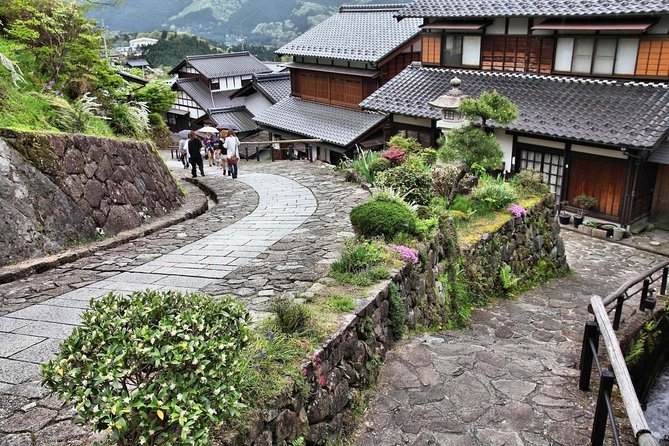
- Two historic post towns in one day: Magome and Tsumago preserve sections of the old Nakasendo route between Edo, now Tokyo, and Kyoto.
- Eihoji adds calm and beauty: The Rinzai Zen temple has ancient buildings, a peaceful garden and some steep paths.
- Enakyo supplies the big view: Expect panoramic sights over the gorge, Oi Dam’s lake and unusual rock formations.
- A coach makes remote sights practical: Air-conditioned transport saves you from planning several train and bus connections from Nagoya.
- Lunch is not included: You will need to budget time and money for your own meal.
- Guide language deserves attention: English or Chinese service is offered, but both languages may be spoken on the same bus.
Why this Nagoya day trip is worth considering
Nagoya is an excellent base for seeing central Japan, but some of its best rural sights are awkward to link by public transport in one day. Magome, Tsumago, Eihoji and Enakyo sit in different parts of Gifu and Nagano prefectures. A coach tour removes much of that planning work.
At $63.04 per person, the price is strong for a full day outside the city. Your fare covers an air-conditioned coach, an English or Chinese-speaking guide, taxes and all stated entrance fees. You still pay for lunch and personal purchases, but there are no separate admission charges waiting at Eihoji or the museums.
The tradeoff is freedom. You follow a fixed schedule rather than choosing how long to linger at each town. The day also depends on road conditions. Holiday traffic, bad weather or other delays can reduce the number of sights visited, with no refund for attractions missed because of those conditions.
More Day Trips in Nagoya:
- Shirakawa-go & Takayama Old Town Day Tour (Optional Hida Beef Lunch)
★ 4.6 · 3,936 reviews - Hida Takayama & Shirakawa-go Gassho Village Day Trip (Departing from Nagoya, optional observatory tour included)
★ 4.7 · 2,837 reviews - From Nagoya: Gujo, Hida Takayama, and Shirakawa-go Day Tour
★ 4.4 · 398 reviews
Eihoji Temple begins the cultural side
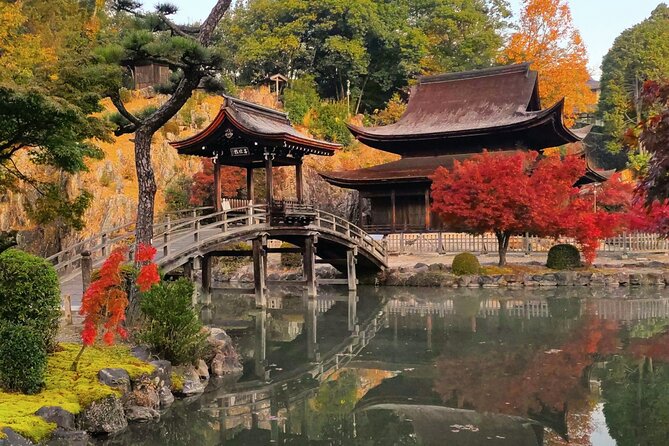
Kokeizan Eihoji, usually shortened to Eihoji, is a Rinzai Zen Buddhist temple in northern Tajimi, Gifu Prefecture. It was founded during the Kamakura period, giving the site a much older feel than a simple sightseeing stop.
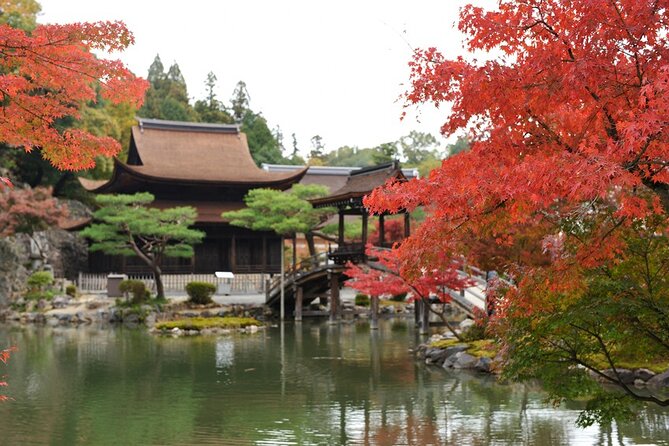
The temple grounds are known for quiet paths, traditional buildings and a carefully maintained garden. Two structures have National Treasure designation, an important detail for anyone who wants more than a quick photo stop. The garden is likely to be your main visual reward, with ponds, greenery and old architecture arranged for slow looking rather than hurried sightseeing.
I would wear shoes with a good grip here. Some paths and slopes are steep, and the ground can require care. Most people can take part in the tour, but Eihoji is not a flat, effortless stroll. Give yourself time to move carefully and enjoy the setting.
The one-hour stop is enough to see the key areas, but not enough for a long, meditative temple visit. That is typical of a multi-stop coach day. You get a clear introduction to the temple and its garden, then move on before the experience becomes repetitive.
Enakyo brings river, rocks and mountain views
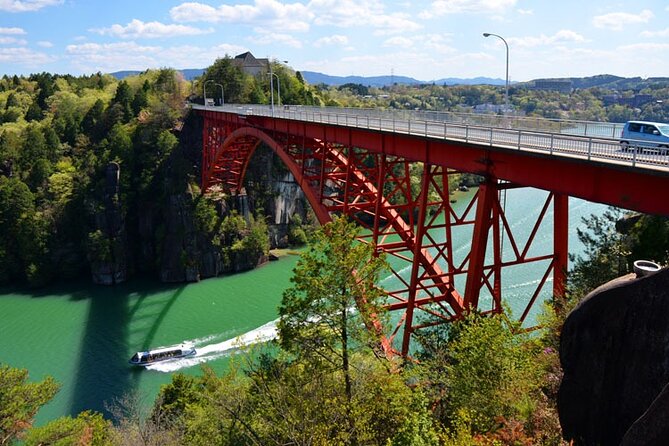
Enakyo is the day’s nature stop. The gorge was formed around an artificial lake created by the Oi Dam, and the water is framed by unusual rock formations on both shores. A lakeside park and walking paths add room to stretch your legs after time on the coach.
The observatory is the main attraction. From there, you can look over the winding water and surrounding mountains, with the Enakyo Bridge and seasonal scenery providing especially good photo opportunities. One account of the outing singled out the bridge and cherry blossoms, so spring can be particularly attractive, though the schedule and weather will always shape what you see.
This stop works well as a change of pace. Eihoji asks you to notice gardens and buildings. Enakyo gives you open views, water and rock. You can also find different perspectives along the walking routes, although the available time may not allow a long walk.
There is an important limitation here: the exact amount of time at Enakyo is not specified. The day runs on an approximate schedule, and traffic can affect every later stop. If you have a favorite viewpoint or want to take a boat, do not assume you will have time for every option. Sightseeing boats operate on the lake, but the tour information does not state that a boat ride is included.
Magome-juku preserves the old Nakasendo
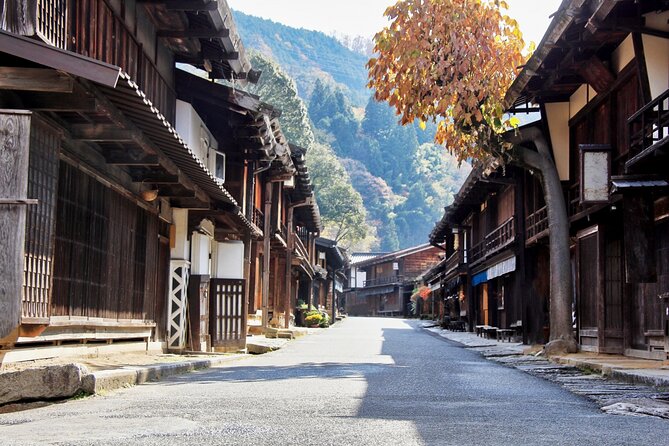
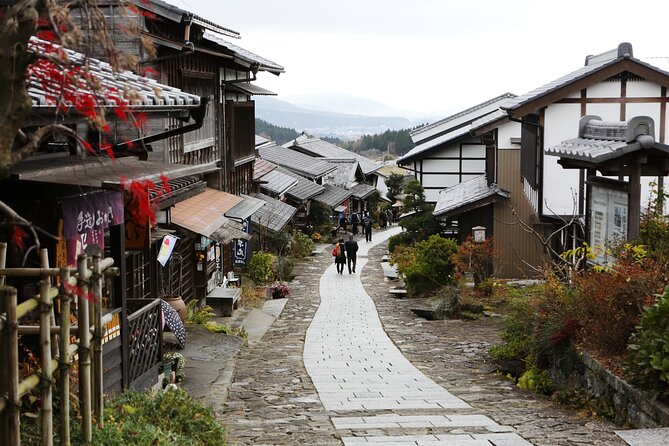
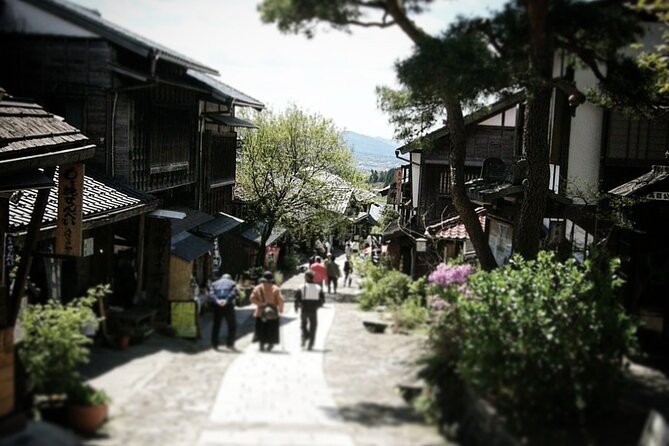
Magome is the most substantial stop, with about two hours to explore. That makes sense. The former post town has a long, gently rising street of wooden buildings, stone paving and traditional storefronts. It once served people using the Nakasendo, the inland route connecting Edo and Kyoto during Japan’s feudal period.
The setting is attractive because the town has kept its historic appearance. Instead of a modern shopping strip with a few old facades, you get a connected stretch of buildings that gives a clear sense of how a roadside settlement functioned. You can browse small shops, photograph the street and pause for local food without needing a museum label for every moment.
Magomekan is a useful stop for a light bite or souvenir. Gohei-mochi is the local specialty noted here: a skewered rice cake coated with a sweet miso and walnut sauce. It is simple, filling and easy to eat while walking. Since lunch is not included, you should treat Magome as one possible place to buy food rather than assume a formal meal is arranged.
Look for the pond with views toward Mount Ena. It offers a quieter picture spot away from the main street. You can also visit the Magome Waki-honjin History Museum, which reconstructs part of a former lodging house and displays household goods and furnishings from the period.
The two-hour allocation is one of the tour’s strongest features. You have enough time for the street, a snack, photos and the museum if the pace suits you. Still, this is not a dedicated Nakasendo walking tour. The program does not promise a hike from Magome to Tsumago, so do not book it expecting to walk the full historic trail between the towns.
A few more options to weigh up in Nagoya
- LEGOLAND® Japan Ticket
★ 4.7 · 11,787 reviews - Port of Nagoya Public Aquarium Ticket
★ 4.8 · 4,343 reviews - Ghibli Park Ticket in Aichi
★ 4.4 · 2,205 reviews - Nagoya Castle Ticket
★ 4.6 · 326 reviews
Tsumago-juku feels quieter and more protected
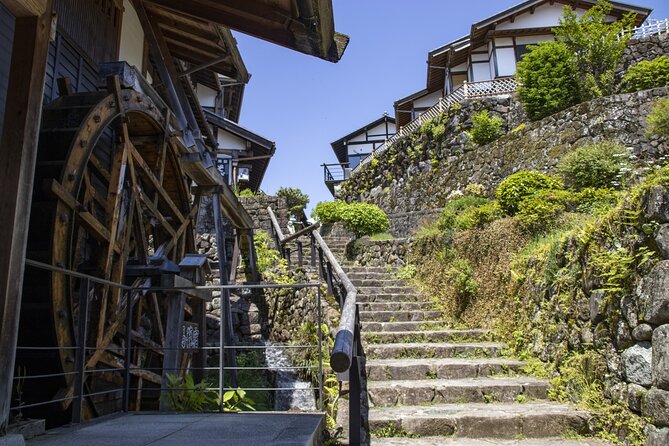
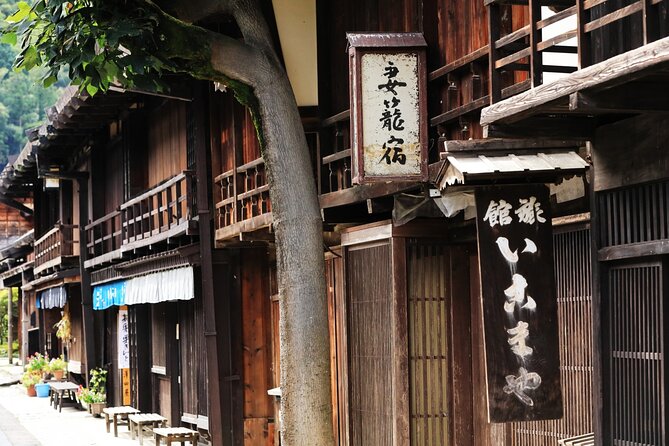
Tsumago, in Nagiso, Nagano Prefecture, is another former Nakasendo post town. Its preservation effort is especially notable because local residents asked for the town to be protected from modern changes. That decision helps explain the restrained atmosphere you find today.
The stop lasts about one hour and ten minutes. That is enough to walk the main streets, study the wooden houses and get a feel for the town’s Edo-period character. It is less time than you receive at Magome, so I would arrive ready to walk rather than spend the first part of the stop deciding what to see.
Tsumago also includes a former lodging site used by feudal lords and shogunate officials during the Edo period. It is now open as a museum and has been reconstructed to reflect its original buildings. This gives the town extra depth: you are not only looking at old exteriors, you can also see how official lodging functioned.
Magome and Tsumago are similar enough that some people may find the second stop less surprising. I think the contrast is still useful. Magome has more time for food and browsing, while Tsumago offers another view of how the Nakasendo towns preserved their identity. If you enjoy traditional architecture, the pairing is the reason to choose this tour.
The coach and schedule shape the experience
The meeting point is the VIPLINER Nagoya bus stop at 20-20 Tsubakicho in Nakamura Ward. You should arrive at least 10 minutes before the 8:30 am departure. The bus will not wait for late arrivals, so this is not the morning to cut things close after breakfast.
The coach is air-conditioned, a real benefit on a full day that includes outdoor walking. The tour ends back at the same meeting point, and the advertised duration is approximately nine to ten hours. The exact return time can shift because the transfers depend on traffic, weather and the time of day.
The group limit is listed as 99 people, which means the atmosphere may range from reasonably manageable to quite large. The experience is not designed as a private tour. You trade personal attention and flexible timing for a lower price and an easy route through several destinations.
The guide role matters here. Guides named in the feedback include Liu and Janet, both praised for being friendly, helpful and informative. Another outing highlighted the enthusiastic help of Xiao Liu and Mr. Kanbara. Those personal touches can make a coach tour much better, especially when the guide explains why the post towns look the way they do rather than simply pointing out photo stops.
English service needs a practical check
The tour is sold with English or Chinese commentary. That sounds clear, but the operating notes explain that both languages may be delivered on the same bus when numbers are low. That arrangement can affect how much English information you receive and how long explanations take.
Some people had an excellent guide but still felt they lost information because the main commentary was in Chinese. This is the most serious weakness in the experience, especially if you are booking specifically for historical interpretation rather than just transport and scenery.
I would contact VIP Japan Tours before booking if English guiding is essential to you. Ask how the language arrangement is expected to work on your date. The company says confirmation is normally sent at booking, but it does not generally send extra pre-departure emails unless you request more information.
What to bring for a smoother day
Bring comfortable shoes, since Magome and Tsumago have stone or uneven streets and Eihoji includes steep slopes. Keep a small amount of money available for lunch, drinks, gohei-mochi, souvenirs and any personal expenses.
If you bring luggage, one piece per person is allowed. The total combined height, width and depth must not exceed 155 centimeters for trunk storage. Items placed in the trunk cannot be reached between stops, so keep passports, medication, electronics and other valuables with you.
A phone with the mobile ticket ready is sensible, but the key morning task is confirming your name with the guide or staff on the participant list. You do not need to arrange separate entrance tickets because the stated admissions are included.
Who will get the most from this tour?
I would recommend this outing to you if you want to see rural central Japan without building a complicated transport plan. It suits first-time visitors to the Nagoya area, people interested in historic streets and temples, and anyone who likes a full sightseeing day with several different settings.
It is also a good choice if you value coverage. In one day, you see a Zen temple, a gorge, a dam lake and two Nakasendo towns. The pace gives you variety, although it does not allow deep exploration of any single site.
I would be more cautious if you dislike fixed schedules, large groups or long coach transfers. Independent visitors who want to hike the Nakasendo between Magome and Tsumago should arrange a separate walking plan. You should also think twice if you need uninterrupted English commentary and cannot confirm how the languages will be divided.
Free cancellation is available up to 24 hours before the start time, with a full refund. The tour requires at least 10 participants, and VIP Japan Tours may cancel three to four days before departure if that minimum is not reached. If the minimum is not met, you are offered another date or experience, or a full refund.
Should you book the Eihoji and Nakasendo tour?
Book it if you want strong value, attractive scenery and a simple way to reach four difficult-to-link sights from Nagoya. The two hours in Magome, the preserved streets of Tsumago and the included temple admission make the price appealing.
Before paying, contact the operator about the English and Chinese commentary. That single detail could decide whether this feels like an informative cultural day or mainly a scenic coach excursion. If the language setup works for you, this is a well-paced introduction to the old roads and rural beauty around Nagoya.
FAQ
How long does the tour last?
The tour lasts approximately 9 to 10 hours, beginning at 8:30 am and ending back at the Nagoya meeting point.
Where does the tour depart from?
It departs from the VIPLINER Nagoya bus stop at 20-20 Tsubakicho, Nakamura Ward, Nagoya, Aichi 453-0015, Japan.
What time should I arrive?
You should arrive at least 10 minutes before the 8:30 am departure. The bus will not wait for late arrivals.
Are entrance fees included?
Yes. The tour includes all stated entrance fees and taxes, including admission to Eihoji Temple and the included museum sites.
Is lunch included?
No. Lunch is not included, and you are responsible for personal food and other purchases.
Is the tour offered in English?
English or Chinese guiding is offered. If participant numbers are low, English and Chinese commentary may be provided on the same bus, so you should confirm the expected language arrangement before departure.
How much time is provided at each main stop?
Magome receives about two hours, Tsumago about one hour and ten minutes, and Eihoji about one hour. The exact schedule can change because of traffic, weather and other conditions.
Can I cancel for a full refund?
You can cancel up to 24 hours before the experience begins for a full refund. Cancellations or changes made less than 24 hours before the start time are not accepted for a refund.
Just added in Nagoya
- Hida Takayama & Shirakawa-go Gassho Village Day Trip (Departing from Nagoya, optional observatory tour included)★ 4.7 · 2,837 reviews
- Shirakawa-go & Takayama Old Town Day Tour (Optional Hida Beef Lunch)★ 4.6 · 3,936 reviews
- Nagoya Castle Ticket★ 4.6 · 326 reviews
- Port of Nagoya Public Aquarium Ticket★ 4.8 · 4,343 reviews
- LEGOLAND® Japan Ticket★ 4.7 · 11,787 reviews
- Ghibli Park Ticket in Aichi★ 4.4 · 2,205 reviews
- Nagoya Endoji Food and Cultural Tour★ 5.0 · 12 reviews
- Sumo Tournament Experience in Nagoya★ 5.0 · 12 reviews
Day Trips, compared.
![[Kyoto & Nara Day Tour] Sagano Scenic Railway & Nara Park & Fushimi Inari Taisha Thousand Torii Gates & Togetsukyo Bridge & Bamboo Grove & Kimono Forest (Departing from Osaka)](https://media.japanvisits.com/wp-content/uploads/kyoto-nara-day-tour-sagano-scenic-railway-nara-park-fushimi-inari-taisha-thousand-torii-gates-togetsukyo-bridge-bamboo-grove-kimono-forest-departing-from-osaka-k110001-400x257.jpg)
Kyoto Amanohashidate & Ine Funaya & Ine Bay Scenic Day Trip (Departing from Osaka or Kyoto)
Read our review →
Kyushu: Mount Aso, Kusasenri & Takachiho Gorge Day Tour (Optional Takachiho Boat Ride Experience)
Read our review →
Kyushu One-Day Tour: Yufuin no Mori Train & Yufuin Town & Nyoirin-ji Temple & Dazaifu & Hell Hot Springs (Departing from Fukuoka)
Read our review →
Browse the lists this tour appears in