
Reviewed · DAY TRIPS
Kyoto 1 Day Tour from Osaka
Kyoto rewards a well-planned day. This 11-hour tour from Osaka packs six major sights into one outing, linking Nijo Castle, the Golden Pavilion, Fushimi Inari Taisha, Sanjusangendo, Kyoto Imperial Palace, and Kiyomizu Temple. I like the efficient mix of train travel and an air-conditioned coach, and I like that a guide helps you handle Kyoto’s spread-out sights without wrestling with local transport all day. The tradeoff is clear: six stops make for a full schedule, and a group of up to 40 can make hearing commentary difficult.
I especially like the strong sightseeing coverage and the return assistance at the end, which can be useful after a tiring day. The tour also gives you a sensible first look at Kyoto if your time in Japan is short. Just do not expect a slow, reflective temple visit at every stop, and check the closure calendar before booking because substitute sites are possible without a refund.
In This Review
- Key points to know before booking
- Is $183.93 a fair price for a Kyoto day trip?
- Getting from Hotel Granvia Osaka to Kyoto
- Nijo Castle and the Tokugawa shoguns
- The Golden Pavilion at Kinkakuji
- Kyoto Imperial Palace and its possible substitute
- Lunch choices and the midday handoff
- Fushimi Inari and the famous red gates
- Sanjusangendo’s 1,001 Buddhist figures
- Kiyomizu Temple and the final Kyoto views
- How the guiding and group size affect the day
- The pace, the walking, and the weather
- Who should book this Kyoto day trip?
- My verdict: book it for coverage, not lingering
- FAQ
- Where does the Kyoto day tour start and finish?
- How long is the tour?
- Is lunch included?
- Can I request a vegetarian meal?
- What happens if Nijo Castle or Kyoto Imperial Palace is closed?
- Is seating guaranteed on the train?
Key points to know before booking
- Six famous Kyoto sights in one day: The route covers three UNESCO World Heritage sites plus major shrines, a palace, and Sanjusangendo Hall.
- Early start and late finish: Meet at Hotel Granvia Osaka at 7:15 a.m.; the tour ends near Osaka Station around 6:30 p.m.
- Train plus coach saves effort: The trip uses public JR trains between Osaka and Kyoto, then an air-conditioned bus within Kyoto.
- Fushimi Inari includes a walk: Allow about 15 minutes each way from the coach parking area to the shrine.
- Lunch is an option, not a given: Choose no lunch, a Western-style set menu, or an Indian thali meal when booking.
- The group may reach 40 people: A good guide can keep things moving, but quiet commentary is not guaranteed in a large group.
Is $183.93 a fair price for a Kyoto day trip?
At $183.93 per person, this is not a budget outing. It can still be reasonable if you value convenience, admission fees, transport, and a full day of sightseeing in one purchase.
Your price includes the listed entrance fees, transportation, an English-speaking guide in Kyoto, and an air-conditioned, heated tour bus. Lunch is included only if you select a lunch option. The price also covers the practical value of getting between sights that are spread across the city, from western Kyoto’s Golden Pavilion to southeastern Kyoto’s Fushimi Inari and Kiyomizu Temple.
If you are comfortable using trains and buses, planning your own route may cost less. You would also gain more control over time and could linger in one area. But independent planning takes work, and Kyoto’s popular sights can be awkward to combine in a single day.
I see the best value here for a first visit, a short stay, or anyone staying in Osaka who wants to see Kyoto without changing hotels. If you have several days in Kyoto, I would not use this as your only Kyoto experience. It is a broad introduction, not a slow study of the city.
More Day Trips in Osaka
- From Osaka: Himeji Castle, Arima Onsen & Mt. Rokko Day Tour
★ 4.6 · 339 reviews - Osaka Day Tour: Amanohashidate & Ine Bay
★ 5.0 · 280 reviews - Kyoto and Nara Day Trip from Osaka
★ 4.0 · 175 reviews
Getting from Hotel Granvia Osaka to Kyoto
The morning meeting point is Hotel Granvia Osaka, at 3-chōme-1-1 Umeda, inside the Osaka Station area. The start time is 7:15 a.m., so you need to be ready early and allow time to find the correct hotel entrance.
The outbound trip uses a non-reserved JR service. An English-speaking assistant accompanies the group from the Osaka meeting point to the Sunrise Tours Desk in Kyoto Avanti’s basement level. From there, the Kyoto sightseeing portion begins.
The train ride is listed as roughly 30 minutes each way. That sounds simple, but seats are not guaranteed. During busy periods, you may stand. One useful part of the service is that staff guide you through the transfer process, rather than leaving you to locate the bus departure point alone.
The return also uses public transportation and non-reserved seating. The tour ends around 6:30 p.m. near Osaka Station, not at your hotel. An assistant helps you get back to Osaka Station, but you handle the final trip to your accommodation yourself.
Nijo Castle and the Tokugawa shoguns
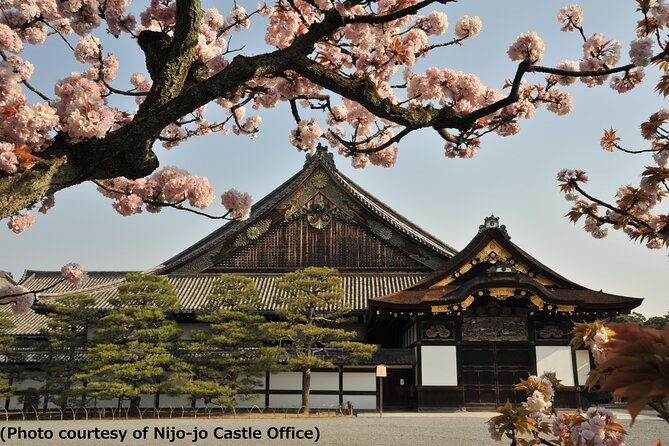
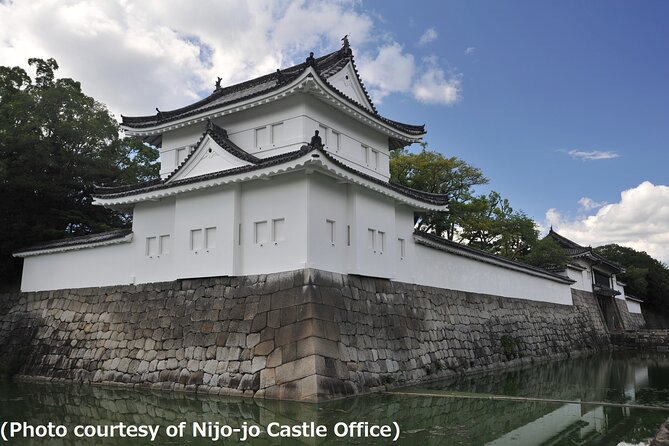
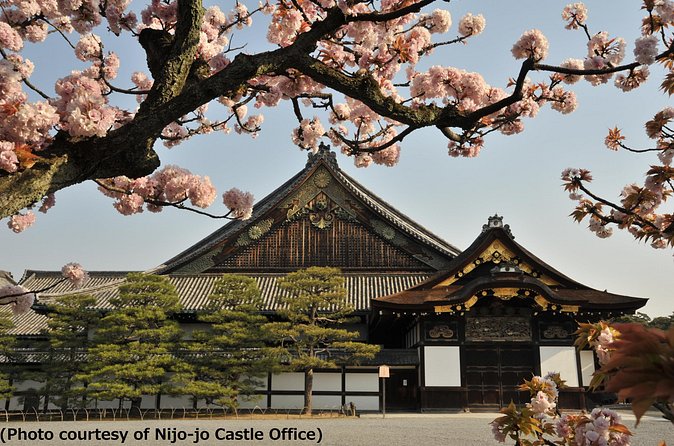
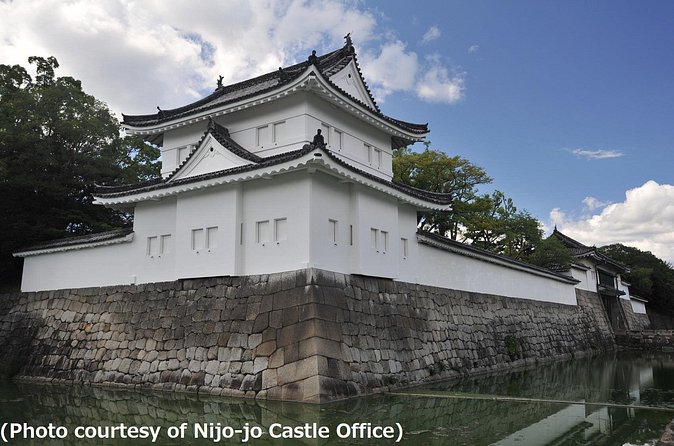
The first major sightseeing stop is Nijo Castle, usually allotted about 50 minutes. Built in 1626 for the Tokugawa shogun, it served both as lodging and as a powerful symbol beside the Kyoto Imperial Palace.
The appeal is the contrast. From the outside, you see heavy stone walls, gates, and a fortress-like design. Inside, the decoration turns lavish, with gold leaf, carved details, and rooms linked to Japan’s military rulers.
The gardens add breathing space after the morning transfer. Still, 50 minutes is enough for an organized visit, not an unhurried one. Stay with the group and listen for meeting instructions, since falling behind at the first stop can make the rest of the day stressful.
Nijo Castle has scheduled closure dates. It is closed on Tuesdays in January, July, August, and December, with the following day used if Tuesday is a holiday. When that happens, the tour visits Ryoan-ji Temple instead. No refund is offered for this change, so check the date if Nijo Castle is high on your list.
The Golden Pavilion at Kinkakuji
Kinkakuji, usually called the Golden Pavilion, receives about 45 minutes. The pavilion’s wooden upper structure is covered in thin layers of gold and reflected in the pond beside it.
This is likely to be one of the day’s strongest photo stops. The gleaming building, water, gardens, and seasonal trees create a picture that feels almost too neat to be real. The setting is carefully arranged, and the short visit gives you time to take photographs and walk through the main garden route.
The drawback is crowd pressure. The path can feel busy, especially during cherry blossom season, autumn color, holidays, and other peak periods. You may need to keep moving rather than pause at every viewpoint.
Even so, the Golden Pavilion works well in a one-day route. Its visual impact is immediate, and you do not need a long lecture to understand why it matters. Listen for the guide’s explanation, then use your free moments to enjoy the grounds.
A completely different kind of day out:
- Osaka Go Karting Tour with Funny Costume
★ 5.0 · 2,658 reviews - Osaka Castle: Museum and Tower Entry Ticket
★ 4.5 · 2,380 reviews - Osaka: Shinsekai Food Tour with 13-15 Dishes at 5 Eateries
★ 4.8 · 2,204 reviews - Osaka Food Tour: 13 Dishes at 5 Local Eateries
★ 5.0 · 2,149 reviews
Kyoto Imperial Palace and its possible substitute
The tour next allows roughly 40 minutes at Kyoto Imperial Palace, the former residence of Japan’s emperor until about 150 years ago. You can expect a formal setting, carefully arranged grounds, and a look at the royal world that shaped Kyoto’s importance.
This stop is more about scale, ceremony, and setting than the instant visual drama of Kinkakuji. A good guide adds useful context by explaining details in the buildings, rooms, paintings, and seating arrangements. That kind of commentary helps you notice the difference between spaces that might otherwise look alike.
The palace is closed to visitors on Mondays, the following day when Monday is a holiday, and on dates affected by an Imperial Household Agency event. On those days, the route changes to Kitano Tenmangu Shrine. If the closure falls on the 25th, the alternative is Nishi Hongan-ji Temple.
The stated information also refers to Kitano Shrine as the substitute, so confirm the exact plan for your date if this stop matters to you. The key point is simple: you should book this tour for the overall Kyoto route, not with a guarantee that every named site will be open.
Lunch choices and the midday handoff

Lunch divides the morning and afternoon portions of the day. The meal is optional, and the choices must be made when you reserve.
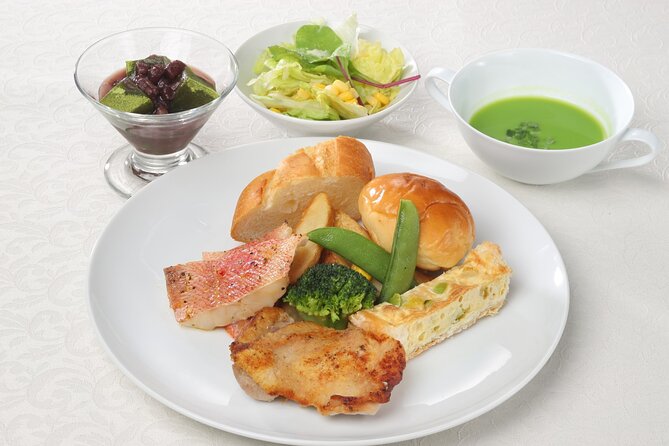
The standard lunch option is a Western-style set menu, despite the general description of a Japanese-style meal. A vegetarian meal can be requested in advance. Halal, gluten-free, and other special meal requests are not available.
The Indian thali option is vegetarian and includes three curries, vegetable pakora, yogurt, naan or roti, rice, salad, and a non-alcoholic drink. People choosing the Indian meal and those choosing the Western meal dine in separate areas, and you cannot switch between the two on the day.
The no-lunch option gives you free time to eat around Kyoto Station. This may suit you if you have dietary needs, prefer to choose your own restaurant, or want more control over your midday break. The organized meal is easier, but some of the day’s transitions have been described as less tidy than the sightseeing itself, so keep track of your group and guide at lunch.
Fushimi Inari and the famous red gates
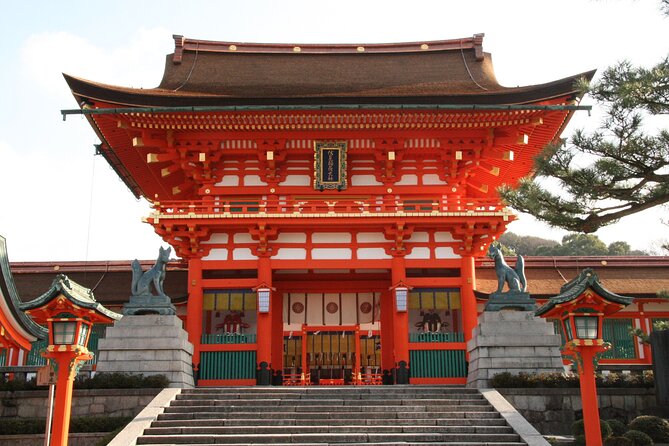
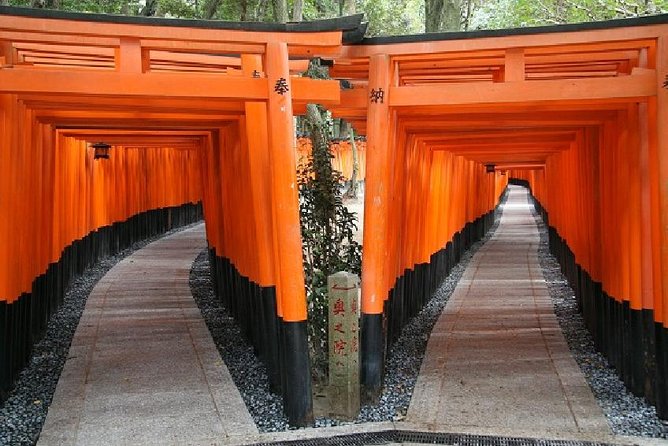
After lunch, the route heads to Fushimi Inari Taisha, the head shrine of around 40,000 Inari shrines across Japan. The main visual draw is the Senbon Torii, a long series of vermilion gates climbing into the wooded hills.
The tour allows about 30 minutes at the shrine. That is enough to see the entrance area and walk through part of the gates, but it is not enough to explore the full mountain route. From the coach parking area, you walk about 15 minutes each way, so wear practical shoes and stay aware of the departure time.
Fushimi Inari is one of those places where a guided visit gives you a useful first taste but cannot provide the whole experience. If you want to walk deep into the torii tunnel, you will need a separate visit with more time. On this tour, think of the stop as a focused introduction and a chance to capture the shrine’s bold colors and atmosphere.
Sanjusangendo’s 1,001 Buddhist figures
Sanjusangendo Hall receives about 30 minutes. It is known as Japan’s longest wooden structure and houses 1,001 life-size statues of Kannon, the Buddhist deity of compassion, dating from the 13th century.
This stop offers a sharp change from the open gardens and bright shrine gates. Inside, the rows of statues create a powerful sense of order and repetition. Photography restrictions may apply inside religious sites, so follow the guide and posted instructions.
Thirty minutes is short, but the hall is compact in terms of the required route. The visit works best if you focus on the scale, the central figure, and the repeated faces and details rather than trying to absorb every statue individually.
Some of the most interesting areas at religious sites can be closed to the public. That is part of visiting historic buildings, not necessarily a flaw in the tour, but it can affect your expectations. This stop is most rewarding if you appreciate architecture, religious art, and quiet visual detail.
Kiyomizu Temple and the final Kyoto views
The last major stop is Kiyomizu-dera, with about 1 hour and 10 minutes. This is the longest visit on the route, and the extra time helps because the temple is reached through a historic shopping lane.
Kiyomizu’s wooden terrace gives you broad views across Kyoto. The surrounding cherry trees and maple trees make this a particularly appealing stop in spring and autumn, though seasonal color is never guaranteed on a specific date.
You will have time to see the temple, enjoy the view, and browse along the approach. The lanes can be crowded, and the uphill walk requires a reasonable level of mobility. The tour data says most people can participate, but this is not a day for avoiding stairs, slopes, or extended walking.
Kiyomizu is a fitting final stop because it combines architecture, religion, city views, and shops. It also gives you a little more room than the shorter morning visits. Keep your eye on the clock, though. The group must return to the coach and then make the evening trip back to Osaka.
How the guiding and group size affect the day
The guide quality can shape this experience more than any single temple. Strong guides have explained the sites with humor, answered practical questions, and helped people find the correct train, bus, and meeting points. Guides such as Hiro-san have been praised for historical knowledge, a good sense of humor, and hands-on help.
The tour uses an English-speaking assistant on the rail sections and a licensed English guide interpreter for the Kyoto sightseeing portion. That distinction matters. The assistant helps with transfers, while the main guide provides the site commentary.
The maximum group size is 40. In a group that large, a low speaking voice or commentary delivered while walking can be hard to follow. A split into smaller groups would make the explanations easier to hear, but that is not promised.
You can improve your chances by staying close to the guide, especially at Fushimi Inari and Kiyomizu. If you prefer to wander silently, take long photographs, or read every sign, this format may feel rushed. Some people have chosen to leave the group early and continue Kyoto independently. The tour’s return arrangement does not promise a hotel drop-off, so plan carefully before separating.
The pace, the walking, and the weather
This is a long day with a packed route. You spend time on the train, on the coach, walking between parking areas and sights, and moving through temple and castle grounds.
The schedule can feel reasonable when traffic is light. In high season, the train may be standing-room only and Kyoto roads can slow badly. Road congestion can change both the order of visits and the time available at each stop.
Rain can also change the mood. Heavy rain has shortened some tours, and wet weather can make the outdoor portions less pleasant. Bring footwear you can walk in for hours, and treat the schedule as a guide rather than a guarantee down to the minute.
The day is best for someone who wants a broad first look. It is less suitable for you if your priority is a quiet morning at one temple, a long walk through Gion, or time for kimono dressing. There is simply not enough spare time for every extra Kyoto activity.
Who should book this Kyoto day trip?
I would choose this tour if you are based in Osaka, have only one free day for Kyoto, and want the main sights handled in one route. Families and first-time visitors may also appreciate the station assistance, included admissions, and clear transport structure.
It is especially useful when you do not want to research how to connect sites across the city. The coach removes much of the backtracking, while the guide gives you historical context that you might miss on your own.
I would hesitate if you already know Kyoto well or want a slow, personal day. Independent sightseeing gives you more time at Fushimi Inari, Kiyomizu, or the Gion district. It can also help you avoid the compromises that come with a large group and fixed departure times.
Children up to age five may join free, but they do not receive a bus seat or lunch unless booked at the child rate. Anyone under 18 needs written parental permission, and anyone under 15 or not yet in middle school must be accompanied by a parent or guardian.
Free cancellation is available up to 24 hours before the start time. Later cancellations and changes are not accepted for a refund.
My verdict: book it for coverage, not lingering
This is a useful Kyoto sampler with unusually strong coverage for one day from Osaka. The Golden Pavilion, Kiyomizu Temple, and Fushimi Inari give you the classic images, while Nijo Castle and Sanjusangendo add substance beyond the usual postcard stops.
Book it if convenience, guidance, and seeing many headline sights matter most. Skip it if you want Kyoto at a slower pace, need strict dietary flexibility, or dislike large groups and fixed schedules. For a short Osaka stay, I think the tour earns its price as a practical first introduction, as long as you accept that Kyoto will leave you wanting a second day.
FAQ
Where does the Kyoto day tour start and finish?
It starts at Hotel Granvia Osaka at 7:15 a.m. and ends around Osaka Station at about 6:30 p.m. Hotel drop-off is not provided.
How long is the tour?
The experience lasts approximately 11 hours, including transportation between Osaka and Kyoto and the sightseeing stops.
Is lunch included?
Lunch is included only when you select a lunch option while booking. You can choose a Western-style set menu, an Indian thali lunch, or the no-lunch option.
Can I request a vegetarian meal?
Vegetarian meals can be requested in advance for the Western-style lunch. The Indian thali option is suitable for vegetarians. Halal, gluten-free, and other special meal requests are not available.
What happens if Nijo Castle or Kyoto Imperial Palace is closed?
If Nijo Castle is closed, the tour visits Ryoan-ji Temple. If Kyoto Imperial Palace is closed, the tour visits Kitano Tenmangu Shrine, or Nishi Hongan-ji Temple when the closure falls on the 25th. Refunds are not provided for these substitutions.
Is seating guaranteed on the train?
No. The tour uses public JR transportation with non-reserved seats between Osaka and Kyoto, so you may need to stand.
Just added in Osaka
- Osaka: 2-Hour Nightlife District Walking & Local Food Culture★ 5.0 · 199 reviews
- Osaka Japanese Cooking And Matcha Class near Osaka Castle★ 5.0 · 22 reviews
- Osaka Dotonbori Daytime Food Tour★ 5.0 · 24 reviews
- Osaka Dotonbori Wonder Cruise★ 4.0 · 28 reviews
- Osaka Food Walking Tour with Market Visit★ 4.5 · 14 reviews
- Cooking Ramen&Gyoza/KatsuCurry/Bento/Okonomiyaki+Store Tour@Osaka★ 5.0 · 138 reviews
- Osaka Private Pop Culture Tour: Historic Tenma to Dotonbori★ 4.5 · 13 reviews
- Osaka Cooking Class and Sake Tasting with Local Supermarket Visit★ 5.0 · 79 reviews
Day Trips, compared.
Hiroshima and Miyajima UNESCO Sites 1-Day Tour
Read our review →
Mt Fuji Top 5 Spots Day Tour: Arakurayama Park,Oshino Hakkai
Read our review →
Kamakura & Enoshima Day Trip including Temple Tickets
Read our review →
One-Day Tour of Kyoto’s Highlights from Osaka/Kyoto
Read our review →
Nara Half Day Trip Walking Tour (Private Option Available)
Read our review →
Mt. Fuji, Kamakura, Big Buddha, & Lake Ashi Day Trip
Read our review →
Nagano: Snow Monkeys, Zenkoji Temple & Sake Day Trip
Read our review →
Mt. Fuji & Hakone Private Day Tour with English-Speaking Driver
Read our review →Browse the lists this tour appears in