
Reviewed · DAY TRIPS
Osaka’s Best and Brightest: Private Full-Day Tour by Vehicle
Osaka rewards a well-planned day. This private vehicle tour makes a strong first introduction to the city, pairing Osaka Castle and Shitennoji with lively neighborhoods, food stops, and time at Abeno Harukas. I like the hotel pickup and the chance to travel with guides such as Kevin, Thomas, Hugo, Ferdinand, and Lito, who bring their own stories and local viewpoints. The main consideration is the price, especially for only one or two people.
I also like the flexible pace. You can ask for more walking, less walking, extra photos, or a change of plan when traffic and energy levels allow. Lunch is not included, but guides often take visitors to a local favorite, which can be more rewarding than stopping at a familiar international chain. The one clear caution is that you should explain your food wishes and sightseeing priorities before the day begins.
In This Review
- The Osaka details that make this tour useful
- Why a private car helps in Osaka
- Osaka Castle: start with the city’s grand symbol
- Shitennoji: a quieter temple pause
- Shinsekai: Osaka at its most playful
- Abeno Harukas and lunch in Tennoji
- Kuromon Market: a quick taste of Osaka’s food culture
- Dotonbori: finish among the famous lights
- The guides shape the day
- What the $600 price really buys
- Practical details before you book
- Who will get the most from this Osaka day?
- Final call: book it for ease, not just speed
- FAQ
- How long does the Osaka private tour last?
- How many people can join the private vehicle tour?
- What attractions are included?
- Is lunch included in the tour price?
- Is hotel pickup available?
- Can young children use the vehicle?
The Osaka details that make this tour useful
- Private transport for up to six people: You avoid changing trains and can move between distant parts of Osaka without carrying your bags through busy stations.
- A fluent English-speaking guide and driver: Guides explain the city as you go, while handling navigation and transport.
- Six well-chosen stops: The day links Osaka Castle, Shitennoji, Shinsekai, Abeno Harukas, Kuromon Market, and Dotonbori.
- A flexible model course: You can request more or less walking, and the day may shift around your interests, traffic, and opening conditions.
- Local lunch guidance: Food and drinks cost extra, but several guides have taken visitors to favorite neighborhood restaurants.
- Strong guest satisfaction: The tour carries a 4.9 rating from 147 reviews, with 98 percent recommending it.
Why a private car helps in Osaka
Osaka is not a difficult city to explore by train, but its best sights are spread across several districts. Osaka Castle sits east of the central shopping zones. Shitennoji and Abeno Harukas are in Tennoji. Shinsekai is nearby, while Kuromon Market and Dotonbori occupy the southern center.
On public transport, you would spend part of the day finding stations, walking underground corridors, and checking the correct platform. That is manageable when you have time. With only a day in Osaka, the private vehicle lets you move between areas more directly and gives you a guide who can keep the day on track.
The vehicle is especially useful for families, older travelers, and small groups carrying shopping bags. It is also a welcome change after several days of Japanese trains. One family said the car made the day much easier, while another praised the comfortable van on a cold day.
The tradeoff is that Osaka traffic can slow the schedule. The tour lasts about 7 hours and 30 minutes, not eight hours. The listed times at each stop are estimates, and the order or length of visits may change. Think of the vehicle as a practical tool, not a guarantee that every minute will run to a fixed timetable.
More Day Trips in Osaka
- From Osaka: Himeji Castle, Arima Onsen & Mt. Rokko Day Tour
★ 4.6 · 339 reviews - Osaka Day Tour: Amanohashidate & Ine Bay
★ 5.0 · 280 reviews - Kyoto and Nara Day Trip from Osaka
★ 4.0 · 175 reviews
Osaka Castle: start with the city’s grand symbol
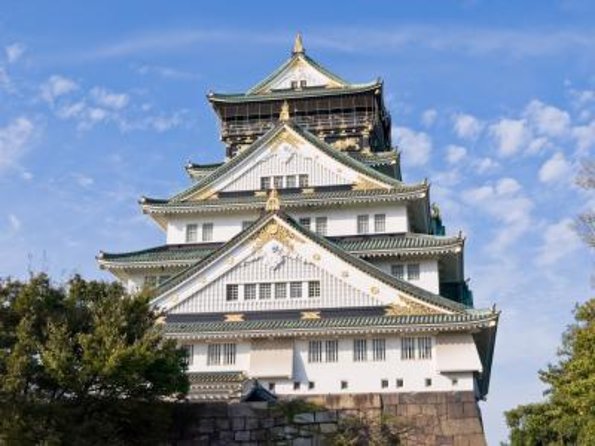
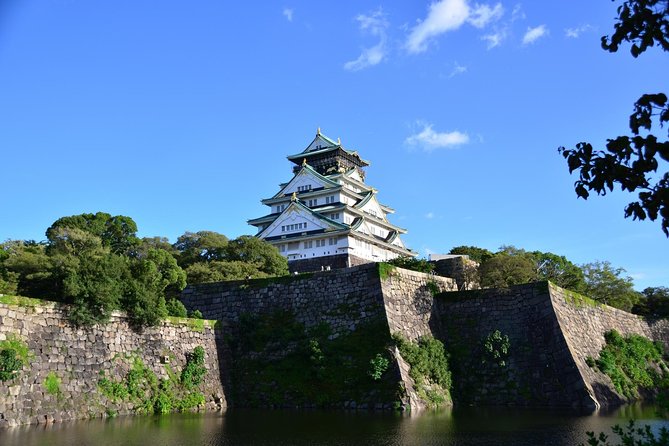
The day begins at Osaka Castle, the city’s most recognizable sight. You spend about an hour around the grounds, where broad paths, stone walls, moats, and the striking castle tower give you an immediate sense of Osaka’s scale.
The castle is tied to the rise of Toyotomi Hideyoshi and the events that helped shape Japan’s political future. A guide can make the setting easier to understand by connecting the buildings and fortifications to the figures and conflicts of the period. That context is one reason this stop works better with a good English-speaking guide than with photographs alone.
The scheduled stop includes free admission, but you should expect walking across the grounds. The castle area is large, and the first hour can pass quickly. If you have tired legs, say so early. Ferdinand is specifically praised for changing the plan after the castle to make the day easier, and that kind of adjustment is one of the best reasons to book a private tour.
The castle can also be crowded. Your guide cannot remove the crowds, but can help you focus on the grounds and the story rather than spending the whole visit waiting for the perfect photograph.
Shitennoji: a quieter temple pause
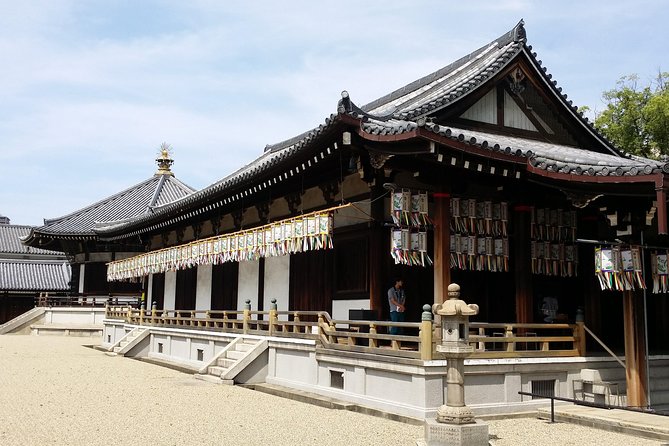
After the castle, the tour moves to Shitennoji for roughly 45 minutes. The temple is said to be Japan’s oldest Buddhist temple, and its grounds offer a calmer contrast to the castle’s open spaces and tourist traffic.
This is a good place to slow down. You can stroll through the grounds, observe the layout, and ask about Buddhist traditions without needing a long formal lecture. The tour description promises enough explanation to make the place interesting without overwhelming you with facts, which suits a busy day of sightseeing.
Shitennoji also gives the schedule some breathing room. Osaka’s famous shopping and entertainment districts can be noisy and crowded. A temple visit lets you reset before the more playful parts of the city.
The stop is not a full temple study visit. Forty-five minutes is enough for a walk and an introduction, but not for every building or detail. If religious architecture is your main interest, you may want to ask for extra time here and trim another stop.
Shinsekai: Osaka at its most playful
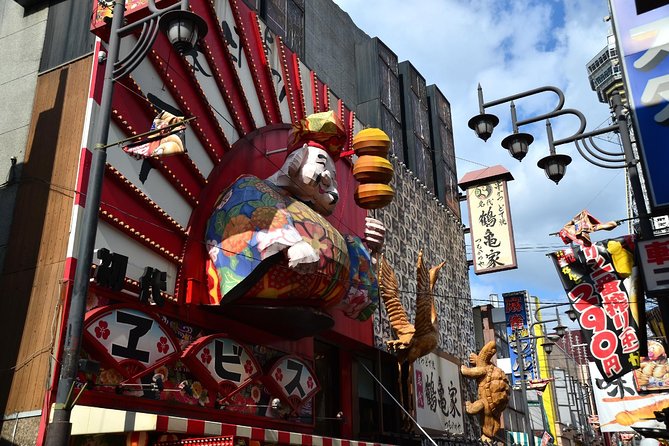
The short 30-minute visit to Shinsekai brings a different mood. This neighborhood is known for games, food, old-fashioned entertainment, bright signs, and a style that may not appeal to everyone. That is part of its charm.
Shinsekai does not present a polished version of Osaka. It feels more eccentric and informal, with plenty to look at even when you are simply walking a few blocks. The neighborhood helps explain Osaka’s reputation for humor, directness, and a relaxed attitude toward food and fun.
Half an hour is enough for an introduction, photographs, and a quick look at the local atmosphere. It is not enough for a long meal or a slow exploration of every arcade and side street. If you want to try local specialties here, tell your guide in advance or ask whether another stop can be shortened.
For families, Shinsekai can be entertaining because it offers visual variety without requiring a formal museum visit. For visitors who prefer refined shopping streets and quiet gardens, it may feel a little rough around the edges. I would keep it on the schedule precisely because it shows a less polished side of Osaka.
A completely different kind of day out:
- Osaka Go Karting Tour with Funny Costume
★ 5.0 · 2,658 reviews - Osaka Castle: Museum and Tower Entry Ticket
★ 4.5 · 2,380 reviews - Osaka: Shinsekai Food Tour with 13-15 Dishes at 5 Eateries
★ 4.8 · 2,204 reviews - Osaka Food Tour: 13 Dishes at 5 Local Eateries
★ 5.0 · 2,149 reviews
Abeno Harukas and lunch in Tennoji
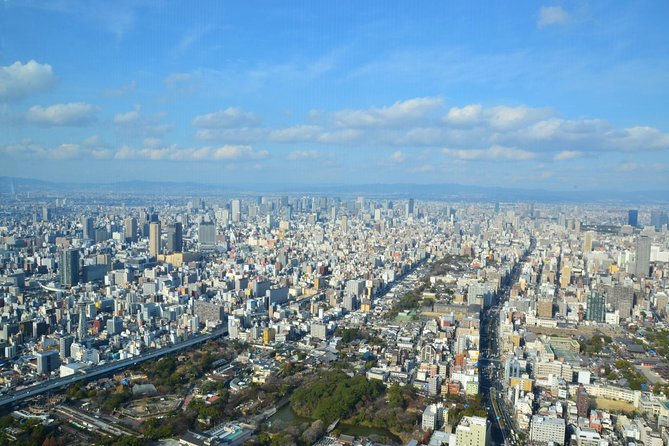
Abeno Harukas receives about 1 hour and 40 minutes, making it one of the longest stops. The plan combines lunch in the Tennoji area with a trip up the 300-meter building, described as Japan’s tallest non-tower building.
This is where the private format becomes particularly convenient. You do not need to study restaurant locations or work out how to reach the tower from Shinsekai. Your guide can help with the area and suggest lunch based on your preferences.
Food and drinks are not included, so set aside money for your meal. Several guides, including Kevin and Hugo, have taken groups to local restaurants in their own neighborhoods or nearby areas. That can be a highlight, but do not leave your wishes unstated. One disappointed party had requested udon and ended up in shopping-center food courts instead of the kind of restaurant they wanted.
Be specific. Tell the guide if you want noodles, meat, seafood, vegetarian food, a quick meal, or a sit-down lunch. Also mention allergies and strong dislikes before pickup. The guide may have useful suggestions, but the final choice is easier when expectations are clear.
Harukas offers a major city view and a chance to shop. One visitor particularly enjoyed the shopping there. The stop may feel less personal than wandering a small neighborhood, but it adds a modern Osaka counterpoint to the castle and temple.
Kuromon Market: a quick taste of Osaka’s food culture
The 25-minute stop at Kuromon Market is brief but focused. Fish, meat, fruit, prepared food, and shoppers compete for your attention along the market streets.
You should think of this as a browsing and tasting opportunity, not a full market meal. Food costs extra, and 25 minutes gives you time to look around and perhaps buy a small snack, but not to sample everything. Keep your group together and agree on a meeting point if you split up.
Kuromon is useful because it puts Osaka’s food reputation in a real setting. You see ingredients, vendors, and everyday shopping alongside the stalls aimed at visitors. Your guide can help explain what you are seeing and point out items that might otherwise remain unfamiliar.
The market can be crowded, and the narrow spaces make the stop feel busy. If you have mobility concerns, ask for a shorter walk or a slower route. The tour allows more or less walking according to your needs, but you need to communicate that clearly.
Dotonbori: finish among the famous lights
The final major stop is Dotonbori, with about an hour and some flexibility. Yes, you will likely see the famous Running Man sign, but the district offers more than one photograph beside the canal.
Your guide may show you back streets, the kitchenware district, and other places based on your interests. That flexibility matters here because Dotonbori can be approached in several ways. You might focus on signs and street food, look for kitchen tools and restaurant supplies, or simply walk through the surrounding lanes.
Dotonbori is a strong ending because it brings together Osaka’s food, nightlife, shopping, and visual energy. It can also be the most crowded part of the day, so keep a close eye on children and personal belongings.
One especially useful detail from the experiences described is that guides have accommodated late requests for Dotonbori. Ferdinand did so for one group, making the lively district the finishing touch. Still, do not assume every request can be added. Traffic, time, and the needs of the group limit what is possible.
The guides shape the day
The vehicle matters, but the guide determines how much you get from it. The strongest pattern across the feedback is praise for friendly, social, flexible guiding.
Thomas is described as warm, easy to talk with, and attentive to how the group is coping with the walking. He has also been praised for clear English and a lively personality. Kevin receives repeated praise for local knowledge, humor, patience, and his ability to compare life in Japan and the United States. One group enjoyed the day so much that they booked another tour with the same company and guide in Kyoto.
Hugo is praised for clear English, cultural explanations, and his ability to connect famous places with less crowded areas. Ferdinand is noted for taking care of tired guests and adjusting the schedule. Lito is described as engaging and interactive, with a style that kept a busy day moving quickly.
These names are useful, but guide assignments can change. You should book the format for its strengths, not assume a particular person will lead your tour unless the provider confirms it.
The best results come from speaking up. Tell your guide what you already know, what you want to photograph, how much walking you can handle, and what kind of lunch sounds good. A private tour gives you room to shape the day, but it does not read your mind.
What the $600 price really buys
The listed price is $600 per group of up to six people. For six, that works out to $100 per person. For four people, it is $150 each. For two people, the cost rises to $300 each, so the value depends heavily on group size.
The price includes the private vehicle and related fees, a fluent English-speaking guide who also drives, and admission fees. Food and drinks are extra. Pickup is offered in central Osaka, within or along the JR Loop Line area. Pickup outside central Osaka costs more.
For a group of six, I consider the price reasonable if you value comfort, efficient routing, and personal explanations. You are paying for a full day of transport and guiding, not simply a ride between attractions. For a couple on a tight budget, Osaka’s trains and self-guided visits will cost much less.
The tour makes the most financial sense when your time is limited, your group includes several generations, or you want one person handling navigation and translation. It is less compelling if you enjoy planning your own routes, prefer long visits at one or two sites, or mainly want free time for shopping.
Practical details before you book
Pickup is available, but confirm that your hotel falls within central Osaka or along the JR Loop Line. An extra fee applies outside that area.
Children under six years old, or children shorter than 140 centimeters, must use car seats under Japanese law. A child seat costs 1,000 yen per booking and should be requested in advance. Do not wait until the morning of the tour.
You need moderate physical fitness, although the walking can be increased or reduced. Comfortable shoes are sensible because Osaka Castle, temple grounds, markets, and entertainment districts all involve walking.
Gratuities are uncommon in Japan. If you feel your guide gave you an especially good day, a tip is appreciated but not expected.
Free cancellation is available up to 24 hours before the start time for a full refund. Changes or cancellations inside that period are not accepted or refunded.
Who will get the most from this Osaka day?
I would choose this tour if you have one open day in Osaka and want to cover several districts without learning the train system first. It is also a good fit for families, small groups, first-time visitors, and anyone who wants explanations in fluent English.
It suits people who want a broad introduction rather than a specialist visit. You will see history, religion, food culture, old neighborhoods, modern shopping, and neon-lit entertainment areas in one day.
I would hesitate if you are traveling alone on a modest budget. The group price is much easier to justify when divided among four to six people. I would also hesitate if your top priority is a very specific food experience. Tell the provider your wishes early and confirm that the plan fits them.
Final call: book it for ease, not just speed
I like this tour because it turns a complicated day into a readable story of Osaka. You begin with power and history at Osaka Castle, pause at Shitennoji, see the playful side of Shinsekai, look over the city from Harukas, browse Kuromon Market, and finish amid Dotonbori’s famous lights.
Book it if you value a private vehicle, an English-speaking guide, flexible walking, and local lunch advice. For the best value, bring a group of four to six and send clear requests before the day begins. Skip it if you want the cheapest possible Osaka sightseeing or prefer complete control over every stop.
FAQ
How long does the Osaka private tour last?
The tour lasts approximately 7 hours and 30 minutes.
How many people can join the private vehicle tour?
The price covers one group of up to six people. Only your group participates in the activity.
What attractions are included?
The planned stops are Osaka Castle, Shitennoji, Shinsekai, Abeno Harukas, Kuromon Market, and Dotonbori.
Is lunch included in the tour price?
No. Food and drinks are not included. The guide can help you choose a lunch spot, and several guides have taken groups to local restaurants.
Is hotel pickup available?
Yes. Pickup is offered in central Osaka, within or along the JR Loop Line. Pickup outside that area may require an additional fee.
Can young children use the vehicle?
Children under six years old, or children shorter than 140 centimeters, must use a car seat under Japanese law. A child seat costs 1,000 yen per booking and must be requested in advance.
Just added in Osaka
- Osaka: PICCADILLY PREMIUM DINNER SHOW&NIGHTCLUB with Tasting★ 5.0 · 26 reviews
- Play with Snow Crab Buffet Lunch and Strawberry Picking Bus Tour★ 5.0 · 88 reviews
- Osaka 4-Hour Walking Tour: Hotspots and Hidden Gems★ 4.5 · 14 reviews
- Osaka Highlights: 4-Hour Walking Tour with Castle★ 5.0 · 152 reviews
- Osaka Soul : IZAKAYA Shinsekai to Dotonbori Food Paradise!★ 5.0 · 15 reviews
- Osaka Food Adventure Tour: Walking with a Local Guide★ 5.0 · 119 reviews
- Osaka’s Secret Adventures: Daruma Magic and Minoh Falls★ 5.0 · 12 reviews
- Osaka in a Nutshell: Three hour bike tour★ 5.0 · 121 reviews
Day Trips, compared.
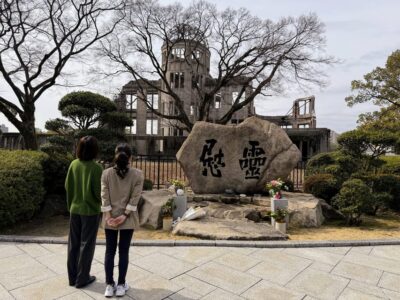
Hiroshima and Miyajima UNESCO Sites 1-Day Tour
Read our review →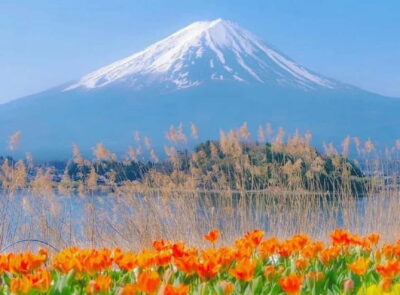
Mt Fuji Top 5 Spots Day Tour: Arakurayama Park,Oshino Hakkai
Read our review →
Kamakura & Enoshima Day Trip including Temple Tickets
Read our review →
One-Day Tour of Kyoto’s Highlights from Osaka/Kyoto
Read our review →
Nara Half Day Trip Walking Tour (Private Option Available)
Read our review →
Mt. Fuji, Kamakura, Big Buddha, & Lake Ashi Day Trip
Read our review →
Nagano: Snow Monkeys, Zenkoji Temple & Sake Day Trip
Read our review →
Mt. Fuji & Hakone Private Day Tour with English-Speaking Driver
Read our review →Browse the lists this tour appears in