
Reviewed · SAPPORO TOURS
Popular in SapporoExperience authentic hand-made soba at a real soba shop!
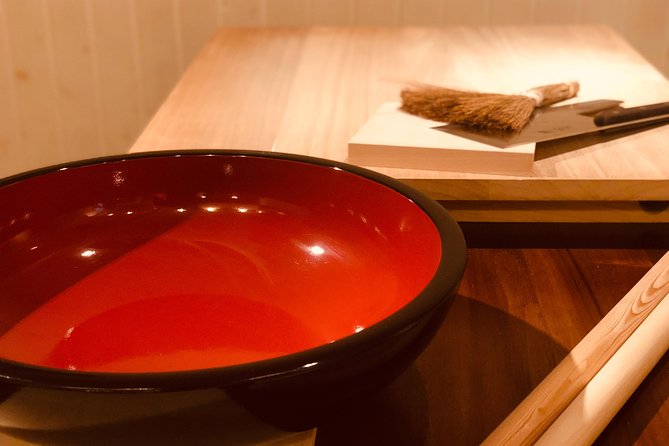
Fresh noodles taste better when you make them yourself. This private, hands-on class takes you into a working Sapporo soba shop, where an active chef guides you through mixing buckwheat flour, kneading, stretching, cutting, and eating your own noodles. I like the use of real restaurant tools and carefully selected Hokkaido buckwheat, rather than simplified tourist equipment. I also like the clear English explanations and visual demonstrations, which keep the lesson practical.
The main thing to consider is timing. The noodle-making portion takes about 30 minutes, but the full visit can run close to 1 hour and 15 minutes, even though the experience is often described as about an hour. The shop also serves lunch, so arriving late can cause real problems. Still, with a price of $72.67 per person, this is a strong choice for families, food lovers, and anyone who prefers doing something over simply watching it.
In This Review
- Key points at a glance
- Why making soba in Sapporo feels worthwhile
- Finding the shop near Miyazawa Station
- Mixing the Hokkaido buckwheat dough
- Stretching the dough into thin sheets
- Cutting the noodles with a kitchen knife
- Eating the noodles you made
- How Chef Taku teaches the class
- Timing, group size, and the real value of $72.67
- The practical side of arriving on time
- Who will enjoy this soba lesson most
- Should you book this Sapporo soba experience?
- FAQ
- Where does the soba-making experience take place?
- How far is the shop from Miyazawa Station?
- How long does the experience take?
- Is the activity private?
- What steps are included in making the soba?
- Is the class taught in English?
- Do beginners and children need previous experience?
- Can I order tempura with the soba?
- Is parking available?
- What is the cancellation policy?
Key points at a glance
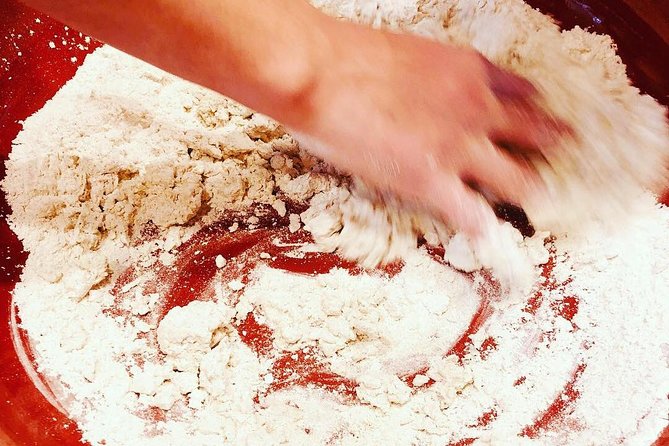
- You make the noodles from scratch: Mix buckwheat flour and water, stretch the dough, and cut the noodles by hand.
- It takes place in a real Sapporo soba restaurant: This is a working shop with more than 10 years of local operation, not a staged cooking show.
- Chef Taku teaches through practice: His calm, patient style works well for beginners, children, and people who do not speak Japanese.
- You eat the soba you made: The final tasting gives the lesson a clear reward, with extra tempura and duck soup available at an additional cost.
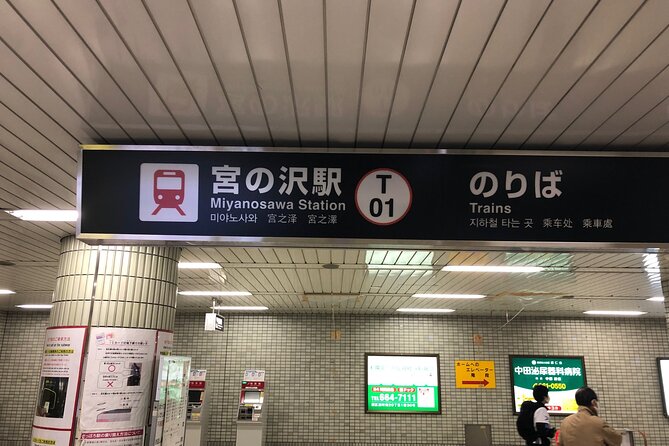
- The setting is easy to reach: The shop is about a 3 to 5 minute walk from Miyazawa Station on Sapporo’s Tozai subway line.
- It is private for your group: You do not share the class with unrelated participants, making it a comfortable pick for families and small groups.
Why making soba in Sapporo feels worthwhile
Soba is not simply another Japanese noodle. It is made from buckwheat, a crop that suits Hokkaido’s cold climate, clean water, and mineral-rich soil. Hokkaido is Japan’s leading soba-producing region, and local noodles are valued for their firm bite and strong buckwheat flavor.
That regional connection gives this activity more weight than a generic cooking lesson. You are working with an ingredient tied closely to northern Japan, using methods associated with traditional soba making from the Edo period. You also get a better sense of why skilled noodle makers spend years practicing what can look like a simple task.
Soba dough is less forgiving than wheat dough. It can crack, dry out, or become difficult to stretch if handled poorly. The class lets you make small mistakes while the chef steps in with practical advice. You do not need to arrive with cooking experience, and the visual teaching style keeps the process easy to follow.
I particularly like that the experience was created for Japanese customers as well as international visitors. That matters because the format is built around an actual food tradition, not a souvenir activity designed only for overseas tourists.
A few more options to weigh up in Sapporo
- Sapporo Bar Hopping Food Tour
★ 5.0 · 232 reviews - Hokkaido Seasonal: Lake Toya & Noboribetsu Jigokudani Valley
★ 4.7 · 173 reviews - Sapporo Private Tour with a Local – Highlights & Hidden Gems
★ 5.0 · 91 reviews
Finding the shop near Miyazawa Station
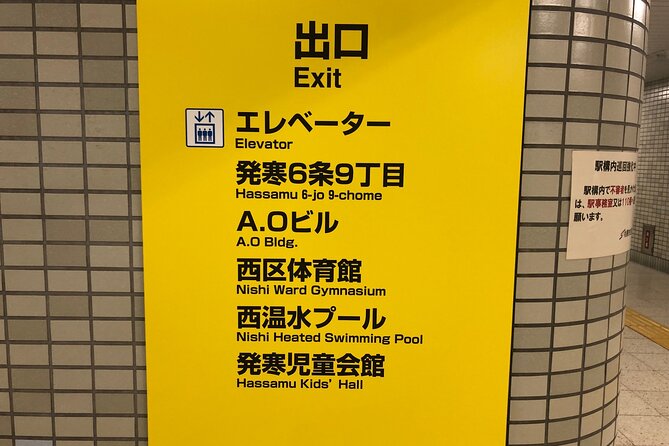
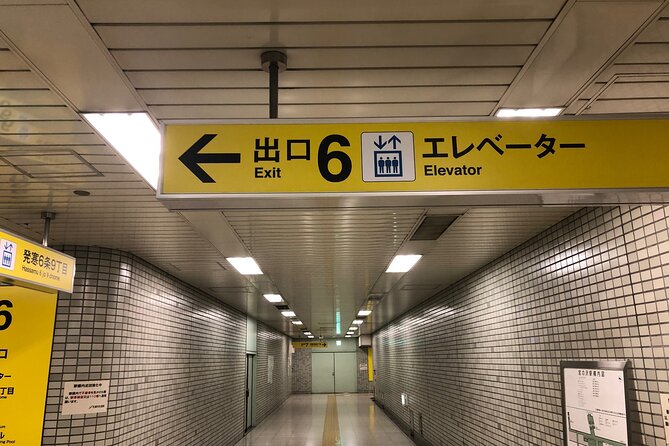
The meeting point is at 9-chōme-17-28 Hassamu 6 Jō in Sapporo’s Nishi Ward. The shop is a short walk from Miyazawa Station on the Tozai subway line, generally about three to five minutes on foot. It is also within walking distance of Sapporo Shiroi Koibito Park, so you can pair the soba lesson with that popular attraction if your schedule allows.
The address information should be checked carefully before setting out. One booking had trouble because an incorrect address caused a long taxi ride and the activity was missed. That is a useful warning, especially if you rely on a hotel to arrange a cab. Use the current confirmation details and allow enough time to find the entrance.
Four parking spaces are available in front of the shop. That is handy if you have a rental car, though the limited number means you should not assume a space will be free at a busy time.
Mixing the Hokkaido buckwheat dough
The first stage is mixing buckwheat flour with water. It sounds basic, but the balance and texture matter. The chef shows you how the mixture changes as it comes together, then lets you work with it yourself.
This is where the lesson feels most useful. You are not just watching a demonstration and copying a finished motion. You handle the dough and learn how it responds. The chef’s advice helps you notice whether it needs more work or more care.
English explanations are concise, supported by visual demonstrations. That approach suits this activity better than a long lecture. You can understand the method by seeing the movement, then trying it with your own hands.
The class also gives you a small glimpse of the physical work behind every bowl of restaurant soba. A professional chef makes the process look quick and tidy. Your first attempt is likely to be less polished, which is part of the fun.
Stretching the dough into thin sheets
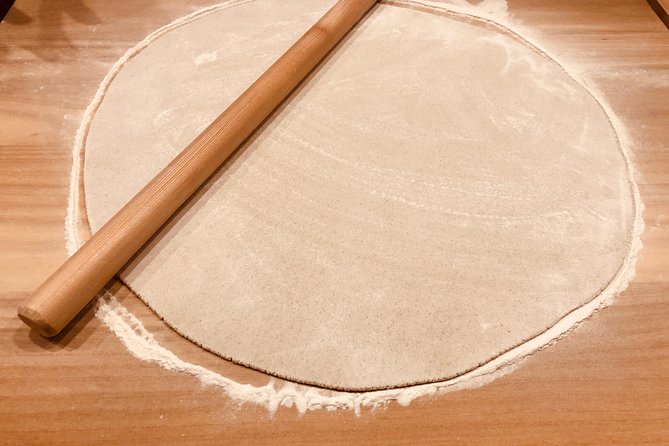
Once the dough is mixed and kneaded, you stretch it. This is the stage where patience matters most. The dough must become thin enough for noodles without being torn or crushed.
The chef provides direct guidance and allows you room to work. This balance is important. If the instructor did everything for you, the class would become a demonstration. If you received no help, the dough could become frustrating. The teaching style described by many participants is encouraging and careful, with enough freedom to make minor mistakes.
I would expect this part to be especially enjoyable for older children and teenagers. It has a clear physical goal, and you can see the dough changing under your hands. Children under two can attend free, but they are allowed only to visit, not participate.
The setting is also more grounded than a purpose-built classroom. You are learning inside a soba shop that continues to serve customers during lunch hours. That gives the lesson a working-kitchen feel, though it also means the schedule needs to be respected.
A completely different kind of day out:
- Sapporo: Sumo Show Experience with Japanese food & Photo
★ 4.9 · 81 reviews - Mondo’s most popular plan! Experience making soba noodles and the king of Japanese cuisine, tempura, in Sapporo!
★ 5.0 · 71 reviews - 【Private Car】Asahiyama Zoo, Blue Pond, Shirahige Falls, Ningle Terrace (from Sapporo)
★ 5.0 · 60 reviews - Sapporo 6hr Private Tour with Government Licensed Guide
★ 5.0 · 57 reviews
Cutting the noodles with a kitchen knife
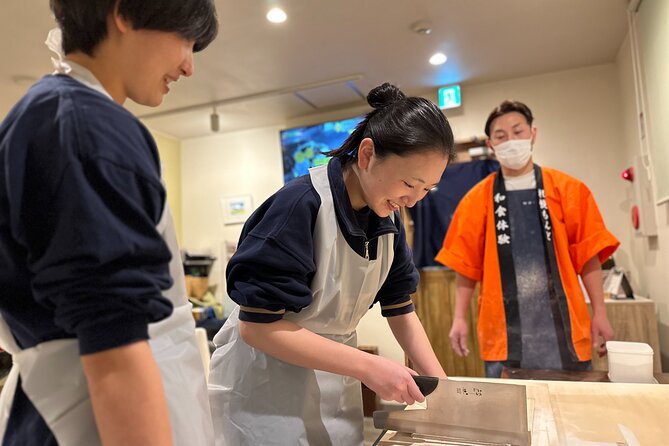
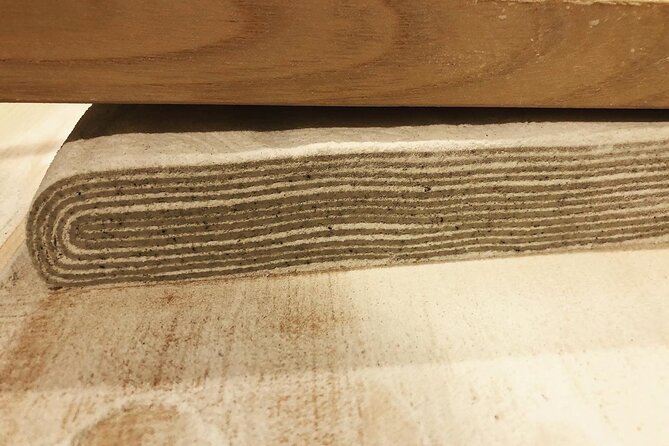
After stretching comes the most recognizable step: cutting the dough into narrow strands. You use a kitchen knife and the same type of working utensils used in the shop.
This is a simple action to describe but difficult to master. Even cuts help the noodles cook evenly, while uneven pieces produce different textures. The chef’s guidance helps you find the right rhythm and pressure.
Do not expect every strand to look like a professional noodle. The appeal is in seeing your own imperfect batch become a proper meal. The activity gives you a new respect for the speed and accuracy of people who make soba every day.
The cutting stage can also be a good photo moment, but keep your attention on the knife and instructions first. The class is practical, and safety depends on listening closely.
Eating the noodles you made
The final stage is the tasting. Your noodles are prepared so you can eat them soon after making them, which gives the class a satisfying finish. The strongest part of the experience is that the meal is not separate from the activity. You taste the result of your own work.
Fresh soba has a pleasing firmness, and Hokkaido buckwheat brings a distinctive flavor and texture. The meal also helps you understand the difference between an ingredient and a finished craft. A bowl of soba can seem modest, but the process behind it is precise.
You can add tempura, including vegetables, shrimp, and kakiage, for an extra charge. Duck soup is another suggested addition. I would budget for one of these if you want a fuller lunch, since the extra toppings received especially warm praise and pair naturally with the noodles.
The tasting is not designed as a large restaurant meal with a long menu. It is the payoff for the work you have just done. If you are hungry after the class, ordering tempura is a sensible way to round it out.
How Chef Taku teaches the class
Chef Taku is the instructor most closely associated with this experience. His teaching style is patient, friendly, and encouraging, especially with children and first-time noodle makers. He explains the techniques clearly and lets you learn by doing.
The class may also include stories about soba and the chef’s experience. The amount of cultural commentary appears to be modest rather than lecture-heavy. That suits people who want to practice rather than sit through a long talk.
One useful point for anyone expecting a formal chef biography: the focus stays on the customer’s hands-on work. If you want a long explanation of the instructor’s career or an extended demonstration before you begin, this may feel brief. The lesson is strongest when you want direct instruction and a chance to try each step yourself.
The private format helps. Only your group participates, so you can ask questions without worrying about keeping pace with strangers. It also makes the activity easier for families and small groups with different confidence levels.
Timing, group size, and the real value of $72.67
At $72.67 per person, this is not a cheap lunch. You are paying for instruction, ingredients, private use of the experience, restaurant access, and the chance to eat the noodles you produce.
The value is best if you treat it as a cultural activity with food included, not as a way to get an inexpensive bowl of soba. A normal restaurant meal costs less. What you cannot buy from a menu is the understanding gained by mixing, stretching, and cutting the noodles yourself.
The advertised duration is about one hour, while the full process can take around 1 hour and 15 minutes. The actual making takes about 30 minutes, followed by tasting and the rest of the visit. Plan your day around the longer figure, especially if you have a train, timed attraction, or airport transfer afterward.
Group discounts are available, and the activity is private. That can improve the value for a family or a small party, particularly if you would otherwise book several separate sightseeing activities.
The practical side of arriving on time
The shop operates as a handmade soba restaurant during lunch. Because of that, same-day inquiries may not be answered easily while the staff is busy serving food.
Arrive before the start time. Late arrival can interfere with other scheduled starts, and missing the beginning may be treated as a no-show. One person was helped after a timing mistake, but you should not count on that courtesy.
You do not need to bring special equipment or prepare anything before arriving. Wear practical clothing, follow the chef’s instructions, and keep your route simple. The nearby subway station is the easiest transport choice for most people.
Free cancellation is available up to 24 hours before the local start time. Cancellations or changes inside that window are not refunded, and the activity requires a minimum number of participants. If the operator cancels because that minimum is not met, you are offered another date or experience, or a full refund.
Who will enjoy this soba lesson most
I would recommend this experience to:
- Families looking for an activity children can actively join
- Couples who want a food-based memory in Sapporo
- People interested in traditional Japanese craft
- Soba lovers who want to understand how the noodles are made
- Small groups seeking a private activity
- Anyone visiting Shiroi Koibito Park and wanting another nearby stop
It is less suitable if you want a full-day food tour, a long cultural lecture, or a polished cooking-school production. The experience is short, focused, and practical.
It also may not suit someone with a very tight schedule. The shop’s location is convenient, but the total visit can stretch beyond an hour. Add time for walking from the station and finding the correct address.
Should you book this Sapporo soba experience?
Yes, if you value genuine participation more than sightseeing from the sidelines. The best features are the real restaurant setting, direct guidance from a working soba chef, clear visual instruction, and the chance to eat your own noodles immediately afterward.
At $72.67, the price makes sense when you include the private format and the food lesson. It is harder to justify if you only want lunch, since a regular bowl will cost less and take less time.
Book it for a relaxed morning or early afternoon, confirm the address, and arrive early. Add tempura if you want a more complete meal. For families, food lovers, and anyone curious about Japanese craftsmanship, this is one of Sapporo’s more memorable hands-on activities.
FAQ
Where does the soba-making experience take place?
It takes place at 9-chōme-17-28 Hassamu 6 Jō, Nishi Ward, Sapporo, Hokkaido 063-0826, Japan.
How far is the shop from Miyazawa Station?
The shop is about a 3 to 5 minute walk from Miyazawa Station on Sapporo’s Tozai subway line.
How long does the experience take?
The noodle-making portion takes about 30 minutes. The complete visit, including tasting, takes around 1 hour and 15 minutes.
Is the activity private?
Yes. Only your group participates in the private activity.
What steps are included in making the soba?
You mix the buckwheat flour, stretch the dough, cut the noodles, and taste the soba you made.
Is the class taught in English?
English explanations are provided, along with visual demonstrations.
Do beginners and children need previous experience?
No. Beginners and children can participate, and the chef provides careful guidance. Children under two are free but may only visit.
Can I order tempura with the soba?
Yes. Tempura, including vegetables, shrimp, and kakiage, is available at an additional cost. Duck soup may also be ordered at an extra cost.
Is parking available?
Four parking spaces are available in front of the shop.
What is the cancellation policy?
You can cancel up to 24 hours before the local start time for a full refund. Cancellations or changes made less than 24 hours before the start time are not refunded.
Just added in Sapporo
- Hokkaido 7 Days Noboribetsu, Asahikawa, Biei by Delightful Travel★ 5.0 · 1 review
- 6 Days Hokkaido’s Floral Symphony Tour by UME Travel★ 5.0 · 2 reviews
- Full Day Private Skiing / Snowboarding Tour in Sapporo★ 5.0 · 30 reviews
- Wagashi traditional japanese sweets class★ 5.0 · 49 reviews
- Snowshoeing and Onsen Adventures in a Winter Wonderland -Sapporo.★ 5.0 · 30 reviews
- Snowshoe Hike Tour from Sapporo include hotel p/up & drop off★ 5.0 · 16 reviews
- Authentic Sapporo: Nijo Market Seafood Lunch & Local History Tour★ 5.0 · 13 reviews
- Sapporo Sumo Show Experience with Japanese Food and Photo★ 4.5 · 38 reviews
Sapporo Tours, compared.
Hokkaido Seasonal: Lake Toya & Noboribetsu Jigokudani Valley
Read our review →
Sapporo Private Tour with a Local – Highlights & Hidden Gems
Read our review →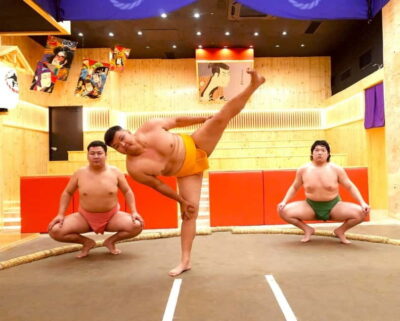
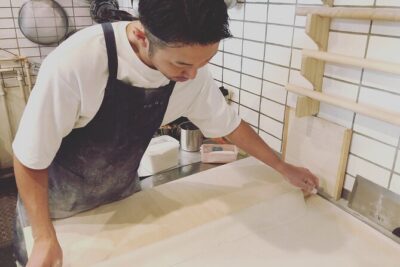
Mondo’s most popular plan! Experience making soba noodles and the king of Japanese cuisine, tempura, in Sapporo!
Read our review →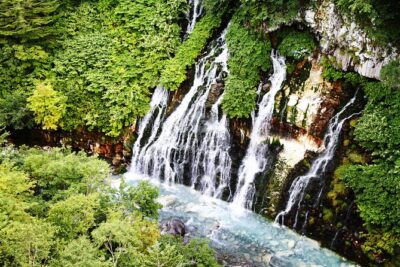
【Private Car】Asahiyama Zoo, Blue Pond, Shirahige Falls, Ningle Terrace (from Sapporo)
Read our review →
Sapporo 6hr Private Tour with Government Licensed Guide
Read our review →
Browse the lists this tour appears in